
Commercial Built-Up Roofing in Gainesville, FL
Inspect and repair commercial built-up roofs in Gainesville. Evaluate plies, surfacing, drainage and flashings before planning recovery or replacement.
Roof Systems: Commercial Built-Up Roofing
A built-up roof can hide its condition beneath aggregate, coating or a smooth surfacing layer. Before a Gainesville owner chooses repair or replacement, we identify the layers we can verify, inspect flashings and drains, and test areas where the assembly remains uncertain. Built-up roofing uses alternating layers of bitumen and reinforcing plies, so a surface crack does not always show how many layers are affected. The roof section and its history shape the inspection and repair plan.
Assembly: Read the Plies Beneath the Surface
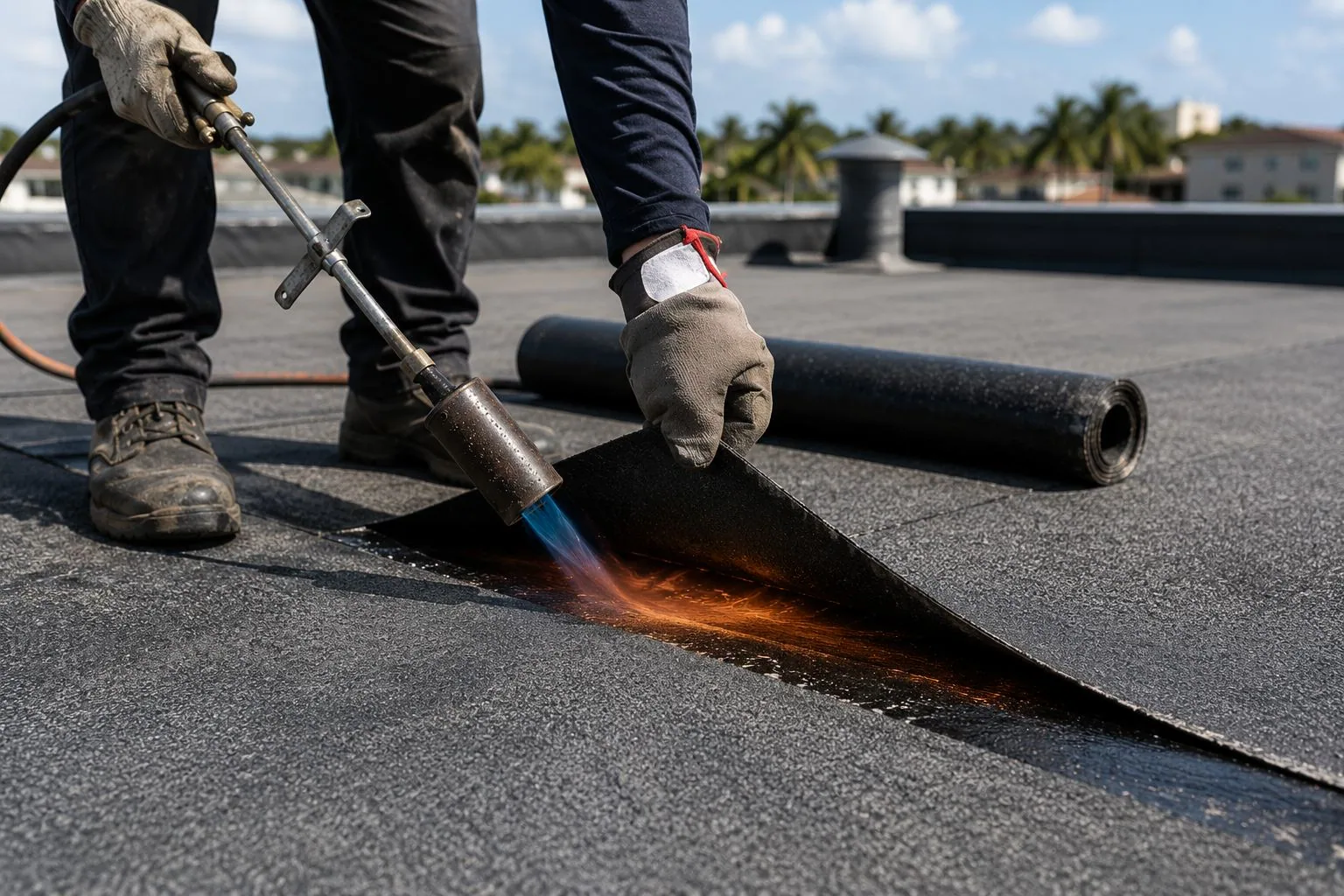
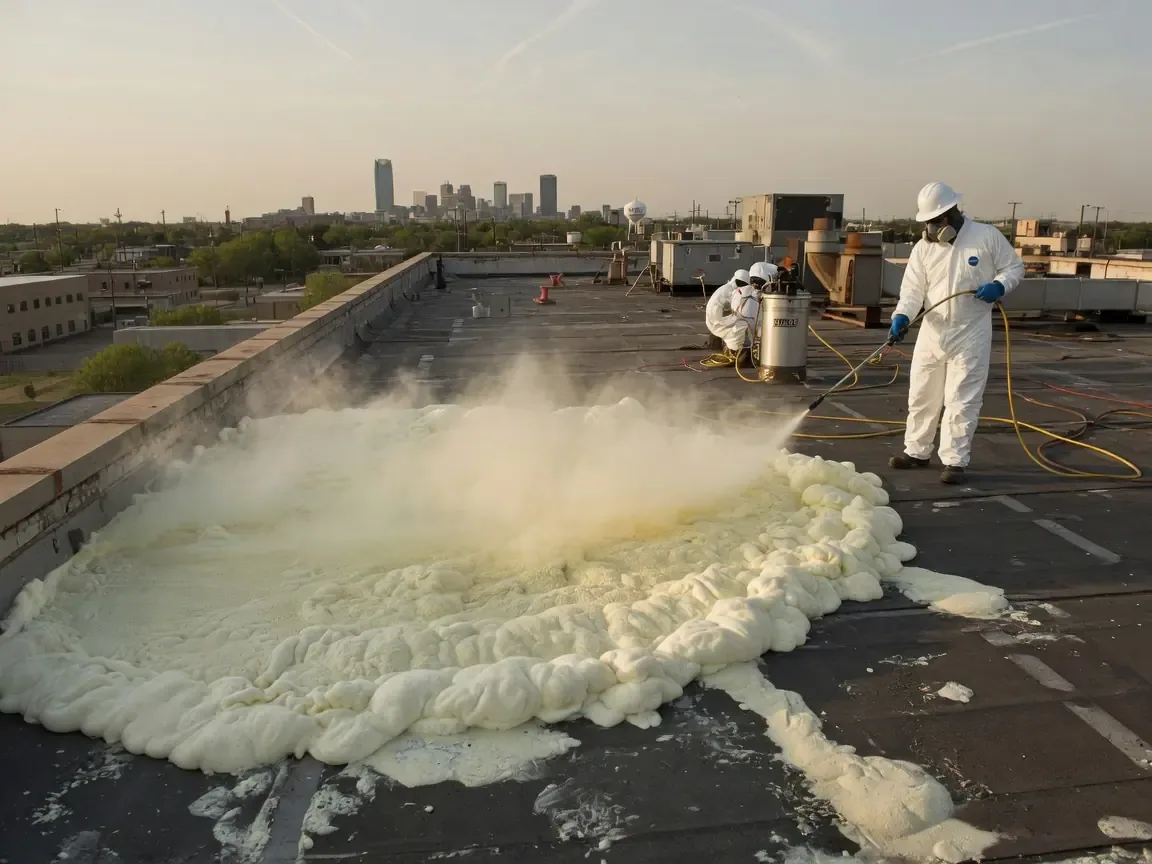
BUR is built from multiple layers of bitumen and reinforcement, with surfacing that may include aggregate or a smooth protective finish. The number of plies, materials and attachment vary by project. We review roof documents and look at existing edges, penetrations and exposed areas for clues, then use a test opening when the assembly must be confirmed directly. An opening can show the layers at that point; it does not prove every roof area has the same build-up.
Surfacing protects the bituminous layers and can affect how the roof handles foot traffic and weather. Loose aggregate, exposed asphalt, cracks or blisters call for different inspection questions. We examine whether material movement is limited to the surface or connected to a seam, flashing, wet insulation or substrate. The repair needs to address the failed layer rather than simply cover the visible mark.
Downtown Gainesville includes historic storefronts and mixed commercial uses. The downtown roof review begins with the building's own assembly and service history, which we verify from records and field conditions. We verify each roof and use the site contact's records to understand prior resurfacing or repairs.
Inspect: Find Moisture and Drainage Concerns
We inspect roof-to-wall transitions, drains, scuppers, curbs and perimeter details, then check where surfacing has moved or water has collected. A split in a cap layer may allow moisture below, while a damaged flashing may be the actual entry point. We mark observations on a roof plan and distinguish visible conditions from hidden layers that require testing.
Gainesville had 82 heavy-rain days and 104 thunderstorm days in 2022. Repeated rain can reveal a slow drain or a weak transition, but regional weather does not diagnose an individual BUR assembly. We trace the reported water path and inspect the connected details. When wet insulation may be present, infrared readings can guide selected test openings. A moisture survey can help determine where direct confirmation is useful.
Where a leak is active, we compare the interior location with drains, walls, penetrations and roof slope. A leak investigation can establish likely entry points and define immediate protection. Findings from a roof inspection can also identify unrelated maintenance items that should not be mixed into the leak repair without review.
Repair: Match the Work to the Affected Layers
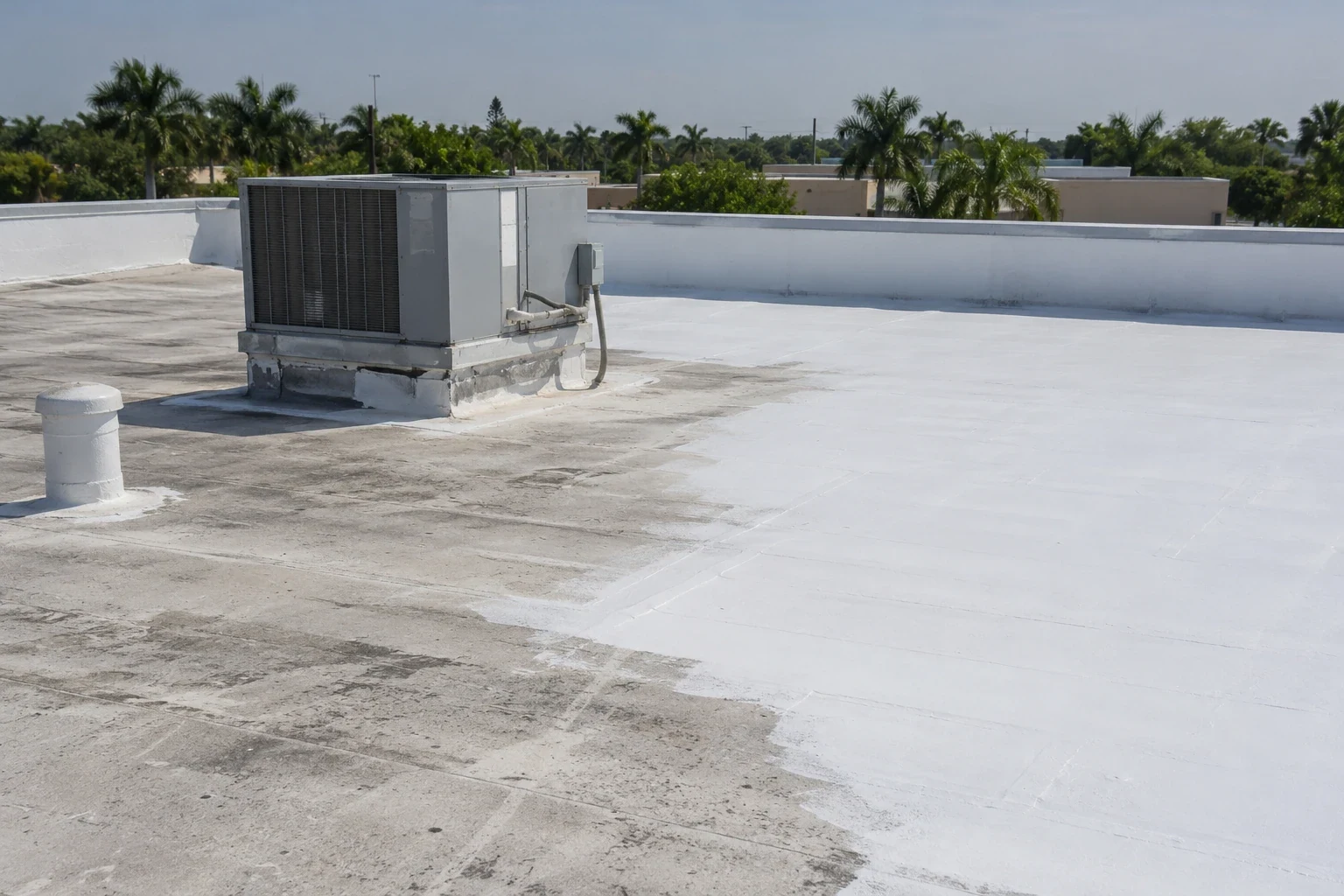
A small cut or open flashing may allow a localized repair if surrounding plies and insulation remain serviceable. We prepare the surface, remove loose materials and apply compatible bitumen and reinforcement through the layers needed to restore the detail. A patch over aggregate requires preparation and a finished surface that ties into the existing roof. The repair scope identifies whether aggregate must be removed and restored or whether a different detail is specified.
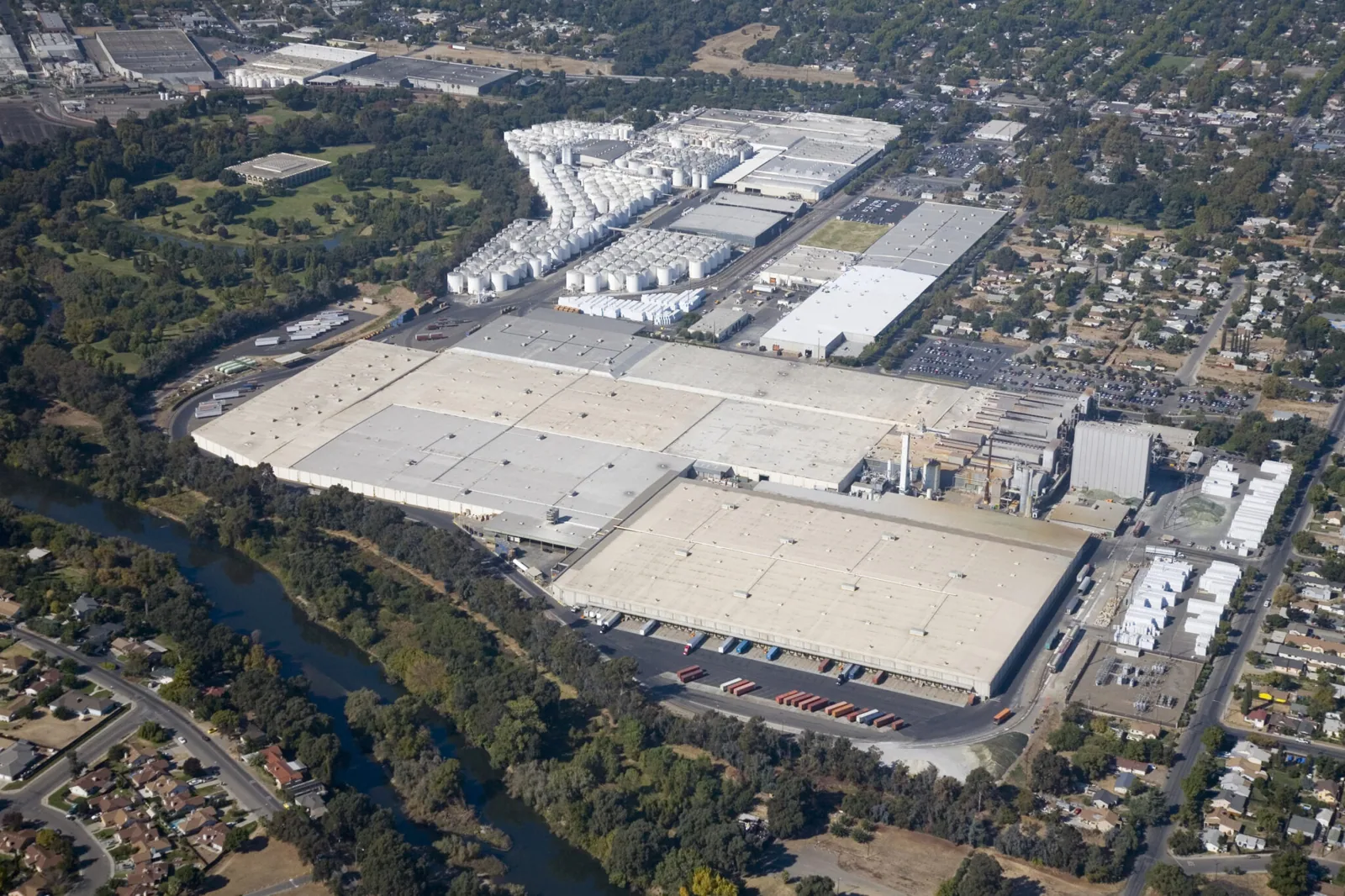
If moisture extends below the surfacing, material removal may need to reach sound insulation or deck. We record each test opening, identify what it confirms and state where additional openings may be needed. This avoids treating one dry cut as proof that an entire large roof is dry. The owner can review confirmed wet areas, intact sections and remaining uncertainty before selecting a broader scope.
Cost and timing depend on ply count, surfacing, roof access, staging, material method and weather. Work involving hot asphalt requires controls for heat, fumes and fire protection; site restrictions and project specifications determine what method is permitted. We confirm those requirements and plan protection around occupants, air intakes and nearby equipment.
Install: Protect the Building Through Each Lift
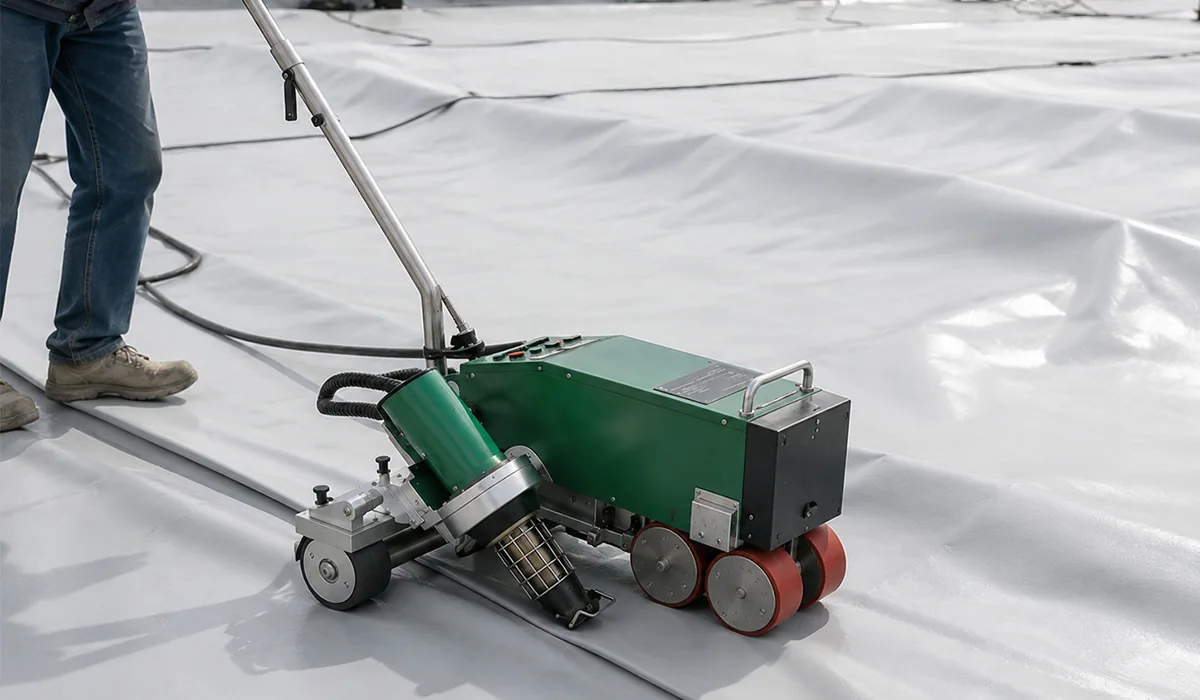
BUR installation includes substrate preparation, bitumen and reinforcing plies in the specified sequence, followed by the required surfacing. We keep daily work within an area that can be secured and completed or protected before crews leave. Roof drains remain clear, and temporary tie-ins protect transitions to the existing assembly. Quality checks occur at the steps identified in the project specification.
Gainesville's frequent thunderstorms can interrupt work and change how a roof section is protected. We check actual conditions, establish a stop point and keep the site contact informed about the day's boundary. If work uses hot asphalt or another heat-based process, equipment and fire controls are planned before mobilization. Odor-sensitive areas, doors, intakes and tenant operations are included in the coordination.
At the VA medical area on Archer Road or at properties near the UF Health medical district, access may involve clinical schedules, delivery routes and multiple building contacts. These conditions shape staging and notice. We confirm the actual facility requirements and set a work sequence that can be paused without leaving an exposed area.
Options: Evaluate Recover and Replacement
A recover may be possible when the existing roof is dry, secure and permitted by project requirements. BUR with several prior layers, wet materials or unstable surfacing can make another layer unsuitable. We inspect existing build-up, confirm attachment where possible and identify areas needing test openings. A recover assessment determines whether the roof can receive a new assembly under the project's criteria.
When removal is needed, a replacement plan defines tear-off, substrate review, insulation, drainage and the selected system. Owners may compare modified bitumen with TPO roofing if the existing assembly and project specification support those options. The choice should account for traffic, maintenance, details and the project specification.
Future inspections can track blisters, surfacing changes, drainage and repaired areas. A maintenance visit records new observations and keeps them with the roof section. For a Gainesville roof review, share the address, building use, records, leak locations, access contact and work window. We will inspect the assembly and explain which areas need repair or further testing.
The surfacing affects both inspection and repair access. Aggregate can hide a small split, move into a drain basket or make a patch difficult to bond until the repair area is cleared. A smooth cap sheet allows a different visual review, but checking it still requires attention to seams, blisters and transitions rather than color alone. We identify where surfacing must be removed to inspect a suspected leak and how it will be restored after the detail is repaired. Where the roof holds water, the owner should distinguish a slow drain from a low area created by deflection or an insulation change; the corrective scope may differ. A roof plan with test locations, repaired areas and remaining questions gives a future inspector a practical starting point. It also helps compare a localized repair with a larger assembly decision without assuming that every section has identical layers.
Frequently Asked Questions
Can you tell how many BUR layers are present without opening the roof?
Records and exposed edges may help, but a test opening confirms the materials at its location. We identify when additional openings are needed to establish whether another section has the same assembly.
Can aggregate be left in place for a repair?
Aggregate removal follows the selected repair material and the surface condition. We determine whether the surfacing needs removal or preparation so the new detail can bond to sound material.
Does ponding water mean a built-up roof has failed?
Ponding is an observation, not a diagnosis. We check the drain path, slope, surfacing and nearby seams, then determine whether drainage correction or membrane repair is needed.
Can a BUR receive a new roof layer?
A second layer requires acceptable existing materials and project approval. We inspect and test as needed before recommending an assembly over the current roof.
Related Roofing Work
Inspect a Gainesville Built-Up Roof
Provide the building address, roof records, known layer history, reported leaks, site contact and preferred access time. We will inspect the surfacing, flashings and drainage and identify where test openings may be needed.