
Commercial TPO Roofing in Gainesville, FL
Install, repair or inspect commercial TPO roofing in Gainesville. Review seams, attachment, insulation and drainage before choosing a roof scope.
Roof Systems: Commercial TPO Roofing
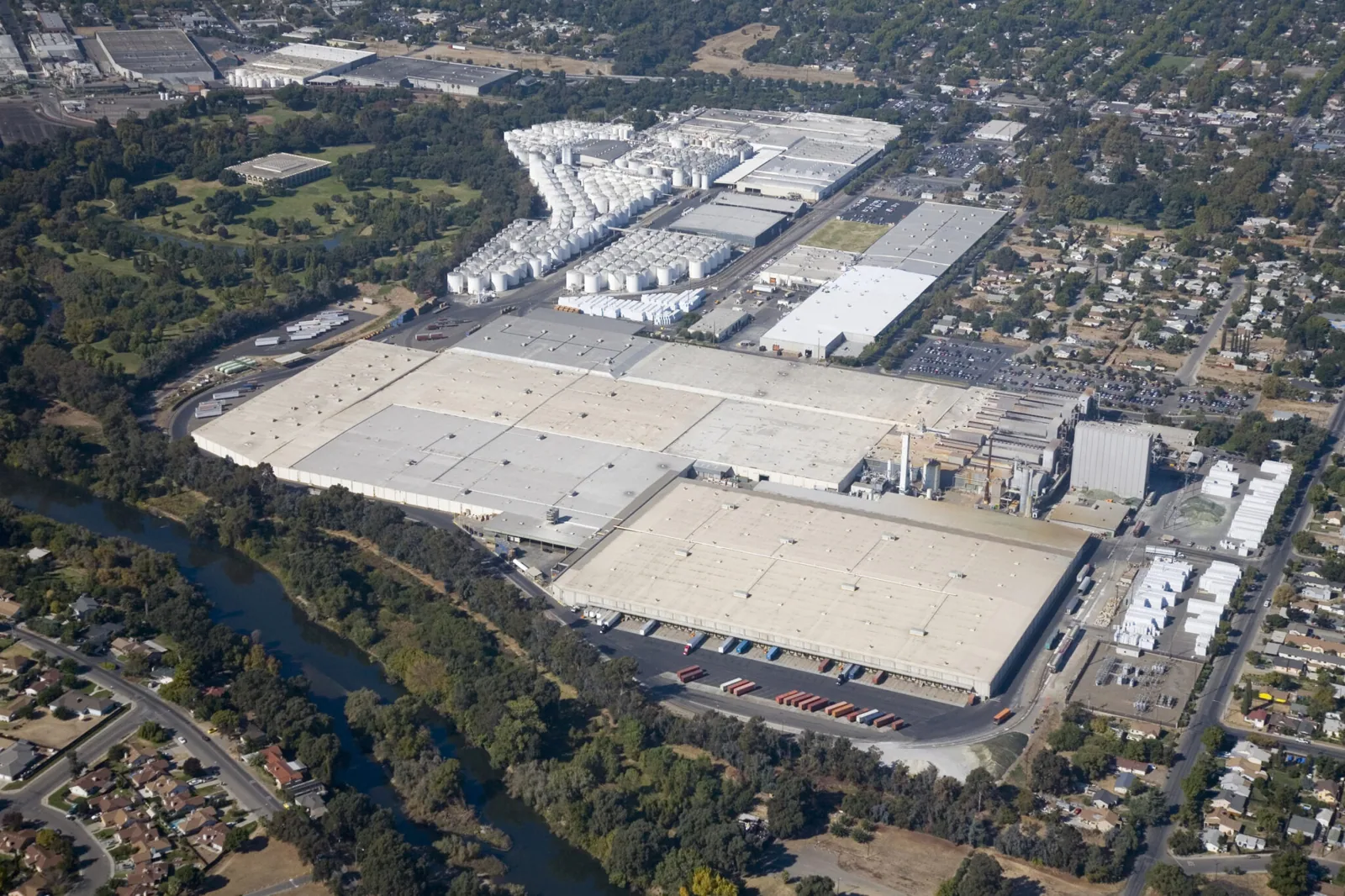
A distribution building or occupied office with a single-ply roof needs seams and perimeter details that remain secure through heat, rain and service traffic. TPO is a thermoplastic membrane whose field seams are heat-welded; the assembly also depends on attachment, insulation, flashing and drainage. Gainesville's all-time record high is 104°F, and 2025 had 133 days at or above 90°F, making surface exposure a practical maintenance consideration. We inspect the system and the building's use before recommending TPO repair, replacement or maintenance.
System: Understand the Membrane and Its Seams
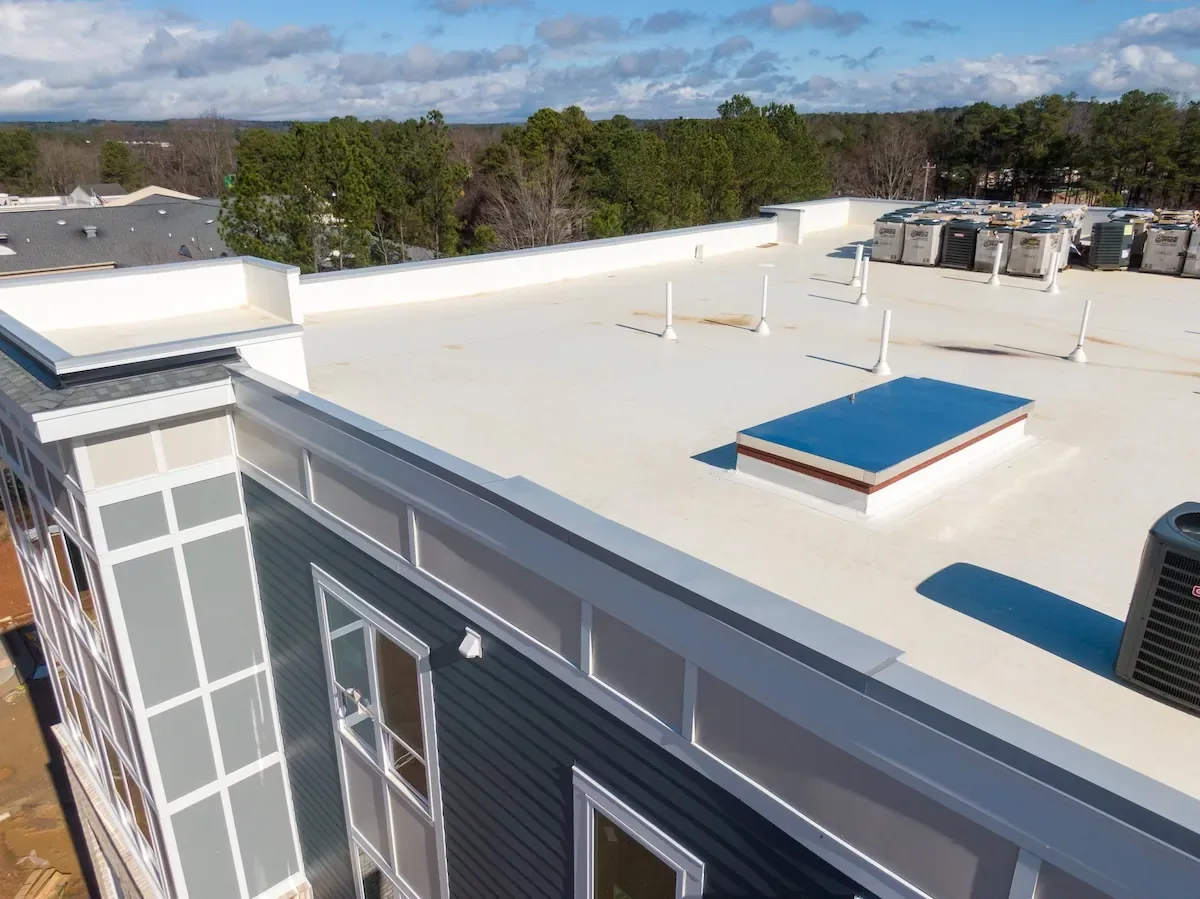
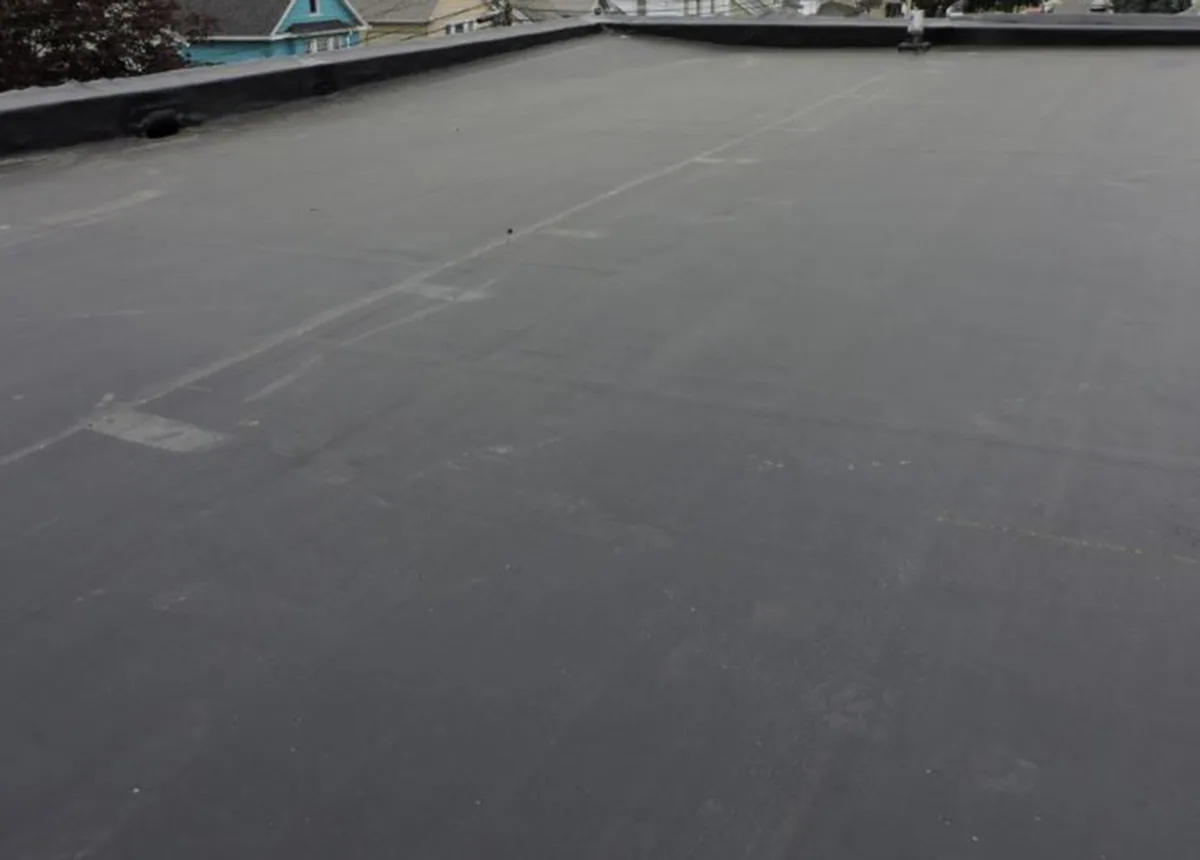
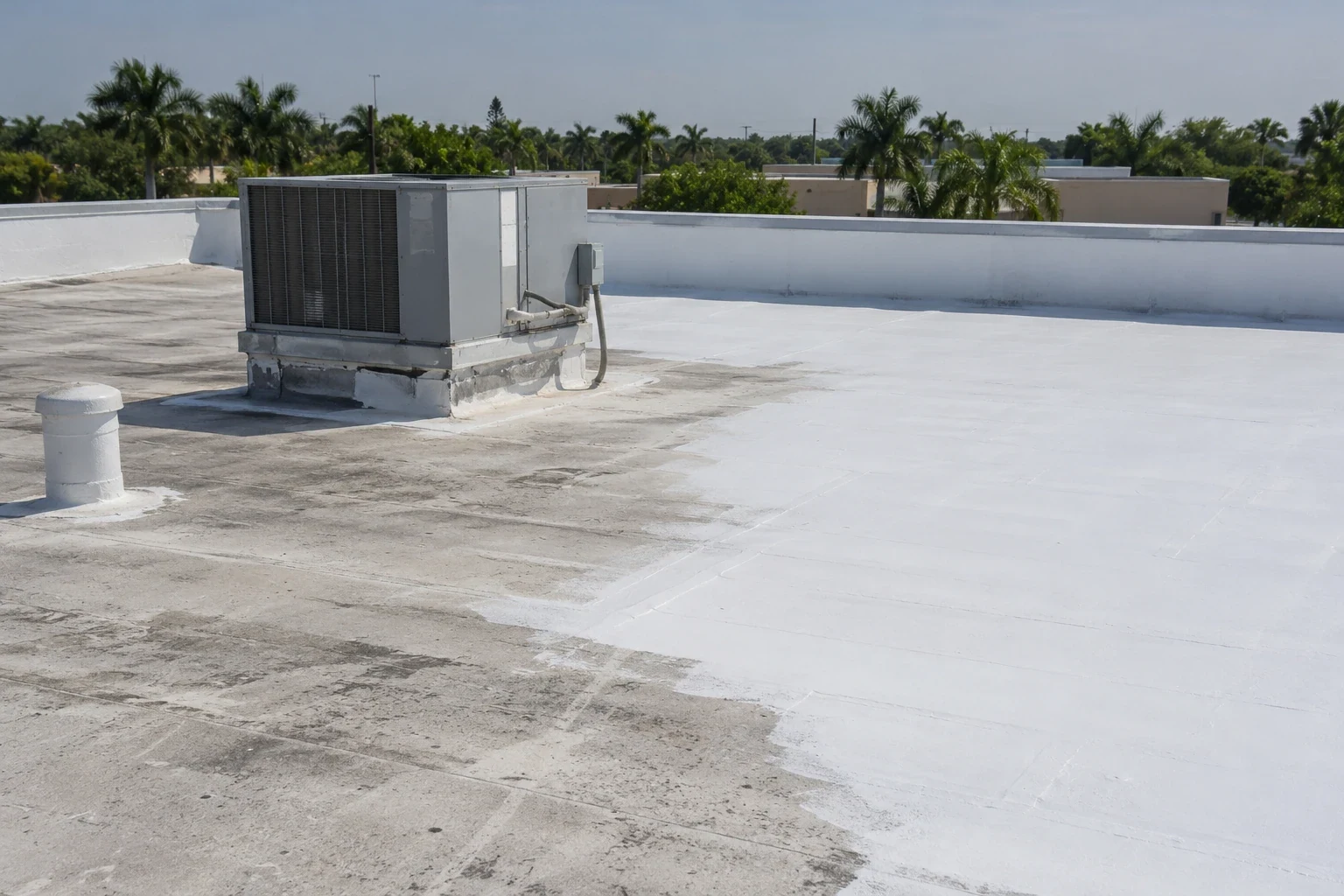
TPO membrane sheets are joined with hot-air welds, forming seams that must be clean, properly prepared and fused at the specified conditions. Field seams, corners, flashing transitions and terminations each need a detail suited to the roof geometry. A seam that looks closed may still need probing or other inspection to confirm its condition. We examine the actual membrane and note repairs, surface changes and areas where attachment or substrate cannot be verified from above.
The full assembly matters as much as the sheet. Insulation type, cover board, attachment and deck condition affect how the membrane performs under wind loads and foot traffic. Roof drains, curbs, pipe supports, skylights and parapets interrupt the field and need compatible flashing. For a facility near Gainesville Regional Airport or Airport Industrial Park, the site contact identifies equipment and service routes; we verify the TPO assembly on the roof.
Owners comparing systems may also review PVC roofing or KEE membrane. Those materials have different formulations and project considerations. We identify the roof use, chemical exposure, traffic and specification before comparing options.
Inspect: Find the Detail Behind the Leak
A water mark inside the building can point toward a seam, flashing or drain, but water may travel before it becomes visible. We inspect reported areas and follow likely paths across the roof, checking welded seams, penetrations, curbs, roof edges and drainage. If the insulation may be wet, infrared scanning can guide selected test openings. A moisture survey distinguishes a suspected area from a confirmed condition when direct testing is included.
Gainesville's maximum recorded 24-hour rainfall in 2025 was 3.06 inches. We inspect the property's drains, seams and low areas to identify which detail, if any, connects to a leak report. We document the location and observed condition, then identify what additional access or testing would resolve uncertainty. A commercial roof inspection can assess the rest of the roof beyond the active leak.
Heat, rooftop equipment service and repeated foot traffic can also affect TPO details. We note worn walk paths, punctures, loose flashing and areas where other trades may have altered the membrane. The owner receives observations tied to a roof section, not a general conclusion based only on the interior stain.
Options: Repair, Recover or Replace
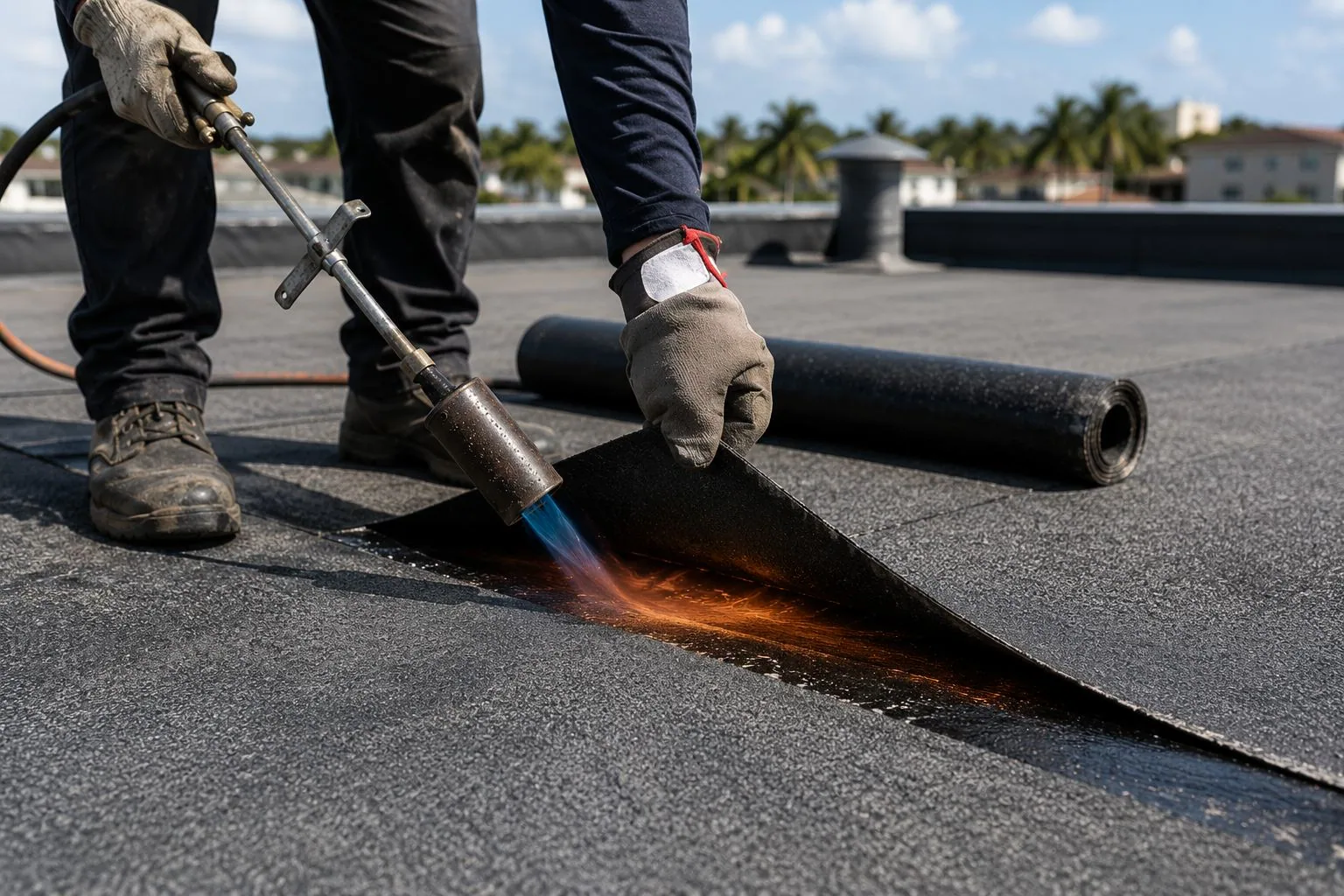
A localized puncture, open flashing or isolated seam problem may be repairable when the surrounding membrane and substrate remain sound. We remove or prepare the affected area as the repair detail requires, then weld or flash the replacement material into the existing system. If the membrane has broad deterioration, wet insulation or attachment concerns, a limited patch may not address the underlying condition. We explain what the inspection establishes and where further testing is warranted.
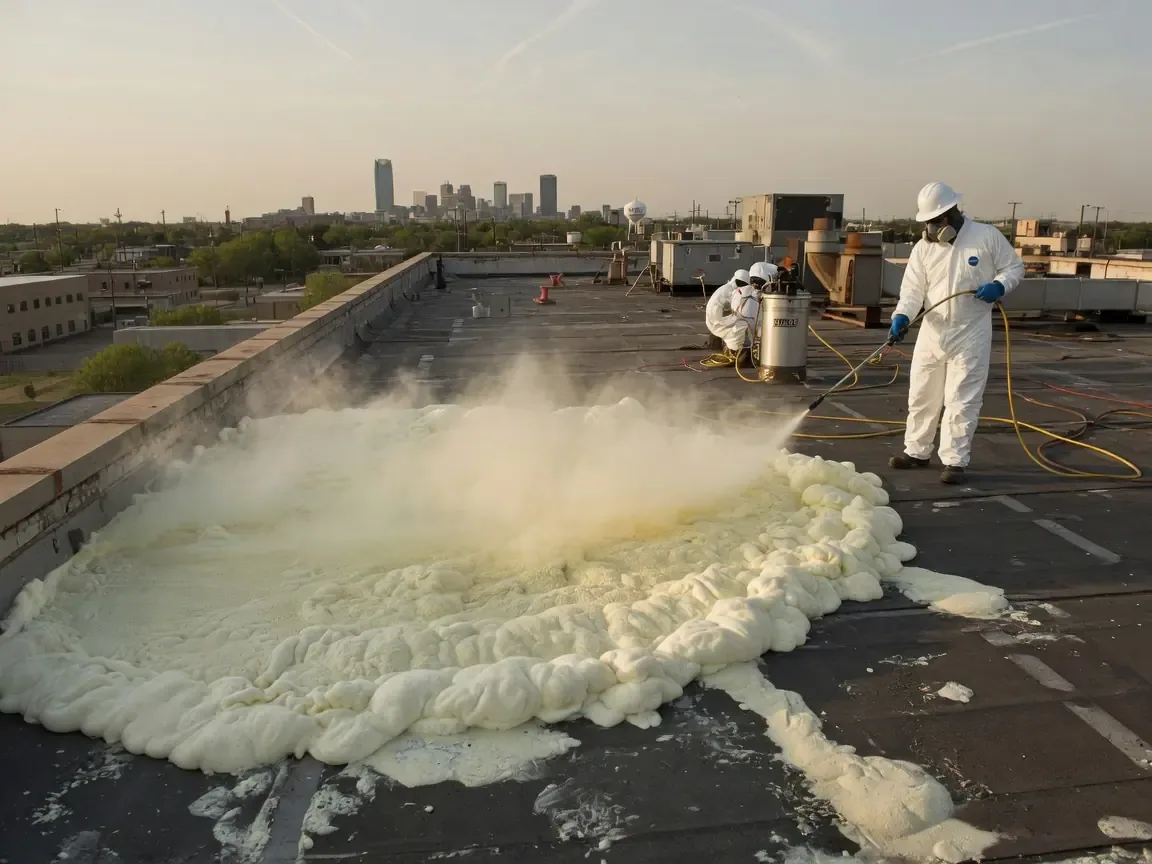
A recover adds layers over an existing roof only when the assembly, moisture condition and project requirements allow it. If widespread wet materials or failed attachment are present, removal and replacement may be more appropriate. A replacement plan defines the tear-off, insulation, cover board and new membrane scope; a recover assessment checks whether another layer is viable.
Cost and timing depend on roof area, access, attachment, insulation condition, penetrations, staging and weather. We mark assumptions and note which conditions could change once the assembly is opened. For projects that add insulation or tapered drainage, a roof assembly review can address height, substrate and outlet transitions.
Install: Weld the Field and Detail the Edges
Installation begins with substrate review and a planned sequence for insulation, cover board and membrane. We confirm attachment and alignment, then use compatible flashing at curbs, drains, walls and penetrations. Weld settings depend on the membrane and site conditions; test welds and seam checks help verify the work before the area is covered or released. The detail at a change in plane deserves the same care as the open field.
Weather changes the work window. Rain and surface moisture can prevent reliable welding or tie-ins, while high heat can affect handling and crew timing. We check actual conditions and limit each day's exposed area to what can be secured. On occupied sites around the University of Florida campus or Butler Plaza, access, deliveries and sensitive operations shape the sequence. Innovation Square’s planned research, office, residential and retail uses also call for property-specific access planning.
When work pauses, the active edge receives a temporary tie-in that protects the building until installation resumes. We keep drains clear and identify roof sections that are complete, in progress or awaiting another trade. The facility contact receives the work boundary and access plan for the next shift. The roof map also records tie-in locations so maintenance staff can recognize each new transition during a later walk.
A TPO proposal should identify the membrane thickness and color, attachment method, insulation package, cover board and edge design, rather than treating the sheet as the whole system. These choices affect uplift resistance, thermal performance, serviceability and how later repairs are made. We compare the assembly with the building's deck, existing layers and project requirements before confirming a recover or replacement. At roof edges, the membrane termination and metal edge work together, so attachment and flashing details deserve a separate review from the field welds. Penetrations should be grouped where practical and detailed so future equipment work does not create scattered openings. For occupied Gainesville properties, the phasing plan can set protected daily limits, roof access routes and interior notifications before tear-off begins. That lets the facility contact coordinate operations around actual work areas and keeps the exposed roof section within a manageable scope.
Maintain: Keep TPO Details on the Inspection Route
Maintenance checks seams, flashing transitions, drains, rooftop equipment and repair locations. We look for cuts, loose material, open corners and damage from service traffic, then map any issue that needs repair. A dated roof plan helps the facility team compare future findings with earlier repairs and reported leaks. The maintenance interval should reflect observed conditions, drainage and the consequences of an interruption inside the building.
After a heavy rain or equipment service visit, an owner may ask for a targeted review of a roof section. We record the area inspected and distinguish it from sections not reached. If findings call for a written building record, a roof condition record can keep images, repair notes and follow-up items together.
For a TPO review, send the property location, building use, roof documents, leak history, access contact and a suitable work period. We will check the field and transitions, note any testing limits and prepare the next scope from the conditions observed.
Frequently Asked Questions
Can a TPO seam be checked without cutting the roof?
Yes. We inspect and probe accessible welds, and use other system-appropriate checks when needed. Test openings are reserved for questions about hidden layers or substrate.
Does a white TPO membrane make roof insulation unnecessary?
No. A reflective surface and insulation perform different roles. The roof assembly still needs insulation levels and attachment selected for the project requirements.
What causes a leak on a TPO roof?
Possible sources include a damaged field seam, flashing transition, puncture, drain detail or another opening. We trace the reported water path and inspect connected sections before setting repair limits.
Can you put new TPO over an existing roof?
A recover depends on the existing layers, moisture, attachment, deck and project criteria. We inspect and confirm those conditions before recommending another layer.
Related Roofing Work
Review a Gainesville TPO Roof
Share the property address, building use, available roof records, leak locations, access contact and preferred work window. We will inspect the TPO assembly and outline repair, recover or replacement options.