
Industries We Serve in Gainesville, FL
Industries We Serve
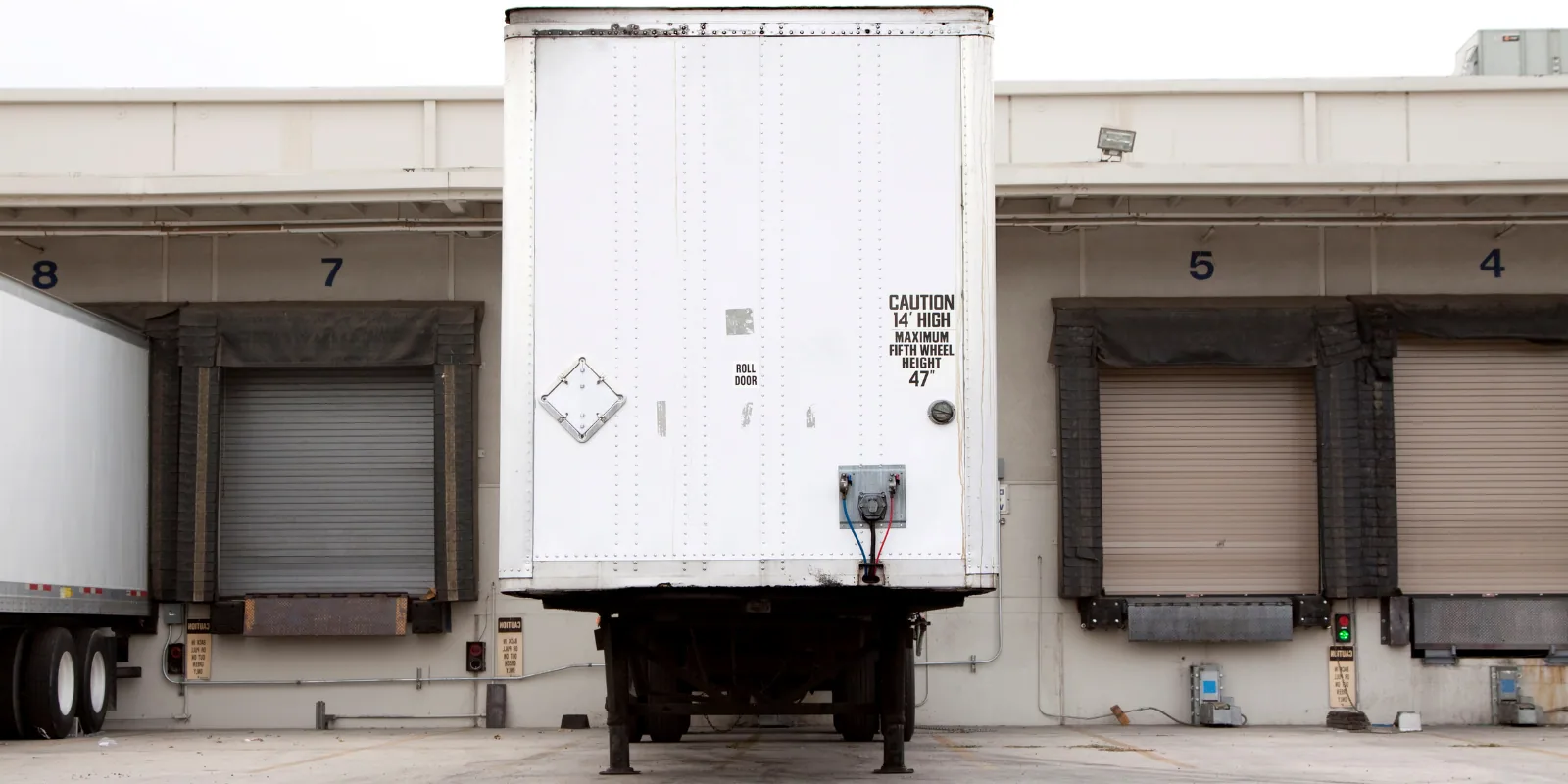
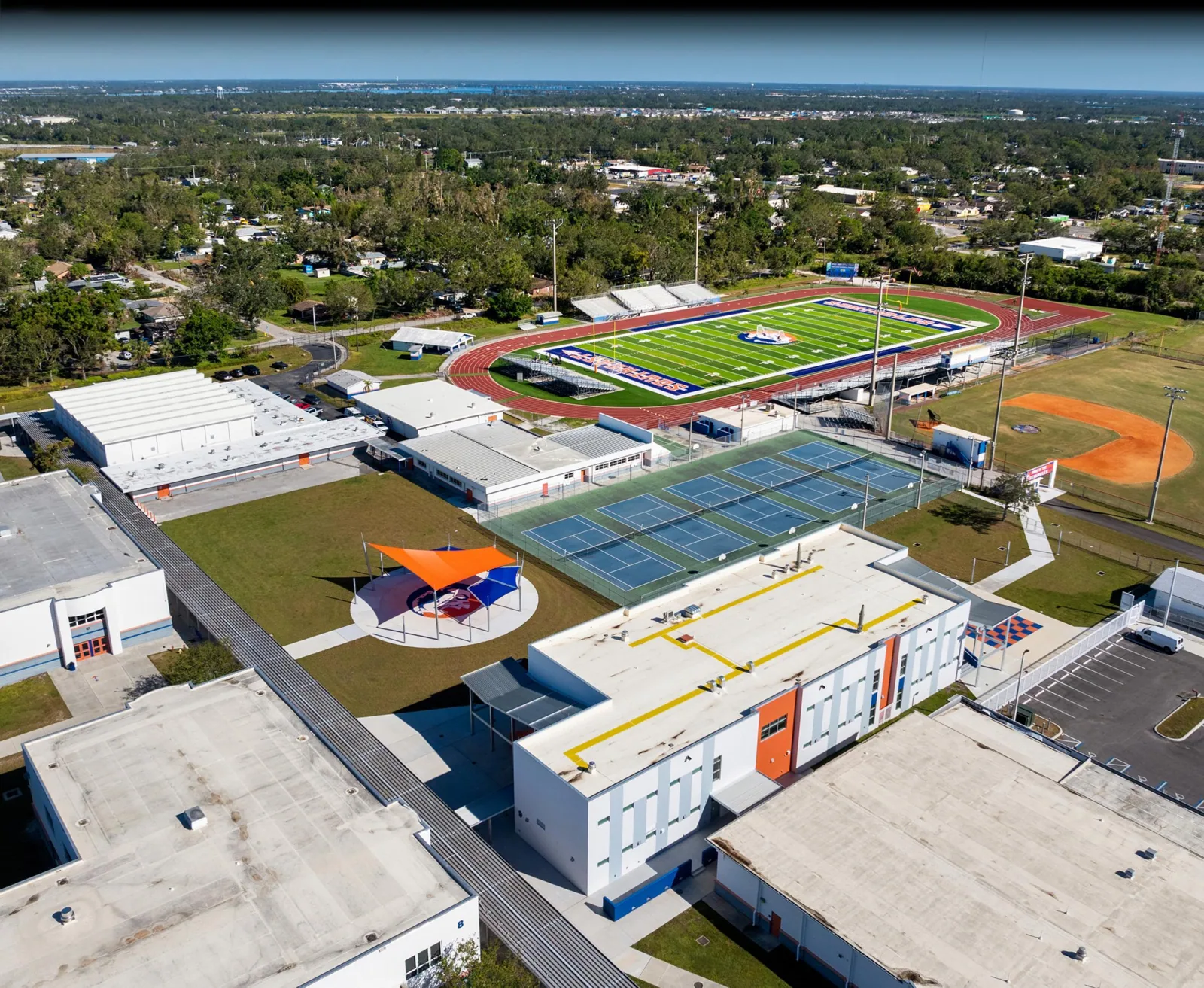
Roof work has to fit the way a property operates. A healthcare system may require protected clinical routes and equipment coordination; a school district may need work scheduled outside occupied periods; a logistics operator may need loading areas kept available. We confirm those constraints with the owner, inspect the roof assembly and document the sections included. Gainesville's University of Florida campus has more than 1,000 buildings, and Archer Road connects the university with the UF Health medical district. That scale makes building-level roof records useful across the university and nearby medical district.

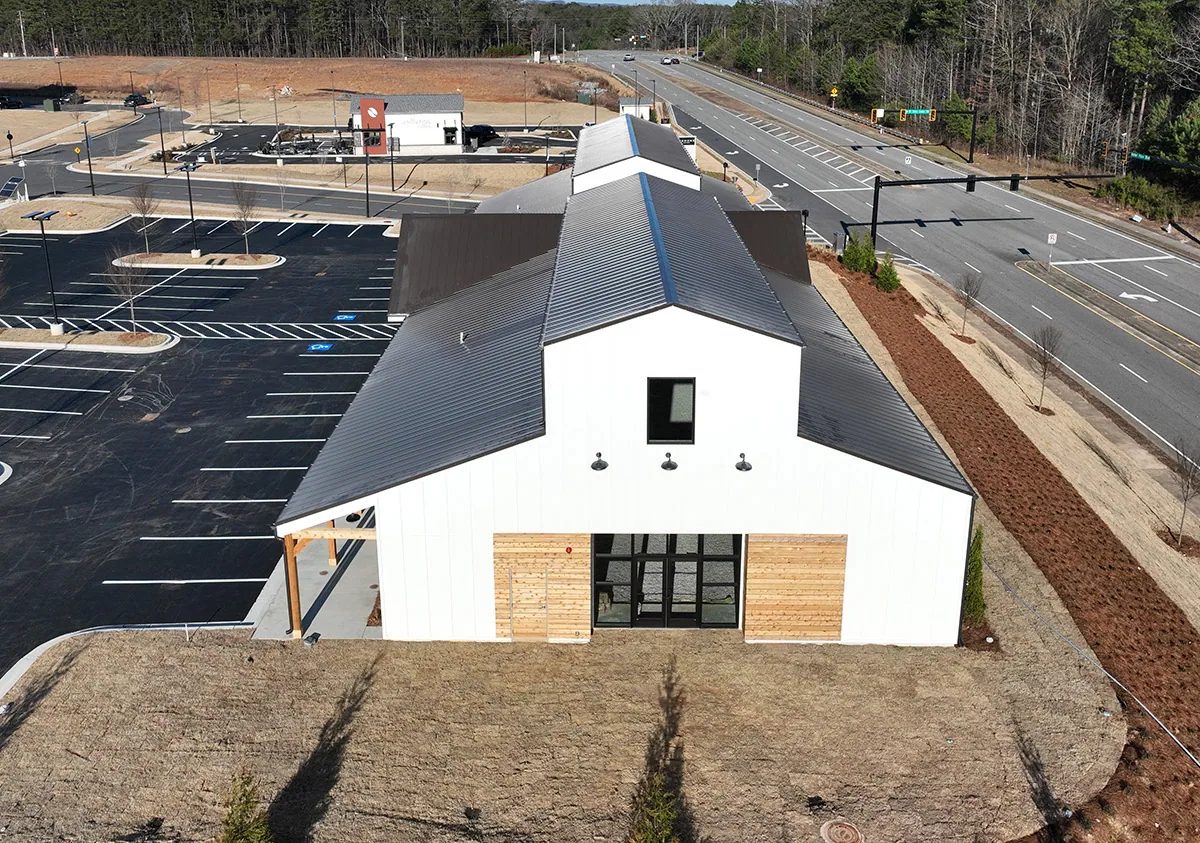
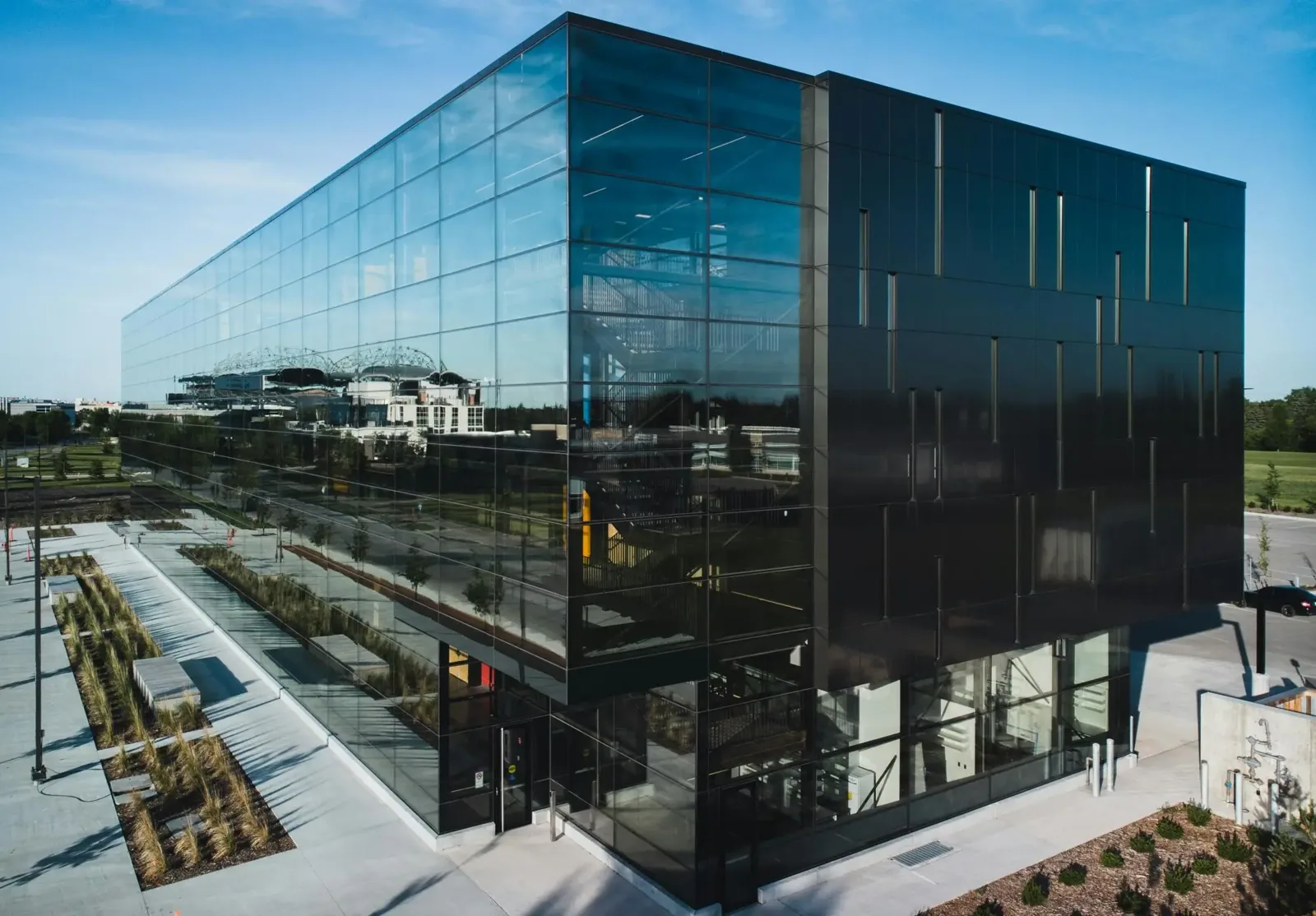
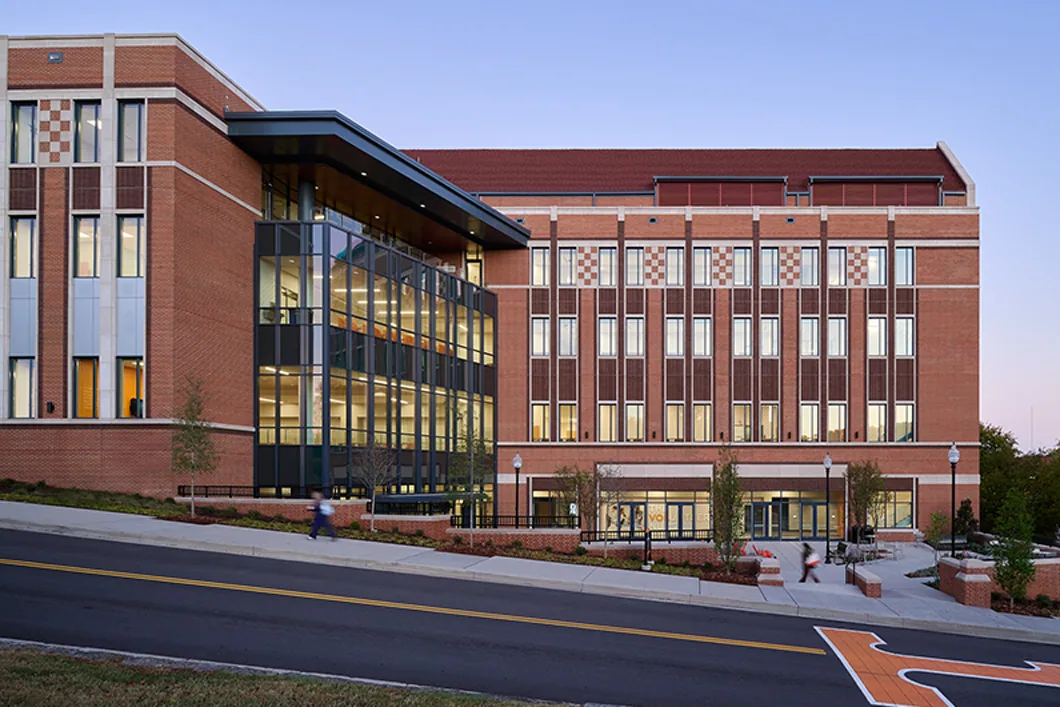
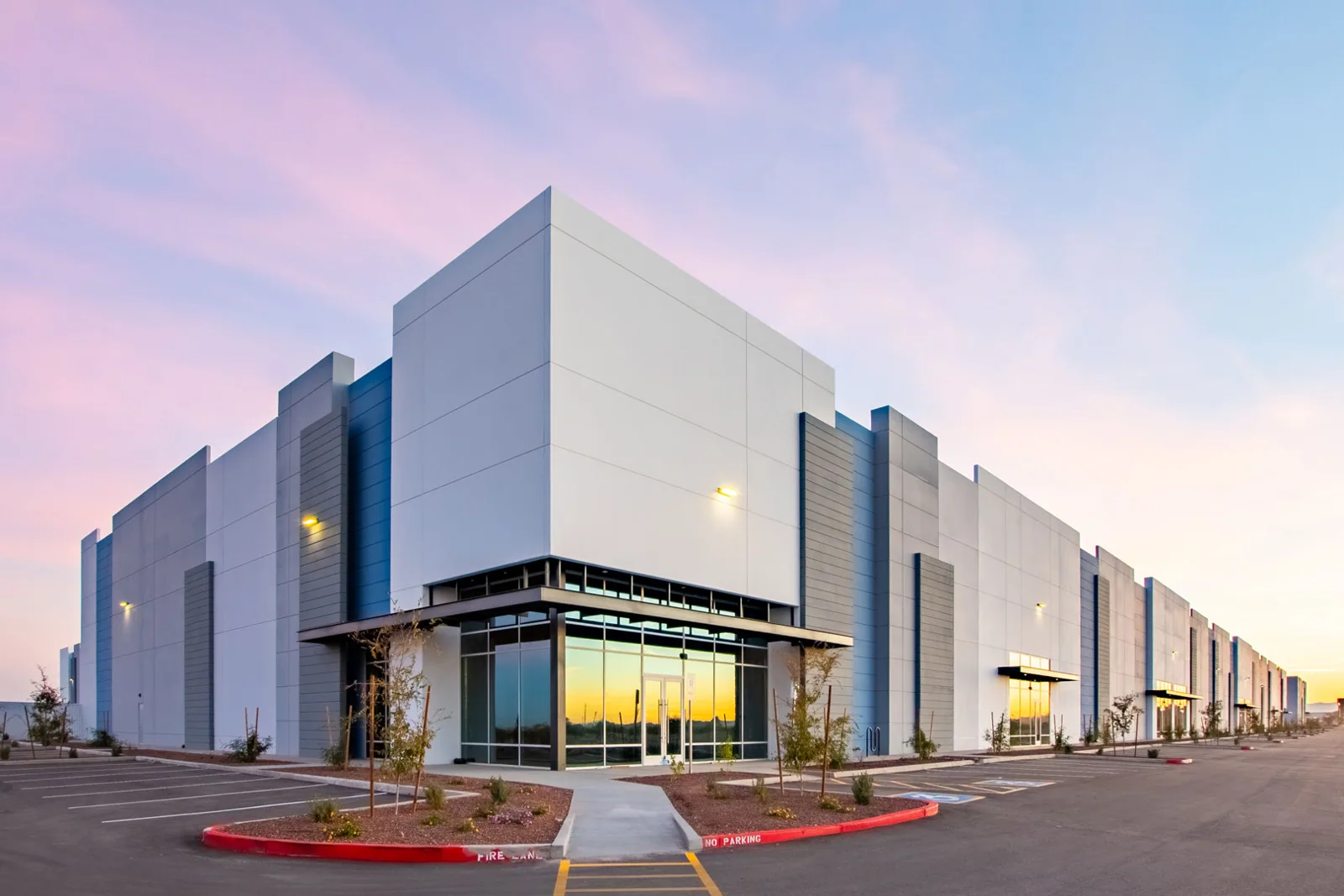
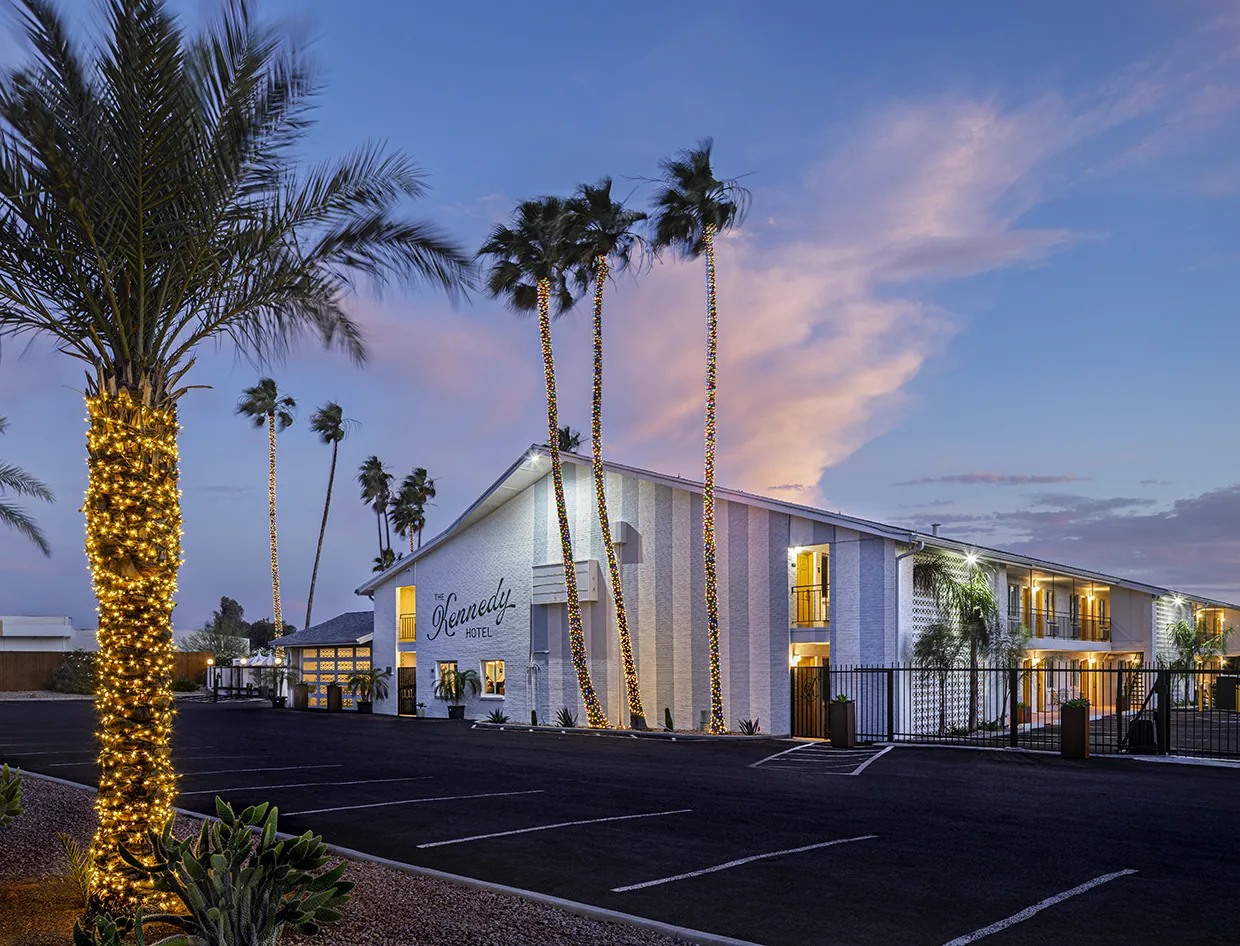
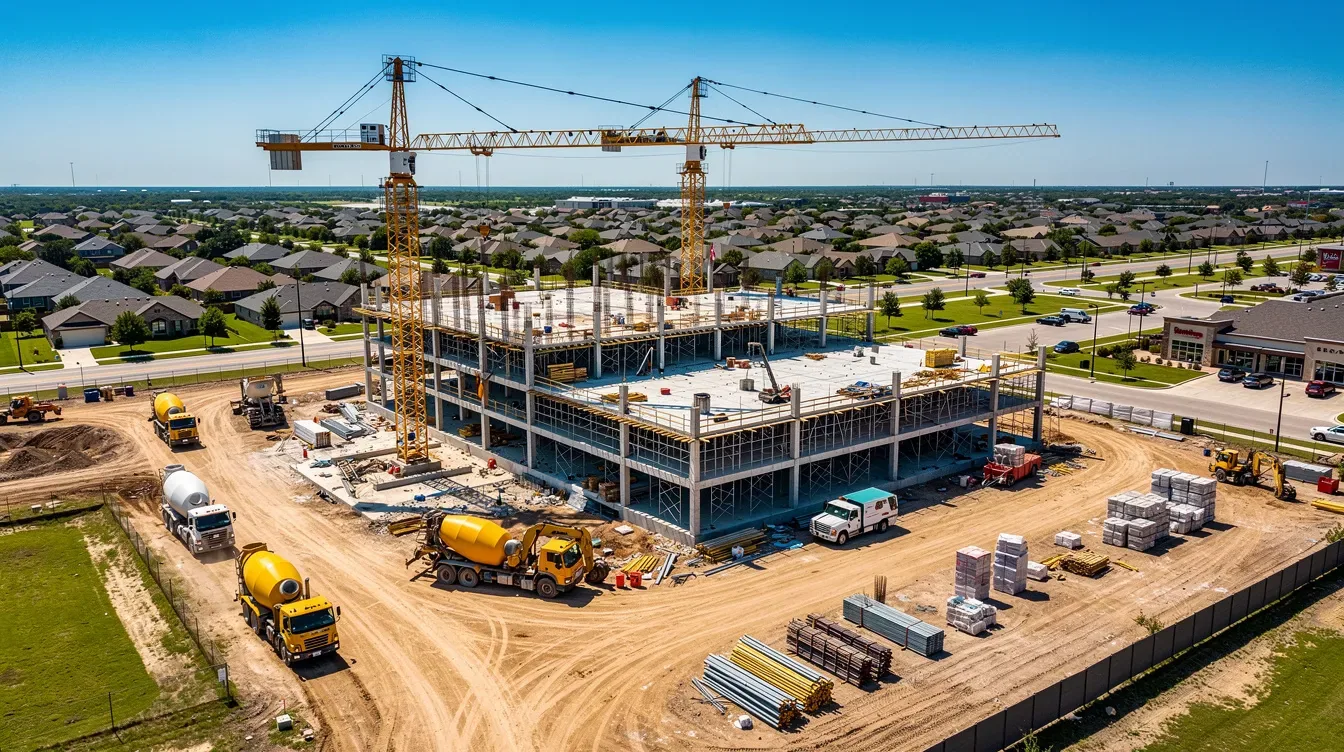
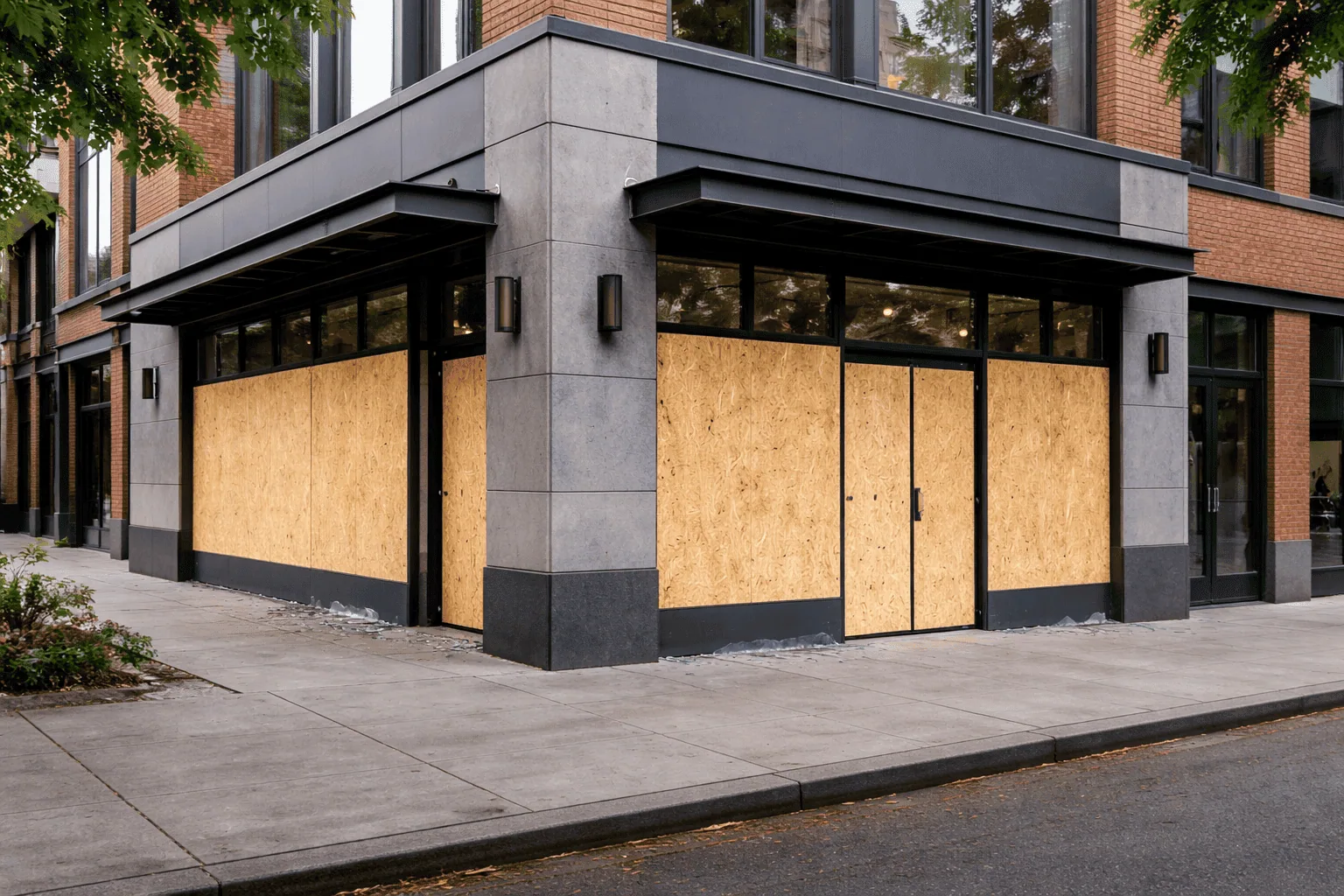
Plan Roofing Around Your Operation
Coordinate: Plan Around the Operating Day
For healthcare systems, we confirm restricted spaces, shutdown approvals and interior protection. For school districts and public agencies, we identify access approvals, occupied areas and any permit or procurement steps the contact provides. A logistics operator may need a delivery window and staging route; a manufacturer may have process equipment that cannot be interrupted. These details shape sequencing, while inspection evidence determines the roof scope.
Inspect: Keep Findings Specific to Each Facility
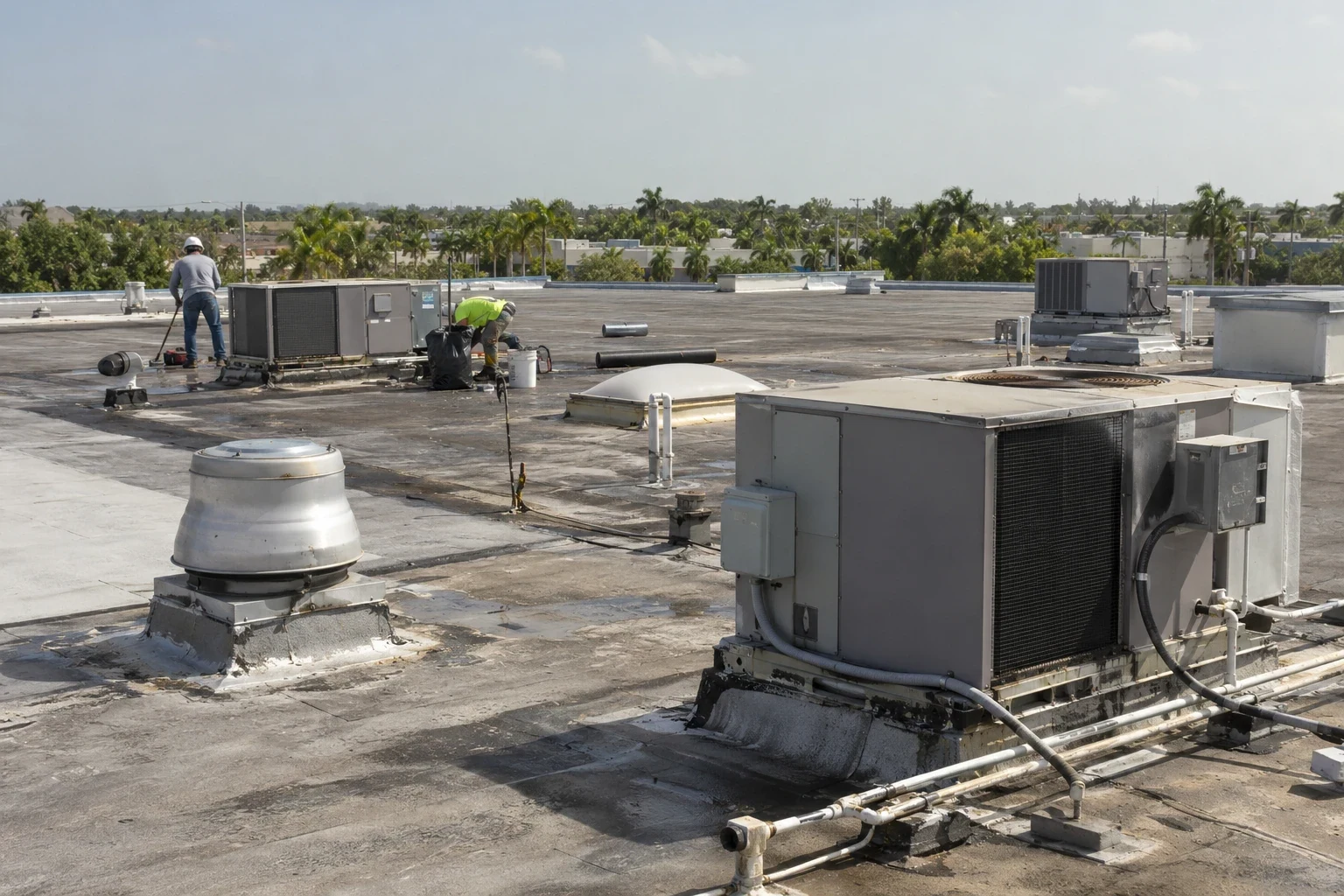
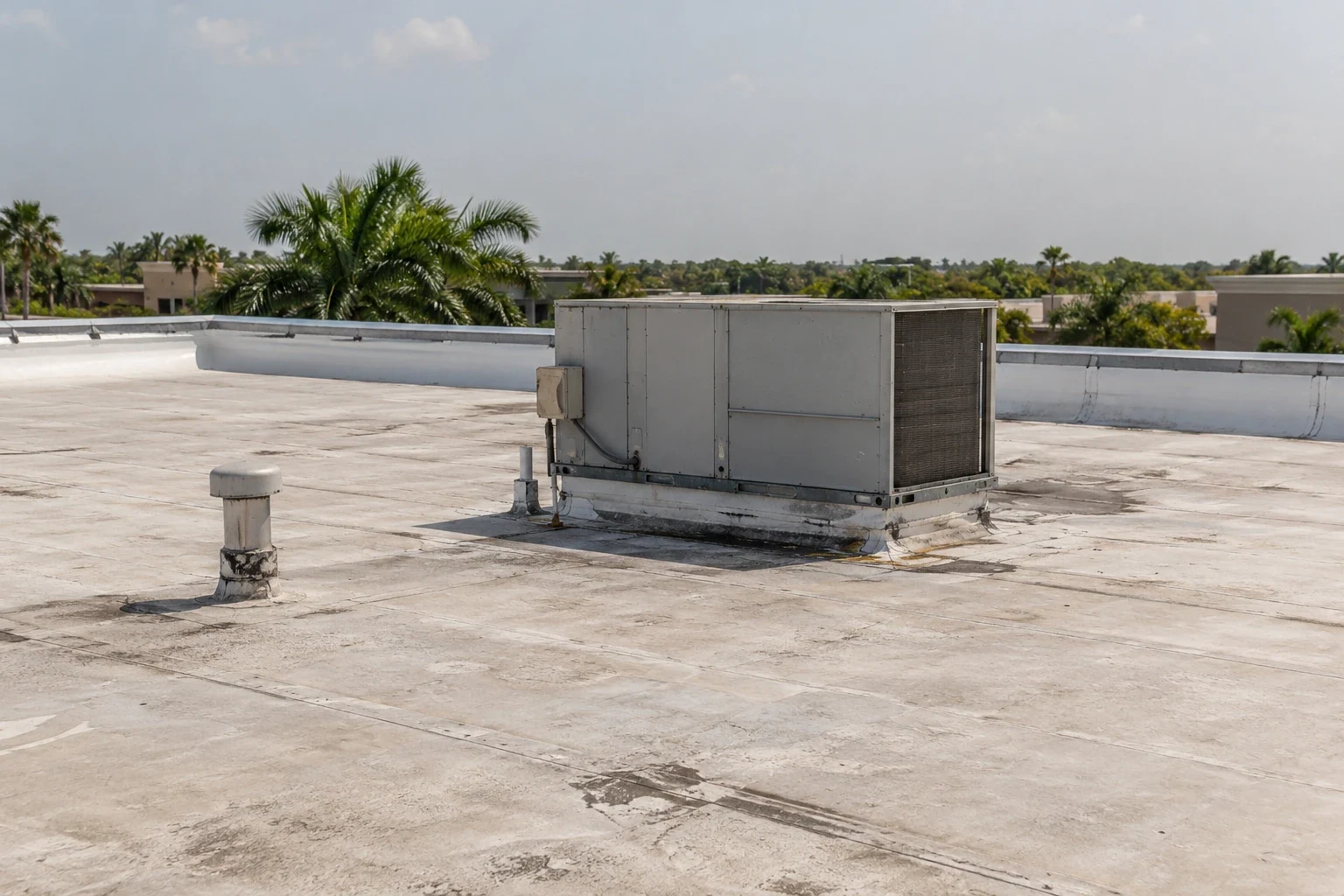
We record the roof system, repair history, drains, penetrations, curbs, edges and moisture indicators, then compare them with reported leaks. For a multi-property owner, every address receives its own map and photos. A property manager or real-estate investor can use those records to distinguish a local repair from a capital project. A retail or restaurant group may also need notices and work phases coordinated across multiple operating sites.
Compare: Choose Work from the Building's Condition
A localized defect may support repair when the surrounding assembly is sound. Repeated failures, widespread moisture, deck damage or edge problems can lead to a recover or replacement review. Cost and schedule depend on roof type, preparation, test results, access and operating limits. We document what is confirmed, what remains concealed and which result could change the recommendation. An owner or general contractor can use that scope to coordinate roof work with other trades, while an insurance restoration team can receive photographs and a defined damage record.
Close Out: Keep the Portfolio Record Useful
The closeout identifies work completed, details inspected, excluded areas and follow-up items. We record the system observed and any access or testing limits. For a regional operator, consistent section labels make reports easier to compare while keeping every building's condition separate. Gainesville's heat and rainfall put drainage and exposed details on the recurring maintenance list, while the next service interval follows each roof's observed condition. The next service interval follows the actual assembly, site requirements and any new roof traffic or equipment changes.
Keep the Decision Record Usable
Before work begins, the owner and contractor can confirm who approves access, who receives daily updates and which roof areas are included. For properties with tenants or multiple departments, those contacts should receive the same area labels used in the inspection record. That simple alignment reduces confusion when a leak report arrives during a later phase or when a different facility team reviews the project file.
Commercial Roofing Questions
Can one roofing program cover several industries?
Yes. We can use one coordination process while keeping work plans, access contacts, roof maps and findings specific to each facility. Operational requirements are confirmed with the site contact at every address.
What should an industry roof report include?
It should identify the property, roof sections, observed assembly, photographs, confirmed repairs, open tests, access limits, and next action. We keep each finding tied to the building it describes.
Can roof work be phased across several occupied properties?
Phasing works when each address has a confirmed contact, access window, staging area, and secure daily stopping point. We document the sequence by roof section for every operation.
How do you compare repair and replacement across a portfolio?
We document the same core items for each asset: condition, moisture testing, repair history, access, and operational impact. The recommendation follows each roof's evidence rather than applying one renewal date to every building.
What information helps schedule an inspection?
Send the address, building use, roof records, reported leaks, access contact, and operating restrictions. We can define the inspection boundary and note any testing that needs separate approval.
Send the property list or address, building use, roof records, leak areas, site contacts and operating windows. We will inspect each defined section and document repair and renewal options.
Plan Roofing Around Your Operation
Send the property list or address, building use, roof records, leak areas, site contacts and operating windows. We will inspect each defined section and document repair and renewal options.