
Commercial Roofing for Logistics and 3PL Operators in Gainesville, FL
Coordinate Gainesville roof inspections, repairs and replacement around dock schedules, inventory protection, drainage and verified site conditions.
Industries We Serve: Commercial Roofing for Logistics and 3PL Operators
A distribution shift can lose usable space when water reaches inventory or a dock lane, even before the roof opening is located. We confirm the affected bay, dock schedule, stored goods, and roof section before setting repair access. In Gainesville, FL, heavy rain and frequent thunderstorms make drains, seams, and perimeter conditions useful inspection points. The facility's operating plan and the field evidence shape the scope, so receiving and outbound routes can be protected while the roof is assessed.
Map Docks and Roof Sections Together
We start with the address, roof plan, leak locations, dock doors, forklift lanes, and the inventory below each report. Water can travel along a deck before appearing above a pallet row, so we inspect the nearest seams, drains, curbs, and wall transitions. The site contact identifies any aisle that needs a temporary barrier or any product that cannot be exposed during testing. We mark the confirmed roof condition separately from the interior symptom.
Alachua's Progress District is a life-sciences and technology employment hub with distribution activity, connected to Gainesville by U.S. 441. Gainesville Regional Airport assigns 285 acres to Airport Industrial Park, reached from Waldo Road and NE 39th Avenue. At either setting, dock schedules and truck routes inform where a lift and roofing materials can stage. A Progress District roof visit and an airport-area inspection each need their own dock plan, property contact, and building records.
For a multi-site operator, a property manager coordination plan can connect building access and tenant notices, while a manufacturing roof review may address production areas. A logistics site adds shift cutoffs, trailer yards, dock availability, and inventory movement; those requirements belong in its visit plan.
Check Drainage and Loading-Area Details
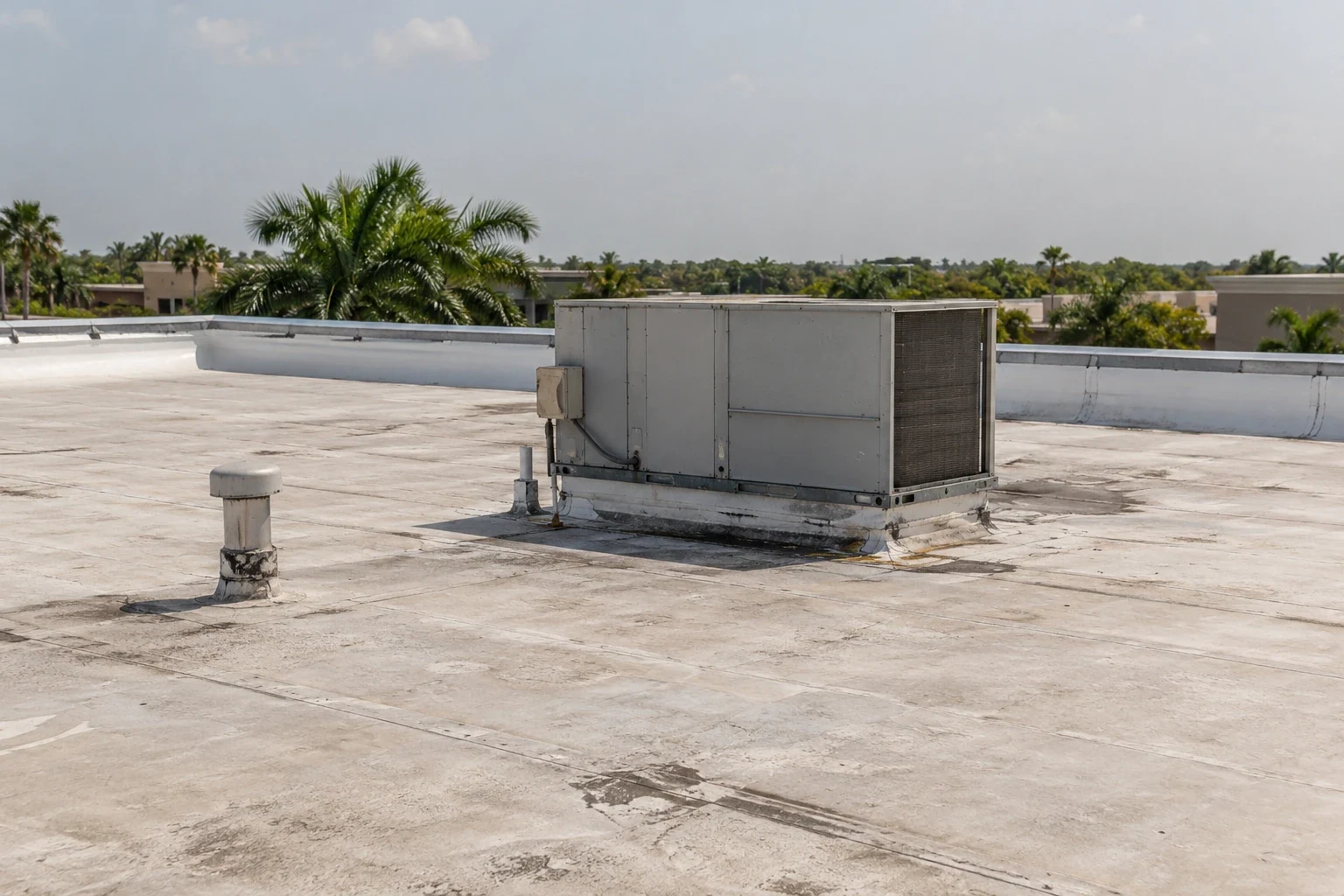
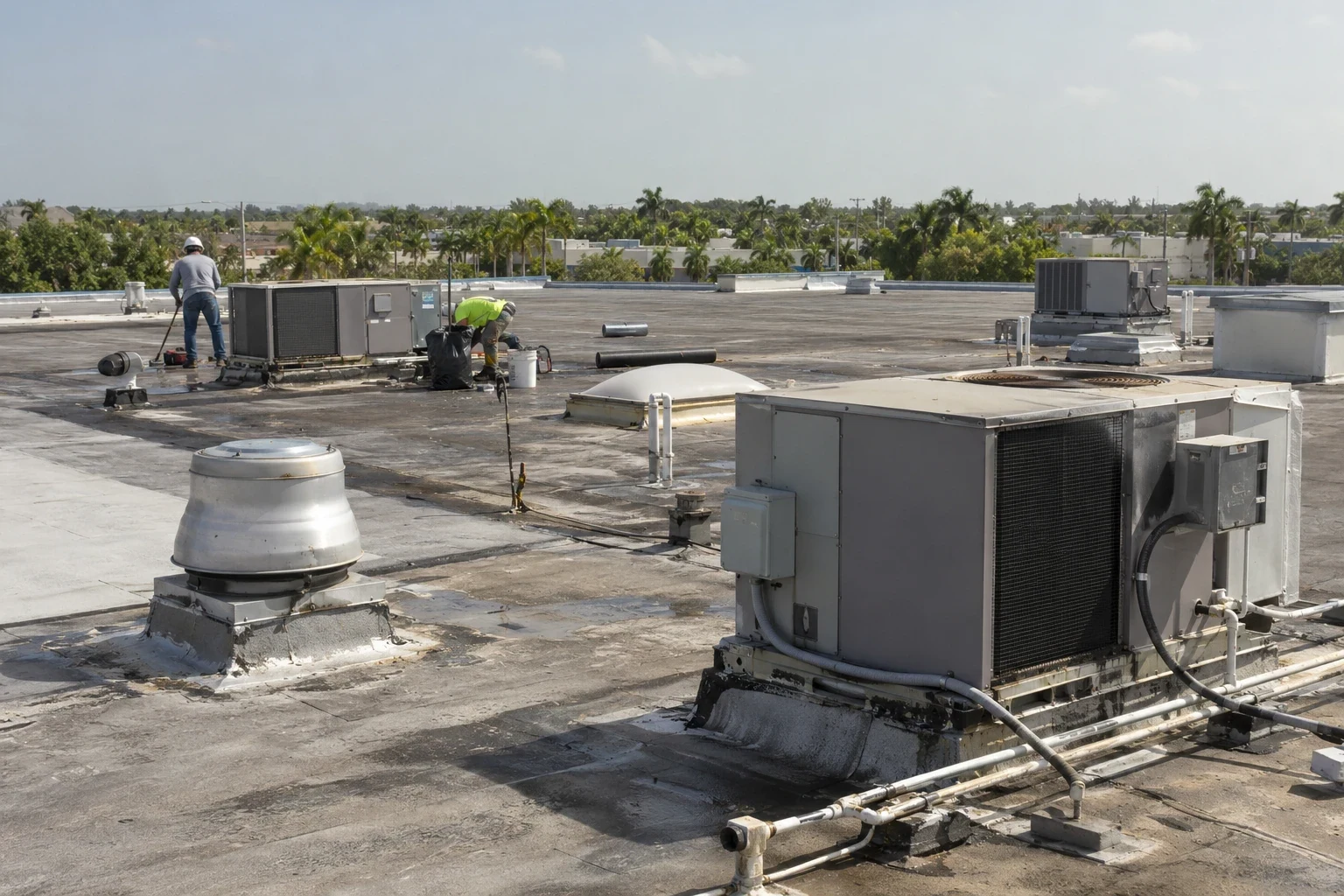
Before proposing materials, we identify the roof build-up, panel type, surface seams, and previous repairs so the specification matches what is installed. Inspection covers seams, fasteners, drains, scuppers, equipment curbs, skylights, parapets, and edge attachment. Dock canopies or additions may connect different roof sections, so we map each transition and note prior patches. If water appears at the end of an aisle, we inspect the roof area above and upstream from that point rather than limiting the search to the ceiling tile.
The annual Gainesville precipitation total was 46.80 inches in 2025; one 24-hour period reached 3.06 inches. We inspect low points and overflow routes, then note whether water is standing, an outlet is blocked, or a membrane detail has failed. A drainage check can identify an outlet issue; a test opening can determine whether insulation below a seam is wet. A photo-based inspection gives the facility team a plan with each affected section and observed condition.
After a wind or hail report, we check the perimeter, seams, rooftop units, and loading-side details for visible movement or impact. After a regional storm, the site record identifies which edge, seam, or penetration moved at this facility and which roof section needs follow-up. The event date and field findings stay together in the closeout. A storm follow-up can record findings by roof section and flag areas needing testing.
Keep Receiving and Shipping in the Plan
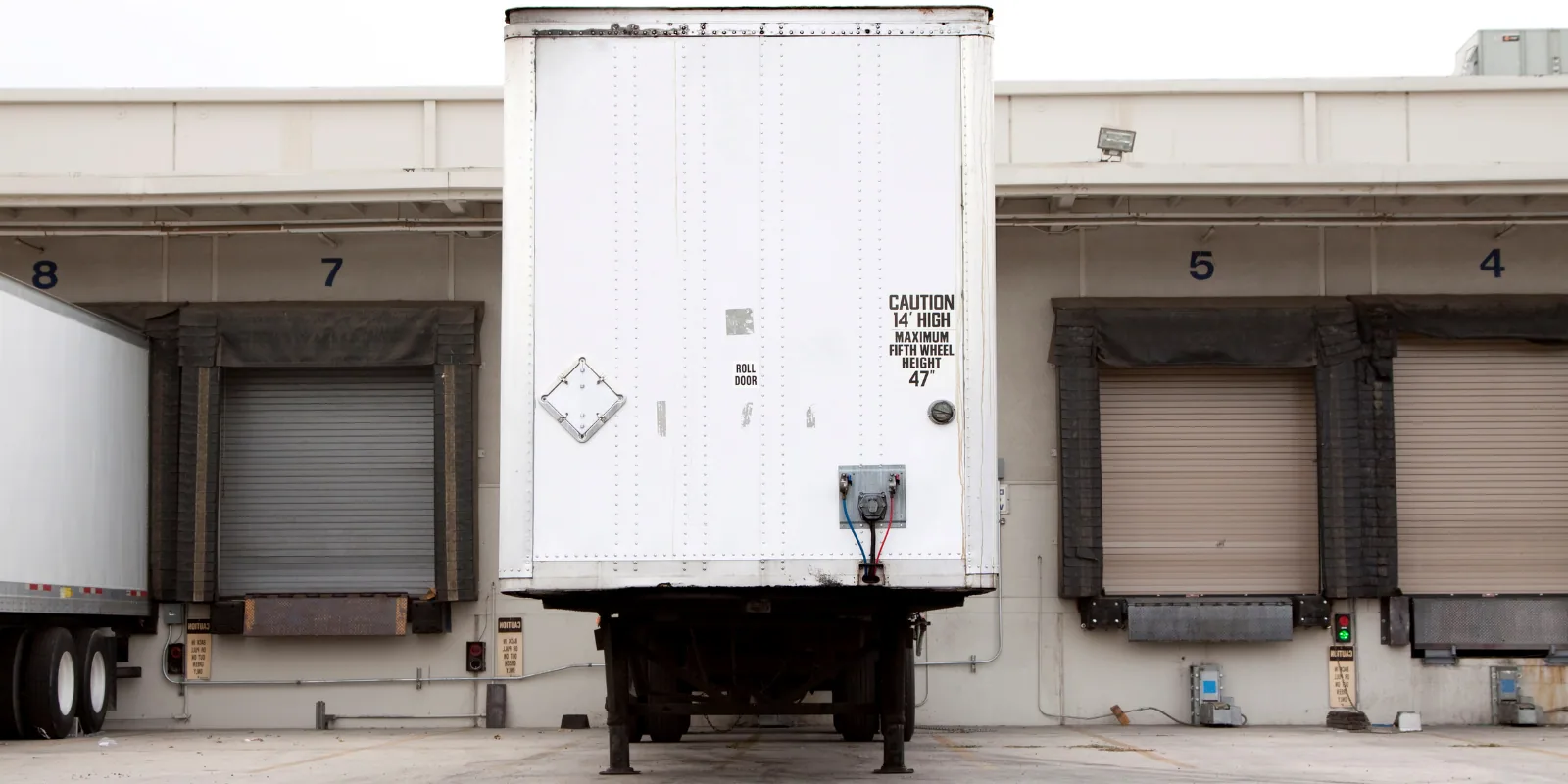
The operations contact identifies peak inbound and outbound hours, trailer staging, lift traffic, driver entrances, and lanes that must remain clear. We schedule materials and equipment around those routes and state which dock or aisle may be affected. If a lift must work over a door, the facility can reserve a defined window or shift loads to another bay. Notices should name the address and roof section so a neighboring tenant does not receive an inaccurate closure alert.
If an opening is admitting water, we can arrange an after-hours stabilization visit, then return to set the permanent repair boundary once safe access is available. We coordinate interior protection and roof access with the site contact, stabilize the opening where safe, and document temporary work separately from the permanent repair. The team receives a handoff that states what remains open, what has been secured, and whether a return visit is needed.
Weather can interrupt membrane installation or coating. We inspect forecast conditions before exposing material and close the section securely at the end of each shift. Where several buildings share a distribution campus, each roof receives its own work boundary and closeout record. A crew should not leave insulation, a curb, or an open seam exposed because a loading schedule changed.
Compare Local Repair With a Larger Scope
A repair at a drain, seam, or curb may be sufficient if surrounding material and insulation are sound. Repeated leaks, wet insulation across several bays, loose attachment, or a deteriorated deck can justify broader work. We document test locations, material removed, and the confirmed boundary. The operator can compare options with quantities tied to dock and inventory zones, making the operational effects visible alongside the roofing work.
A coating or recover can be considered only if the existing roof and drainage support the system. Replacement can include tear-off, insulation, perimeter metal, equipment curbs, and staged protection below. A restoration proposal identifies preparation and repairs; a replacement plan states removal and new work. Timing and cost reflect roof condition, access, equipment density, material lead times, weather, and required shift windows.
For each project, we identify the verified roof assembly and work area, then state the access and operating assumptions that affect the scope. The facility can align that plan with dock schedules and inventory movement.
Leave a Record the Next Shift Can Use
Closeout identifies the building, roof section, affected dock or aisle, materials installed, drain and edge details addressed, test openings, and remaining work. Photos tie the repair to a marked plan and show whether temporary protection remains. We note any section that could not be inspected because operations or access restricted it, and state what follow-up would resolve that question. The record helps the next shift connect a leak report with prior work.
For a Gainesville distribution roof assessment, provide the property address, dock map, roof records, leak locations, shift schedule, inventory constraints, site contact, and preferred access window. We will confirm the system, protect the operating routes, and prepare a measured scope for the conditions found.
Loading patterns determine when a roof crew can use a dock apron, set a lift, or move material across a yard. The operations contact should identify peak receiving periods, trailer circulation, fire lanes, and any door that must stay available. At Airport Industrial Park, proximity to airport activity does not tell us how a particular warehouse is arranged; the facility walkthrough establishes roof access and ground controls. We map proposed work to the building's dispatch calendar, then record daily tie-ins and weather holds so the next shift knows which areas remain protected and which are ready for use.
Frequently Asked Questions
Can dock doors stay open during roof repairs?
Often, if access and lift placement can be arranged without blocking the door or trailer route. Share receiving cutoffs, staging rules, and doors that cannot close before we plan the sequence.
How do you protect stored products below a roof leak?
The facility identifies the affected aisle and any sensitive inventory. We map the roof section, plan interior protection, and document any test opening before the permanent repair boundary is set.
Can work be done between distribution shifts?
Yes, when the roof, forecast, and site access allow a defined window. We coordinate noisy work, deliveries, and lift routes with the operations contact and leave each section secure at the stopping point.
What records should a 3PL keep after a repair?
Keep the building and roof map, photos, materials, affected docks or aisles, test results, access limits, and unresolved items together. That lets the next shift distinguish a closed issue from a pending follow-up.
Related Roofing Work
Schedule a Gainesville Logistics Roof Review
Send the facility address, dock and aisle map, roof records, active leak reports, shift windows, inventory constraints, and site contact. We will document the roof sections and prepare measured scopes that account for distribution activity.