
Data Center Roofing in Gainesville, FL
Plan Gainesville data center roof inspections, leak response and capital work around cooling equipment, power continuity, drainage and controlled access.
Property Types We Roof: Data Center Roofing
For a data center, the roof inspection has to fit the facility's access rules and continuity plan. We identify cooling equipment, electrical areas, secure zones, and any space where a leak could affect operations before arranging roof access. In Gainesville, FL, frequent heavy rain and extended heat make drainage, flashing, and equipment curbs practical inspection priorities. We verify the assembly, trace the reported issue, and coordinate each opening or repair with the facility contact.
Access and Operational Boundaries
The roof can carry air-handling equipment, conduit, piping, antennae, and service routes that remain active during roofing work. We review the facility's escort, badging, safety, and access procedures before the roof walk. The site contact identifies restricted zones, live equipment, and any path that must stay clear. A roof plan marked with access points and equipment helps keep the inspection focused and avoids unplanned movement through controlled areas.
Innovation Square is a research and mixed-use district planned to connect the University of Florida with downtown Gainesville. The district's planned mix of technology offices and research space calls for roof access to be coordinated with each building's operations contact. A roof visit in Innovation Square still begins with the property address, site contact, and operating constraints.
For facilities near the University of Florida campus, occupied buildings and support spaces can have different entry and work windows. A commercial office roof assessment may address adjacent administrative or support areas, while the data center's own continuity rules determine how the roof section is accessed and repaired.
Inspection: Drainage and Equipment Interfaces
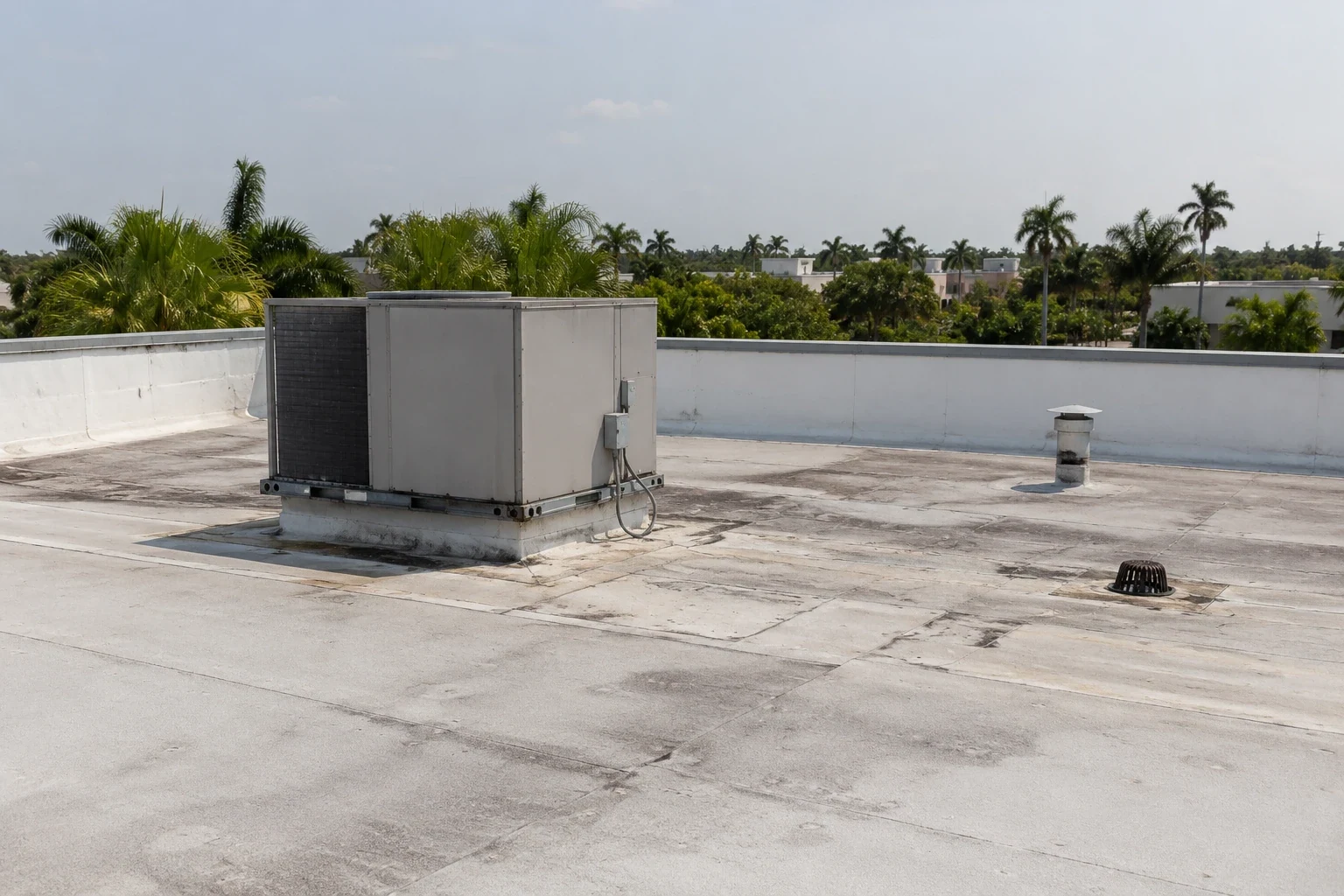
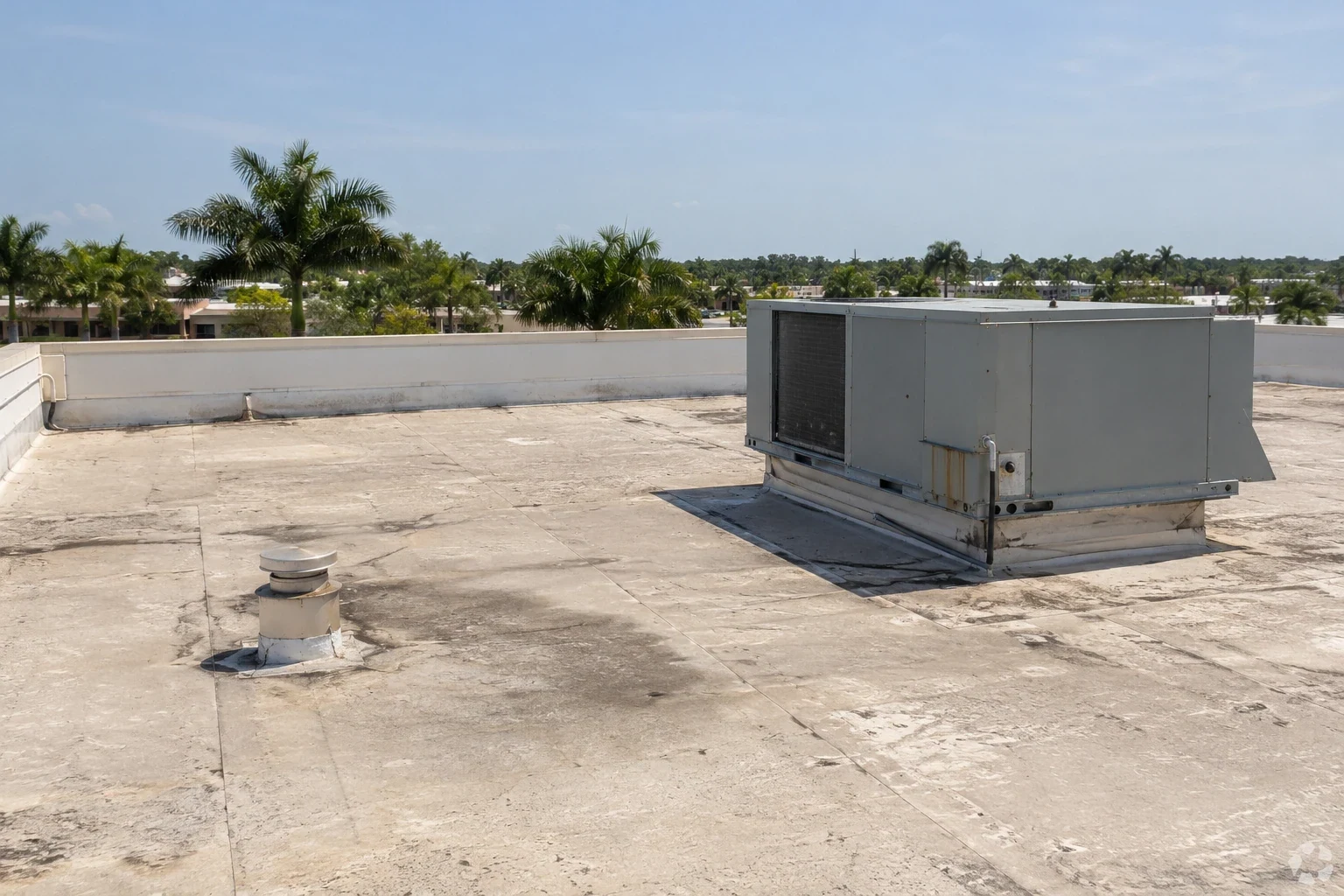
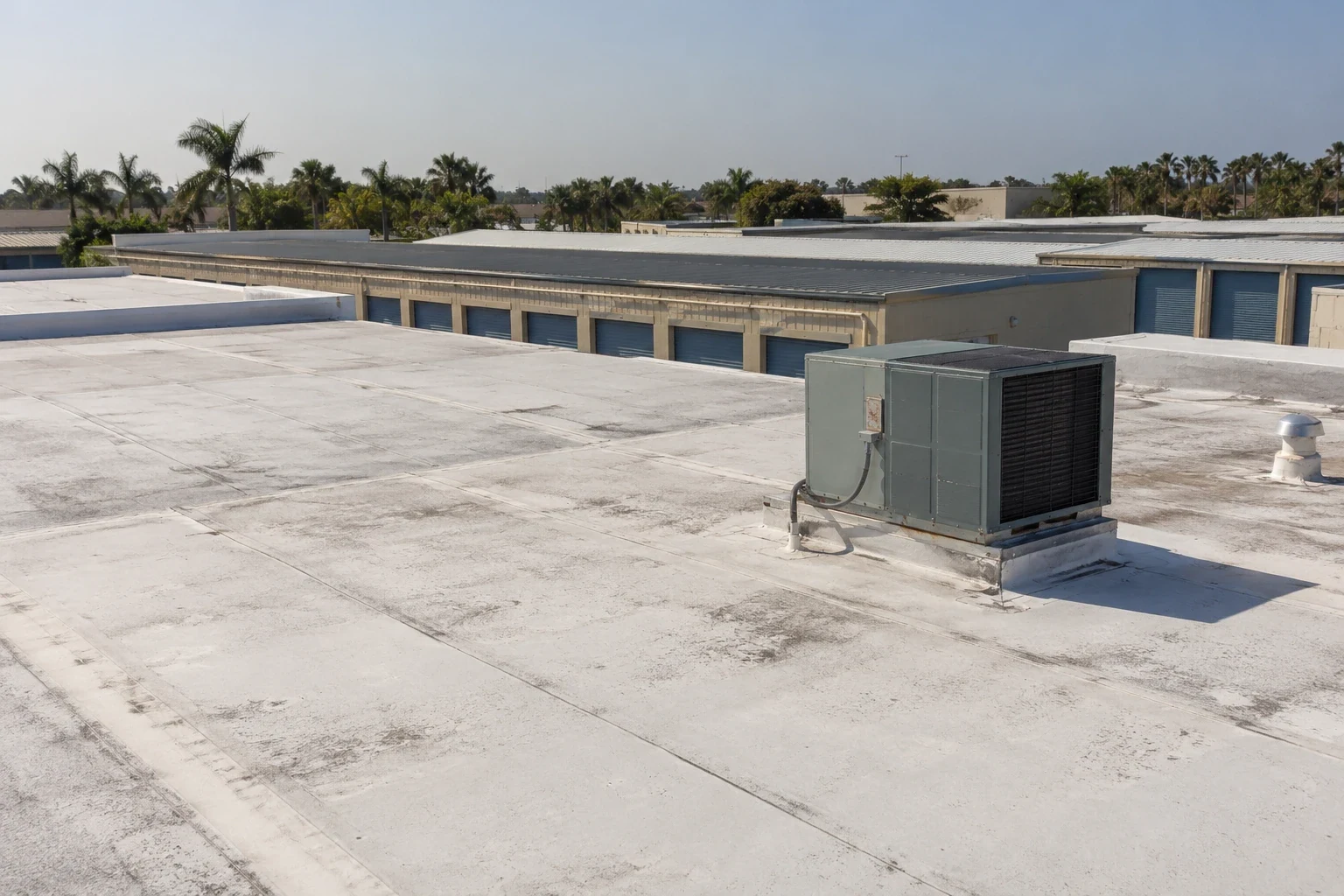
We identify the membrane or panel system and inspect seams, perimeter attachment, roof drains, scuppers, curbs, pipe penetrations, and service paths. Cooling equipment can create several flashing transitions and areas of foot traffic. We check for open laps, loose counterflashing, cracked pitch pans, punctures, standing water, and prior patches that have lifted. Photos show each condition with its location on the plan so facilities staff can compare a roof finding with equipment maintenance records.
Gainesville's 2025 precipitation total was 46.80 inches, with 3.06 inches falling in one 24-hour period. Heavy rain can test outlet capacity, while hot roof surfaces affect exposed materials. At the property, we measure the slope, check the outlet, and trace any water path to a penetration, seam, or interior location.
If the source remains uncertain, infrared readings or test cuts can help distinguish surface damage from wet insulation. A scan identifies patterns that merit closer inspection; it does not confirm the assembly below. A targeted moisture survey can select test points, and a drainage scope can address low areas or outlet conditions. We record authorization, location, and findings for each opening.
Response: Stabilize, Then Define the Work
When water is active, the first step is to protect equipment and locate a safe route to the roof. We identify whether temporary containment or a roof-side dry-in can limit entry, then record what was covered and what remains exposed. Emergency response is available any hour, including weekends and holidays. Stabilization is a temporary measure; permanent repair follows once the roof system, moisture extent, and access conditions can be inspected.
Repair depends on the confirmed assembly and the affected detail. A membrane seam, a curb corner, a metal edge, and a drain require different materials and preparation. If a cooling unit or piping support needs work, the facility's mechanical vendor may need to coordinate shutdown or movement. A curb and equipment interface repair can be measured separately from a broader membrane scope. We show the tie-in and work boundary before the roof is opened.
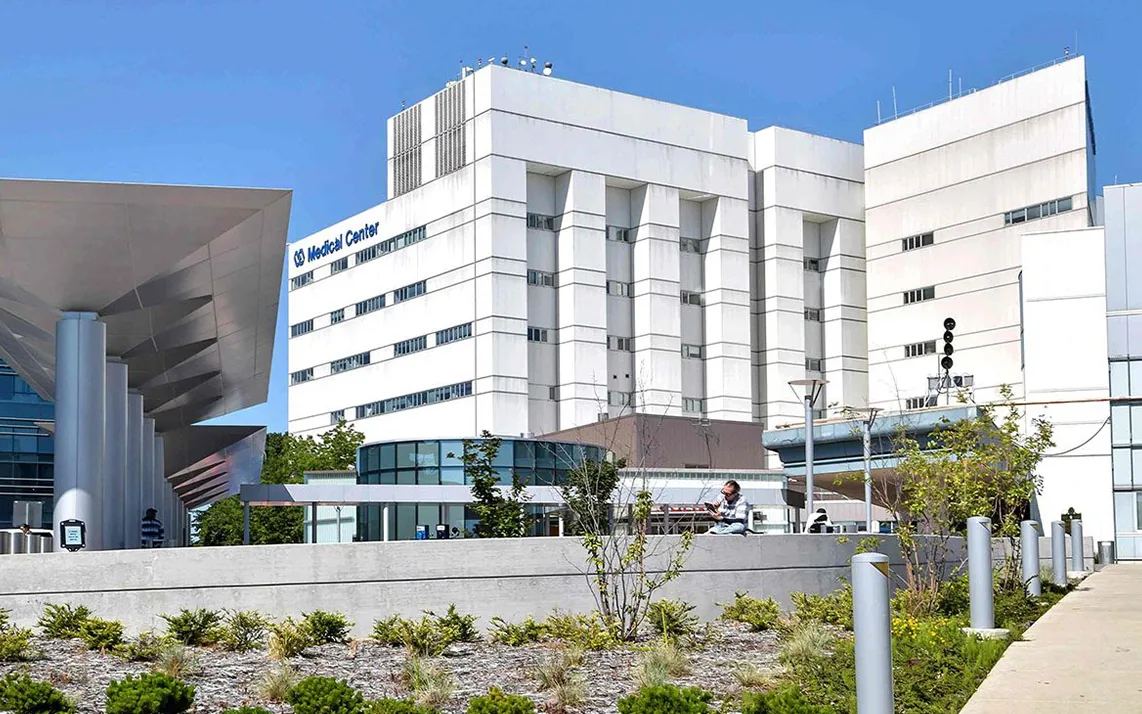
If insulation is wet beneath a large area or the roof has repeated leak paths, a replacement assessment can compare phased construction with a localized repair. A hospital roof plan also addresses critical operations, though its clinical access controls differ from a data center's security and continuity requirements. We document the roof condition and the operating constraints for this facility specifically.
Work Plan: Protect Power and Cooling
Before mobilization, we confirm the site contact, escort arrangements, roof access, material route, lift needs, and any restrictions near generators, intakes, or cooling equipment. The schedule identifies which roof section will be active and how staff will be notified. If a system must be isolated for roof work, the facility's operations team defines the procedure. Equipment movement or shutdown follows the facility's authorized procedure, coordinated with the site contact before work starts.
Thunderstorms can interrupt work during Gainesville's wet season. We check near-term conditions before removing material, protect the assembly when work pauses, and keep drains open throughout the project. The work sequence shows where each section will be opened, closed, and checked. For a multi-building property, access windows can be arranged by building so one roof record does not get mixed with another facility's findings.
Where the roof is near occupied research or medical buildings, delivery paths and noisy work may need added coordination. The UF Health medical district is a major institutional cluster along Archer Road near the university. That setting informs site access planning; the data center's own contact still determines its work restrictions. A larger replacement can be sequenced by roof section when the facility needs active operations to continue.
Close Out: Preserve the Facility Record
The closeout record identifies the roof system, areas inspected, repairs made, test openings, equipment interfaces, and remaining conditions. Photos are labeled by roof section and tied to the marked plan. The report distinguishes confirmed repairs from areas not opened or not accessible. Facilities teams can attach the record to maintenance and equipment work orders, then compare later moisture reports with the same locations.
For a Gainesville data center roof review, provide the address, roof records, active leak locations, access and escort requirements, cooling or electrical constraints, site contact, and preferred work window. We will coordinate the roof walk, document observed conditions, and prepare a measured scope that fits the facility's continuity plan.
On a data center, roof access and cooling reliability have to be coordinated before anyone handles a curb or rooftop unit. Facilities staff identify redundant equipment, restricted zones, alarms, cable pathways, and the response contact who can approve a change in conditions. We inspect drainage, seams, and equipment flashing while preserving required clearances around intakes and service panels. If a repair requires moving equipment or changing a control, that work stays with the qualified system specialist. The roof scope records the sequence, weather closure, and any condition needing follow-up, so operations can track the building envelope alongside their maintenance plan.
Frequently Asked Questions
Can you inspect a data center without entering secure rooms?
The site contact can set the route, escort, and areas that must remain restricted. We can inspect the roof from approved access points and coordinate any interior observation with facility staff.
Will roof repairs require cooling equipment to be shut down?
Many roof details can be repaired while equipment remains in service. If access or movement affects a unit, the data center's operations team determines the shutdown procedure and schedule before work begins.
What should we do when water appears near a server space?
Follow the facility's incident process first, protect the affected area, and record the time and location. We can then coordinate safe roof access, stabilize an active opening, and define a permanent scope from the assembly.
How do you document work across several data center buildings?
Each address and roof section receives its own photos, findings, and repair boundary. The facility team can keep those records with its asset and equipment history.
Related Roofing Work
Coordinate a Gainesville Data Center Roof Inspection
Share the address, roof records, leak location, cooling or power constraints, access rules, site contact, and work window. We will plan the roof inspection around the facility's operating requirements.