
Commercial Roofing in College Park / University Heights, Gainesville, FL
Review commercial and institutional roofs in College Park and University Heights with access, drainage and repair plans tied to each Gainesville address.
Service Areas: College Park / University Heights
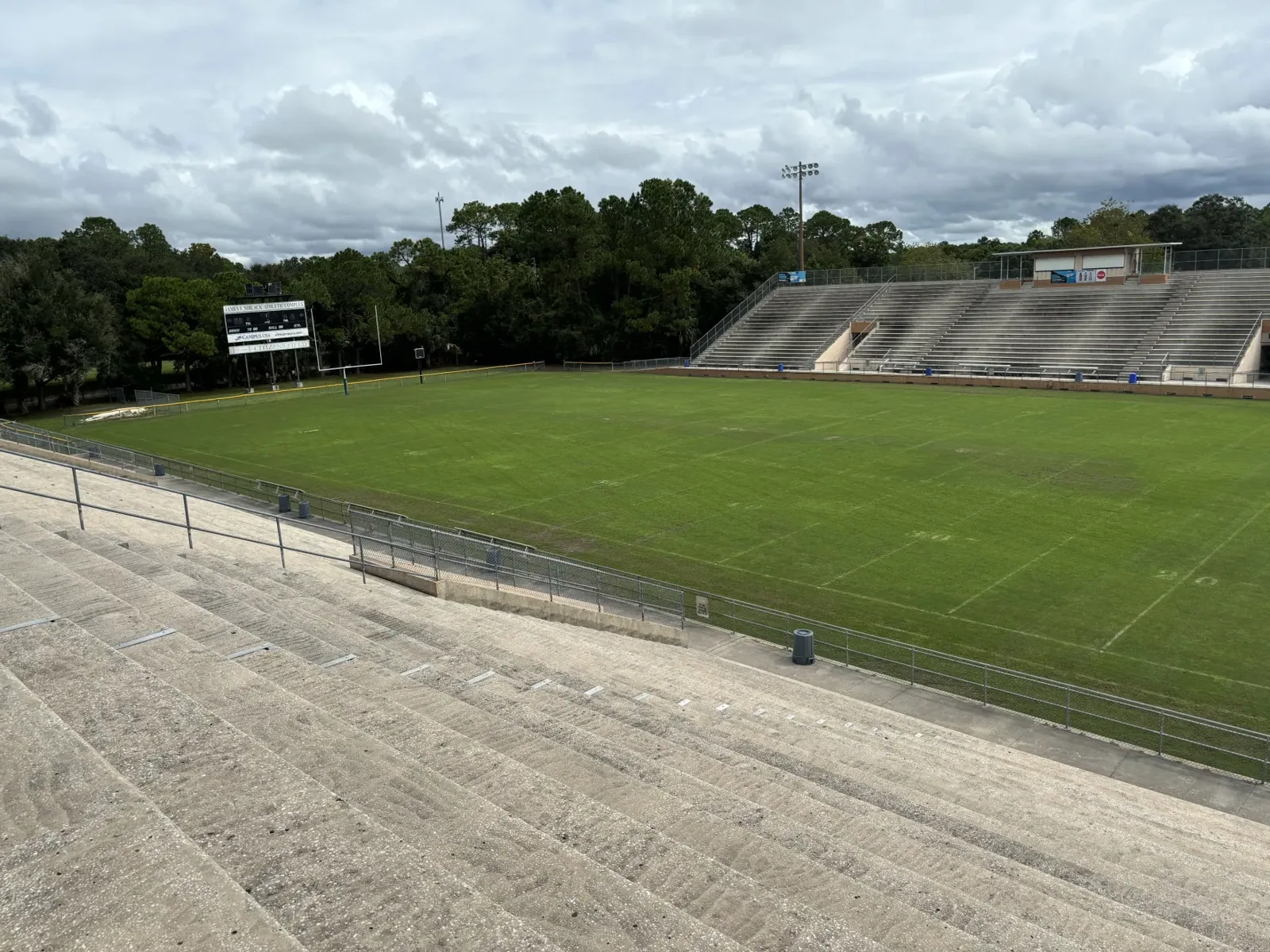
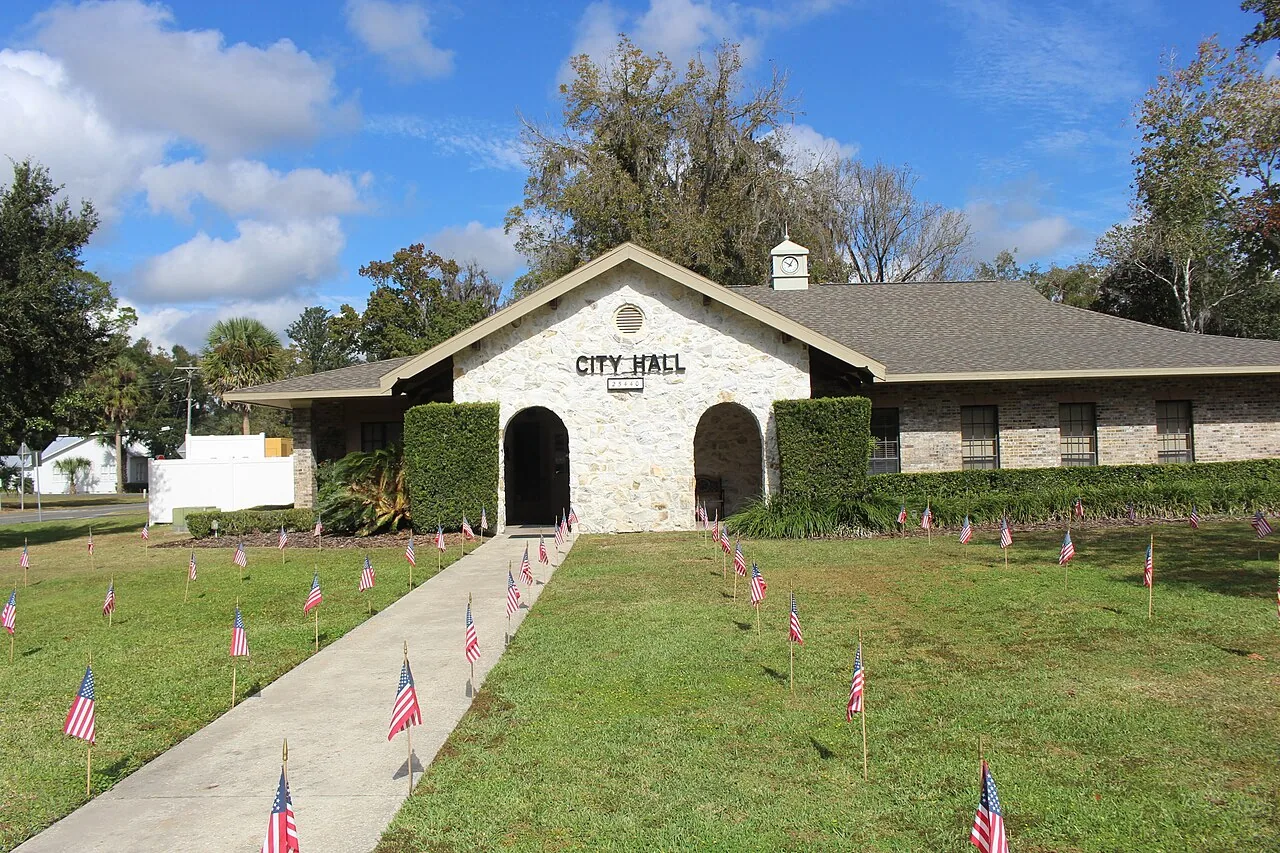
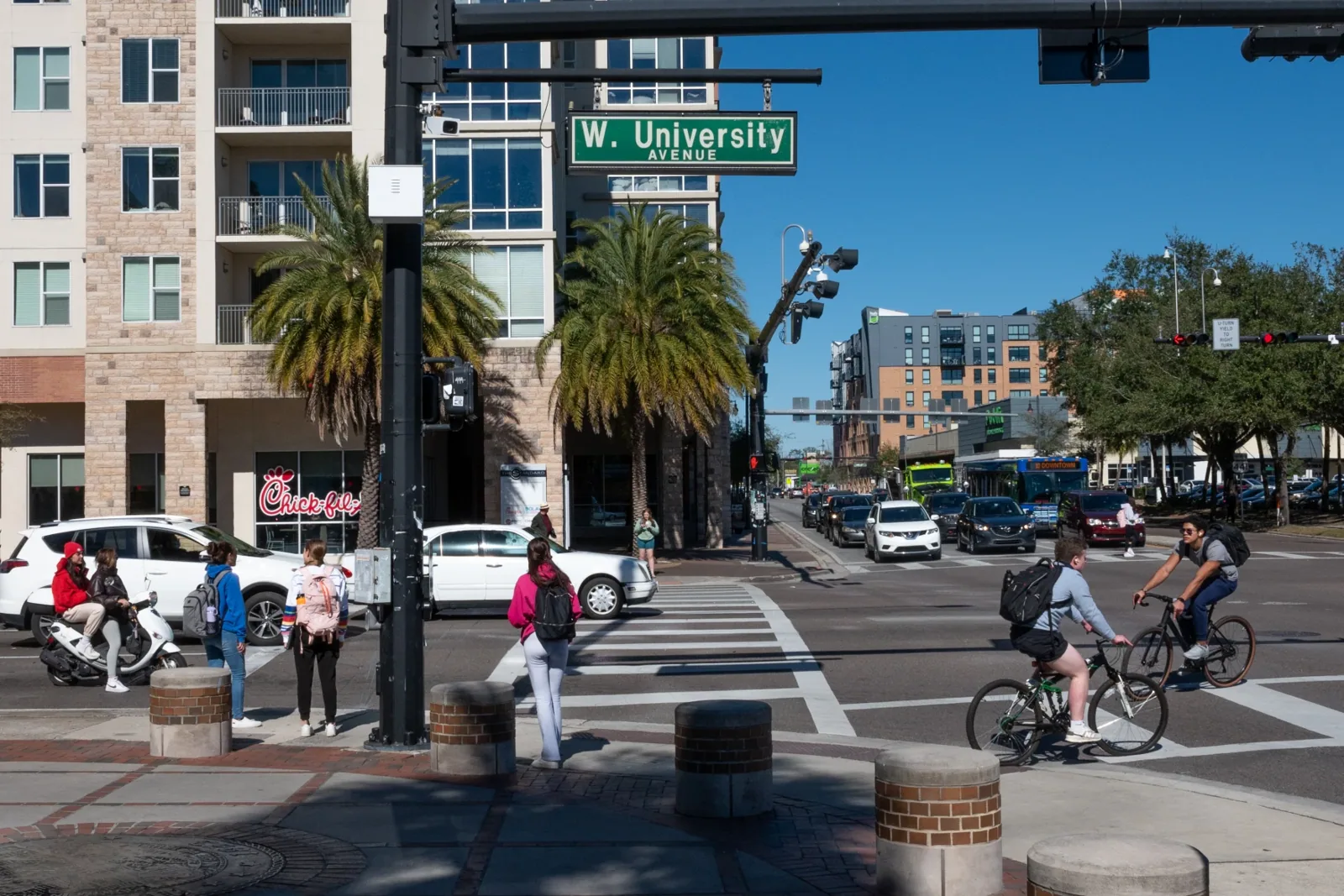
Buildings in College Park and University Heights sit within a Gainesville reinvestment district closely tied to the University of Florida and its walkable campus setting. Roof work here starts with the specific address and use, then an inspection of the roof sections and the access rules around them. The district includes historic residences, row houses, apartments and condominiums, so a property manager may be coordinating different occupancy patterns and roof responsibilities. We verify the commercial or institutional scope requested, identify the assembly and document penetrations, edges and drain paths before recommending repairs. Nearby assets include Innovation Square, the NW 17th Street streetscape, University Avenue lighting and the Depot Avenue Rail Trail. A commercial roof inspection records the observed conditions without assuming one building represents the district.
Identify: Confirm the Property and Responsible Contact
The district’s residences, apartments, and condominiums make ownership and roof responsibility important intake questions. We confirm whether the request covers a business, apartment property, condominium association, institutional facility or a shared building, and identify who can authorize roof access. The contact can provide plans, prior repair records, leak locations and restricted hours. We map each roof section included in the visit and note adjoining areas that are visible but outside the requested scope. When the roof serves multiple occupants, that boundary prevents a single interior report from being treated as proof about every unit.
City-listed assets include Innovation Square and the university-connected campus environment, but each address has its own site contact and physical record. The inspection identifies roof material where it can be verified, then logs seams, penetrations, flashing, drains and past patches. For work at the West University Avenue corridor or Innovation Square, we confirm that facility's check-in and access requirements rather than borrowing a district-wide assumption. A multi-unit roof review can also map shared access and occupied areas.
Inspect: Read Water Movement at Each Roof Level
Where adjoining structures meet, water can collect at a change in slope or move along a wall before reaching an interior stain. We inspect drains, scuppers, flashing, wall terminations, penetrations and roof edges, then mark the route each section uses to shed water. If the assembly is membrane, we check seams and repair edges; if metal, we review panel joints, fasteners and transitions. We compare those findings with the property's reported leak location and note when a moisture survey or test opening is needed to verify concealed insulation.
Gainesville's 2025 climate summary recorded 133 days at or above 90 degrees and nearly 47 inches of precipitation. We check the property’s surface wear, drain paths, and flashing, then match any repair to field findings at that address. We use the field evidence to separate a clogged outlet from a failed membrane detail or a concealed wet area. A drain and scupper inspection can include bowls and surrounding flashing, while a flashing repair review identifies the transition that needs correction.

Coordinate: Keep Occupants and Routes in the Plan
Work planning should account for building entry, resident or tenant notices, roof access, equipment shutdowns and any hours when noise or deliveries are restricted. We ask the site contact to identify pathways that need to remain clear and areas beneath the planned work that may need interior protection. The plan records staging and the daily work boundary. If the building shares a roof with adjacent units or structures, the contact confirms how each party receives updates and who can approve any change in scope.
The NW 17th Street streetscape, University Avenue lighting and Depot Avenue Rail Trail are district assets, but they do not reveal the approved staging location for a project. We confirm actual access with the property manager and follow site instructions for the specific building. A phased occupied-building plan can organize work by roof section and define end-of-shift protection. Nearby work at Fifth Avenue and Pleasant Street has its own address, access contact and inspection record.
Compare: Keep Repair Decisions Evidence-Based
A localized seam, flashing or puncture failure can be repaired when adjacent material remains sound. Repeated leaks, widespread moisture, deck deterioration or recurring edge problems can shift the recommendation toward a larger replacement area. We show what is confirmed, what remains uncertain and which test would resolve the difference. A recover proposal also has to account for existing layers, substrate strength, attachment and the height of drains and roof edges after new material is added.
We can compare a defined repair, a recover assessment and replacement using the same roof map. Cost and timing depend on assembly, access, preparation, material removal, moisture extent and how work can be staged around occupants. The written scope lists included roof sections, any temporary protection, assumed work windows and conditions that could change the plan. A selective test opening can be priced as a decision point when the visible surface cannot answer what lies below.
Close Out: Give the Next Contact a Clear Record
The closeout identifies the roof sections addressed, photographs completed details and records areas that were inspected but excluded from work. We note the observed system, repair material where known, drain and edge details corrected, and any question that still needs testing. If access prevented review of a section, the record states that limit. A property manager can then match a future leak report to the same roof plan instead of repeating an unstructured walk.
Preventive visits can check seams, drains, flashing, debris and new rooftop work on a schedule suited to the assembly and occupancy. Following a severe storm, a documented review can separate fresh damage from prior repairs. We can set a maintenance interval and retain findings by address. The nearby Downtown Gainesville market has separate properties and asset records; findings should remain tied to the building inspected.
Historic residences, row houses, apartments and condominiums place different demands on access and tenant coordination. A commercial roof request may concern a multifamily building, a ground-floor business or an institutional property near the district, so we first confirm ownership and the roof boundary. We note parapets, shared drains, low additions and penetrations that could connect separate sections. The district's streetscape work and its links to University Avenue and the Depot Avenue Rail Trail help orient a property, while the manager identifies the safe loading point and hours for inspection. For occupied housing, a work sequence can account for entrances, quiet periods and protection beneath active leak areas. The condition report keeps findings for the inspected roof separate from nearby buildings and records follow-up testing where concealed layers remain uncertain.
Frequently Asked Questions
How do you confirm the roof age on a mixed-use property?
We review maintenance and replacement records, then inspect the accessible assembly. If concealed layers affect the recommendation, a selective opening can verify what is installed before quantities are set.
Can you inspect a shared apartment or condominium roof?
Yes, with an authorized contact who can arrange roof access and identify the affected units or common areas. We map the included sections, compare reported interior conditions with roof details and document any boundaries that could not be inspected. That record helps the association or manager assign follow-up without extending conclusions beyond the surveyed area.
What should the facility contact provide before work?
The address, building use, available roof plans, repair history, active leak areas, access process and work-hour restrictions are useful. The contact should also identify equipment that cannot be interrupted and who approves staging. We use those details to plan the visit and state any testing or access needs before a larger scope is set.
How will you decide between a repair and a recover?
We check moisture, existing layers, deck or substrate, attachment, edges and drain height. A recover only works when the existing assembly can support it and transitions remain functional. If a test opening is needed, the scope explains how the result could change the recommendation.
Related Roofing Work
Request a College Park Roof Review
Share the Gainesville address, property use, roof records, reported leak areas, authorized access contact and available work window. We will inspect the identified sections and document repair options and any testing needed.