
Commercial PVC Roofing in Gainesville, FL
Evaluate commercial PVC roofing in Gainesville for kitchens, service areas and occupied facilities. Inspect welded seams, flashing and drainage before repair.
Roof Systems: Commercial PVC Roofing
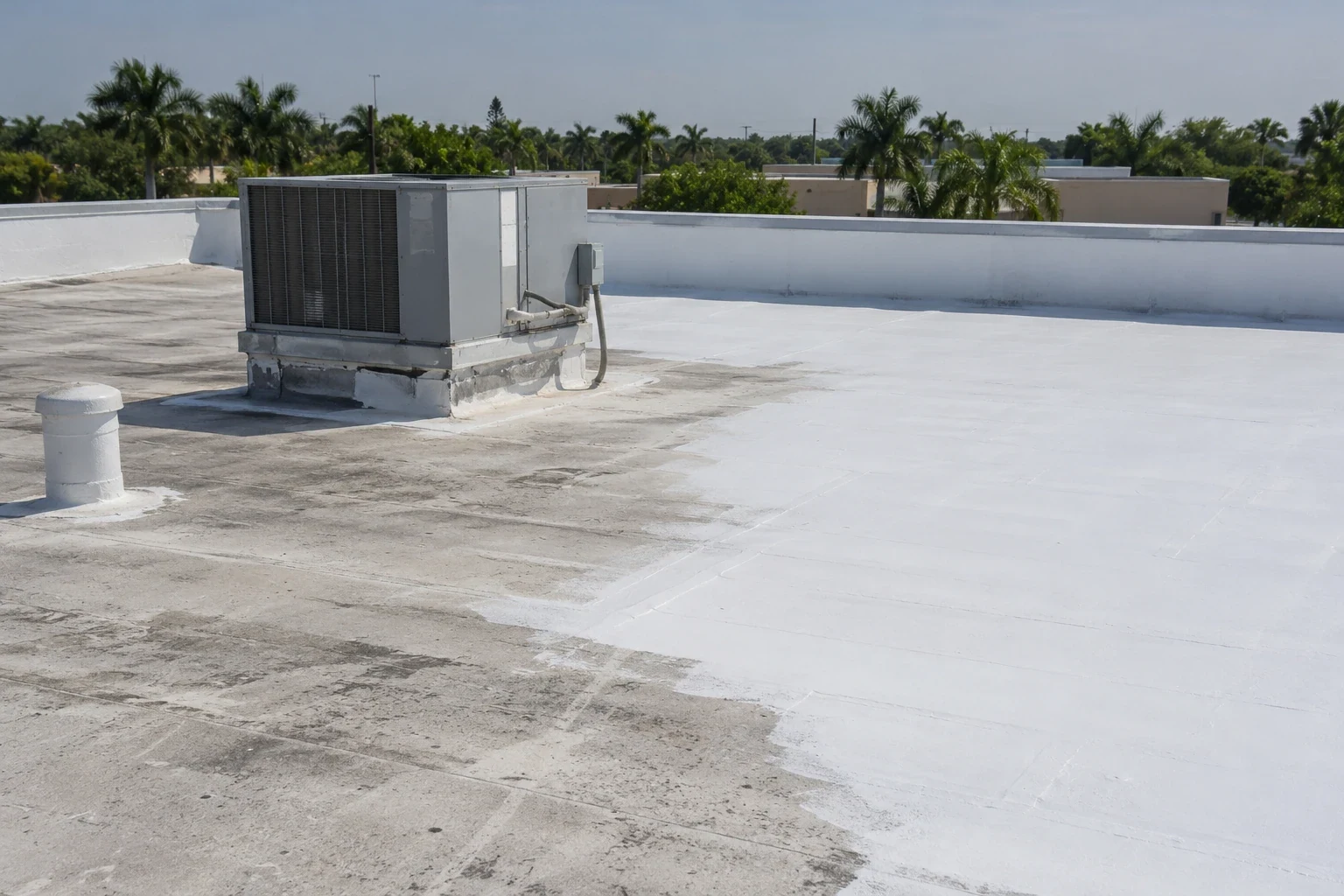
A Gainesville restaurant or food-service facility may need a roof system that can handle routine rooftop activity and exhaust exposure. PVC is a thermoplastic single-ply membrane with heat-welded seams, and its formulation can suit projects where grease or certain chemicals are a concern. The roof still needs compatible flashing, secure attachment and a sound substrate. We inspect the building's exhaust locations, membrane condition, drains and service paths before recommending installation or repair.
Chemistry: Match the Membrane to the Exposure
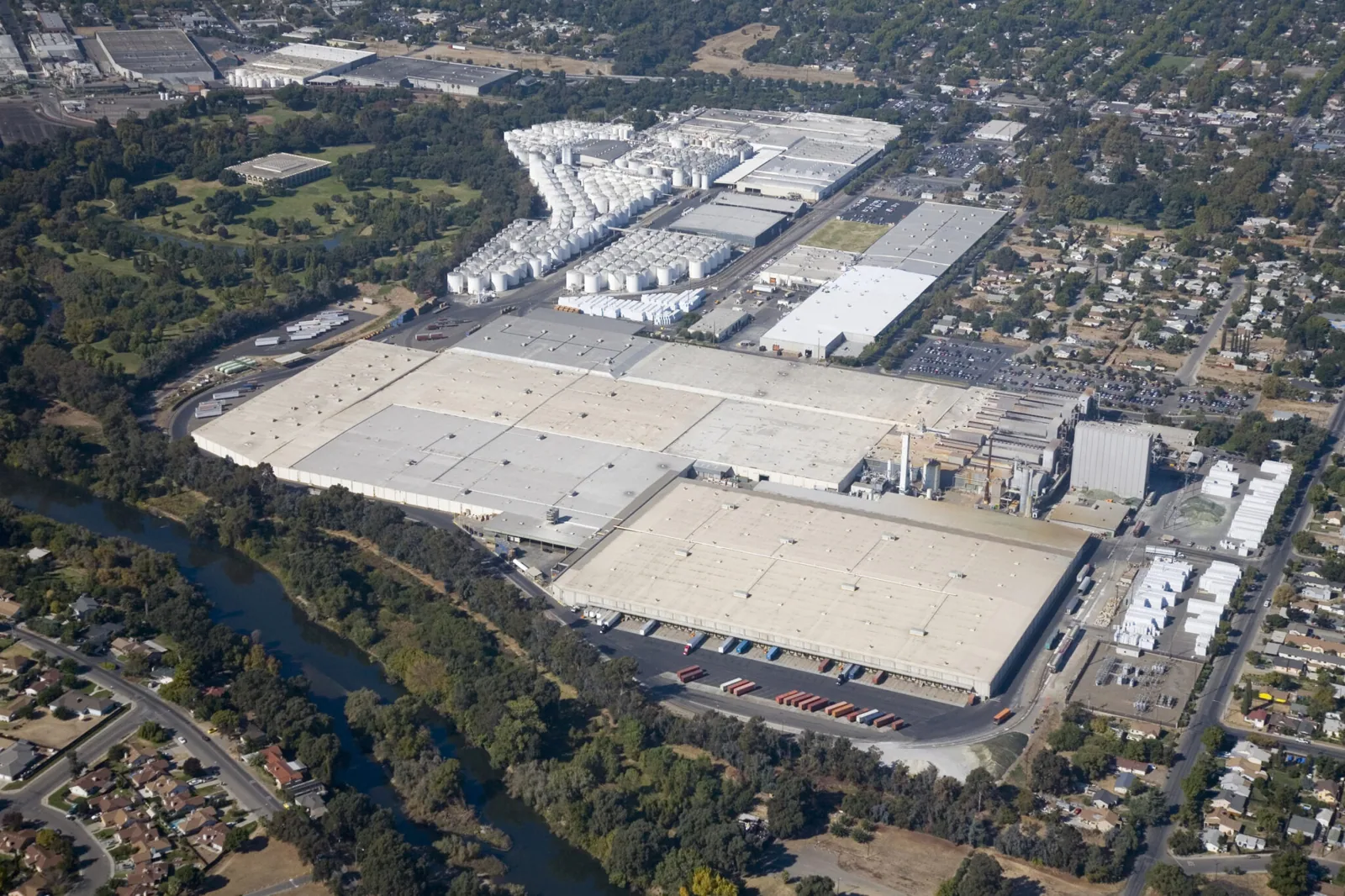
PVC membranes use a flexible thermoplastic formulation. Heat-welded seams join sheets and detail flashing, while system specifications define membrane thickness, attachment and compatible accessories. Restaurants, commercial kitchens and buildings with chemical exhaust may consider PVC after the roof designer identifies the actual exposure. We do not assume every exhaust plume contains the same material or concentration; the facility's equipment and operating information matter.
Oil, grease and cleaning compounds can affect roofing materials differently. We review where exhaust discharges, how often equipment is serviced and whether grease collection or duct work is above the roof. The membrane's suitability depends on product data and project requirements, not simply the building label. A KEE membrane may also be part of a system comparison when project exposure and specifications call for that review.
A roof at Butler Plaza still needs an address-specific inspection to establish the installed membrane. We inspect the specific roof and record its existing layers before selecting a compatible product or repair method.
Inspect: Check Welds, Flashing and Exhaust Zones
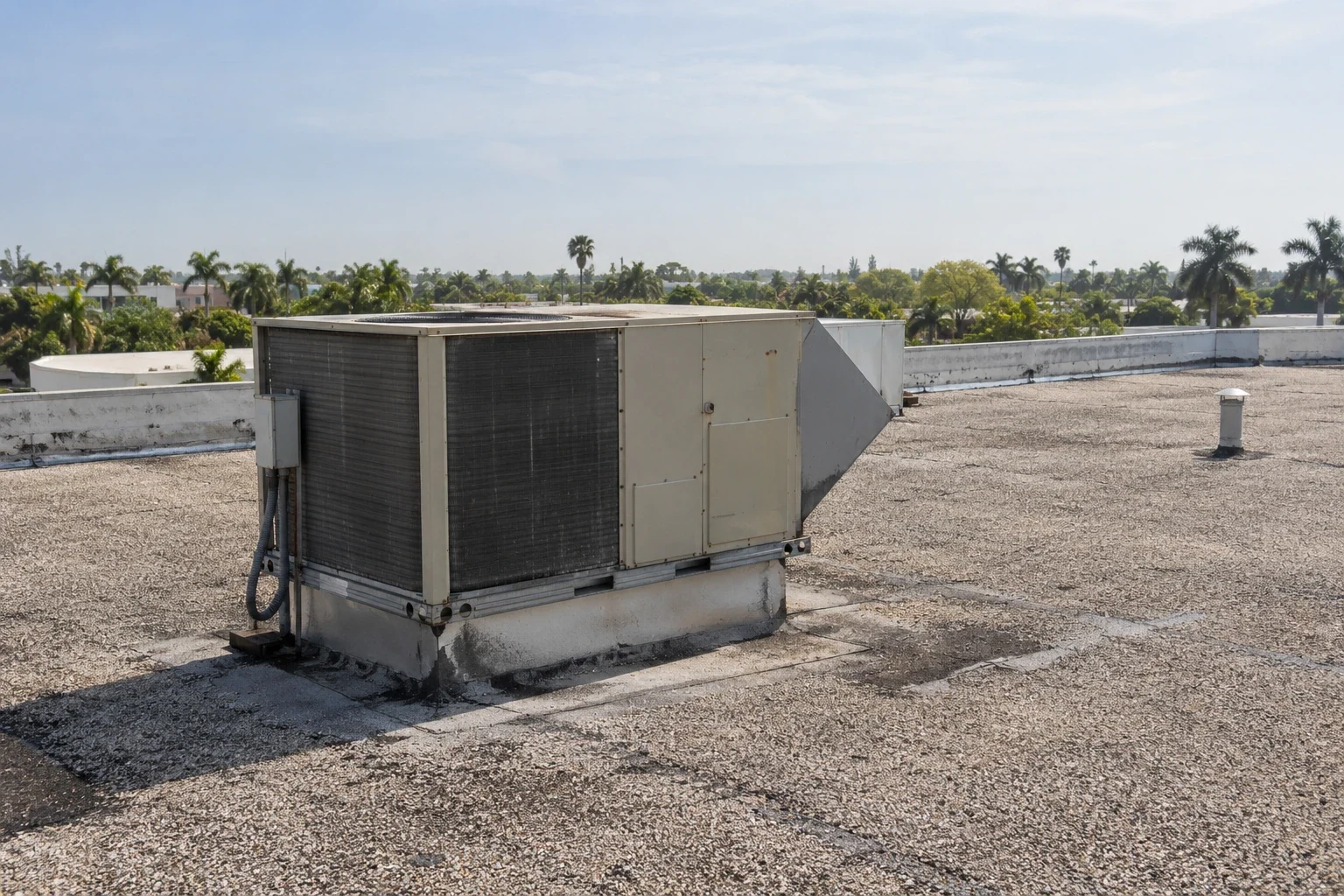
We examine field seams, corners, curb transitions, drains, penetrations and terminations for separation, damage or incompatible repairs. A seam can require probing or other system-appropriate checks when a visual review does not establish the weld. Near kitchen exhaust, we look at the membrane and accessories in the discharge path, plus the curb and flashing around the equipment. If equipment service has changed the opening or support, we document the altered detail.
Gainesville recorded 133 days at or above 90°F in 2025. Innovation Square is a planned research and mixed-use district, while Butler Plaza brings retail and dining uses; each roof still needs an assembly-specific inspection. Downtown Gainesville’s storefronts and public plazas create a different access context from a retail center, so the roof and staging plan are checked at the property. Heat exposure can affect surface conditions and work timing, while roof traffic from exhaust service can damage a membrane or flashing. We note the specific pattern found on the building, rather than attributing a tear or discoloration to heat alone. If a leak is active, a leak investigation follows water from the interior report to the likely roof opening.
Moisture below the membrane can change the repair approach. Infrared readings may identify areas that merit direct checking, and test openings show the materials at those exact points. A moisture survey can help define where additional testing belongs before a new sheet is installed.
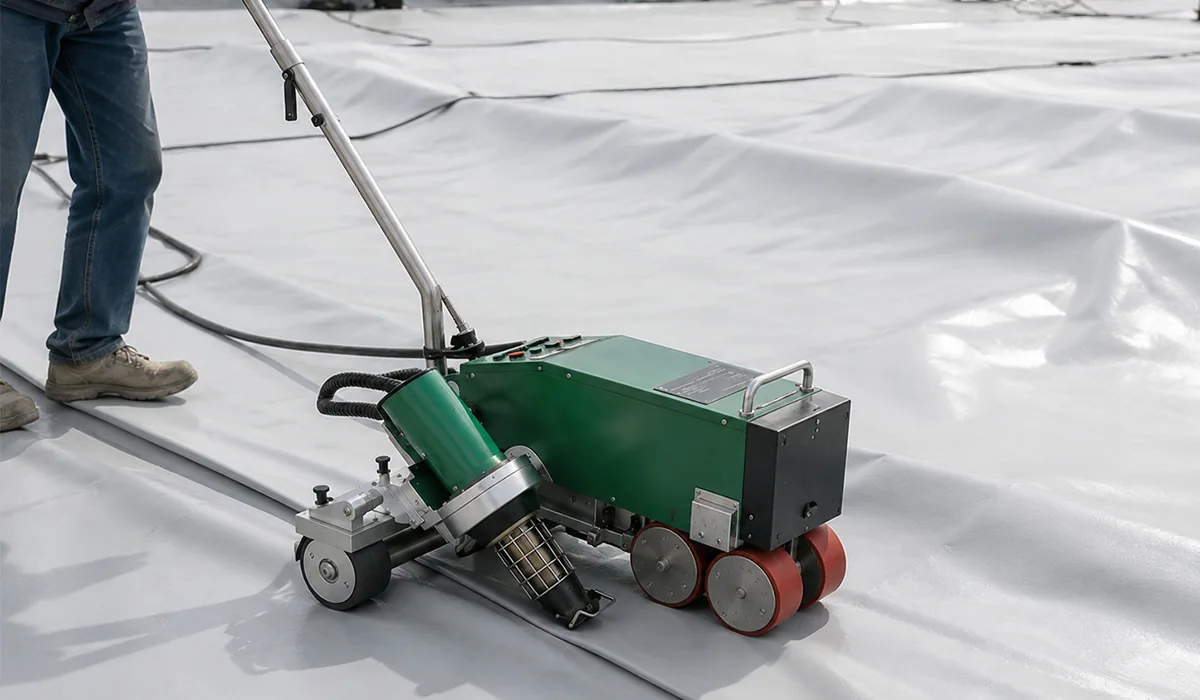
PVC repairs depend on clean, compatible material and a sound weld area. Dirt, oxidation, old coating or an incompatible patch can interfere with fusion, so we prepare beyond the visible cut and test the selected setting on the membrane before production welding. The seam is checked after it cools, and the repair is extended to stable sheet where deterioration reaches beyond the puncture. At a curb or drain, prefabricated accessories may help create a consistent transition, but the field geometry still has to fit the detail. We document the repaired location and any nearby condition that remains outside the repair boundary. Where roof sections contain different membrane generations, confirming which sheet is present avoids applying one repair procedure across unlike materials. This is useful on facilities with staged additions, where matching an existing surface by color alone can conceal a system change.
Select: Compare PVC with Other Roof Systems
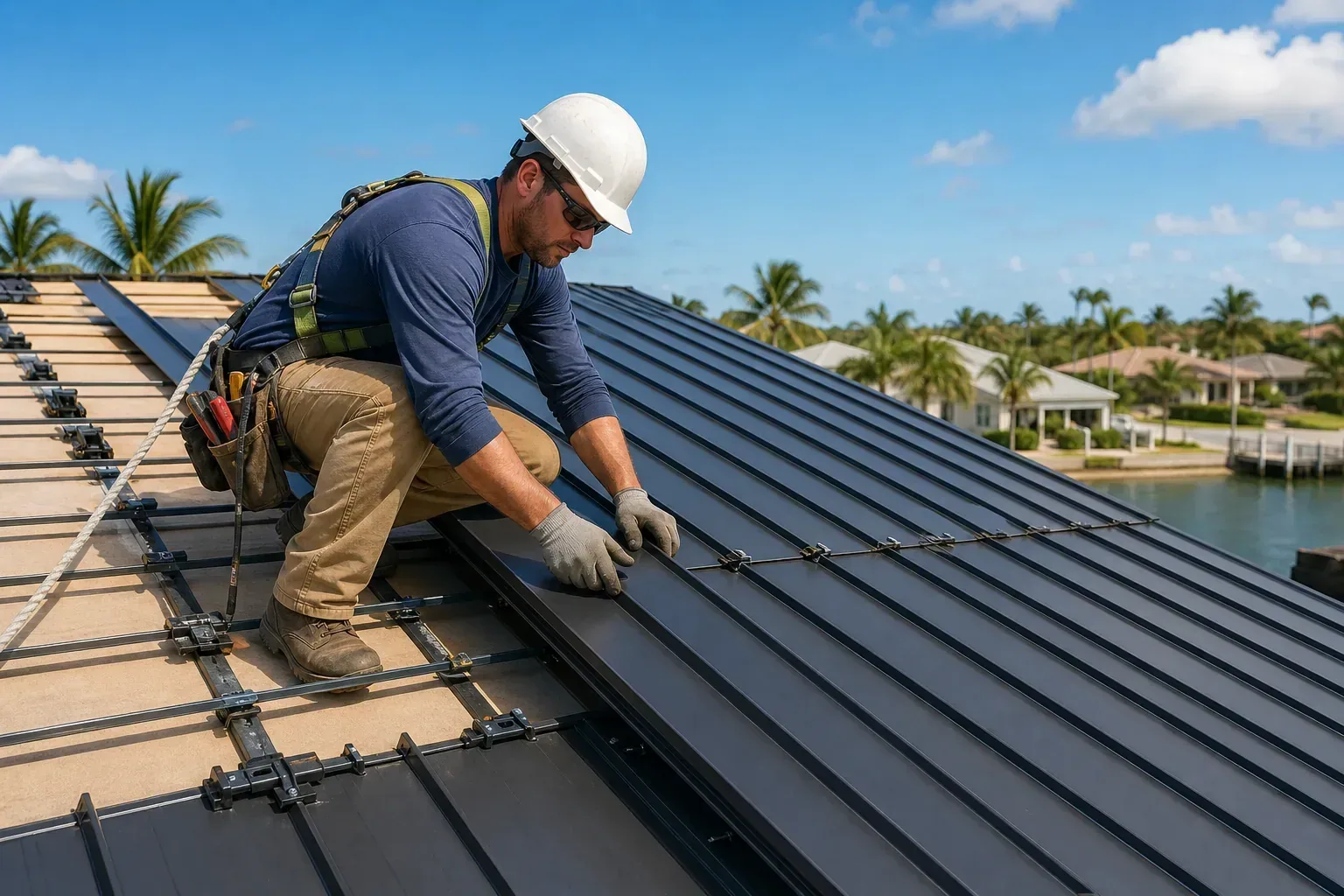
PVC and TPO are both thermoplastic membranes with heat-welded seams, but they differ in formulation and project suitability. The required chemical resistance, expected traffic, attachment method, substrate and manufacturer details guide selection. A TPO option may suit a different project profile. We compare the specifications and actual building exposures instead of choosing by color or initial appearance.
The roof's existing condition also limits the choices. A sound assembly with compatible materials may be considered for recover when the project requirements allow it. Wet insulation, attachment failure or damaged decking changes that discussion. We document roof sections that need repair or removal and identify further testing that could affect quantity. A roof inspection establishes visible conditions; a replacement scope sets out a complete assembly where broader work is warranted.
Cost depends on membrane selection, roof area, insulation, attachment, penetrations, exhaust and staging. Timing reflects weather, roof access and coordination with kitchen or production schedules. The proposal identifies the details and assumptions so the facility can compare alternatives on the same basis.
Install: Tie the Membrane into Every Transition
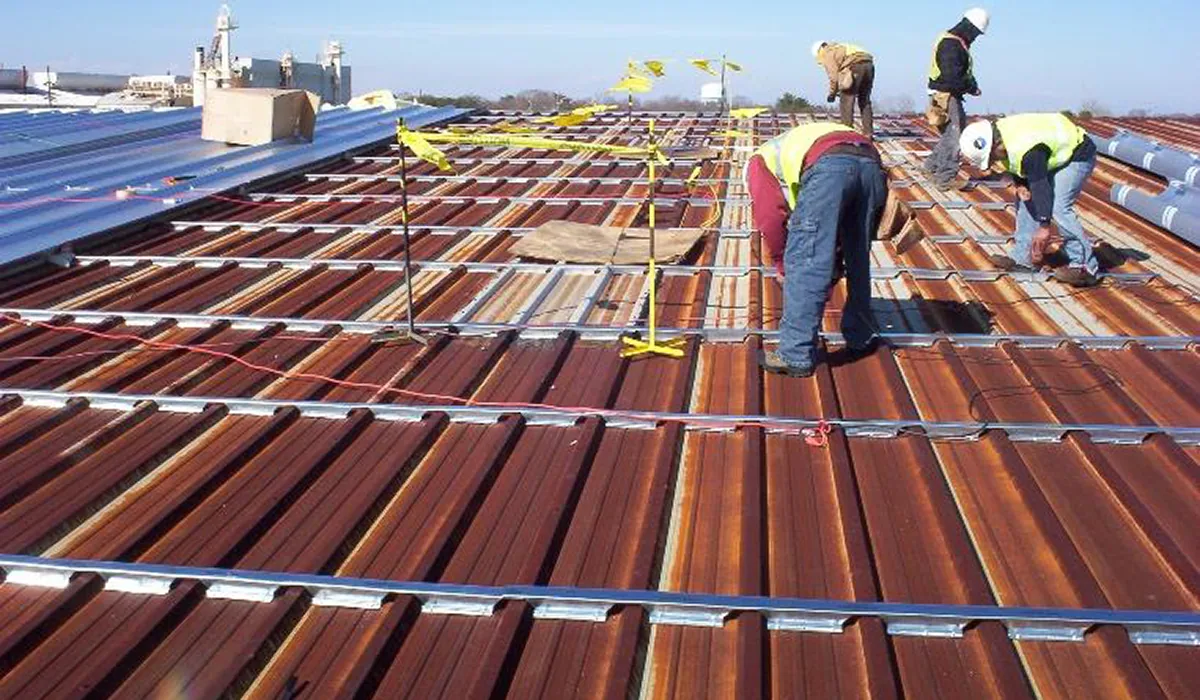
Installation starts with checking the deck and substrate, then installing the specified insulation, cover board and membrane. Sheets are aligned and attached according to the system design; seams are welded under suitable conditions and checked before the work moves on. Curbs, pipes, walls and drain bowls receive compatible flashing details. The roof should not depend on a field weld while leaving an exhaust curb or perimeter transition unresolved.
We coordinate roof access with the facility contact and any kitchen-equipment provider. Work near an exhaust fan may require a service window or temporary shutdown managed by the responsible vendor. We mark material staging, delivery routes and any entrance or loading area that needs protection. For a retail roof request in Butler Plaza, the site contact confirms tenant hours and delivery timing before work is sequenced.
Rain, surface moisture and high temperatures can change the work window. We check site conditions and set daily boundaries that can be secured before crews leave. If the substrate differs from the plans or an exhaust detail requires equipment work, we document the condition and coordinate the next step before closing it in.
Maintain: Preserve the Roof Around Service Work
Kitchen exhaust cleaning and mechanical service can bring technicians, tools and removed components across the roof. A maintenance plan should inspect membrane seams, walk paths, exhaust curbs, drains and areas where service work occurred. We note punctures, damaged flashing, grease residue where present and any changed support or penetration. Service records can help the facility contact connect roof findings with work dates. For a multi-tenant property, the notes should name the building and exhaust curb included in the visit.
A maintenance visit can document these details by roof section and identify repairs before the next service cycle. The closeout record may include photos and an assembly description for property staff. On a multi-tenant site, condition reporting can keep observations attached to each building instead of mixing roof records among operators.
For a Gainesville PVC review, share the address, building use, exhaust or chemical exposure concerns, repair history, leak areas, site contact and work window. We will inspect the membrane and connected details, confirm what can be verified and explain the next scope step.
Frequently Asked Questions
Is PVC always the right membrane for a commercial kitchen?
No. The exhaust, cleaning materials, roof assembly and project specification determine suitability. We review the exposure and system details before recommending PVC.
Can grease exhaust damage the roof membrane?
Certain exhaust residues can affect roofing materials. We inspect the actual discharge path, membrane and equipment curb, then use product and project requirements to determine what repairs or protection are appropriate.
How do you confirm a PVC seam is intact?
We inspect and probe accessible welds using methods suited to the membrane and project. If hidden layers or the substrate are in question, additional testing may be needed.
Can a PVC roof be repaired after kitchen equipment is serviced?
Yes, when the membrane and surrounding materials support a compatible repair. We inspect the service area, document any disturbance and coordinate access with the equipment provider.
Related Roofing Work
Inspect a Gainesville PVC Roof
Share the property address, building and kitchen use, exhaust or chemical concerns, roof records, leak areas, site contact and preferred work window. We will review the membrane and its transitions before setting a repair plan.