Commercial EPDM Roofing in Gainesville, FL
Inspect, repair and replace commercial EPDM roofs in Gainesville. Review seams, flashings, drainage and attachment before setting the roof scope.
Roof Systems: Commercial EPDM Roofing
A Gainesville office or warehouse with an EPDM roof needs seams and flashings that remain bonded through rain, roof traffic and equipment service. EPDM is a synthetic rubber membrane commonly installed in sheets, with seams and transitions assembled using system-compatible tapes, adhesives or details. The repair method depends on membrane condition and the materials already on the roof. We inspect the sheet, seams, drains, penetrations and prior patches before deciding whether the roof needs a localized repair or broader work.
Material: Understand the Rubber Membrane
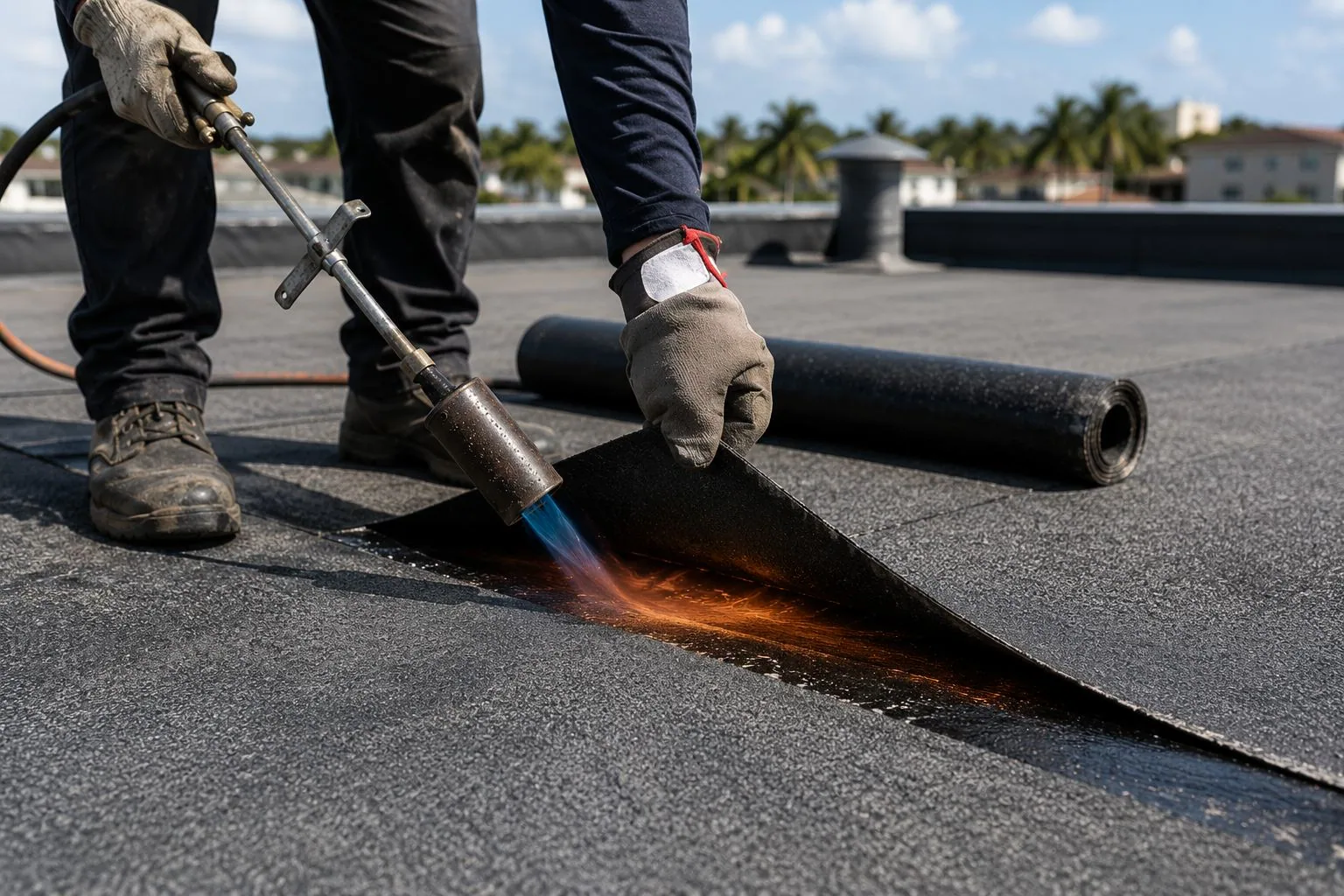
EPDM is flexible and can accommodate movement when installed with the specified attachment and flashing details. Large sheets reduce the number of field seams, but the seams that remain still need a clean, properly prepared bond. Adhesive and tape systems have application requirements, and dirt, moisture or incompatible repair materials can affect adhesion. A patch should be tied into sound membrane with the appropriate primer and materials for the existing system.
We identify whether the roof is fully adhered, mechanically attached or ballasted where those conditions are visible or documented. Attachment influences how the membrane moves and what a repair can address. We also inspect cover board, insulation, perimeter securement and penetrations. An EPDM sheet may look serviceable while moisture or a weak transition remains hidden below it, so the assembly and reported leak history matter.
Owners comparing systems may consider TPO roofing or modified bitumen, depending on building use, roof geometry and project criteria. The existing roof and planned service conditions guide that comparison. We do not choose a membrane based only on its color or the name of the material.
Inspect: Follow Seams and Transitions
We inspect field seams for lifted edges, open laps, contamination, fishmouths or failed tape, then check flashings at walls, drains, curbs and pipes. Corners and terminations may move differently from the open field. We look for patches that have loosened or concealed an earlier repair, and we record locations on a roof plan so the owner can track changes over time.
One 24-hour period in Gainesville brought 3.06 inches of rain during 2025. Heavy rain can make a loose seam or blocked drain visible through interior reports. We use that event as a reason to inspect the reported water path and connected roof details. We follow the water path from the affected room and inspect the connected roof details. A leak repair assessment can define the source when a ceiling stain lies away from the entry point.
Heat, roof traffic and equipment work also affect serviceable areas. We inspect walk routes, pipe supports, HVAC curbs and any surface exposed during maintenance. If the membrane may cover wet insulation, an infrared survey can help select test points. Direct openings confirm only the layers at the locations tested.
Repair: Restore a Compatible Bond
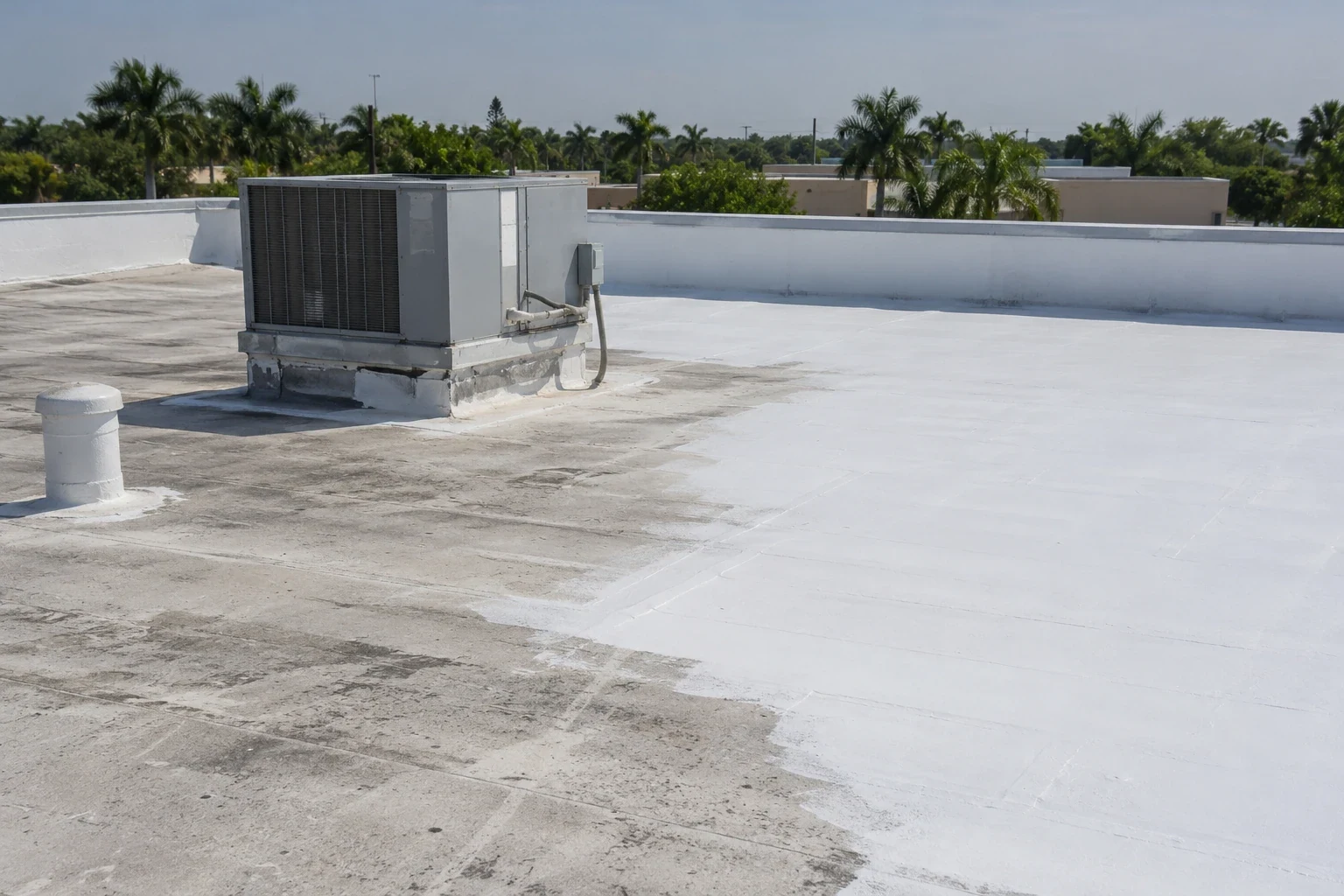
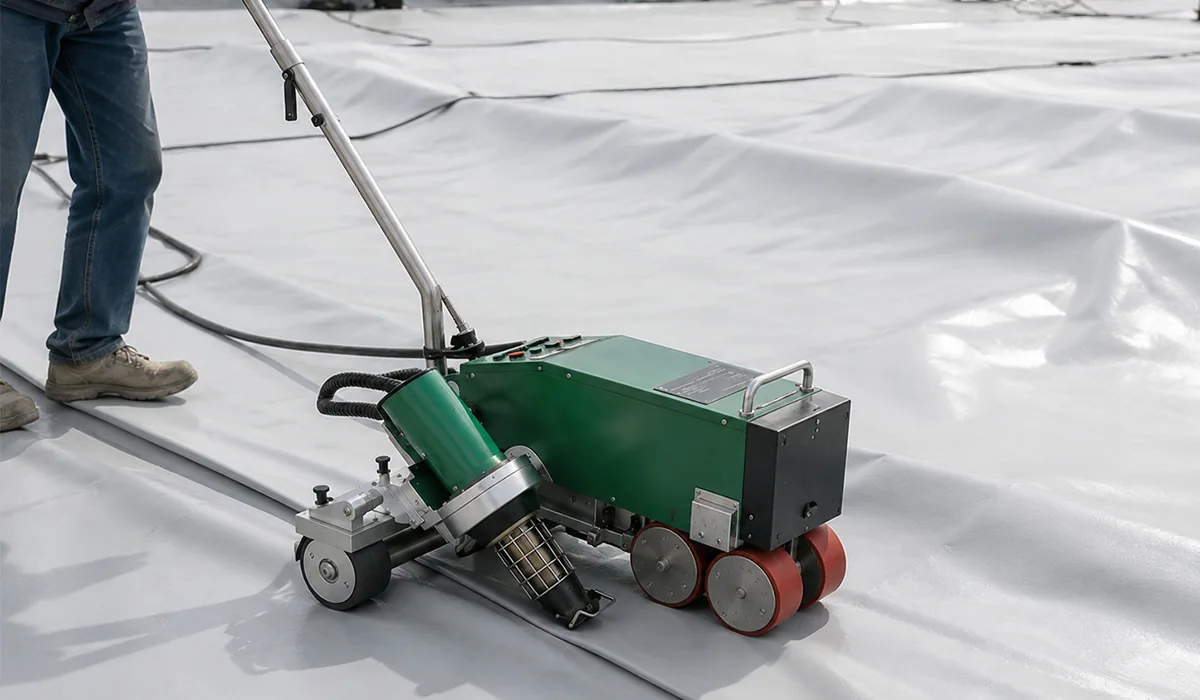
EPDM repairs require the surface and repair products to work together. We clean and prepare the membrane as specified, prime where the repair detail requires it and apply compatible tape, flashing or replacement sheet. A patch needs sufficient sound material around the damage and a well-rolled, sealed edge. If the membrane has become brittle, the substrate is wet or the seam failure continues beyond the visible opening, the repair limit may need to expand.
At a curb or pipe, the detail may require a formed flashing component rather than a flat patch over the penetration. We inspect the termination and support, then coordinate equipment work where the unit must move. A penetration repair can address the transition, while the field membrane is repaired separately if it is also damaged.
A localized fix may be suitable when surrounding materials remain sound. Widespread seam separation, wet insulation or attachment concerns can point to recover or replacement. A roof inspection establishes what is visible; a replacement plan can address a larger assembly. We describe assumptions and areas that need testing before estimating final quantities.
Weather: Plan the Work Window
EPDM adhesives and tapes require suitable substrate and application conditions. Rain, dew, surface moisture and temperature can affect preparation and bonding. We check the roof and forecast before beginning, then keep exposed areas within the crew's ability to complete and protect. If a storm changes the window, the active edge is secured and the site contact is updated.
Gainesville has recurring thunderstorms and heavy rain. That pattern makes drainage and daily tie-ins part of the sequence, particularly where work crosses roof sections with different elevations. We keep drains clear and do not leave debris or loose material that can enter an outlet. Access around equipment and walkways also needs to remain controlled while adhesives or repair materials are curing.
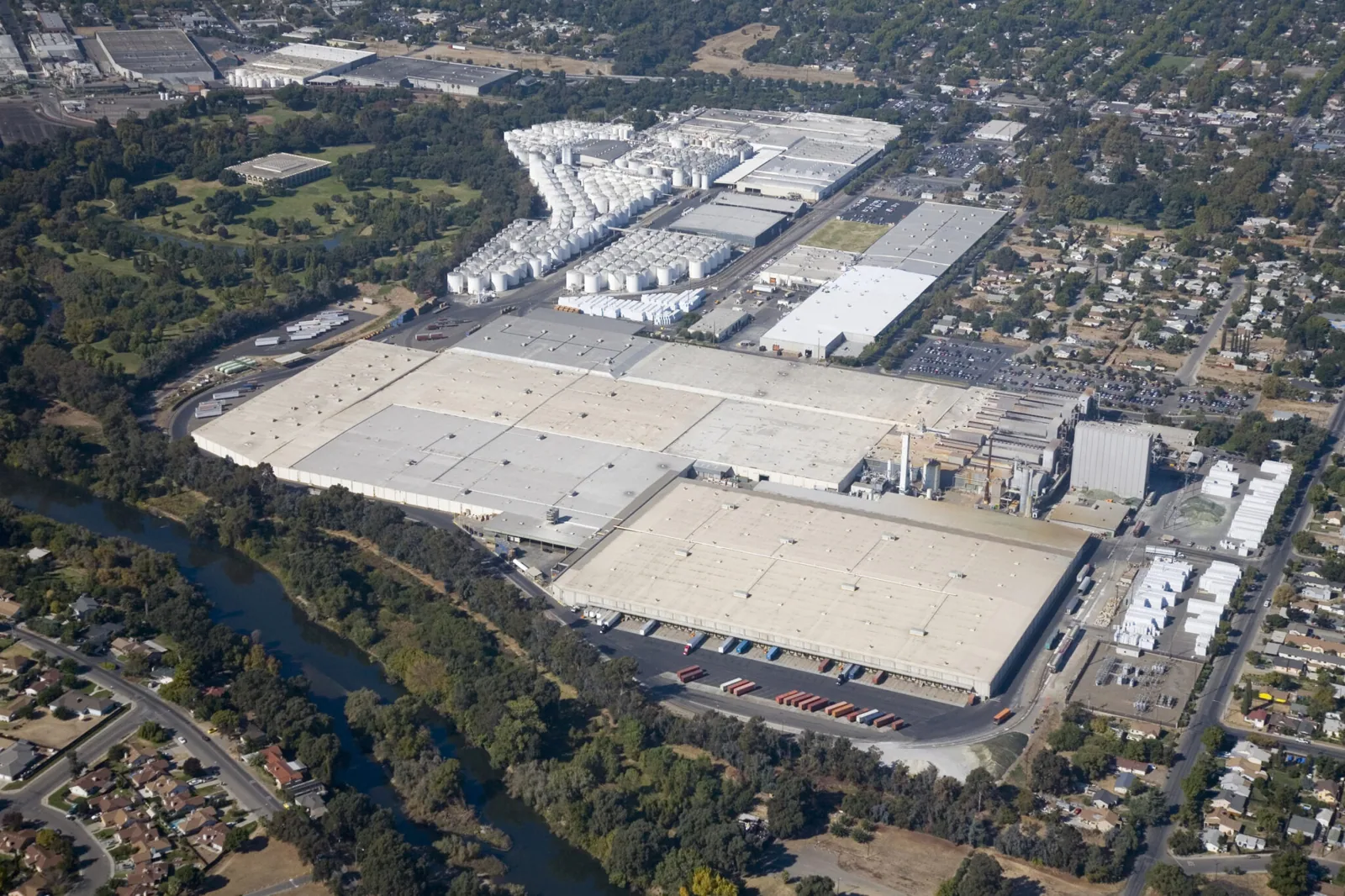
The University of Florida campus includes more than 1,000 buildings, while Gainesville Regional Airport sits within a large aeronautical and industrial footprint. Innovation Square is planned as a research and mixed-use district, so access and roof details are verified at the individual property. Those settings highlight how property access differs across the market. At Butler Plaza, more than 75 retail and dining tenants make building identification and site coordination part of the visit. We confirm the roof entry and work window with the property contact.
Maintain: Track Repairs and Drainage
After repair, the owner should retain the roof section, date, materials and photographs with the facility record. That lets future inspections compare a seam or patch with its earlier condition. We note any area not inspected and identify where a larger test or follow-up should occur.
A site contact can note the observation time after rain and whether water remained near a low area; that Diligence Notes can help direct a later drainage check. A maintenance program can revisit drains, seams, flashing and traffic routes before small changes spread. If the building has multiple roofs, a condition record can separate observations by section and preserve open items for the next budget cycle.
For an EPDM roof review in Gainesville, share the property address, roof records, leak locations, prior repair notes, access contact and available work window. We will identify the membrane and visible details, then prepare a repair, recover or replacement scope supported by the condition found.
A useful EPDM record distinguishes the membrane itself from later sealants and accessory materials. Different repair products can age or adhere differently, so we note what was applied and where, especially around drains, pipes and equipment curbs. If the original manufacturer or installation record is available, we compare the proposed repair detail with those documents. Where records are missing, a field inspection can still document sheet thickness when identifiable, attachment evidence, seam condition and visible prior work, while marking anything that cannot be confirmed without opening the assembly. This is especially helpful on multi-section properties, where one roof may have been repaired while another remains unchanged. After work, a marked roof plan and closeout photos help service vendors avoid cutting across a new patch or placing equipment on a vulnerable seam. Those details turn a leak call into a traceable maintenance item.
Frequently Asked Questions
How is an EPDM seam repaired?
We prepare the surface using the system requirements, apply compatible primer or adhesive where specified, and install repair tape or membrane with a fully bonded edge. The existing roof condition sets the repair limits.
Can a patch go over an older EPDM repair?
Only if the surrounding membrane is sound and the repair materials are compatible. We inspect the earlier patch and prepare a new repair that reaches stable material.
Does a leak at an EPDM seam mean the whole roof needs replacement?
Not by itself. We assess the seam, nearby details, insulation, attachment and overall membrane condition before comparing a local repair with broader work.
Can you inspect EPDM after a heavy Gainesville rain?
Yes, once access is safe. Rain may make an active leak easier to trace, while moisture or standing water can limit some inspection methods. We record conditions and schedule testing if needed.
Related Roofing Work
Review a Gainesville EPDM Roof
Provide the property address, building use, available EPDM records, leak areas, prior repairs, site contact and access window. We will inspect seams, flashings and drainage, then outline the supported work.