
Commercial Roof Inspection in Gainesville, FL
Get a hands-on commercial roof inspection in Gainesville with mapped findings, moisture questions, repair priorities and a usable condition record.
Commercial Roofing Services: Commercial Roof Inspection
A facility contact needs an inspection record that points to a roof section and an action, not a list of observations without location. In Gainesville, FL, we start by identifying the building's use, roof access and known leak history. The University of Florida's campus contains more than a thousand buildings, while the Innovation Square district includes research, office and mixed-use space. Those portfolios call for different access conversations, even though both benefit from a clear roof plan. We inspect the assembly we can verify, mark conditions and identify what would require testing before scope or budget decisions are made.
Inventory: Mark the Roof Before Rating It
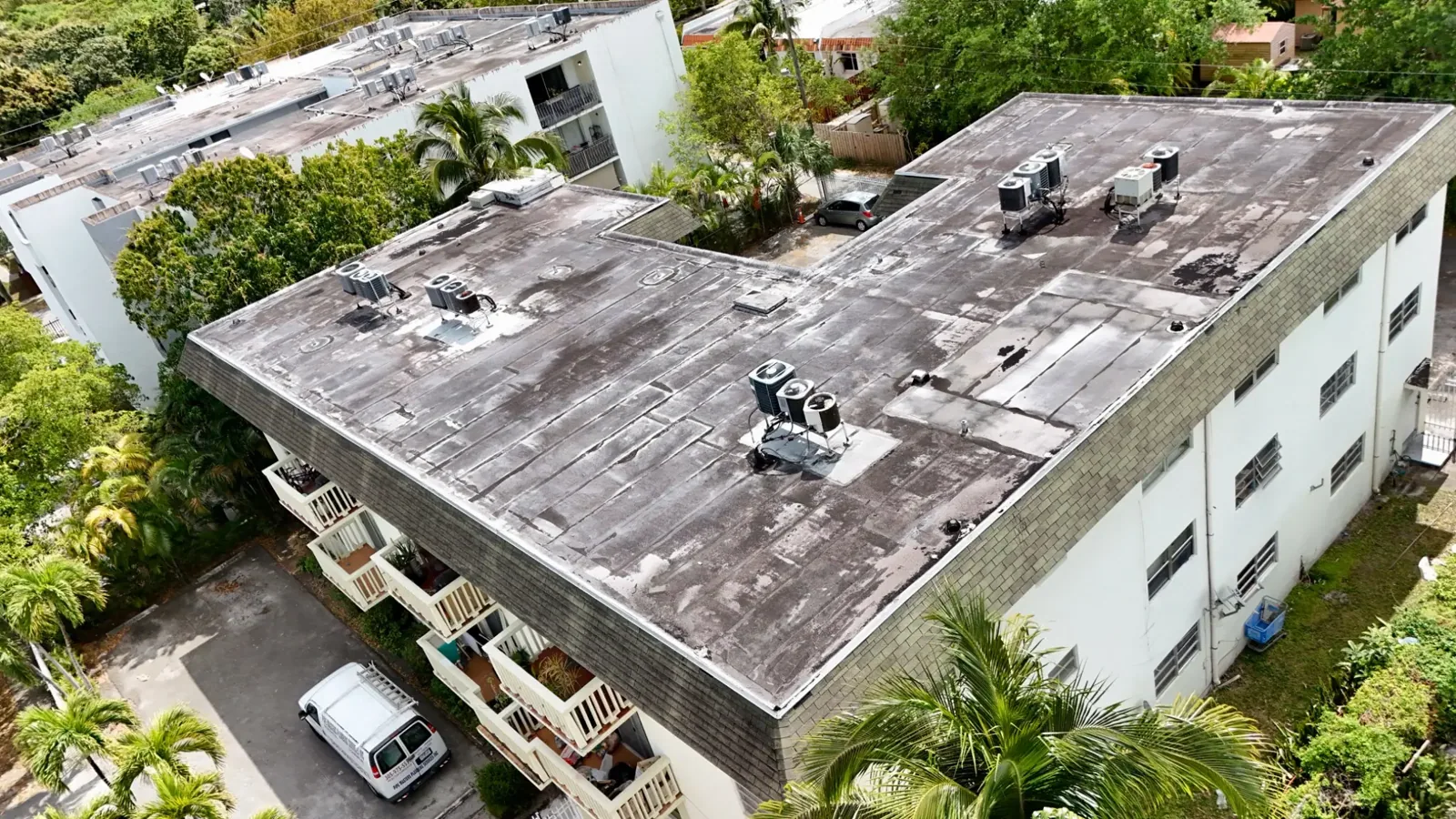
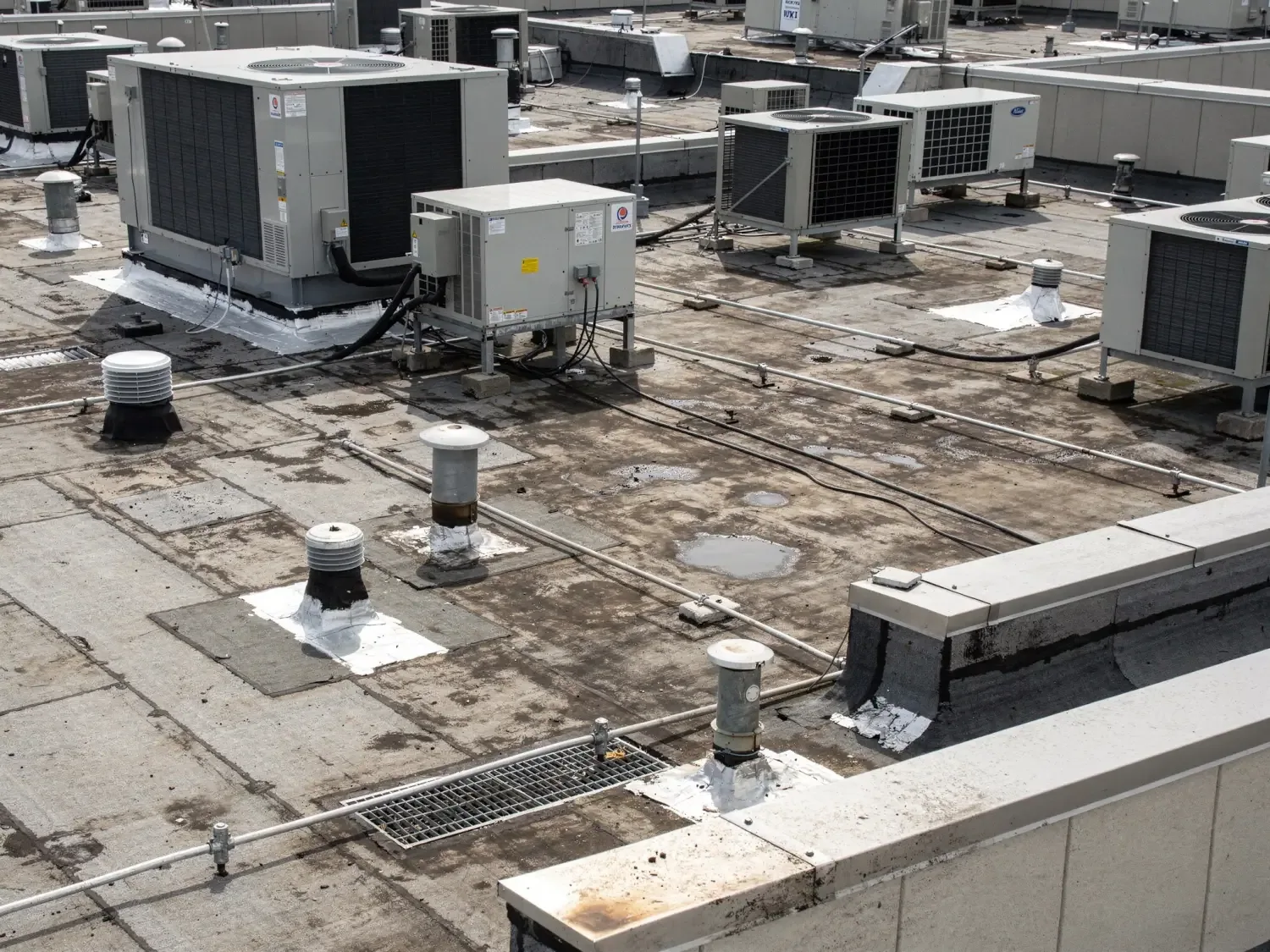
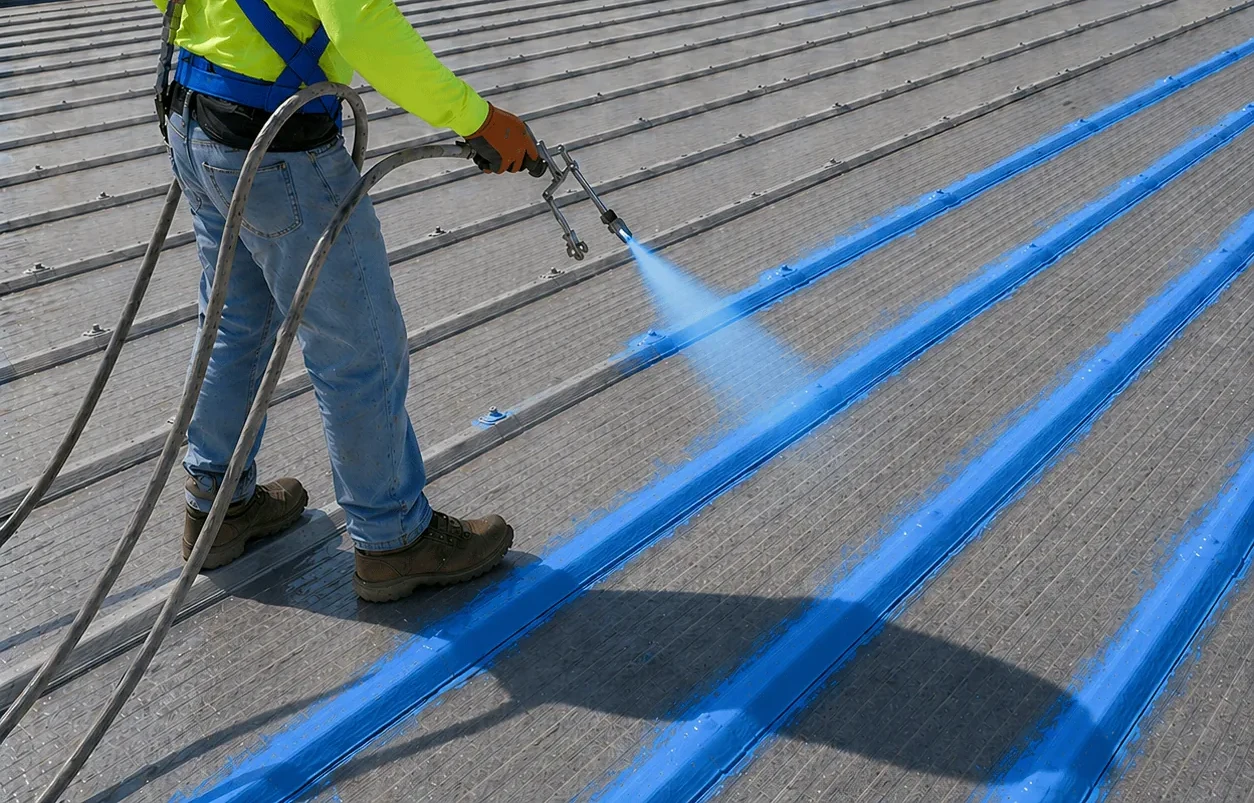
We begin by locating roof sections, system changes, drains, scuppers, penetrations, rooftop equipment and previous repairs. The inspection notes whether the visible surface is membrane, metal, coating or another assembly and records transitions between additions. The surface walk records visible conditions. When deck condition or moisture extent remains unclear, the report identifies a test opening or other next check.
Gainesville's hot season and frequent storms make drainage, perimeter attachment and penetrations useful recurring inspection points. In 2025, Gainesville recorded temperatures of at least 90°F on 133 days; its 2022 weather record lists 104 thunderstorm days. We use those weather patterns to include drainage, edges, and penetrations in the inspection, then record only conditions observed on the building. We check slope and drain paths, look for loose edges, and inspect seams where water or wind can test a transition. Findings stay tied to the observed building and roof section.
Walk: Match the Roof to Building Use
Inspection access should fit the people who use the building. We coordinate roof entry with the site contact, confirm any restricted areas and note where work might affect occupied rooms or equipment. A university lab may have different access windows from a retail center or warehouse. The inspection plan should also account for roof hatches, ladders, fall protection and areas where equipment blocks the surface. If the full roof cannot be reached, we mark the limitation rather than implying that an unseen section was checked.
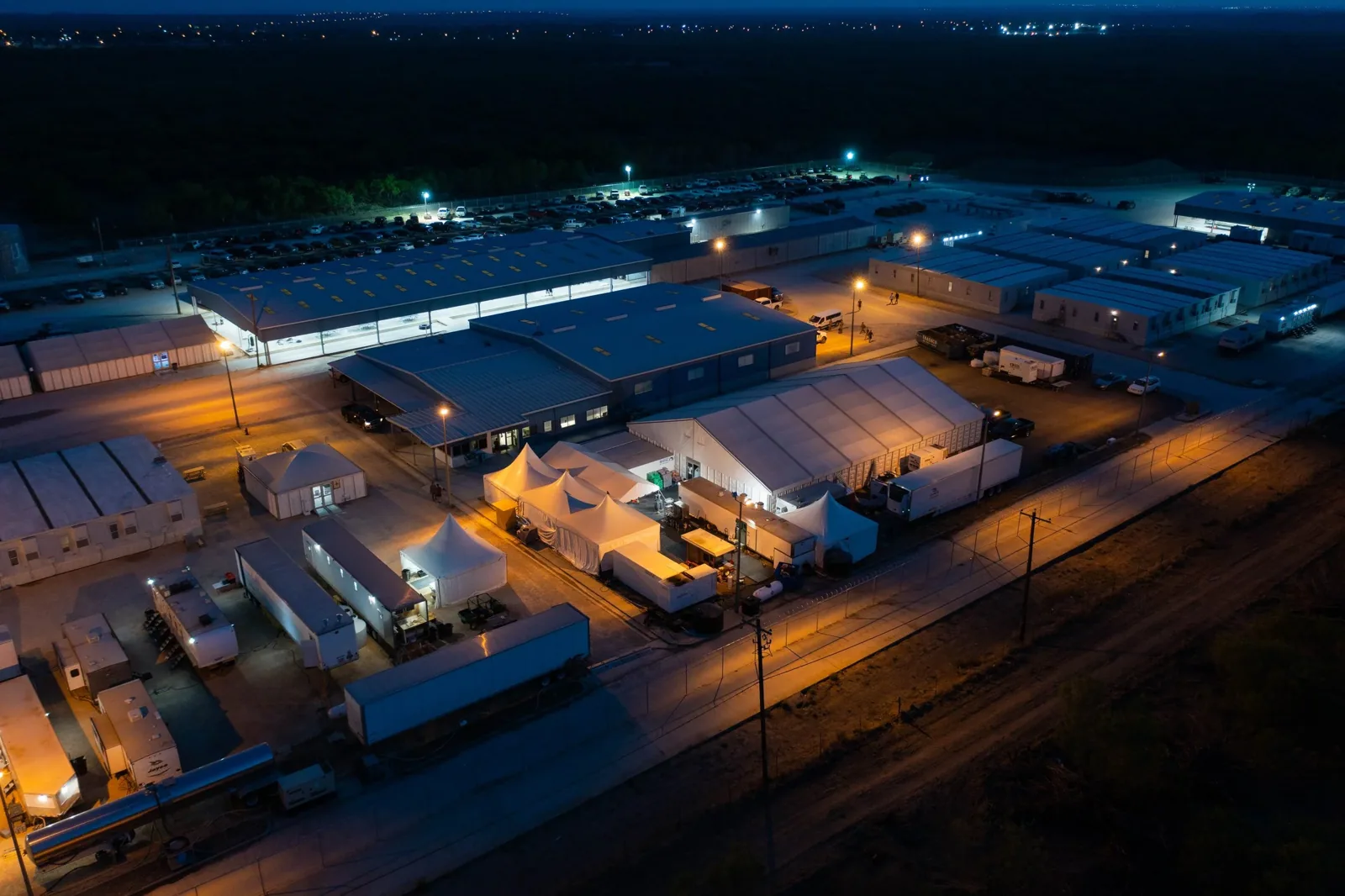
At the University of Florida, the number and variety of campus buildings make a building-by-building record more useful than a campus-wide assumption. For commercial sites, we identify which tenant or facility team should receive urgent findings and who will authorize additional testing. An aerial survey can help document broad or hard-to-reach areas, while a hands-on walk remains important for seams, flashing and soft spots that require close review.
Test: Resolve Questions the Walk Cannot Answer
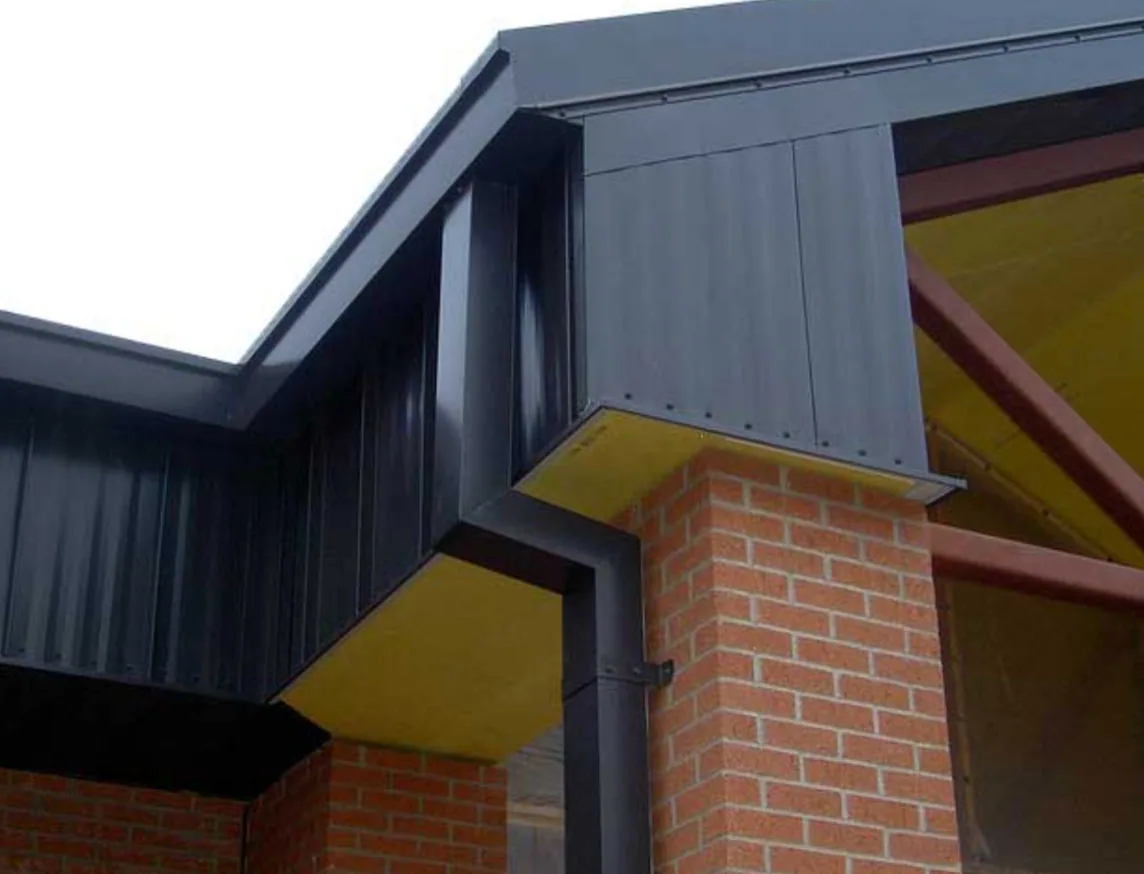
A roof walk can show an open seam, loose flashing, standing water, debris or surface wear. It may not show how far moisture has traveled below the membrane. We use infrared readings where conditions suit that method and consider test openings when the assembly needs direct confirmation. The report separates visible evidence from measured or opened conditions. That distinction helps an owner decide whether a repair can proceed or whether wet insulation, deck condition or attachment needs more investigation.
After a period of heavy rain, we can compare reported interior marks with drains, curbs and transitions on the roof. A stain away from the source is possible, so the inspection records the suspected path and any uncertainty. For a moisture survey, readings are mapped by roof section and verified where appropriate. We explain what the method can establish and where a core cut would provide stronger evidence. Testing is scoped to answer a building question, not to add measurements with no decision attached.
Prioritize: Separate Immediate Work from Planning
Not every finding needs the same response. We mark active water entry, open flashing or an unsafe condition for prompt attention, then distinguish maintenance items from repairs that require a larger scope. The owner can see which defects are confirmed, what should be monitored and where more investigation is needed. We describe cost drivers qualitatively, such as access, system compatibility, wet material or the number of roof sections, without assigning a repair budget before the scope is known.
When a roof has repeated failures, condition and photos can support a comparison between repair, recover and replacement. A repair visit can address an isolated confirmed detail; a recover review checks whether existing layers and moisture conditions allow another system. For an owner planning across properties, capital planning can place findings into a sequence with access windows and building priorities.
When the inspection supports a repair, we can define the next work package by roof section, access requirement and any test still needed before pricing. If the building is part of a larger portfolio, we can keep the same categories in each report while recording the assembly and priorities specific to that roof. That gives the owner a consistent comparison without treating every building as identical.
Close Out: Make the Findings Usable
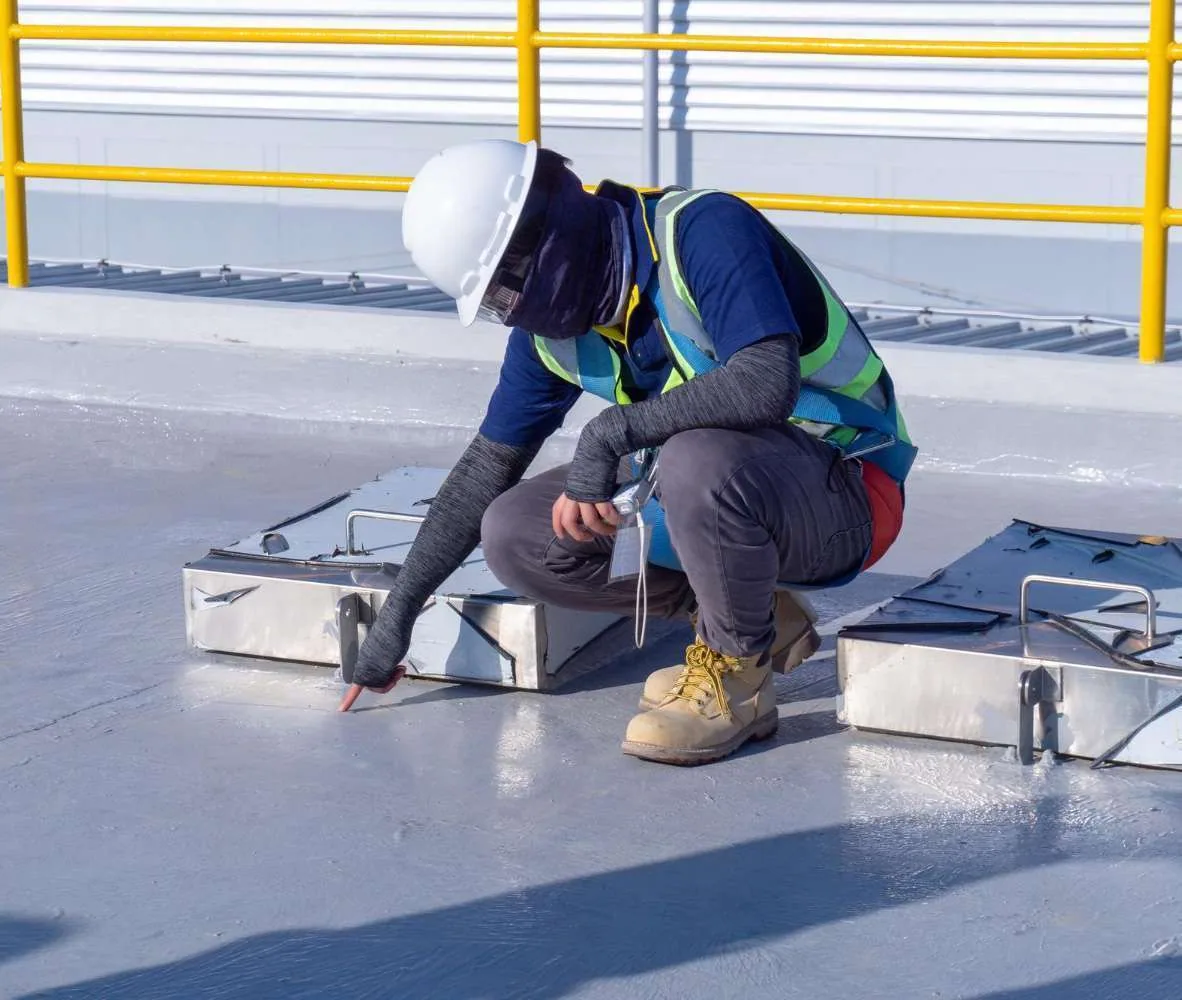
The condition record includes the building and roof section, observed assembly, photos, defect locations, immediate actions and questions that remain open. Where a location could not be inspected, we identify it. If an infrared survey, test opening or contractor access is recommended, the record explains what answer it is expected to provide. A site contact should be able to use the report without needing the inspector to explain every photograph again.
Gainesville's weather can make a storm follow-up useful after heavy rain or wind. We can return to compare new conditions with the original inspection and update the record by date and section. Maintenance staff may also use the findings to plan drain cleaning, seam checks or perimeter observation. University Heights and Innovation Square include different building mixes, so inspection intervals and reporting should follow the owner's actual buildings and access rules.
A useful inspection record sorts findings by action, not just severity. We identify conditions that call for prompt repair, items that can be watched during maintenance and questions that require a test opening or moisture mapping. Each note should identify the roof section and include a photograph with enough context to find it again. For a facility portfolio, the same categories make it easier to compare buildings without assuming that a shared campus or property manager means shared roof conditions. The owner can then request pricing against a defined scope.
Frequently Asked Questions
What should a commercial roof inspection report show?
It should identify the building and roof sections inspected, record the visible assembly, locate findings on a plan and include photos tied to those locations. The report should separate confirmed defects from areas needing testing and state what action is recommended for each. We also note access limits, so a manager can see where the inspection did not reach.
Can an inspection tell whether insulation is wet?
A visual walk can identify clues, but moisture inside an assembly may need infrared readings or a test opening. We map the suspected area and use a method suited to the roof and weather conditions. If readings are uncertain, we explain what a core cut could confirm before the owner authorizes repair or replacement quantities.
Should we schedule an inspection after a heavy storm?
A storm follow-up is useful when water appears inside, debris is visible, edges may have moved or an existing defect could have worsened. We inspect the reported roof section and nearby details, then compare findings with the building's prior record. Gainesville's documented heavy rain and wind events provide context, but the inspection identifies the conditions at your property.
How do you handle roof access at an occupied campus or medical property?
We coordinate with the site contact on the approved entrance, restricted rooms, roof hatch, equipment zones and inspection window. The report records which sections were reached and any limitation that remains. For a multi-building portfolio, we can schedule by building and keep each record distinct rather than treating the campus as one roof.
Related Roofing Work
Set a Roof Inspection Window
Send the Gainesville address, building use, roof records, known leaks, access contact and preferred inspection window. We will map the roof sections and identify findings that need repair or further testing.