
Commercial Roofing for Real Estate Investors in Gainesville, FL
Evaluate Gainesville commercial roofs with asset-level condition records, repair priorities, capital planning and site-specific findings for owners and REITs.
Industries We Serve: Commercial Roofing for Real Estate Investors
An acquisition or capital review needs a roof record tied to the property, not a broad condition label. We identify the address, roof section, existing system, leak reports, and work history, then distinguish visible defects from conditions that need testing. In Gainesville, FL, prolonged heat and heavy rainfall make drainage, seams, and exposed edges useful inspection points. The investor's review timeline matters, but the findings and measured scope must still reflect each building's actual assembly.
Establish the Condition Before Assigning Risk
A roof assessment begins with plans, repair invoices, warranties provided by the owner, prior inspection photos, and active tenant reports. We compare those records with the field surface, drains, flashing, penetrations, curbs, and edge attachment. The report identifies inspected sections, confirmed issues, and areas that remain inaccessible. If moisture is suspected beneath a membrane, test openings can establish insulation and deck conditions at agreed locations. This separates observed repair needs from a reserve assumption based only on roof age.
Gainesville's 2025 climate record counted 133 days at or above 90 degrees and a 3.06-inch 24-hour rainfall total. Heat and runoff can stress different components, so we inspect each detail rather than using a single weather metric as a roof diagnosis. A condition report with roof mapping helps ownership relate findings to a specific asset, floor, and tenant area.
Local assets vary. Innovation Square is a downtown-to-campus research district planned for more than five million square feet across offices, research, residences, retail, hotels, and open space. Butler North contains a substantial mix of retail and dining space along Clark Butler Boulevard. These district facts describe market context, not a building's roof type. A property review in Innovation Square or an asset at Butler North starts with its own records, site contact, and access route.
Compare Near-Term Repairs and Capital Work
A localized flashing or seam repair can be appropriate when the adjacent membrane, insulation, and deck are serviceable. Wet insulation, widespread attachment failure, repeated leaks, or deteriorated deck can make a larger project more practical. We document the repair boundary and state what a test opening showed. The investor can compare options using removal quantities, roof area, equipment curbs, edge conditions, tenant protection, and the time needed to complete each section.
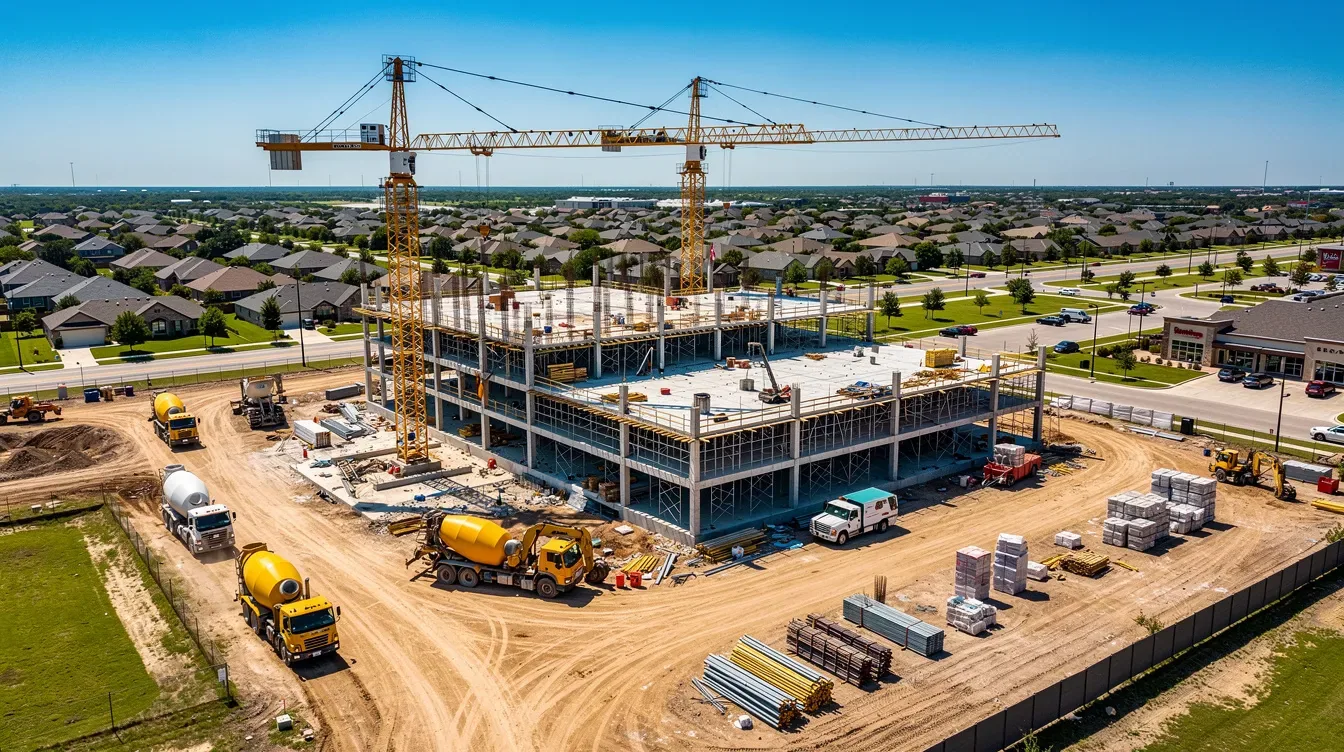
A recover or coating may be viable when the existing surface, adhesion, drainage, and assembly qualify. Replacement can require tear-off, insulation, attachment, perimeter work, and revised details around equipment. A restoration review describes preparation and repairs; a replacement scope records the new assembly. Cost drivers include material availability, access, deck repair, roof height, project phasing, and the building's operating schedule.
A capital plan can group near-term work, longer-term replacement, and unresolved testing across multiple assets. We keep each property's supporting photos and quantities with that asset, so portfolio totals do not hide the reason one roof ranks ahead of another. When site visits are grouped geographically, the inspection records remain separate. Before a capital meeting, we can separate immediate water control from work that can be bid in a later season. Each recommendation identifies the condition that could change its rank, such as a test result, deck finding, or access limit. That gives the reviewer a clear next decision instead of a blanket replacement date.
Tie Storm History to Current Evidence
Following a storm, investors may need to distinguish a new condition from older wear. We record inspection date, address, affected roof section, photographs, and visible movement or impact. For a post-storm review, we compare dated site photographs and service records with current field conditions. The inspection identifies the affected roof section and separates visible changes from earlier wear when the records support that distinction.
A storm follow-up starts with dated site photographs, maintenance records, and the current roof condition. We inspect perimeter attachment, drains, flashings, equipment supports, and interior leak reports, then identify which changes can be tied to the event and which need further testing. A storm follow-up inspection gives ownership a documented basis for the next repair or claim decision.
For a portfolio containing healthcare, retail, or industrial assets, operational exposure differs even when repair sizes appear similar. A health-system roof review can weigh patient care and equipment concerns, while property management coordination covers tenant schedules across buildings. The building-specific access and continuity requirements should appear in the scope before budget approval.
Fit the Sequence to Ownership and Occupancy
We coordinate with the owner's representative, property manager, and tenant contact to set roof access, notices, staging, and interior protection. If work is phased, each phase identifies its roof boundary, tie-in approach, and handoff condition. A phased reroof plan may help preserve operations where the roof layout supports it. Weather, permitting, material lead time, and equipment access affect the schedule and should be listed as assumptions, not hidden in a completion date.
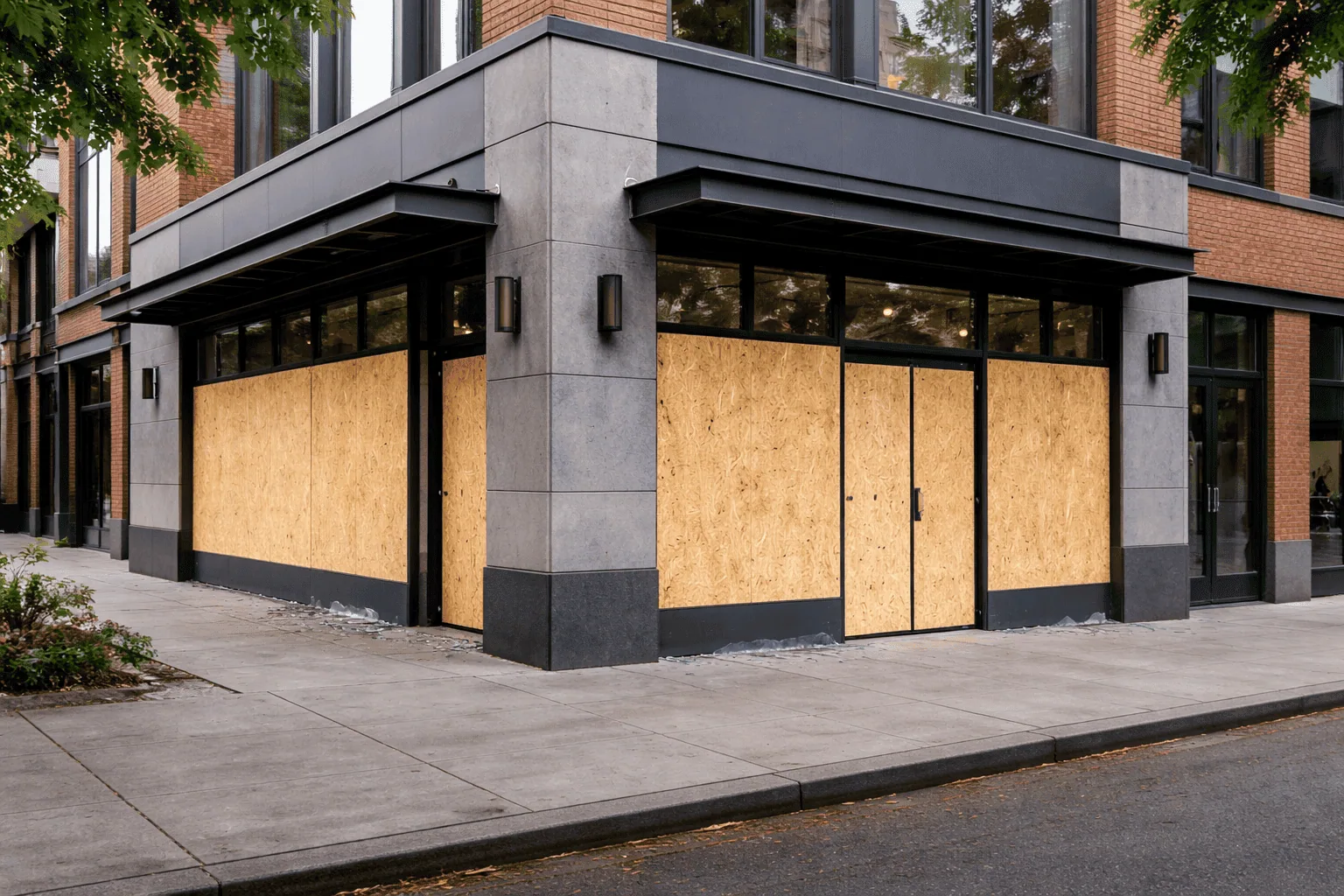
For a roof opening that cannot wait, we can arrange temporary protection outside regular business hours and return with a measured repair scope. We coordinate with the site contact, stabilize the opening when safe, and record temporary work separately from permanent repairs. This gives ownership a clear distinction between current containment and the full scope that remains.
Gainesville's building division has reviewed applications under the 2023 code edition since December 31, 2023. The design team can verify the provisions that apply to the proposed assembly and capital scope. The proposed assembly, recover option, and building conditions should be checked with the project's design and permitting team. We state what the field inspection verified so the investor can review code, tenant, and capital considerations against the same scope.
Make the Asset File Decision-Ready
A useful handoff identifies roof system, inspected sections, photographs, repair quantities, test results, materials installed, and open items. It should show which buildings were inspected and which were outside the visit. We note recommended follow-up intervals based on the observed roof, not a generic calendar. That record can support a lender package, ownership review, or capital committee discussion while keeping limitations visible.
For a Gainesville investor or REIT assessment, share the property list, asset IDs, roof documents, tenant and access contacts, leak reports, due-diligence schedule, and capital questions. We will inspect the defined buildings, document field conditions, and deliver measured scopes with priorities linked to verified evidence.
For an acquisition or refinancing review, the roof record should separate observed condition from assumptions about remaining life. We identify the roof areas inspected, note visible repairs and drainage limitations, and mark where a test opening or core sample is still needed. Innovation Square's mix of research, residential, retail, and office uses illustrates why a portfolio label cannot stand in for a building-level assessment. A short due-diligence window can prioritize active leaks and material questions, then list exclusions plainly so the investor knows which items still need access or testing.
Frequently Asked Questions
Can an inspection support an acquisition review on a short timeline?
We can plan a defined visit when access and records are available. The report states what was inspected, the conditions observed, and any testing or access that remains unresolved.
How should an investor compare repair and replacement options?
Compare the same roof boundary and include tested moisture, deck condition, quantities, access, tenant impact, and open assumptions. The scope should explain what each option fixes and what stays in service.
Can findings be ranked across multiple properties?
Yes. Each asset can be scored by active water entry, safety or operations impact, material condition, and near-term capital need. We keep source photos and open tests attached to the individual building.
Does a storm report prove a roof claim?
No. The weather record establishes an event, while a roof inspection documents the current condition. Photos, maintenance history, and field findings help define what can be attributed and what remains uncertain.
Related Roofing Work
Request a Gainesville Investor Roof Review
Provide the property list, asset identifiers, roof plans and repair history, active leaks, access contacts, due-diligence timing, and capital questions. We will document each building and return measured scopes tied to observed conditions.