About Commercial Roofers Gainesville

Commercial Roofing for Gainesville Property Owners and Managers

Commercial Roofers Gainesville works with commercial property owners and facility teams to understand roof conditions, define practical scopes and coordinate work around building operations. A roof decision begins with the individual property: its system, drainage, details, repairs, occupancy and available records. Our process is to inspect what can be observed, document the evidence and explain which questions remain open. That gives an owner a clearer basis for choosing a repair, maintenance activity or larger renewal review. The recommendation follows the roof and the stated project requirements rather than a generic assumption about the building's age or use.

Gainesville contains a wide range of institutional, commercial and industrial properties. The University of Florida reports more than 1,000 buildings on its Gainesville campus, a scale that illustrates how varied a single market's roof inventory can be. The same discipline applies to a single building and to a portfolio: identify the property and sections, record findings consistently, then relate the work to the decision the owner needs to make. Our service can begin with a reported leak, a planned capital project, an inspection request or a need to organize roof records.
555-555-5555
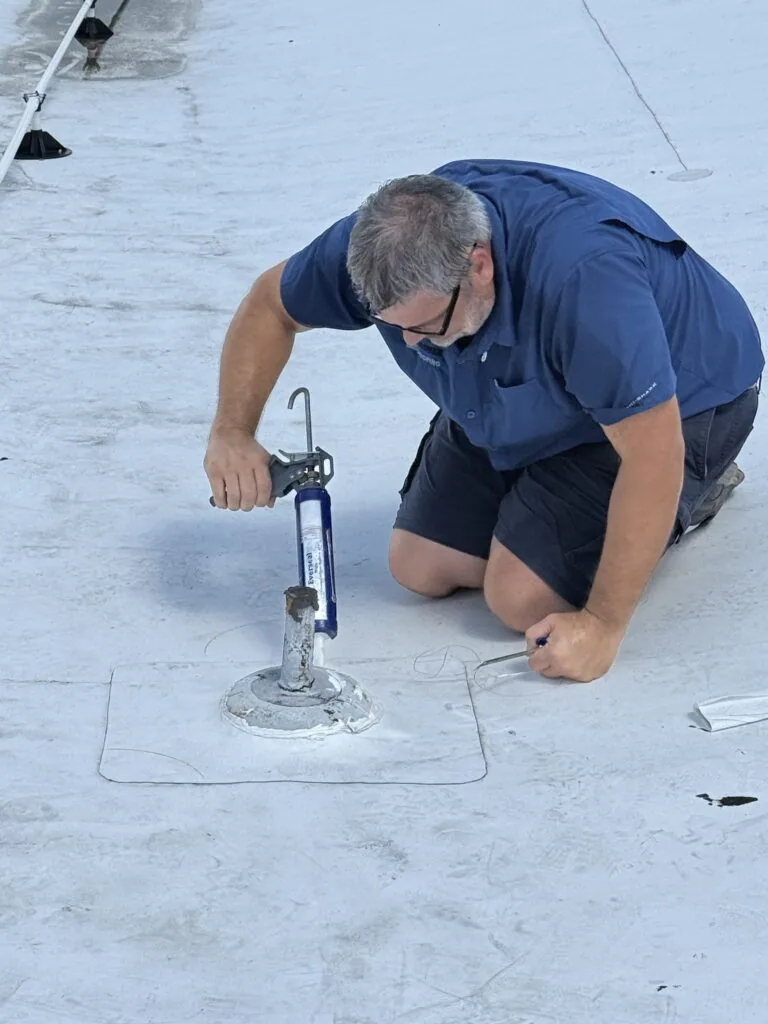
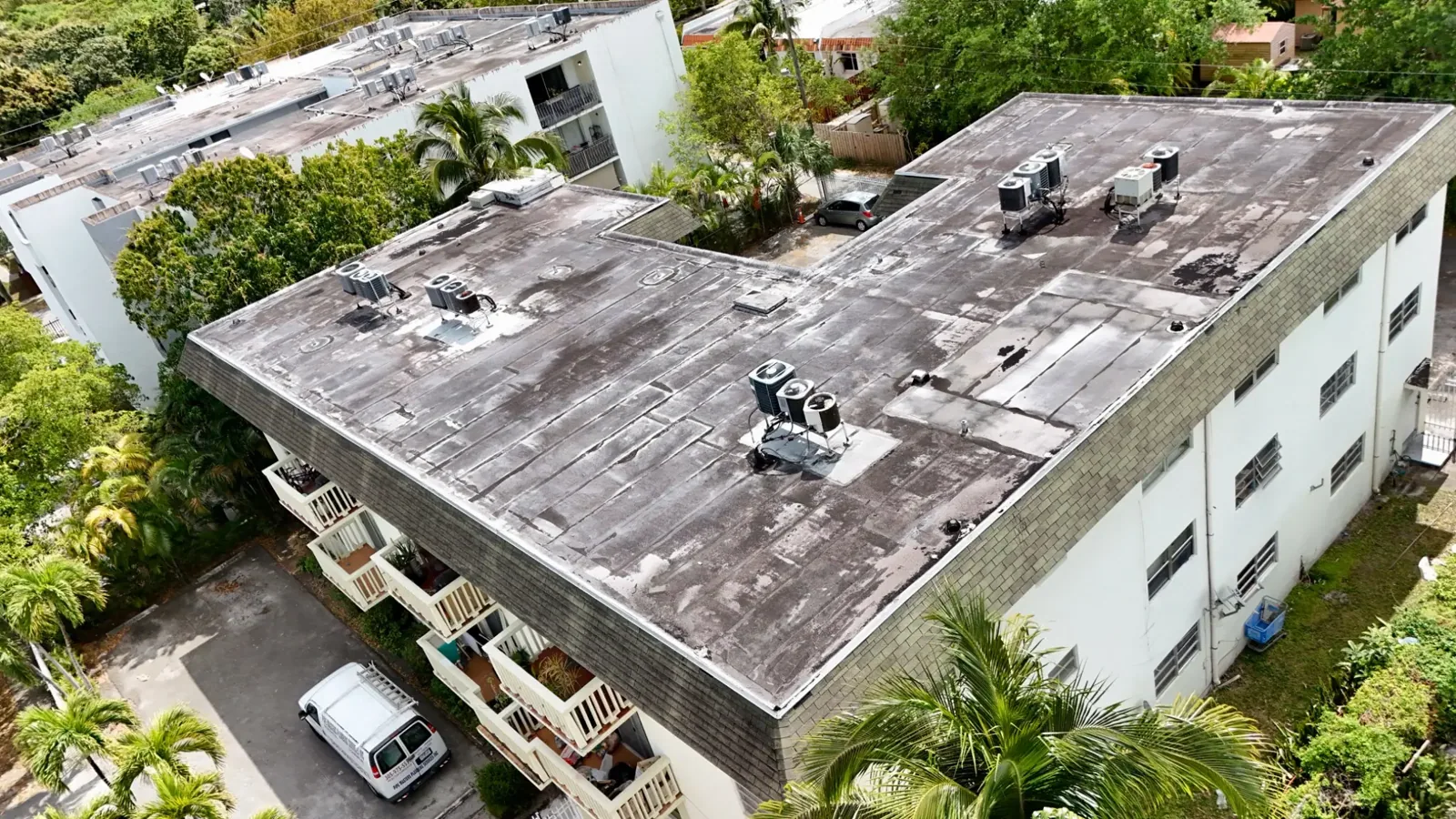
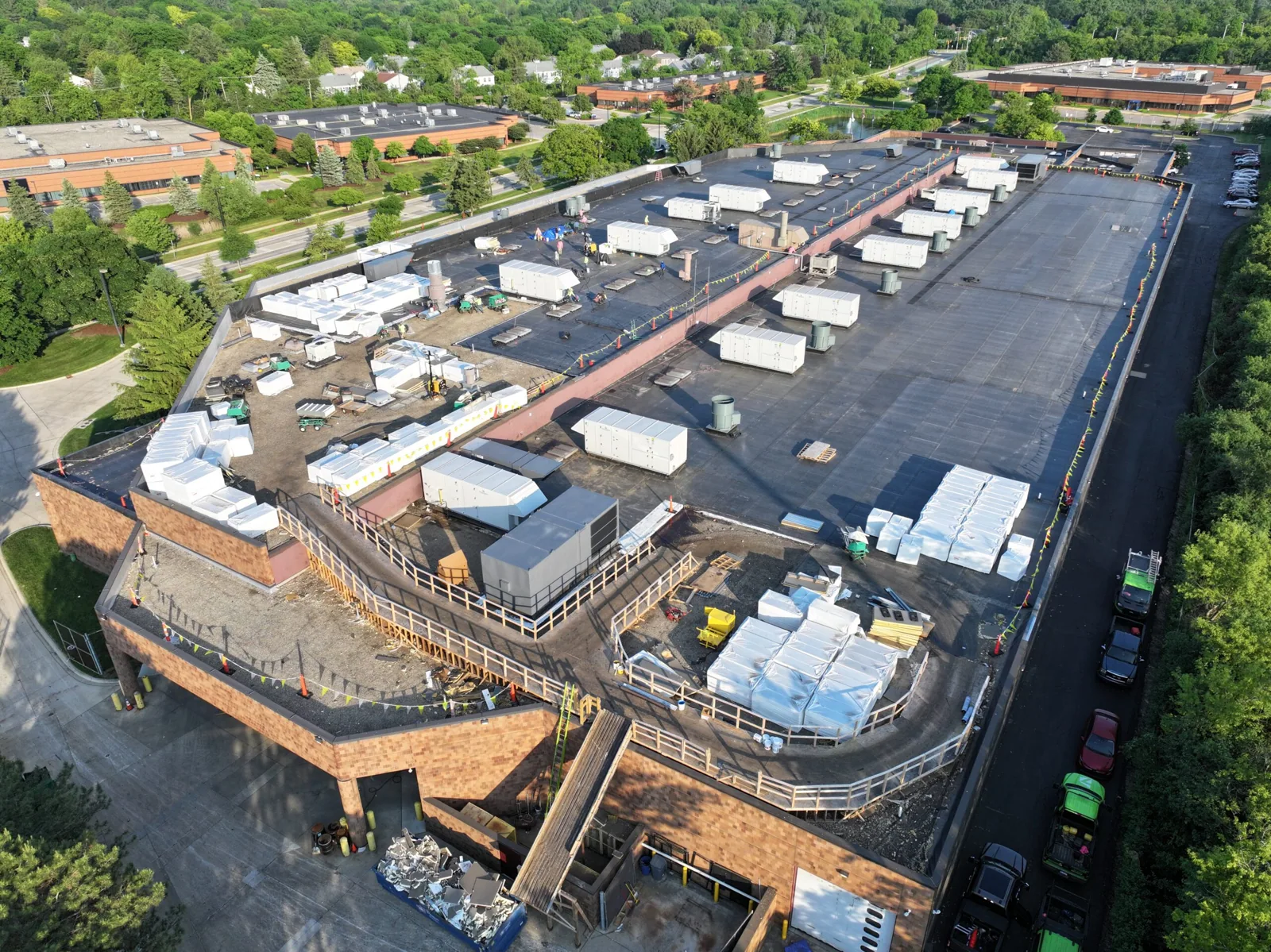
Commercial roof inspection in Gainesville, FL
Commercial Roofing Services

Repair, Replace, Maintain

Leak repair, inspections, preventive maintenance, recovers and full replacements for occupied buildings.
Roof Systems

Single-Ply, Metal, Coatings

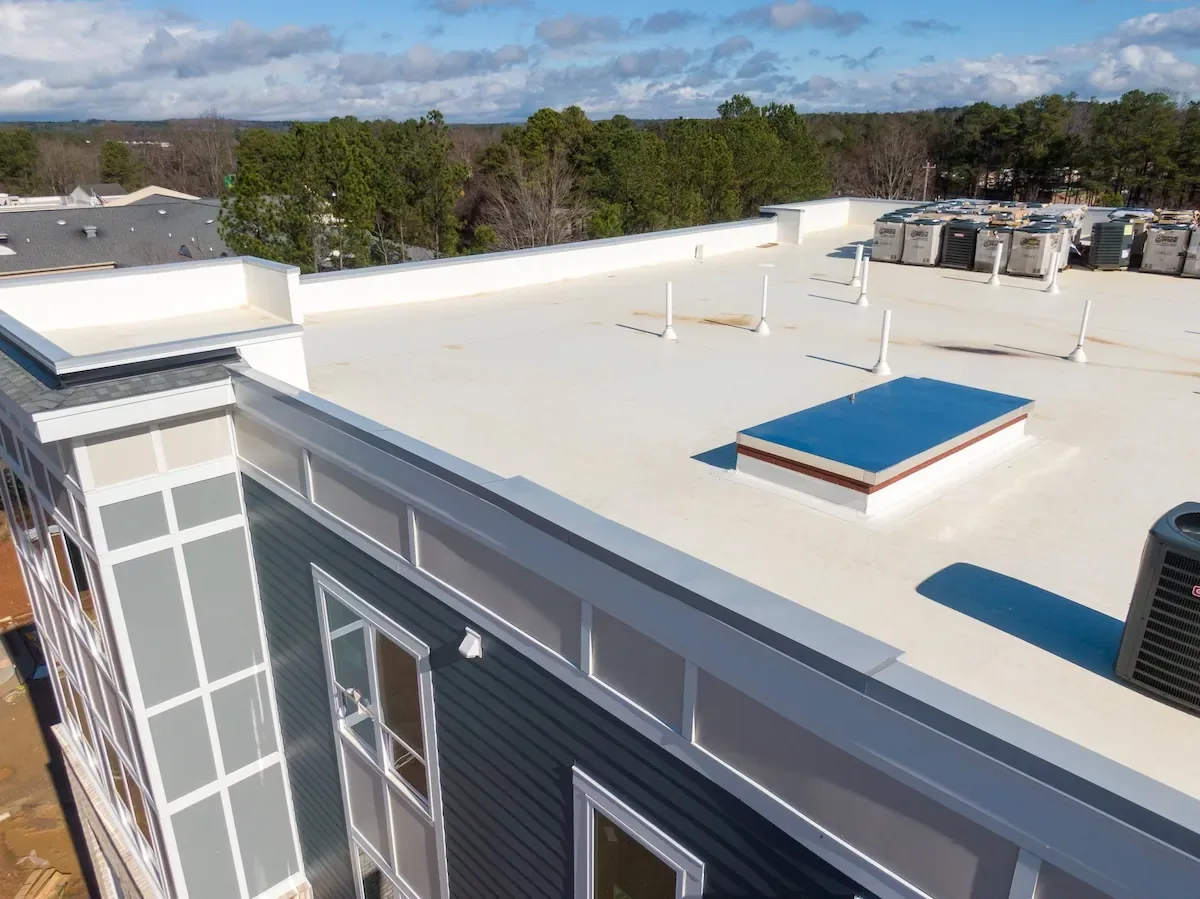
TPO, PVC, EPDM, modified bitumen, built-up and metal roofs, inspected by the assembly that is actually there.
Buildings We Roof

Commercial and Institutional

Warehouses, offices, medical buildings, schools, retail centers and other commercial property in Gainesville.

Start with Evidence from the Roof

Inspection work reviews the roof surface and visible assembly, including seams, flashings, edges, drains, penetrations, curbs and prior repairs. We compare those observations with the reported concern and available drawings, service records or warranty documents. Where moisture may be concealed, testing or a selective opening may be useful if access and project conditions allow. The report should distinguish a confirmed condition from an area that could not be reached or a conclusion that depends on further testing. Clear limits help owners understand what the inspection does and does not establish.

For a defined repair, we identify the location, likely cause, affected materials and proposed boundary. For broader work, the review can compare localized repair with commercial roof replacement, a roof recover or another scoped option. These decisions depend on system condition, moisture, substrate, drainage, assembly requirements and site constraints. Our proposal connects the observed condition to the recommended work and lists assumptions that could affect scope, schedule or pricing. When evidence is incomplete, we explain the next step instead of implying certainty.

Plan Around the Building in Use

Roof work affects more than the roof surface. Facility teams may need to protect occupants, equipment, inventory, loading areas, clinical or educational activities and tenant access. Before scheduling, we ask the site contact to identify entry procedures, restricted areas, shutdown approvals, delivery windows and communication needs. Those requirements shape staging and sequencing. A property can remain occupied during some work, but the method depends on scope, weather, access and the owner's operational plan. We define the coordination assumptions before work starts and update the contact when field conditions change the sequence.

In Gainesville, heat and rainfall are part of the local maintenance context. The 2025 Gainesville record logged 133 days reaching 90°F and 46.80 inches of rain. Those conditions make roof exposure and drainage worth reviewing, while each building's field condition determines the work. An inspection should consider the actual surface, drainage path, penetrations and reported conditions. For active water entry, emergency roof repair starts with protecting affected areas and documenting what can be verified safely.

Match the Work to the Roof System

Commercial roofs use different materials and assemblies, and a repair detail suitable for one system may not work on another. We identify the existing roof as accurately as available documents and field conditions allow. A proposal should account for the substrate, attachment, insulation, drainage, penetrations, edge conditions and interfaces with other building systems. If the assembly cannot be confirmed, the scope should say so and identify any information needed before selection. Product literature, project specifications and warranty requirements should be checked for the actual roof area rather than inferred from a label or an older invoice.

Owners considering renewal can review appropriate system options such as TPO roofing or standing-seam metal roofing after the building requirements are known. Coatings, recover systems and replacement each have conditions that affect suitability. Our role is to document the roof and project constraints so options can be evaluated on comparable scope. We coordinate questions that require design, manufacturer or other specialist input and record any assumptions that affect the recommendation.

Give Owners a Usable Project Record

A useful project file connects the initial condition to the completed scope. Inspection notes can include roof-area labels, photographs, observed defects, access limits and reported interior locations. Work documents can define included areas, materials, preparation, exclusions, coordination needs and closeout items. After service, the record should identify what was completed and what remains open. Consistent documentation helps a facility manager brief colleagues, review a later service call or compare the condition at another property without treating separate buildings as identical.

For owners managing several roofs, roof condition reports and capital planning can organize current findings and future decisions. A portfolio view is most useful when each location retains its own map, findings, priority rationale and information gaps. We can also support roof asset management by organizing the records that the owner provides and updating them as inspections or projects are completed. The scope defines the properties, deliverables and review intervals included.

Work Across the Gainesville Market

Service requests are tied to an address, building and defined roof area. We confirm where the property is located, who can arrange access and what decision the owner needs to make. The Gainesville market includes named districts and communities such as Downtown Gainesville and the City of Alachua. We confirm each building's system, condition and operating schedule from owner records and field review.

Whether the property is one building or part of a larger portfolio, a clear starting scope saves time. Useful information includes roof plans, prior repair invoices, warranty documents, leak locations, interior photographs, access restrictions and the name of the person coordinating the site. We review what is available, identify missing information and confirm whether an inspection, repair proposal or broader evaluation is the appropriate next step. If a separate consultant or design professional must verify a technical requirement, we identify that role rather than presenting an unresolved issue as settled.

A Clear Basis for the Next Decision

Commercial Roofers Gainesville aims to make roof decisions easier to review and act on. We state what was inspected, what was found, why a scope is proposed and which limits remain. We explain how access, testing, weather, operating requirements and concealed conditions may change the work. Owners receive a defined proposal and a record tied to the property rather than broad language that leaves the actual work uncertain. This approach helps the facility team evaluate a repair or renewal while keeping the decision grounded in observable conditions and project requirements.

Every roof needs its own assessment, and recommendations can change as new information becomes available. We welcome a conversation about the building, its current concern and the records already on hand. From there, we can define an inspection or project scope that gives the owner a practical, evidence-based next step.

Frequently Asked Questions

What information helps start a commercial roofing request?

Share the property address, roof plans or records, reported concern, affected interior area, access contact and any operating restrictions. We can then confirm a suitable inspection or project scope.

What does a roof inspection establish?

We record the assembly and details that can be seen, compare them with the reported concern, and identify access limits or testing needed to answer remaining questions.

Can roofing work be phased while a building stays occupied?

A phase plan can keep work within defined roof sections and protect occupied areas below. Access, weather, tie-ins and building operations determine the daily sequence.

How do you compare repair with replacement?

Repair, recover and replacement options use the same marked roof plan, inspection findings and test results. The scope identifies confirmed work and conditions that could change quantities or timing.

Discuss a Commercial Roof

Tell us about the property, the roof concern and the decision you need to make. We will review available records and define an appropriate inspection or project scope.

Discuss a Commercial Roof

Tell us about the property, the roof concern and the decision you need to make. We will review available records and define an appropriate inspection or project scope.

555-555-5555

Request a Roof Assessment