
Commercial Roofing in Southwest Gainesville, FL
Commercial roof repair and replacement for southwest Gainesville businesses. Inspect retail and service properties with a clear access plan.
Service Areas: Southwest Gainesville
Commercial buildings across southwest Gainesville's commercial centers need roof work planned around the use of each property and the condition of its own assembly. We confirm the address, roof records and site contact, then map the sections available during an agreed access window. The completed SW 62nd Boulevard Connector runs between SW 43rd Street and the southern end of SW 52nd Street, improving connections among southwest Gainesville's commercial centers. That road context helps locate a project; it does not identify the roof system or access rules at an individual building. We inspect drains, curbs, seams and perimeter details, then tie findings to the specific area that needs work. A commercial roof inspection gives the owner a usable record before choosing repair, recover or replacement.
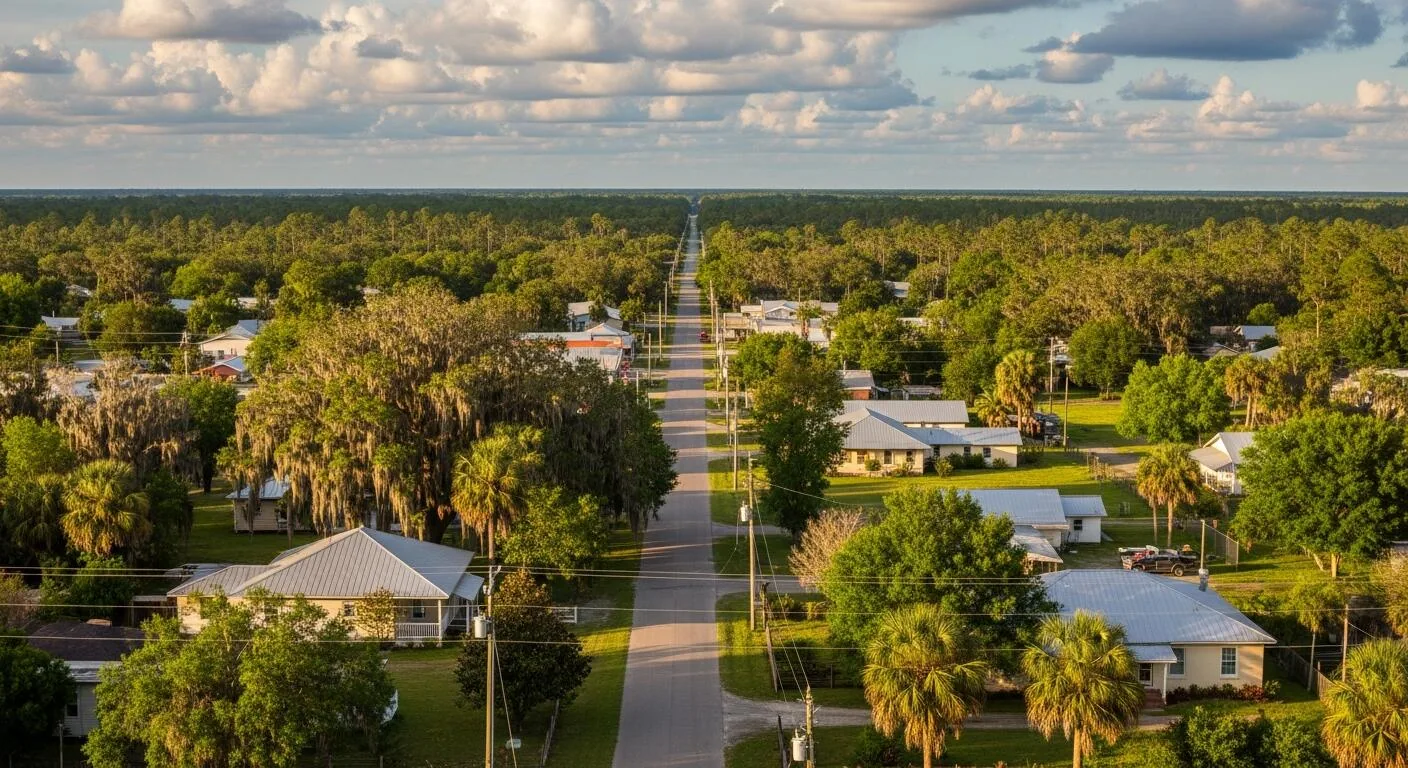
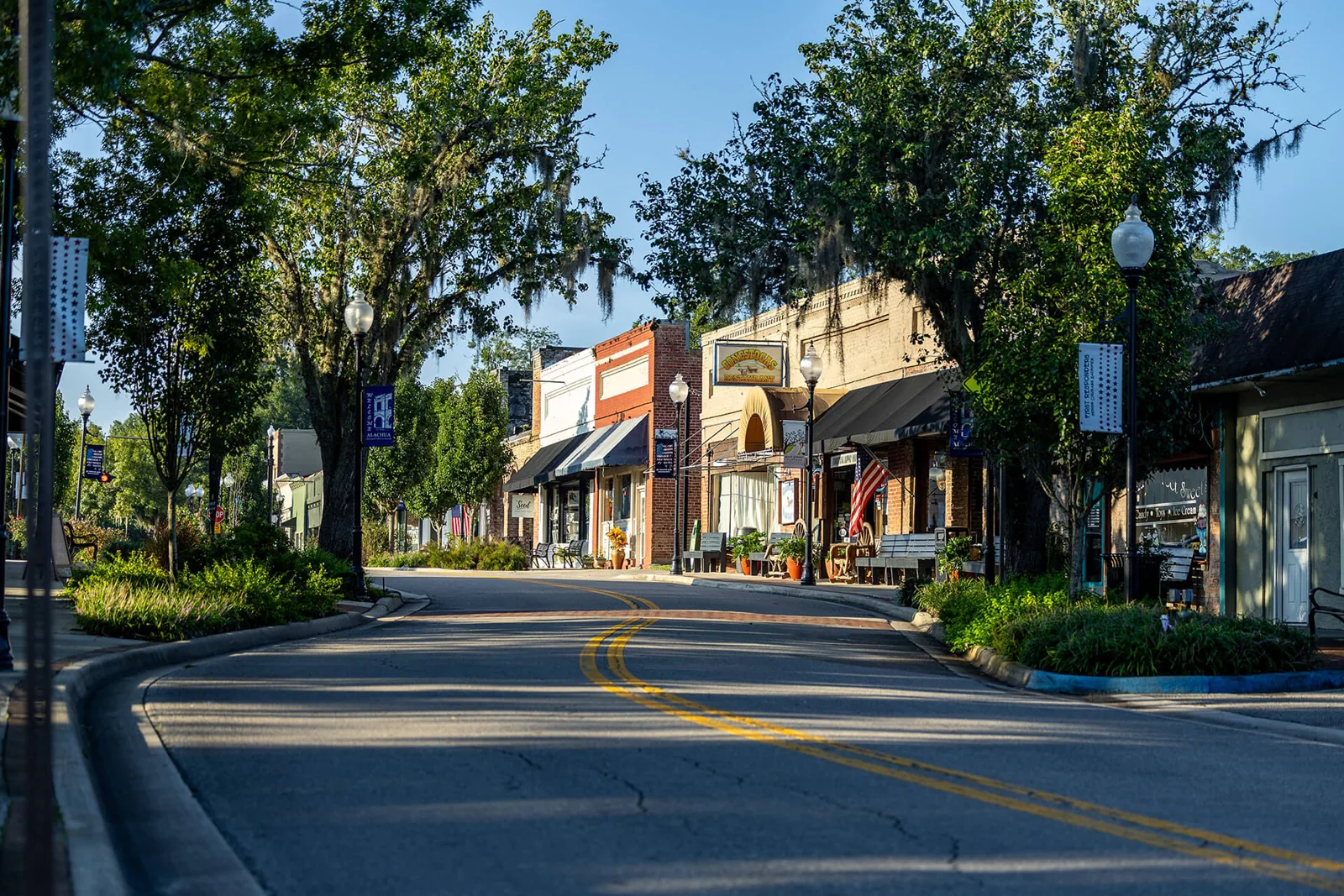
Identify: Separate Roof Sections and Uses
A multi-tenant property can contain roof areas with different systems, repair histories and access limits. We label each roof section on a simple plan and note whether it serves a grocery operation, restaurant, retail suite or another use identified by the property contact. The inspection records the material we can verify, visible patches, equipment curbs, penetrations, edge metal and transitions. This avoids treating adjacent structures as one continuous roof when their assemblies or ownership responsibilities differ.
Southwest Gainesville's commercial centers sit within a connected road network that includes Archer Road, SW 34th Street, SW 20th Avenue and the SW 62nd Boulevard Connector. It also improves traffic flow on Newberry Road, Archer Road, SW 34th Street and SW 20th Avenue. For a multi-building center, the manager confirms whether the roofs share drainage, ownership or service access before we plan a portfolio inspection. We label each roof section, confirm the property's operating use and compare available reroof records with the field conditions. A shopping-center or mixed-use building gets its own access plan and roof map, even when the next project is only a short drive away.
A corridor-wide program still needs building-level records. We keep each address, roof section, operating contact and test result separate, then use consistent labels to compare recurring drain or edge conditions across properties. This gives a manager a way to plan nearby work together without treating neighboring buildings as one roof or carrying one property's repair history onto another.
Inspect: Follow Drain Paths After Heavy Rain
Water should travel from each roof area to drains or scuppers without being trapped by debris, displaced insulation or a poorly set transition. We trace the route rather than judge a roof by one low spot seen from the edge. The field record marks ponding, drain bowls, overflow points, downspouts and areas where equipment or past repairs change the flow. Where the interior report points to a leak, we compare the ceiling location with roof details and use a test opening or moisture survey when the assembly needs confirmation.
In 2025, Gainesville recorded 46.80 inches of precipitation, including a 3.06-inch 24-hour total. We trace each roof's drain path and check for ponding, blocked outlets or membrane defects before setting repair priorities. We check drain function, nearby seams and flashing, then identify whether debris removal, localized repair or a broader drainage correction fits the observed condition. For recurring ponding, a ponding-water assessment records the affected area and what additional review may be needed.
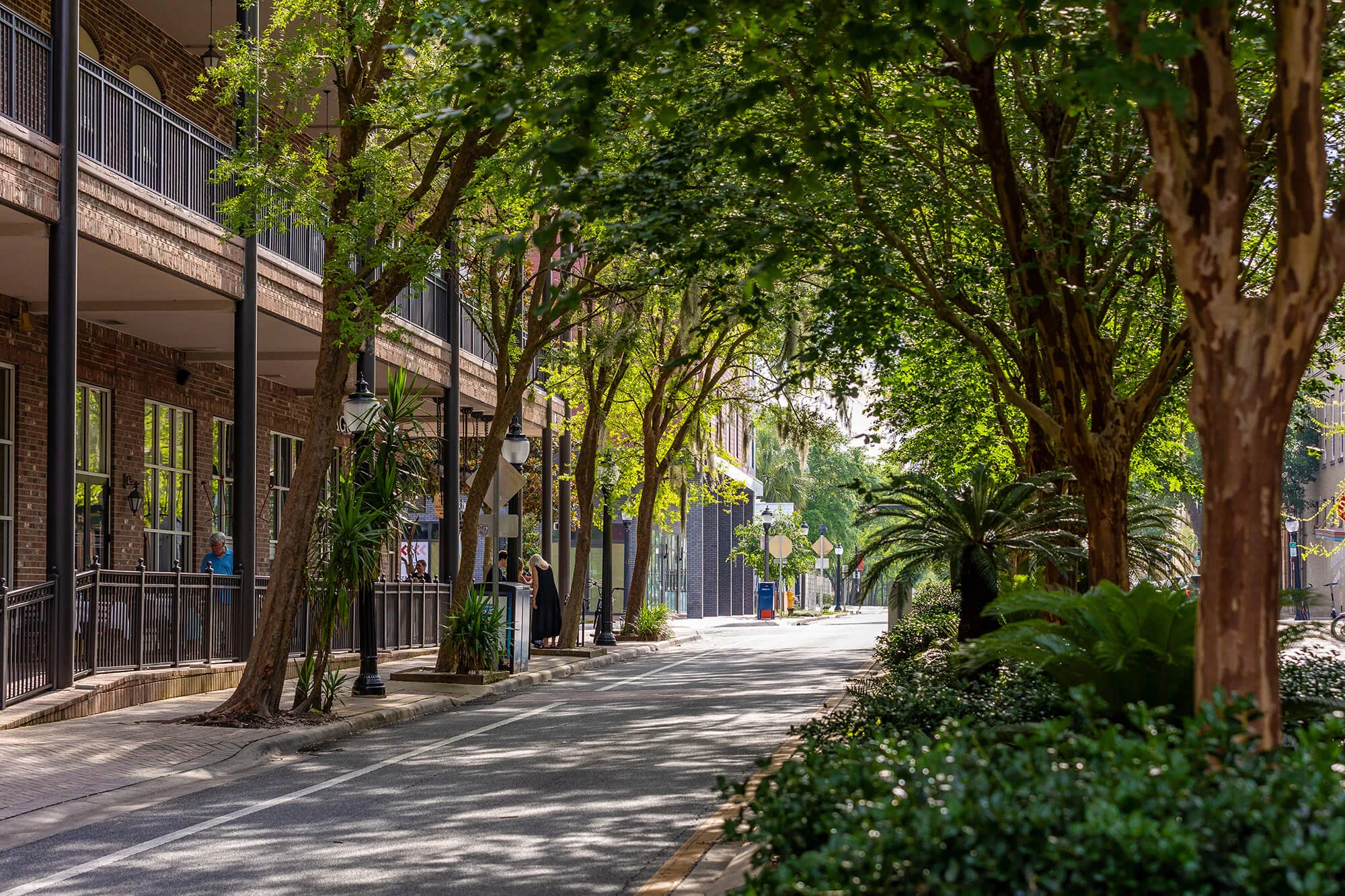
Compare: Repair, Recover or Replace
A sound assembly with one failed flashing or puncture may be a repair candidate. Widespread wet insulation, repeated seam failure, deteriorated deck or incompatible prior work can change the decision. We separate confirmed conditions from suspected ones and show where a selective opening would settle the question. If a recover is being considered, we check the existing layers, substrate, added height, attachment and drainage before recommending that material remain in place. A recover evaluation and a replacement scope should use the same roof map so the owner can compare the work area and exclusions clearly.
Cost and timing follow the assembly, access and preparation, not the district’s acreage or tenant count. A small area can take careful staging around occupied suites; a larger scope may be straightforward when materials can be delivered and the roof section isolated. We confirm whether equipment must be protected or moved, which areas need temporary dry-in, and how the schedule changes if hidden wet material appears. The written scope identifies the assumptions, unit boundaries and change conditions before work starts.
Coordinate: Keep Tenant Operations in View
Work at an occupied retail property needs a site contact who can coordinate tenant notices, roof access, loading movements and any interior protection. We confirm where ladders or lifts can be placed, which entrances must remain available and whether deliveries or food-service operations create restricted hours. The sequence can divide work by roof section, with temporary tie-ins secured at the end of each shift. A crew should not assume that one access plan covers every tenant or building.
The district includes multiple retail destinations and tenant uses, so the property team can confirm customer routes, service access and delivery periods for the work date. Those operating details are more useful for scheduling than a district-wide traffic estimate. We agree on barriers, notification responsibility and the daily closeout with the site contact. If conditions change because of weather or an unexpected leak, the record names the affected section and the interim measure. An occupied-building work plan helps keep those choices visible to operations staff.
Close Out: Leave a Usable Roof Record
At completion, the owner receives photographs and a roof plan that identify the corrected details, checked surroundings and any area left for follow-up. We note the repair material or installed assembly where verified, describe the drain and perimeter work performed, and list conditions that were outside the approved scope. This record helps a property manager compare future leak reports with earlier findings rather than beginning again from a blank map.
Maintenance can then focus on drains, roof traffic, equipment changes, flashing and new damage after heavy weather. The interval should reflect the assembly and building use, with additional review after a storm or rooftop project. We can arrange a preventive maintenance visit that uses the same roof-section labels. For a separate building at Celebration Pointe, the inspection record starts with that address and its own operating contact instead of carrying Butler Plaza conditions across the corridor.
Nearby properties may also fall along the Clark Butler Boulevard corridor or the SW 62nd Boulevard corridor, with each roof scoped to its own building and work limits.
Frequently Asked Questions
How do you plan roof work across several nearby commercial properties?
We confirm the address, owner or property contact, building use and access window for each site. Findings and photos stay tied to that roof plan, while a portfolio schedule can group deliveries or inspections when access allows.
How do you plan roof access for a multi-building commercial property?
The manager confirms the building entrance, loading route, staging point and customer paths to keep open. We mark those details on the work plan and keep each roof section tied to its own access approval.
What should be provided before a corridor inspection?
Send the building address, use, roof plans or service records, reported leak areas, access contact and work-hour limits. We use those details to plan entry and compare reports with observed roof conditions.
How do you assess a leak after heavy Gainesville rain?
We record the interior report and date, inspect the corresponding roof section, then trace water paths at drains, seams, curbs and penetrations. If the assembly hides the source, a moisture survey or test opening may be needed before the repair boundary is set.
Related Roofing Work
Plan a Southwest Gainesville Roof Visit
Send the property address, building use, roof records, leak locations, site contact and preferred access window. We will inspect the defined roof sections and document repair, recover or replacement options.