Commercial Roofing in Downtown Gainesville, FL
Assess commercial roofs in Downtown Gainesville with inspection plans for historic storefronts, public buildings, drainage, tenant access and staged repairs.
Service Areas: Downtown Gainesville
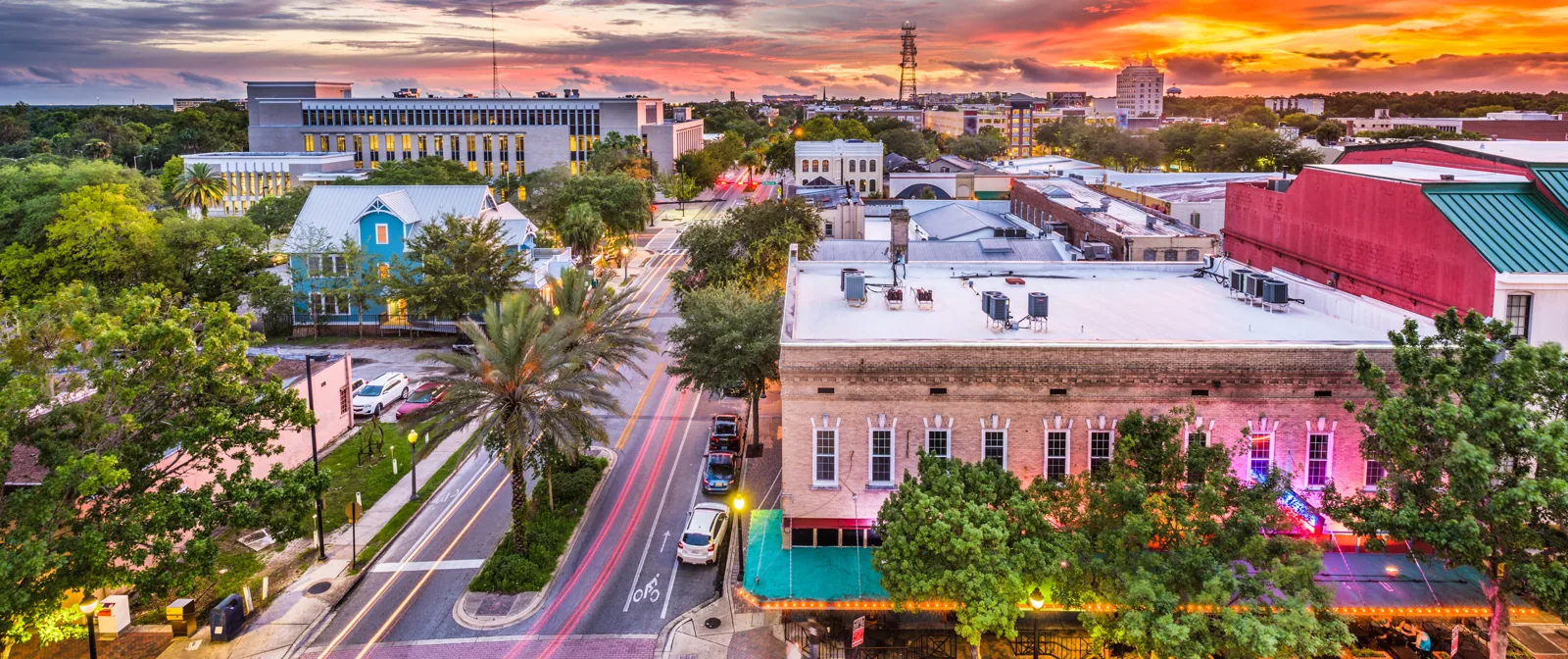
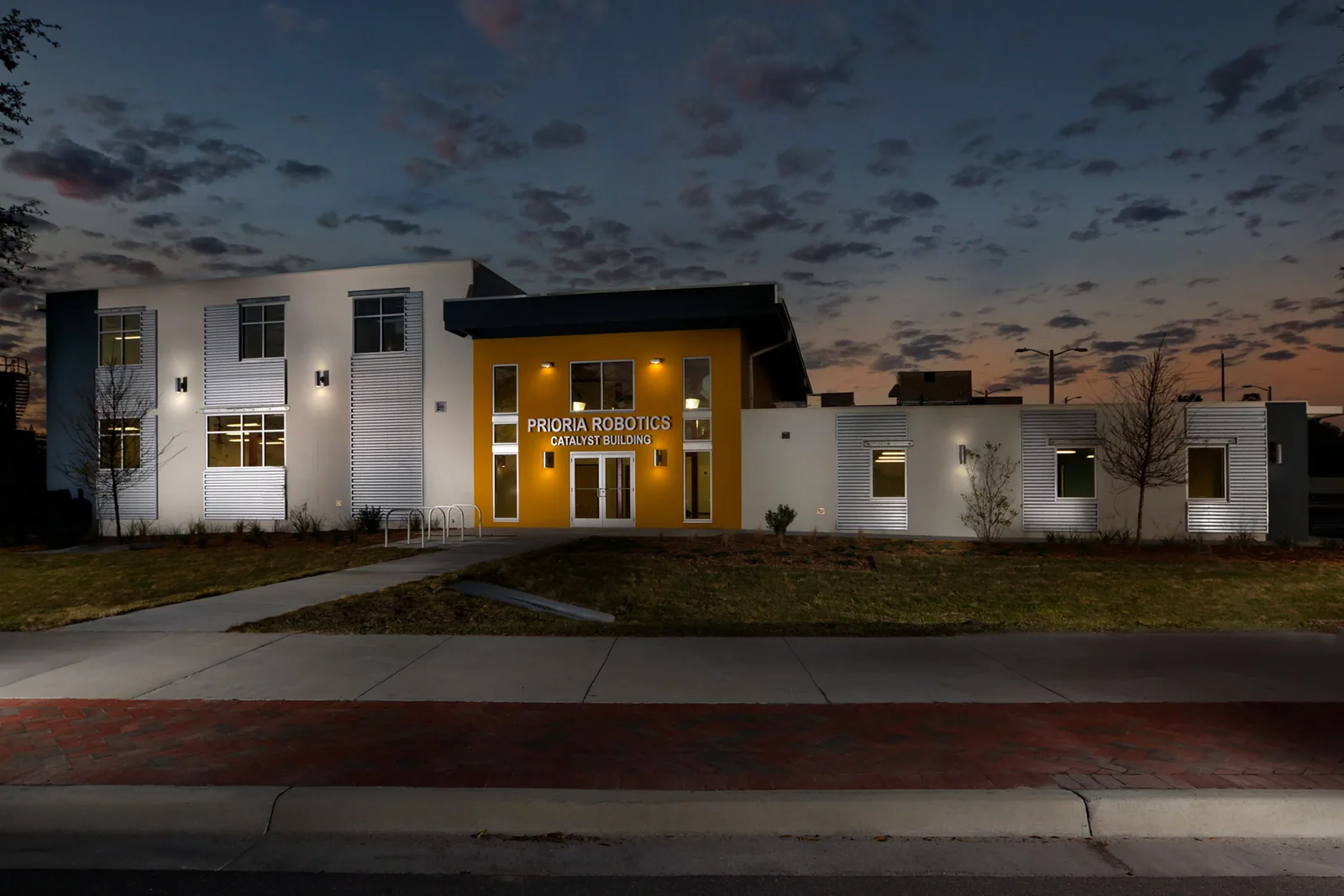
Commercial roof work in Downtown Gainesville calls for a building-by-building review, especially where public activity and occupied space share the block. The district includes historic architecture, storefronts, public plazas, a pedestrian street grid, restaurants, arts and retail. We start with the property address, the use reported by the owner and the roof access contact, then document the system and its visible condition. Nearby landmarks such as the Depot Building, Catalyst Building, Cade Museum, Depot Park and Bo Diddley Plaza help orient the work area. We use the property's address, records and field inspection to identify the roof assembly and scope. A commercial roof inspection records condition, access limits and any tests needed.
Identify: Record the Building Before the Assembly
Downtown's mix of storefronts, civic spaces, arts venues and pedestrian routes makes the building address and responsible contact essential at intake. We confirm whether the request concerns one tenant space, a shared roof, a public facility or another owner-controlled area. The inspection then identifies the accessible roof sections, observed system, penetrations, mechanical equipment, parapets, drains and previous repairs. If an older building has plans or prior reroof documents, we compare them with what can be verified in the field. We inspect visible roof layers, wall transitions and prior repairs, then use available records or a test opening to confirm concealed construction.
Gainesville identifies Downtown as one of four Community Reinvestment Areas. The Depot Building, Catalyst Building, Cade Museum, Depot Park and Bo Diddley Plaza are named local assets, each with its own location and use. We use public routes and the site contact's directions to plan access without suggesting that we have worked at any landmark. A commercial office roof review or restaurant roof assessment can account for the stated use while keeping recommendations tied to observed conditions. Work near Fifth Avenue and Pleasant Street is documented under its own property address.
Inspect: Follow Water Through Tight Details
On a roof with parapets, multiple penetrations or adjoining structures, runoff and flashing deserve close attention. We trace the route from higher roof areas toward drains and scuppers, check the outlets and look for changes where walls, curbs or prior repairs interrupt the membrane. At metal roofs, we inspect panel joints, fasteners and flashing movement. At low-slope systems, we record open seams, surface wear, blisters or punctures. We compare interior reports with roof observations and note whether the source is confirmed or still needs a moisture survey or test opening.
Gainesville recorded 46.80 inches of precipitation in 2025 and a 3.06-inch 24-hour total. That rainfall record makes water management a useful review point; at a downtown address, we trace the roof's own drain paths and reported leak locations. The roof plan marks where water collects, how it can reach an outlet and which details require correction. The public plazas and pedestrian grid shape staging and access coordination, while roof inspection follows the drain path on each assembly. A drain and scupper check can document the outlet and surrounding membrane as one connected detail.
Coordinate: Work Within Public-Facing Routes
Before work begins, we coordinate ladder or lift placement, material staging, sidewalk protection, tenant notification and the required work window with the property contact. A pedestrian street grid and nearby public plazas may make it important to define clear routes and barriers, but the exact setup depends on the building's frontage and current site rules. The daily plan identifies which doors remain available, when deliveries can enter and how any interior water protection will be handled.
Downtown work can also involve adjacent businesses or shared courtyards. We identify which party controls rooftop access, who can authorize equipment shutdowns and who should receive a progress update. If the roof requires an opening, we confirm how the work will be protected if rain approaches and what temporary condition remains at day's end. A phased occupied-building schedule can keep work organized by section. A separate roof request in the East Gainesville area starts with that building's own access and records.
Compare: Repair Details or Replace a Section
A failed flashing or punctured membrane may be repairable if surrounding material is sound and the roof can shed water as intended. Several separated leaks, recurring moisture, widespread seam problems or weak deck can indicate a broader renewal. We explain which conditions are confirmed, whether concealed areas need testing and how the size of the work boundary affects cost and duration. A recover is considered only after checking existing layers, attachment, substrate and how added thickness would meet drains, parapets and adjacent roofs.
The owner can compare localized repair, recover work and a replacement scope against one roof map. Access and staging in a public-facing area may affect delivery windows, safety barriers and how many sections can be completed per shift. We state the assumed work hours and weather protection, along with the conditions that could change the proposal after opening the assembly. If more testing is needed, it is shown as a separate decision point rather than folded into an unsupported conclusion.
Close Out: Keep Findings Distinct by Address
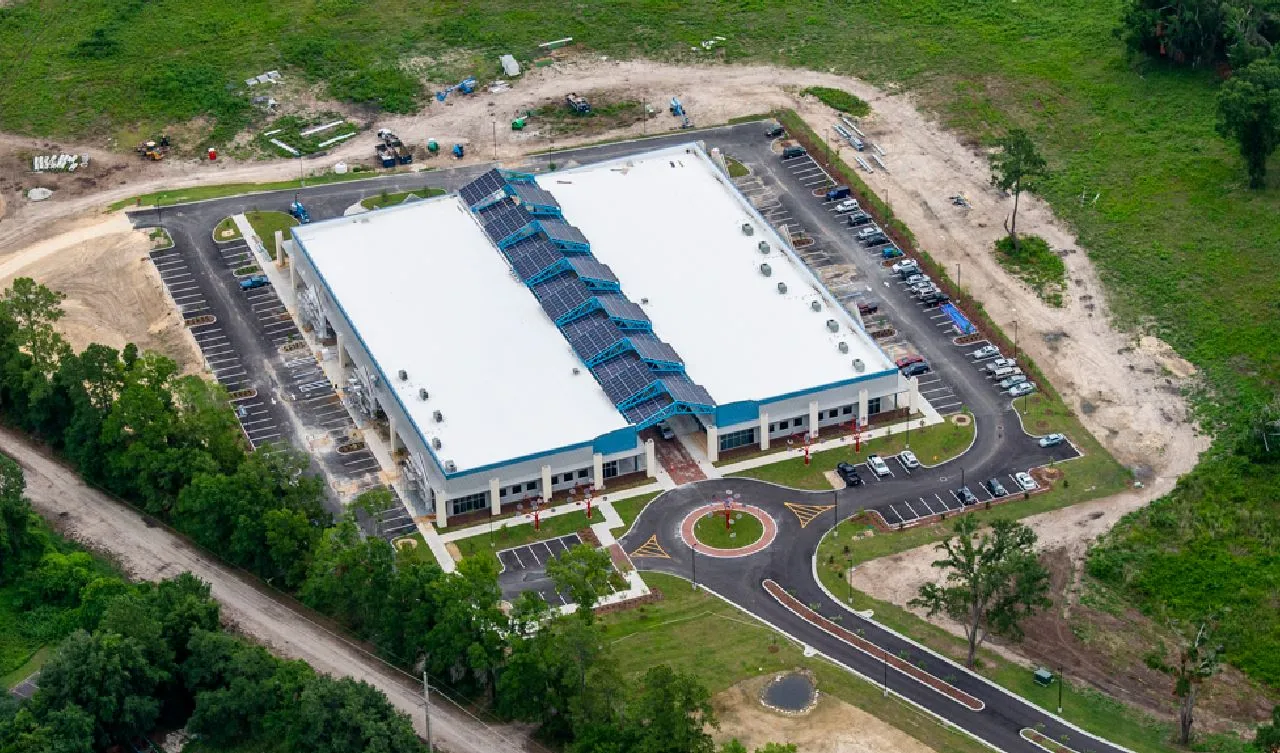
Closeout includes photos, the marked roof plan and a written account of what was repaired, what was inspected and what remains unresolved. We identify the system observed, the details corrected and the boundary of the completed work. If a neighboring roof or concealed space could not be assessed, the record makes that limit clear. That gives a downtown property manager something specific to share with maintenance staff and future contractors.
Follow-up can track open seams, drains, parapet flashing, roof traffic and any work performed by other trades. A maintenance interval should reflect the assembly and access available at the property, while storm follow-up can document new conditions after severe weather. We can set a preventive visit and preserve findings in a condition report. A distinct property near Depot Park and South Main requires its own address-specific review rather than an assumption based on nearby buildings.
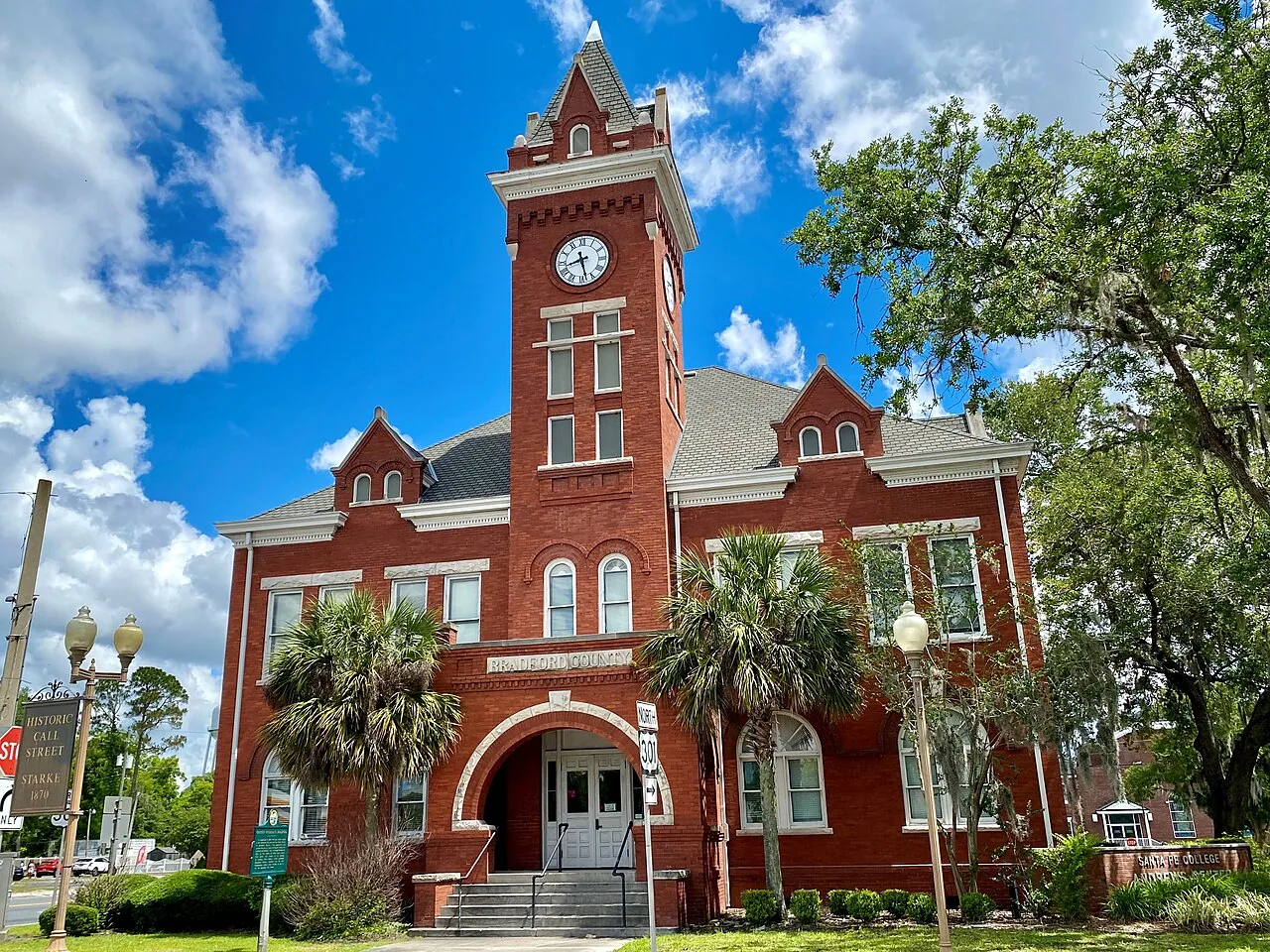
A downtown roof request can involve an older storefront, a civic or cultural building, or an office addition within the pedestrian street grid. We confirm the building boundary and authorized access before inspecting transitions between masonry walls, additions and neighboring roof planes. Historic materials may require careful documentation of visible flashing and attachment, while active retail or public spaces call for an agreed work window and protected entrances. Gainesville's reinvestment district includes assets such as the Depot Building, Catalyst Building, Cade Museum and Bo Diddley Plaza, but each project still needs its own roof plan and approval contact. The closeout identifies repaired details, any area left outside scope and a follow-up point for maintenance staff.
Frequently Asked Questions
How do you inspect a downtown building with later additions?
We compare available roof records with the visible assembly and inspect wall transitions, drains, seams and prior repairs. If concealed layers affect the recommendation, a selective opening can confirm them before a larger scope is set.
How do you protect pedestrians during roof work?
We confirm the building frontage, lift or ladder position, material route and required sidewalk controls with the site contact. The work plan defines barriers and the pedestrian path before materials are moved. Exact arrangements depend on the property and applicable site rules, so we document them for the scheduled work window.
Can you inspect a roof over a restaurant or storefront without closing it?
Often the roof survey can be arranged around operating hours, with the owner or manager confirming entry and any restricted periods. If interior protection or a shutdown is needed, we identify it before work. The schedule depends on access and the repair method, not on the storefront use alone.
What if water appears far from the visible roof defect?
Interior reports are compared with roof seams, penetrations, drains, parapets and transitions because water can move within an assembly. If the likely source remains uncertain, we identify whether a moisture survey or test opening can confirm it.
Related Roofing Work
Request a Downtown Gainesville Roof Survey
Send the address, building use, roof records, active leak locations, access contact and preferred work window. We will inspect the identified sections and provide a documented scope with findings and follow-up needs.