Commercial KEE Roofing in Gainesville, FL
Assess KEE and PVC-alloy roofing for Gainesville commercial properties. We inspect the existing assembly, welded seams and exposure before selecting a repair.
Roof Systems: Commercial KEE Roofing
A Gainesville facility that handles regular rooftop service or challenging exhaust conditions may ask whether a KEE membrane belongs in its roof specification. KEE is a PVC-alloy membrane formulated with ketone ethylene ester; the product data and system detail govern its use. It is installed as a single-ply roof with heat-welded seams and flashed transitions. We review the building's exposure, roof assembly and project requirements before recommending KEE, repair or another system.
Formulation: Read the Product and Project Requirements
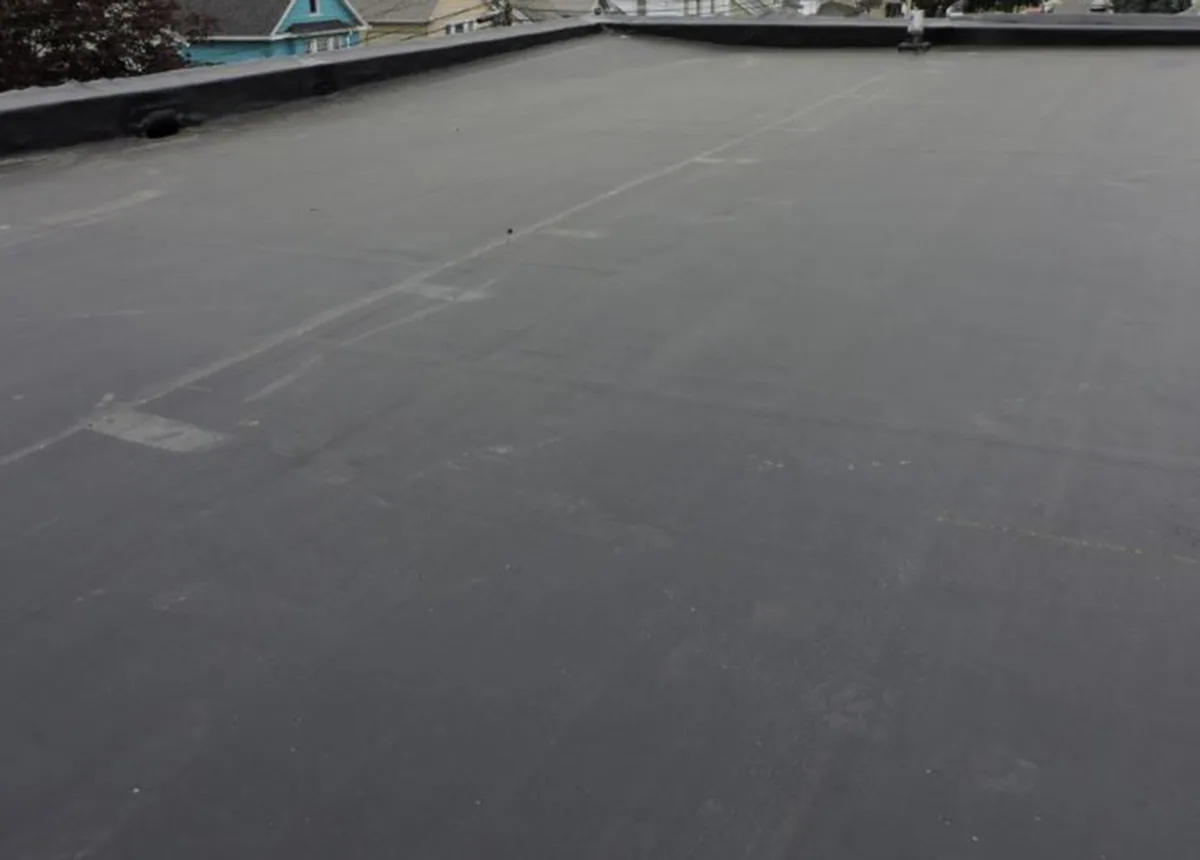
KEE membranes combine PVC with an alloy component intended to affect flexibility and resistance characteristics. Formulations differ by product, so the specification and manufacturer data sheet should guide the decision. We identify the actual product, membrane thickness, attachment and accessory materials included in the project rather than treat every PVC-alloy sheet as identical.
Exposure matters. Exhaust, oils, cleaning chemicals, rooftop traffic and sunlight can affect the membrane and its details. A food-service property may have grease exhaust, while a research or industrial building may have different equipment and service needs. The owner or mechanical provider can describe the exhaust path and maintenance routine; we inspect the roof surface and curb where that exposure reaches the assembly.
Butler Plaza's retail, restaurant and service tenants show the variety of uses within one Gainesville commercial district. At a food-service building, the site contact identifies exhaust and maintenance conditions; we compare those details with KEE product requirements. We confirm conditions at the building and compare them with the selected KEE product requirements. If PVC roofing or TPO roofing is also under consideration, we compare specification, attachment, repair method and expected building use.
Weld: Inspect Seams and Transitions
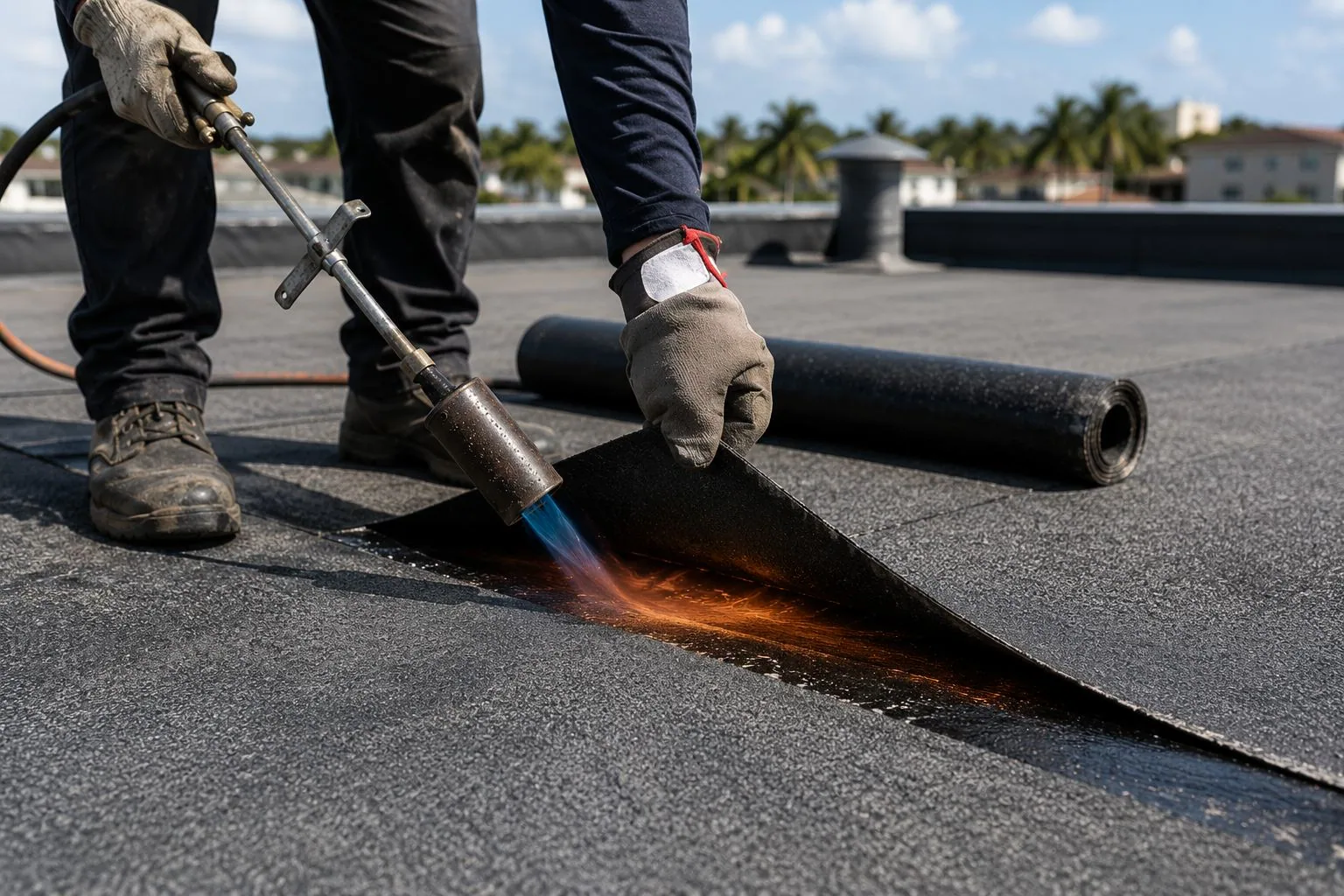
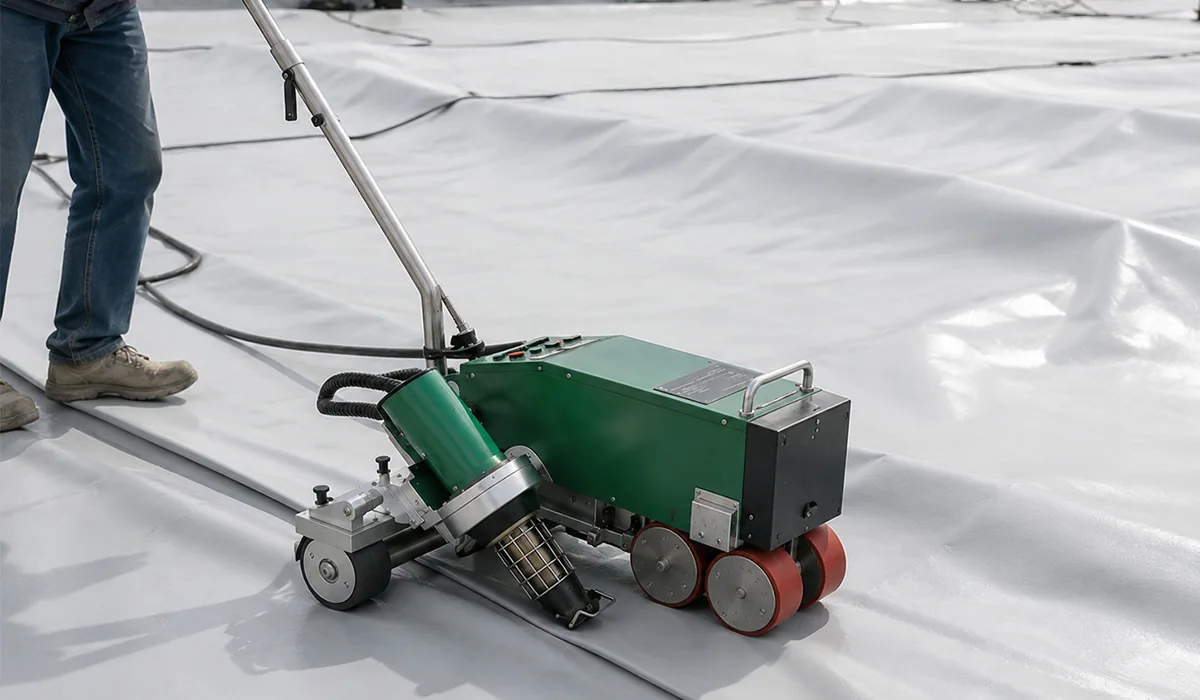
Heat-welded seams join KEE membrane sheets. The weld depends on clean surfaces, proper preparation, suitable equipment settings and field conditions. We inspect accessible seams and detail transitions, then use appropriate probing or test methods to verify areas that visual review cannot resolve. Curbs, corners, drain bowls, pipes and parapets need flashed details that are compatible with the membrane. We distinguish surface discoloration from a separation or loss of bond because each observation leads to a different repair discussion.
A leak can enter at a transition even when the open roof field appears intact. We check terminations, flashing height, fasteners and prior patches, and follow the reported water path across nearby details. Gainesville's 2025 climate summary notes a 3.06-inch maximum 24-hour rainfall, which offers context for reviewing drainage after a storm. The rainfall record cannot identify the source of a property leak. A roof inspection maps the observed condition by section.
If the roof assembly may contain wet insulation, infrared readings can help identify test locations, and selected openings can confirm material at those points. A moisture review can distinguish areas for direct confirmation before the roof is covered by a repair or another layer.
Compare: Choose a System for the Building
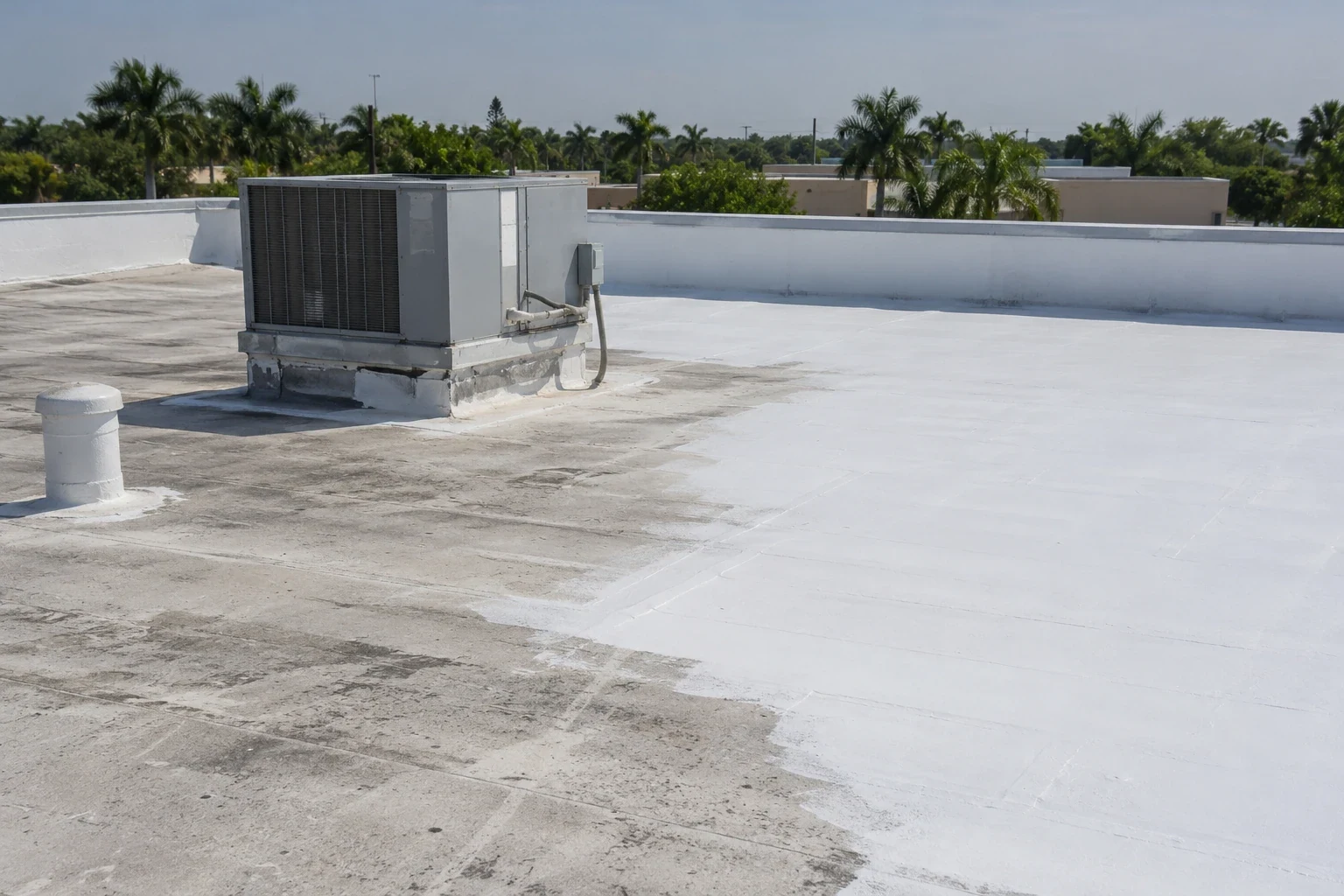
KEE is not the automatic choice for every commercial roof. We compare the product requirements with roof slope, attachment, deck, equipment, traffic and chemical exposure. Cost also reflects the membrane, accessories, insulation, labor, access and work phasing. If the building has grease or chemical exhaust, we consider the location and concentration described by the facility team and compare it with manufacturer data.
A localized seam or puncture can be repaired if surrounding material remains suitable and compatible repair products are available. If there is widespread deterioration, failed attachment or wet insulation, the owner may need broader work. A repair scope can define limited corrections; a replacement plan can include new membrane and insulation. A recover may be considered only when existing layers and project rules support it, as established by a recover assessment.
Gainesville had 133 days at or above 90°F in 2025. Hot roof conditions affect work timing and surface handling, while membrane selection follows the product specification and conditions found at the building. We evaluate the system as specified and the roof conditions observed on site.
A KEE specification should be evaluated as a complete roof assembly, not as a membrane name alone. The owner can compare the proposed sheet, insulation, cover board, attachment, flashing details and perimeter design against the building's project criteria. For a repair, compatibility at the existing membrane and detail matters; a visually similar sheet does not establish that its formulation or welding behavior matches. We identify the material and condition that can be verified, then confirm the repair method against available system information. At transitions to metal, masonry or another membrane, each edge needs a detail that accommodates movement and directs water onto the roof surface. The proposal should also say how penetrations and equipment supports will be handled, because field-area welding cannot compensate for an incomplete curb or drain detail. This review gives the facility contact a concrete comparison between repairing the current system and specifying KEE in a larger project.
Install: Prepare, Attach and Flash
Before installation, we inspect the deck and verify what can be reused. The work plan identifies insulation, cover board, attachment and temporary tie-in requirements, then lays out membrane and flashing by roof section. We prepare seams and details according to the product and project specifications, weld the field and check completed joints before moving on. A change in substrate or attachment needs direction before the membrane is closed over it.
Weather, building operations and access affect the sequence. Rain or surface moisture can interrupt welding; rooftop equipment service may require a separate shutdown. Near the UF Health medical district, facility access and clinical operations need coordination with the building contact. On a retail property, deliveries and tenant activity may determine when staging can happen. We establish the site's actual restrictions before the first material arrives.
Each shift ends with the current boundary secured and the next work area identified. Drains remain clear, and exposed sections receive temporary protection suitable for expected conditions. If hidden damage extends beyond the planned limits, we map it and agree on a revised scope before continuing.
Maintain: Keep a KEE Roof Record
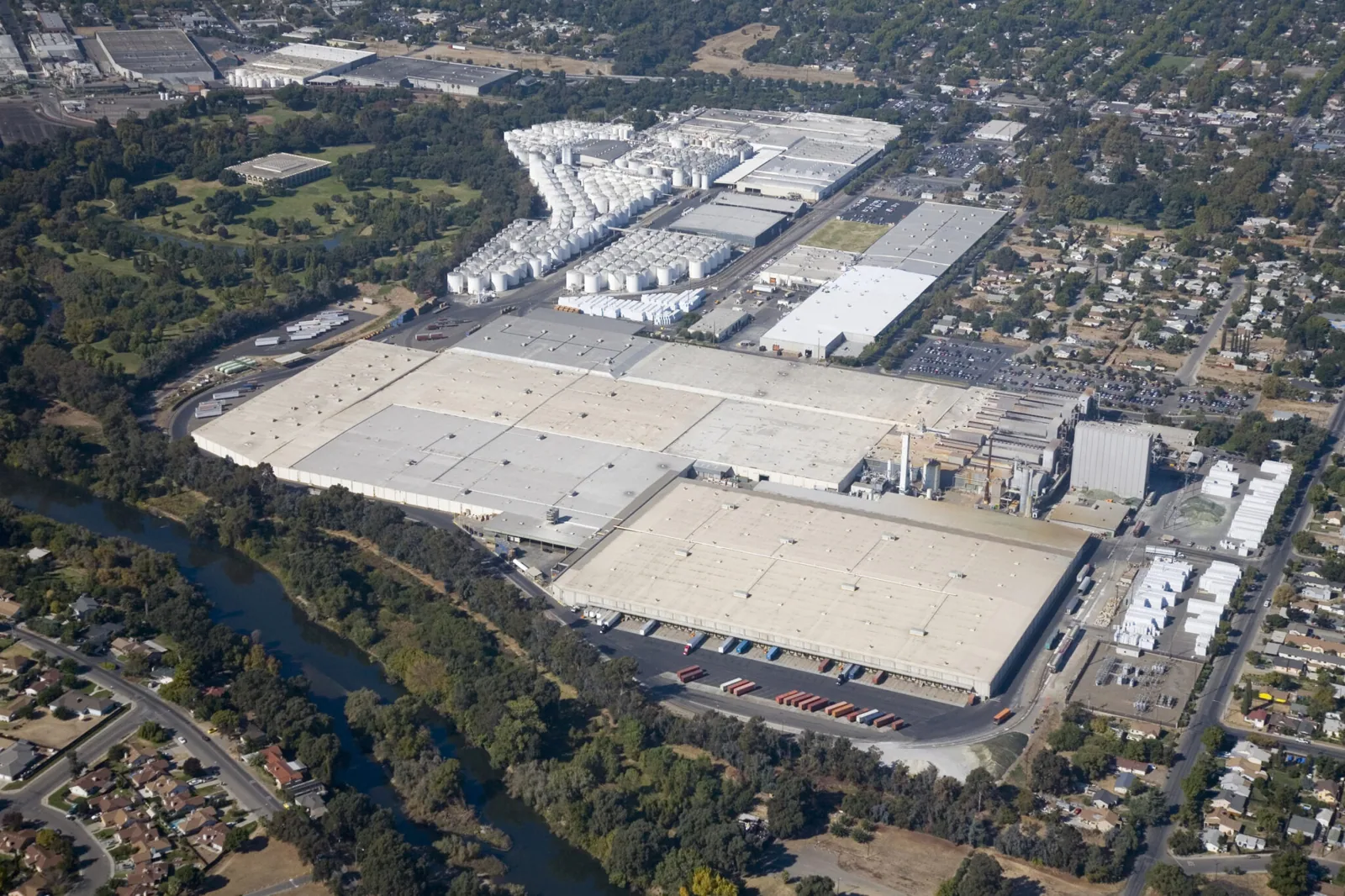
Inspection notes should identify product, roof section, seam or flashing location, date and repair materials used. That record helps future crews select compatible products and compare a new condition with an earlier repair. If the specified system uses a product-specific primer, tape or flashing, those details belong in the closeout as well. We also note areas not reached and any finding that needs testing.
A maintenance program can revisit seams, drains, curbs and service paths after equipment work or heavy weather. A roof record can preserve findings across buildings at Innovation Square, where the district's mix of research, residential, office and retail uses means different facilities may have separate records.
For a Gainesville KEE assessment, send the property address, product or roof records, building use, exposure concerns, leak areas, site contact and preferred access window. We will inspect the membrane and connected details, then explain whether repair, recover or replacement fits the evidence.
Frequently Asked Questions
Is KEE the same material as standard PVC?
KEE is a PVC-alloy formulation, and product characteristics vary by manufacturer. We review the named product's data and project specification before setting suitability or repair materials.
How are KEE roof seams joined?
The sheets are heat welded. Surface preparation, equipment settings and work conditions affect the seam, so we check welds and transitions using methods suited to the installed system.
Can KEE tolerate any kitchen or industrial exhaust?
No membrane should be selected without reviewing actual exhaust and chemical exposure. We compare the described conditions with product requirements and inspect the area where the exhaust reaches the roof.
What should be recorded after a KEE repair?
Keep the product name, roof section, date, repair materials and photographs with the property record. Those details help a later crew confirm compatibility and track the repaired area.
Related Roofing Work
Review a Gainesville KEE Roof
Provide the address, building use, KEE product or roof records, exhaust or chemical exposure concerns, leak locations, site contact and access window. We will inspect the membrane and outline a compatible next step.