
Manufacturing Plant Roofing in Gainesville, FL
Manage Gainesville manufacturing roof repair around production areas, equipment, drainage, access controls and verified roof conditions.
Property Types We Roof: Manufacturing Plant Roofing
A manufacturing plant roof plan has to protect the process below it. Before we open a roof section, we need to know which lines, controls, ventilation equipment, and work shifts could be affected. In Gainesville, FL, long heat exposure and strong thunderstorms make membrane condition, drainage, and edge attachment recurring inspection items. We confirm the actual roof assembly and trace reported water before choosing a repair. The site's production contact helps set the access window and the limits for interior protection.
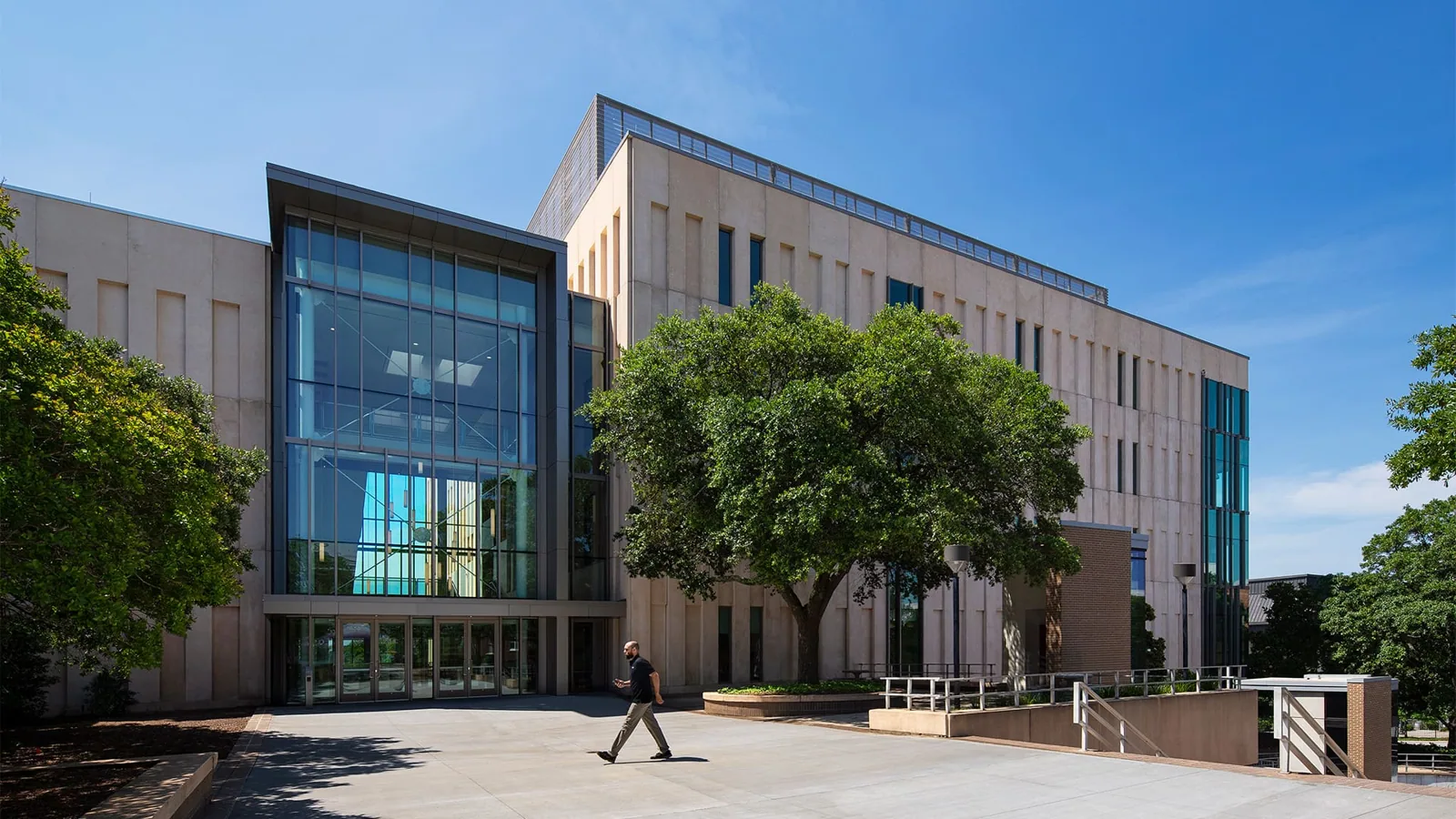
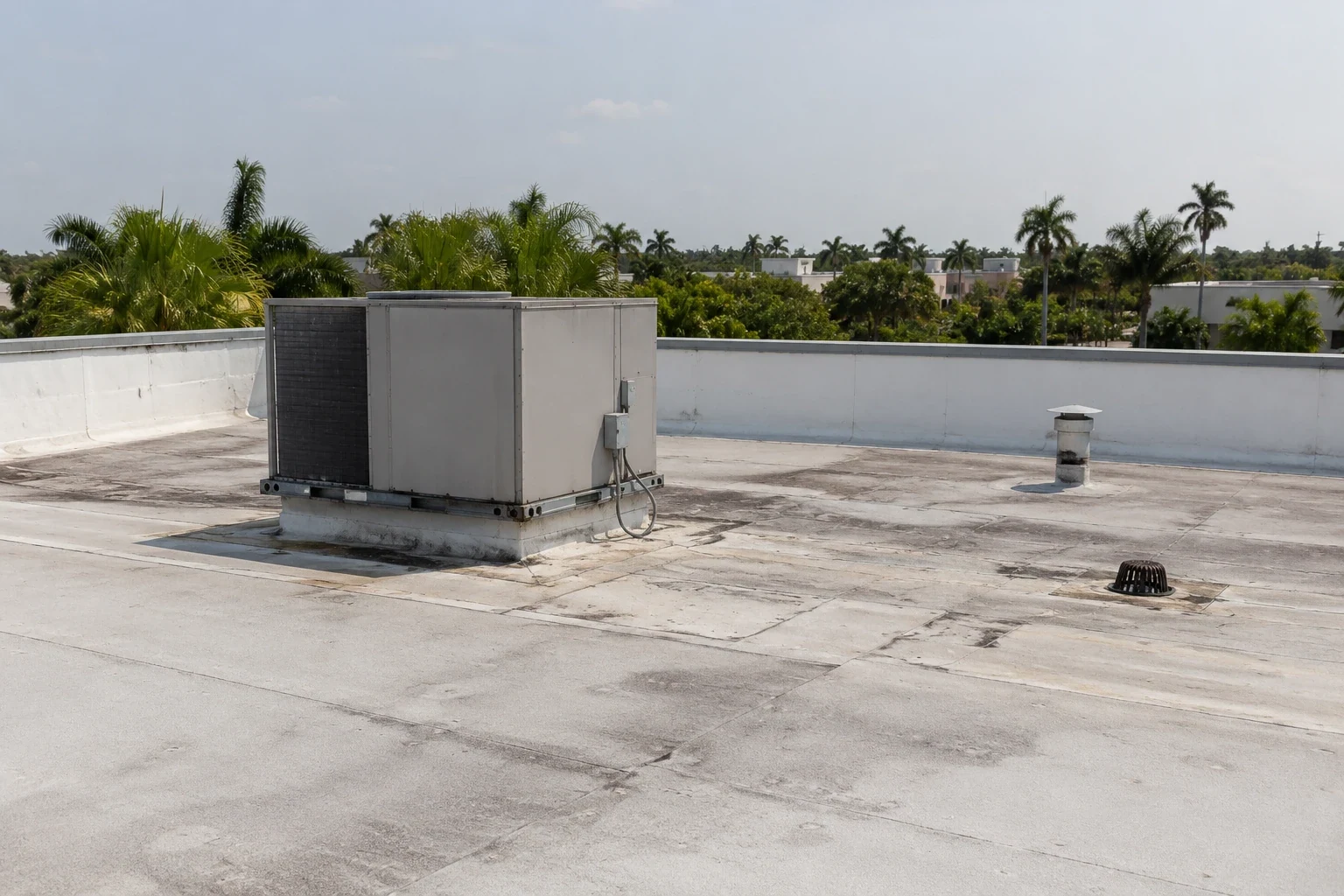
Production Areas and Roof Details
Water over a packaging line, machine control cabinet, or raw-material area can create an operational issue before it becomes a broad roof failure. We ask where the water appeared, whether production was active, and what equipment or materials need protection. Then we inspect the roof above that zone, including membrane seams, pipe penetrations, equipment curbs, drains, and perimeter transitions. The report connects the interior condition to a marked roof section and notes what remains hidden.
East Gainesville includes the Gainesville Technology Entrepreneurship Center, a technology and light-manufacturing incubator on SE Hawthorne Road. Its location in the Cornerstone and Eastside Health and Economic Development Initiative area makes site access and nearby activity part of the visit plan. The facility contact helps us identify the roof system, prior repairs and the access route for a site-specific roof walk. A GTEC-area facility visit can be scheduled around building access and active work.
In Alachua's Progress District, the city reports a former manufacturing facility acquired for drug compounding and contract manufacturing. That use calls attention to process coordination, but the building's roof condition still requires a field check. A Progress District roof review identifies the roof section, service routes, and interior areas that need notice before repairs begin.
Inspection: Confirm the Assembly
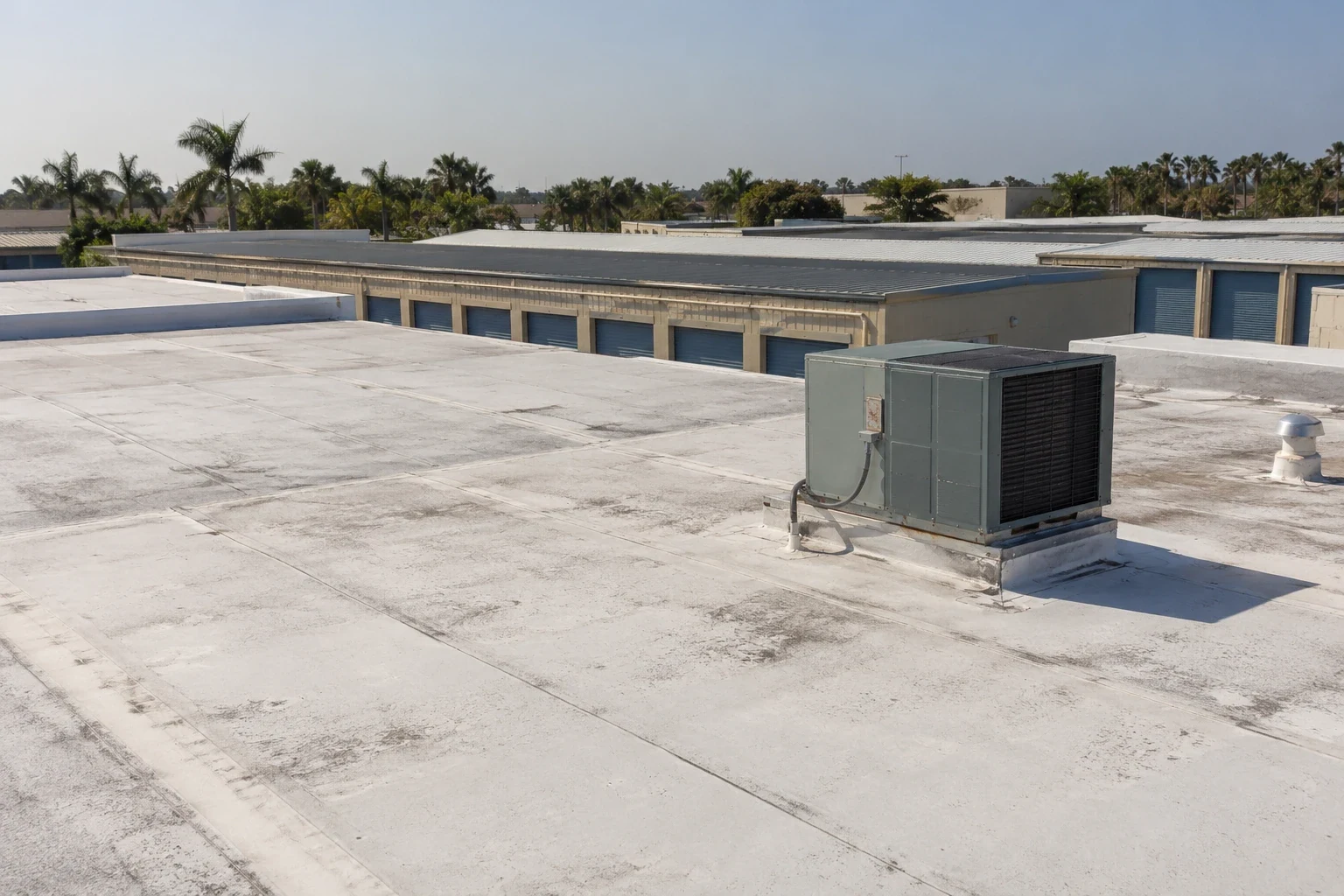
We identify whether the roof is a single-ply membrane, modified bitumen, built-up roofing, metal, spray foam, or a combination from prior projects. The material determines how seams, patches, and penetrations should be repaired. We check for open laps, punctures, degraded flashing, loose fasteners, ponding, and damage around units that have been serviced. A PVC roof system and a metal roof need different repairs; a similar ceiling stain does not make them interchangeable.
NWS reported at least 90-degree temperatures on 133 days in Gainesville during 2025. We inspect exposed surfaces and details for heat-related wear, but a hot season alone does not justify replacing sound material. Heavy rainfall also tests drains and low areas. A blocked outlet may be corrected without rebuilding the entire roof, while wet insulation below the membrane can expand the repair boundary. A moisture survey may help identify test locations; an opening confirms the layers at that spot.
We review rooftop equipment and penetrations with the facility contact. Changes to exhaust, process piping, or HVAC can affect flashing and access even when the new equipment operates properly. We note what has moved, what has been patched, and which details need a compatible repair. If the work involves new or replacement supports, a curb and support scope can separate that work from membrane repair.
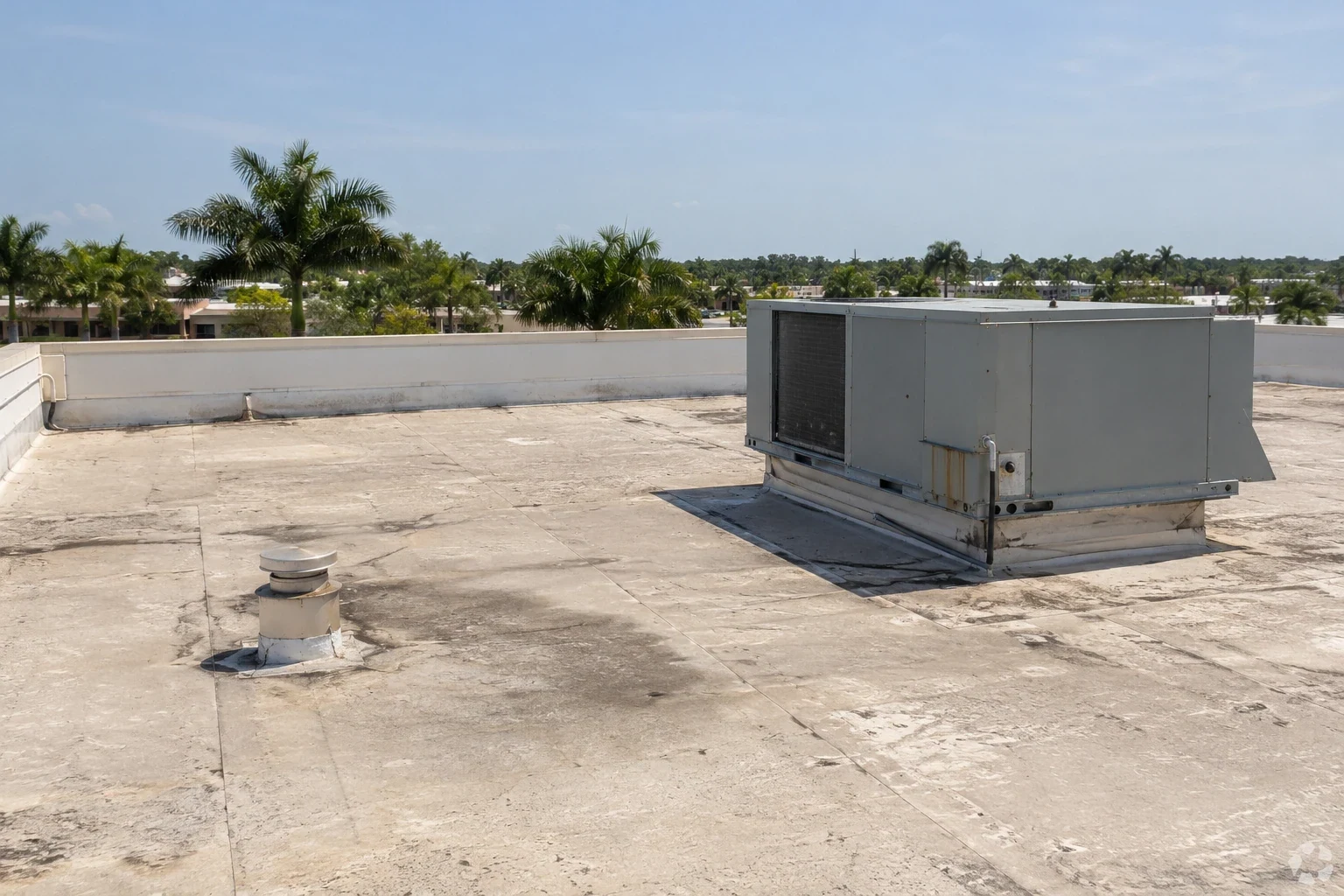
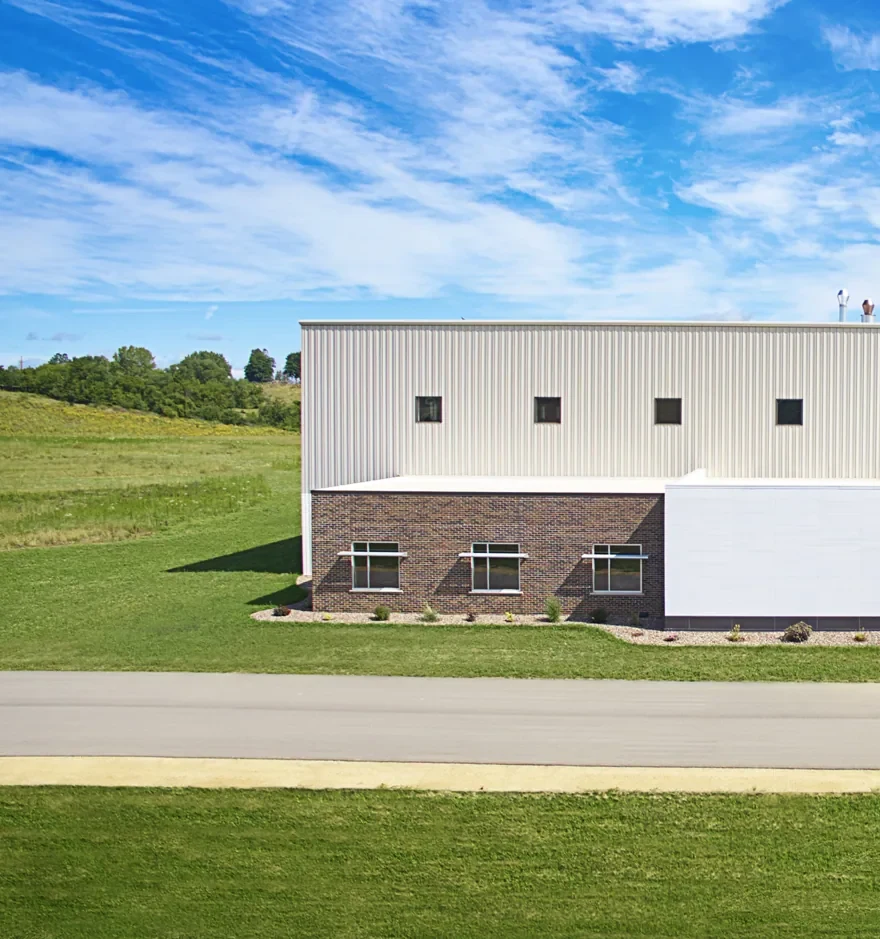
Compare: Repair and Capital Work
A localized repair can make sense when the opening is limited and nearby materials remain serviceable. We identify the area, prepare the substrate, install compatible materials, and check the tie-in. Where moisture reaches several sections, test openings can establish how much insulation and cover board need removal. The measured scope distinguishes confirmed quantities from conditions that cannot be seen until work starts.
For a plant with temperature-controlled process rooms, a cold storage roof assessment can account for vapor control and interior conditions. A facility with critical power or server operations may need a data center roof plan with additional coordination around equipment and backup systems. We use the building's actual use to plan protection, not to assume a specific roof assembly or risk level.
Replacement may be appropriate where the roof has widespread deterioration, wet layers, repeated leak paths, or repairs that no longer address the condition below. A recover can be considered only if the existing assembly is dry, stable, and suitable for another layer. We compare removal, recover, and phased approaches based on test results, deck condition, code requirements, equipment details, and the plant's operating schedule. The proposal identifies what stays in service during each stage.
Coordinate: Access, Ventilation, and Work Zones
Manufacturing work may involve roof hatch access, lifts, hot-air welding, adhesives, or removing existing materials. We coordinate with site safety staff on escort requirements, tie-off points, ventilation intakes, hazardous areas, and where materials can be staged. The facility contact identifies production windows and any process that cannot pause. The schedule should show the active roof zone and expected noise, deliveries, and interior protection before a crew arrives.
Summer storms can develop during a workday, so we identify how to secure open sections and protect equipment if work pauses. Gainesville recorded 104 thunderstorm days and 82 heavy-rain days in 2022, with a peak gust of 62 mph. We check current site conditions, forecast timing and the tie-in plan before exposing insulation or deck.
An operations-threatening opening can be reported overnight, on weekends or during a holiday so the facility team can coordinate immediate stabilization. We first stabilize the opening, protect equipment where access permits, and document the temporary measure. Permanent work follows after the roof assembly can be inspected and the production contact can approve a safe access window. A phased occupied-building plan can keep operating zones separate during larger projects.
Close Out: Record the Roof Section
Closeout documents the roof system, repairs completed, materials installed, test openings, and conditions left for further review. Photos show the roof section and the relevant equipment or penetration. We identify any temporary protection removed and any operating limit that remains. The facility manager receives a record that can be matched to production work orders and the next maintenance interval.
For a plant in Gainesville or Alachua, share the address, process areas below the roof, plans, water locations, equipment service history, safety lead, and a suitable access window. After the field review, we will outline the work areas and their effect on production.
Manufacturing roofs often carry exhaust, make-up air, process piping, and electrical equipment whose operation cannot be interrupted as a side effect of roof work. The plant contact identifies units that must remain on, areas with process restrictions, and the route for deliveries and lift equipment. We inspect each curb and penetration without assuming that a similar-looking unit has the same role elsewhere on the roof. If access requires a shutdown or clearance, that is planned with plant staff before the scope is set. The field record distinguishes verified conditions from components that require a specialist or controlled test.
Frequently Asked Questions
Can roof work proceed while production is running?
The work can often be divided by roof section, but the plant contact must identify active lines, air intakes, and areas that cannot be interrupted. We plan the access window and protection around those site rules.
What if a test opening finds more wet insulation than expected?
We document the material at the opening and extend the inspection where conditions support it. The added boundary and quantity are shown for review before the assembly is closed.
Can you work around process exhaust and rooftop piping?
Yes, after the facility contact identifies active systems, clearances, and any permit or safety controls. We inspect the flashing and coordinate with the responsible equipment team if a connection must be moved.
How do you decide between a repair and a replacement?
The roof assembly, wet areas, deck condition, repair history, and operating plan determine the comparison. We document which sections remain serviceable and what each option requires the plant to isolate.
Related Roofing Work
Plan Gainesville Manufacturing Roof Work
For a Gainesville plant visit, provide the address, building operations, roof records, active leak areas, equipment changes, safety contact, and requested access period. We will inspect the assembly and prepare a measured scope for production operations.