Commercial Roofing at Fifth Avenue / Pleasant Street, Gainesville, FL
Plan roof repairs and inspections at Fifth Avenue and Pleasant Street with building-specific checks for historic, educational and religious properties.
Service Areas: Fifth Avenue / Pleasant Street
Educational, religious and other occupied buildings at Fifth Avenue and Pleasant Street need roof work that respects both the assembly and the people using it. The Gainesville district includes residential, religious and educational properties, along with the A. Quinn Jones Museum and Cultural Center. We begin by confirming the address, the building use and the authorized contact, then inspect the roof section tied to the reported issue. The A. Quinn Jones Museum and neighborhood heritage context make owner coordination important; roof age, materials, and condition come from each property’s records and field inspection. We record seams, flashings, drains, penetrations and roof edges before defining a repair or renewal. A commercial roof inspection gives the owner a documented starting point.
Identify: Preserve the Building's Actual Record
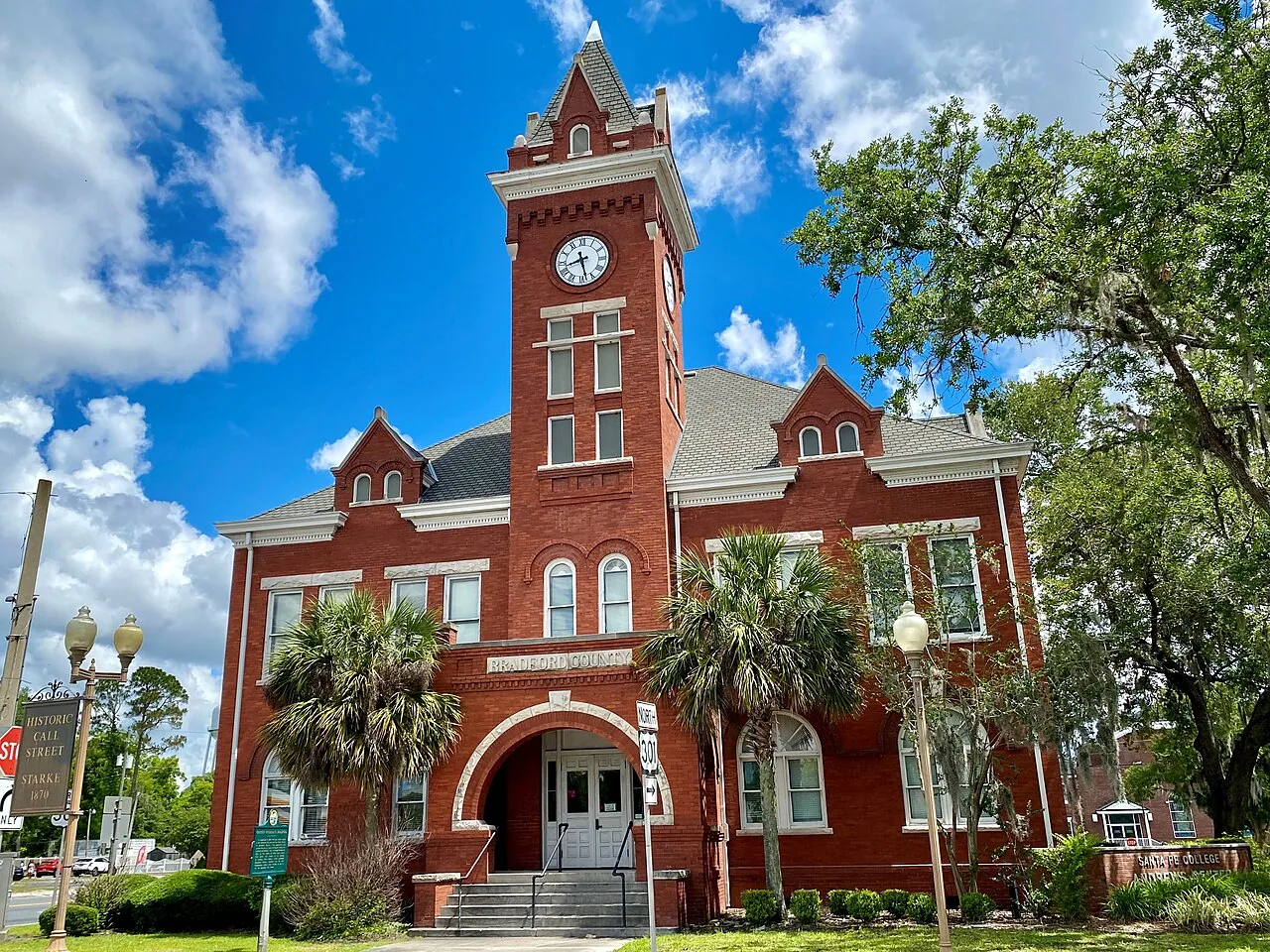
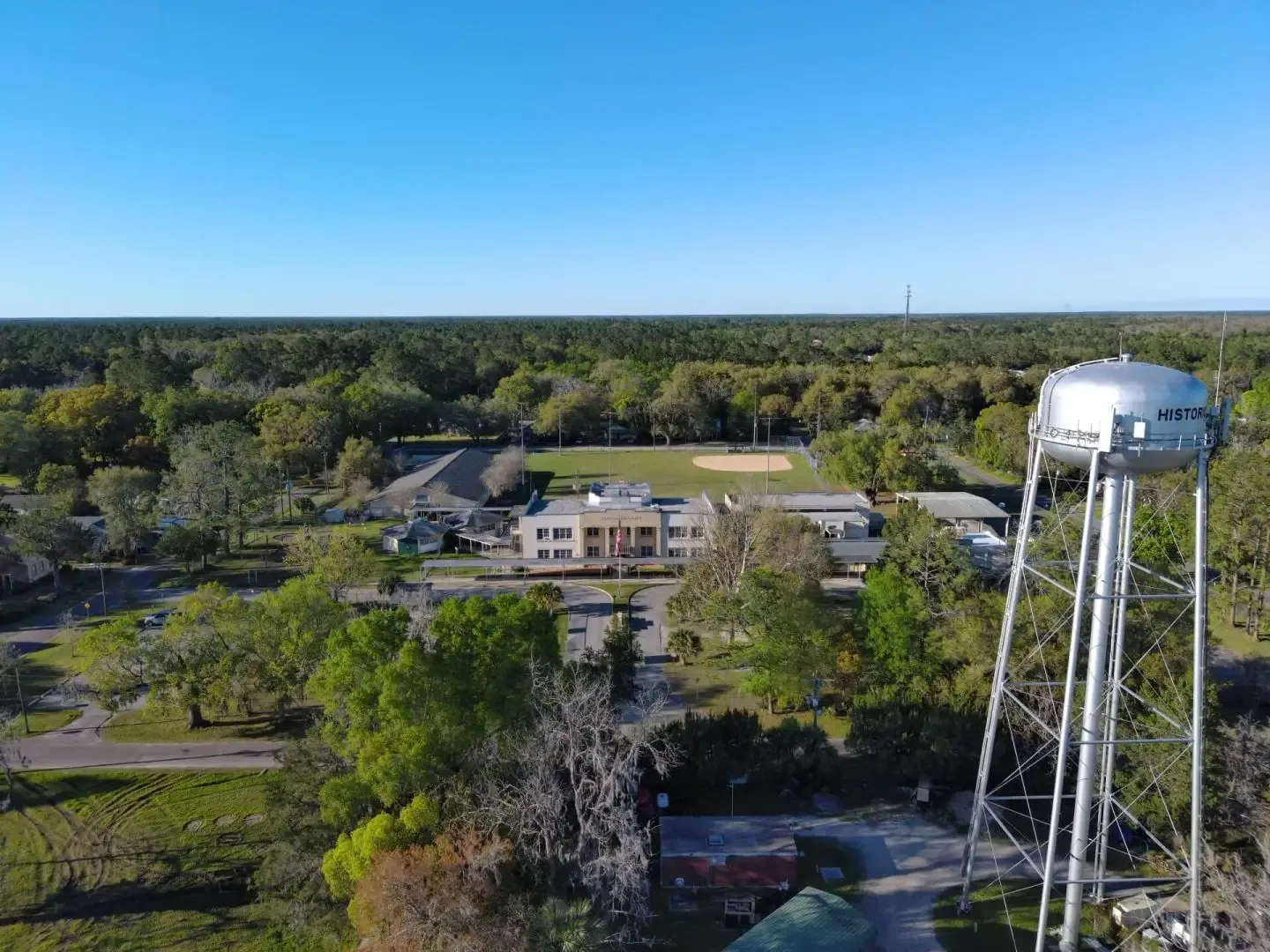
The district's building mix means a roof request may involve an education property, religious facility, museum or residence with a separate owner. We ask who authorizes access, which interior areas are affected and whether the property has records from earlier repairs or preservation work. The inspection marks each roof section included in the request and notes adjoining areas that were not examined. We identify the visible roof system where possible, but do not infer materials from the building's age or heritage status.
The A. Quinn Jones Museum is a named cultural asset, and the wider Fifth Avenue / Pleasant Street neighborhood is another heritage asset identified by the city. We use those names to orient the service area, not to imply previous work or a known roof condition. A school roof assessment can incorporate bell schedules and occupied rooms when the property contact confirms them; a religious building inspection can be coordinated with its access calendar. A separate location near Downtown Gainesville receives its own condition record.
Inspect: Find the Water Route Before Patching
Roof leaks often involve more than the spot directly above an interior mark. We inspect seams, flashing, penetrations, parapets, drains and transitions, then trace how water can move across or within the assembly. At a low-slope roof, we check membrane laps, drain bowls and scuppers. On metal, we examine fasteners, panel joints and movement at roof-to-wall details. The field report distinguishes visible damage from areas where moisture may be concealed and identifies whether a survey or test opening is needed.
During a heavy rain follow-up, we inspect the property's outlets and flashing and compare the water path with the reported interior location. We photograph the drain path, identify debris or obstructions within the work area and check details where older repairs meet original materials. A flashing repair evaluation can trace a transition, while an infrared survey may help locate wet insulation when the surface does not tell the full story.
Coordinate: Set Access Around Building Use
Before inspection or construction, we confirm check-in, roof entry, operating hours and any rooms that need to remain quiet or open. The site contact helps set the path for tools and materials, identify sensitive spaces below and arrange interior protection if a detail will be opened. If the building is used for worship, school or cultural programming, the schedule can be coordinated around those activities without presuming a particular event calendar. We record who receives notices and who can approve a change if conditions differ from the initial survey.
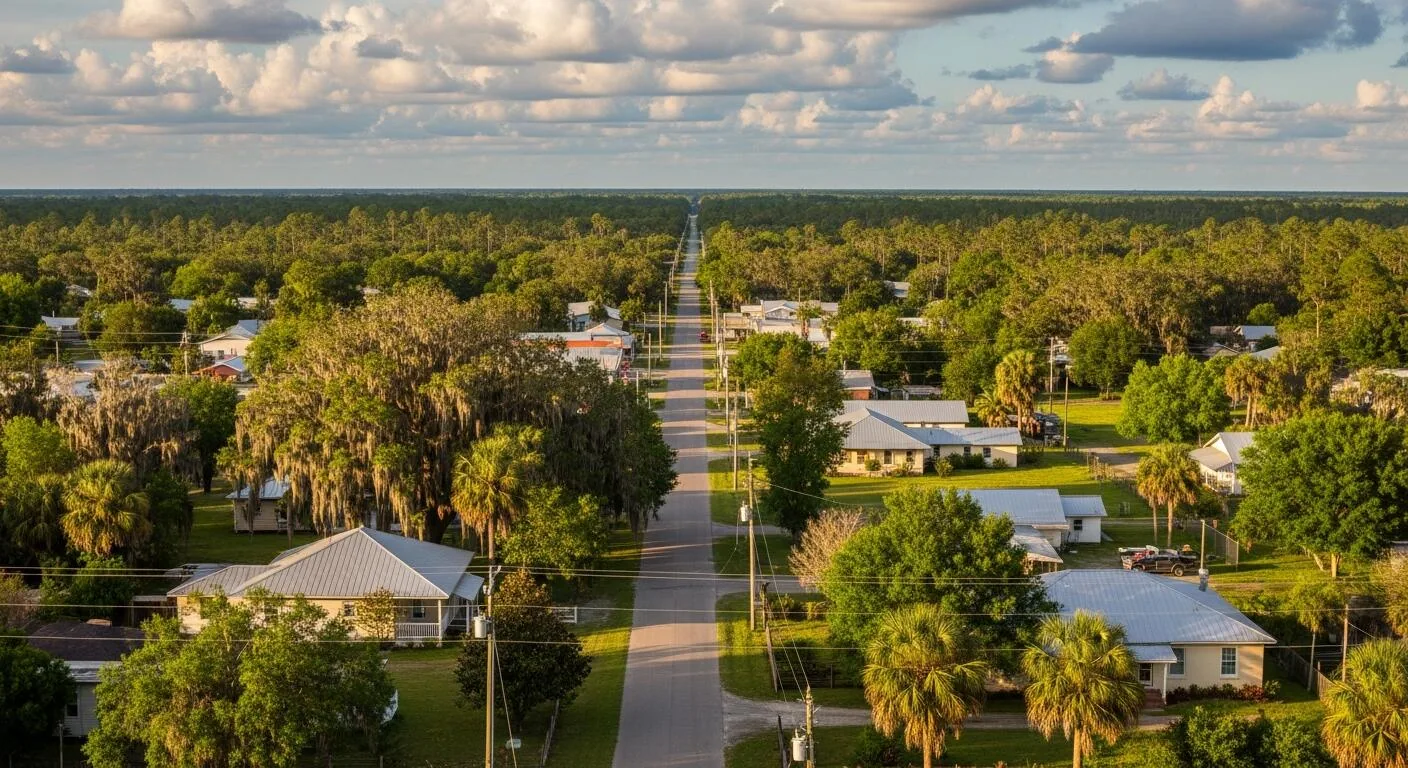
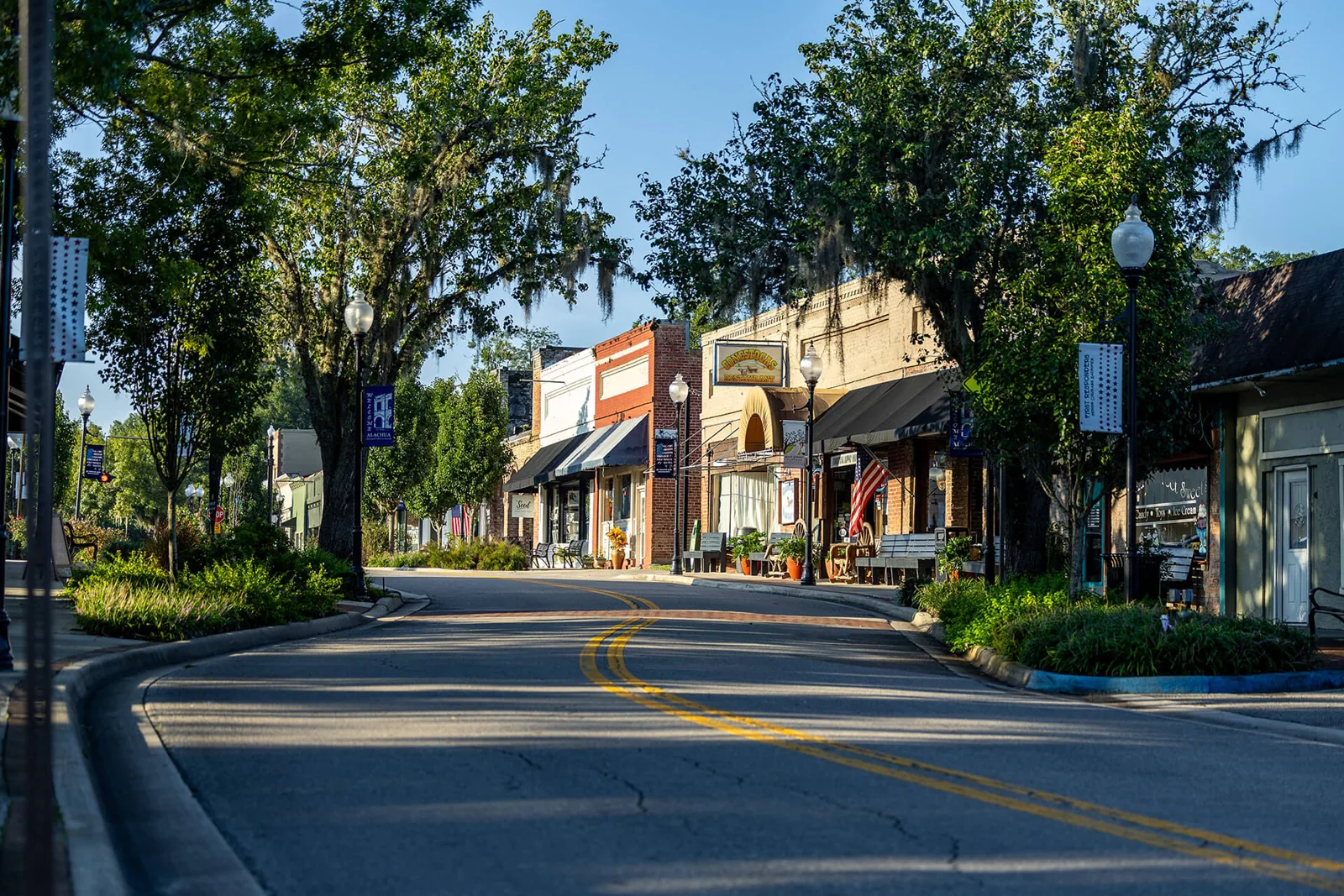
Fifth Avenue / Pleasant Street is one of Gainesville's four reinvestment areas and has received public programs for infrastructure, building improvement and neighborhood preservation. That planning context may involve multiple projects, but it does not set access permissions for an individual property. We coordinate with the owner and document the daily work boundary. A phased occupied-building plan covers staging, temporary tie-ins and end-of-shift protection. A different project in College Park / University Heights is planned from its own address and operations contact.
Compare: Repair the Detail or Plan a Larger Scope
A localized split, loose flashing or isolated puncture can be repaired if the adjacent roof material remains sound. Recurring leaks, widespread wet insulation, repeated seam failure or a deteriorated substrate can justify replacing a larger section. We compare the repair history and current observations, mark confirmed moisture and explain where testing could change the recommendation. A recover also requires review of existing layers, attachment, deck condition, transitions and added height at drains and edges.
The owner can compare a targeted roof repair, a recover review and replacement work against one marked plan. Cost and duration depend on the assembly, preparation, access, material removal, concealed damage and the available work window. The scope identifies which roof areas are included, how temporary protection will be managed and what field condition could change the plan. If a test opening is needed, we explain what it will resolve before it is authorized as part of the work.
Close Out: Record Confirmed Work and Follow-Up
Photos, a roof plan and a written closeout show which details were repaired, where the crew inspected and which areas remain outside the work boundary. We note the observed assembly, materials used where confirmed, drain and edge details addressed, and any open question requiring another visit. If access limits prevented a complete inspection, the report says so. This gives a future facility contact a reliable reference for a new leak or maintenance request.
Routine review can check flashing, seams, drains, penetrations, roof traffic and conditions after severe weather. The interval should fit the assembly and the property's access needs. We can arrange a maintenance visit and retain a condition record by address. If another repair is later planned near the A. Quinn Jones Museum, its scope still needs a fresh inspection of the specific building rather than an assumption based on district history.
A roof serving a neighborhood business, religious property or educational building may sit beside residential structures and heritage assets. We confirm the facility contact, access path and roof sections under review, then document how water moves across low-slope areas and through transitions to walls or pitched roofs. The A. Quinn Jones Museum and Cultural Center is a useful district landmark, while the roofing scope remains attached to the owner's building and authorized work boundary. Where a project involves public improvement or preservation coordination, the owner can identify the required approvals before material removal or visible changes begin. We photograph existing details and separate urgent water control from any larger recommendation, giving the property manager a clear record for maintenance and planning.
Frequently Asked Questions
How do you coordinate roof work on a heritage property?
We confirm the building identity, owner contact and any preservation requirements before setting the work boundary. The inspection documents the visible assembly and identifies details that need approval or further testing.
Can you plan around school or religious schedules?
The site contact can identify programs, occupied periods, quiet hours and access controls. We build the work window around those confirmed constraints and note who approves notices or temporary interior measures. The crew also secures each day's tie-in before leaving the roof.
What if a leak report involves a room beneath an older roof?
We record the interior location and compare it with roof seams, flashing, drains and penetrations. Water can travel through an assembly before appearing inside. If the source remains uncertain, we can recommend moisture testing or a selective opening and explain what each step would establish.
How do you determine whether a larger replacement is warranted?
We map repeat repairs, moisture extent, material condition, deck concerns and edge or drainage problems. If defects are isolated, a repair may remain appropriate; broader or recurring conditions can support a larger scope. We show what is verified and what needs testing before making that comparison.
Related Roofing Work
Arrange a Fifth Avenue Roof Inspection
Provide the Gainesville address, building use, roof history, current leak areas, authorized contact and access window. We will inspect the relevant sections and document repair options and follow-up requirements.