
Commercial Roof Replacement in Gainesville, FL
Plan a commercial roof replacement in Gainesville with an assembly review, clear phasing, moisture checks and a closeout record for your facility.
Commercial Roofing Services: Commercial Roof Replacement
A hospital wing, distribution building and occupied office do not share the same replacement window. In Gainesville, FL, the first decision is which roof sections can be opened without disrupting care, deliveries or tenant access. We inspect the existing assembly, map drainage and perimeter details, and separate visible deterioration from conditions that need testing. UF Health's medical district and the Airport Industrial Park show how varied the area's commercial facilities can be. Near Butler Plaza, retail access adds another constraint to the work plan. A hands-on roof inspection gives the owner a field record to review before selecting tear-off, recover or another repair path.
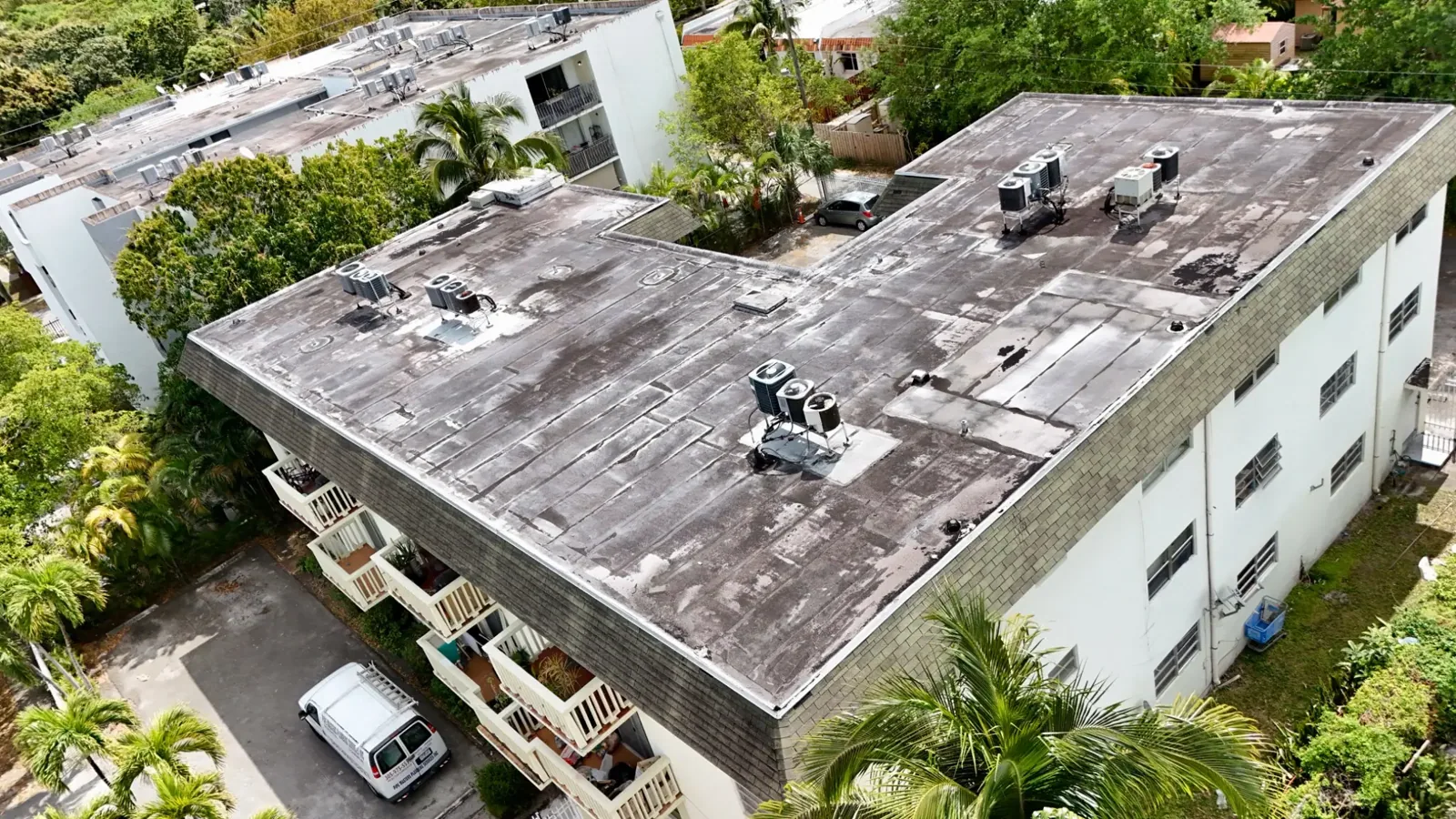
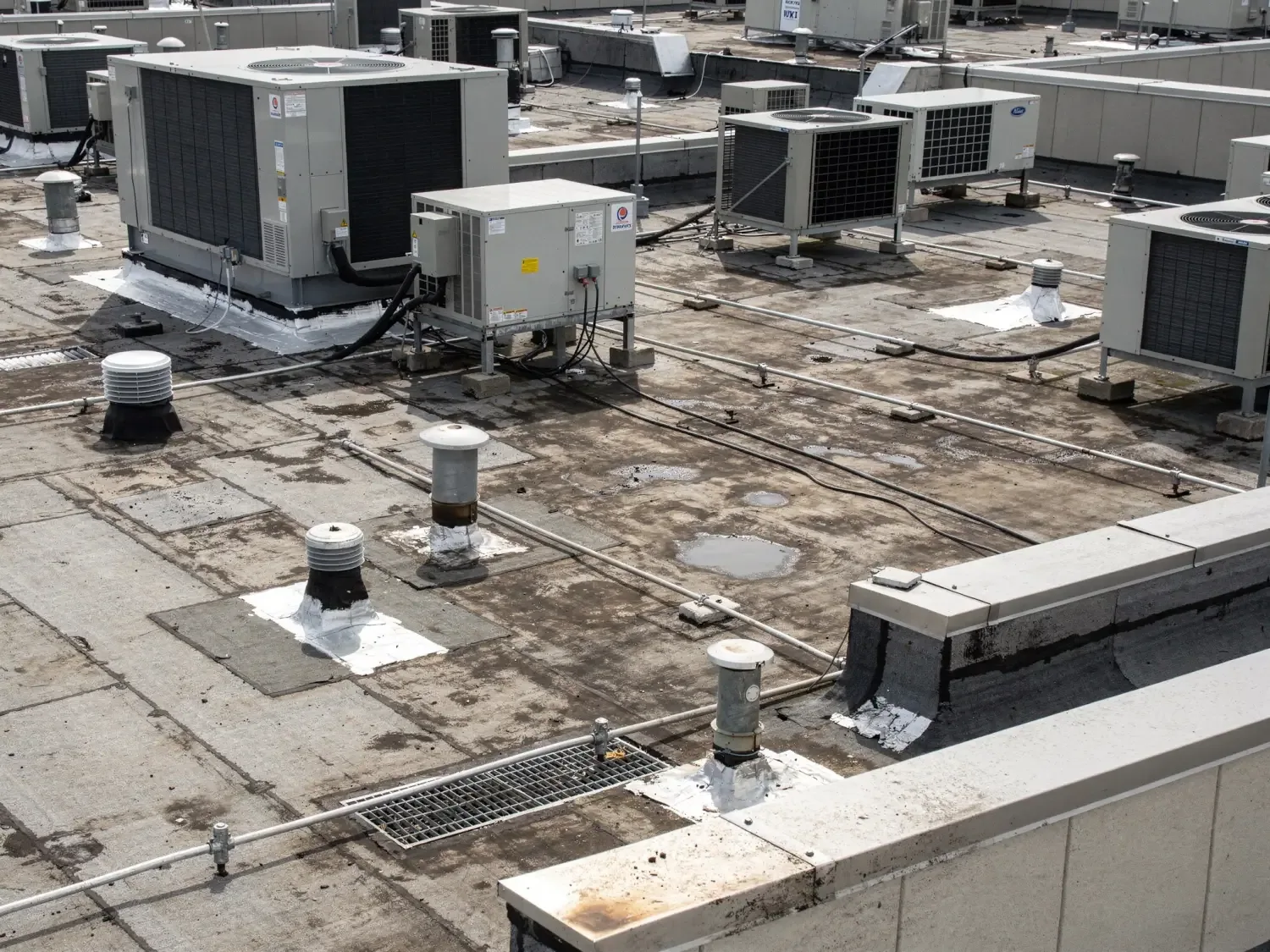
Identify: What the Existing Roof Can Support
A replacement starts with the assembly that is actually there. We identify the membrane or metal system, insulation and cover board where visible, deck conditions at accessible points, drainage layout, rooftop equipment, edge details and previous repairs. Records can help explain what is buried, but they do not replace field checks. If the roof has several generations of work, we note where the layers change and where a test opening can answer a question that surface inspection cannot.
Inspect: Separate Wet Areas from Worn Surfaces
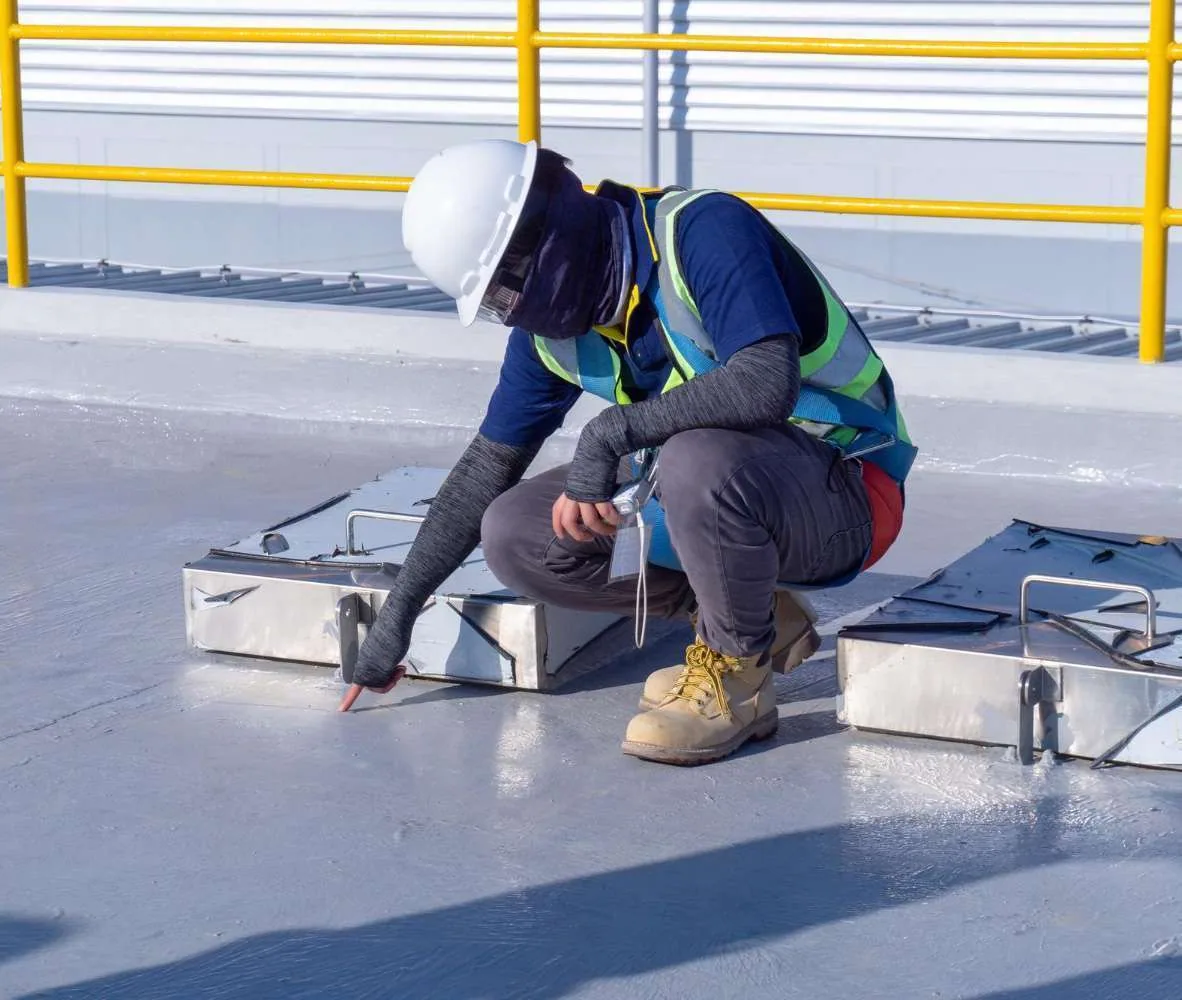
Staining, open seams, loose flashing and standing water are useful clues, but each points to a different inspection task. We trace the water path, check penetrations and perimeter transitions, and look for deterioration around drains and equipment. A soft area may indicate wet insulation, yet the extent should be confirmed before it becomes a tear-off quantity. Depending on access and assembly, infrared imaging or a test opening may help distinguish dry material from moisture that needs removal. Findings are marked by roof section so the owner can see which conditions are confirmed and which remain uncertain.
Gainesville's weather history makes drainage and edge details worth a close look. Gainesville recorded 3.06 inches of rain in a 24-hour period in 2025, with frequent thunderstorms also part of the local climate. That context helps set inspection priorities; it does not prove that a particular roof is failing. We check drain paths, scuppers, seams and edge attachment at the building itself. For owners weighing a replacement against a recover, a recover assessment can establish whether the existing layers and moisture conditions allow another system above them.
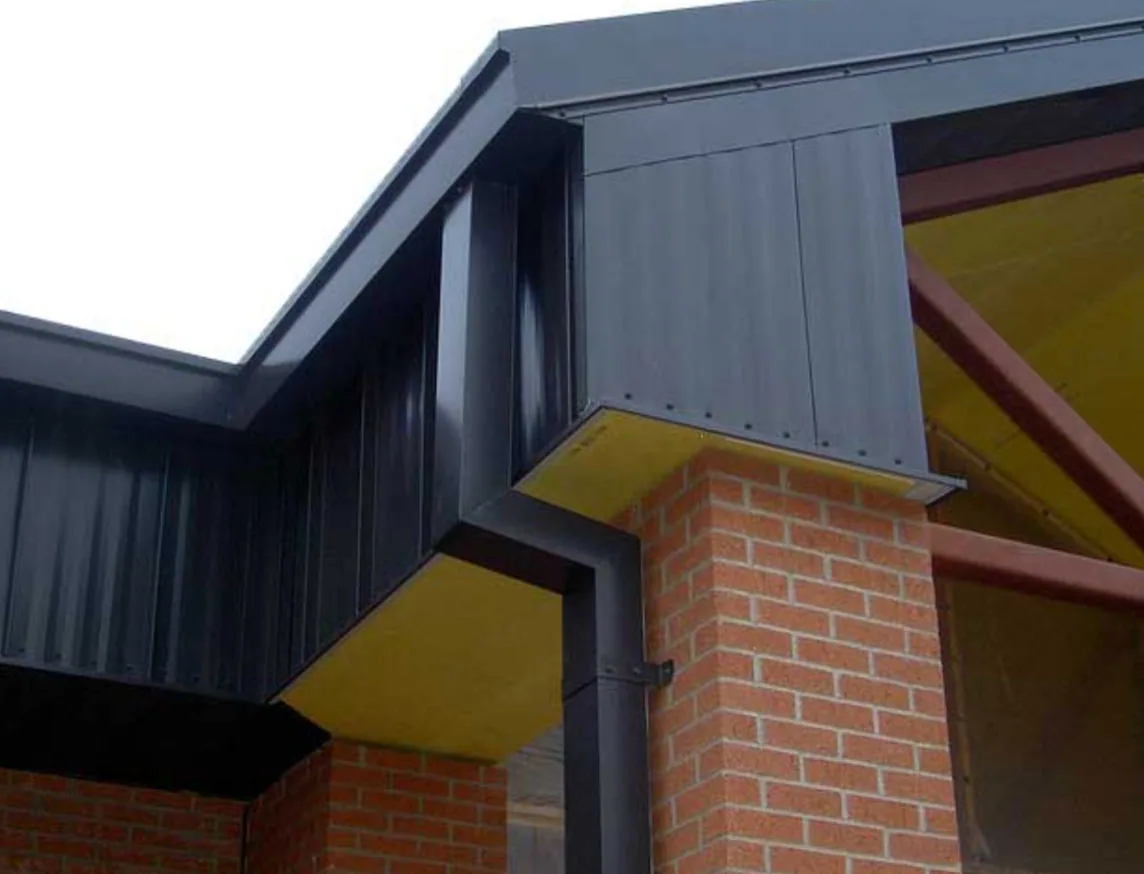
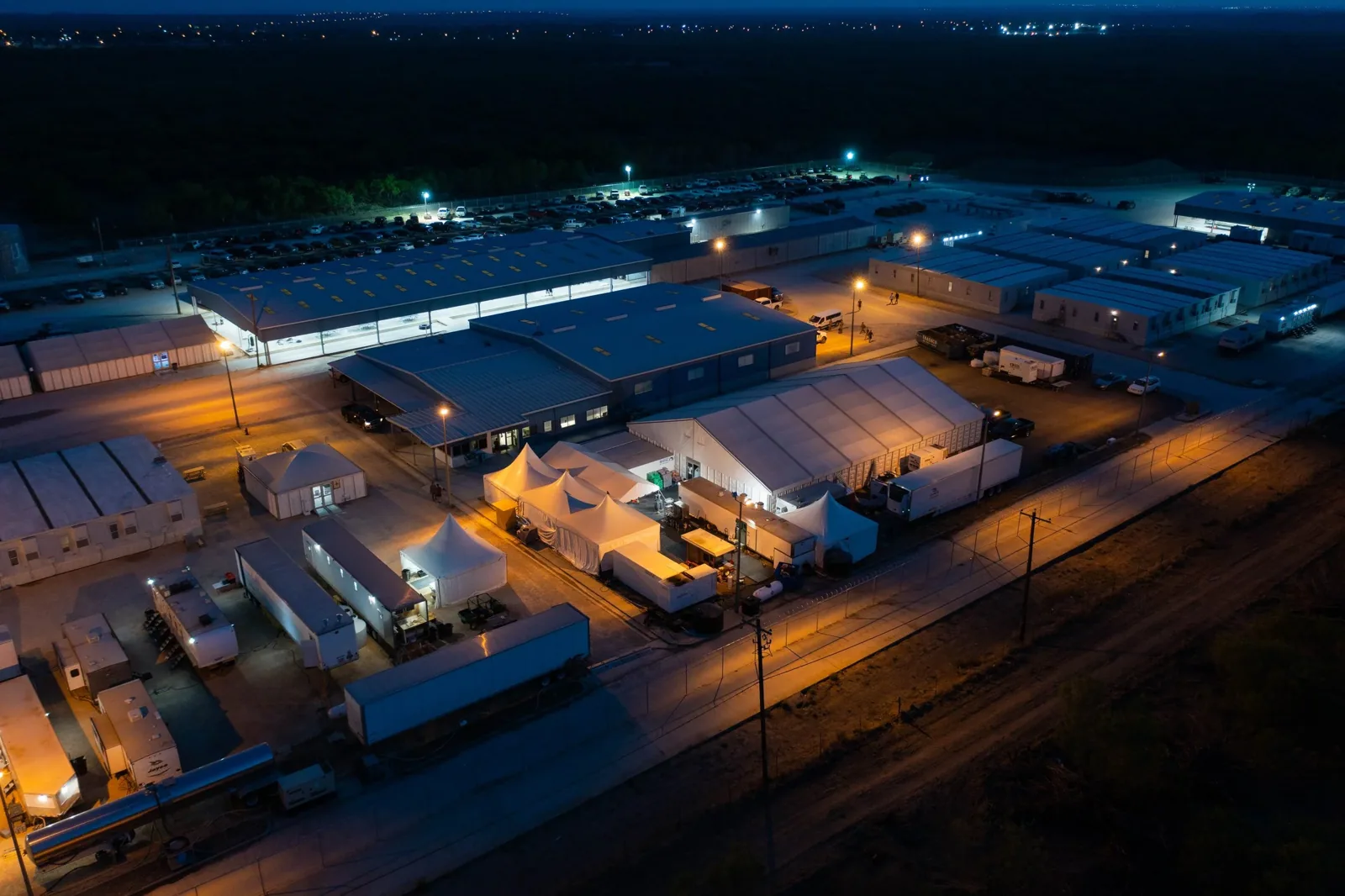
Compare: Tear-Off, Recover or Staged Work
A full tear-off gives the project team a direct view of the substrate and allows wet or damaged components to be removed. It also creates more demolition, debris handling and exposure while the roof is open. A recover can reduce disturbance when code, attachment, drainage and moisture conditions permit it, but adding a new system over an unsuitable base can preserve the problem underneath. We compare both paths using verified roof layers, test results, deck findings and the building's operating schedule. The choice should follow those conditions, rather than a preference for one method across every property.
Material selection follows the same review. TPO, PVC, EPDM, modified bitumen, built-up roofing and retrofit metal each bring different seam methods, attachment options and detailing requirements. A membrane is only one part of the assembly: insulation, cover board, fasteners, adhesives, perimeter metal and penetration flashing all have to work together. We can compare an appropriate TPO assembly with a PVC system when the project criteria support those options. The recommendation accounts for the deck, building use, drainage and expected maintenance access.
Coordinate: Keep the Building Operating
Replacement planning is also a people and access plan. We confirm where tenants, patients, staff, loading activity and critical equipment are located, then agree on roof access, material staging, crane or lift areas, work hours and daily communication. The site contact helps identify restricted areas and the sequence that creates the least conflict with operations. If work must be divided into sections, each boundary needs a clear temporary condition so water cannot pass beneath completed work or into the open area.
Schedule: Set Weather and Work Windows
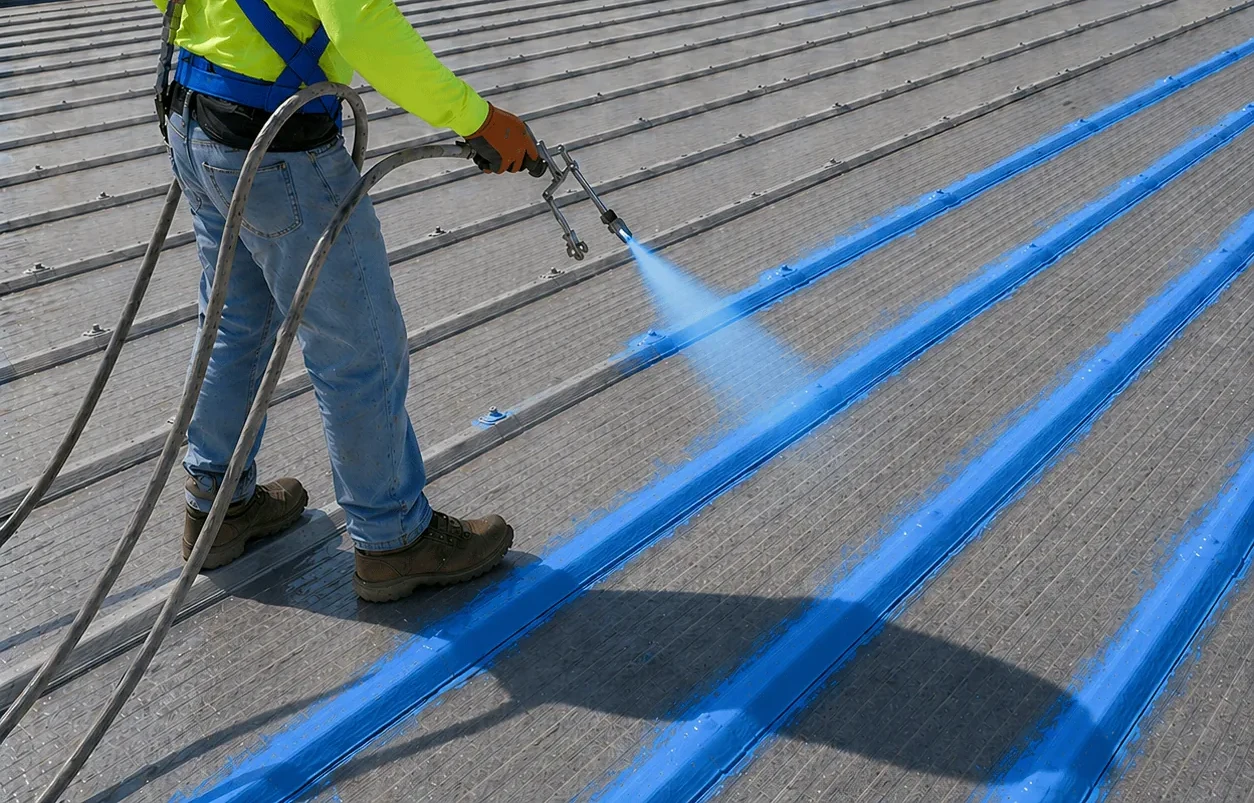
Heat, rain and storm activity affect when a roof can be opened, how much area can be worked in a day and how temporary tie-ins are protected. We set daily limits based on the forecast and the assembly, keeping enough time to secure the section before the crew leaves. Gainesville recorded 133 days at or above 90 degrees in 2025, so heat exposure and material handling belong in the work plan. Heavy rain can also change the pace: wet substrates need to be evaluated, and water must be kept away from occupied interiors while the roof is in transition.
Schedule is tied to scope. A project with limited wet insulation, accessible edges and few penetrations may move differently from a roof with multiple additions, equipment curbs and layered repairs. We identify long-lead components, owner decisions and access dependencies early, then update the sequence when field conditions change. If the roof needs a temporary patch before the main project, a planned repair scope can address the confirmed defect while replacement details are finalized. When wind or hail has affected the property, storm-related roof repairs may need their own inspection and documentation before permanent work proceeds.
Close Out: Leave a Usable Roof Record
At completion, the owner should be able to tell what was removed, what was installed and which roof sections were finished. We record the assembly and key details, document completed work with photos, and note any areas that were not part of the project or still need monitoring. Drainage, perimeter transitions and penetrations deserve a final check because those details connect the new field membrane to the rest of the building. The closeout record can also establish a baseline for inspections and a maintenance interval.
A replacement does not remove the need to watch the roof. Routine cleaning and inspection can identify blocked drains, punctures, loose metal or new sealant failures before they spread. The record should state what the crew confirmed and what maintenance staff should track, with no assumption that every condition is permanent. For a property near the Gainesville Regional Airport or the University of Florida, that record can also help coordinate later work with site access procedures and building operations. We can discuss a maintenance program that fits the new assembly and the owner's staffing plan.
Frequently Asked Questions
What tells you that a commercial roof should be replaced instead of repaired?
We compare the number and spread of confirmed defects with the condition of the insulation, deck, seams and flashing. Several isolated failures may be repairable; widespread wet insulation, repeated leaks or deteriorated attachment can point toward broader work. Test openings and a condition map help define that difference. The owner receives the findings by roof section, along with what remains uncertain, before a replacement decision is made.
Can you replace a Gainesville roof without closing the building?
Work can often be phased while a property remains in use, but the sequence depends on its occupants, access, weather exposure and interior sensitivity. We agree on work areas, staging, communication and temporary tie-ins with the site contact. A medical property along Archer Road, for example, has different access needs from a retail center. The plan should name those constraints before the crew begins opening a roof section.
How do you know whether wet insulation needs to come out?
Moisture findings guide the decision. A surface stain or soft spot does not define the full wet area, so we use appropriate inspection methods and test openings to verify the assembly where needed. The scope marks confirmed material for removal and separates it from areas that still need evaluation. That keeps replacement quantities tied to observed conditions instead of extending demolition by guesswork.
What information should I gather before requesting a replacement scope?
Useful records include the roof plan, previous repair notes, leak locations, system or warranty documents, building hours and a site access contact. Tell us which areas cannot be interrupted and whether loading, patient care or research activity affects roof access. If a current leak needs attention, mark the interior location and timing. We can then plan an inspection around the building's use and identify which questions need field testing.
Related Roofing Work
Plan the Next Roof Section
Send the Gainesville address, building use, roof records, active leak areas, site contact and preferred work window. We will review access and inspection needs, then outline the conditions that should guide a replacement scope.