
Roof Damage Repair in Gainesville, FL
Roof Damage Repair
Damage repair starts by separating the reported symptom from the roof condition that caused it. A ceiling stain can appear away from the entry point, and water may travel along a deck, insulation layer or structural member before it becomes visible. We map the affected interior area, inspect the corresponding roof sections and record conditions that could explain the report. Gainesville’s heat and recurring rain make timely documentation useful, but weather alone does not establish the cause or scope of a particular failure.

Document the Damage and Define Next Steps
Inspect the Assembly Before Defining the Repair
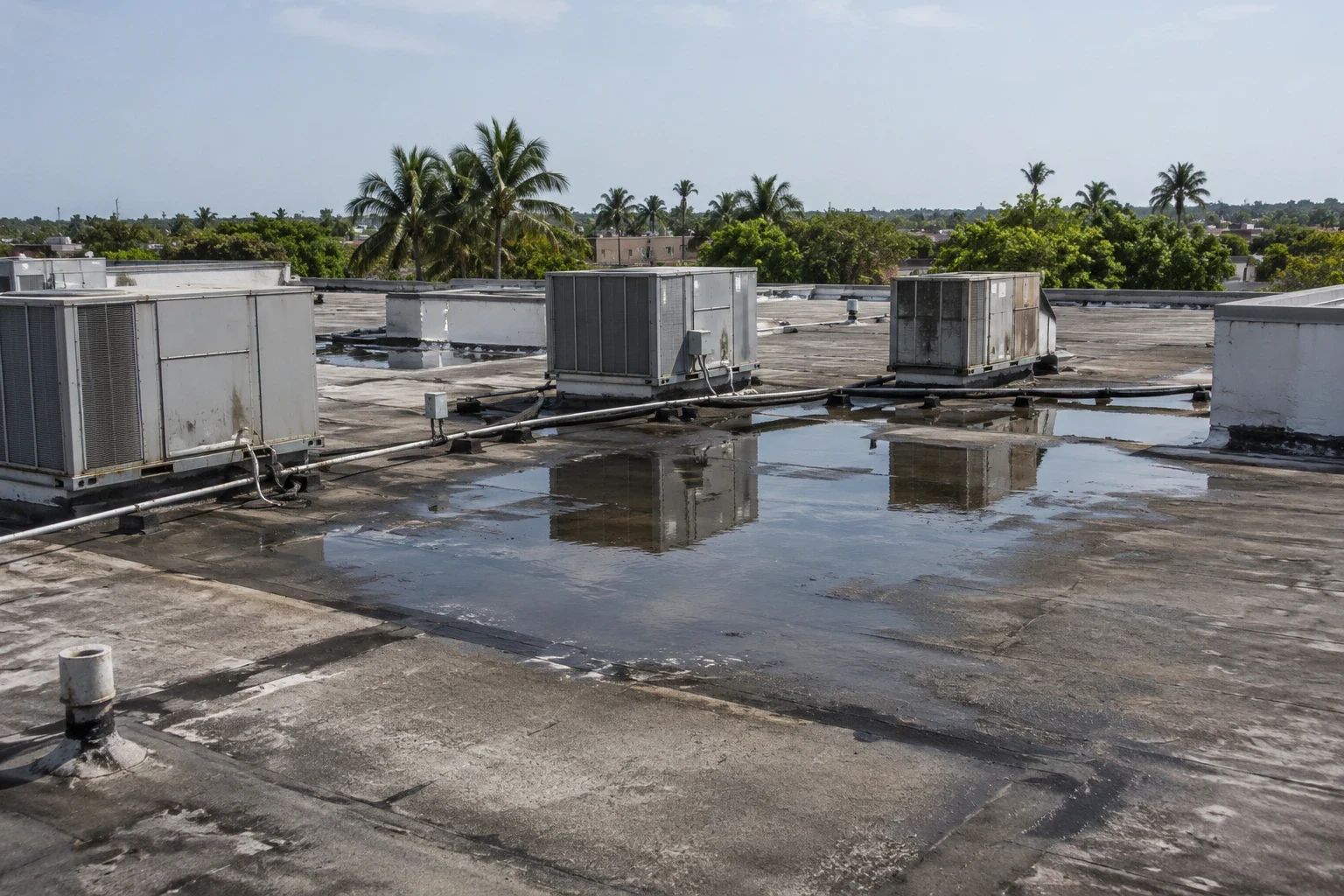
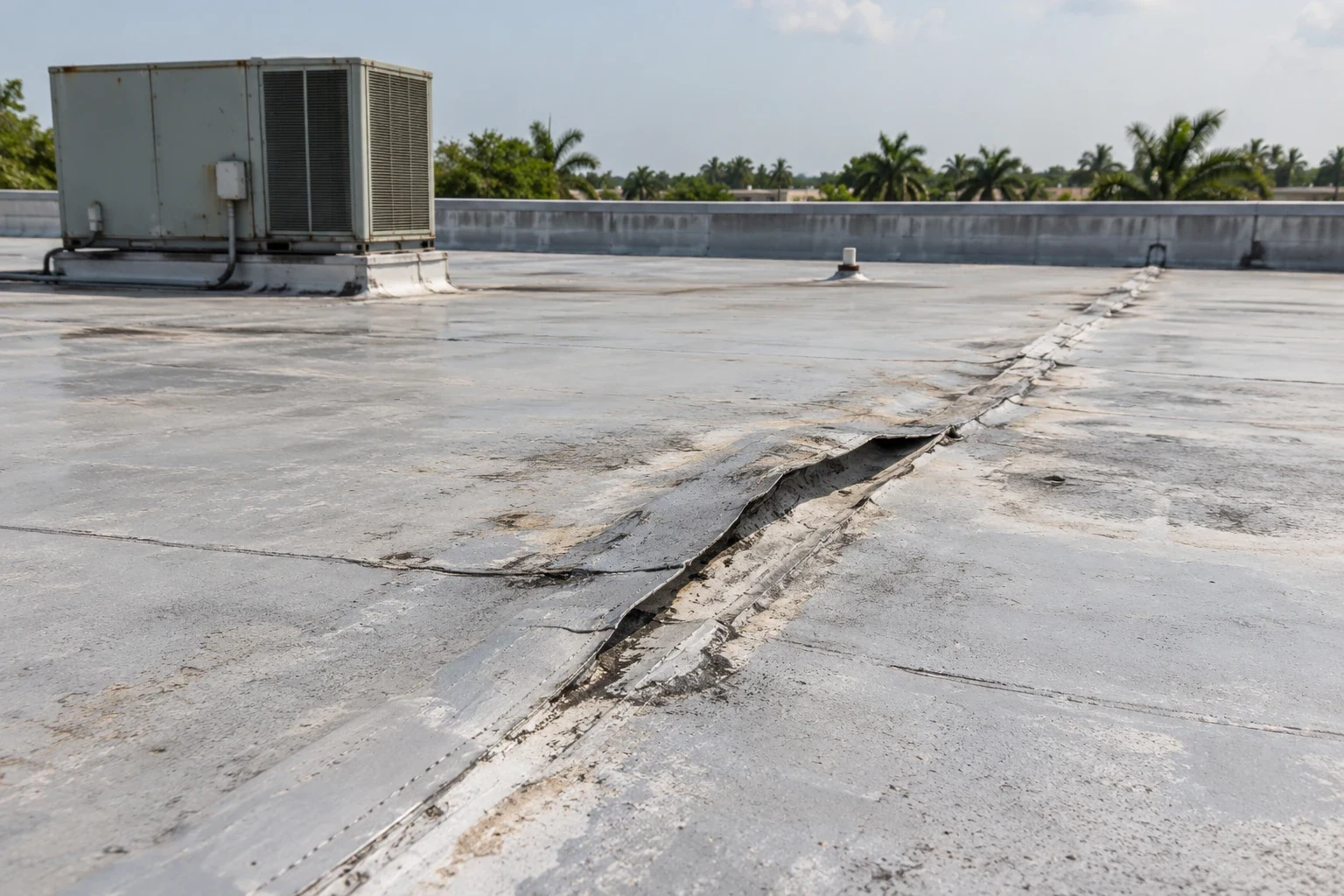
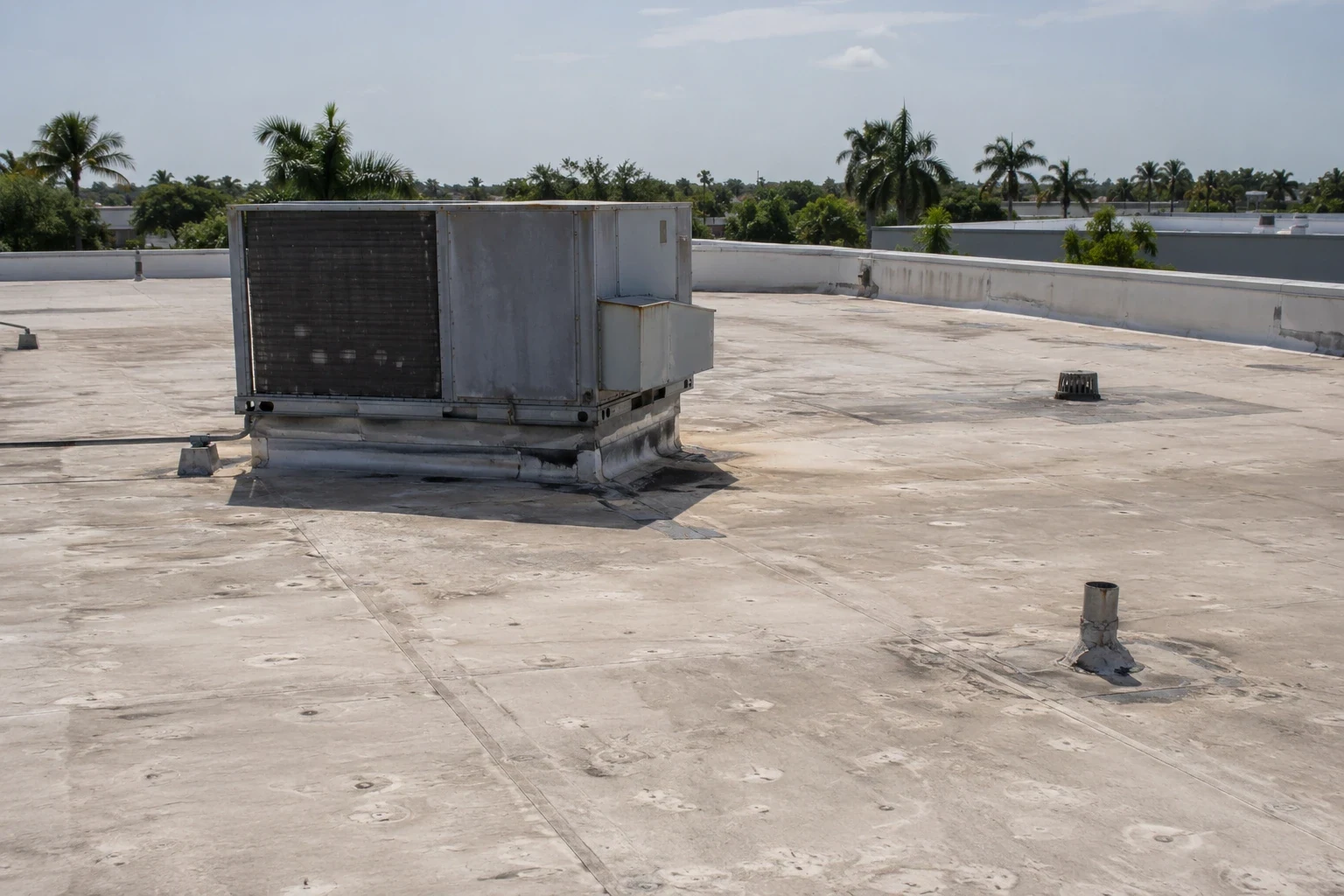
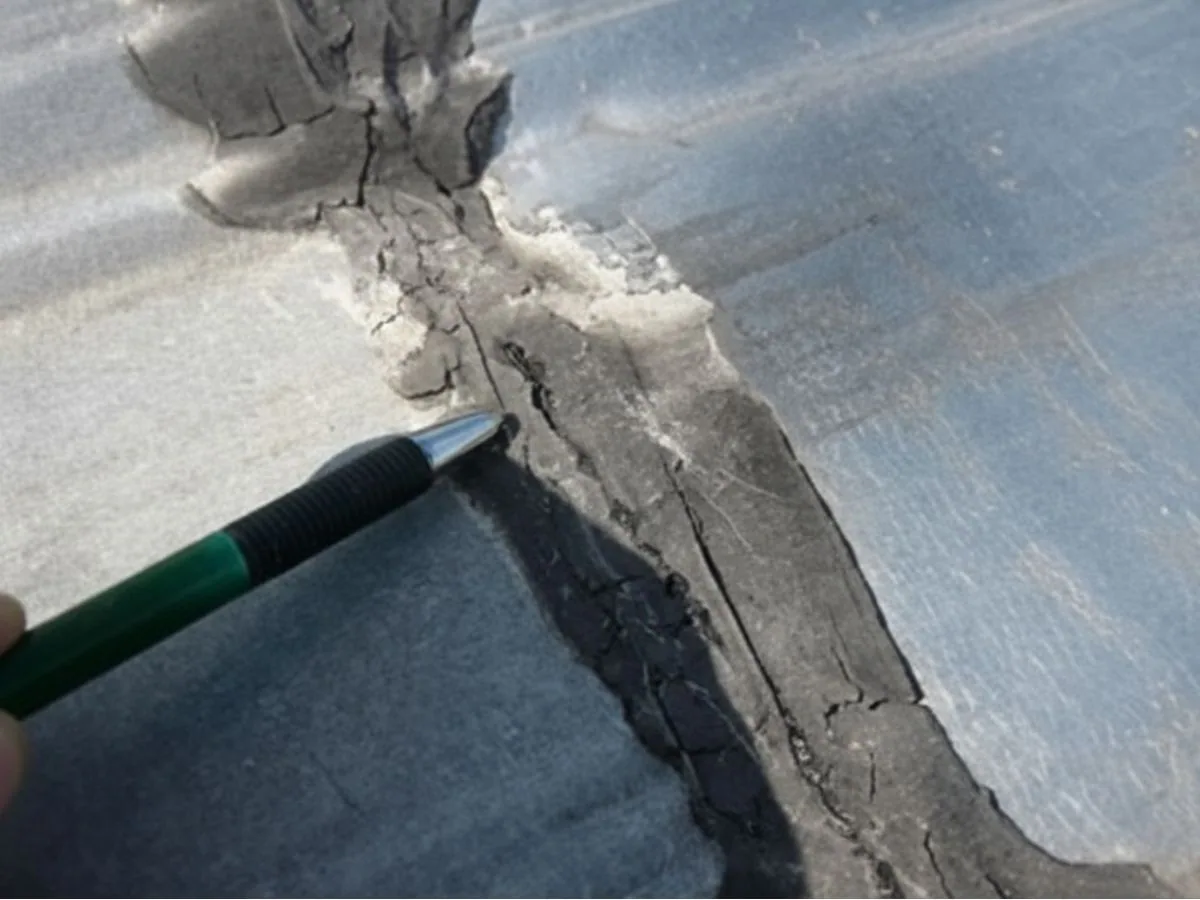
The inspection records membrane or roof covering, seams, flashings, edges, drains, penetrations and visible moisture indicators. When access allows, photographs identify the exact locations and distinguish observed damage from areas that still need testing. A flashing failure near a curb calls for a different review from a seam failure in the field. Membrane punctures and ponding water also require attention to the surrounding assembly rather than a patch description alone.
Respond Safely and Protect Building Operations
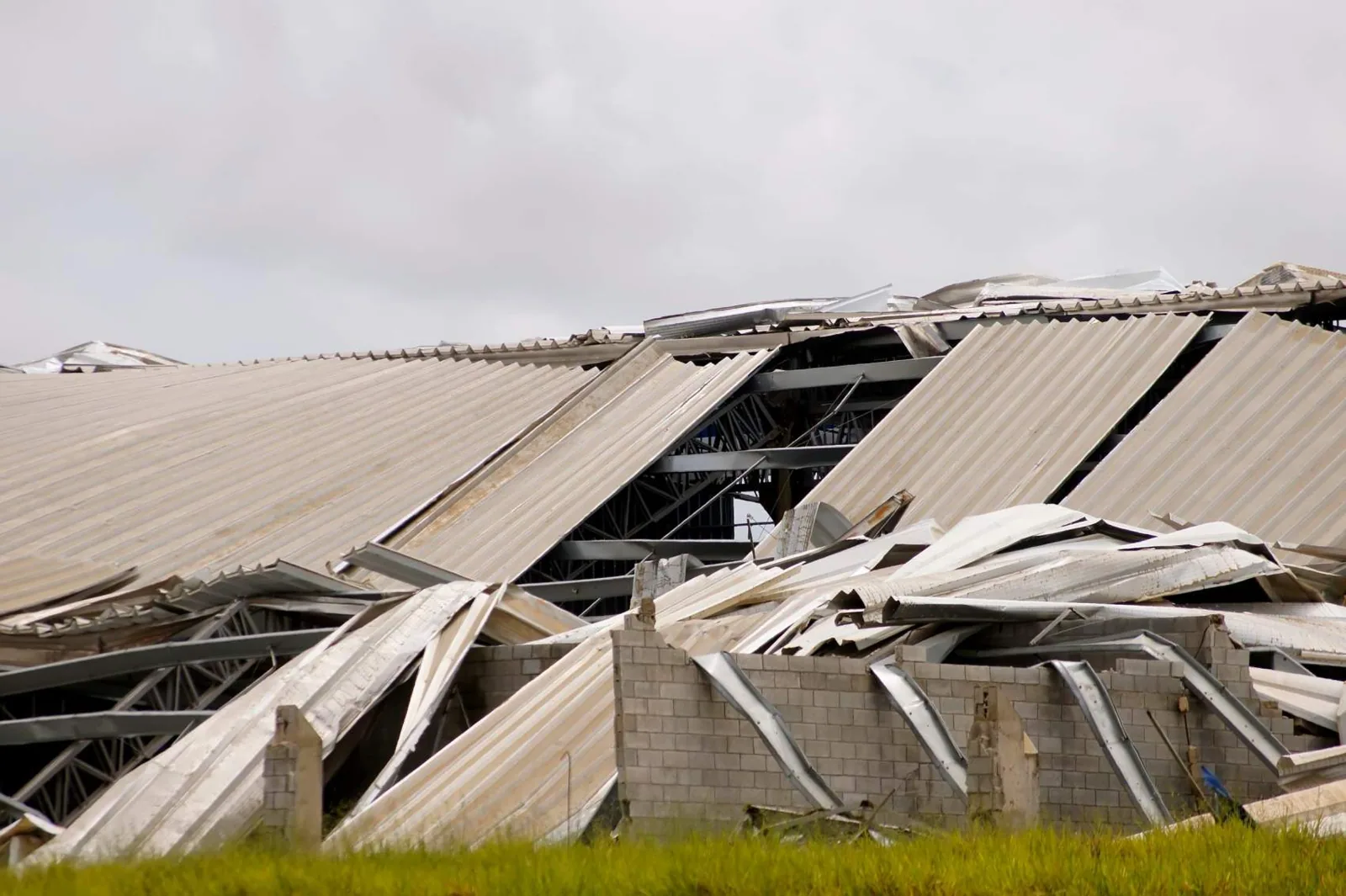
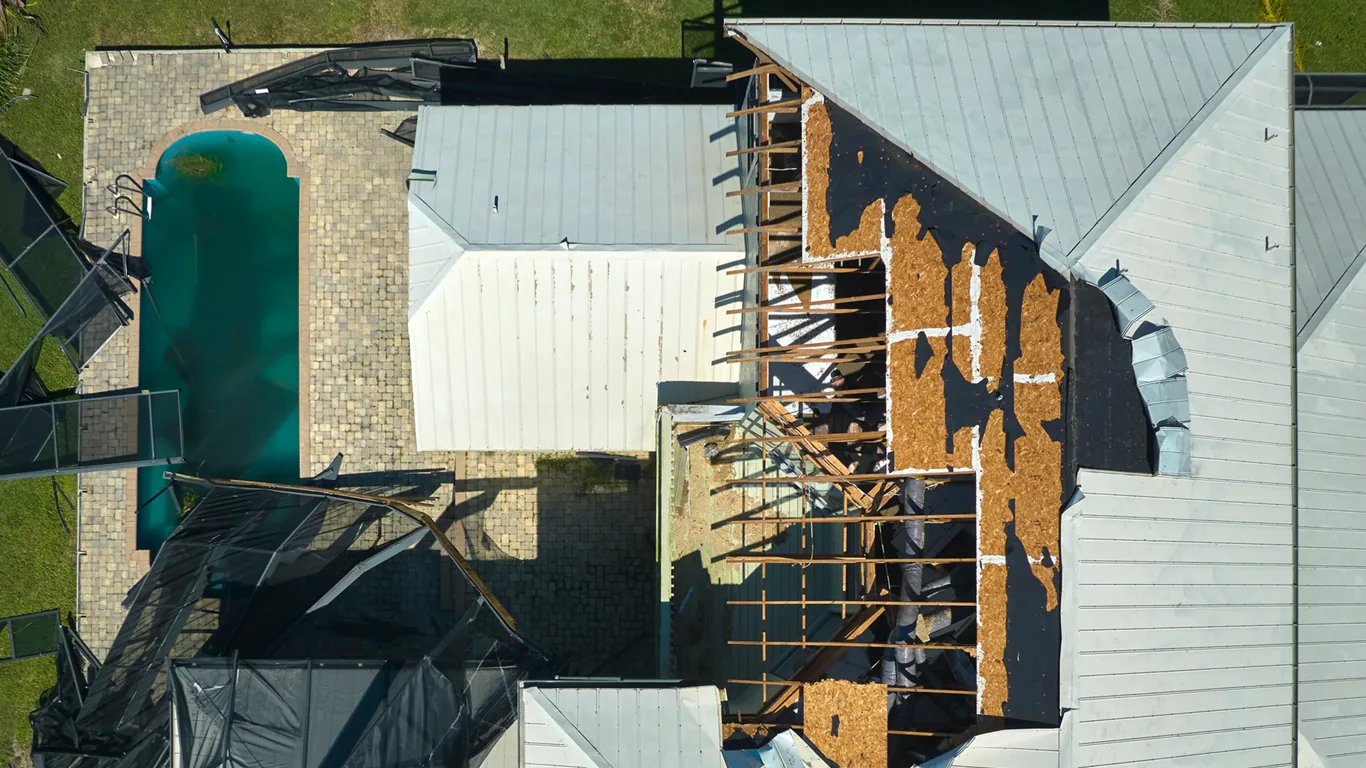
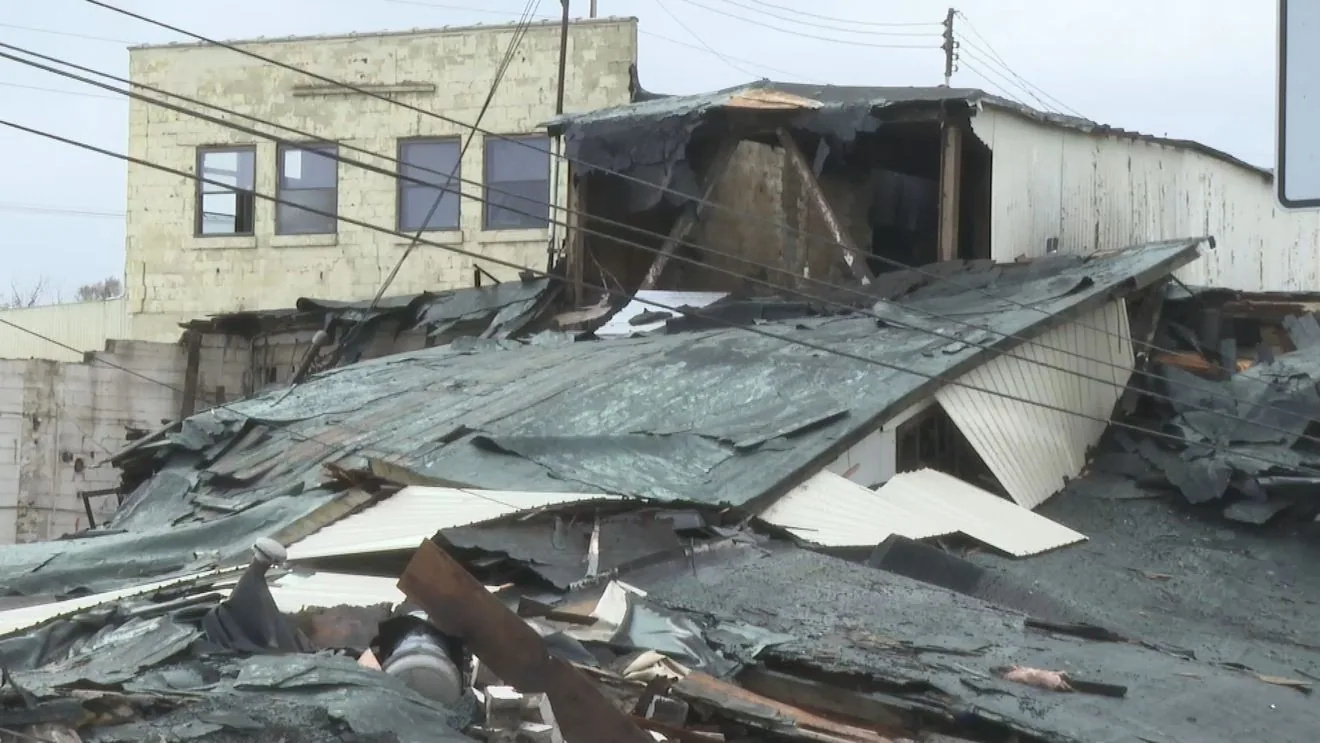
For an active leak, the first priorities are occupant safety, protection of contents and a clear record of the affected area. The owner or site contact should identify electrical, equipment or access restrictions before roof entry. We can document temporary measures and explain what conditions remain unverified until the roof is dry or opened. Wind damage, hail damage and hurricane-related damage should be described only where inspection evidence supports those findings.
Match Repair Scope to Confirmed Conditions
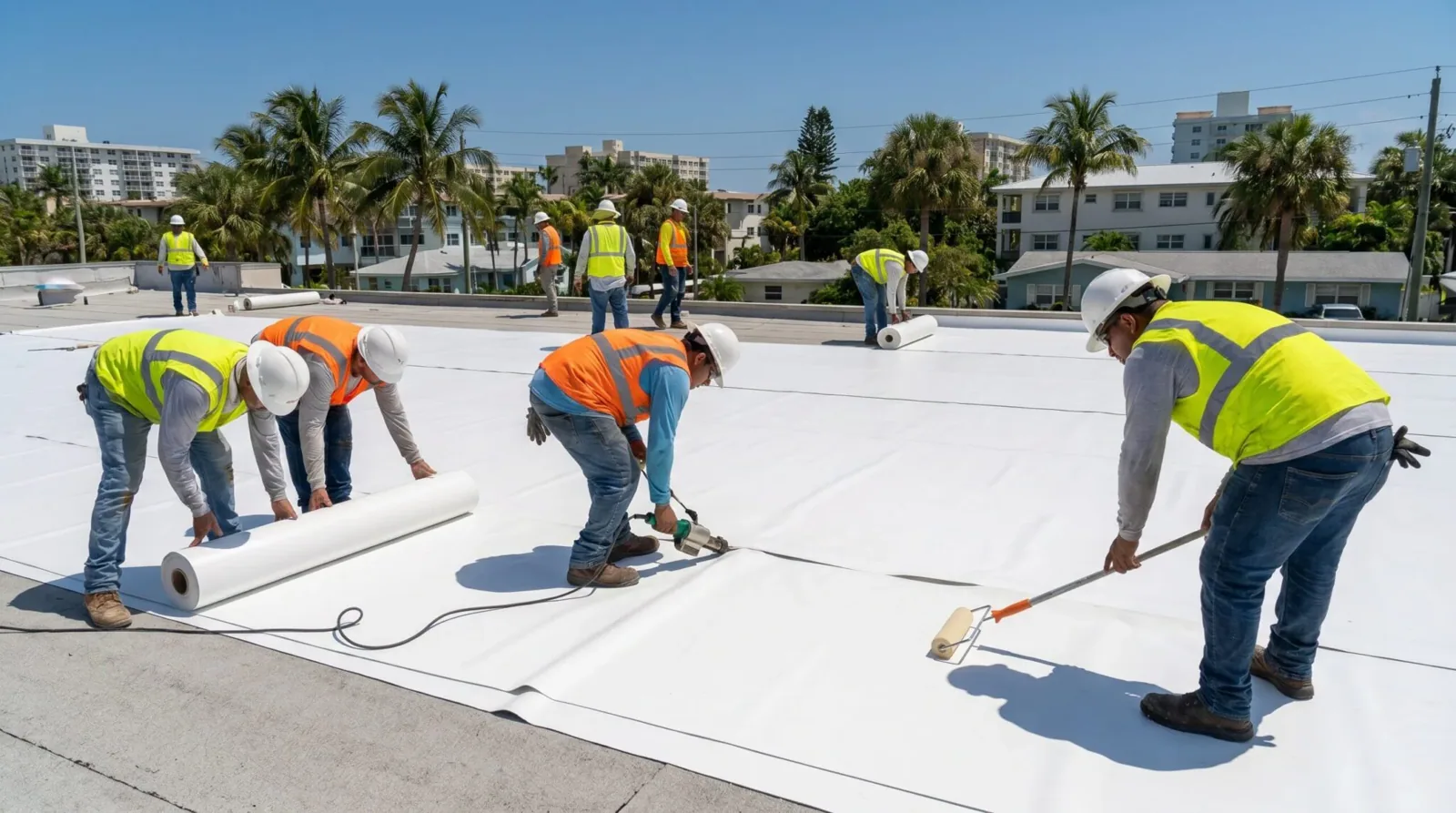
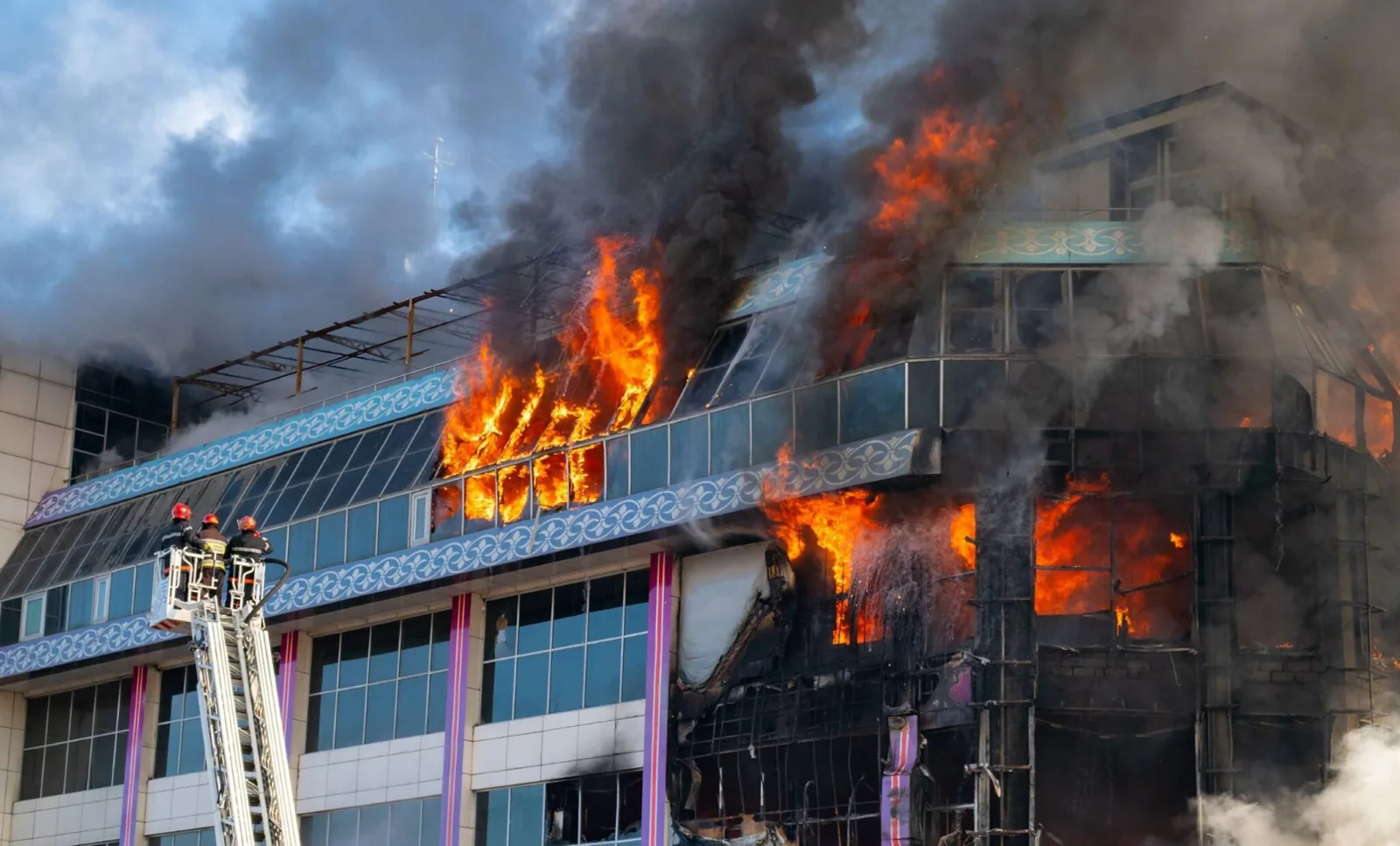
A localized defect may be repairable when adjacent materials remain serviceable. Multiple openings, wet insulation, deck deterioration or recurring failures can change the recommendation and warrant a wider evaluation. Fire and severe-weather claims need careful separation of visible impact, pre-existing conditions and concealed areas. We document the scope, access limits and any testing needed to reach a firmer conclusion. Review fire-damage repair, tornado-damage repair and heat and UV damage in that evidence-first context.
Leave a Repair Record for the Next Decision
Closeout notes should state the repaired location, materials observed, work completed and any remaining concern. Photographs with consistent section labels help a facility team compare a later leak report with the original condition. If the repair reveals broader wear, the owner can consider an inspection, maintenance plan or capital review with a defined area map. Repair records support those choices; they do not replace a new inspection after significant weather or a change in roof use.
Set Expectations While the Cause Is Reviewed
When a roof condition affects an occupied building, the site team benefits from knowing which areas were checked, whether access was limited and what observation would trigger another visit. We keep those notes tied to the inspection date and reported conditions. A later service call can then begin with a useful record instead of assuming the original symptom and current roof condition are unchanged.
Commercial Roofing Questions
Can a roof leak be repaired before the source is certain?
A temporary protective measure may be appropriate when conditions allow, but the permanent scope should follow an inspection that identifies the likely entry point, affected materials and any unresolved limits.
What happens when the roof entry point is not clear?
We compare the reported room with accessible seams, curbs, drains and transitions above it. If the path remains uncertain, the report names a targeted survey or test opening before permanent work is priced.
Can you protect active water entry outside business hours?
Emergency calls can be routed at any hour, including weekends and holidays. The visit records the affected roof area and any safe temporary measure; permanent repair follows after conditions and scope are confirmed.
What should damage-repair closeout include?
The file identifies roof sections visited, conditions observed, materials installed, photographs, approved changes and remaining limits. It separates temporary protection from completed repairs and notes any follow-up inspection.
Share the property address, leak location, roof access contact, recent work records and any interior photographs. We will inspect the defined areas and document repair options and open questions.
Document the Damage and Define Next Steps
Share the property address, leak location, roof access contact, recent work records and any interior photographs. We will inspect the defined areas and document repair options and open questions.