
Distribution Center Roofing in Gainesville, FL
Plan Gainesville distribution center roof repairs around freight schedules, dock access, drainage, storm exposure and verified roof conditions.
Property Types We Roof: Distribution Center Roofing
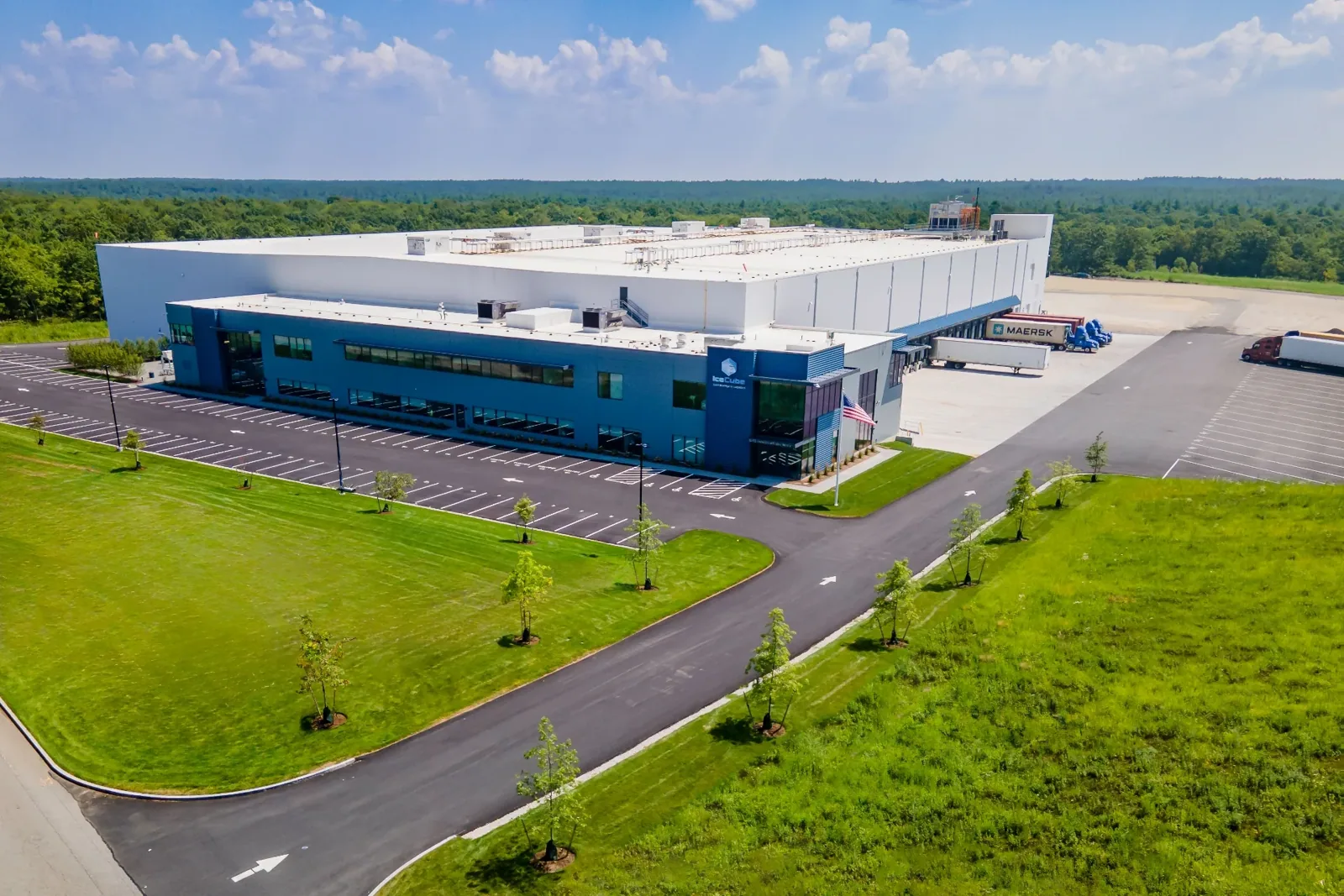
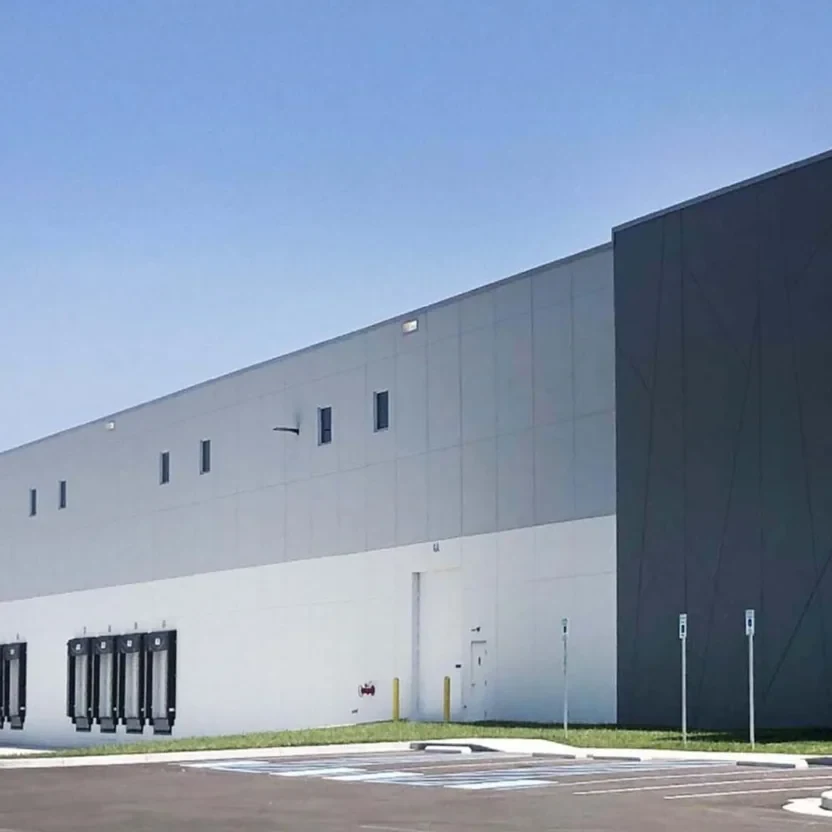
Distribution operations set the roof repair schedule as much as weather does. We confirm truck arrivals, dock turnover, stored goods, the affected roof zone, and the equipment access route. In Gainesville, FL, heavy rain and frequent thunderstorms make drainage and edge attachment useful inspection priorities, but the field condition sets the scope. The Progress District in Alachua includes major distribution activity, while Gainesville's Airport Industrial Park sits within the airport road network. Each property needs its own roof plan, records, and operating contact.
Dock Activity and Roof Zones
A leak over a dock door can interrupt unloading; water above racking can put cartons, controls, or conveyor equipment at risk. We ask the facility contact to mark the interior location and identify shifts, staging lanes, and inventory that need protection. On the roof, we trace the path from that point to seams, penetrations, drains, and perimeter details. A roof plan lets the team separate one affected section from a distant repair or service penetration.
Alachua's Progress District combines life-sciences and technology employers with regional freight activity. A Progress District property needs a confirmed delivery route, truck schedule and roof contact before staging.
Gainesville Regional Airport's planning area includes Airport Industrial Park, with access by Waldo Road and NE 39th Avenue. For facilities along that route, the site contact can identify gate procedures and delivery restrictions before the first visit. We document access as a project condition rather than assume a roof hatch, dock, or staging area is available. A warehouse roof assessment can also address storage needs when the building has both warehousing and distribution functions.
Inspection: Drainage, Seams, and Attachments
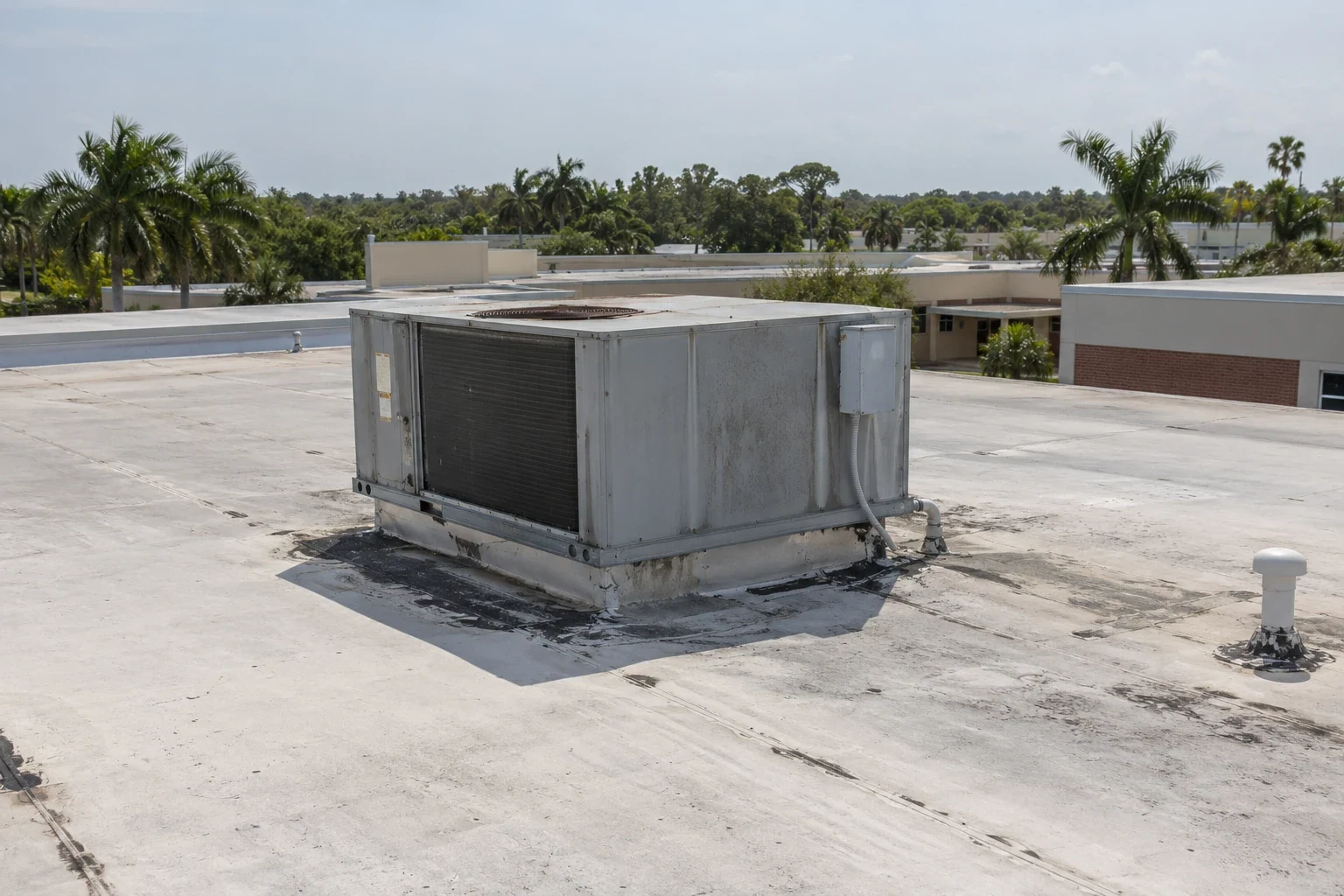
We confirm the existing system before specifying a repair. The roof may be TPO, PVC, EPDM, built-up, modified bitumen, metal, or an assembly changed by previous work. We inspect membrane seams, field patches, curb flashing, roof drains, scuppers, gutters, and edge attachment. If a service vendor recently added a support or moved a unit, we compare that work with the reported leak area. The resulting record notes visible conditions and items that need further testing.
Gainesville recorded 133 days at or above 90 degrees in 2025. Extended heat can affect exposed membrane, sealants, and metal details, while intense rain tests the drain path and low spots. We check for open laps, brittle or displaced flashing, blocked strainers, loose perimeter metal, and standing water after the rest of the roof has drained. An existing TPO system gets compatible welded repairs; metal and other assemblies require their own fastening and flashing details.
Where the interior location does not match the nearest visible defect, a moisture survey or test opening can show whether insulation is wet and how far the issue extends. Infrared readings are a way to choose inspection points, not a substitute for an opening when confirmation matters. A moisture survey can guide the next check, and a drainage correction can address outlet or slope conditions in its own measured area.
Scope: Repair, Recover, or Replace
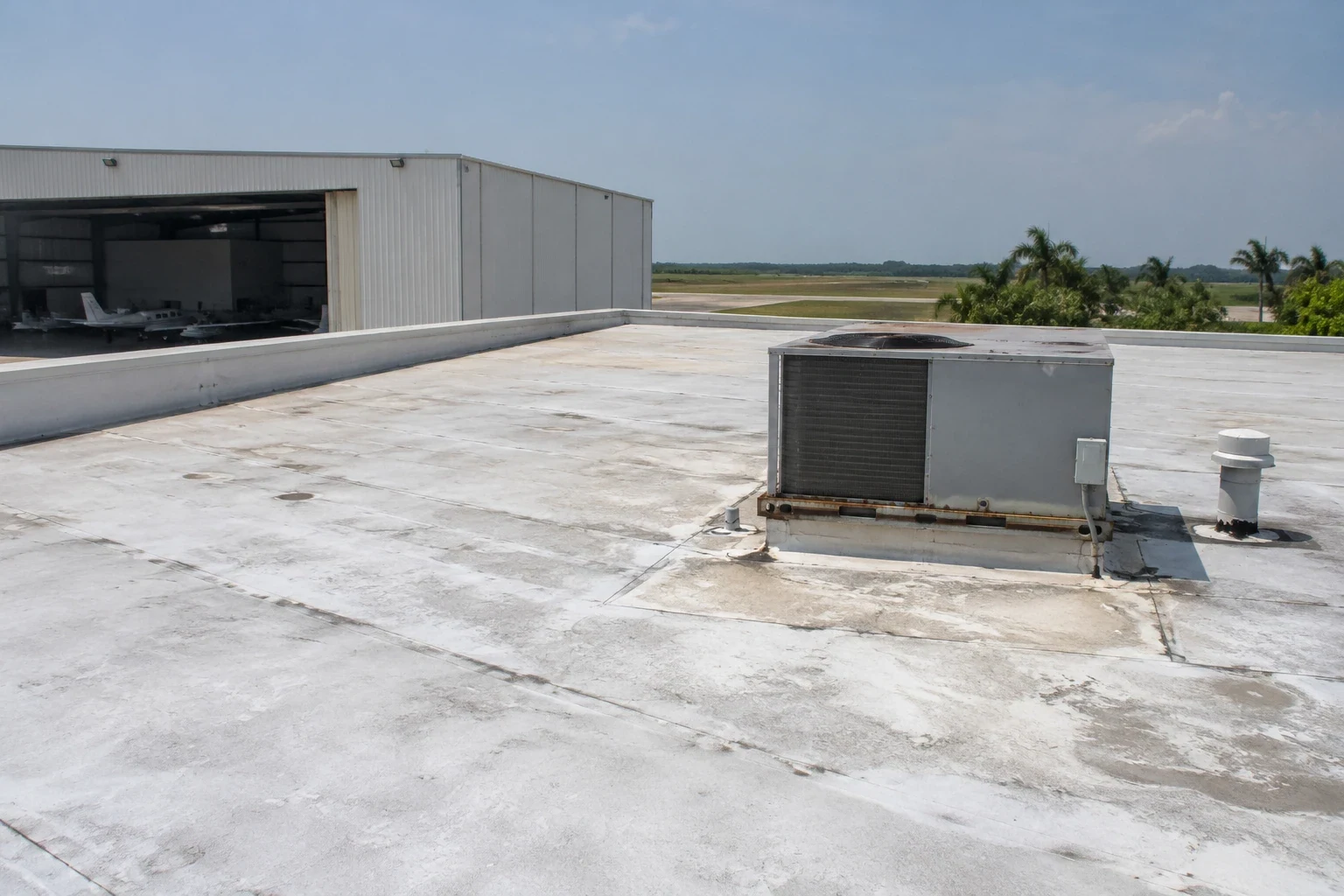
Repair quantities depend on the roof section, wet materials, deck condition, system type, access, and the area that must stay operational. A single seam or flashing failure may be handled locally if adjacent materials remain sound. If test openings show wet insulation across several bays, we mark the removal boundary and include replacement layers in the proposal. The owner receives separate quantities for confirmed work and any allowance that depends on conditions hidden beneath a closed assembly.
A recover can reduce tear-off when existing layers are dry, secure, and suitable for another assembly. That choice still has to work at drains, doors, curbs, and edge heights. For a facility that holds temperature-sensitive goods, a cold storage roof review can account for vapor control and the building's operating requirements. If the roof is broadly deteriorated, a replacement plan can compare phased work with repairs that leave serviceable sections in place.
We state which docks or interior zones need protection, how roof sections will be isolated, and where temporary dry-in could affect the schedule. Cost and duration turn on material quantities, tear-off, deck repair, equipment handling, staging, weather, and access. The scope should show those drivers plainly so the owner can coordinate procurement and shift coverage before the crew arrives.
Sequence: Keep Freight Moving
Work can be sequenced by roof zone, dock bank, or building phase. The facility contact identifies peak receiving periods and restricted lanes; we coordinate roof access and material delivery around those constraints. If equipment must be lifted, the lift location and swing area should be reviewed with site staff. Inside, temporary protection can be placed below active repairs, with aisles or inventory moved only where the roof opening requires it.
Thunderstorms can change the day's roof plan quickly. We monitor conditions before opening the assembly and keep materials ready to close the section if rain approaches. The work sequence includes a secure stopping point, clear drain paths, and a site handoff when equipment or access areas are returned. Emergency response is available outside normal business hours, including holidays, when active water threatens inventory or building operations. We stabilize first, then schedule a permanent repair based on inspected conditions.
After a storm, storm follow-up can document new openings, displaced metal, debris impact, or drainage blockage. The report distinguishes storm observations from older wear when available evidence does not establish when a defect began.
Closeout: Give Operations a Usable Record
The closeout record lists the areas repaired, materials installed, test openings closed, drains checked, and any remaining conditions. Photos tie each item to a roof plan and an interior zone such as a dock, staging lane, or storage aisle. A facilities team can use that record to manage the next inspection and understand whether a later leak falls inside or outside the repaired boundary.
A maintenance interval can be planned around seasonal rain and the facility's busiest shipping periods. For a Gainesville distribution center visit, send the address, building use, roof records, active leak areas, site contact, loading restrictions, and preferred access window. We will inspect the roof section and provide a measured scope that fits the operation and verified conditions.
A distribution roof has to fit the dock schedule below it. We identify trailer paths, loading canopies, fire access, and the safest lift position before bringing material to the work area. A drain correction may be simple on the roof and disruptive at a busy door if the staging plan is wrong. We separate roof access from yard circulation and set each work window with the operations contact. The closeout marks drains, seams, edge details, and any test area by roof section, giving the facility team a usable record for the next inspection.
Frequently Asked Questions
Can roof work happen while trucks continue to use the docks?
The plan can often keep dock activity moving by sequencing roof zones and arranging deliveries around the freight schedule. We need the site's restricted lanes, shift changes, and lift requirements before finalizing access.
How do you limit risk to products stored under a roof repair?
We map the interior location and identify sensitive inventory before opening the roof. Temporary protection, aisle restrictions, or moving goods may be needed depending on the size and position of the active section.
Does a moisture scan establish how much insulation to replace?
A scan can point to areas for confirmation. Test openings establish what is present at each location, and the scope records the confirmed removal boundary separately from areas that remain untested.
What should a distribution center send before inspection?
Provide the roof plan, leak locations, dock schedule, site access rules, prior repair notes, and the facility contact. Those details help us select an inspection route and protect active operations.
Related Roofing Work
Schedule a Gainesville Distribution Roof Review
Send the address, building use, roof records, leak areas, loading restrictions, site contact, and access window. We will inspect the roof and prepare a measured scope around freight operations.