
Commercial Roofing Along the Clark Butler Boulevard Corridor, Gainesville, FL
Commercial roofing on Clark Butler Boulevard in Gainesville. Plan an inspection, repair or renewal with access and operating needs in view.
Service Areas: Clark Butler Boulevard Corridor
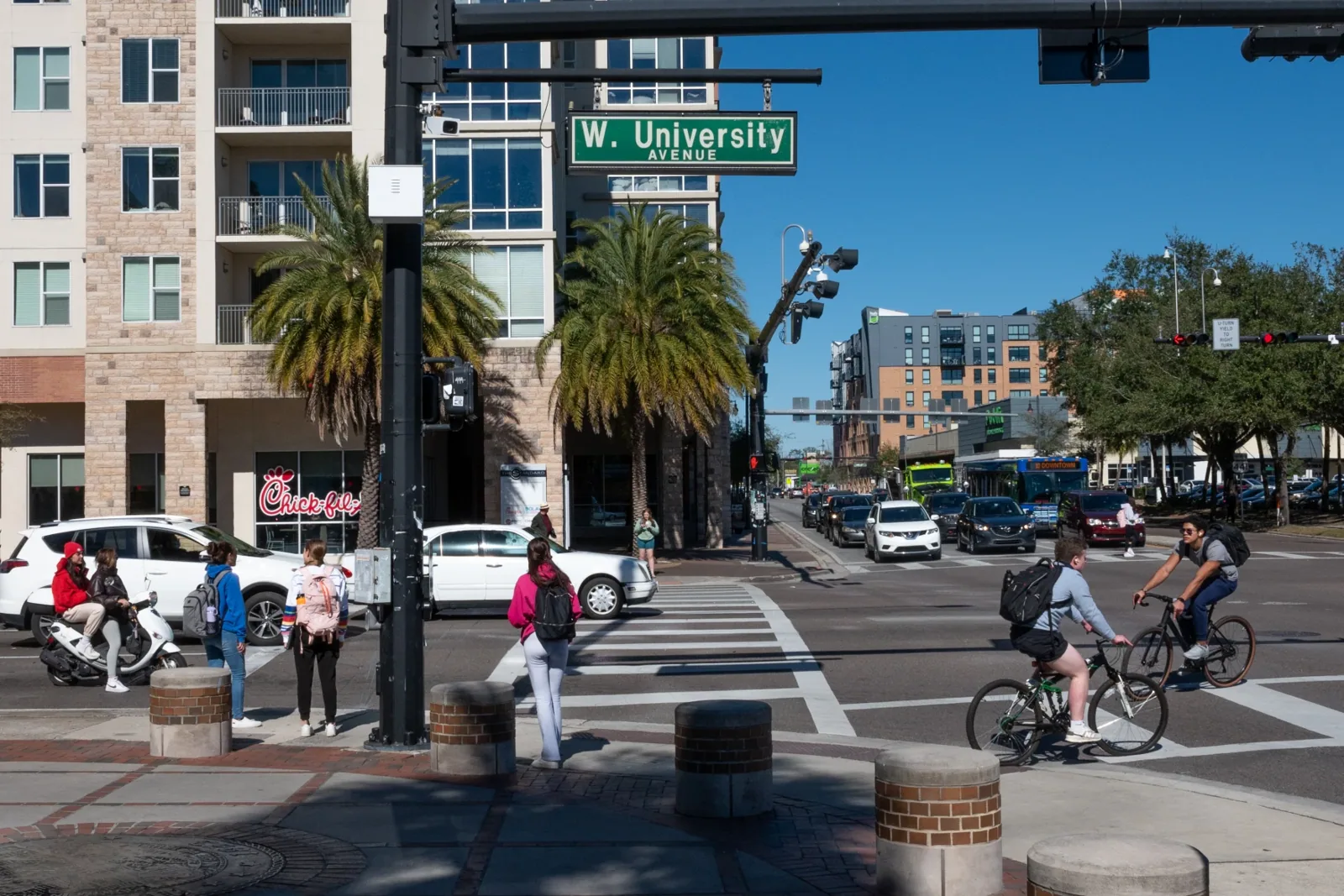
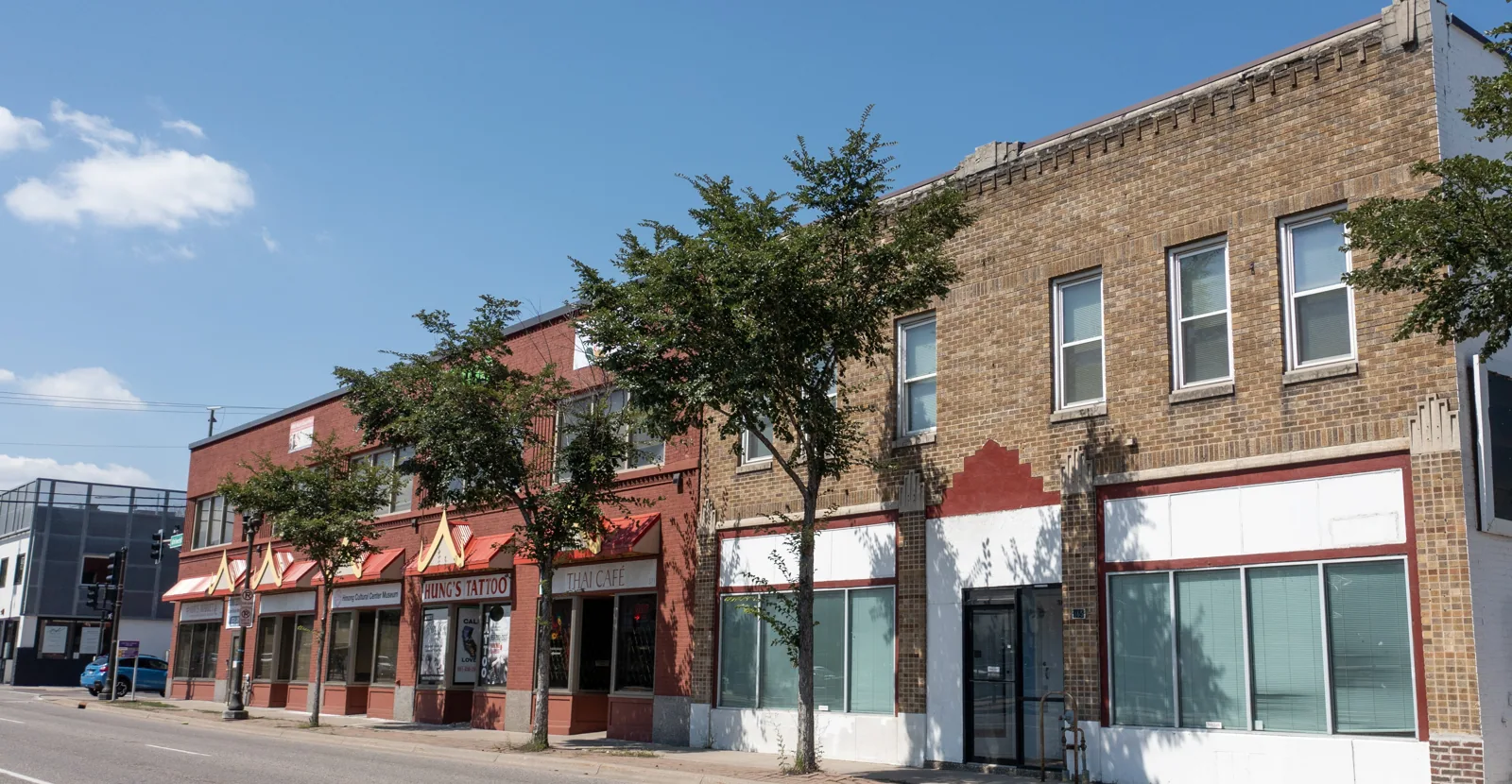
Commercial buildings along Clark Butler Boulevard need roof decisions based on each property's assembly and operating needs. We start with the address, reported water entry and site contact, then check the roof in defined sections. Clark Butler Boulevard serves retail, dining and service properties in southwest Gainesville, while the SW 62nd Boulevard Connector links the route with the southern end of SW 52nd Street. This corridor context helps with orientation, but delivery timing, lift placement and roof access still need confirmation at the specific building. We record membrane or panel type, drain routes, curbs, seams and edges before setting a work boundary. A commercial roof inspection turns those observations into a documented condition record.
Inspect: Map Runoff and Roof Transitions
We begin above the reported leak or visible damage and expand the inspection to nearby seams, penetrations, equipment supports and drainage points. On a membrane roof, the review follows welded or bonded laps, flashing terminations and repair edges. On metal, we look at panel joints, fasteners, sealant condition and movement at transitions. We note where a roof section meets a wall or a lower plane, because water can collect or change direction at those details. If the leak path cannot be confirmed from the surface, a moisture survey or opening can test what lies below.
Alachua County's Idalia summary for August 30, 2023, reports gusts of 40 mph at Gainesville Regional Airport and 45 to 51 mph at nearby stations. That regional event context makes a post-storm check of roof edges and transitions useful; the site inspection establishes what moved. We document how each section drains, compare the field with prior repair records and mark areas that could not be reached. A repair scope can then distinguish a blocked path, damaged outlet or membrane detail from adjacent conditions that remain sound.
Identify: Confirm Which Areas Share a Roof
The district's retail and dining area is distributed across multiple properties, and a request can involve one tenant space, a shared roof or an entire building. We ask the owner or manager to clarify the lease boundary, common area and party responsible for approving the work. The field plan marks the surveyed area, roof access point and any adjacent section that was visible but not included. That distinction matters when leaks appear near a tenant demising wall or a drain serving more than one suite.
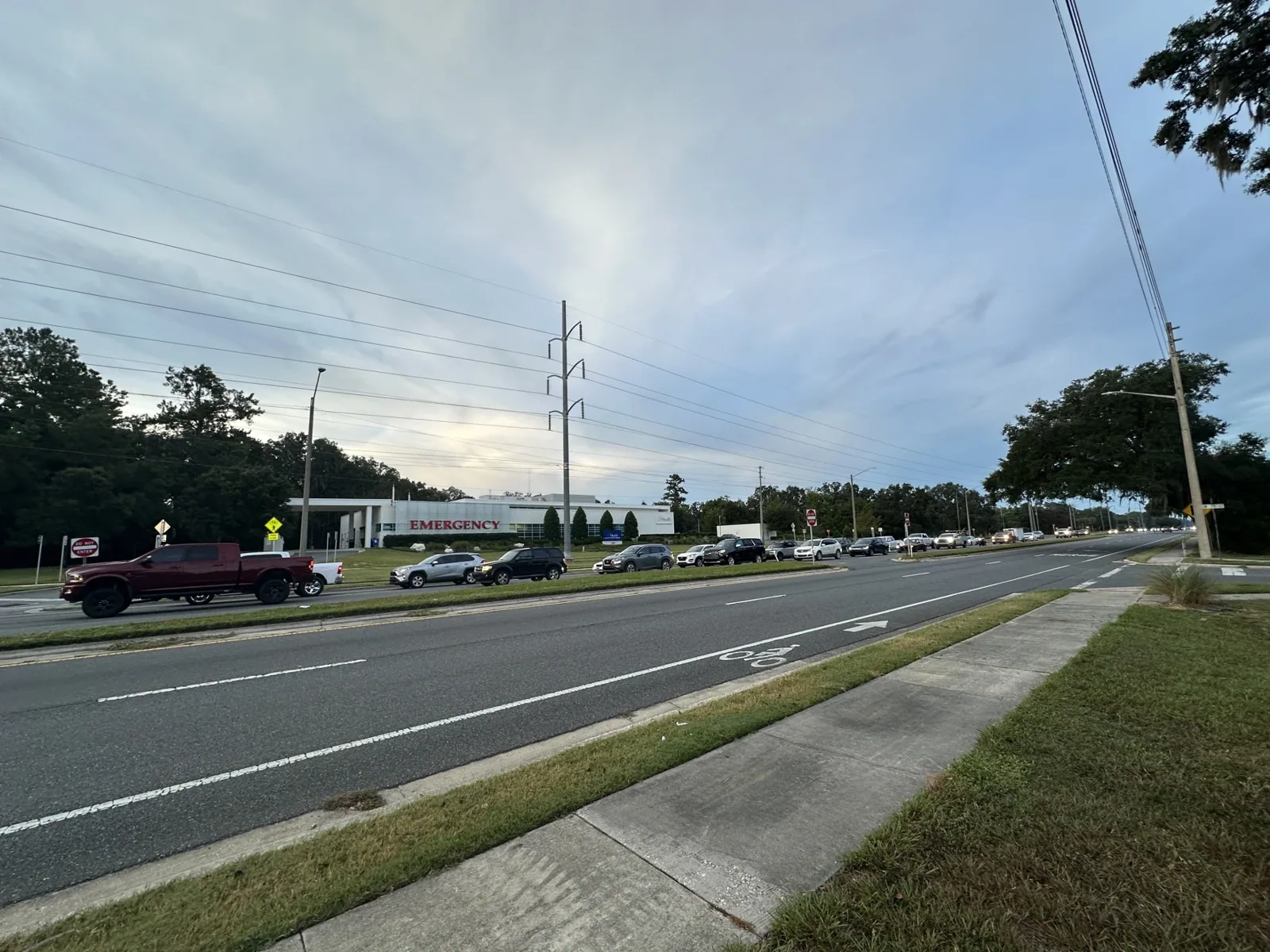
Clark Butler Boulevard is a four-lane route through a commercial part of southwest Gainesville, and nearby retail areas include customer paths, deliveries and transit connections. Those features can affect staging and pedestrian routing, but the property's contact confirms the actual work access. We identify lease or common-area boundaries, loading activity, rooftop equipment and restricted hours before setting a repair scope. The field plan marks the surveyed roof, access point and any adjacent area that was visible but not included. A nearby roof receives its own address, map and inspection findings.
Compare: A Local Repair or a Larger Renewal
One puncture, open seam or failed penetration can often be addressed within a defined area when adjacent material is sound. Repeated repairs in separate roof sections, persistent moisture or a deteriorated substrate can point toward replacement or another larger scope. We record the evidence that supports the recommendation and identify tests that could change it. A recover review also considers existing layers, attachment, edge height, drains and transitions; the proposal should show how those elements will work after added material is installed.
We can compare a targeted repair, recover assessment and full replacement using the same marked sections. Cost and timing depend on system type, preparation, wet insulation, deck repair, roof access and any work-hour limits. A clear scope separates the confirmed work from an optional test opening or concealed condition. If material staging is restricted, the schedule accounts for smaller deliveries and phased work rather than assuming the whole roof can be serviced at once.
Schedule: Work Around the Site
Before mobilization, the site contact confirms when a crew can enter, where materials can be staged and which routes must remain open. We coordinate lift or ladder placement, rooftop equipment clearance, tenant notices and any interior protection. The sequence can be set by roof section to keep the work area legible for property staff. Each shift ends with edges and open details secured against weather, and the next day's boundary is reviewed if access or conditions change.
The SW 62nd Boulevard Connector improves movement among southwest Gainesville's commercial centers. For roof work, we use the route context to plan arrival, then confirm delivery timing, lift placement and pedestrian controls with the site contact. A phased work plan records the access window, roof section and daily communication contact.
Road traffic and site access are related but not interchangeable. A map can show the corridor a building fronts, while only the manager can confirm loading areas, roof hatches, tenant routes and hours when a lift or material delivery is allowed. We record those details before mobilization, then keep the daily work boundary visible to the people operating the building.
Close Out: Set the Next Inspection Point
The final record includes photographs and a roof plan that identify completed repairs, details inspected and conditions outside the approved work. We note the assembly observed, material used where known, drain and edge details addressed, and any area that needs a return visit. The property contact can use that closeout to distinguish a permanent correction from temporary weather protection and to keep future leak reports tied to a particular section.
A separate property along the corridor begins
For a multi-tenant roof, the first useful split is often the building and lease boundary, not the visible stain. A manager can identify whether the affected suite sits beneath a shared membrane, a separate addition or a roof area maintained by another party. We label those sections on the sketch, then compare the reported interior location with drains, parapets, curb flashings and nearby repairs. If several suites report water after the same storm, the inspection can trace whether they share a drainage path or a common transition. That keeps a repair proposal tied to the roof condition instead of assigning responsibility from the room where a stain appeared.
Retail and restaurant operators may need a narrow work window around deliveries, customer entry or kitchen ventilation. The property contact can identify which access doors, loading lanes and rooftop units must remain available. We stage tools and materials for the authorized section, protect pedestrian routes, and sequence noisy or open-roof work around the agreed window. If the roof spans multiple tenants, notices can explain the work area and expected interruption without implying that each tenant has a separate roof. The final record names the sections inspected and the details that remain for monitoring.
Nearby work can also involve southwest Gainesville commercial centers or the SW 62nd Boulevard corridor. For a shared retail roof, a shopping-center roof assessment can separate common areas from tenant limits.
Frequently Asked Questions
Where can materials and lift equipment be staged?
The property contact identifies an approved loading point, pedestrian routes, delivery restrictions and roof entry. We record those details before scheduling work along the corridor.
Can a leak affecting one tenant be scoped separately?
Yes, when the roof detail and responsibility boundary can be identified. We inspect the reported area and adjacent seams, flashing and drain paths, then mark which section is included. Shared drains or transitions are noted before assigning the repair boundary.
What local weather should be considered in a roof assessment?
Heat, heavy rain and wind are useful Gainesville context. We document the actual drain performance, edge attachment, seam condition and moisture at the property, then recommend testing if the assembly hides a suspected problem.
How can we compare repair with replacement?
We use the same marked roof plan to show confirmed defects, moisture findings, repair history and areas not tested. The comparison identifies preparation, access assumptions and concealed conditions that could affect each option.
Related Roofing Work
Arrange a Clark Butler Boulevard Roof Inspection
Send the Gainesville address, building use, roof records, leak locations, site contact and work window. We will inspect the defined sections and document repair, recover or replacement options.