
Commercial Roof Repair in Gainesville, FL
Repair commercial roof seams, flashing, drains and punctures in Gainesville with a mapped scope, verified materials and a closeout record.
Commercial Roofing Services: Commercial Roof Repair
On an occupied building, a repair has to stop the defect without creating a second problem at the next seam or drain. In Gainesville, FL, we inspect the reported area, trace how water or wind reached it, then mark the repair boundary on the roof plan. Gainesville had 104 thunderstorm days and 82 heavy-rain days in 2022, a pattern that makes a post-storm inspection useful when new water appears. On a Downtown Gainesville property, the site contact confirms access while the roof itself still needs an assembly-specific repair. We document what is visible and what requires testing before work begins.
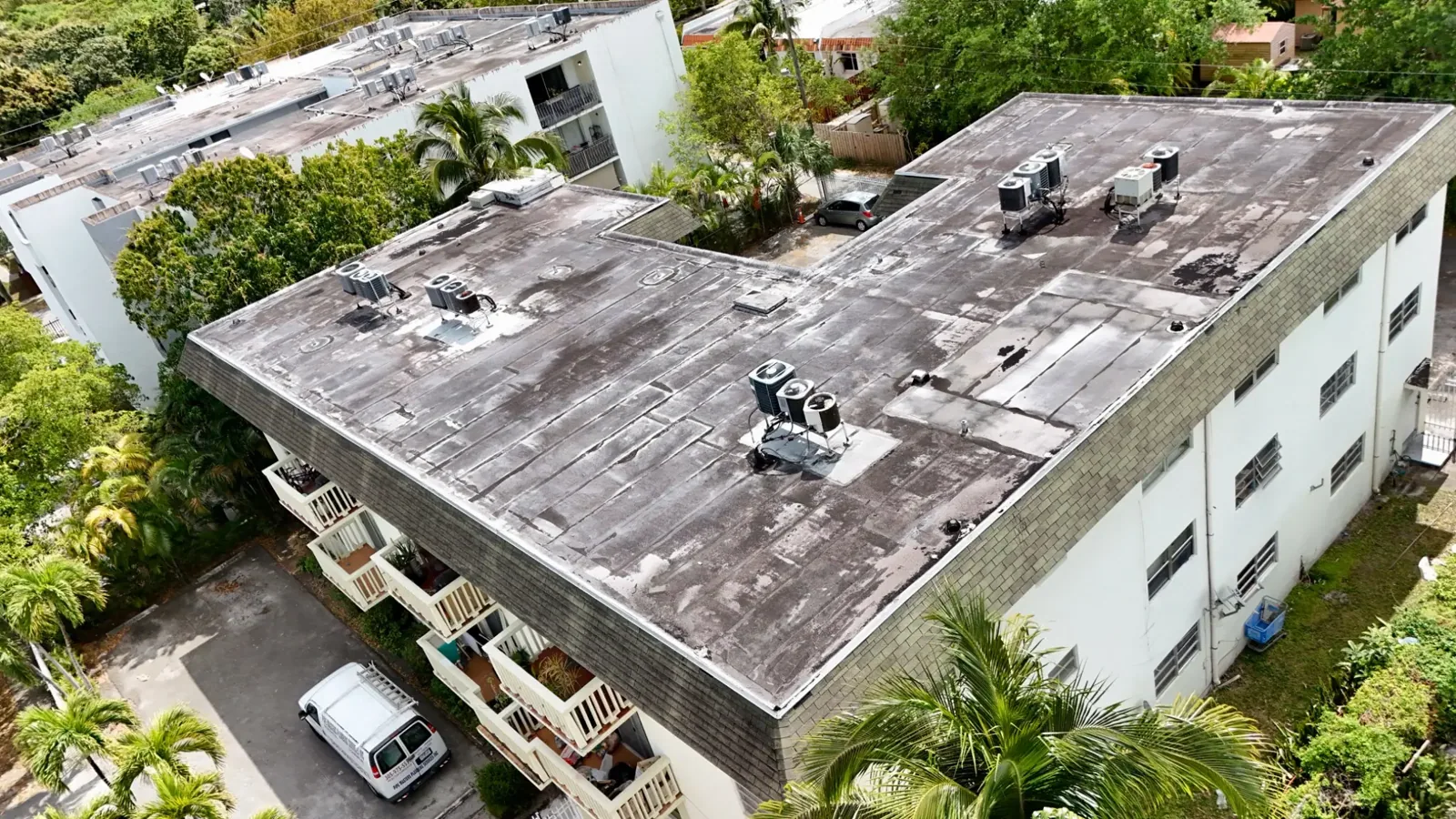
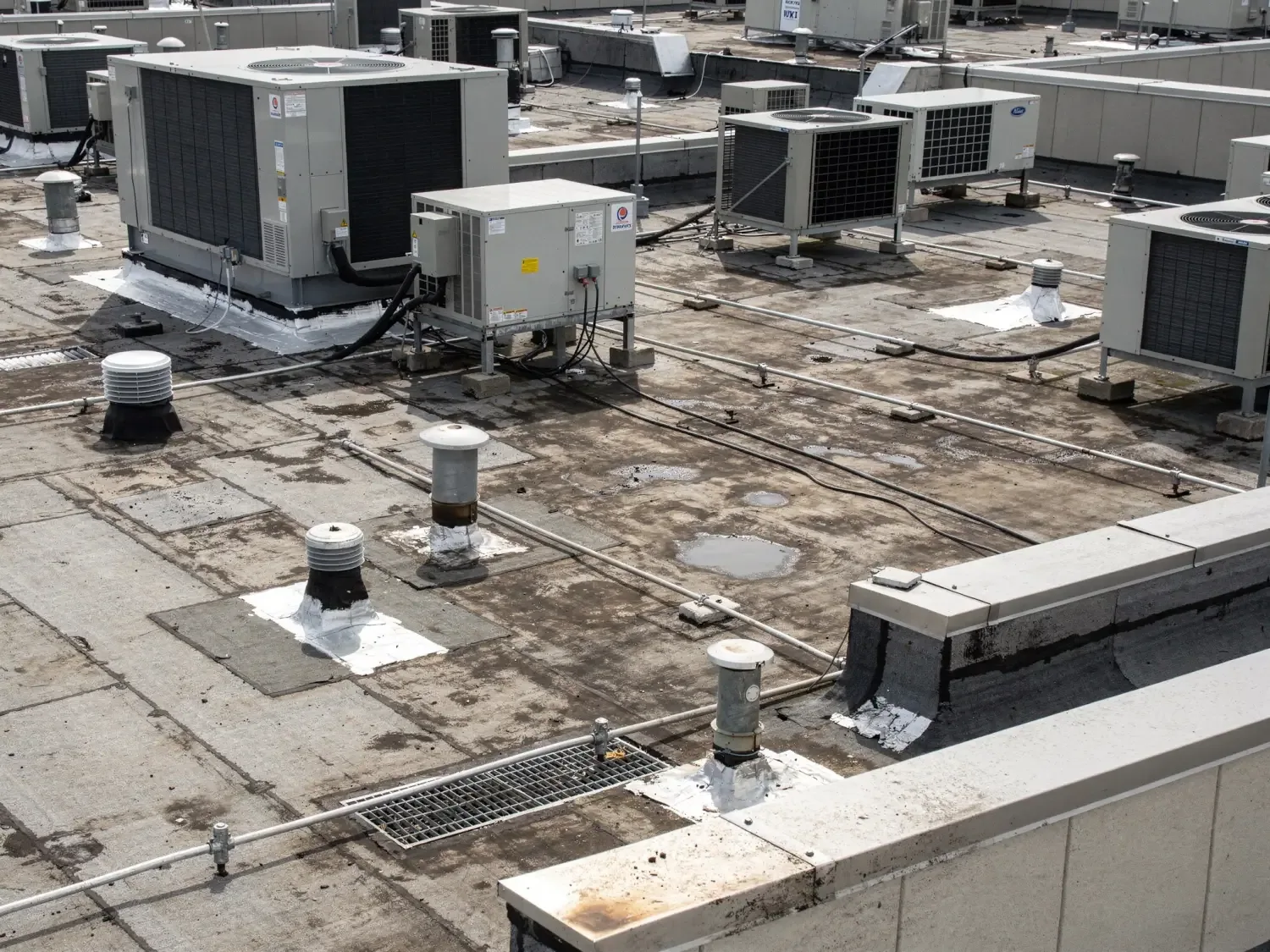
Inspect: Trace the Defect to a Repairable Detail
A leak near a drain may come from a split membrane, a loose clamping ring, a failed seal or water tracking from another penetration. At the perimeter, movement can open a seam or flashing transition even when the field membrane looks sound. We follow the water path, check adjacent details and record the condition by roof section. If the substrate feels soft or the repair area is larger than it appears, we may need a test opening to learn whether wet insulation sits below the surface.
Gainesville recorded 82 heavy-rain days in 2022. After water intrusion, we inspect drain bowls, scuppers, and low points, then trace the building’s actual water path. A leak investigation is useful when water has reached the interior and the entry point is not yet clear; a planned repair begins once the failing detail is identified.
Repair: Match the Material to the Existing System
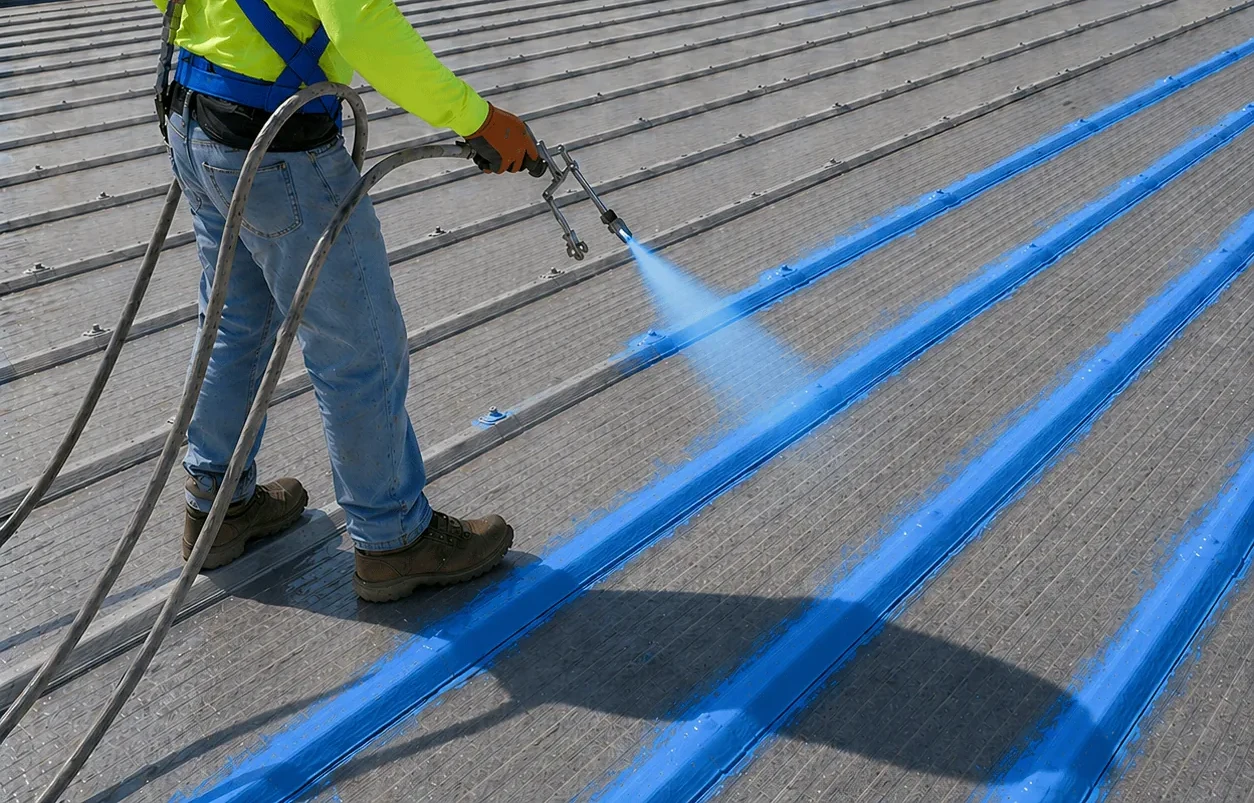
Repair materials need to work with the roof already installed. We identify whether the surface is TPO, PVC, EPDM, modified bitumen, built-up roofing, metal or a coating, then select compatible patch and flashing details. Cleaning and preparation matter: dust, oxidation, moisture or old incompatible sealant can keep a patch from bonding. We remove loose material, prepare the surface, restore the seam or penetration detail and check that the repair integrates with sound surrounding material.
The edge of a patch should not become the next point of failure. On a membrane roof, that means following the manufacturer's system details for welding or approved adhesive and reinforcing the transition where needed. On metal, we check panel laps, fasteners and flashing movement rather than covering a loose connection with sealant alone. An EPDM roof needs a repair method suited to its membrane and weathered surface; other systems call for different preparation. If multiple defects or wet areas appear, we can compare a recover option or replacement scope against continued spot repair.
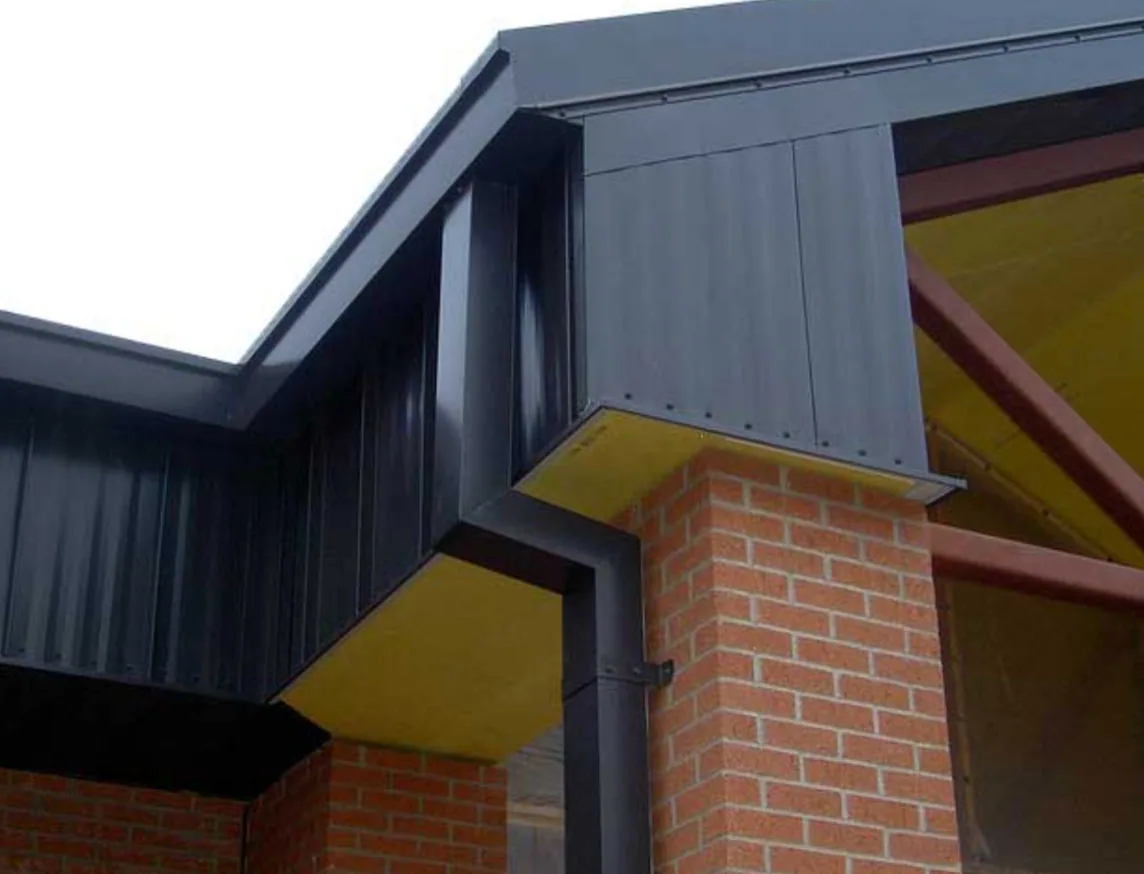
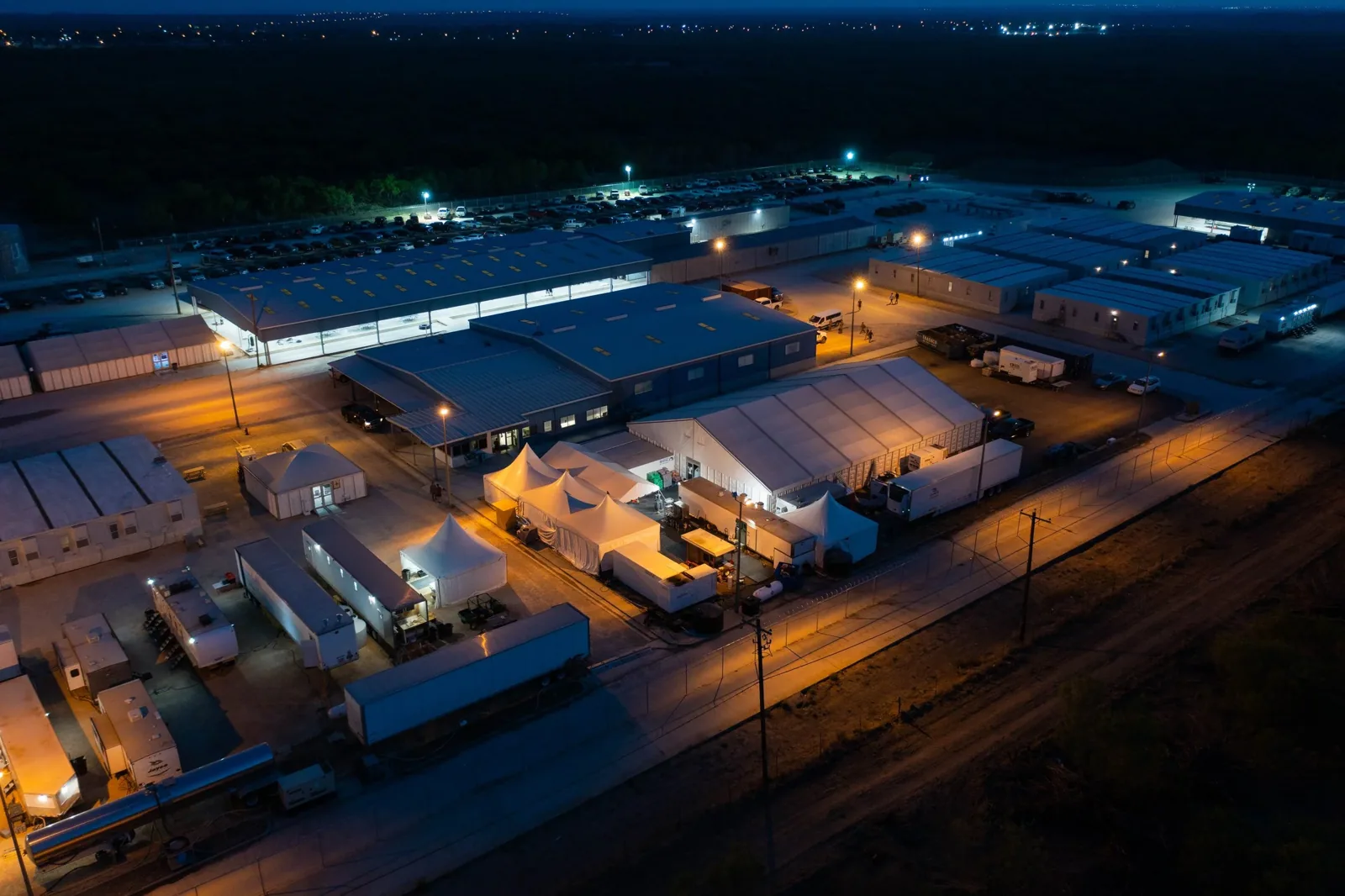
Coordinate: Protect Occupants and Interior Work
Before the crew moves materials onto the roof, we confirm access, occupied areas, equipment clearances and the site contact. Repair work may need an access window that avoids deliveries, patient traffic or tenant activity. We mark the work area, protect routes beneath it where practical and notify staff if a temporary interior measure is needed. For a retail property, the schedule may need to preserve loading and customer access; for a laboratory or medical facility, sensitive equipment and room use may control the sequence.
Temporary dry-in is different from a permanent repair. If rain is approaching, we identify how the temporary protection will be secured and who will confirm its condition. The permanent scope follows after surfaces are dry and the underlying detail can be prepared correctly. Gainesville's 2023 Idalia impacts included wind gusts measured at the regional airport and nearby stations, along with downed trees and outages across Alachua County. After a storm, we photograph damage before moving debris where safe and note which conditions need a second inspection. For broader wind issues, wind damage assessment can be coordinated with the roof repair.
Compare: A Patch, a Section or a Larger Scope
One failed seam may call for one repair. Repeated splits across an area, loose edge attachment along a long run or recurring moisture can point to a broader roof section that needs work. We separate confirmed defects from suspected conditions and state what additional testing would resolve. A repair scope should identify the material and detail being corrected, the adjacent area inspected and the limits of what the crew can verify without opening the assembly.
Cost and timing depend on roof access, system type, surface preparation, hidden wet material and whether the repair can be completed in one access window. We tell the owner which items are included and what would change the scope if the field condition differs. When recurring defects are tied to aging components, repair can remain a reasonable short-term measure while capital work is planned. A condition report organizes photos, locations and open questions so a facility manager can compare this visit with the next one without treating every patch as a separate story.
Close Out: Record What Was Corrected
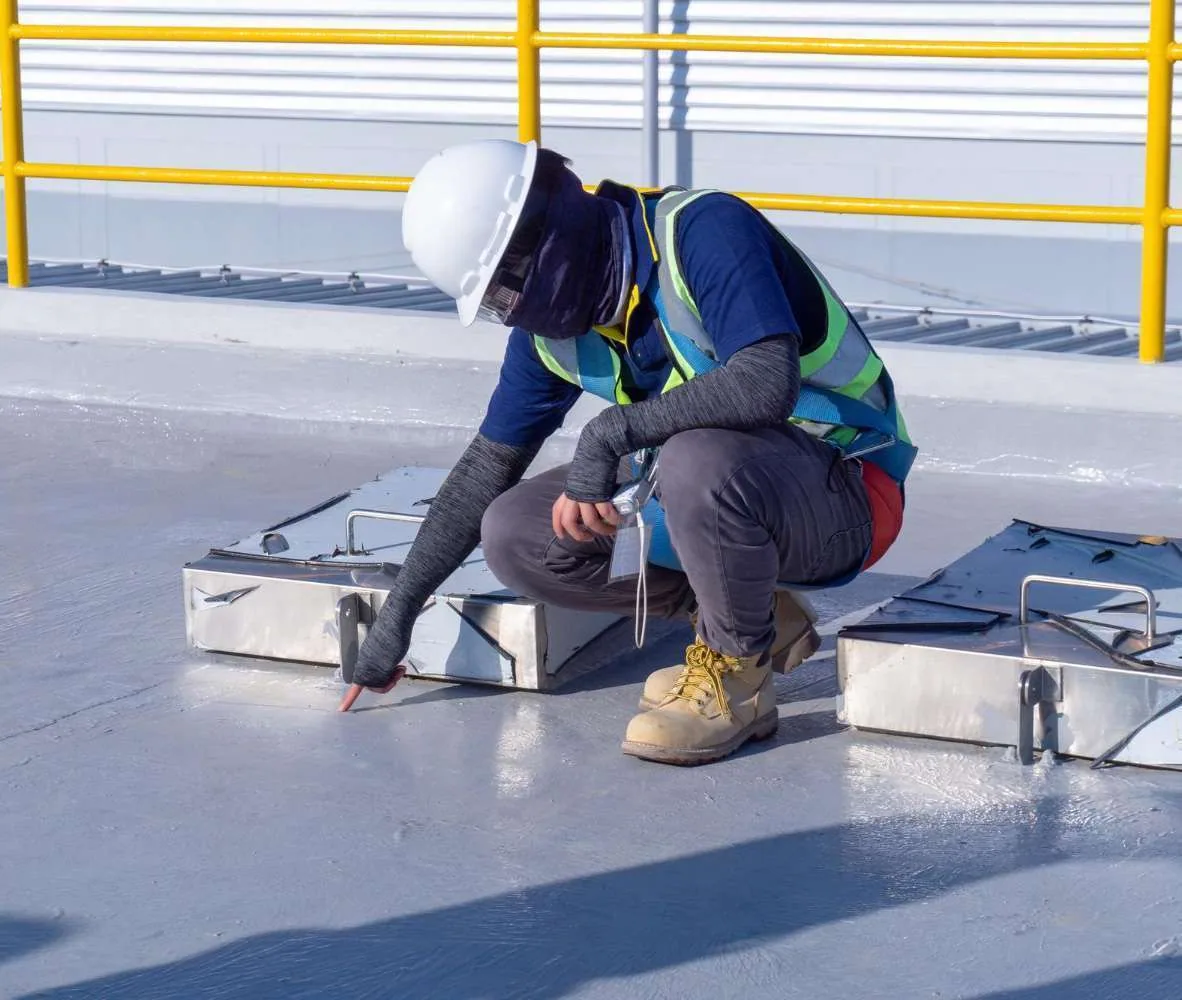
After a repair, we photograph the finished detail and identify its location on the roof plan. The closeout notes the system observed, material and method used, adjacent conditions checked and any follow-up item. If the repair was temporary, the record says so and gives the next inspection point. This makes the distinction between a permanent correction and an interim measure visible to the owner and site contact.
Routine roof checks can catch new punctures, loose flashing, debris at drains or movement at metal joints before water reaches occupied space. We can set a maintenance visit around building access and operating hours. For properties near Downtown Gainesville, the work record can also help coordinate rooftop access around the surrounding site's day-to-day use. If the defect affects more than one roof section, we review the next step with the owner before expanding the repair beyond the documented boundary.
A repair record should also preserve the condition that made the work necessary. We note the roof section, repair material, preparation and tie-in completed, then flag nearby seams or penetrations that still need observation. If heavy rain returns before the next scheduled review, the site contact can compare any new interior report with the marked roof area. That separates a recurring path from a new opening and helps keep the next visit focused.
Frequently Asked Questions
Can you repair one roof section while leaving the rest in service?
Yes, when the defect is isolated and the surrounding assembly is sound. We inspect around the damaged area, verify how the repair will tie into existing material and record the limits of the work. If testing finds moisture or repeated deterioration beyond that boundary, we show those findings separately so the owner can decide whether to add work or plan another visit.
What happens if the roof is wet when you arrive?
We first identify where moisture is present and whether surfaces can be prepared for a lasting repair. Wet insulation may need to be removed rather than sealed beneath a patch. If a temporary cover is needed to limit entry, we document it as interim protection and return when conditions allow the permanent detail to be installed. The repair record distinguishes those steps.
Can you work around rooftop equipment and business hours?
We review equipment clearances, access routes and the building's occupied areas with the site contact. The work window can be set around deliveries, tenant activity or sensitive rooms, and we agree on any shutdown or restricted path before mobilization. A repair is small in footprint only when access and preparation have also been planned.
How do I know whether a recurring repair needs a larger project?
Compare the locations and causes of repeat failures, not just the number of patches. If seams, flashing or wet areas are recurring across separate sections, we map the pattern and inspect the underlying assembly. The result may support another targeted repair, a recover assessment or a replacement plan. We explain what is confirmed and what additional testing could change the recommendation.
Related Roofing Work
Put the Repair on a Roof Plan
Send the Gainesville address, building use, leak or damage locations, roof records, site contact and available access window. We will inspect the affected detail and document the repair boundary and follow-up needs.