Commercial Roofing at Innovation Square, Gainesville, FL
Evaluate commercial roofs at Innovation Square in Gainesville with assembly, moisture, drainage and access reviews suited to active research and office uses.
Service Areas: Innovation Square
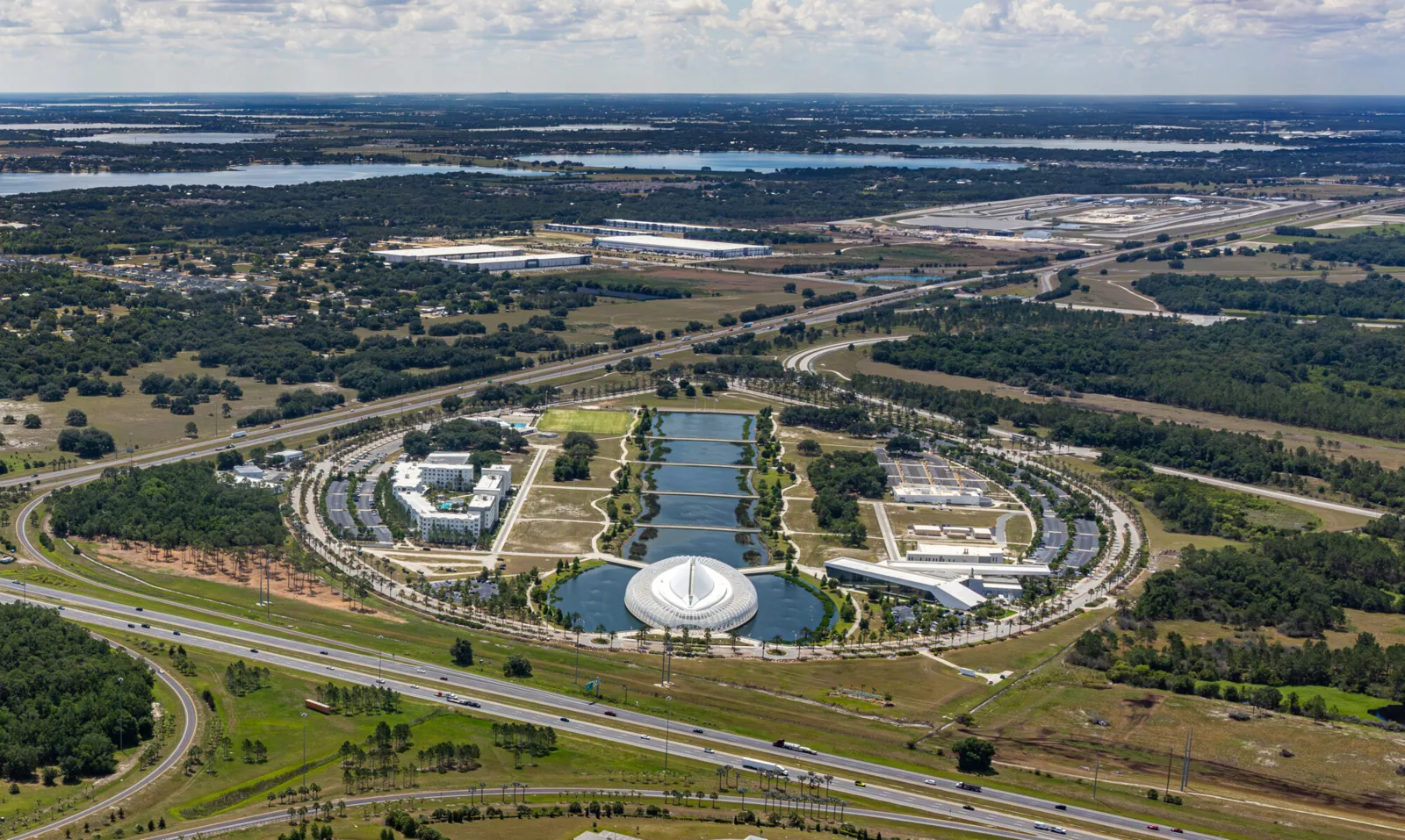
Research, office and laboratory space at Innovation Square calls for roof work coordinated with the building's occupants and equipment. The district connects the University of Florida and downtown across 40 acres, with planned offices, research, residences, retail, hotels and open space. UF Innovate's incubator includes 48,000 square feet with laboratories and collaboration areas. We start each visit with the building address, current use and roof records so research, office and mixed-use properties receive the right inspection plan. We confirm the property address, use and access contact, then inspect the roof assembly, drainage, penetrations and edges before writing a scope. A roof inspection can establish what is present and which areas need further testing.
Identify: Separate Occupancy from Roof Evidence
A research address may have controlled rooms, sensitive equipment or scheduled work that affects how roof access is arranged. We ask the facility contact to identify restricted areas, rooftop equipment, required escorts or notifications, and any hours when entry is unavailable. Once access is set, we identify the material, repairs, drains, curbs, piping and penetrations visible on the specific roof. On the roof, we identify the system we can verify, mark sections, note repairs, and record drains, curbs, piping and other penetrations against a plan.
The Florida Innovation Hub contains laboratory and collaboration space, within a district planned for offices, research, residences, retail, hotels and open space. A site contact identifies the use and equipment at the building in scope. A university roof inspection can incorporate facility coordination, and an office roof review can note tenant schedules and equipment access. Properties closer to Downtown Gainesville remain separate addresses with separate findings.
Inspect: Locate Moisture and Confirm the Assembly
We trace any reported leak to nearby seams, flashing, rooftop penetrations, equipment supports and drain paths. Water can move between layers before it appears indoors, so the interior stain is a starting point rather than a complete repair map. We photograph visible splits, loose terminations, ponding, prior patches and corrosion where present, then identify areas that cannot be confirmed from the surface. A moisture survey or selective opening can distinguish a local defect from wet insulation extending into another section.
Gainesville's 2025 climate included 133 days reaching 90°F or higher; annual precipitation reached 46.80 inches. On the inspected building, we check surface wear, seam integrity, insulation indicators and water movement. We look at surface wear, seam integrity, insulation indicators and water movement on the actual building. A moisture survey or drone roof review may help document areas that need closer access, with test openings used when the assembly itself must be verified.
Coordinate: Protect Research and Business Activity
Before a roof visit, we agree on the access window, check-in process, equipment restrictions and route to the work area. The site contact identifies research or office activity that cannot be interrupted and any air intakes, rooftop systems or pathways that require protection. We stage ladders, tools and materials only where the property permits, and confirm who can authorize a shutdown. If the inspection indicates repair work, we plan the sequence around those requirements and leave temporary protection in a defined condition at the end of each shift.
Innovation Square's research and mixed-use development links downtown with UF; roof access and work sequencing follow the property contact's operating requirements. Work at the nearby West University Avenue corridor or at a separate location in College Park and University Heights must be scoped to that address. A phased occupied-building plan records access, staging, notifications and any temporary separation between roof work and interior operations.
Compare: Repair, Recover and Renewal
A focused repair is appropriate when the observed failure is limited and the surrounding assembly can accept a compatible repair. Broader moisture, recurring defects, deck concerns or repeated leakage may require a section replacement or a full reroof. We map confirmed defects separately from suspected conditions and show whether an opening or additional survey would change the recommendation. If recover is considered, we review the number and condition of existing layers, substrate, attachment, drain height and perimeter transitions before proposing new material above them.
The owner can compare a defined repair, a recover evaluation and replacement work on the same roof plan. Cost and duration depend on assembly, preparation, wet insulation, deck work, occupied-area protection, material staging and restricted access. A proposal names the included sections and assumptions, along with conditions that would require an adjustment after testing. This is particularly useful where a research or office schedule limits the hours available for noisy work or equipment shutdowns.

Close Out: Keep a Verifiable Facilities Record
The closeout record shows which roof sections were inspected, which details were repaired, what materials were installed where verified, and which questions remain. Photos and a roof plan help connect interior reports with drains, seams and penetrations. If testing was not included or access was restricted, we state that limit plainly. A facility manager can use the record to plan the next visit without treating an untested section as cleared.
Follow-up should account for drain condition, membrane transitions, new rooftop equipment, service traffic and weather reports. We can set a maintenance visit and keep each address's findings in a roof condition record. A documented storm follow-up can distinguish new damage from earlier repairs, while planned capital work can be tied to the sections that testing confirms. This keeps decisions grounded in the building's own field evidence even as Innovation Square continues to connect research and commercial uses.
The district's research, office, housing, hotel and retail uses call for building-by-building roof planning. A laboratory or incubator tenant may have rooftop exhaust, equipment clearances or interior sensitivity that changes access and shutdown coordination. We ask the facility contact to identify those constraints, then trace the roof section's drains, curbs, seams and perimeter details. Innovation Square's planned connection between UF and downtown, and its research and collaboration space, provide useful context for locating a project, but they do not establish the construction or membrane on a particular roof. The written scope names the inspected structure, observed assembly, confirmed defects and any test opening needed to assess wet insulation. If several properties share a capital plan, separate roof records keep options and budgets tied to each asset.
Frequently Asked Questions
What should be confirmed before inspecting a research or office property?
The owner or facility contact identifies the building's current use, roof access, equipment clearances and any operating limits. We inspect that structure and keep its findings separate from nearby properties.
How do you work around restricted laboratory access?
The facility contact identifies check-in, escorts, restricted hours, equipment limits and any spaces that cannot be interrupted. We set the inspection route and work window around those requirements, and confirm the authorization contact before mobilization. Roof findings are then documented by the sections we could reach.
Can a drone survey replace a hands-on inspection?
Aerial imagery can help document roof areas and locate visible concerns, but it cannot confirm every seam, substrate or concealed moisture condition. We use drone review as one survey method and identify when direct access, moisture testing or an opening is needed to verify an assembly.
What information should accompany an active leak report?
Provide the building address, room or area affected, date observed, roof records, access contact and any restrictions on inspection. Photos of the interior condition can help us plan the visit. We then compare that report with drains, penetrations and nearby roof details and state whether the source is confirmed.
Related Roofing Work
Coordinate an Innovation Square Roof Survey
Share the Gainesville address, building use, roof records, reported leak areas, access contact and available work window. We will inspect the roof sections and document confirmed conditions, tests and next steps.