
Office Building Roofing in Gainesville, FL
Plan Gainesville office roof repair and replacement around tenant schedules, rooftop equipment, drainage, heat exposure and the building's verified assembly.
Property Types We Roof: Office Building Roofing
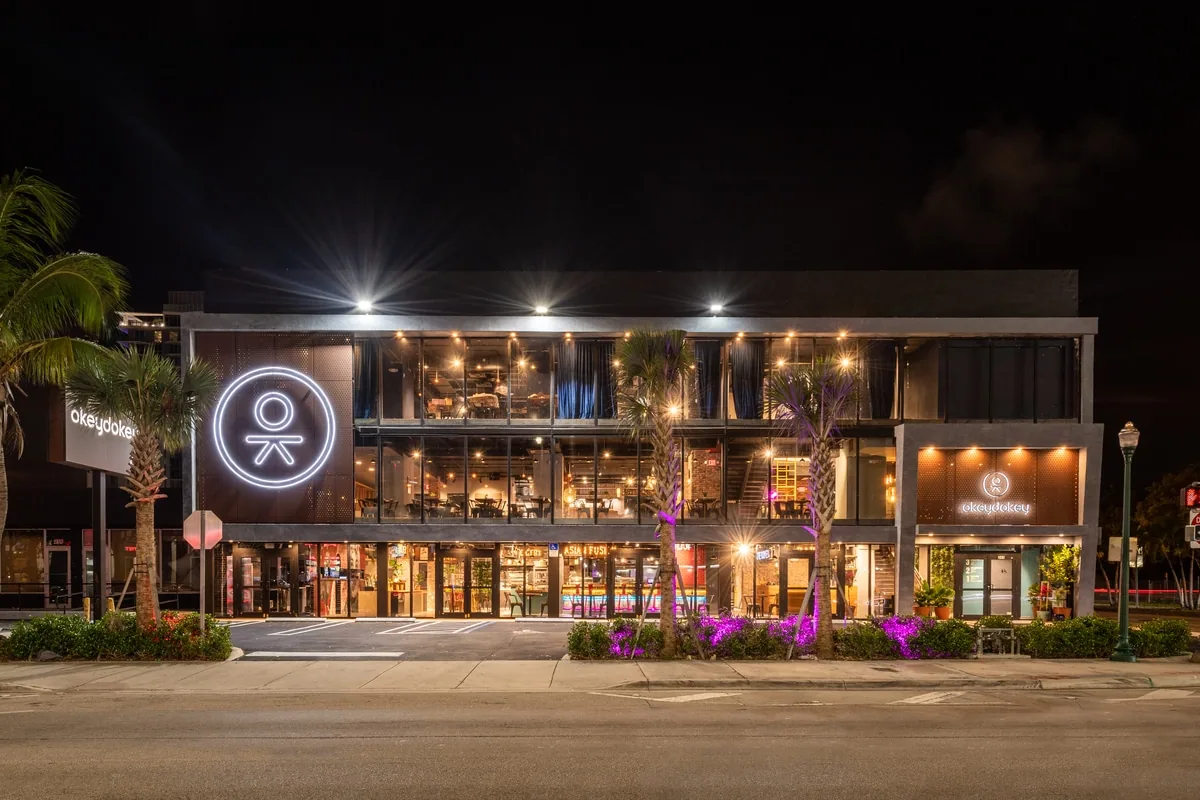
An office roof repair has to account for the people working below it. We confirm the affected rooms, tenant schedule, roof access route, and any equipment that cannot be interrupted before we inspect the assembly. In Gainesville, FL, long hot periods and heavy rain make membrane condition and drainage worth checking together. A roof plan that serves an Innovation Square research office may have different access constraints from a downtown suite building, but both need a measured scope based on the roof we can verify.
Occupied Floors and Service Access
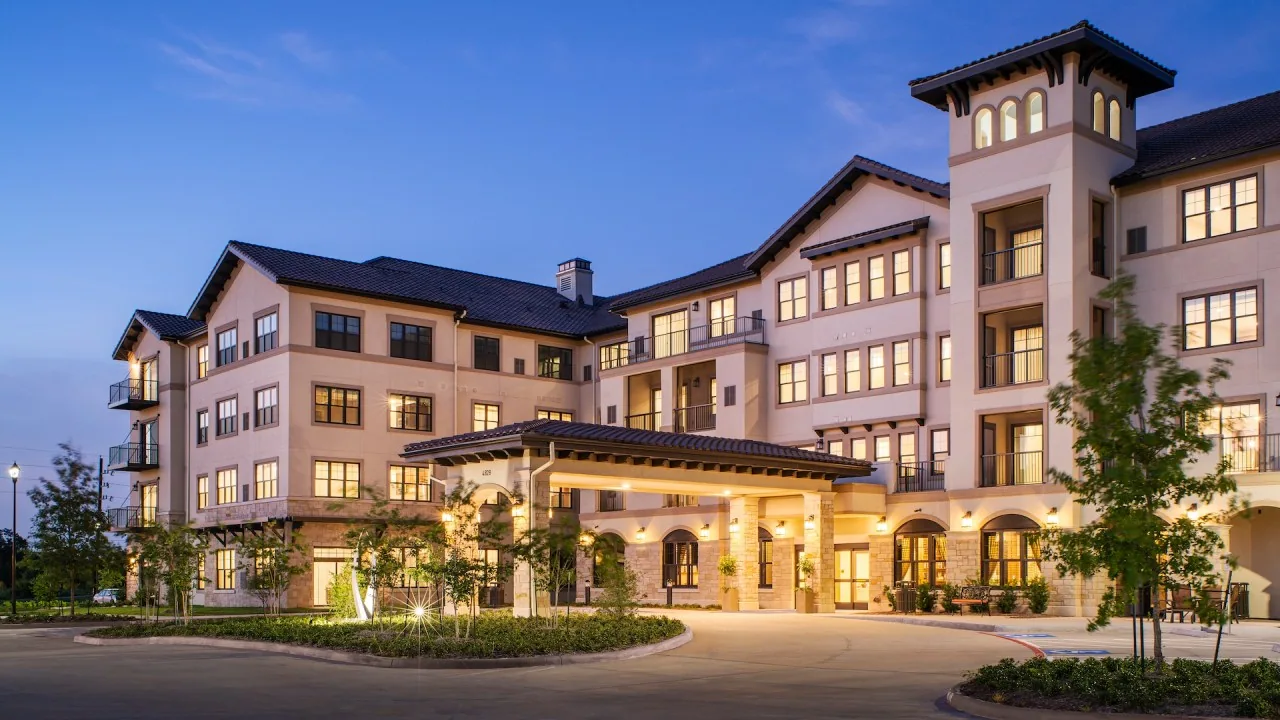
Office buildings often combine tenant areas, shared corridors, meeting rooms, server closets, and mechanical spaces. A small ceiling leak can affect a tenant before anyone can inspect the roof, so we ask for the room number, stain location, date, and recent weather. On the roof, we check seams, penetrations, curbs, drains, and perimeter flashing above the reported area. The visit record ties each finding to the building's roof plan and identifies any space below that needs protection.
For a request in Downtown Gainesville, the building contact identifies delivery windows, tenant notice requirements and any access limit before work begins. A roof visit is planned around that property's layout, not a general assumption about access.
The planned Innovation Square district spans 40 acres between campus and downtown, with over five million square feet allocated across offices, research, residences, retail, hotels and open space. That plan does not establish the occupancy or roof system of a particular building. An Innovation Square roof inspection starts with the actual tenant, operating hours and roof records for that address.
Inspection: Membrane, Equipment, and Drainage
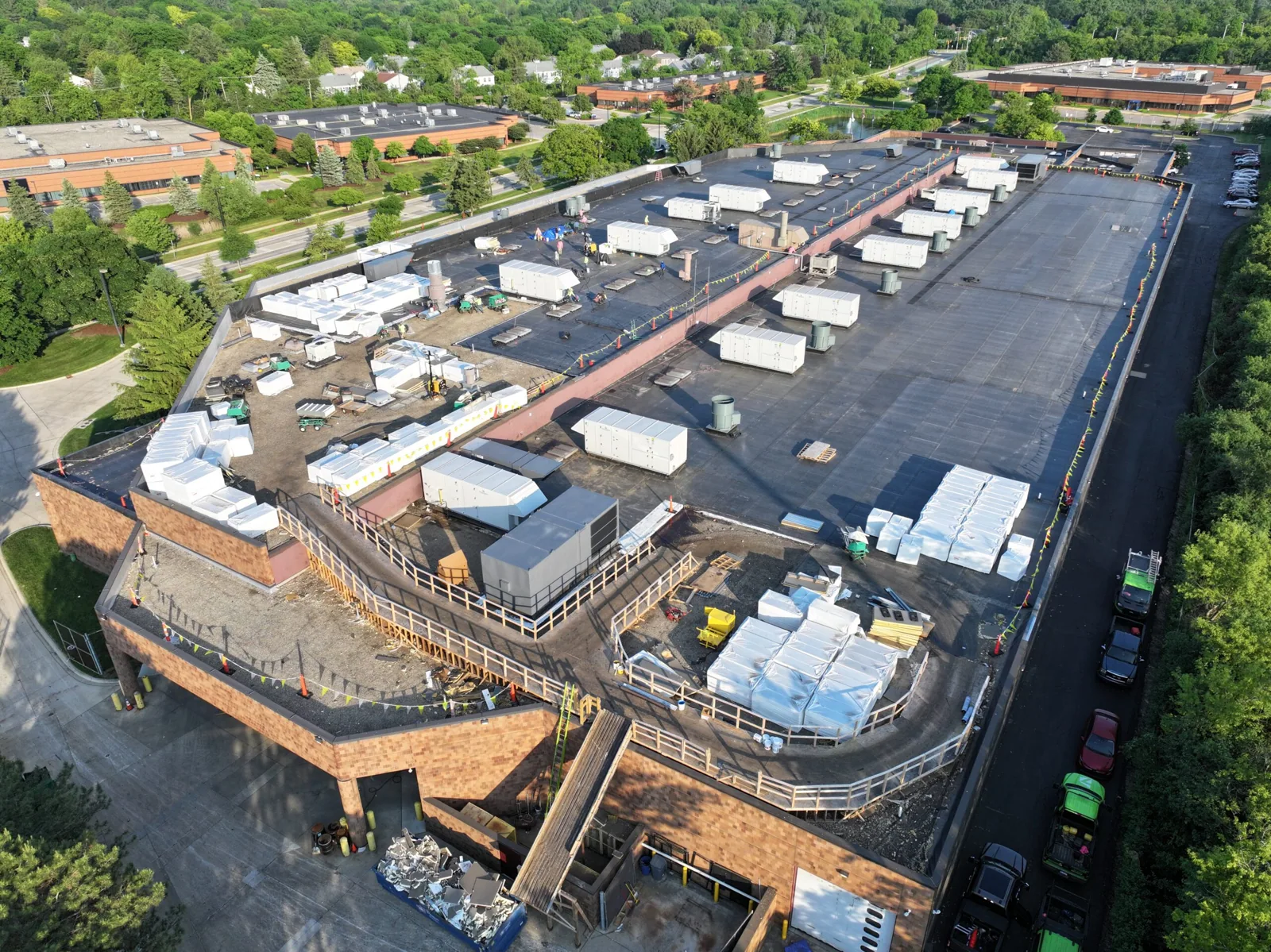
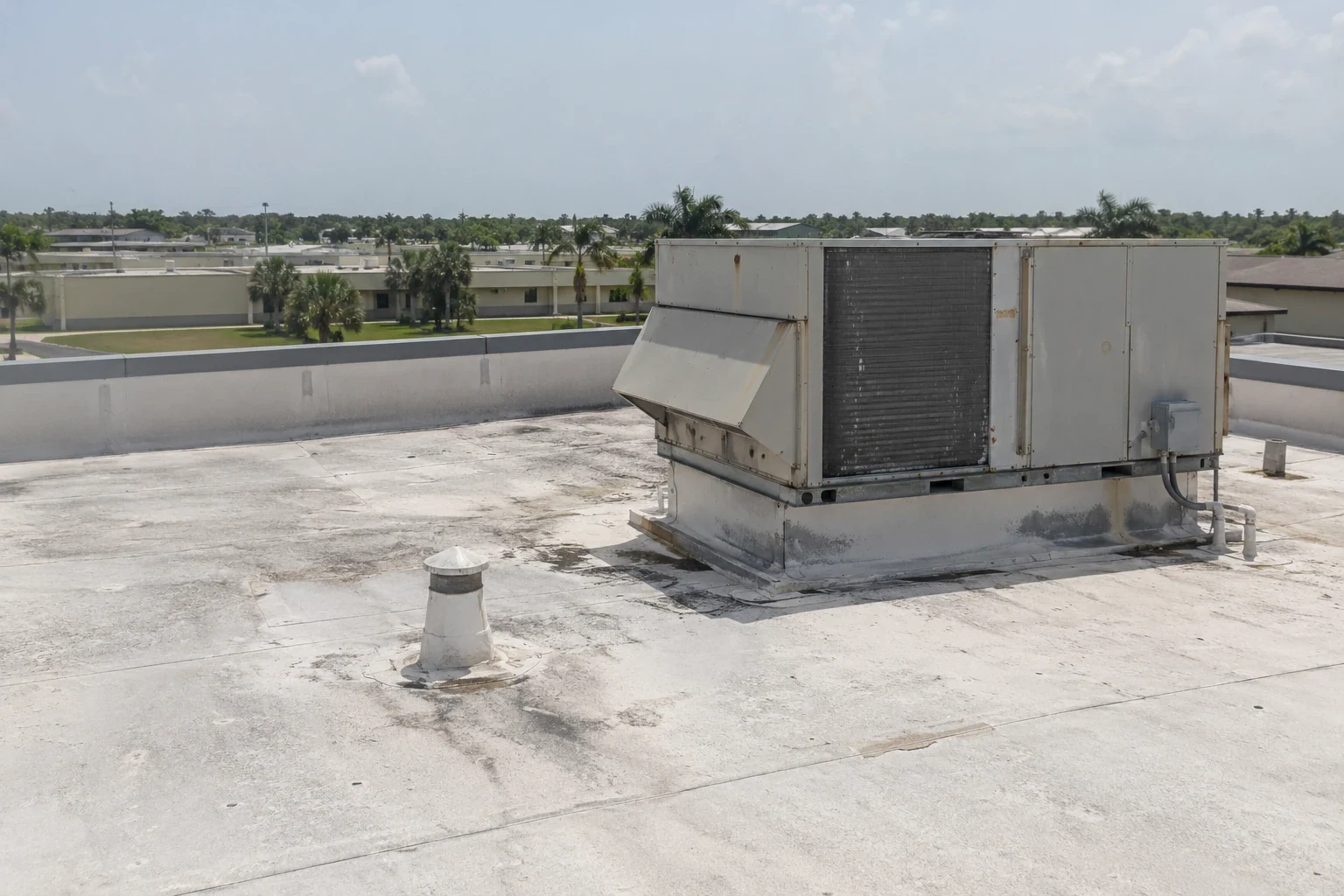
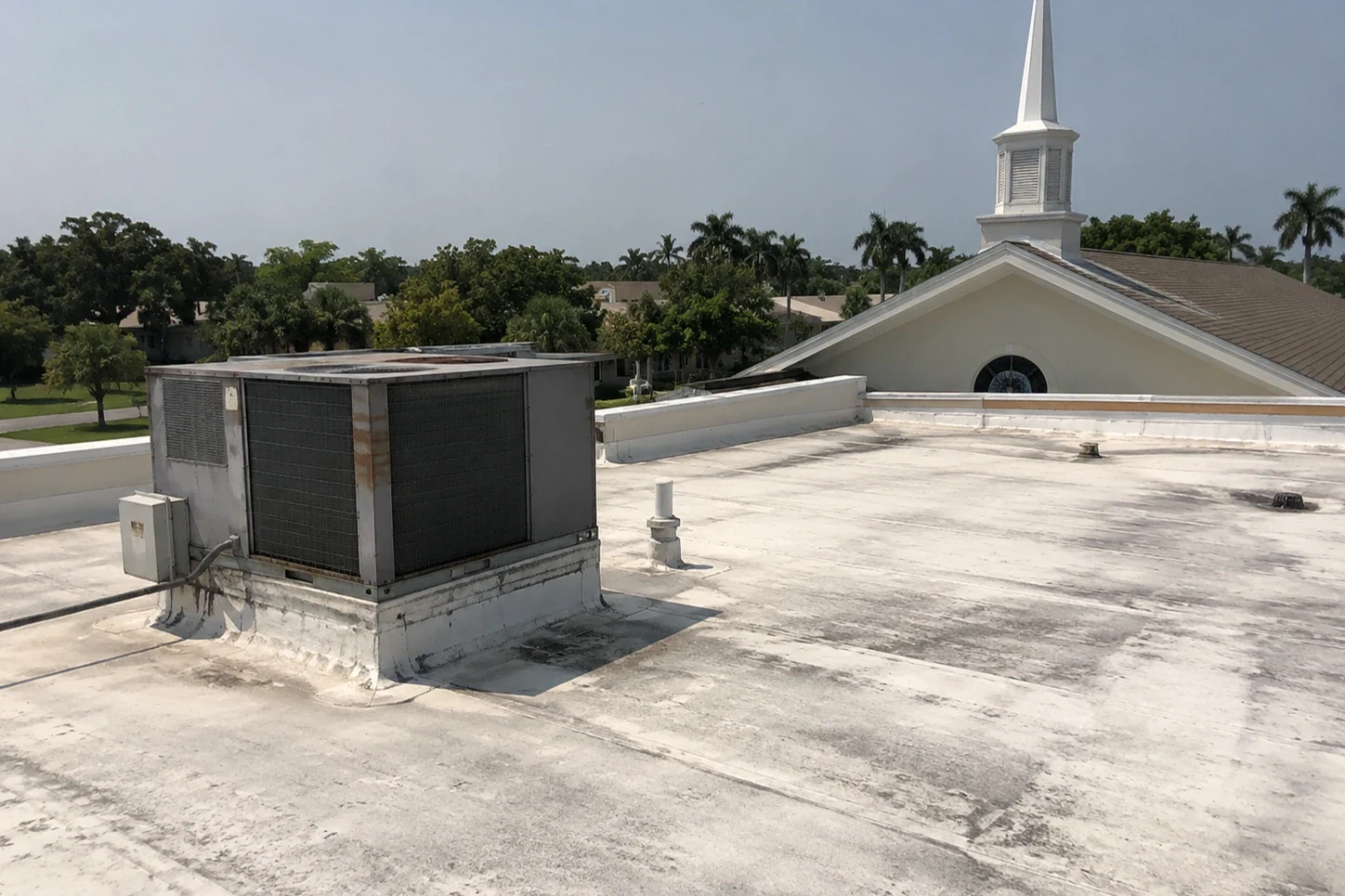
We identify the roof system and inspect where its details meet rooftop equipment. HVAC curb corners, conduit, vent pipes, antenna supports, and service paths can create openings or punctures when flashing is loose or a vendor has changed a component. We look for separated seams, cracked pitch pans, loose metal, and patches that no longer bond. A curb and support inspection can define the equipment transition separately from a larger roof repair.
In 2025, Gainesville recorded 133 days at or above 90°F. Sun exposure can affect surface materials and sealants, while concentrated rain tests outlets and roof slopes. We inspect the drain path, note low areas, and confirm whether water has a clear route to a drain or scupper. If interior water appears far from the roof defect, a leak investigation can compare the ceiling location with seams, curbs, and perimeter transitions.
Infrared readings may help locate areas for test openings when wet insulation is suspected. The test opening confirms what is beneath the membrane at that point; it does not establish the entire roof condition. We record the layers and whether the deck appears sound. A moisture survey can focus that testing before repairs close the assembly.
Options: Targeted Repair or Larger Work
A localized repair may be appropriate when the defect is limited and the surrounding materials remain dry and secure. We identify the seam or flashing, prepare the surface, install compatible material, and inspect the tie-in. If openings show moisture in several roof sections, the proposal defines the removal boundary and insulation replacement separately. That gives the owner a way to compare a targeted repair with broader work using observed conditions.
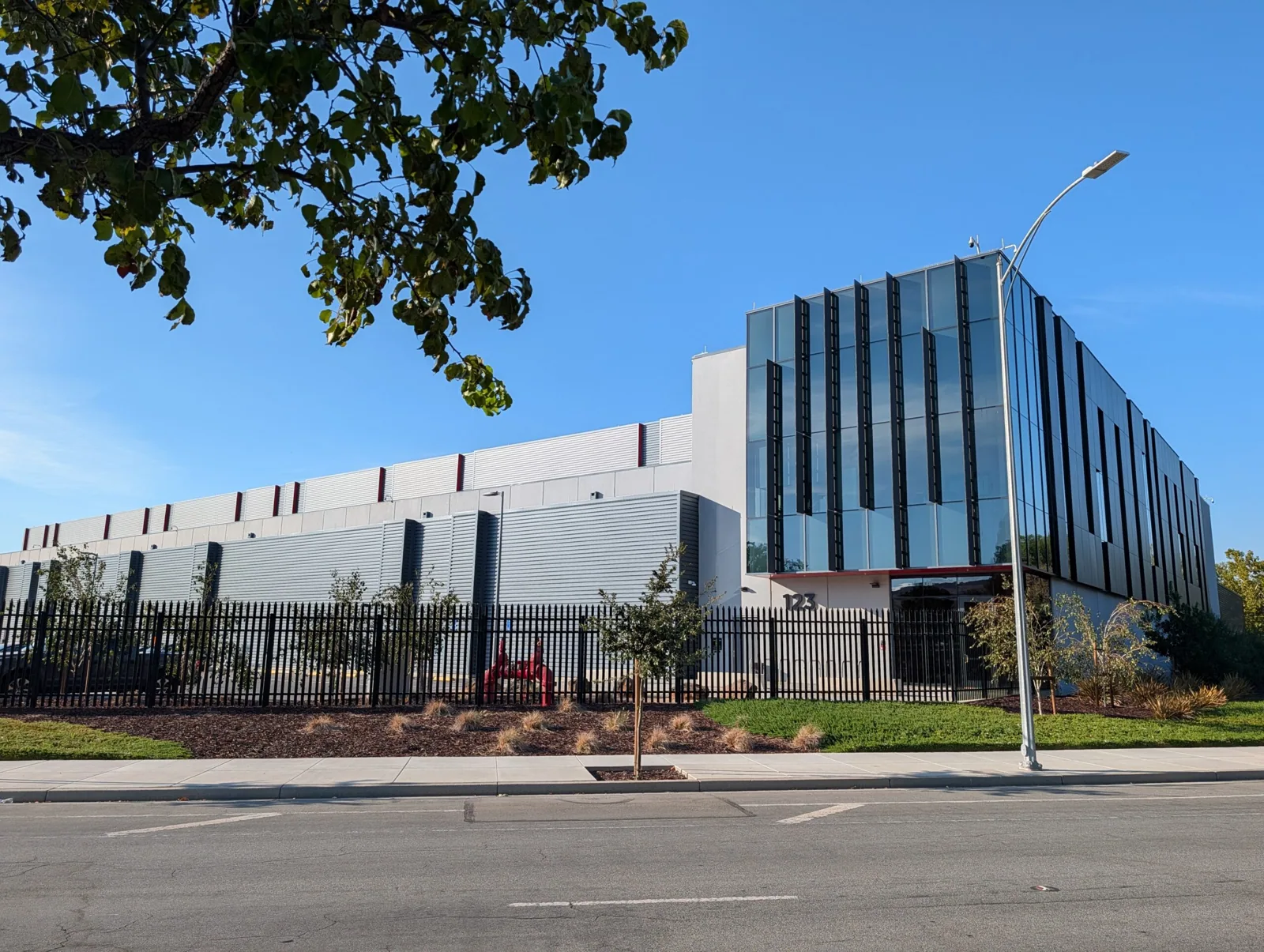
A roof recover can be considered when the current assembly is stable, dry, and permitted to remain. Added layers affect drains, curbs, doors, and edge heights, so those transitions need review before a decision. Where the roof has broad deterioration or a recurring leak pattern, a replacement scope can compare phased work with repair. A data center roof plan may add continuity and equipment constraints, while office work often turns on tenant notice, indoor protection, and keeping common areas open.
Timing and cost depend on roof area actually needing work, material type, wet insulation, deck repairs, equipment access, staging, and weather. We state which parts are included and what remains subject to field verification. If permits are needed, Gainesville applies the 2023 Florida Building Code 8th Edition. The project scope and permit documents should reflect the work being proposed and its applicable code requirements.
Coordinate: Tenant Notice and Work Windows
Before mobilization, we confirm the building contact, roof hatch, service route, tenant notice, and hours when noise is acceptable. Work may require temporary access restrictions near an entrance or loading area. The site contact identifies rooms under the active roof section and any equipment sensitive to dust or vibration. We sequence the work so staff can distinguish a protected area from an active repair zone.
Gainesville's thunderstorm pattern can disrupt roof work, particularly during summer. We check weather before opening a section, stage protection, and close the roof safely if conditions change. Drainage paths remain clear, and the manager receives notice if a work window moves. For emergency water entry, our response is available at any hour, including weekends and holidays. We first stabilize the reported area, then define permanent repairs after inspection.
At a mixed-use or office property, tenant schedules may vary by floor or suite. We coordinate interior access only where needed and provide the property manager with the expected work sequence. A phased roof project can separate active roof zones when a larger repair or replacement is required. A medical office roof plan may add patient access and clinic-hour considerations. This lets the schedule follow verified roof conditions and the building's operating limits.
Close Out: Keep the Repair Traceable
The closeout record identifies the roof system, work areas, material installed, test openings, and details that remain for observation. Photos show each repair in context, including the drain or equipment curb nearby. We note the date, roof section, and any interior location associated with the work. The facilities contact can attach the record to tenant correspondence and use it to check whether a later report falls inside the completed repair boundary.
For an office roof assessment in Gainesville, share the address, building use, roof plans, leak locations, tenant or equipment restrictions, prior work, site contact, and access window. We will inspect the roof, coordinate around the occupied floors, and provide a measured scope based on the assembly and conditions present.
Office roof budgets often combine immediate repairs with details that can wait for a planned capital project. We separate work by roof section and identify the drivers that change quantity or access, such as wet insulation, deck repairs, curb height, staging limits and after-hours entry. For an occupied floor, the schedule also accounts for tenant notices and interior protection. A measured scope lets ownership compare a contained repair with phased renewal while keeping each option tied to the observed assembly and operating window.
Frequently Asked Questions
Can office roof work happen outside tenant hours?
The work window can be set around tenant operations when roof access, crew scheduling, and weather allow. We confirm noise limits, security steps, and any after-hours building contact before scheduling.
What if a tenant reports a ceiling stain but the roof looks dry?
Water may travel through the assembly before it reaches the room. We compare the interior location with roof seams, curbs, drains, and recent weather, and document whether testing is needed.
Do rooftop HVAC repairs belong in the roof scope?
The roof flashing and curb connection can be included, while mechanical repairs may require the HVAC vendor. We identify the interface and coordinate movement or shutdown when the detail requires it.
Can you provide photos for tenant or ownership records?
Yes. The closeout record can label roof photos by section and connect them to the repair boundary and interior report location.
Related Roofing Work
Schedule a Gainesville Office Roof Review
Send the address, roof records, active leak locations, tenant and equipment restrictions, site contact, and access window. We will coordinate the inspection and document repair options for the building.