
Infrared and Core-Cut Moisture Surveys in Gainesville, FL
Map suspected wet insulation with infrared and confirm selected areas through test cuts in Gainesville. Get findings tied to roof sections and next steps.
Commercial Roofing Services: Infrared and Core-Cut Moisture Surveys
A medical office, research building or occupied retail center can lose work time to a ceiling leak before anyone knows how far water traveled above it. An infrared moisture survey locates roof areas that may retain water; selected test openings establish what is inside the assembly. Gainesville had 46.80 inches of rain during 2025; its largest 24-hour accumulation was 3.06 inches. We map each roof section, interpret the scan with field conditions, and confirm suspect areas before recommending repair, recover, or replacement. We map each section, interpret the scan with field conditions and confirm findings before recommending repair, recovery or replacement.
Identify: Set the Question Before the Scan
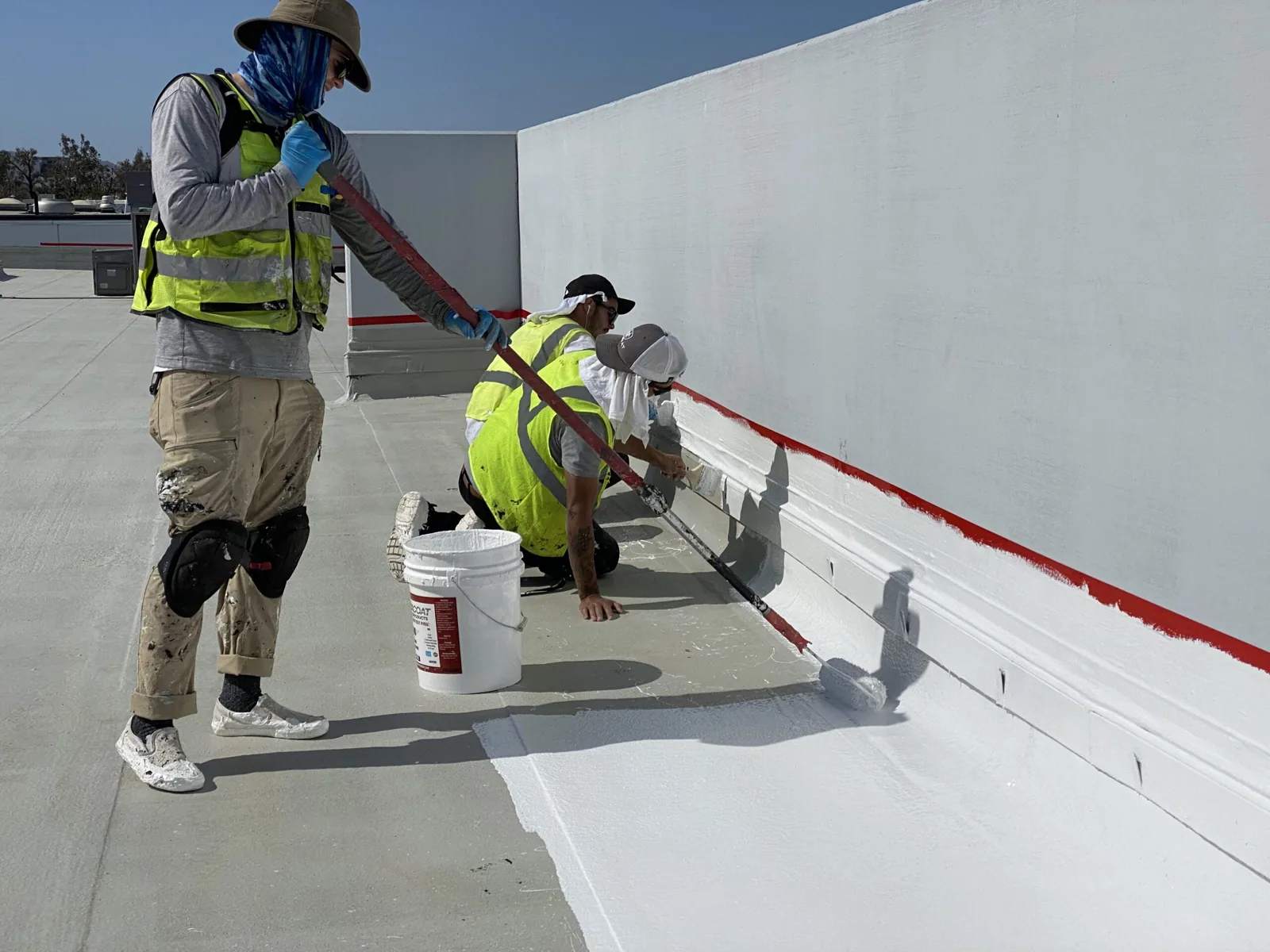
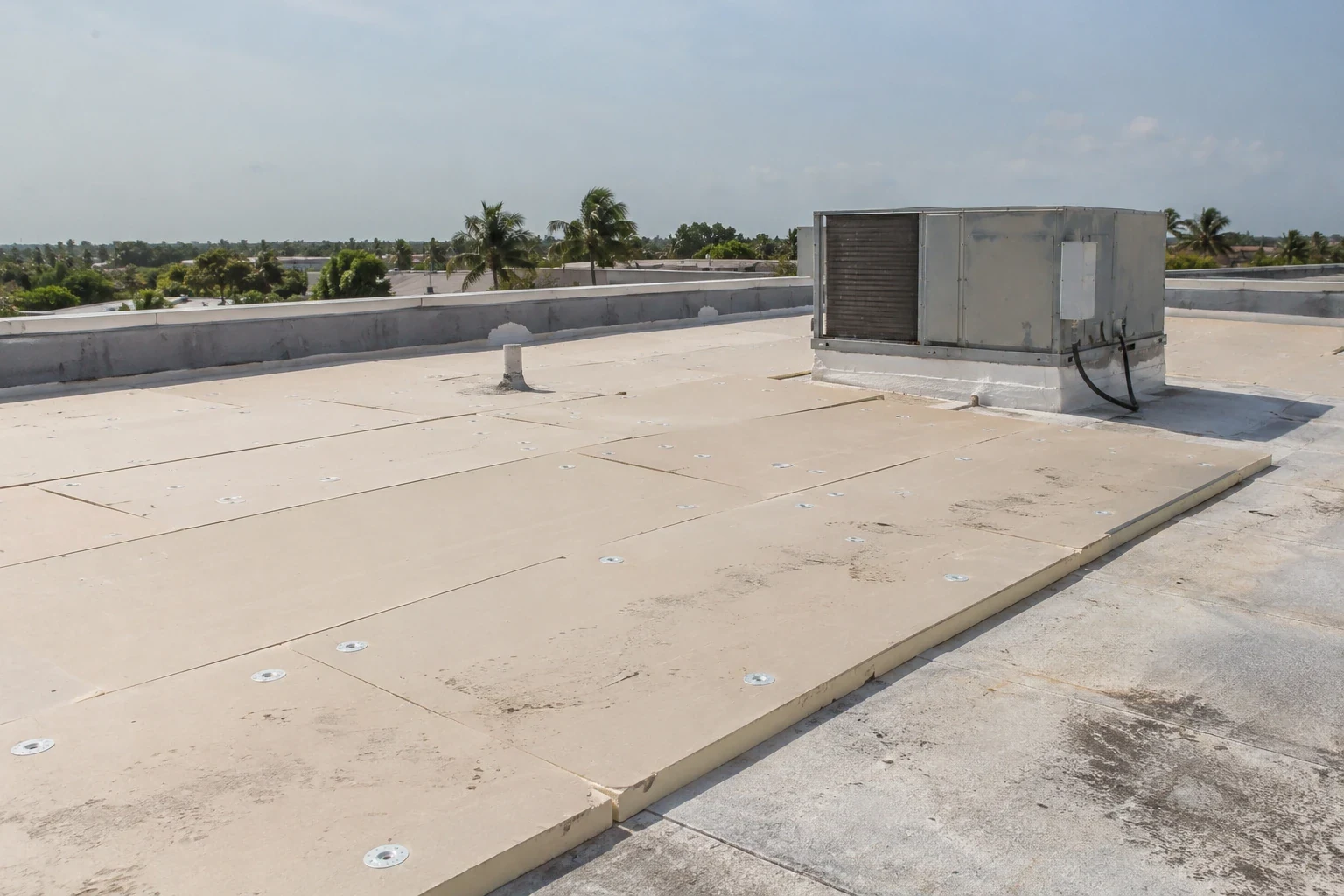
A moisture survey starts with a reason to look: a recurring leak, an area that stayed wet after rain, a pre-transaction review or a decision about retaining the existing assembly. We check roof plans, repair records, leak locations and known system information, then mark the boundaries and access points. Separate additions and roof levels need separate identifiers so findings stay attached to the correct area.
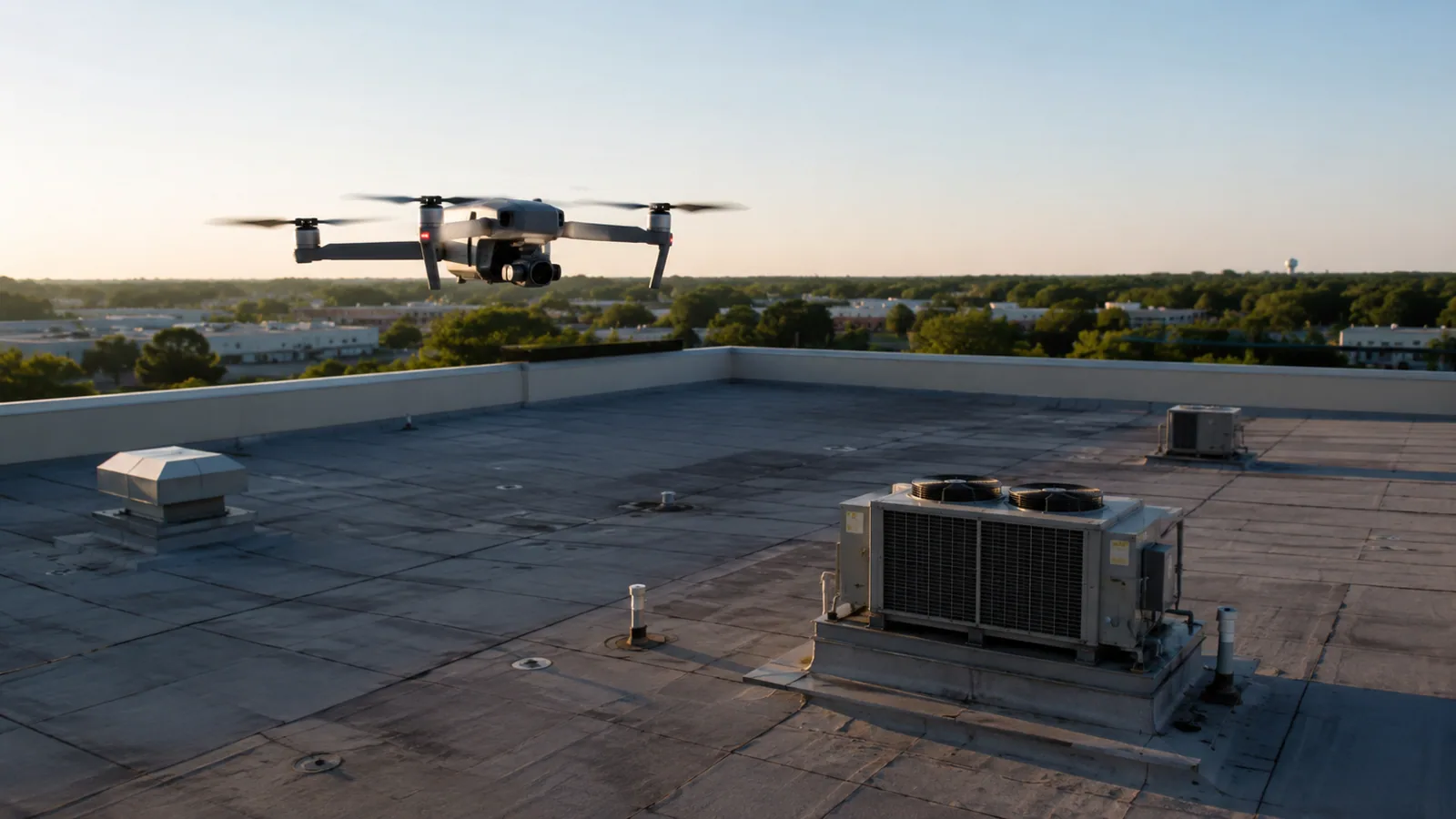
Infrared readings rely on surface temperature patterns after suitable heating and cooling conditions. Shading, ponded water, equipment shadows and different materials can change those patterns. A scan highlights temperature patterns for comparison with roof details and selected test openings. We consider the assembly, time of day, recent weather and roof details before choosing test locations.
Gainesville counted 133 days at or above 90 degrees in 2025, while afternoon storms can alter surface conditions. We check the drying and heating cycle, cloud cover, and shade before setting a scan window. If these conditions limit useful readings, we schedule imaging when the surface pattern is clearer.
Inspect: Read the Roof in Sections
We connect the scan to a look at drains, seams, penetrations, curbs, edges and visible repairs. A low area holding water can produce a different pattern from wet insulation; dark surfaces and shade can also affect readings. We record the system we can verify and conditions that influence the scan. For an active leak, our leak investigation traces the likely water path because the ceiling mark may be away from the entry point.
Each suspected area is marked on a roof plan or field sketch with nearby drains, seams and penetrations, plus the scan date and surface conditions. On the UF Health medical district along Archer Road, separate buildings and roof sections need distinct records so observations stay with the right facility. The same discipline helps a single property with several additions.
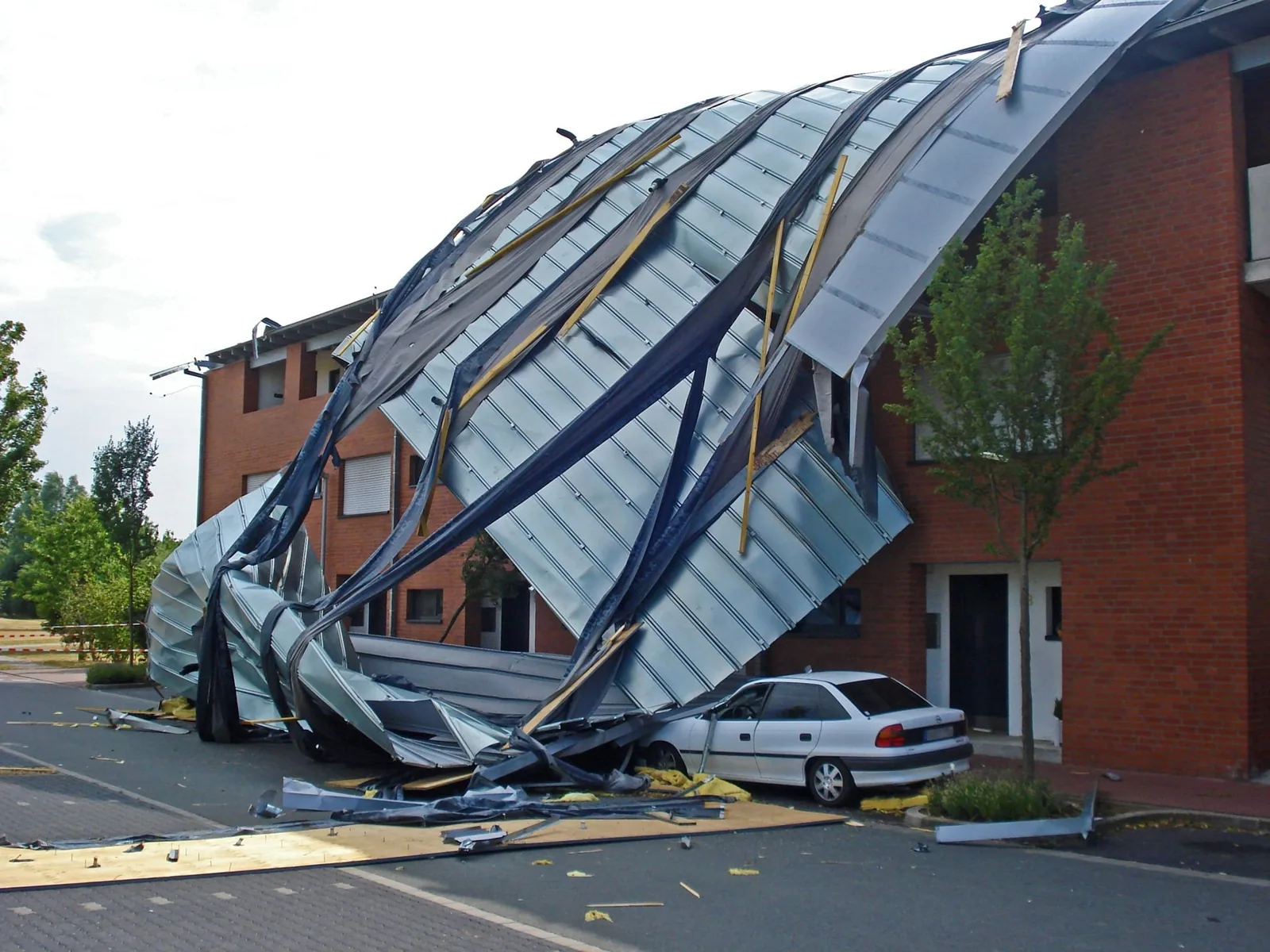
The 2022 Gainesville annual log counted storms on 104 days and heavy rain on 82, with a strongest gust of 62 mph. After a storm, we compare reported leaks and visible damage with the scan, then separate suspected moisture from conditions confirmed through testing. A drainage review may be included when standing water or a slow drain path appears.
Compare: Use Test Cuts to Confirm the Map
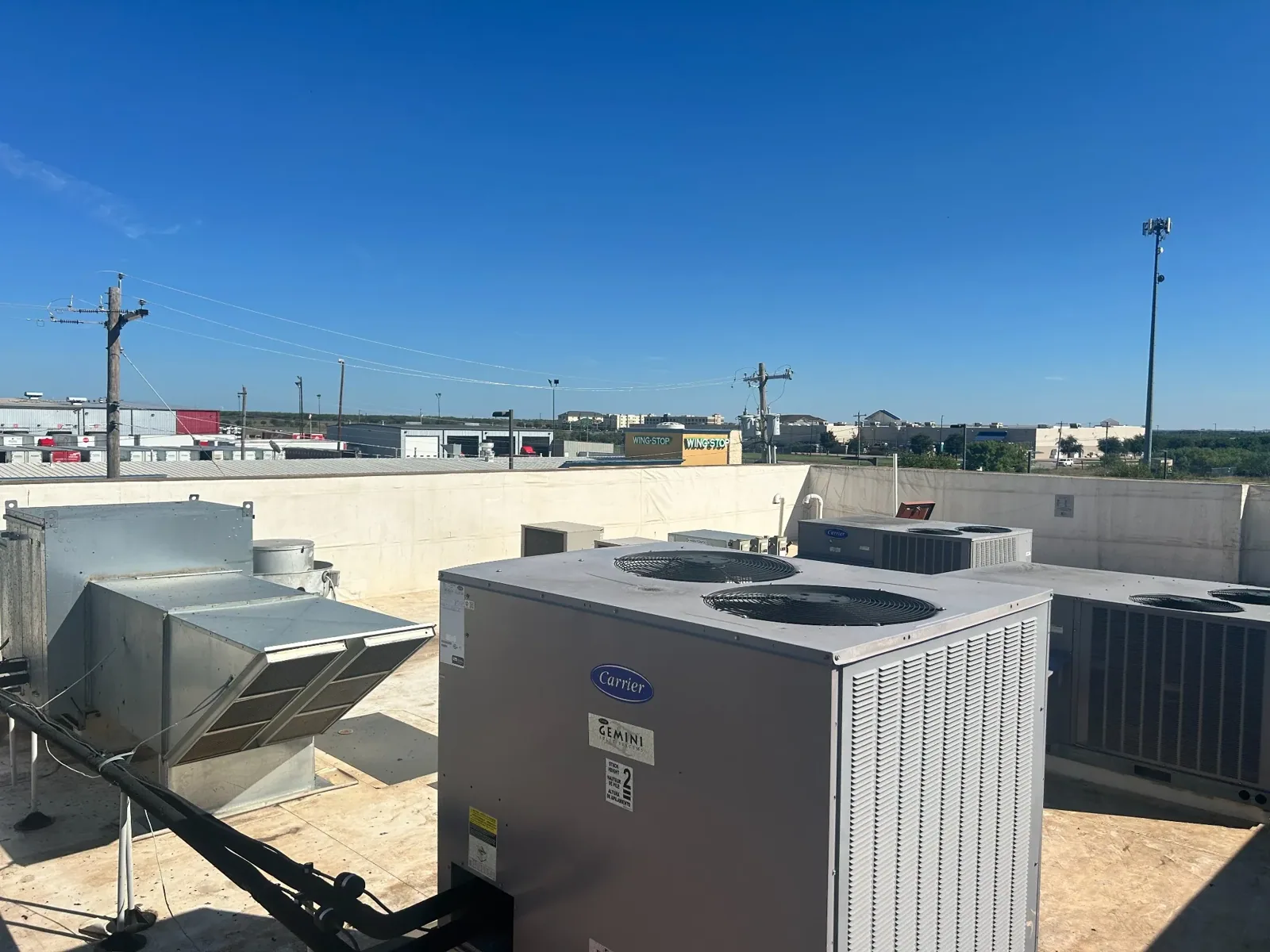
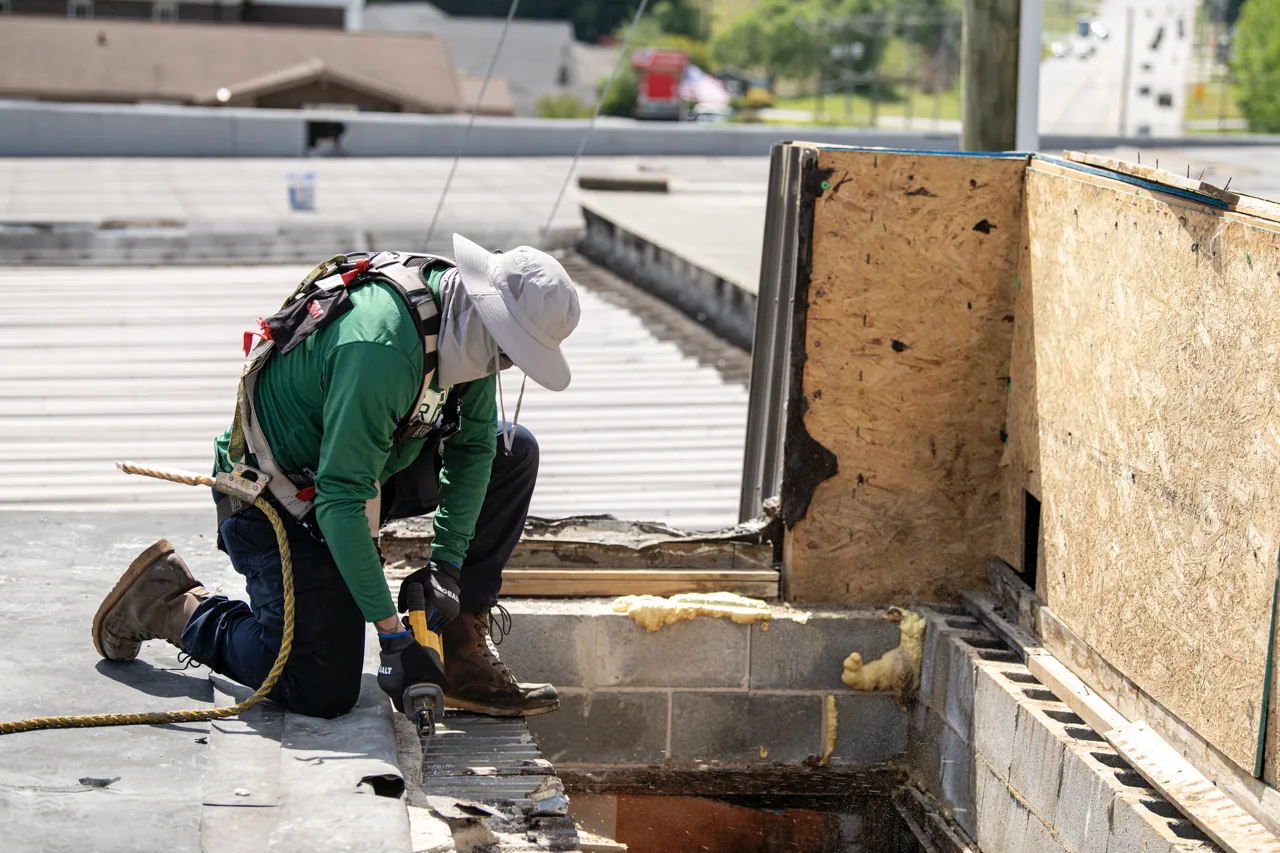
Infrared findings help select test locations; direct openings confirm the materials at those points. We select points with meaningful temperature patterns and, where useful, a nearby control area. With owner approval, a small test opening exposes the roof layers so we can check insulation and substrate directly. One cut confirms only the material at that location, so placement and count should reflect roof sections, assembly changes and the decision at hand.
We document wet layers and the extent visible at each test point. If the boundary is unclear, additional openings can show whether the condition continues. Each opening is closed with a compatible repair and recorded on the plan. The owner can compare confirmed wet and dry areas before choosing localized repair or broader removal. A hands-on roof inspection also checks seams, flashings and perimeter details that imagery cannot evaluate.
Scope depends on assembly, access, scan conditions and test locations, not roof age alone. A limited wet area may allow targeted work if surrounding materials remain suitable. Widespread wet insulation can change the plan because a new surface over trapped moisture leaves the underlying issue. We explain the evidence and options before work proceeds. A roof recover is considered only after confirming the existing assembly meets project and system requirements.
Coordinate: Protect the Occupied Workday
We set a site contact, roof access route and work period, then identify areas where occupants, deliveries or sensitive operations affect movement. A scan may cover several roof sections; test cuts need owner authorization and a plan to protect each opening. We can phase work by building or roof level. The closeout identifies areas we could not safely reach or test.
Downtown Gainesville's storefronts, plazas and pedestrian street grid can make access different from a large industrial parcel. Butler Plaza's retail and dining tenants call for attention to occupied entrances, deliveries and pedestrian routes. The property contact confirms the actual layout, staging, and occupied entrances before the survey. A roof condition report can place survey results alongside inspection findings and repair records.
Rain, clouds, shade and wind may change what can be captured or tested safely. We check the forecast and roof conditions with the site contact. If a storm makes thermal readings unsuitable, we may move the scan and complete only inspection steps that remain valid. A documented limitation is more useful than a map that cannot support the decision.
Report: Turn Findings into a Roof Decision
The closeout should move from scan to action. We provide a marked roof plan, representative images, test locations and observations from each opening, distinguishing suspected moisture from confirmed findings. The record notes conditions that affected interpretation and any areas not inspected. Where evidence supports a defined scope, we can prepare a repair plan tied to the mapped section. A property near Innovation Square may benefit from separate records for each building and roof level.
A coating or new roof decision also uses the membrane, attachment, insulation, drainage, and confirmed wet areas. The membrane, attachment, insulation, drainage and confirmed wet areas affect what can remain. We explain whether more testing is warranted, what should be removed and what needs repair before a new system goes down. A roof asset plan can preserve the record for budgeting and later comparison.
For a survey, share the Gainesville address, building use, roof plans or repair records, active leak locations, site contact and access window. Tell us whether the decision concerns a leak, planned work or several buildings. We will confirm scan conditions and test locations, then return findings the facility team can use.
Frequently Asked Questions
Can an infrared image prove that insulation is wet?
No. A temperature pattern identifies an area for investigation. We use roof conditions and direct test openings to confirm moisture before assigning a repair scope.
Why do you need to cut the roof after the scan?
A test opening shows the materials at one exact point. We use selected cuts to check insulation and substrate, verify the scan and close each opening with a compatible repair.
Can the survey be done after a Gainesville rainstorm?
Rain may help locate a reported leak, but it can also make infrared conditions unsuitable. We check the roof and forecast, then schedule thermal imaging when the surface can produce useful readings.
How many test openings will our building need?
The roof layout, changes in assembly, scan patterns and decision at hand determine the locations. We explain proposed test points and confirm authorization before making openings.
Will a moisture survey tell us whether to replace the roof?
It contributes evidence, not a decision by itself. We compare confirmed wet areas with the membrane, attachment, drainage and remaining roof condition, then present repair and replacement options.
Related Roofing Work
Plan a Gainesville Moisture Survey
Send the property address, building use, available roof records, leak locations, site contact and preferred access window. We will confirm survey conditions, likely test locations and the inspection record needed for your roof decision.