
Warehouse Roofing in Gainesville, FL
Plan Gainesville warehouse roof repair, replacement and maintenance around drainage, loading operations, heat exposure and the building's verified roof system.
Property Types We Roof: Warehouse Roofing
A warehouse roof has to stay serviceable while inventory moves below it. Before we recommend a repair, we confirm the roof system, locate reported water, and identify which loading doors, aisles, or storage zones must remain clear. In Gainesville, FL, summer heat and recurring thunderstorms put drains, seams, and edge attachment on the inspection list. The building's actual assembly and records set the work plan. A warehouse near Waldo Road may have a different access route from a distribution property in Alachua, but the first decision is the same: map the roof section and the operation below it.
Roof Conditions That Affect Storage
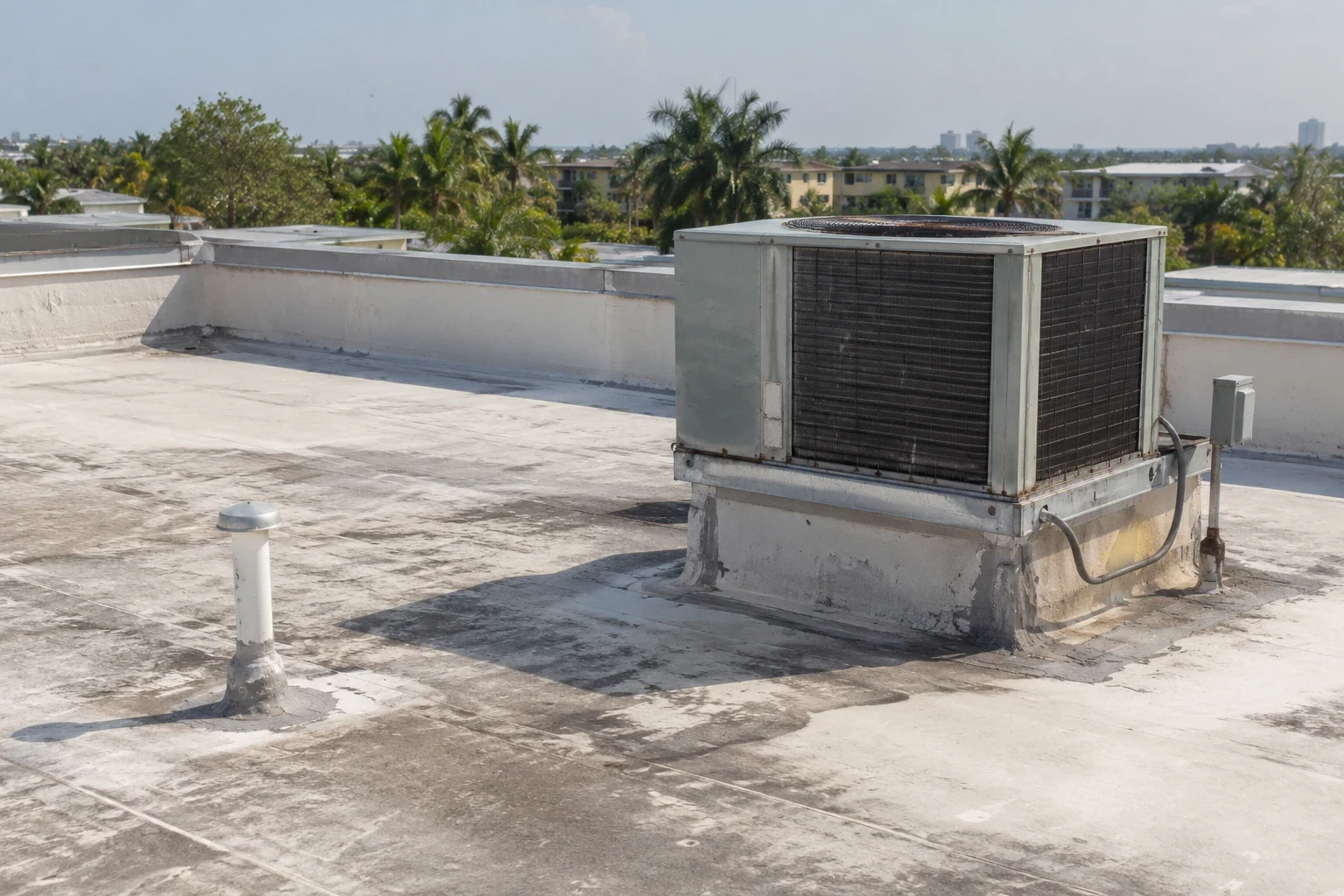
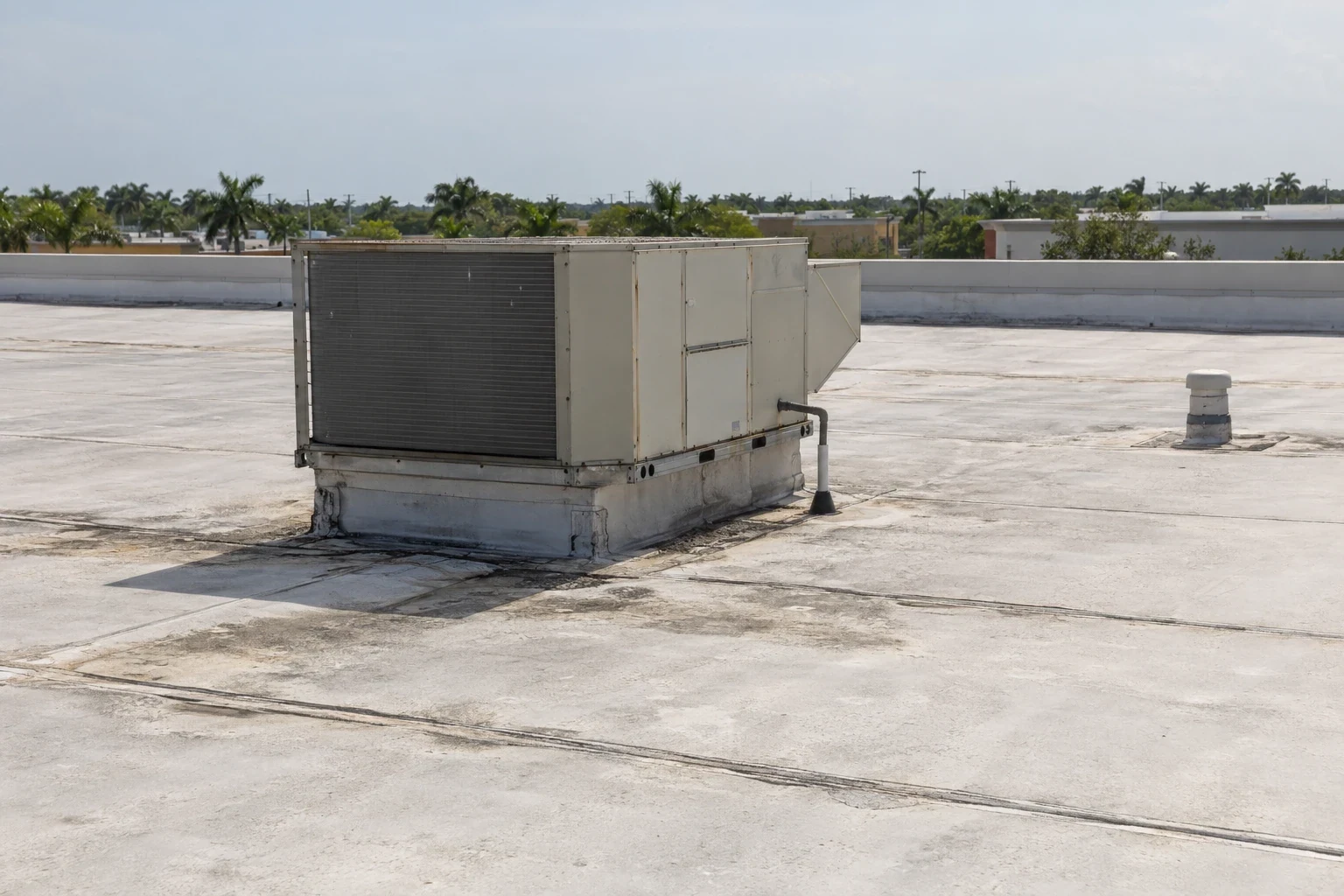
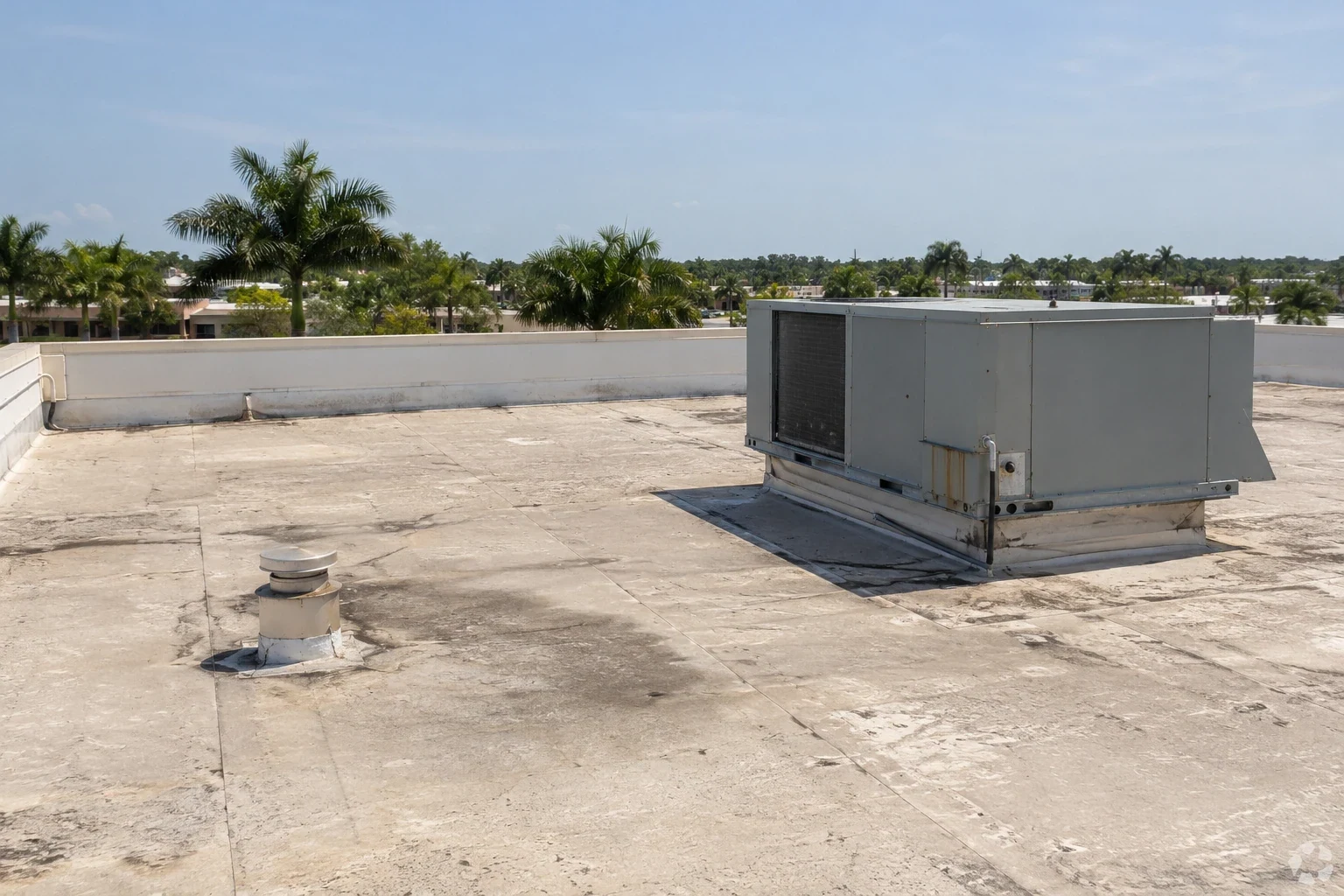
Water can enter at an open seam, a puncture from rooftop service, a failed penetration, or a drain detail that cannot move runoff. We trace the reported stain upward, inspect nearby transitions, and mark what is visible on a roof plan. A ceiling mark above pallet storage needs a different protection sequence than one over an office or picking aisle. We ask the site contact to identify sensitive inventory, active equipment, and forklift routes before a test opening or repair begins.
Gainesville recorded 133 days at or above 90 degrees in 2025, and the area's long hot season can stress exposed membranes, sealants, and rooftop equipment details. Heat does not identify a failed roof by itself. We check for shrinkage, surface wear, open laps, loose flashings, and areas where foot traffic has damaged the assembly. A commercial inspection records the system we can verify and separates observed defects from areas that still need testing.
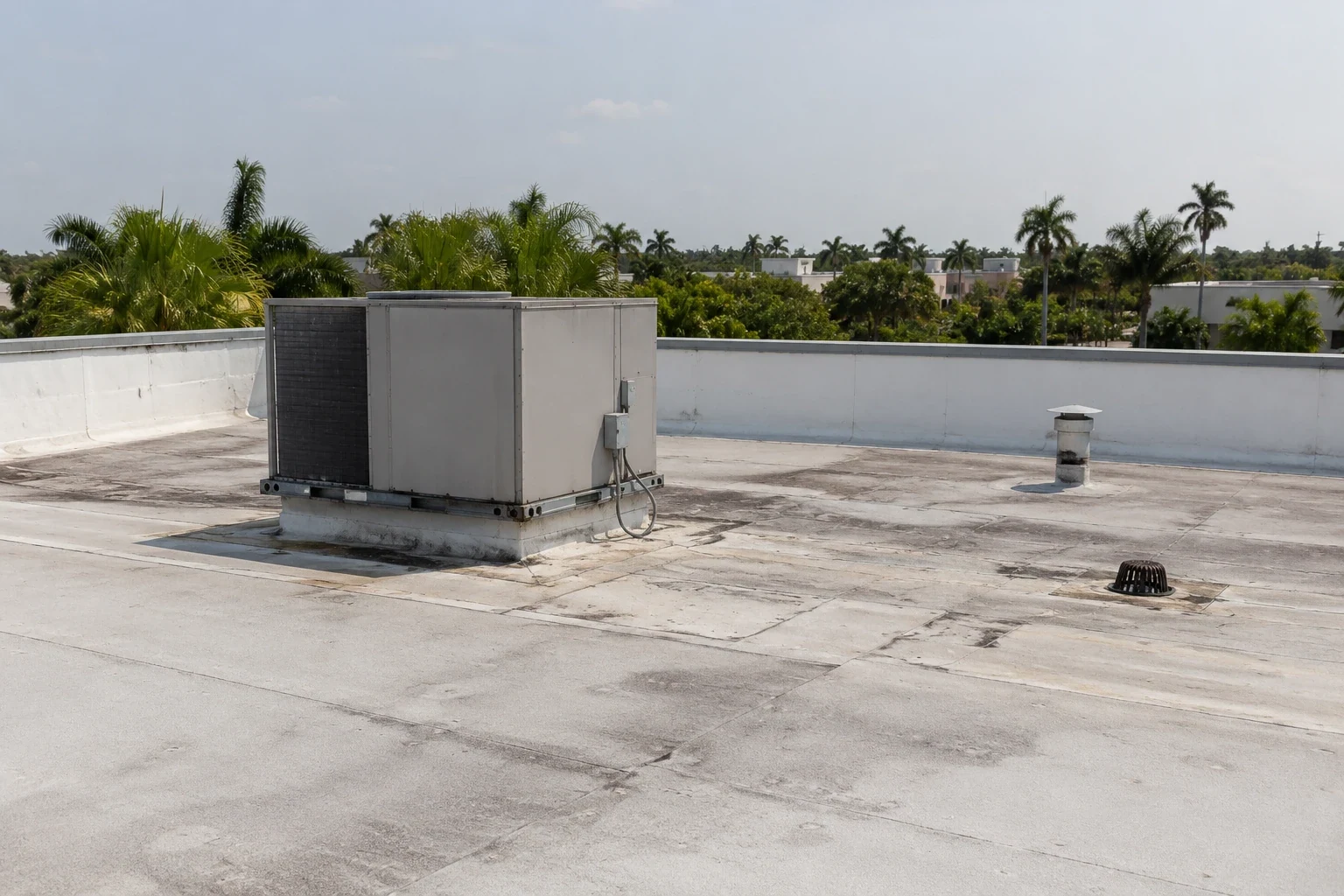
Heavy rain can reveal the weak point after a dry interval. Gainesville's 2025 precipitation included a highest 24-hour total of 3.06 inches. We inspect low points, drain bowls, scuppers, overflow routes, and ponding marks, then confirm where water should leave the roof. A drainage repair may solve a blocked or damaged outlet; a slope correction or wet-insulation repair may be needed when water remains after the outlet is clear. The field condition determines which scope fits.
System and Repair Choices
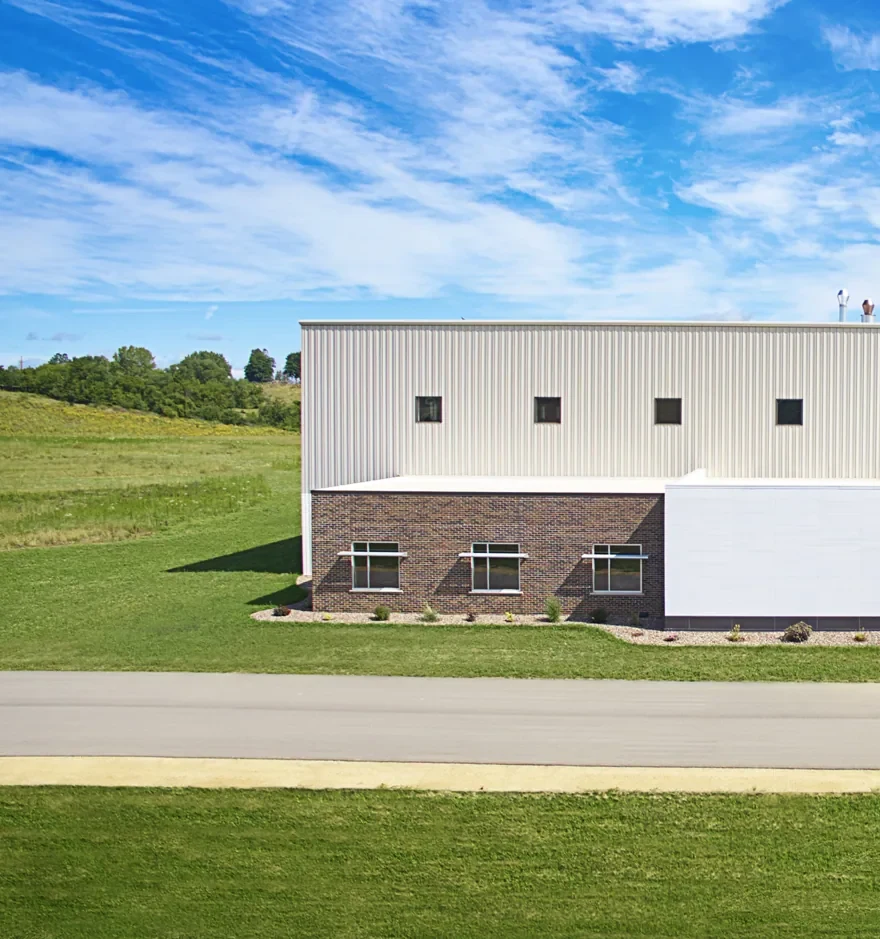
Warehouse roofs can use single-ply membrane, built-up roofing, modified bitumen, metal, or another assembly. We identify existing materials before selecting a patch or replacement method. On a TPO system, a repair may involve heat-welded membrane and compatible flashing. EPDM calls for compatible seam and field materials. Metal panels need attention to fasteners, laps, and movement. These are different repairs, even when the interior symptom looks the same.
A small isolated opening can be repaired if adjacent material is sound and dry. A wider section may need test cuts to establish how far moisture traveled beneath the membrane. We record each opening, insulation condition, deck findings, and the boundary of material removed. If wet insulation extends beyond one bay, the proposal shows that quantity separately. The owner can compare a localized repair with a larger project using observed conditions rather than a broad assumption based on roof age.
When the field membrane is generally serviceable, a recover or restoration may be possible if the assembly and code allow it. If the roof contains widespread wet material or repeated failures, a distribution building review can help compare operational needs across similar facilities. A manufacturing roof assessment may also address production and ventilation constraints. We explain what remains, what is removed, how work ties into curbs and edges, and which conditions are outside the measured scope.
Work Around Loading and Inventory
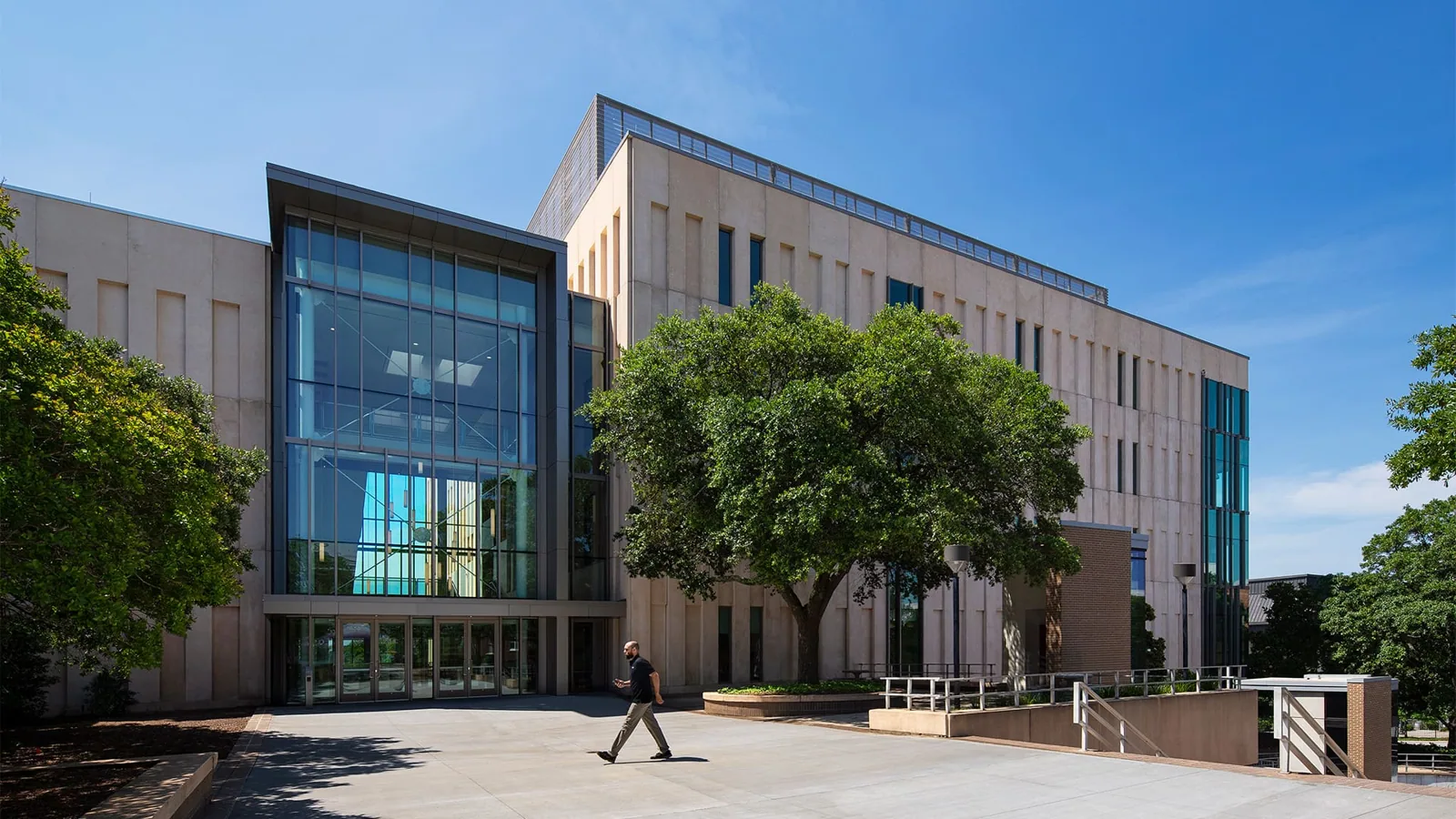
A roof repair can affect receiving, shipping, and the storage below the active section. We coordinate the access window with the site contact, note the loading doors that must stay open, and plan material movement away from truck paths. At Gainesville Regional Airport, the airport site includes aeronautical facilities and Airport Industrial Park, with road access through Waldo Road and NE 39th Avenue. At the Progress District in Alachua, employment activity includes distribution and life-sciences businesses. These settings shape access discussions; they do not tell us the condition or type of any individual roof.
Before work starts, we set a protection plan for inventory, interior equipment, and occupied areas. The facility contact can identify aisles where water intrusion would disrupt operations or where a temporary interior barrier is needed. For a leak that cannot wait for the full repair scope, our emergency response remains available at any hour, including weekends and holidays. We stabilize the active opening, record the temporary work, and return to define a permanent repair after the assembly can be inspected safely.
Work may proceed by roof section so receiving can continue. We tell the site contact which area is active, whether a truck or lift is expected, and when a drain or rooftop route will be temporarily affected. In Gainesville's storm season, weather can interrupt membrane work. We keep an open area protected and leave the roof watertight at the stopping point before crews leave.
Timing and Maintenance Intervals
Timing depends on the roof surface, repair size, material availability, weather, and interior coordination. A localized seam repair may fit into one access window. Replacing wet insulation or rebuilding drainage slope requires opening and closing a larger section, protecting stored goods, and confirming the deck before restoration. We identify those decision points so the owner can plan around shipment volume and shift changes.
Gainesville's thunderstorm history includes frequent heavy rain and strong gusts. After a storm, we can inspect edge attachment, flashings, rooftop equipment, and drainage, then document new damage separately from older wear. A storm follow-up is useful when water appears after wind or a heavy downpour. It records what is visible, what remains uncertain, and whether temporary protection is needed.
Routine maintenance can clear debris, note open seams, and record new service penetrations before they become repeat leaks. A warehouse maintenance program can schedule roof walks around the facility's operating calendar. For multi-building operators, keep photographs and follow-up items tied to each asset rather than mixing locations in one record.
Closeout Record for the Facility
At completion, we identify the roof section repaired, materials installed, drain or edge details addressed, and test openings closed. Photos show the repair in context and note any area that remains under observation. The record also states which interior zone or loading area was affected and whether further testing is recommended. That handoff gives the facilities team a usable starting point for the next maintenance interval.
For a Gainesville warehouse assessment, send the address, building use, roof plans or prior reports, active leak areas, sensitive inventory zones, site contact, and preferred access window. We will confirm the roof assembly, inspect the reported section, and prepare a measured scope that accounts for loading operations and the conditions found on site.
Frequently Asked Questions
Can repairs be sequenced without closing the loading area?
Often, the roof can be divided into work sections and deliveries can be coordinated with the site contact. We need the loading schedule, lift access, and any aisle or door that cannot be blocked before setting the sequence.
How do you protect inventory beneath a leak?
We first locate the active water and identify the goods, equipment, and aisles below it. Temporary interior protection can limit exposure while we inspect the roof and establish whether the permanent repair needs a test opening.
Does a heat-damaged membrane mean the roof needs replacement?
Surface wear alone does not settle that decision. We check seams, flashing, insulation, and deck condition, then compare a repair, recover, or replacement based on the area and assembly that can be confirmed.
What records help with a warehouse roof inspection?
Roof plans, leak locations, prior repairs, equipment service records, and a site contact help us focus the visit. Note which loading doors or inventory zones need protection during access.
Related Roofing Work
Plan a Gainesville Warehouse Roof Visit
Share the address, building use, roof records, active leak areas, site contact, inventory concerns, and access window. We will inspect the roof section and prepare a measured scope around facility operations.