
Roof Systems in Gainesville, FL
Roof Systems
A roof system is more than a membrane or panel. Its deck, insulation, cover board, attachment, seams, flashings, drains and edge details work together, and the building's use affects how those parts can be accessed and maintained. We inspect the existing assembly before recommending a repair, recover or replacement. Gainesville reached 90°F on 133 days in 2025 and received more than 46 inches of rain. We inspect exposed transitions and drainage paths, then record the condition of the assembly on site.

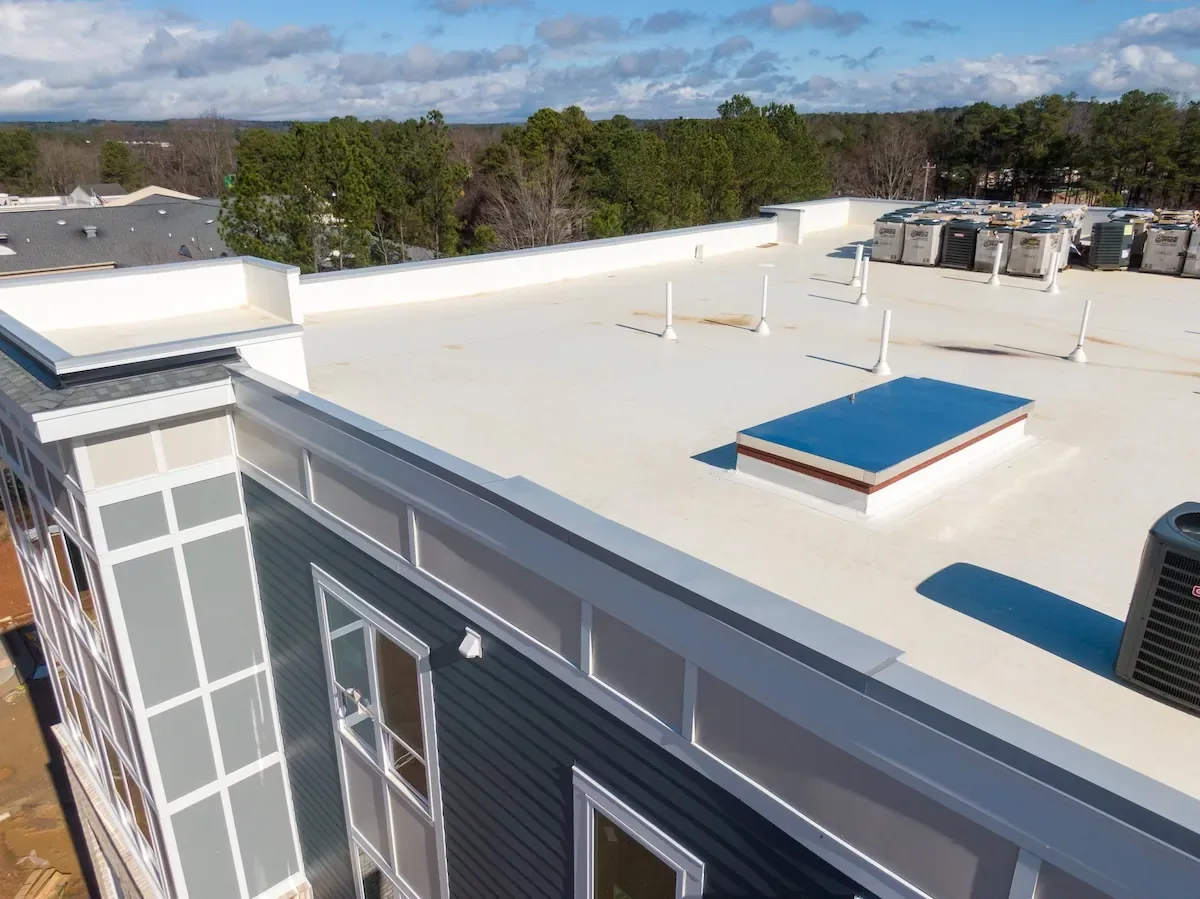
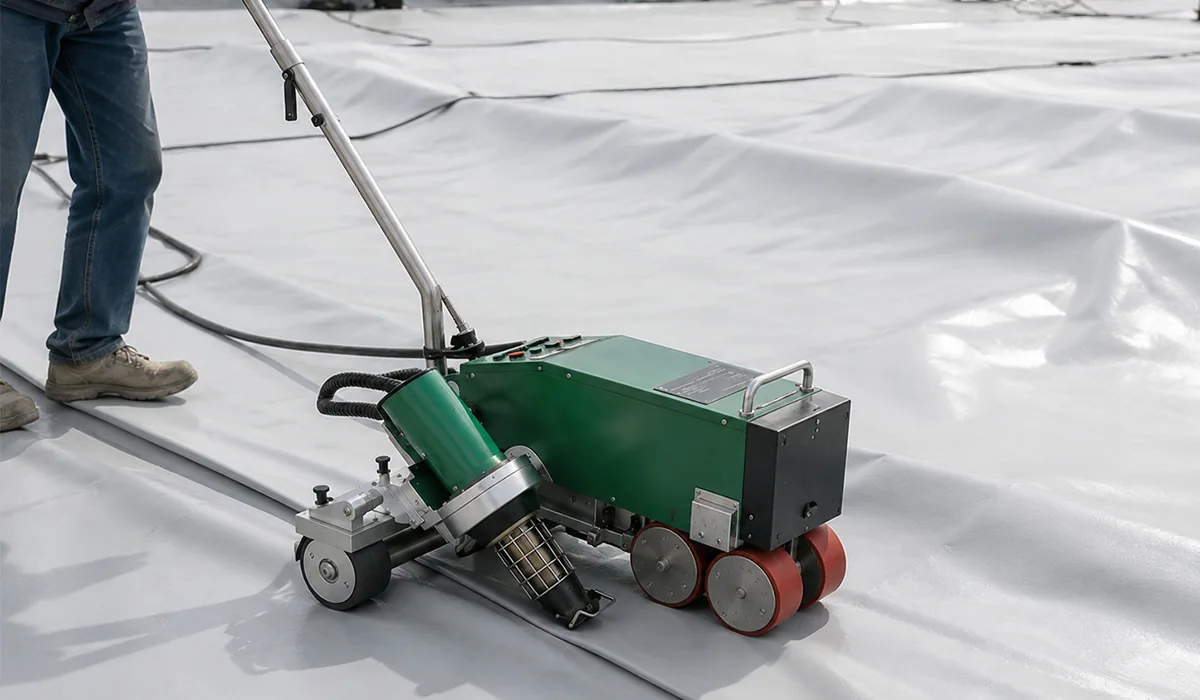
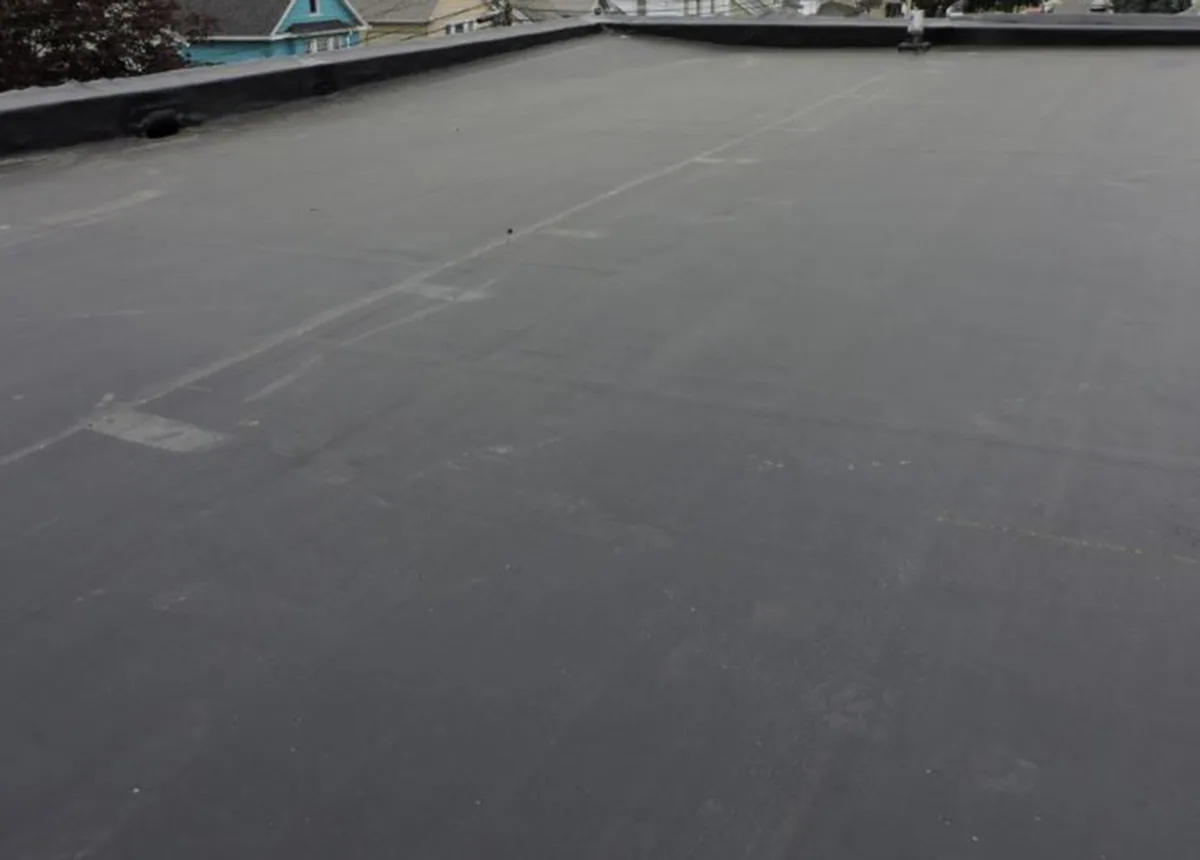
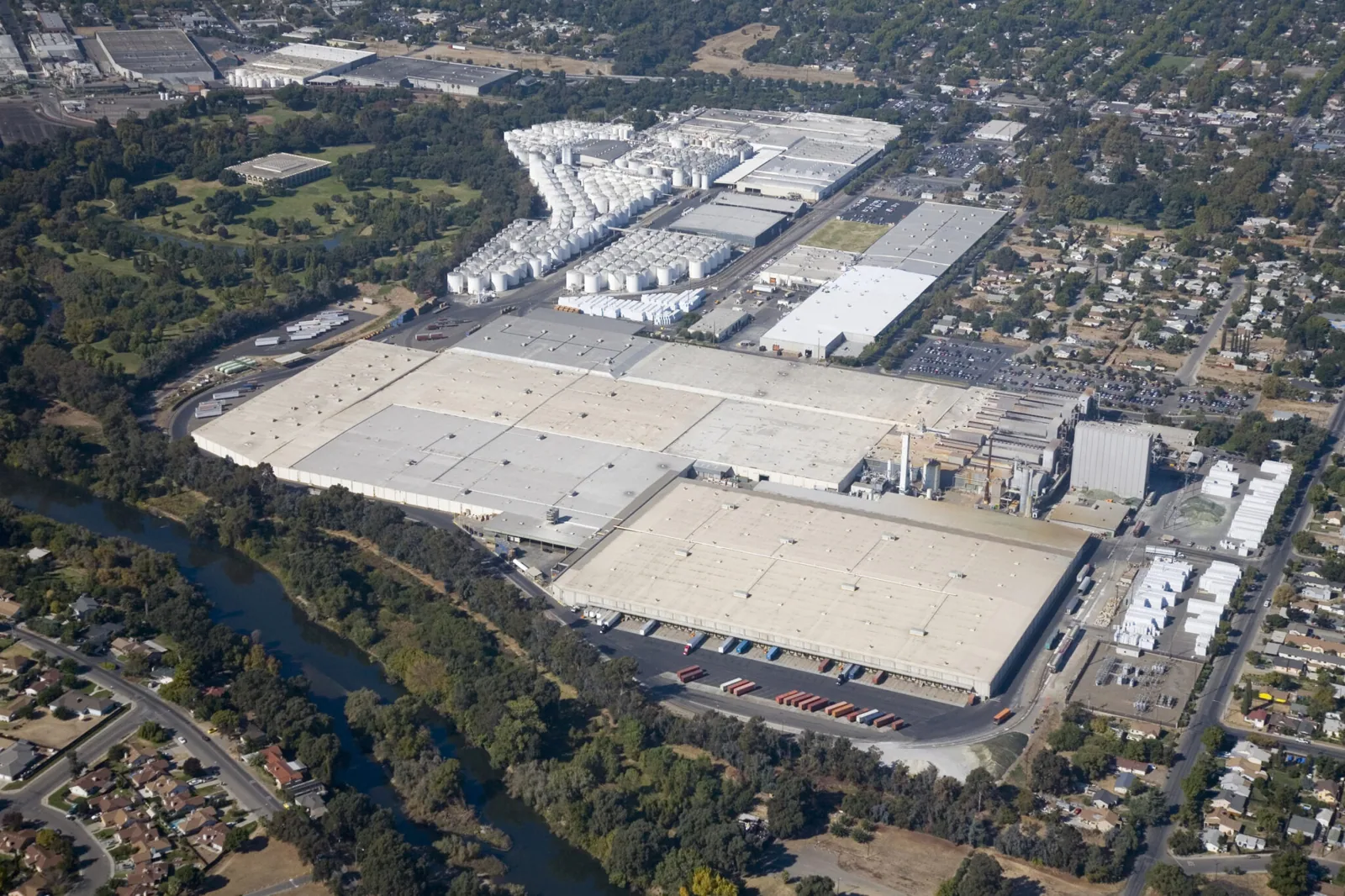
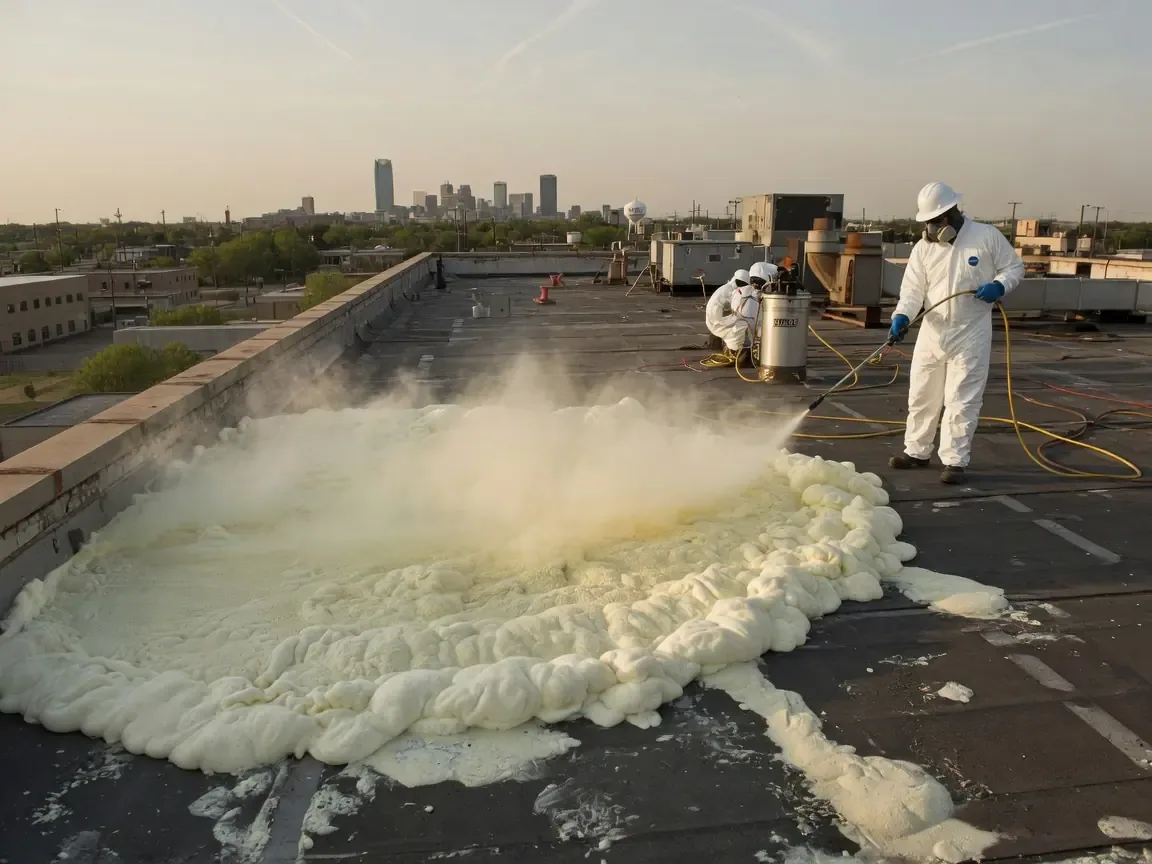
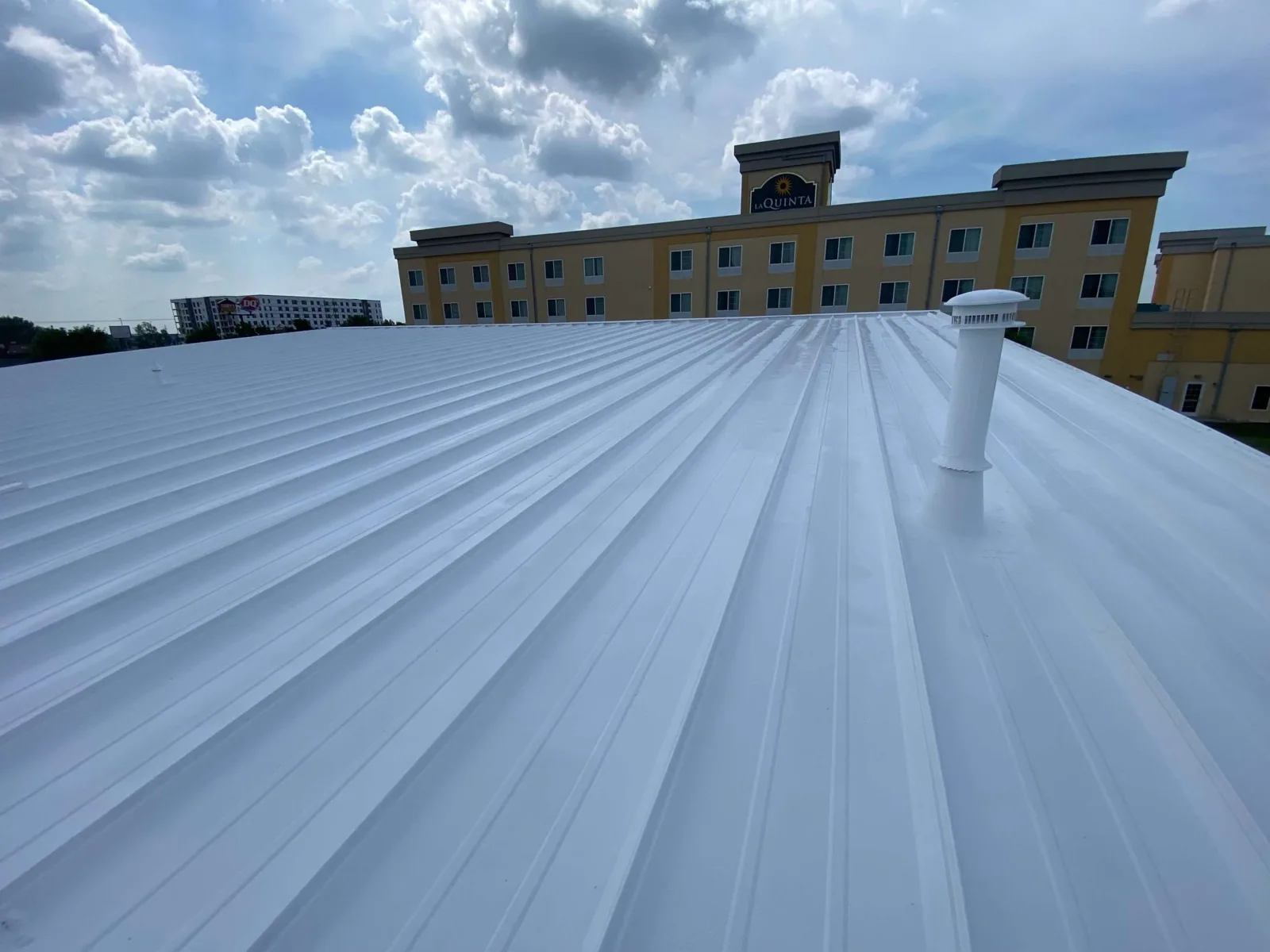
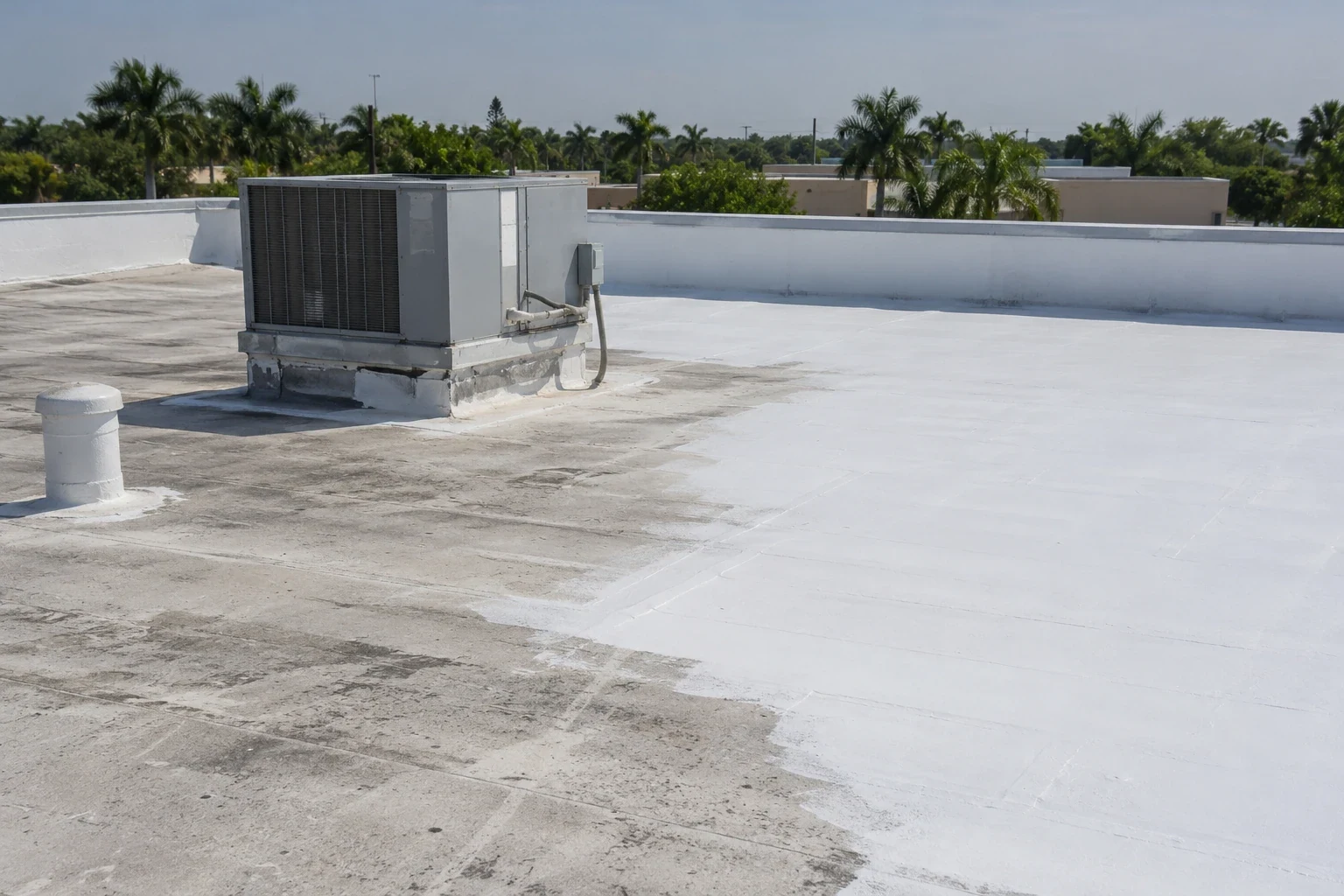
Compare Roof System Options
Identify: Start with the Assembly in Place
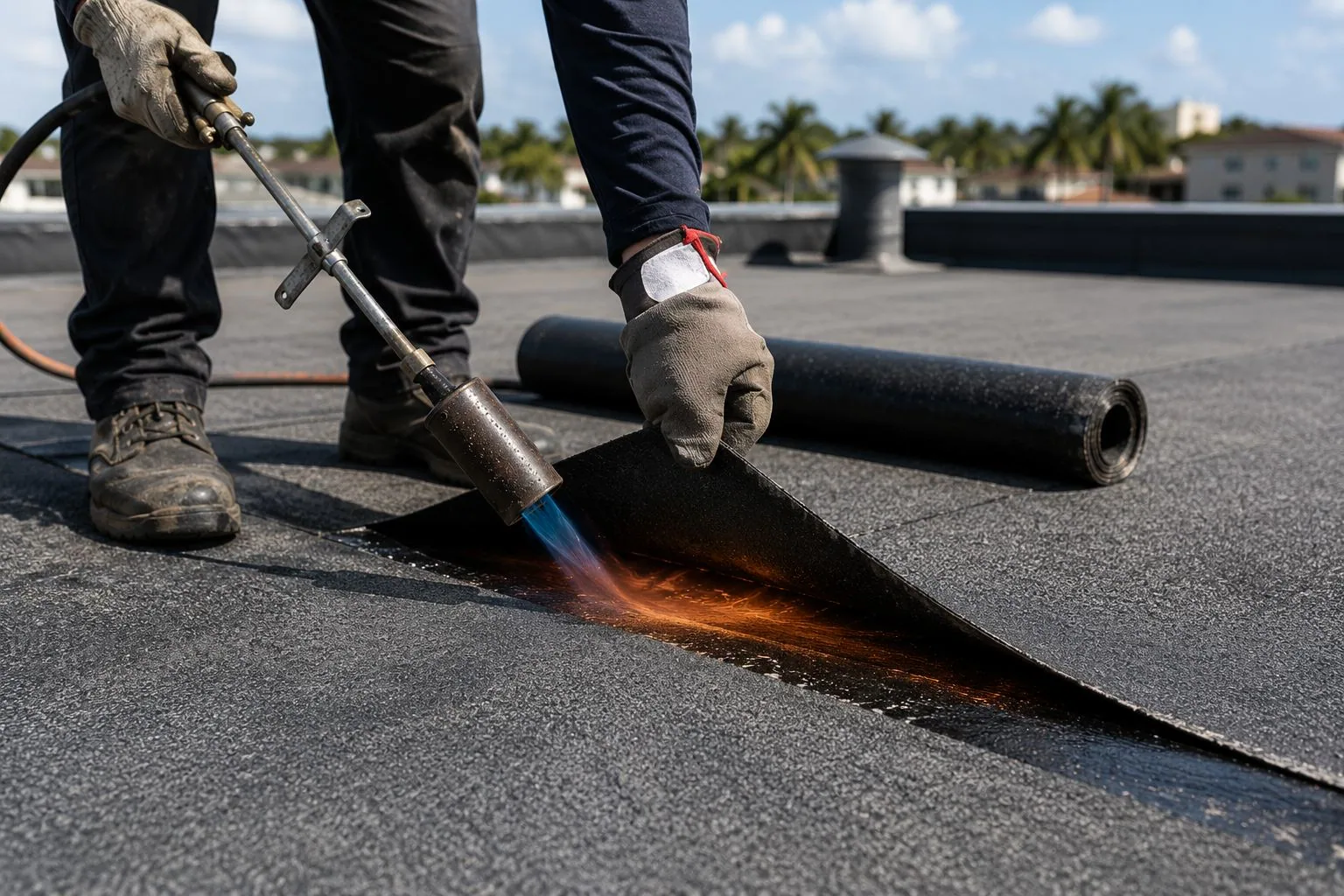
We identify the roof material and attachment method that can be verified, note prior repairs and map sections with different elevations or drainage. A TPO system and a PVC system may both use heat-welded seams, but details and compatibility still depend on the specified product and substrate. EPDM, modified bitumen and built-up systems call for their own repair methods. We document the installed condition before selecting materials.
Compare: Repair, Recover or Replace
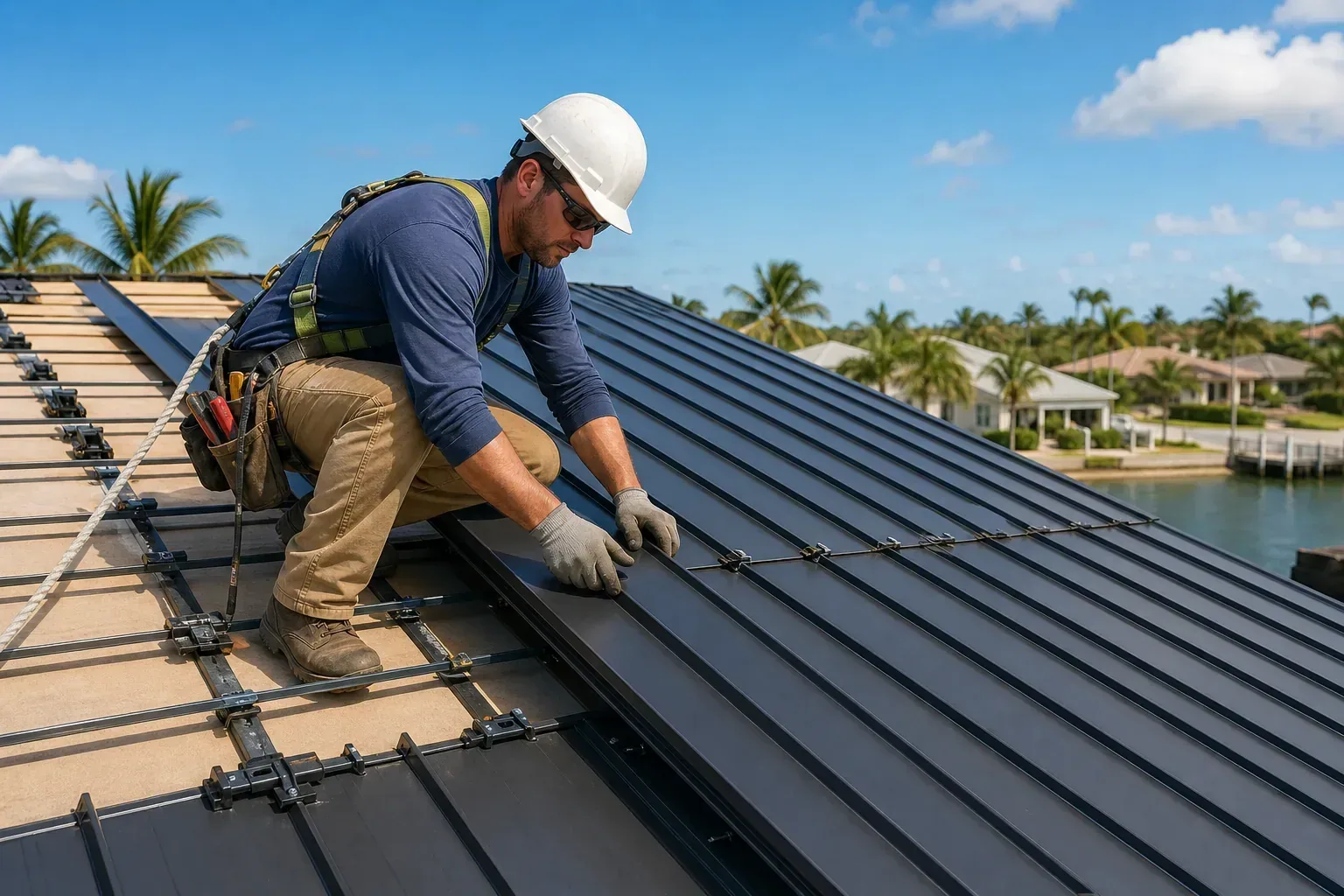
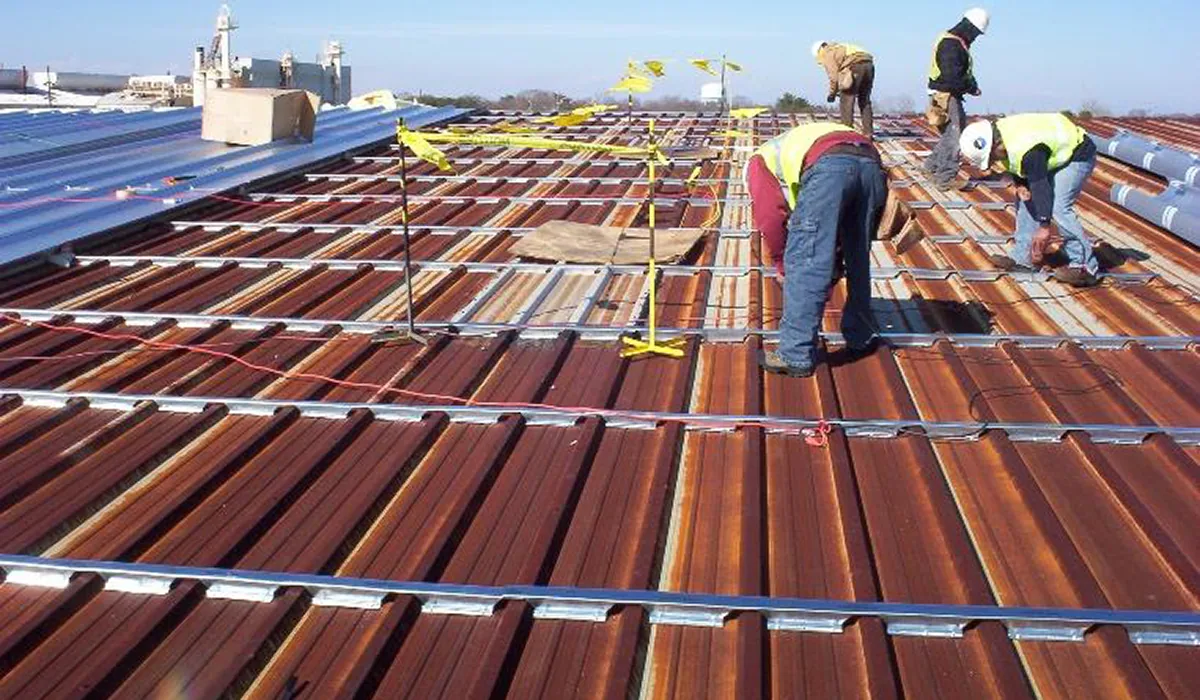
A local seam or flashing defect may be repairable if the surrounding assembly is dry and stable. If moisture, attachment or deck problems span multiple sections, a recover or replacement plan may be more practical. The review considers layer count, substrate, added height at drains and curbs, edge attachment, access and project timing. A standing-seam metal system or retrofit metal assembly also needs movement and fastening details checked. We base serviceability on the assembly, test results, and field condition.
Inspect: Follow Drainage and Exposed Details
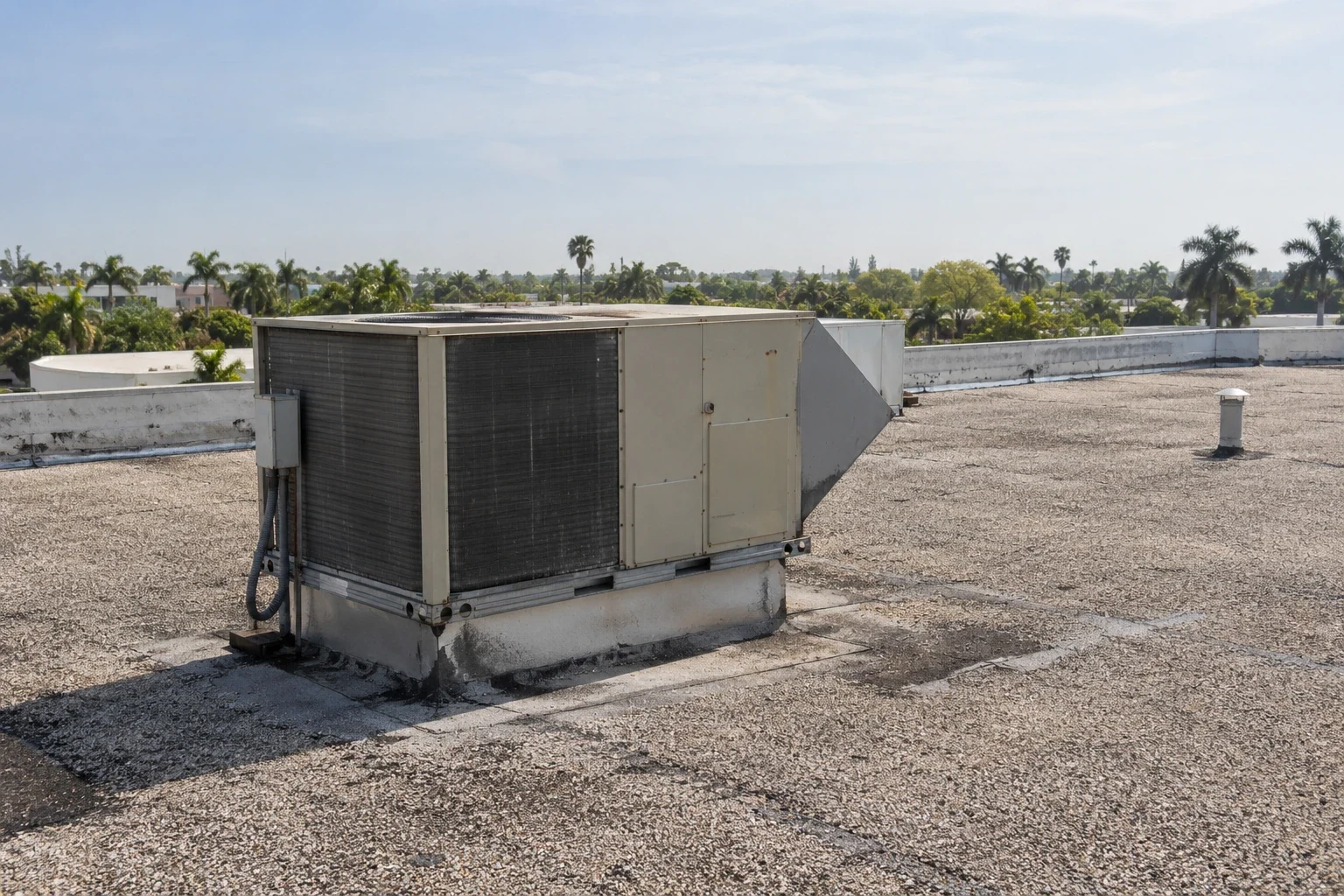
We trace the route from the roof's high areas to drains, scuppers and overflows, then inspect penetrations, equipment curbs, walls and perimeter metal. A coating may be an option only when adhesion, surface preparation, slope and existing moisture support it. A silicone coating or acrylic system needs a sound substrate and dry, prepared insulation below it. We identify whether a test opening or moisture survey is needed before the work boundary is set. The closeout lists the system and layers observed, repairs completed, details excluded and any follow-up interval. That record helps the next facilities contact distinguish the roof that was installed from the options considered during planning.
Coordinate: Match the System to Building Use
Selection also considers roof traffic, rooftop equipment, occupied areas and the time available for installation. A warehouse, medical office and school may have different access windows, shutdown needs and interior protections. We coordinate those details with the site contact and document assumptions that affect schedule or cost. At the UF Health medical district and Butler Plaza, we confirm staging and operating requirements with each property contact.
Commercial Roofing Questions
Can you tell the roof system from a photograph?
A photo can help narrow the possibilities, but it may not show attachment, layers or concealed moisture. We verify the assembly from records and field inspection before recommending a repair method.
What should be verified before choosing a recover?
We check existing layers, moisture, attachment, substrate, drainage height, and transitions. The result shows whether the roof can support another assembly.
Can two membrane systems share the same repair method?
No. Seam construction, surface preparation, and compatible materials differ by system. We identify the installed assembly before specifying the repair.
What details belong in a roof system closeout?
The record identifies the system and sections inspected, materials installed, seams and transitions addressed, photos, and any open test or access item.
Share the building address, use, roof records, leak areas and access contact. We will identify the assembly we can verify and document repair, recover or replacement paths.
Compare Roof System Options
Share the building address, use, roof records, leak areas and access contact. We will identify the assembly we can verify and document repair, recover or replacement paths.