Cold Storage Roofing in Gainesville, FL
Plan Gainesville cold storage roof repairs around vapor control, insulation, drainage, refrigeration operations and site access plans.
Property Types We Roof: Cold Storage Roofing
A temperature-controlled building can show a roof leak as condensation, a ceiling stain, or a change in freezer operation. We first confirm where moisture appeared, which rooms are cold, and how the refrigeration system operates before tracing the roof assembly. In Gainesville, FL, warm outdoor conditions meet a very different interior environment, so vapor control and insulation details matter alongside the membrane. The site contact should identify product zones and operating constraints before we arrange a test opening or roof repair.
Vapor Control and Roof Layers
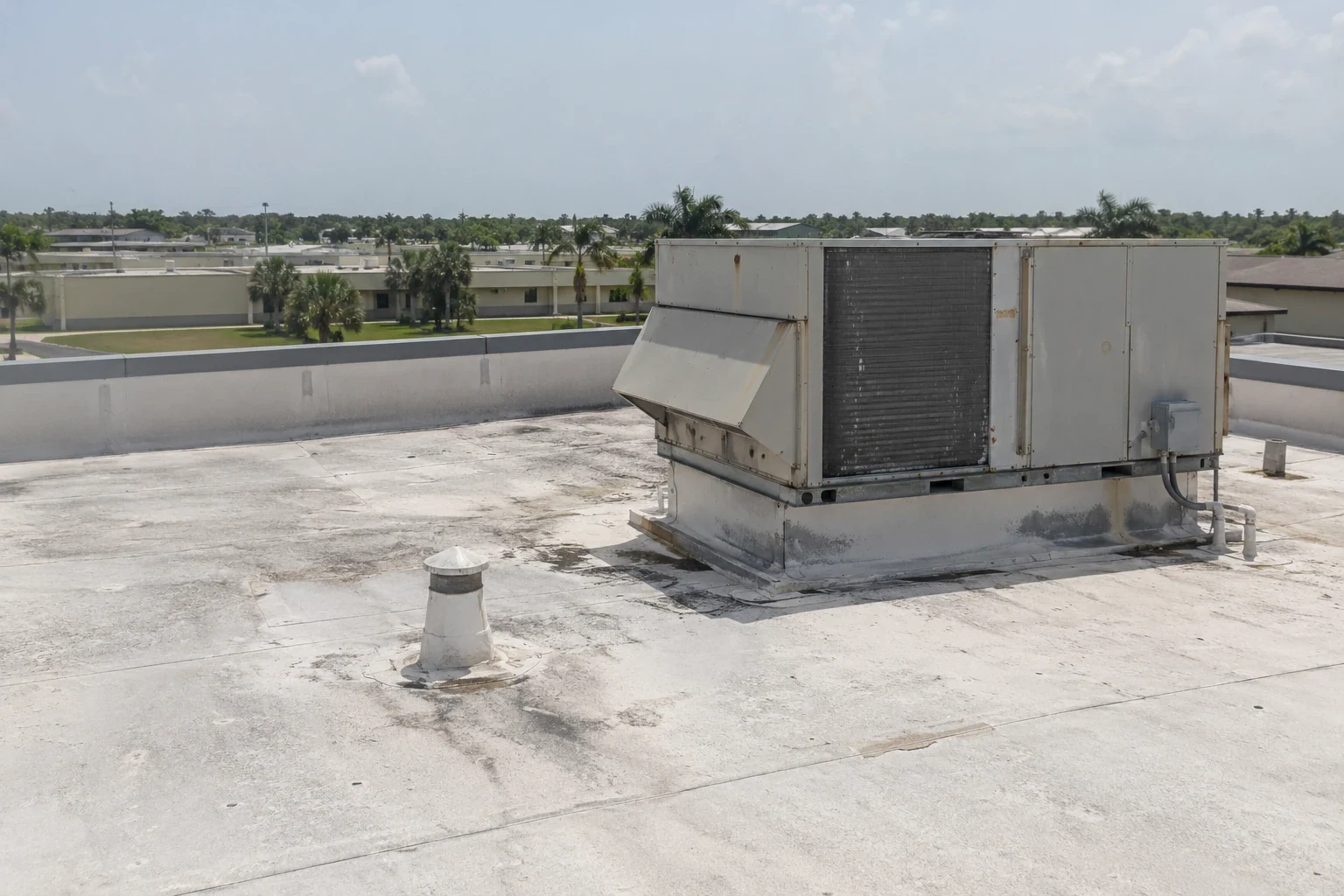
Cold storage roofs depend on a continuous assembly. The air and vapor control layers, insulation, cover board, membrane, and connections at walls and penetrations each have a role. A gap at a curb or roof-to-wall transition can allow moisture movement into the assembly. We review drawings and available repair records, then inspect the surface and interior symptoms together. If the layers are not known, a test opening can show how the existing system was built at that location.
Moisture below the membrane can reduce insulation performance and damage materials over time. We note soft or blistered areas, separated seams, condensation patterns, and the condition of the deck where accessible. Infrared scanning can help select areas to investigate, but it does not confirm wet insulation on its own. A moisture survey can focus test cuts and help define where additional inspection is useful. Each opening is recorded with its location and observed layers.
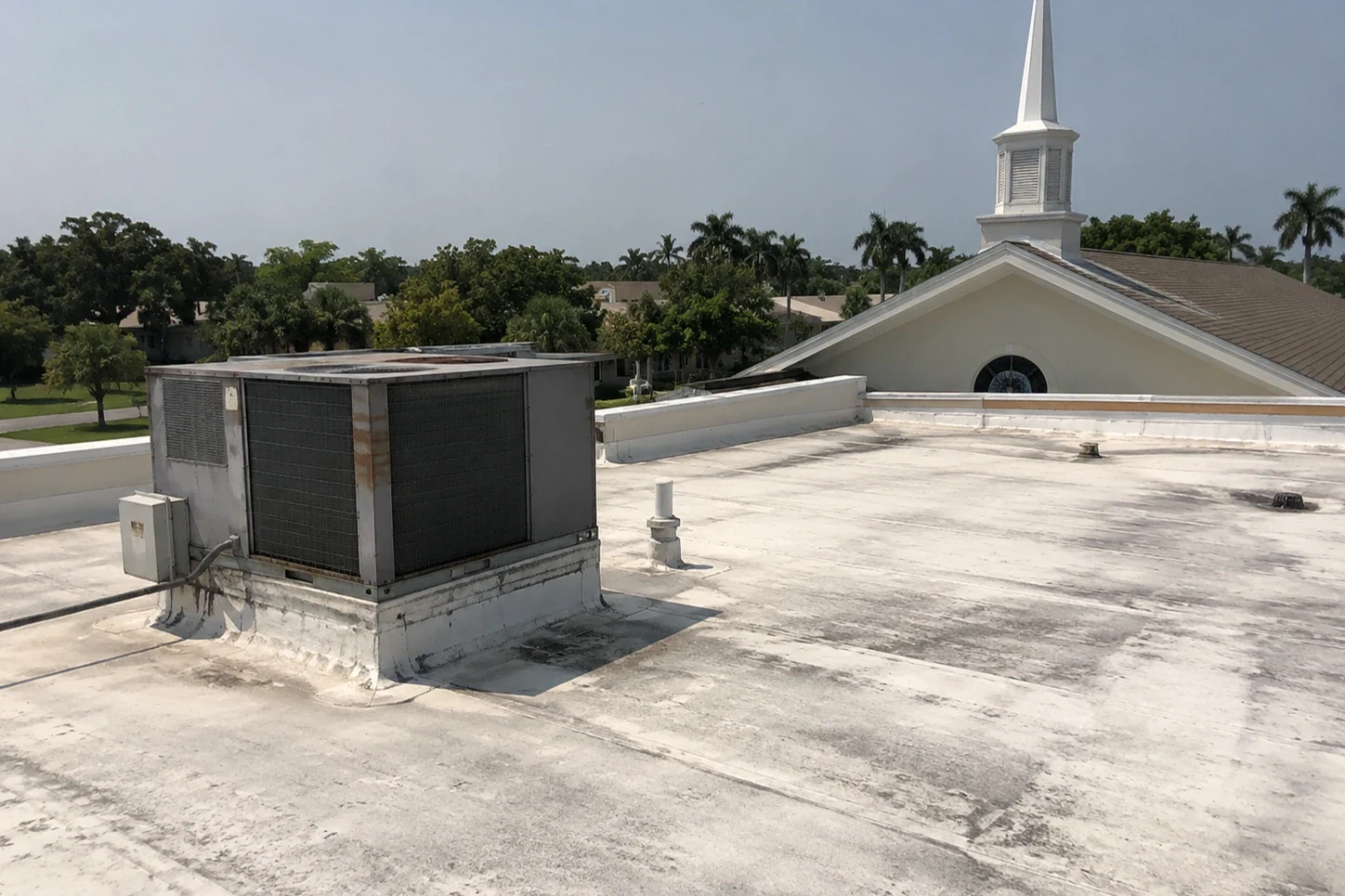
Penetrations deserve careful review because refrigeration lines, exhaust, electrical conduit, and equipment supports pass through or sit above the roof. We inspect flashing, movement, sealant, and the path from the penetration to the interior. If equipment work changed a curb or support, we compare that history with the roof condition. A curb and support repair may need to be coordinated with the refrigeration contractor so both the roof tie-in and equipment connection are complete.
Separate a Roof Leak from Condensation
A roof leak and condensation can look similar from inside a freezer or cooler. We ask when the moisture appears, whether it changes with weather or operating cycles, and which surfaces are affected. On the roof, we check seams, drain bowls, wall transitions, equipment curbs, and areas where insulation may be wet. Indoors, the facility team can note ceiling temperature, door openings, and any change in refrigeration operation. Those records help narrow the cause without treating every drop as a roof failure.
Gainesville recorded 133 days at or above 90 degrees in 2025 and 46.80 inches of precipitation. That heat and rainfall make roof drainage and envelope continuity important; the regional measurements do not diagnose a particular building. We inspect how the roof sheds water and whether details stay sealed through the temperature difference between the conditioned interior and exterior.
Newberry's commercial inventory includes cold-storage property, so the operating plan and roof assembly need to be checked at the selected address. A Newberry commercial property assessment begins with access, roof records, operating conditions, and field inspection. Alachua's Progress District includes distribution-center activity; at either location, we confirm the building's own delivery and refrigeration rules before staging work.
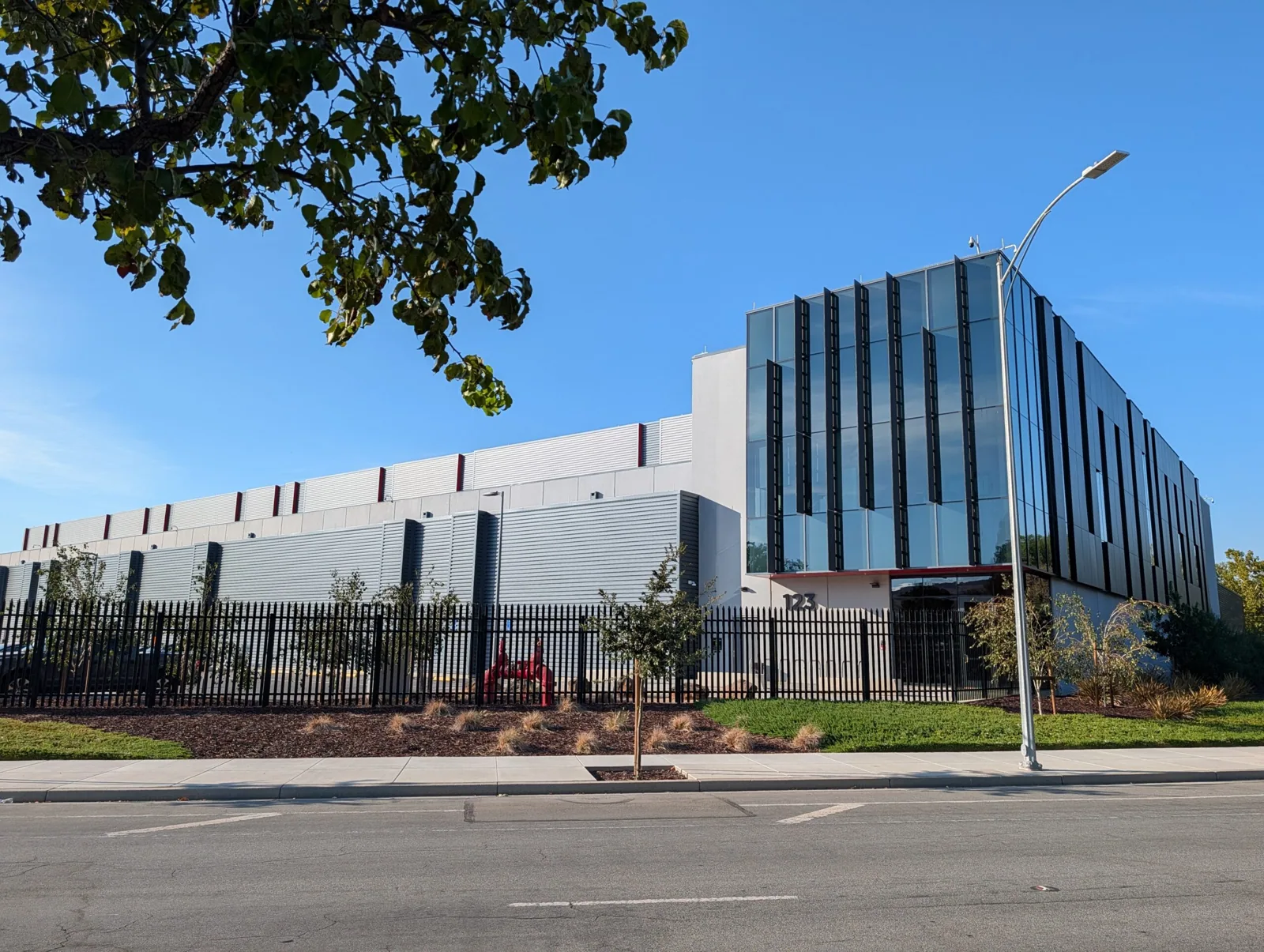
Repair Without Losing the Assembly
When a defect is localized and the surrounding materials are dry, compatible membrane or flashing repair may be sufficient. We identify the roof type, remove failed material, prepare the surface, and rebuild the connection without blocking drains or obscuring adjacent seams. If a test opening finds wet insulation, the removal boundary should extend to sound material. The proposal records what is confirmed and what remains untested before the assembly closes.
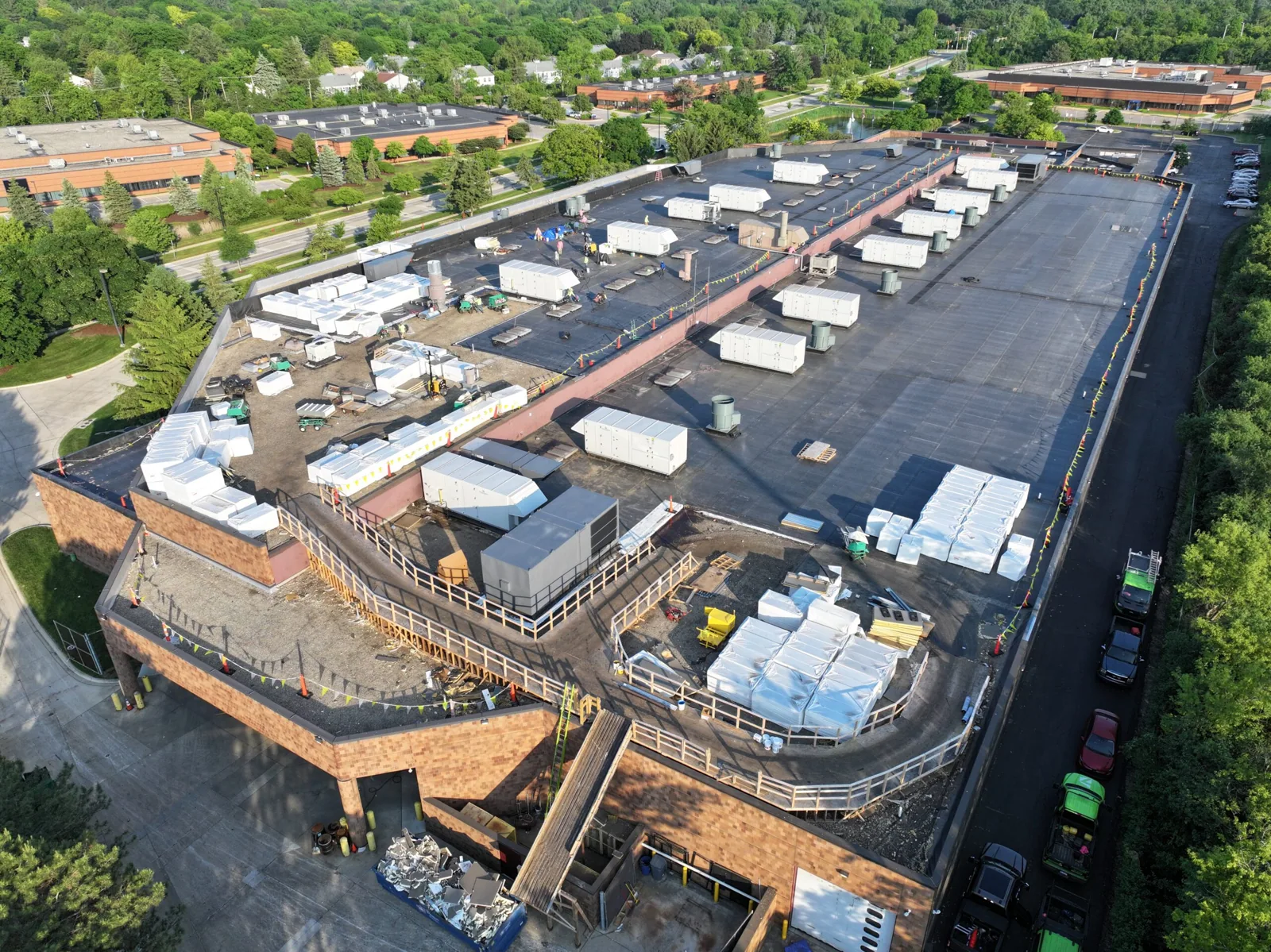
Work in a freezer facility requires a careful sequence to protect product and maintain temperature. The facility contact identifies sensitive areas, service routes, and any period when equipment or doors cannot be disturbed. We coordinate roof openings with interior barriers and temporary protection. If the roof cannot be safely closed before weather arrives, materials stay staged until a suitable work window is available. Emergency response is available around the clock, including holidays, when active water threatens product or equipment.
If the roof has broad wet insulation or repeated failures, a warehouse roof evaluation can help compare operating needs at facilities with different temperature conditions. A manufacturing plant review may involve different production and access controls. A replacement scope may address widespread deterioration, while a recover is considered only when the existing assembly is suitable to remain. A TPO roofing assembly or another membrane must be selected with its vapor control and attachment details resolved, not just the outer surface.
Work Windows for Refrigerated Operations
The work plan should list which roof section is active, the access window, interior protection, and the contact responsible for refrigeration coordination. We ask about lift or staging locations, door use, product movement, and the site safety process. In a food facility, a roof repair should not introduce debris, water, or access restrictions into controlled handling areas. The facility team determines any sanitation or production controls, and we sequence roofing tasks to respect them.
Gainesville's frequent thunderstorms and heavy rain can make an exposed roof section unsafe to leave open. We review near-term conditions before removing material and establish a secure stopping point. If the schedule changes, the open area receives temporary protection and the site contact gets an update on the remaining work. Drainage paths are kept clear, particularly when roof sections are staged around equipment or insulation removal.
For a facility in the Progress District, truck access and neighboring businesses may affect material delivery. A property along the Newberry corridor may have different staging and access rules. We verify each location with the site contact and include restrictions in the schedule. The best work window is one that aligns roof conditions, refrigeration needs, product protection, and weather.
Closeout: Confirm the Layer Transitions
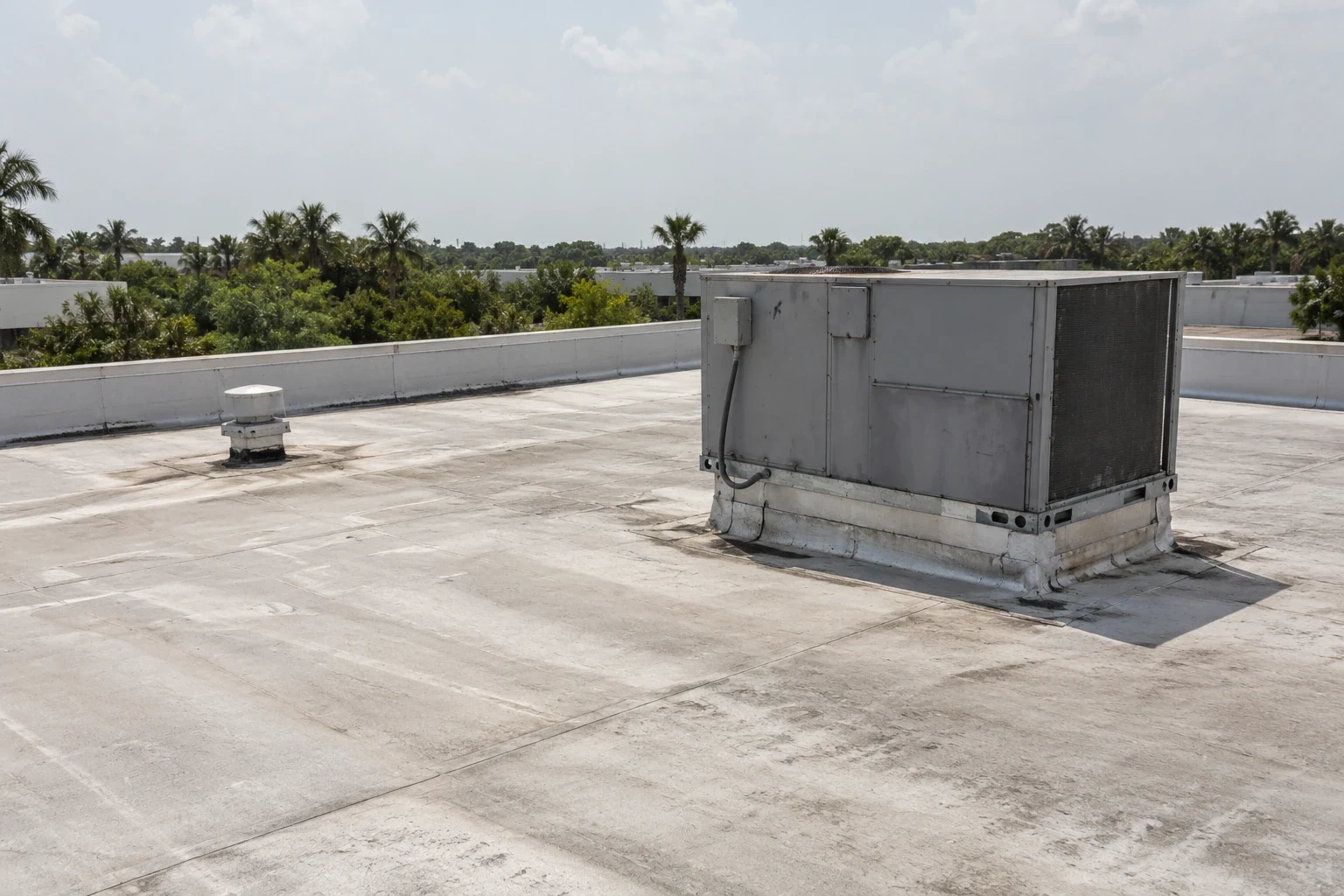
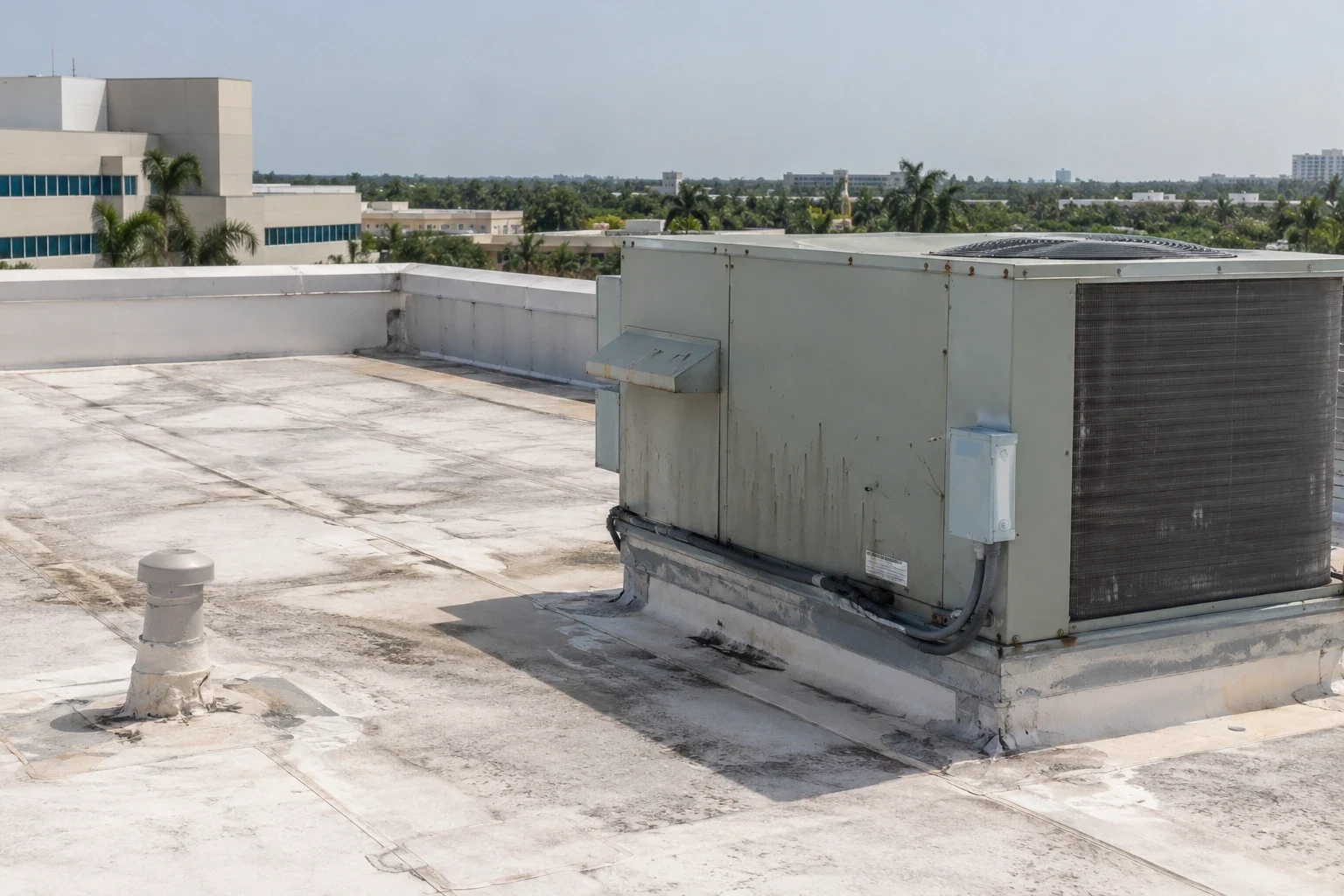
At completion, the closeout record notes the roof section repaired, materials installed, test openings, insulation condition, and transitions at walls, curbs, drains, and penetrations. Photos show the layers before they are concealed and the completed surface after tie-in. We list any areas that remain closed or need further evaluation. The facility team can use the record to compare a future condensation or leak report with the conditions found during this work.
For a Gainesville cold storage assessment, send the building address, roof plans, temperature-controlled areas, active moisture locations, refrigeration contact, prior repairs, and preferred access window. We will inspect the roof and document the measured scope, including any opening needed to confirm wet insulation or vapor-control conditions.
Frequently Asked Questions
Can roof condensation be confused with a leak in a freezer?
Yes. Moisture may form where warm, humid air reaches a cold surface, while a roof leak follows a path through the assembly. We compare operating conditions, weather, interior locations, and roof details before assigning the source.
Will a moisture scan tell us exactly how much insulation is wet?
A scan helps identify areas for further inspection. Test openings confirm the layers and moisture at each location, and the repair boundary is set from those findings.
Can you repair a roof without shutting down refrigeration?
Often, the roof work can be staged without interrupting refrigeration, but the site contact must identify equipment limits, interior controls, and product-sensitive zones. We coordinate openings and access around those operating requirements.
What records should a cold storage facility prepare?
Roof plans, prior repair reports, moisture locations, refrigeration contacts, and access rules help us plan the visit. Note when the symptom appears and whether it changes with operating conditions or rain.
Related Roofing Work
Review a Gainesville Cold Storage Roof
Provide the address, roof records, temperature-controlled zones, moisture locations, refrigeration contact, and access window. We will inspect the assembly and document the repair boundary and any testing needed.