
Commercial Roof Drains and Scupper Repair in Gainesville, FL
Trace commercial roof drain paths, scuppers and ponding in Gainesville. Repair details and drainage corrections are scoped to the roof and building.
Commercial Roofing Services: Commercial Roof Drains and Scupper Repair
A Gainesville facility can have a drain that looks clear at the roof surface while water still moves slowly through the outlet below. We trace how water should leave each roof section, inspect drains and scuppers, and check for low areas, debris or failed transitions. A concentrated rain event can expose a slow outlet or a low roof area that is less apparent in dry conditions. The repair still depends on the actual slope, outlet and assembly at the building.
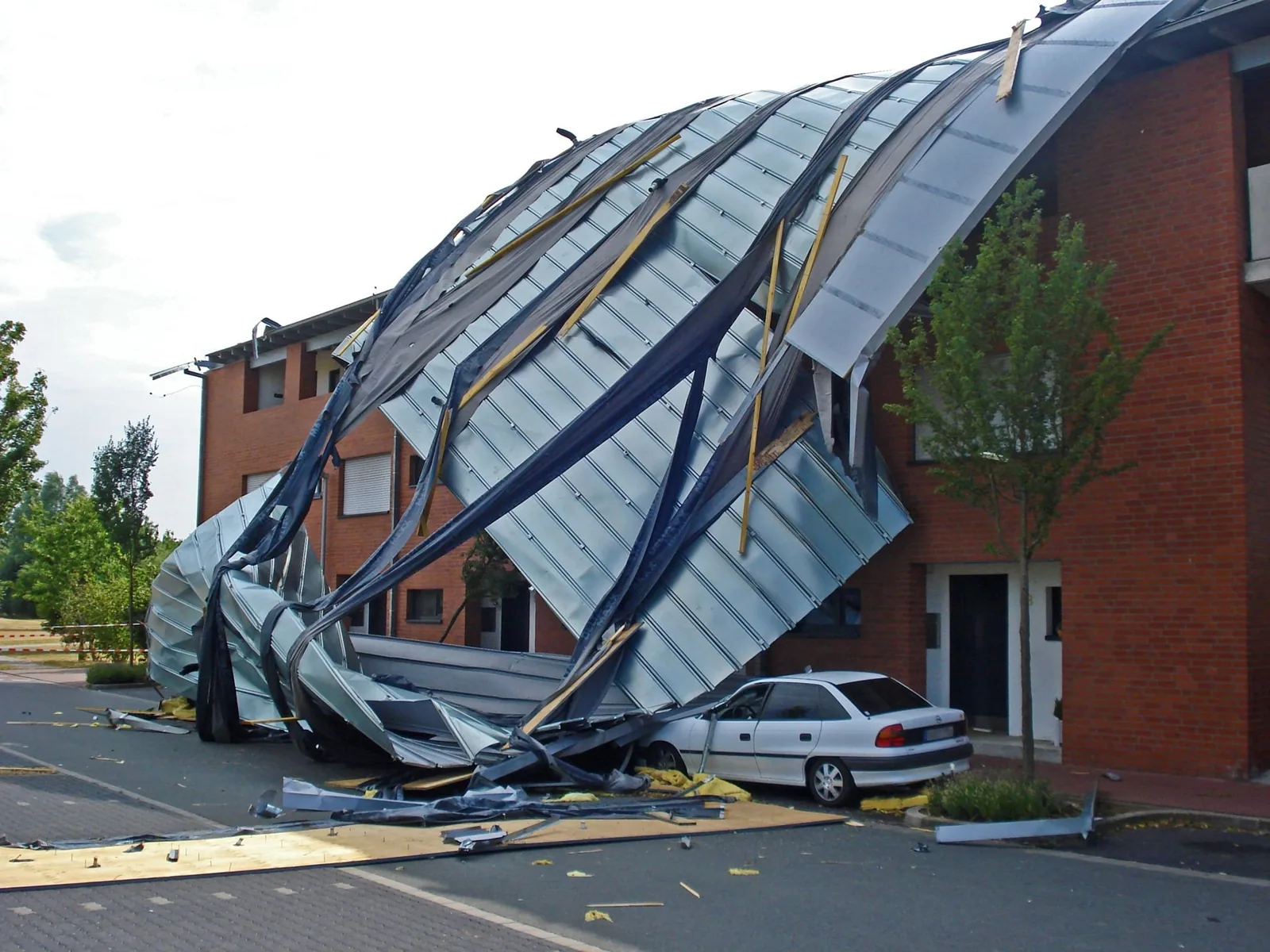
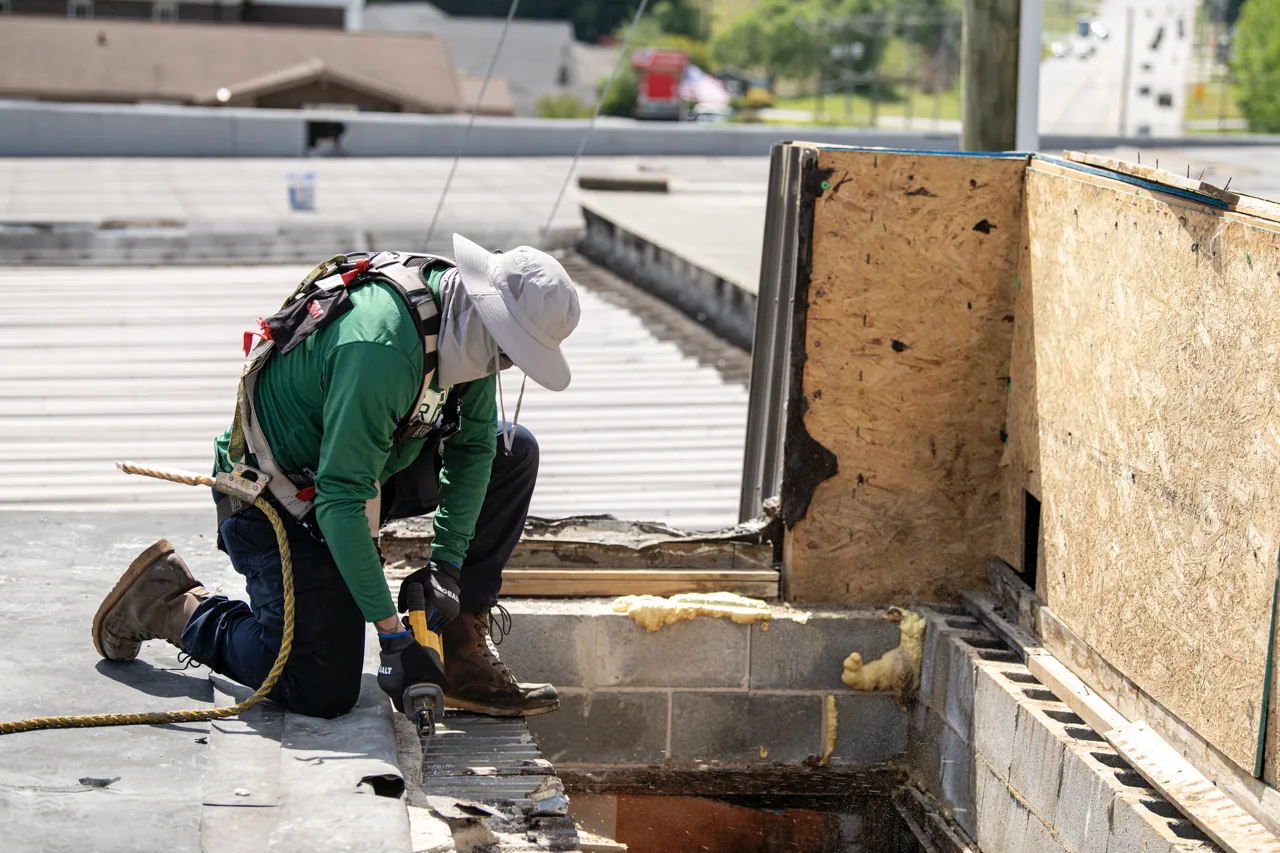
Trace: Follow the Drain Path
Water should move from the roof field toward a drain, scupper or gutter without crossing a seam or entering a wall transition. We start by identifying roof elevations, drain locations, visible crickets and the path water takes around equipment or higher sections. Debris, crushed strainers, a slow outlet or a blocked conductor can change that route. We note the location of standing water and whether it clears after rainfall, then compare the observation with the roof plan where one is available.
A stain below a drain does not by itself show whether the bowl, piping connection, membrane or surrounding flashing is responsible. We inspect the drain flange and field membrane, look for separation and check accessible components around the outlet. When the source is concealed, we identify what testing or access would clarify it. A leak investigation can trace water entry when the interior report does not line up with the roof opening.
Gainesville's 2022 climate record included 104 thunderstorm days and 82 heavy-rain days. Intense rainfall can reveal a slow drain or an overflow path that routine dry-weather inspection may not show. We use that weather history to prioritize drainage checks, not to assume a specific property has a capacity problem. The outlet, roof geometry and observed water level determine the next step.
Inspect: Drains, Scuppers and Overflow Details
At a roof drain, we check the strainer, bowl, surrounding membrane, clamping or attachment detail and any visible connection to the leader. At a scupper, we inspect the opening, liner, wall transition and exterior discharge path. We look for debris, corrosion, movement, cracks, failed sealant or a membrane termination that leaves a route for water. If the outlet connects to a conductor or gutter, we note whether that path is accessible and whether it is carrying water away from the building.
Primary drainage and overflow drainage serve different functions. We record visible overflow provisions and whether water has left marks at those points. Design capacity, code requirements and structural loading need confirmation from the applicable building documents and qualified design review; a field observation alone cannot certify them. Gainesville requires the Florida Building Code 8th Edition for permit applications received from December 31, 2023, so planned permitted work should use the applicable local requirements.
Properties in Downtown Gainesville may have compact roof sections and storefront transitions, while a large retail property near Butler Plaza can have several roof areas with separate outlets. The building's layout guides the inspection record. We label each drain and scupper so the owner can connect a finding to the right section.
A drain check also includes the roof surface feeding it. Loose debris can explain a temporary blockage, while a depressed area or damaged slope may keep water at the outlet after cleaning. We inspect strainers, drain bowls, clamping rings and nearby membrane transitions, then trace whether water can reach the inlet without crossing a ridge or trapped area. At scuppers, we look at the opening, liner, wall flashing and discharge path. Photographs before and after service make the condition easier to compare at the next visit.
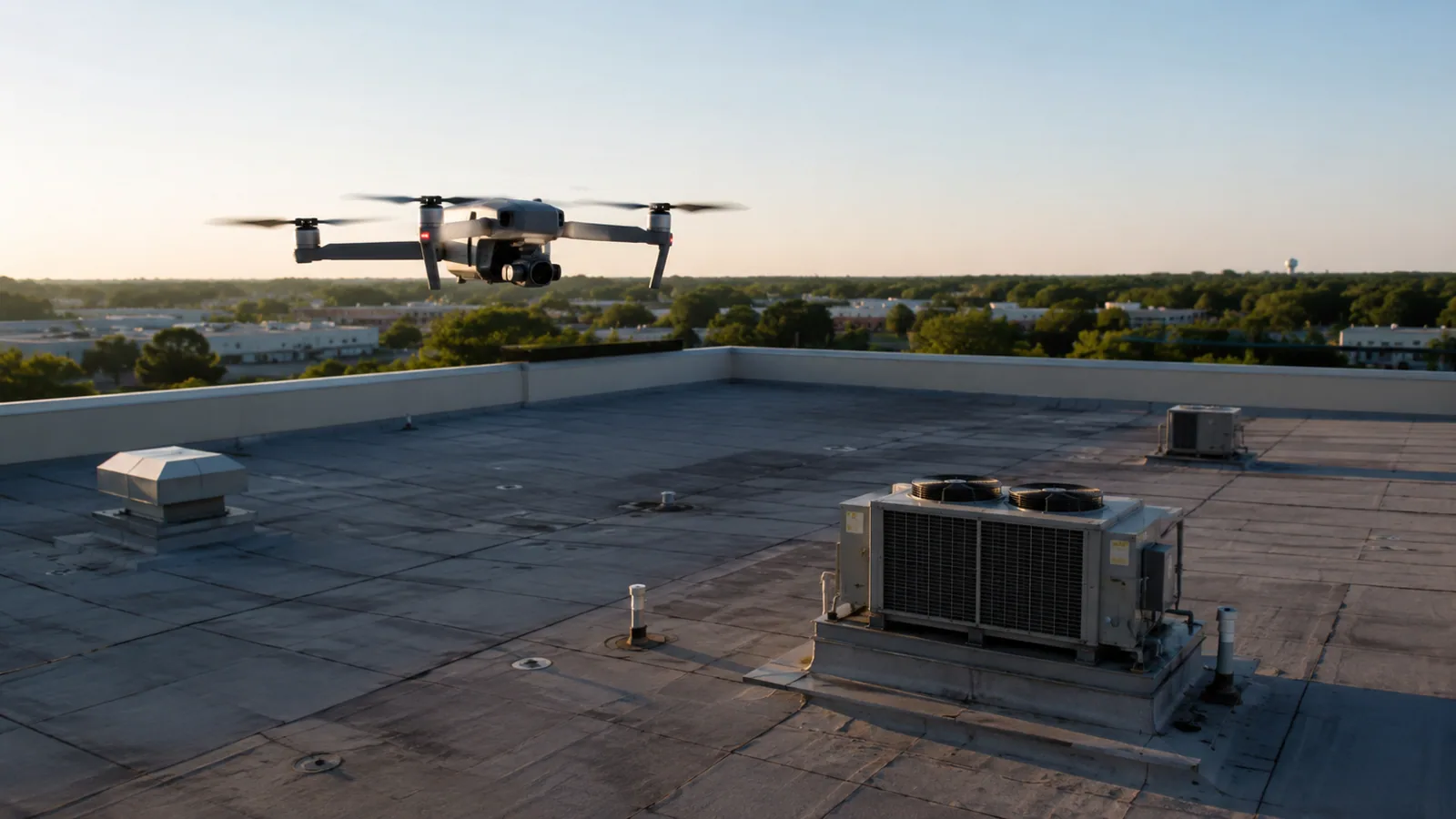
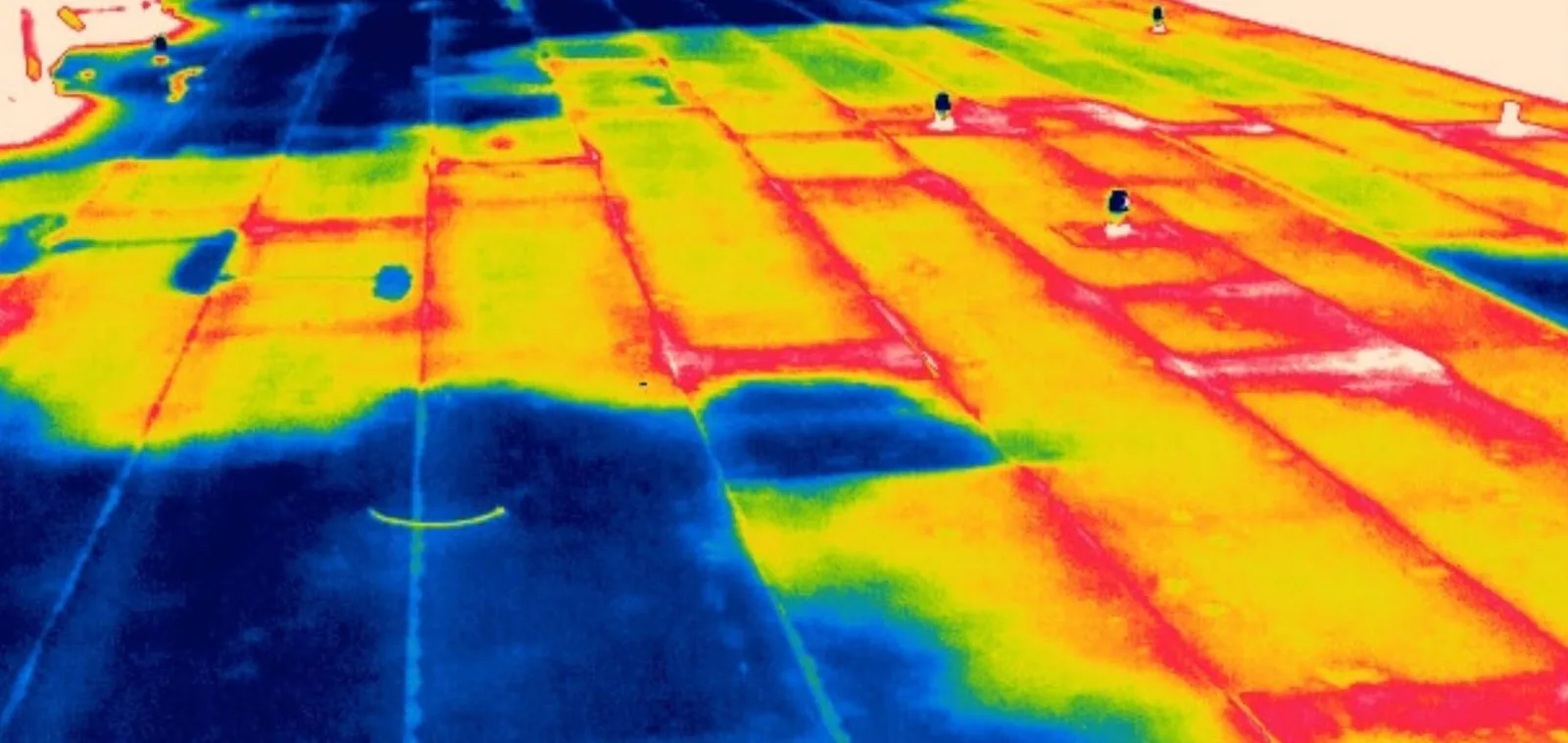
Correct: Repair the Cause of Ponding
Cleaning a drain can restore flow when debris is the problem. A separated drain flange may need membrane repair, and a damaged scupper liner may require rebuilding the transition. A low area that repeatedly holds water can call for a more involved drainage correction. We identify the cause and describe the work limit before recommending a repair. Adding sealant around an outlet without addressing a failed connection or movement can leave the route open.
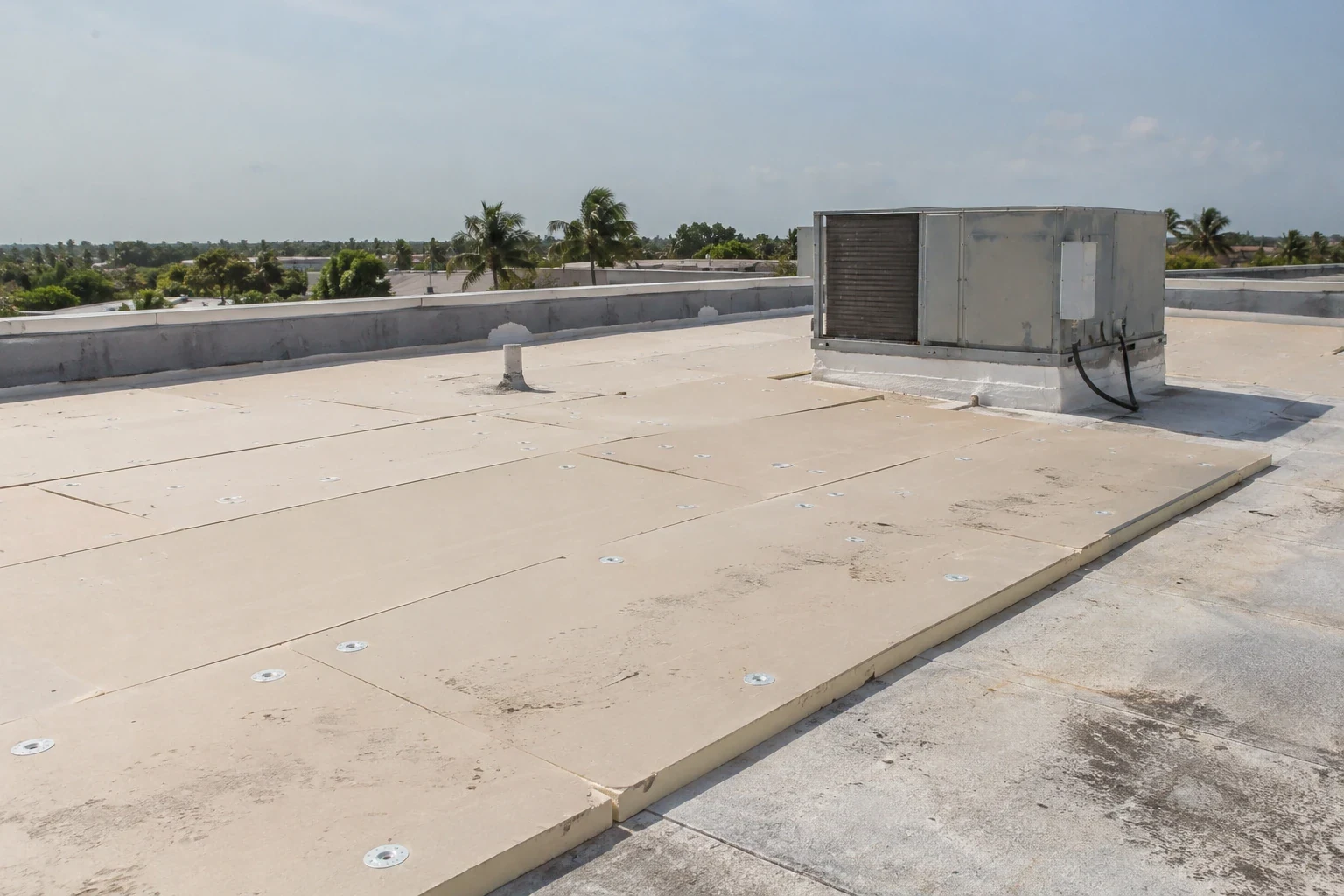
Crickets and tapered insulation can direct water around curbs or toward outlets, but their placement has to match the roof geometry. We check whether existing slope delivers water to the drain or leaves a backwater area. A drainage correction may involve insulation, cover board, membrane and flashing work. If the roof already has wet or deteriorated materials, the plan must address them before a new surface is installed.
Cost and schedule depend on roof access, outlet type, piping connection, membrane system, number of affected areas and what is found beneath the surface. We can prepare a localized drainage repair scope or include the work in a broader roof replacement plan. The scope identifies whether additional testing or design input is needed.
Coordinate: Keep Water Moving During Work
Drain work can affect the building even when the repair is small. We coordinate roof access, site contacts and work windows, then protect entrances, loading areas and interior spaces below the work. If a drain must be temporarily isolated or an outlet opened, the site contact should know which area is affected and how weather will be handled. We schedule around forecast conditions and do not leave an exposed opening without a protection plan.
Along Archer Road, retail and medical uses can keep entrances and service drives busy throughout the day. The UF Health medical district includes institutional properties where access and operations need coordination. These local settings change staging, not drainage diagnosis. We confirm the building's actual routes and identify where equipment, pedestrians or vehicles need protection.
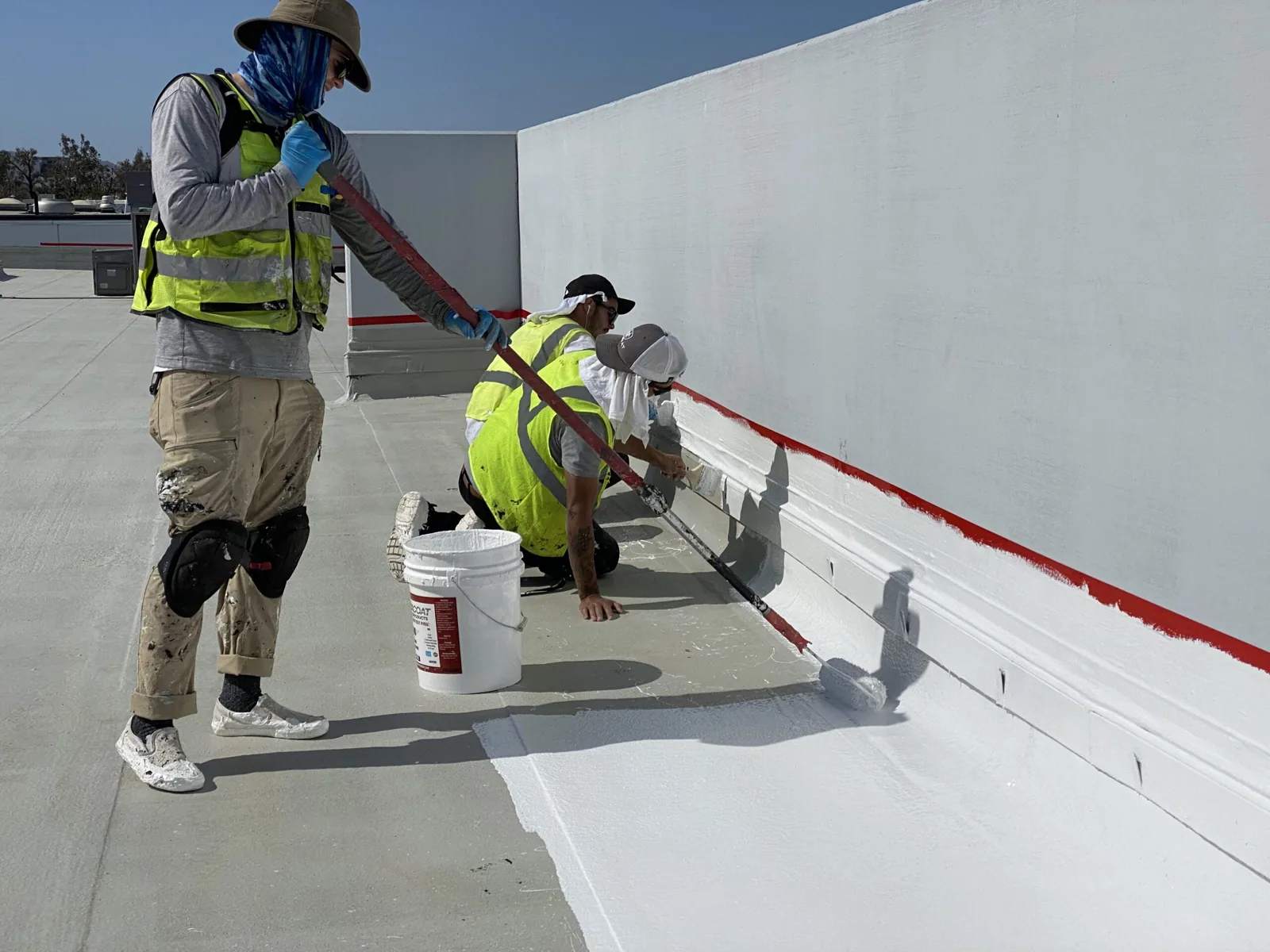
During a repair, we remove only the material needed to expose the failed detail and rebuild it using components compatible with the roof system. We check that the completed transition is integrated with the surrounding membrane and that the outlet remains clear. Where roof areas are occupied by equipment or walk pads, we restore access paths and keep discharge points visible for future maintenance.
Close Out: Record Each Outlet
The closeout notes which drains or scuppers were checked, what was found and what repair was completed. Photos and a roof plan can show outlet locations, low areas and any sections still needing review. If the condition depended on rain to confirm flow, we note that a dry-day inspection could not establish performance under heavy runoff. That distinction gives the next facility manager a reliable starting point.
After a substantial rain, the owner may choose to review whether each outlet cleared water from its section. A maintenance visit can clear debris and recheck strainers, scuppers and discharge paths before the next wet period. A documented roof inspection can also track changes in seams or flashings around outlets.
For a Gainesville drainage review, send the property address, building use, roof plan if available, reported ponding or leak locations, site contact and access window. We will map the outlet path, inspect visible details and explain whether cleaning, repair or a broader correction is supported by the roof condition.
Frequently Asked Questions
How can you tell if a roof drain is causing a leak?
We inspect the drain bowl, surrounding membrane, visible connection and water path, then compare them with the leak location. Concealed connections may require added access or testing.
Is standing water always a roof failure?
Not by itself. We document where water remains and how long it persists, then evaluate slope, drainage, membrane condition and the building's design information before recommending a correction.
Can you clear drains during a maintenance visit?
Yes, when access and authorization allow it. We record debris or damage and separate routine cleaning from outlet repairs or drainage changes that need a defined scope.
Do you verify that the roof can handle a design storm?
Capacity and structural design require review of project documents and applicable code by the appropriate design professional. We record visible drainage components and field conditions.
Related Roofing Work
Review Gainesville Roof Drainage
Send the property address, building use, roof plan, ponding or leak areas, site contact and preferred access window. We will trace each outlet path and scope the repair supported by the roof condition.