
Commercial Roofing Along NE 39th Avenue and Waldo Road, Gainesville, FL
Plan commercial roofing along Gainesville’s NE 39th Avenue and Waldo Road corridor with building-specific inspection, drainage and access plans.
Service Areas: NE 39th Avenue and Waldo Road
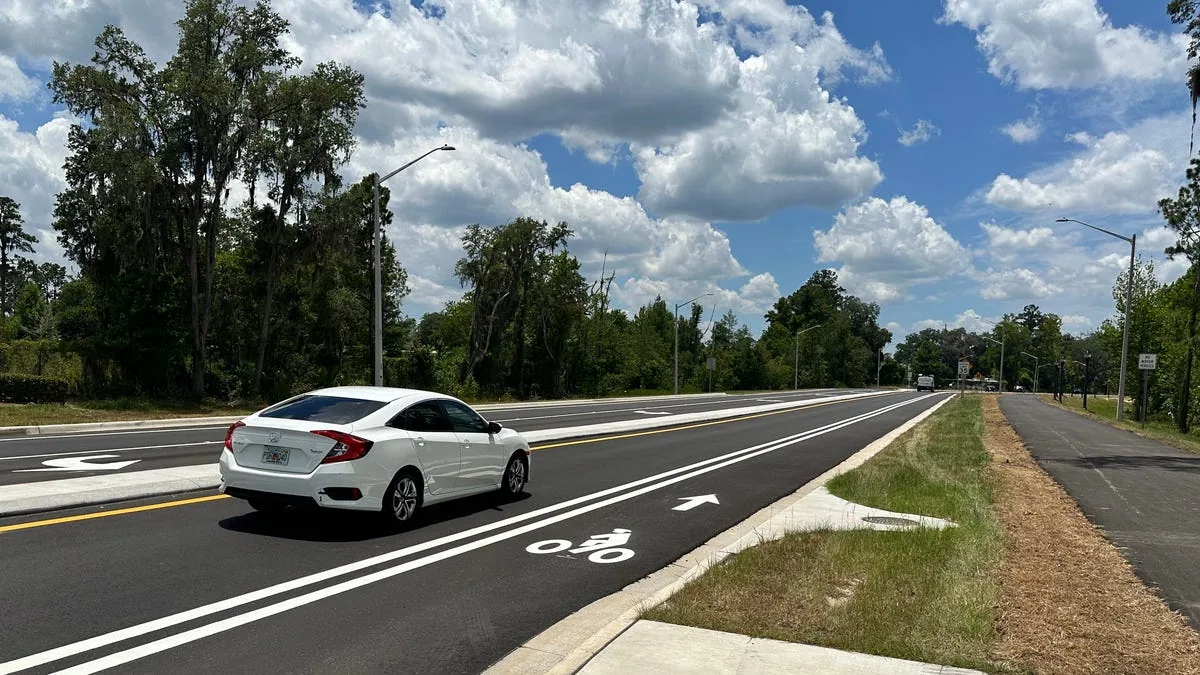
Commercial and industrial properties along NE 39th Avenue and Waldo Road need roof scopes tied to the building under review, not assumptions based on a nearby institution. We confirm the property address, use and site contact, then map accessible roof sections and inspect seams, drains, penetrations and edges. Gainesville's transportation planning identifies these roads as access routes in the city's northeast area, and the adjacent Airport Industrial Park is a multi-property employment setting. The manager confirms the property's gate, loading area and roof system before we schedule a visit or material delivery. The inspection records the field conditions and any access limit before we compare repair, recover or replacement.
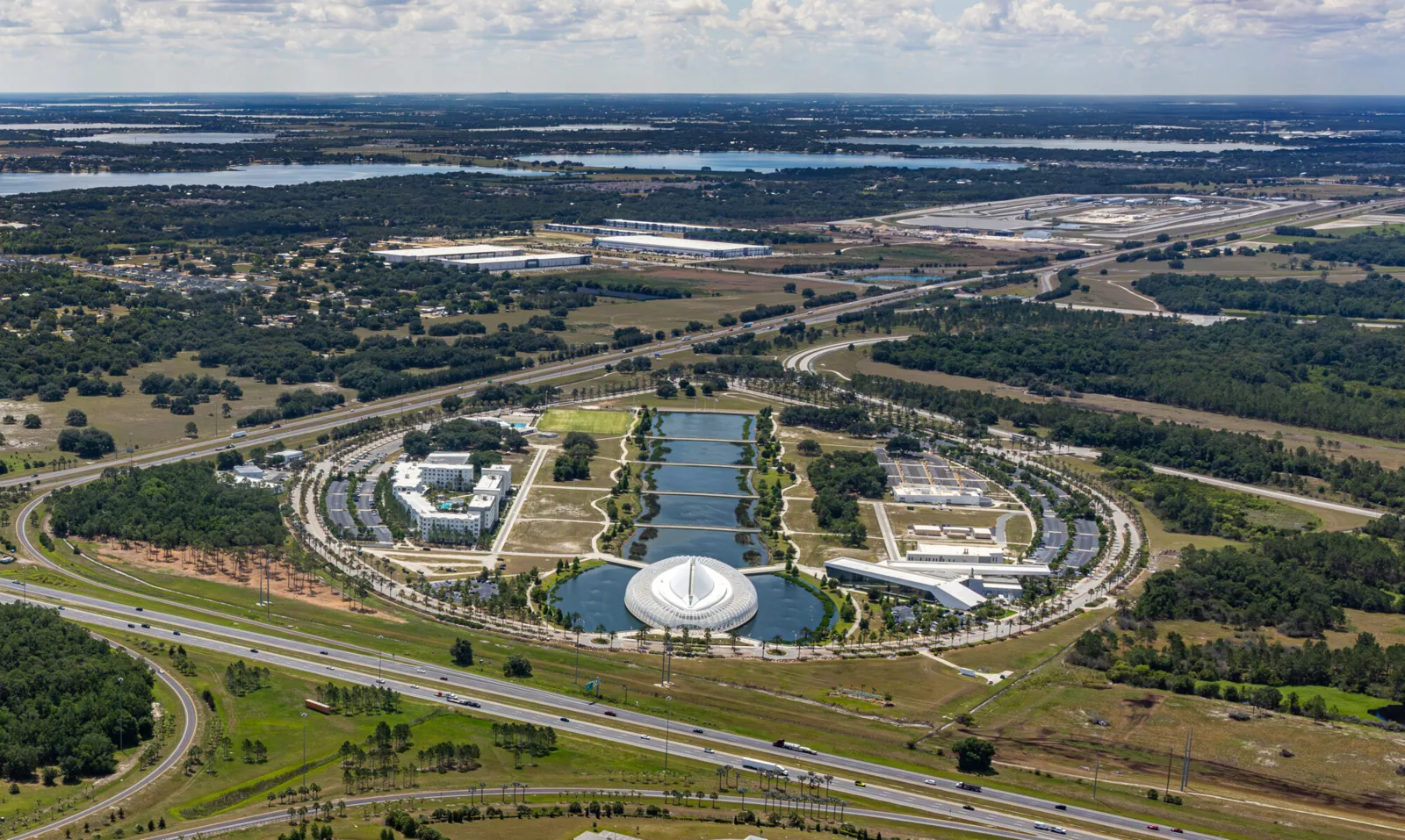
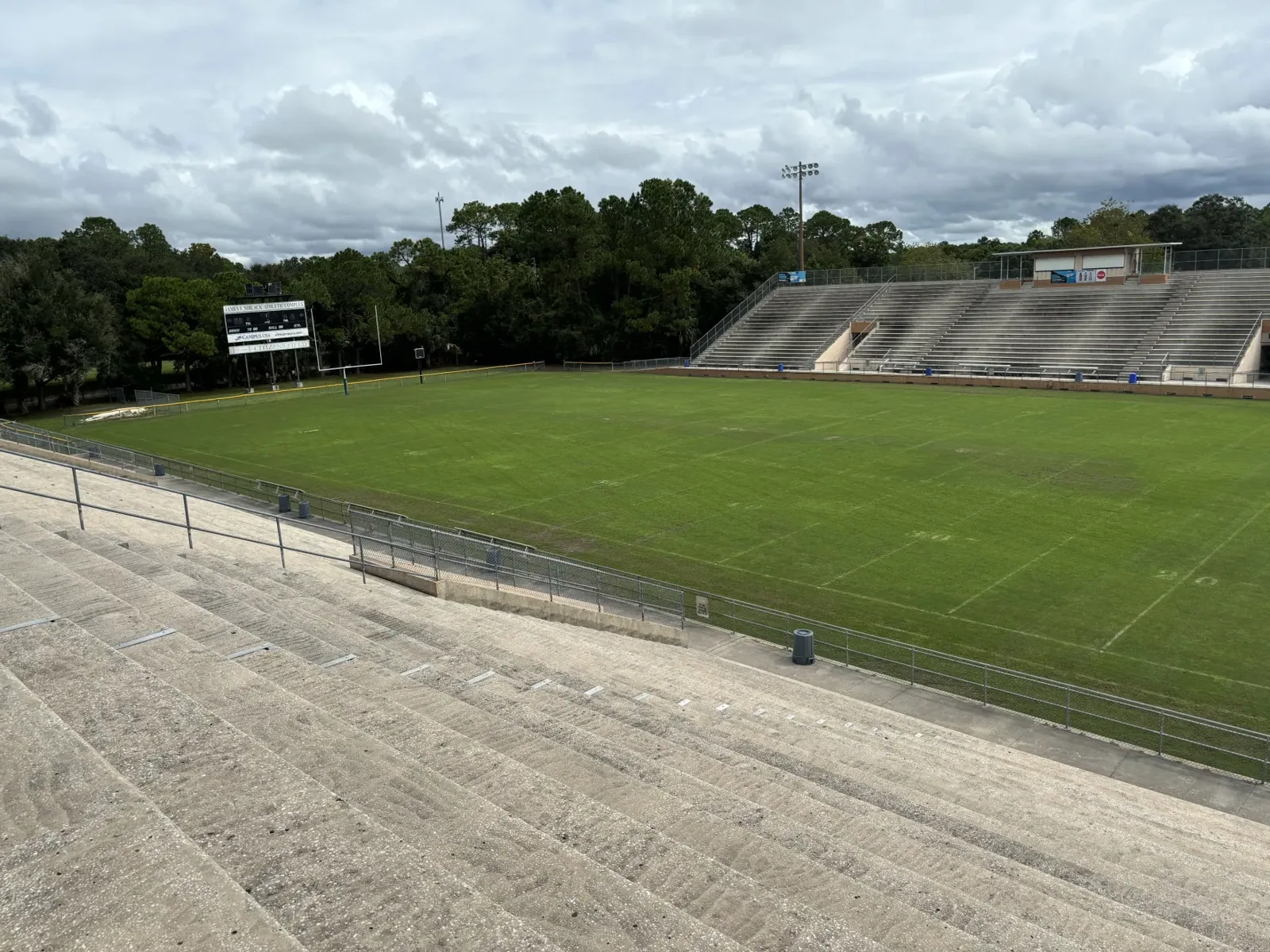
Identify: Confirm the Facility and Access Limits
The NE 39th Avenue and Waldo Road area includes commercial access routes and an industrial park within the broader northeast Gainesville road network. A job may involve a warehouse, office or other operating property, but we confirm the actual building use and owner rather than infer it from nearby land. The site contact provides available roof plans and repair history, identifies areas that cannot be entered and approves the inspection boundary. We mark the roof section covered by the request and state any limits in the report, keeping conditions at one address separate from other properties in the area.
Waldo Road and NE 39th Avenue serve as access routes in northeast Gainesville, where Airport Industrial Park is one of the area's industrial parks. That road context helps with orientation, but the property contact confirms where crews can enter, unload materials and stage equipment. A roof survey at a separate property keeps its own site map and scope.
Inspect: Follow Water Around Roof Penetrations
Aircraft-related and support buildings may have rooftop penetrations or mechanical equipment, but we confirm those features on the structure before selecting the inspection route. We check roof seams, flashing, edge metal, drain paths and transitions around curbs or equipment. Where a building has a large opening or specialized access needs, we inspect adjacent roof details for water movement or wind effects. The field record distinguishes a visible defect from a suspected leak path, and a moisture survey or selective opening can resolve concealed conditions.
Gainesville's 2022 climate summary counted 104 thunderstorm days and 82 heavy-rain days. After severe rain or wind, we inspect the roof's edges, seams and drainage, then record any condition that needs repair. We photograph any movement or opening observed at the property and distinguish confirmed damage from conditions that need closer testing.
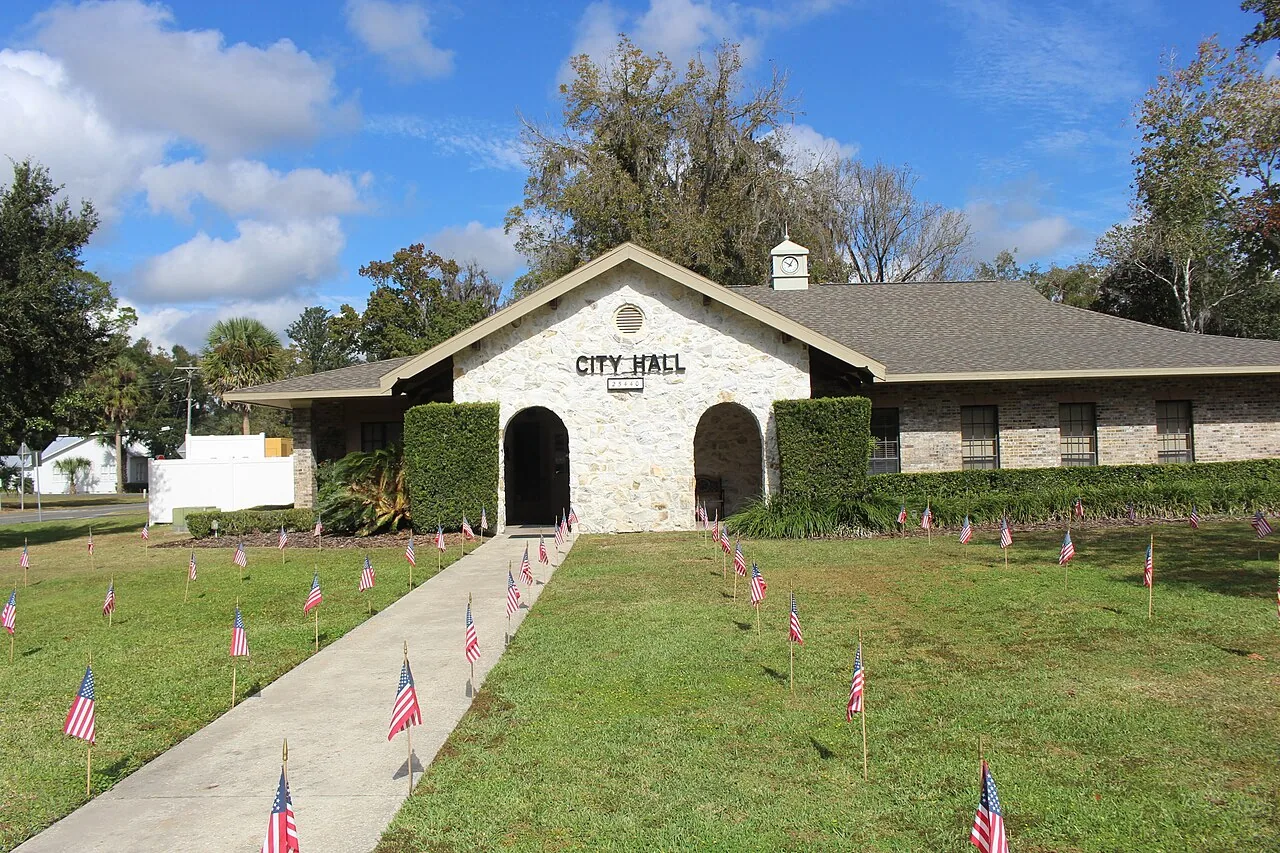

Coordinate: Work from the Approved Route
We confirm roof access, check-in, staging location and operating windows with the property's authorized contact. The plan identifies who can approve entry, which areas are outside the roofing scope and whether a service interruption is required. Material deliveries follow the confirmed route. If inspection requires a test opening, the contact approves the location and temporary protection before work begins.
Industrial and commercial properties use the corridor for different operations, but a roof contractor's access is limited to areas approved for that project. We keep the daily work zone defined and record any restriction that changes the sequence. An occupied-building schedule can set work by section and maintain a secure end-of-shift condition. Nearby roads help orient a delivery, while only the site contact can confirm where materials can be unloaded.
In northeast Gainesville, a truck route and a roof-access route may differ. We confirm the best approach for ladders, lifts, materials and crew check-in with the property contact, then keep that route out of active loading or employee circulation where possible. The inspection record identifies the roof section, nearby access point and any area left for later review so a follow-up visit can return to the same work boundary.
Compare: Repair, Recover or Replace by Building
A seam, flashing or puncture may be repaired if nearby material remains sound and the defect is limited. Persistent leaks, widespread wet insulation, deteriorated deck or recurring edge problems can call for broader work. We compare the inspection findings and records for the individual building, not airport land totals. A recover assessment verifies existing layers, substrate, attachment and drain or edge height before adding a new system. When those conditions cannot be confirmed visually, we identify tests that can change the recommendation.
A targeted repair, recover assessment and replacement scope can be compared on the same roof plan. Timing and cost depend on system type, preparation, access authorization, material staging, aircraft or facility operations and whether wet material or deck work is found. The proposal defines the building and sections included, temporary protection and any unresolved condition. That gives the facility contact a clear basis for reviewing project steps.
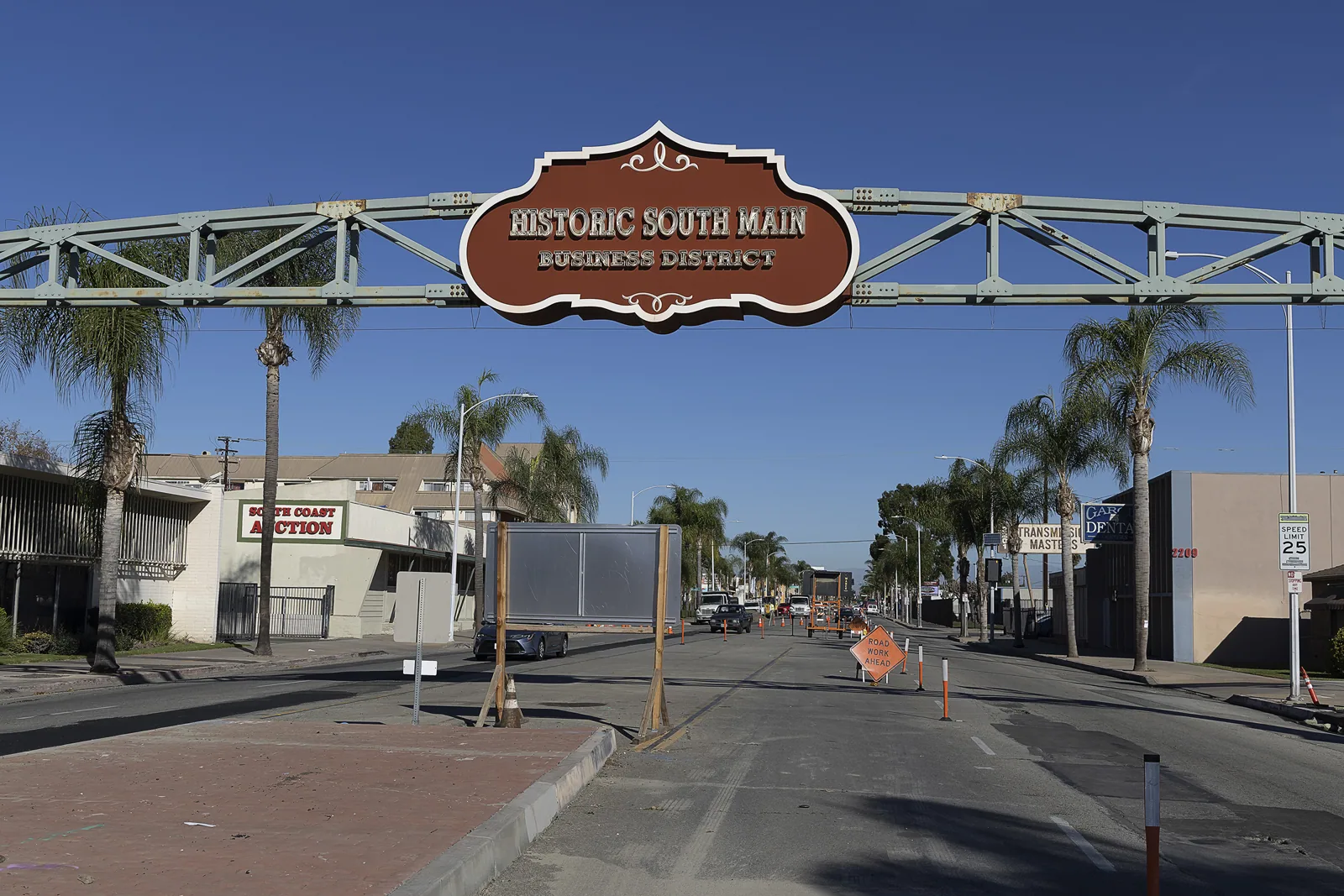
Close Out: Record the Authorized Work Area
The closeout record includes a marked roof plan, photographs and a description of repairs or installation completed within the approved boundary. We note the system observed, details corrected, drains and edges checked and areas left for follow-up. If access restrictions prevented inspection of an adjacent roof section, that limit remains visible in the report. The airport contact can use this record to plan the next maintenance window without assuming that an unvisited area was inspected.
Future checks can review seams, penetrations, drainage, perimeter attachment and any changes made by equipment or other trades. A post-storm visit compares new conditions with the baseline photographs. We can arrange a maintenance interval around authorized access and keep findings in a condition report for the specific facility. A separate building in the Power District should remain on its own roof record.
Industrial and service properties along these routes may have a main roof, loading canopy, equipment enclosure or detached office under separate maintenance records. We confirm which structures the request includes and mark them individually. On a warehouse or service building, the roof walk gives particular attention to drains, equipment curbs, wall transitions, edge metal and areas exposed to routine maintenance traffic. Where a roof supports exhaust, refrigeration or other operating equipment, the site contact helps identify shutdown restrictions and the appropriate escort or access procedure.
Waldo Road and NE 39th Avenue help place the corridor within Gainesville's north and east road network, while the actual delivery path depends on the property's entrance and site circulation. The project contact can flag truck turning space, active loading, employee routes and any security check-in before materials arrive. We plan the work zone around those constraints and confirm how open edges will be secured at each shift end. A closeout plan can then show what was repaired, which structures were included and where a later inspection should return.
For another nearby district, see Airport Industrial Park and its individual industrial properties.
Frequently Asked Questions
What properties are included along NE 39th Avenue and Waldo Road?
The route covers commercial properties along the corridor, including businesses in Airport Industrial Park. Each inspection starts with the owner's building address, authorized roof sections and site access requirements.
How do you arrange access at an industrial property?
The site contact confirms check-in, roof entry, loading routes, staging and operating windows. We record any area that could not be accessed and do not treat it as inspected.
What should be reviewed after strong rain or wind?
We check the reported roof section for water entry, blocked drainage, seam or flashing movement and edge attachment. Local weather context can prompt a visit, but field observations determine whether repair is needed.
Can roof work be phased while a facility operates?
Yes. We define the active section, coordinate deliveries and interior protection, and close each shift with exposed details secured. Any shutdown or access restriction is confirmed with the authorized contact.
Related Roofing Work
Arrange a Northeast Gainesville Roof Inspection
Send the property address, building use, roof plans, active leak areas, site contact and access window. We will inspect the approved roof sections and document next steps.