
Wind Damage Roof Repair in Gainesville, FL
Inspect Gainesville commercial roofs after high winds for displaced edges, loose flashings, open seams and water entry, then document measured repairs.
Roof Damage Repair: Wind Damage Roof Repair
A lifted edge can admit rain before anyone sees a ceiling stain. After a wind event, we identify which roof section changed, where debris may have struck, and whether the building stayed exposed. In Gainesville, FL, summer thunderstorms can bring strong gusts with heavy rain, so we inspect the roof perimeter, flashings, equipment supports, and drainage together. The report separates visible movement from suspected damage and gives the owner a measured repair boundary.
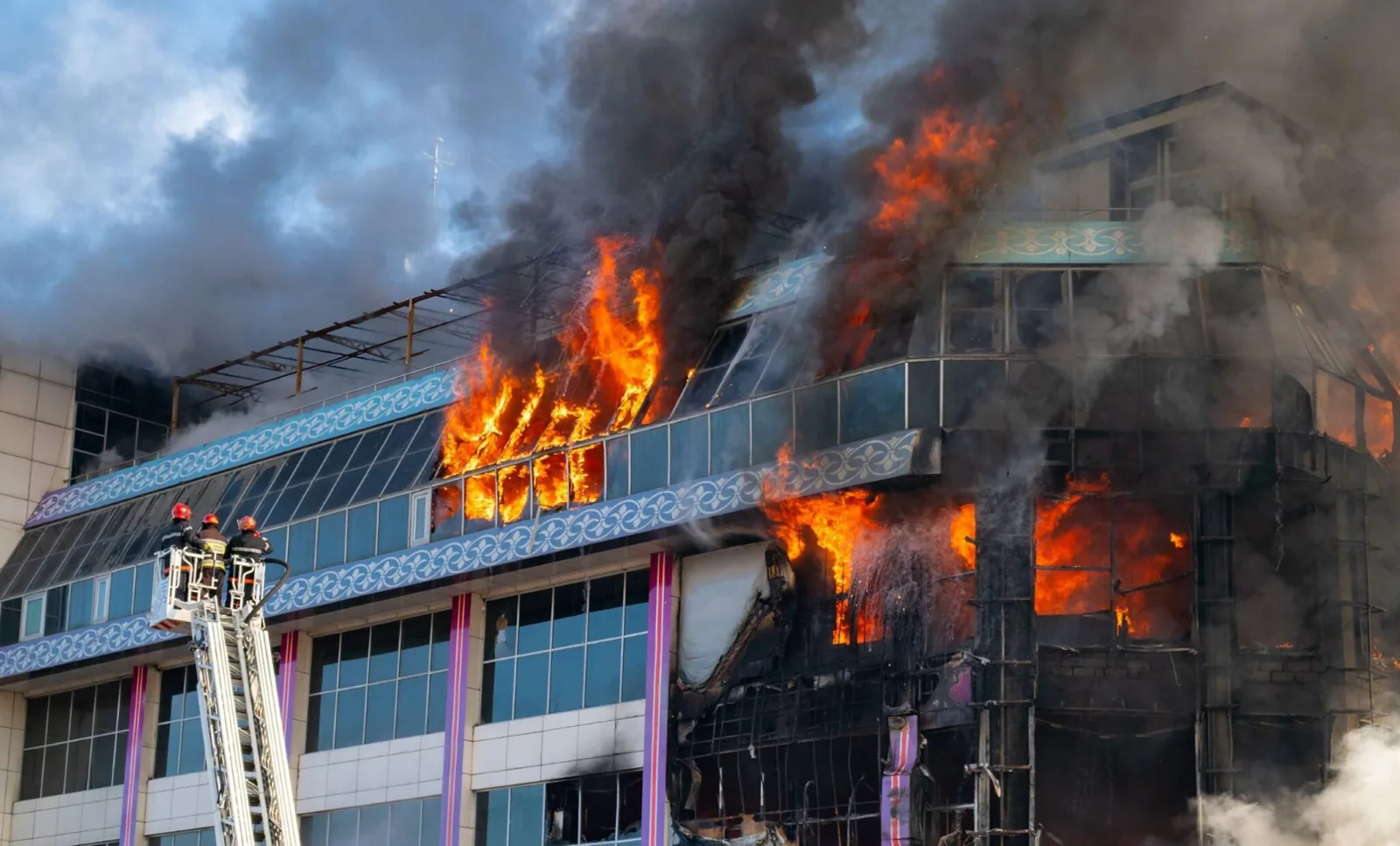
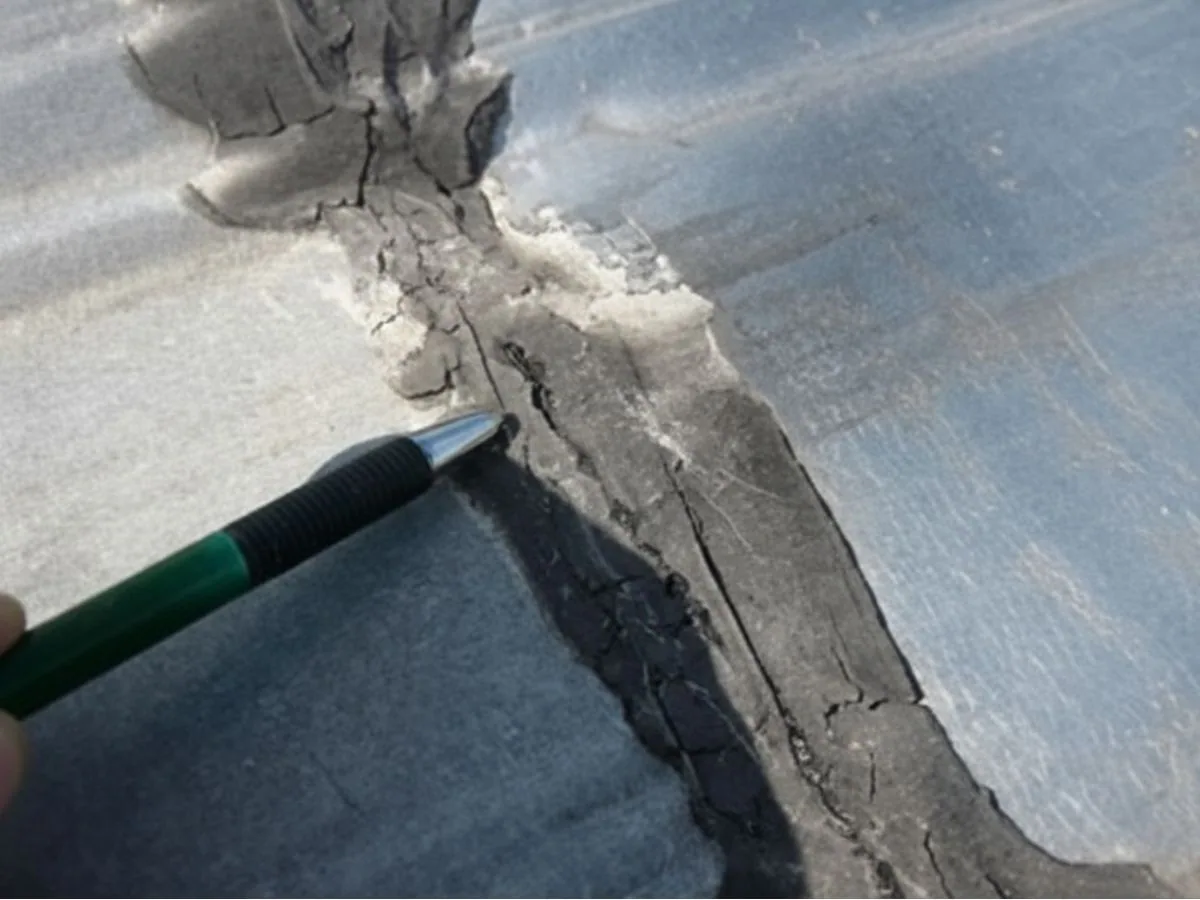
Start at the Edge, Then Trace the Water Path
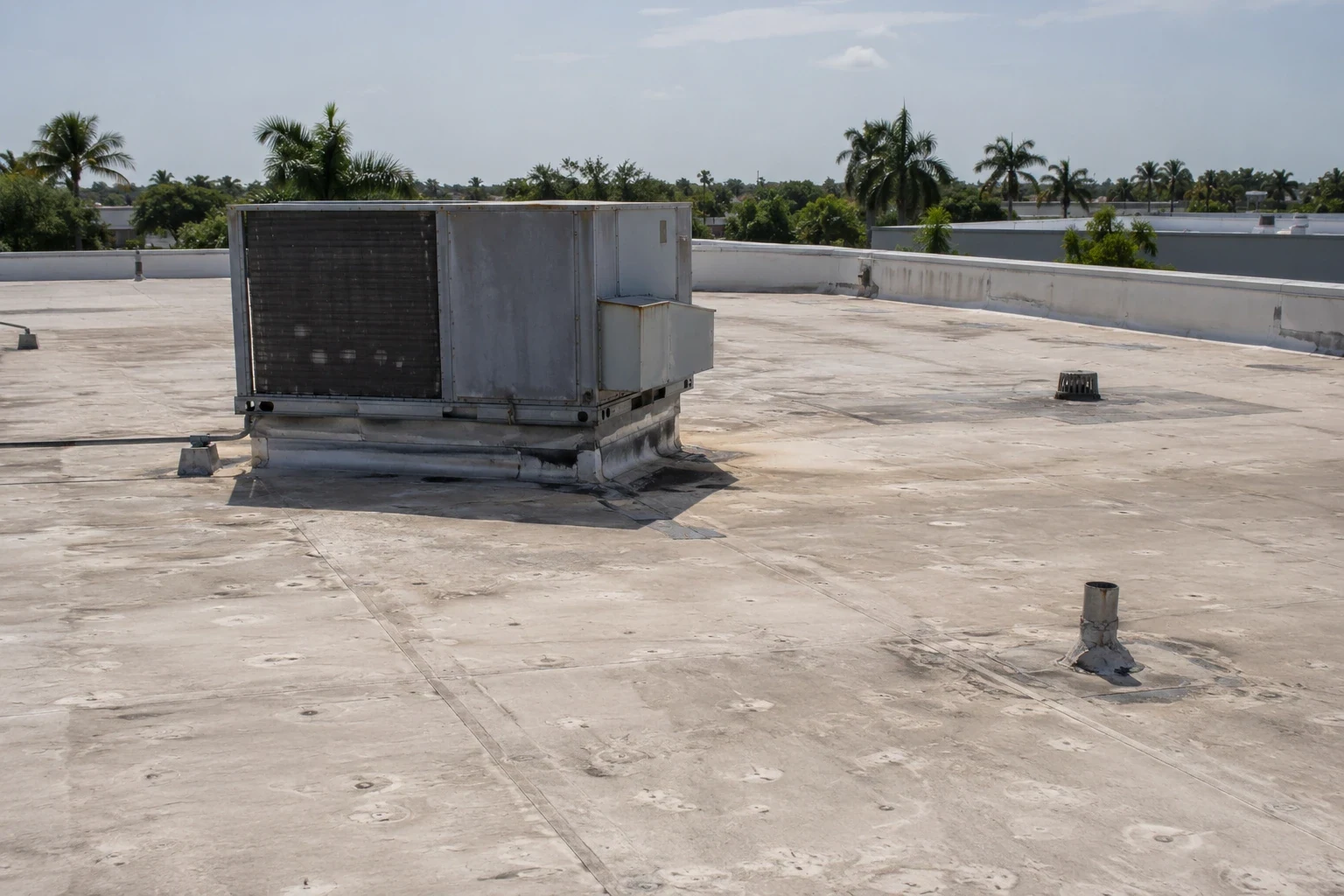
Wind pressure changes across a roof, especially at corners, perimeters, parapets, and transitions. We look for lifted metal, loose fasteners, separated flashing, open seams, punctures from debris, and movement around rooftop curbs. Then we compare those observations with interior leak reports and inspect nearby drains and overflow paths. A roof plan ties each photo to the affected section, allowing the facilities contact to see which areas were reached and which need another inspection.
Gainesville's 2022 record counted thunderstorms on 104 days, heavy rain on 82 days, and a peak gust of 62 mph. We use the weather record to prioritize attachment and drainage checks, then set scope from current conditions at the property. A Gainesville Regional Airport area inspection or a visit in another district starts with the roof records and observed condition at the address.
Wind-driven rain may enter at a roof-to-wall transition and travel before it appears inside. We inspect the membrane, edge metal, counterflashing, curbs, penetrations, and any patch near the report. If the visible opening does not explain the water path, we mark a test location or moisture survey rather than extending the repair beyond what the evidence supports. A roof condition inspection can document the system and damage by section.
Separate New Movement From Older Wear
Photos taken before a storm, prior repair invoices, and dated maintenance notes can help establish whether a condition changed. We compare those records with current fastener positions, flashing edges, panel seams, and surface marks. If timing cannot be established, the report describes what is present without assigning a cause. This matters where a long-standing open lap and fresh debris impact appear in the same roof section.
When the reported event has a known date, we compare it with dated maintenance records, owner reports and current surface evidence, then separate confirmed changes from prior wear in the inspection record. A hurricane-related roof review and a tornado damage assessment both begin with present field evidence and the building's reported event date.
For a commercial building, one displaced coping section can affect more than the interior directly below it. Water may enter at a corner and follow a deck seam to a different room. We mark the actual repair location and note any adjacent detail that needs follow-up. If the owner has a building with metal panels, a standing-seam system review focuses on panel clips, seams, and eaves rather than membrane laps.
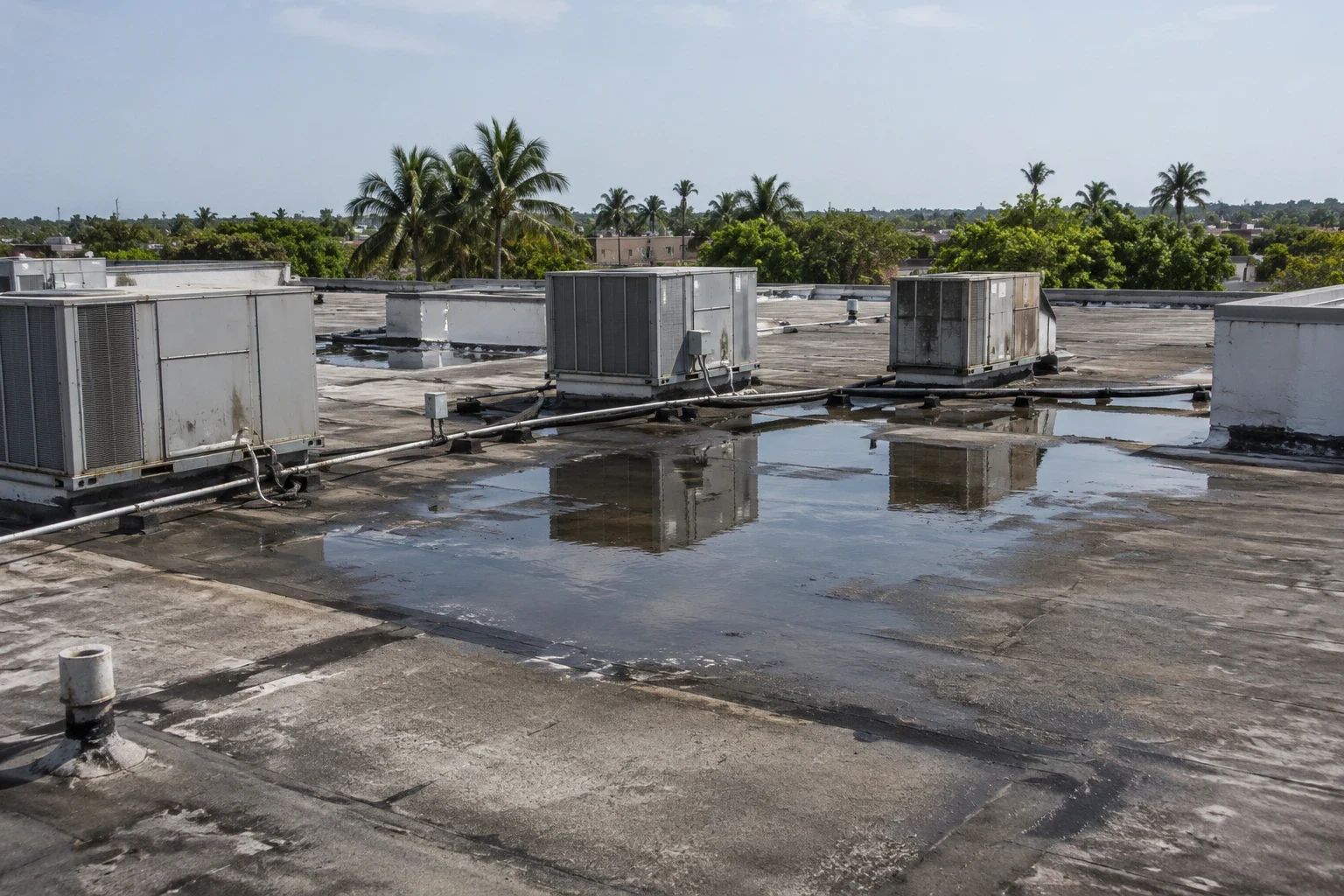
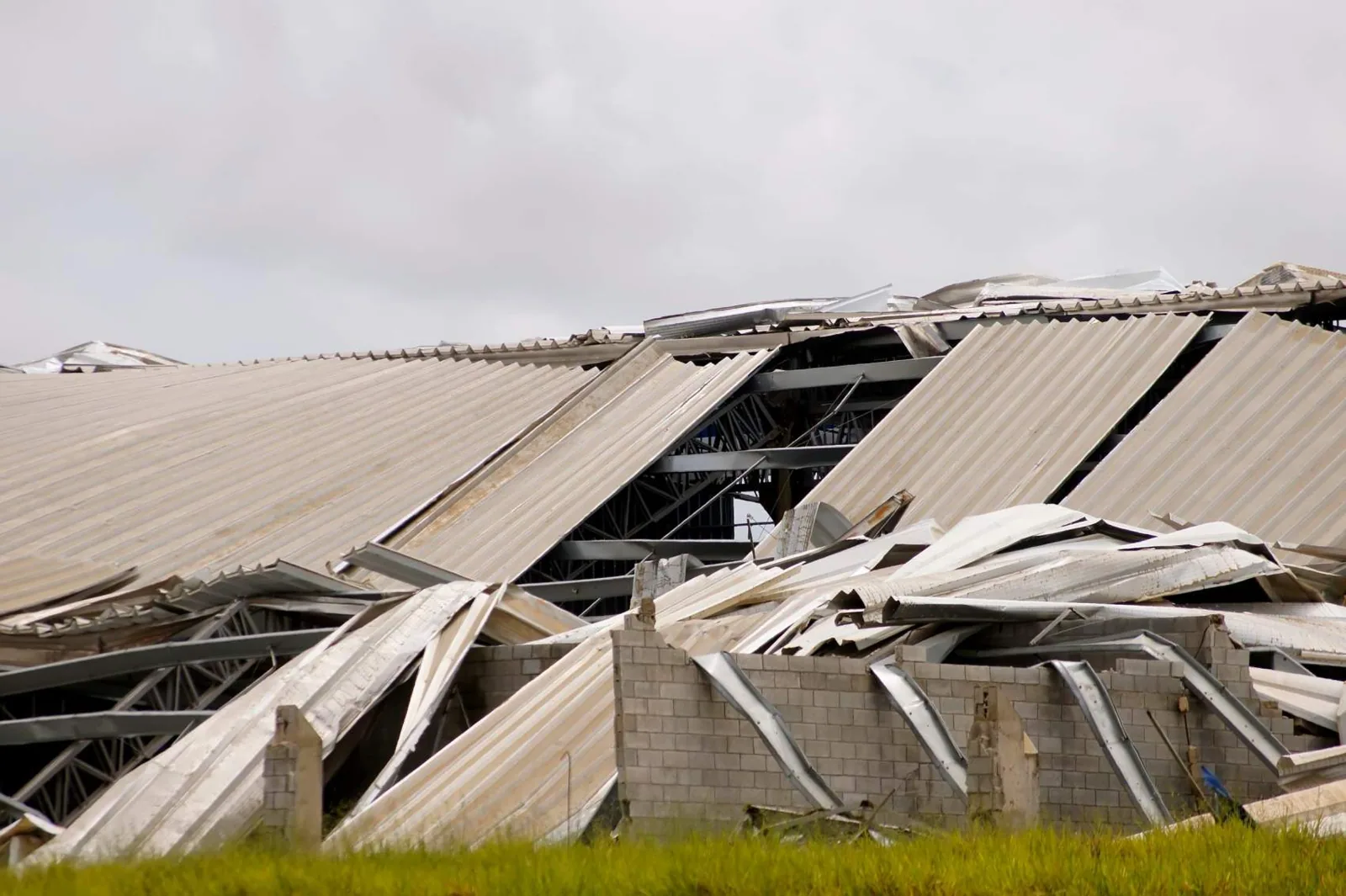
Protect the Building Before Permanent Work
When a roof is exposed, we can organize a stabilization visit overnight or on nonbusiness days, as the access and weather allow. We confirm entry with the facility lead, place interior protection where requested, and secure the opening when conditions allow. Temporary cover or seal work is logged by location and date, apart from the permanent repair. The record states how much of the roof was protected and whether water may still reach an adjacent detail.
Of Gainesville Regional Airport's roughly 2,000-acre planning footprint, 285 acres are designated for Airport Industrial Park and 1,715 for aeronautical uses. Its aeronautical property and adjacent industrial park are reached through Waldo Road and NE 39th Avenue. At an airport-area building, the operator's procedures determine where a crew can enter and stage. A visit near Airport Industrial Park should have its own access contact and approved work window before repairs begin.
We check the forecast before opening more material. If additional rain is expected, the crew secures a watertight stopping point and keeps drains clear. When water has affected insulation, a test opening may be needed after temporary protection is in place. That test can show whether the damaged area is localized or extends into adjacent bays.
Choose Repair by Attachment and Moisture
A local repair can address a loose edge, torn membrane, displaced flashing, or puncture when surrounding materials remain sound. If test openings find wet insulation, deteriorated deck, or repeated failure across several transitions, the scope may expand. We document the removed area, repair materials, attachment method, and tie-in. The owner can compare a limited repair with larger work using quantities tied to the inspection.
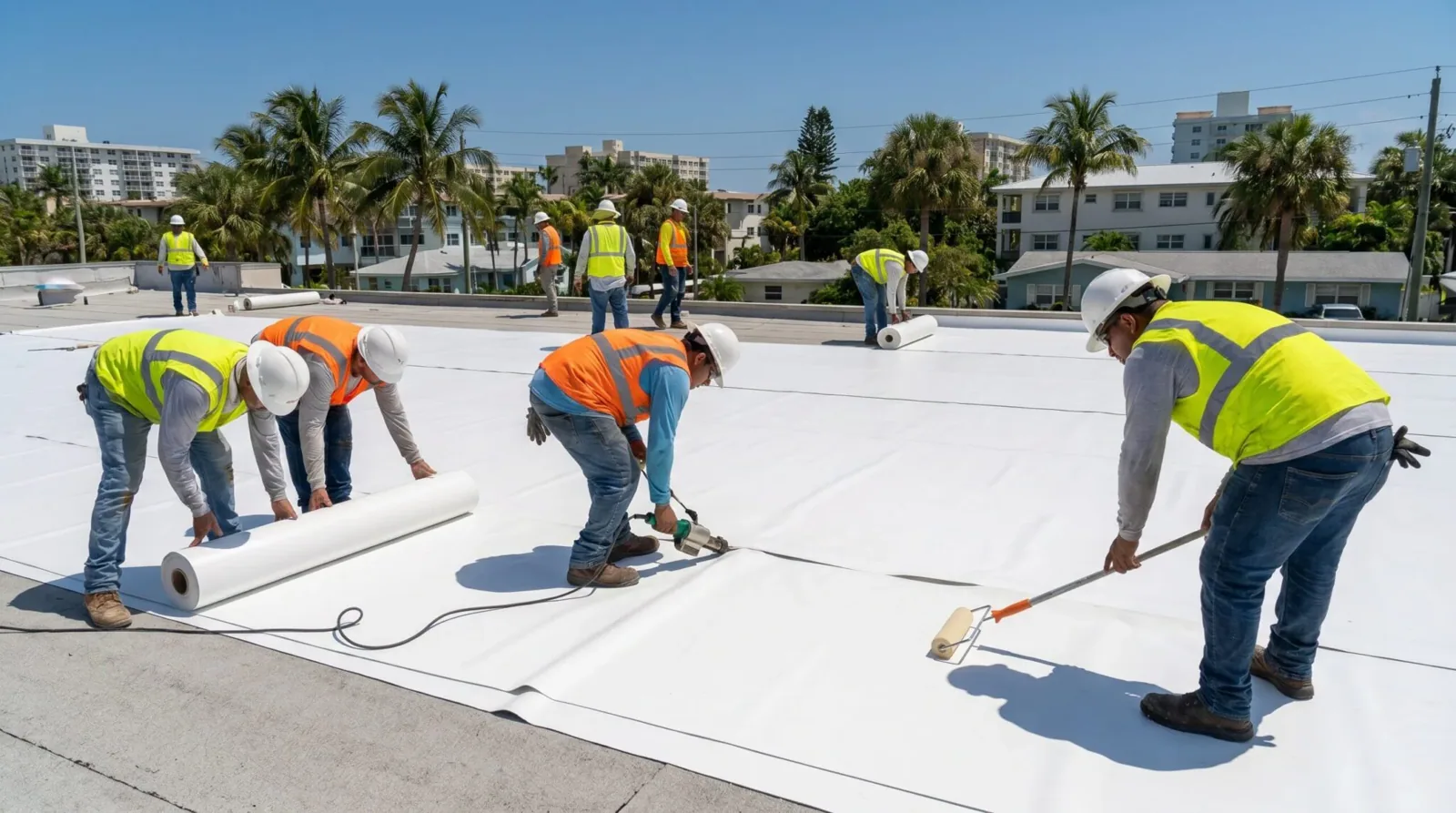
Coating or recover work may be possible if the existing roof, surface, drainage, and attachment meet project requirements. If wind loosened a broad field area or water has damaged insulation across sections, replacement may be more suitable. A flashing repair scope isolates a perimeter or curb condition, while a seam repair review addresses an open lap. A storm follow-up can keep event documentation alongside the measured work.
Gainesville permit applications received from December 31, 2023 use the Florida Building Code 8th Edition (2023). The design team confirms the provisions that apply to the proposed repair assembly. Cost and timing depend on access, roof height, material availability, deck condition, and the weather window.
Wind damage is assessed by assembly, because a loose edge on a mechanically attached membrane calls for a different repair than a bent standing-seam panel. We identify the attachment visible at the perimeter, inspect the transition to the wall or parapet, and note whether the condition repeats along one edge or across separate roof sections. The pattern can help define a focused scope, but concealed fasteners or substrate may require opening a selected area. Where the roof remains dry inside, we still photograph movement and check the path rain would follow during the next storm. A repair plan can separate immediate stabilization from permanent work, list materials that need testing, and show what remains inaccessible. That distinction helps an owner schedule the crew, coordinate tenants below and retain an accurate condition record without treating every lifted or displaced component as the same repair.
Leave a Repair Record for the Next Storm
Closeout identifies the building, roof section, materials installed, fasteners or edges addressed, test openings, and any remaining condition. Photos show the repair in context and note whether temporary protection was removed. If a portion could not be accessed, we state the limitation and next step. The facility contact can use those notes to plan the next maintenance interval and compare later storm reports against the repaired area.
For a Gainesville wind-damage inspection, provide the property address, event date, roof plans, active leak areas, prior maintenance photos, access contact, and requested work window. We will inspect the affected sections, document current conditions, and prepare a measured scope that distinguishes confirmed damage from open questions.
Frequently Asked Questions
What should I do if the roof edge is visibly lifted?
Keep people away from the affected area below and contact the site representative to arrange safe roof access. We can document and stabilize the opening, then confirm the permanent repair after checking adjacent materials.
Does a strong gust mean the roof needs replacement?
No. We inspect attachment, seams, flashings, insulation, and deck condition, then define the damaged area. Replacement is considered when the field evidence shows a broader failure than a local repair can address.
Can wind-driven rain enter away from the ceiling stain?
Yes. Water can travel along a deck or framing after entering at an edge, curb, or seam. We map the interior report and roof observations before choosing a test or repair location.
What records help after a storm?
Dated roof photos, prior repair notes, the event date, and leak locations help compare conditions. We document what can be verified and mark any timing or access question that remains open.
Related Roofing Work
Request a Gainesville Wind Damage Roof Inspection
Share the address, storm date, roof plans, interior leak locations, prior roof photos, site contact, and access window. We will inspect the affected sections and return a measured repair scope with photos and open items.