
Commercial Roof Coating Restoration in Gainesville, FL
Assess whether a sound commercial roof can be restored with a coating system in Gainesville. We check moisture, adhesion, drainage and repair details first.
Commercial Roofing Services: Commercial Roof Coating Restoration
A Gainesville warehouse with a serviceable roof may need a restoration plan before its owner commits to full replacement. A coating can renew a compatible surface, but only after the existing assembly passes inspection, moisture checks and preparation. Gainesville recorded 133 days at or above 90 degrees in 2025, which makes ultraviolet exposure and surface condition relevant maintenance concerns. Heat alone does not make a roof a coating candidate. We look at the membrane or metal, seams, drainage, wet insulation and repair history, then explain whether a coating system fits the roof and the building's operating plan.
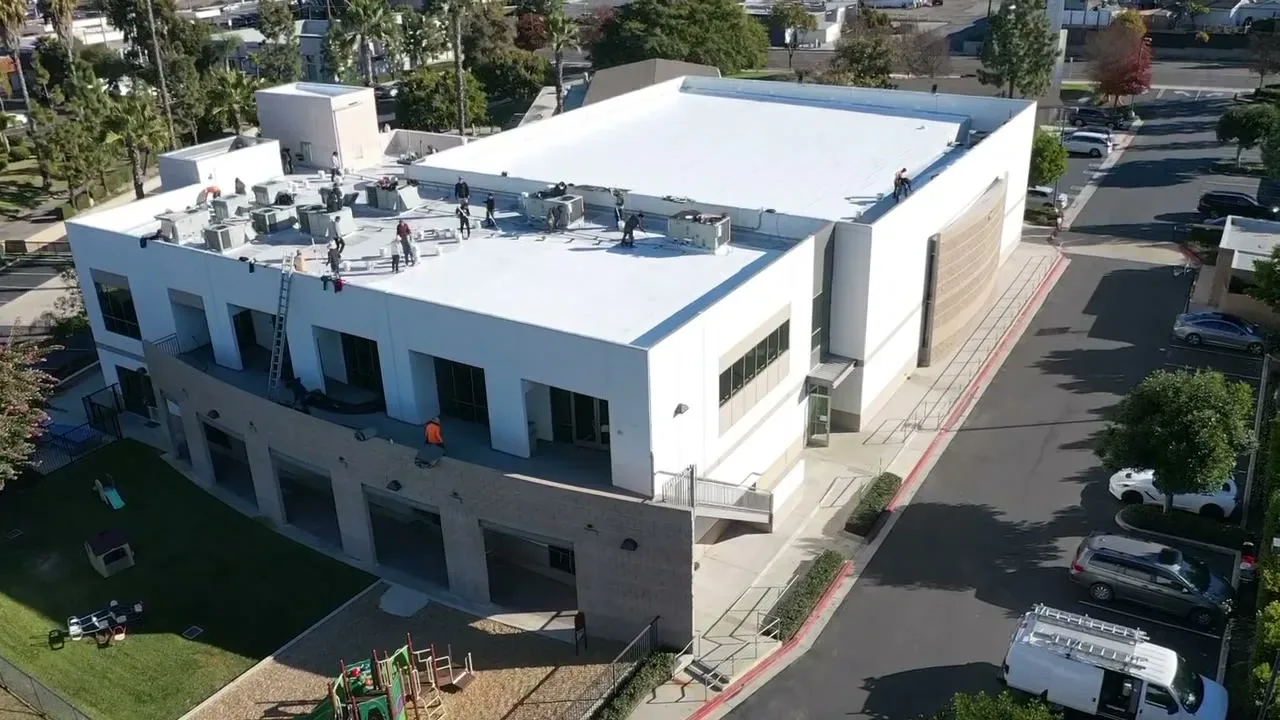
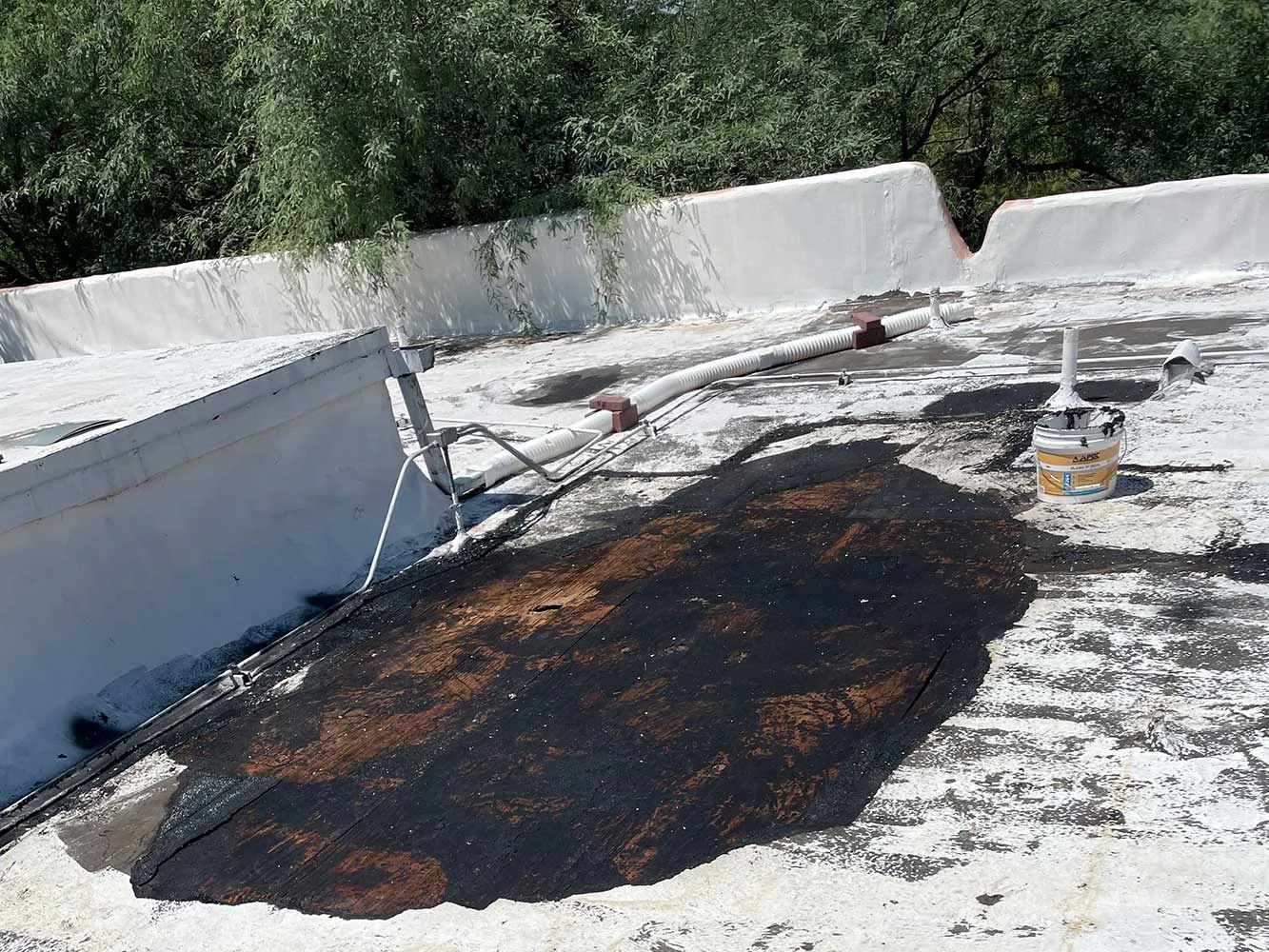
Assess: Start with the Existing Assembly
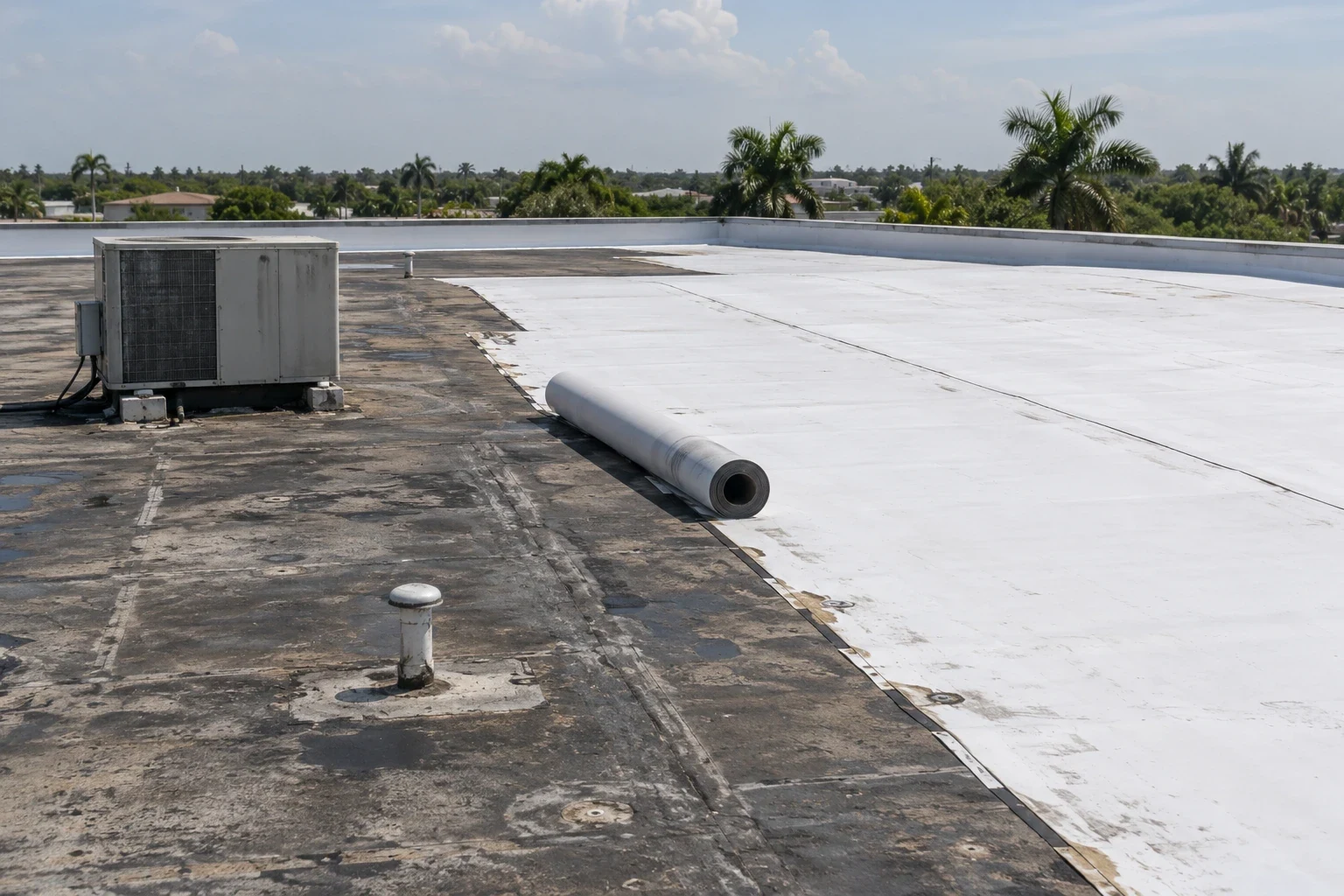
A coating becomes part of the existing roof surface, so the assembly below it matters. We identify the roof type we can verify, inspect seams and transitions, and look for open laps, loose flashings, corrosion, ponding, punctures or failed prior repairs. The substrate must be suitable for the selected system, and weak or contaminated areas need correction before application. A coating does not bridge every defect or stabilize a roof that has lost attachment.
Moisture is a separate decision point. Water trapped in insulation can remain hidden beneath a surface that looks intact. We compare leak history and visible clues with an inspection and, where appropriate, infrared scanning or test openings. A moisture survey can help identify areas for confirmation, but the scan itself does not establish the condition of every roof layer. Wet or deteriorated material may need removal before a restoration can be considered.
Drainage also has to work. A coating follows the shape of the roof; it does not correct a low area, blocked drain or incorrect slope by itself. We trace the drain path, review scuppers and outlets, and note standing water or debris. The 2025 Gainesville record shows 46.80 inches of precipitation, with 3.06 inches measured in one 24-hour interval. We assess drainage alongside surface compatibility by tracing the roof's actual geometry and outlet paths.
Compare: Restoration with Other Scope Options
Restoration can make sense when the existing roof is generally sound, compatible with a coating and able to receive the required preparation and thickness. If deterioration is localized, repairs may solve the problem without coating the full roof. If wet insulation, failed attachment or widespread damage is present, removal and replacement may be the better path. A repair assessment or replacement inspection can define those alternatives from the same verified roof conditions.
System choice depends on membrane or metal type, surface condition, exposure, drainage and manufacturer requirements. Silicone and acrylic systems have different performance characteristics and application limits. We select from the actual roof requirements rather than naming a product before checking the substrate. A compatible silicone roof coating or acrylic coating system still depends on clean, dry, prepared surfaces and properly detailed seams, penetrations and edges.
Coating scope is measured across preparation, repairs, reinforcement, application and final inspection. We identify areas excluded from coating, such as surfaces that cannot be prepared or details that require replacement. The work plan also states how drainage paths, equipment bases and walk pads will be handled. The owner can compare restoration with replacement using the same assumptions about access, phasing and the condition found in the field.
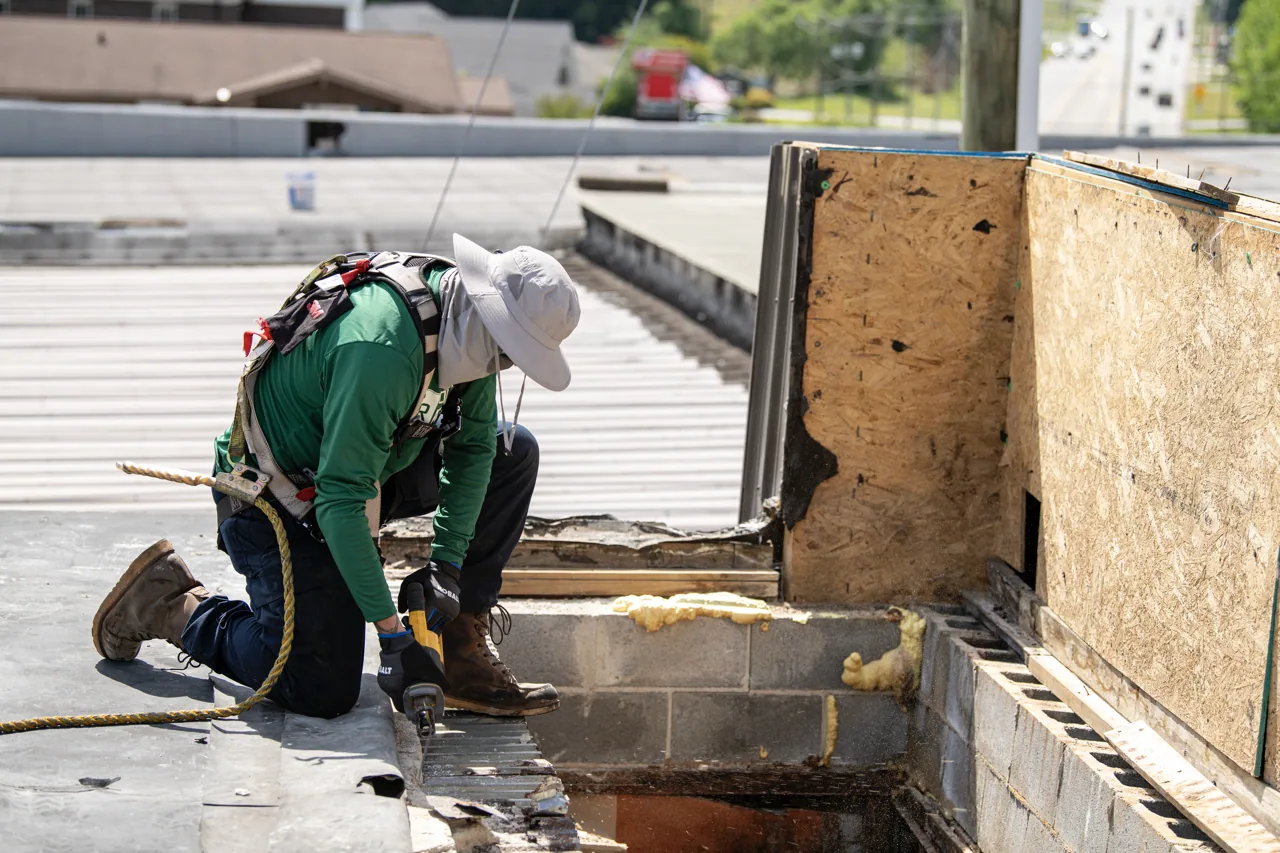
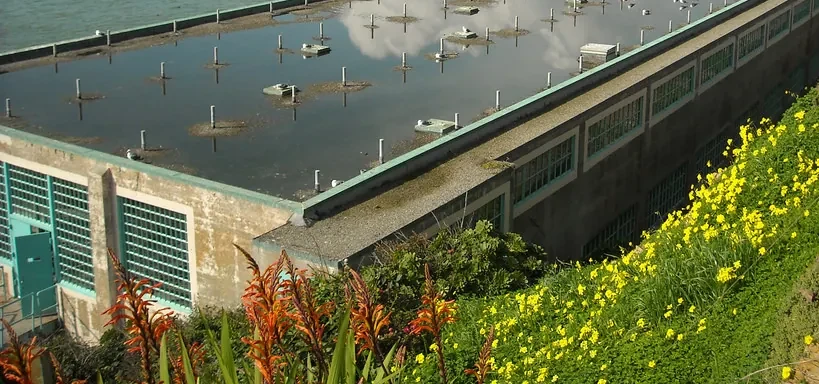
Prepare: Make the Surface Ready
Preparation often decides whether a coating project can proceed. We remove loose debris and surface contaminants, address blisters or failed repairs where the assembly permits, and repair seams and transitions according to the selected system. Adhesion tests may be needed on an unfamiliar or weathered surface. The roof must meet the product's conditions for cleanliness, moisture, temperature and application. If it does not, we pause that area and explain what must change before work resumes.
Gainesville's afternoon storms affect the schedule because a wet surface or a sudden shower can interrupt preparation and application. We confirm the forecast and actual roof conditions rather than set an application date from a calendar alone. A project near Butler Plaza may also require tenant coordination around loading, entrances and customer routes. Downtown Gainesville’s storefronts and pedestrian street grid create a different staging context, so the property contact confirms access before preparation begins. At Innovation Square, access may involve multiple research or mixed-use occupants. Site-specific coordination shapes phasing, while system eligibility comes from the roof itself.
We agree on staging, roof access, equipment shutdowns and protection for nearby work areas with the site contact. On an occupied building, crews may need to work in sections so entrances, deliveries and critical operations remain available. We mark areas that are under preparation or application and keep roof access limited to authorized personnel. If weather or an unexpected substrate condition changes the sequence, we update the affected work area and return when conditions are suitable.
Apply: Detail the Roof Before the Field
Before broad application, roof details need attention. Seams, penetrations, curbs, drains, wall transitions and perimeter edges can move differently from the open roof field. The specified system may require reinforcement fabric or a separate flashing material at these locations. We follow the selected system's preparation and application requirements, then check that coverage and transitions are continuous. The coating's appearance alone does not prove required thickness or adhesion; those checks belong in the work record.
We also protect drains and outlets from material buildup. A finished surface should not narrow an opening or block the route water uses to leave the roof. Where ponding or a damaged scupper requires correction, we scope that work directly rather than treating coating as a drainage fix. A roof system with significant metal edges may need separate edge and coping repairs before restoration proceeds.
Work is sequenced around weather, roof access and the building's operation. The site contact receives a clear update about which areas are complete, what remains open and any limitations that change the next step. If an area proves unsuitable after preparation, we document it and revise the scope before covering the condition.
Close Out: Keep the Restoration Record
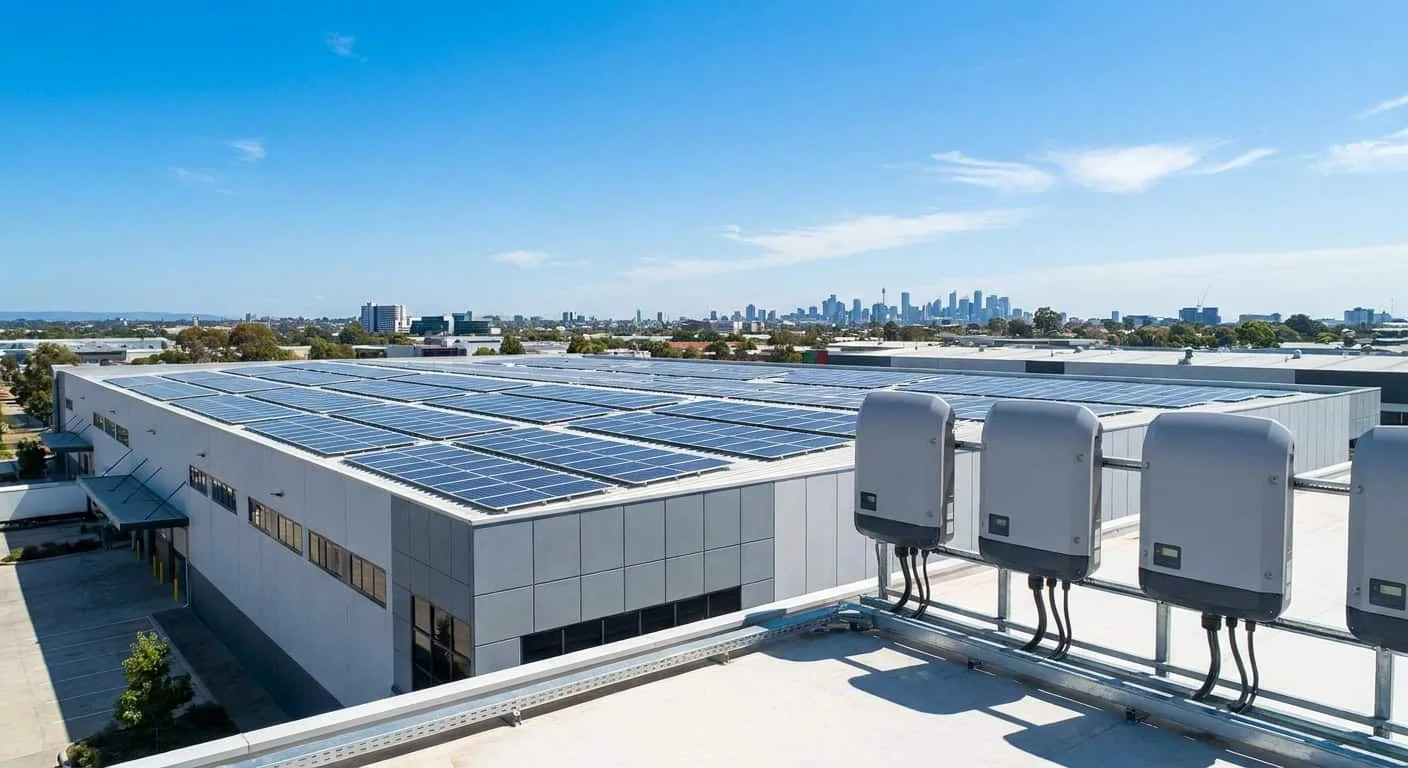
At completion, we record the prepared and coated areas, repairs at details, relevant product information and observations from final inspection. The closeout should identify exclusions and items that remain under observation. It gives the owner a baseline for future maintenance and for checking whether a later change is new. We can include photographs and a roof plan that ties each repair to its section.
Coating restoration is one part of a roof plan, not a substitute for future inspection. The owner can schedule a maintenance interval that revisits drains, seams and repaired details, particularly after periods of heavy rain. The closeout also supports condition reporting for budgeting across facilities.
To assess a Gainesville roof, share the address, building use, roof records, active leak areas, prior repairs, site contact and preferred work window. We will inspect the existing assembly and explain whether coating, repair or replacement is supported by what we find. The proposal can then define preparation, repairs, application, access and weather contingencies before the work is scheduled.
Frequently Asked Questions
Does a coating stop leaks on any commercial roof?
No. The existing assembly must be sound enough to restore, with wet or failed areas corrected first. We inspect seams, drainage, substrate and details before deciding whether coating belongs in the scope.
How do you check for moisture below the roof surface?
We review leak history and visible conditions, then use infrared or selected test openings when needed. The scan can guide testing, while an opening confirms materials at that exact point.
Can a coating correct ponding water?
A coating follows existing roof geometry and does not create slope on its own. We evaluate drains and low areas, then scope drainage correction separately when the roof requires it.
How does Gainesville weather affect coating work?
Heat, rain, surface moisture and forecast changes affect preparation and application windows. We check actual conditions and reschedule affected areas when the selected system's requirements are not met.
Related Roofing Work
Review a Gainesville Roof for Restoration
Share the property address, building use, available roof records, leak history, previous repairs, site contact and preferred access window. We will inspect the assembly and explain whether coating is a sound option.