Commercial Silicone Roof Coatings in Gainesville, FL
Assess silicone coating for a sound commercial roof in Gainesville. Check adhesion, moisture, drainage and flashing before restoration work begins.
Roof Systems: Commercial Silicone Roof Coatings
A Gainesville roof with a sound underlying assembly may be a candidate for silicone coating, but the surface has to be inspected and prepared first. Silicone creates a liquid-applied protective layer over compatible roofing materials. It can suit some roofs with ponding exposure, yet it does not repair wet insulation, failed attachment or a drain that cannot carry water. We evaluate the membrane, moisture, seams, penetrations and drainage before discussing a coating scope.
Eligibility: Confirm the Existing Roof Can Be Coated
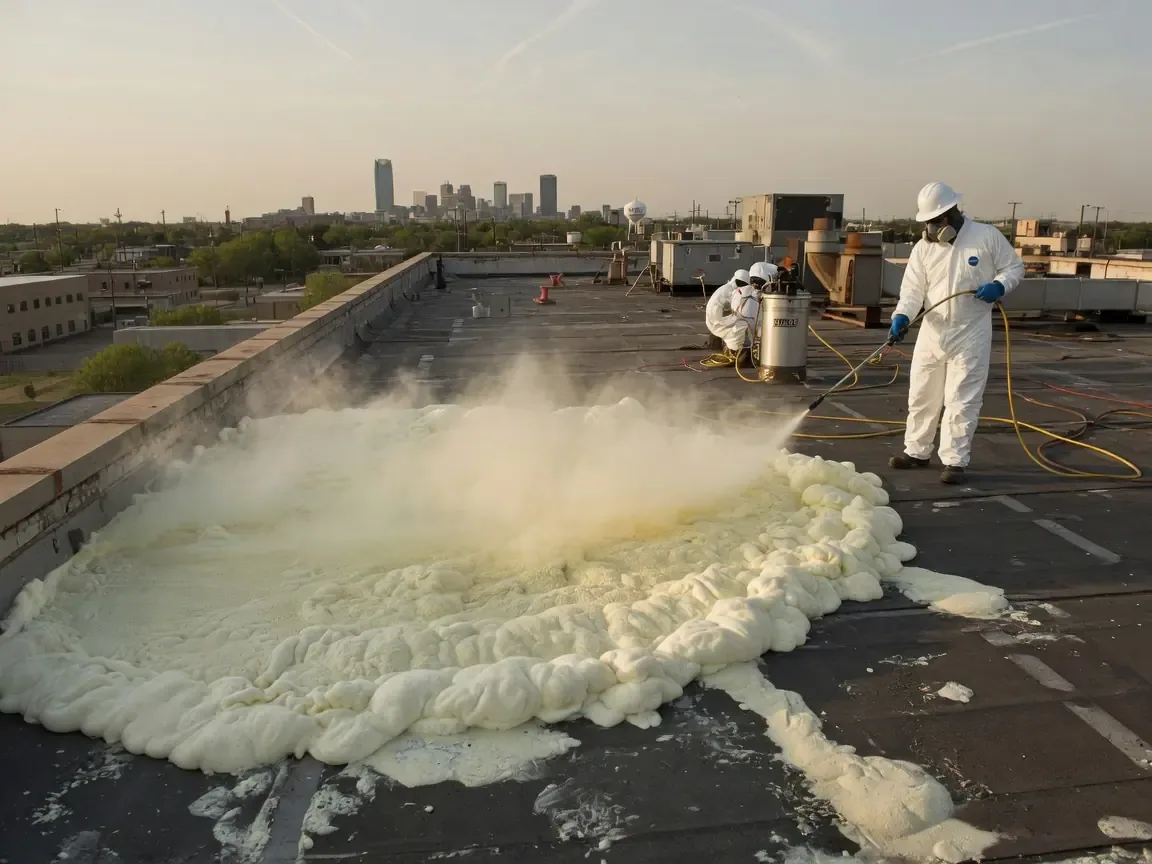
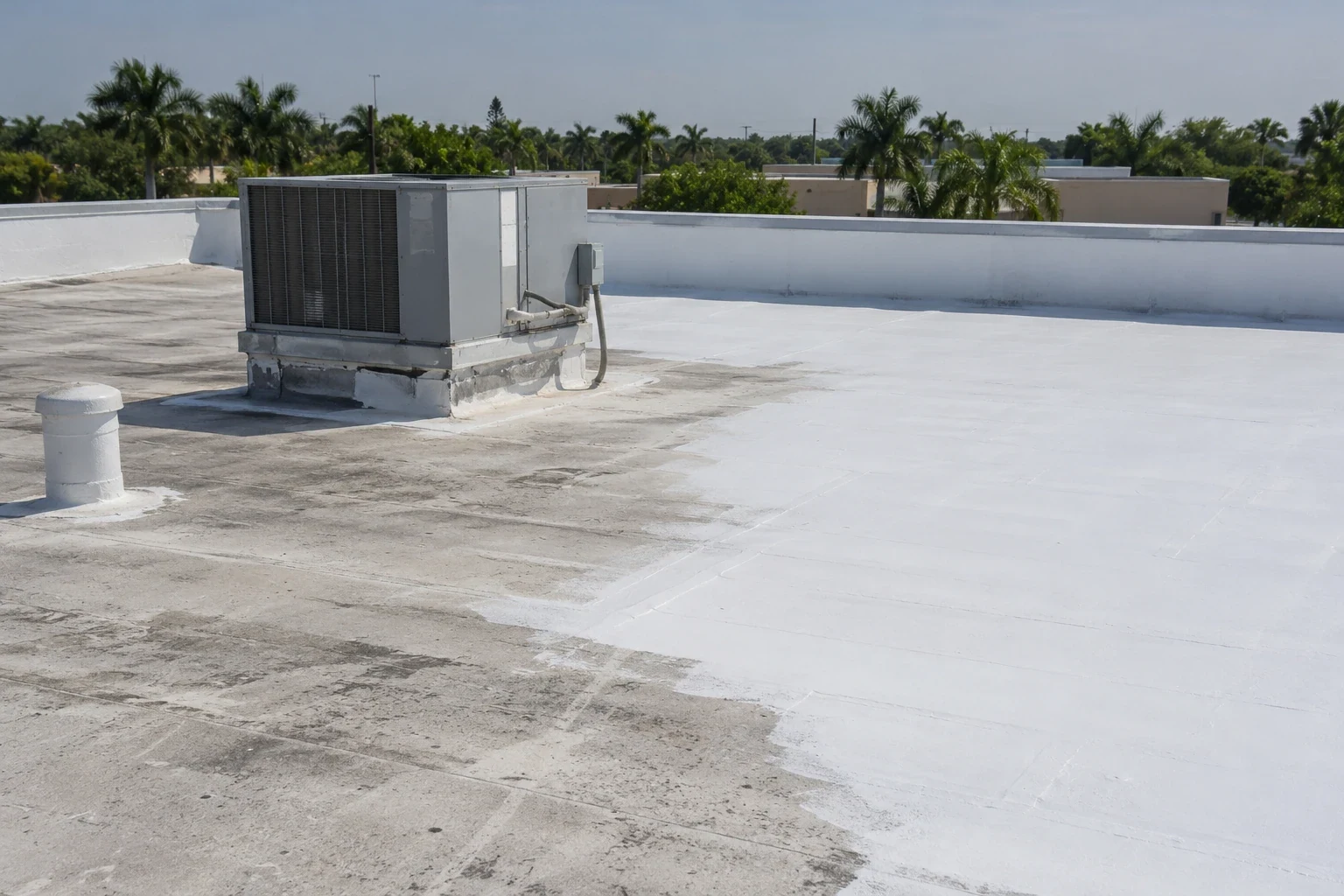
We identify the current roof surface and review prior coatings or repairs. The substrate must be compatible with the selected silicone product, properly prepared and dry enough for application. Loose material, contamination, incompatible sealant and areas with poor adhesion need correction or may be excluded. Where the existing roof has blisters, open seams or deteriorated flashings, those details must be repaired before a coating is applied.
Hidden moisture can change the decision. An infrared scan may show areas with different thermal patterns, but a scan does not confirm water by itself. Test openings can verify insulation or substrate at selected points. A moisture survey helps locate where direct confirmation may be useful. If wet materials or deck damage are present, they need a defined repair plan before restoration.
Gainesville recorded a 3.06-inch 24-hour rainfall total in 2025. Frequent runoff makes drainage part of the evaluation: we inspect drains, scuppers, low areas and roof-to-wall transitions. Silicone may resist standing water better than some coating types, but persistent ponding should still be understood and managed. A drainage review can address an outlet or slope concern separately.
Compare: Silicone with Other Roof Systems
Silicone and acrylic coatings differ in material characteristics and suitability. Silicone generally handles ponding water differently, while dirt pickup, surface preparation, drainage and product requirements still matter. Acrylic systems may suit other conditions and specifications. We compare the existing substrate and expected exposure with the product requirements instead of selecting a coating by one feature alone.
A coating renews a suitable roof surface; it does not rebuild a failed assembly. If membrane seams, metal panels, insulation or attachment are broadly compromised, repair or replacement may fit better. A acrylic coating system may be a comparison when its application limits match the roof. A spray foam assembly has a different substrate and protective layer to evaluate.
Scope includes cleaning, adhesion checks, repairs, reinforcement at details, application and final inspection. The roof area, number of penetrations, access, surface condition and coating thickness affect material and timing. We document areas that are not suitable for coating and identify any additional work needed before application. A coating restoration assessment can compare these preparations with the existing roof's condition.
Prepare: Clean and Repair Before Application
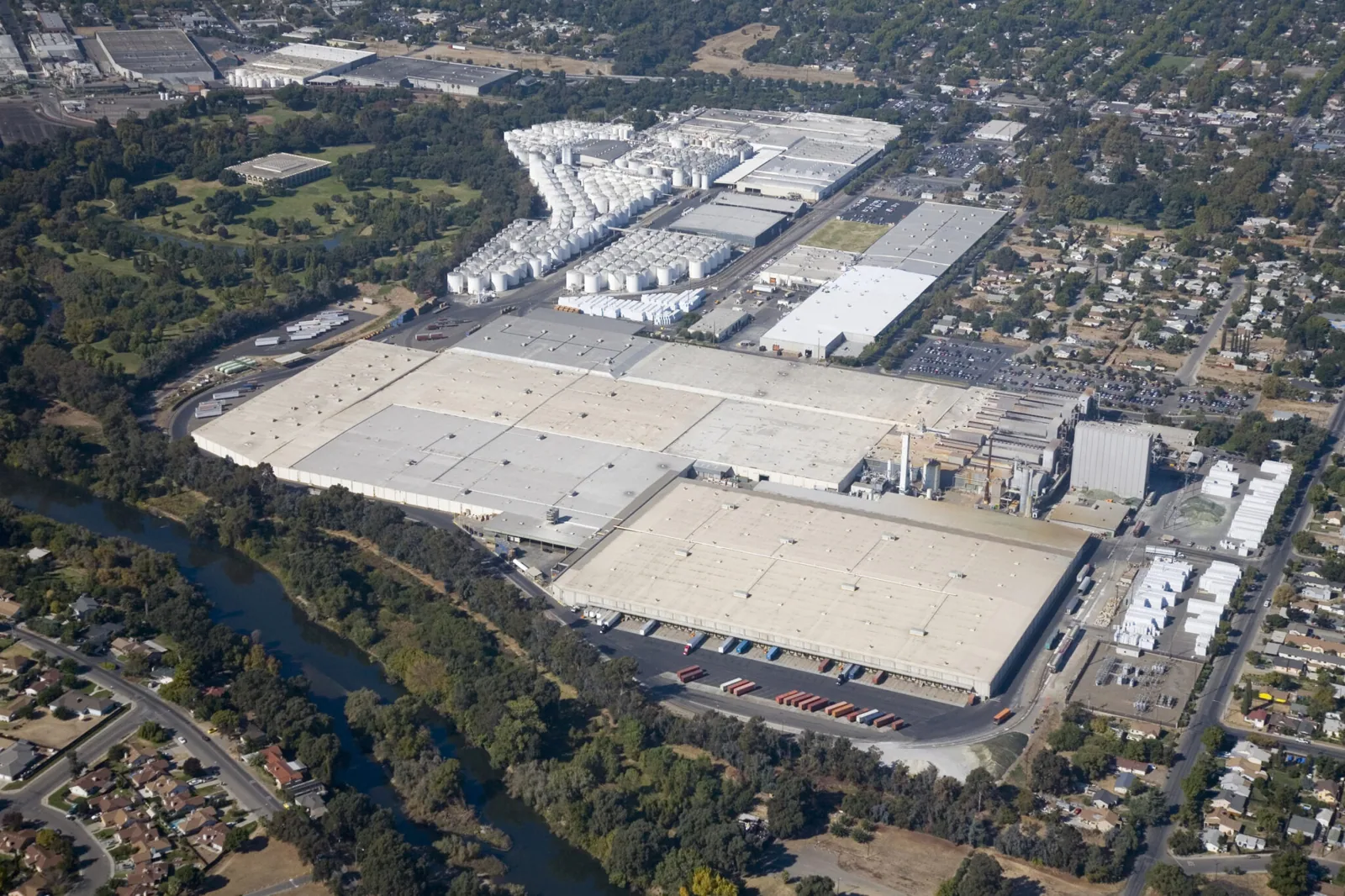
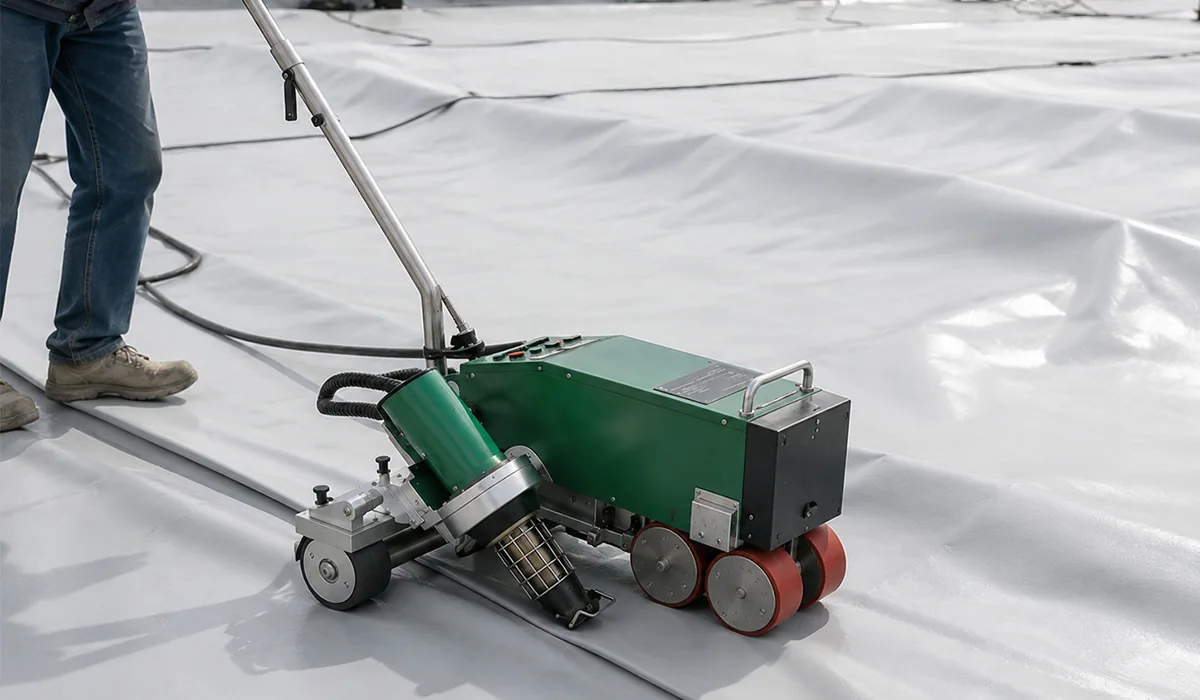
Preparation starts with removing debris and contaminants that could interfere with adhesion. We address open seams, loose flashings and damaged membrane using repair methods compatible with the roof. The system may require test patches to confirm adhesion over existing materials. Drains, scuppers and equipment bases are protected from buildup, and details receive the reinforcement or seal specified for the product.
Gainesville's frequent rain makes surface moisture a schedule consideration. We check the roof and weather rather than rely on a calendar date. The substrate must meet the product's application conditions, and forecast rain can require a delay. If the roof cannot dry or preparation exposes additional damage, we secure the work area and update the scope before coating continues.
Innovation Square is planned as a research and mixed-use district, while Butler Plaza includes retail and dining properties. For either address, we confirm the actual building use, access route, air-intake locations and staging limits before cleaning and application. Downtown Gainesville’s storefronts and pedestrian streets also call for property-specific staging before coating work begins.
Silicone restoration begins with a moisture and adhesion decision. We identify wet or unstable areas for removal or separate repair, then assess whether the existing surface will support the specified primer or coating. A test patch can check bond where the substrate or an earlier coating creates uncertainty. Roof dirt, residue and loose material must be removed, and details such as seams, drains and penetrations need their own preparation before field application. The owner should know whether the scope includes reinforcement at those details, treatment of isolated blisters and correction of drainage problems. Silicone may tolerate standing water better than some coating chemistries, but a coating does not create slope or repair a saturated assembly. We mark any ponding areas and explain whether drainage work is included, excluded or needs further evaluation. That distinction keeps the restoration scope aligned with the condition found on the roof.
Apply: Protect the Details and Drainage
Application follows the manufacturer's specified rate, coverage and conditions. We establish a work sequence, apply the material to prepared sections and detail seams, penetrations, curbs and transitions as required. Wet film checks or other quality steps confirm that coverage meets the project specification. The coating's color or appearance cannot establish its thickness or adhesion.
We keep drains open and prevent coating from narrowing outlets. If the roof has standing water, we document the location and confirm whether a drainage correction belongs in the project. A coating follows the existing roof shape, so it does not create slope by itself. Where water repeatedly remains, the owner may need a separate tapered insulation or drain plan before selecting a restorative surface.
Work areas are protected until the coating reaches the required condition for access. The site contact receives the section boundaries and any restrictions on foot traffic or equipment service. If wind, rain or a wet surface interrupts application, the crew secures the active boundary and returns when conditions permit the specified work.
Maintain: Inspect the Coating as It Ages
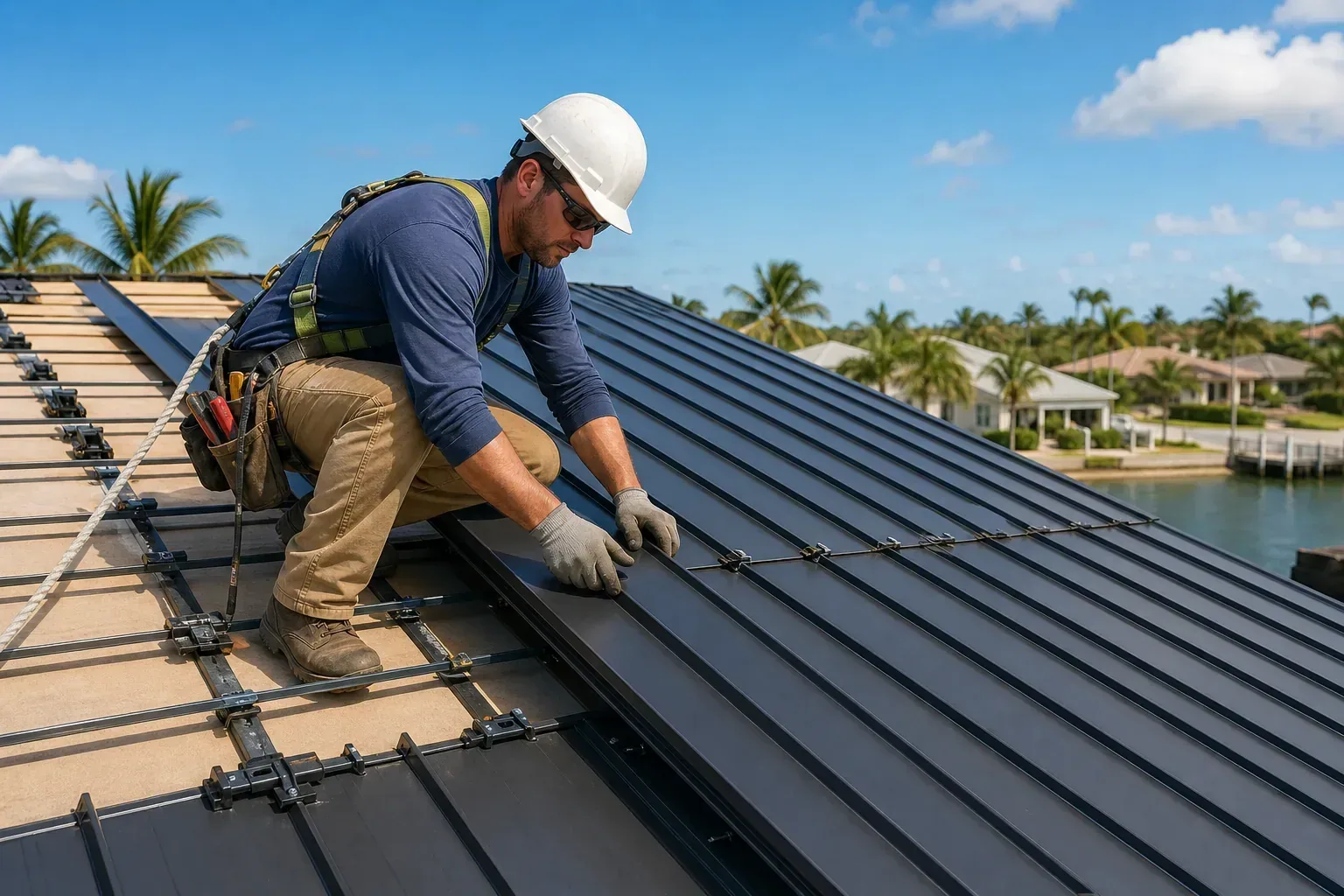
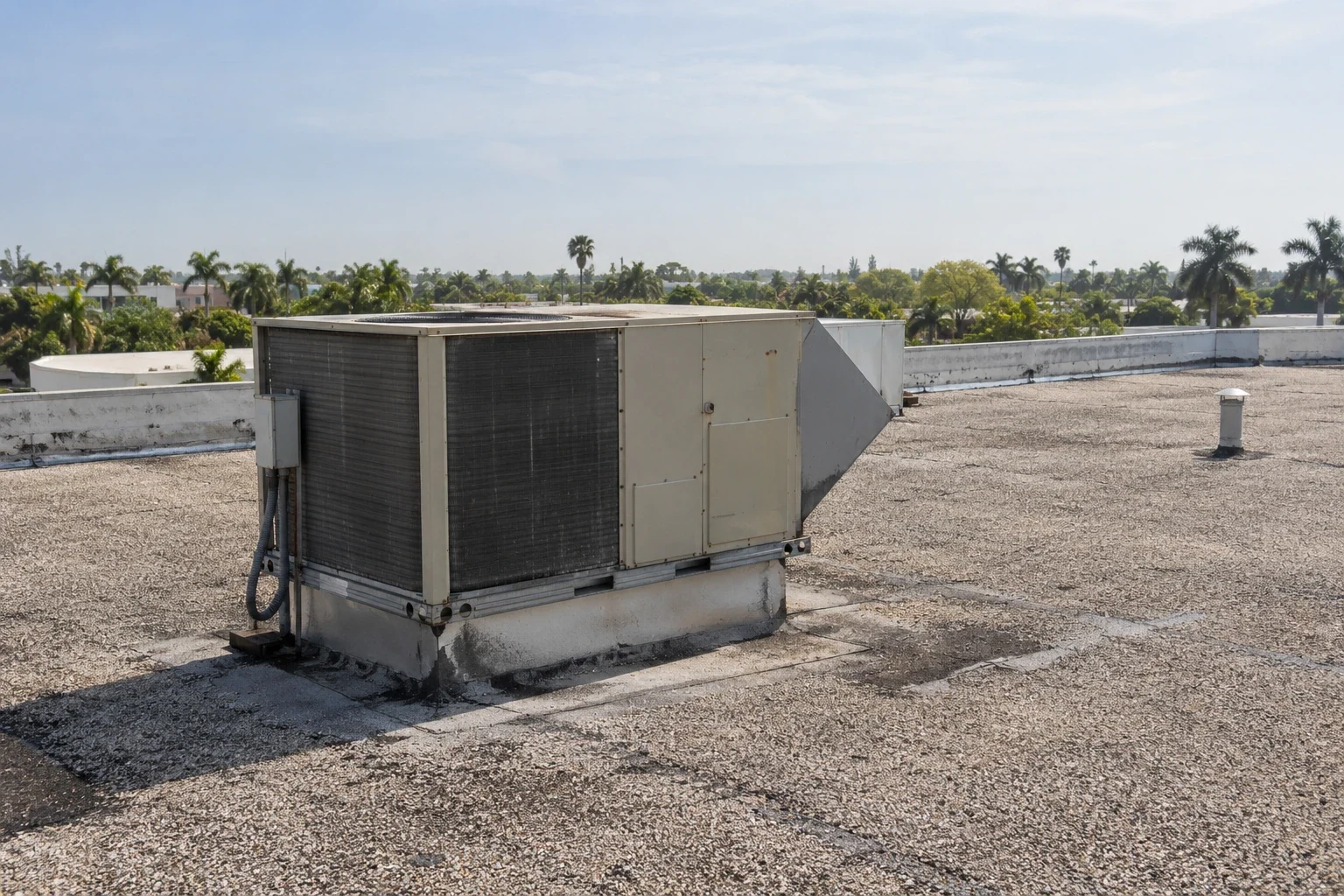
After application, inspection checks coating adhesion, wear, repairs, flashing transitions and drainage. Dirt accumulation or foot traffic may change surface condition, and a later service visit can damage the coating around equipment. We identify any areas that need cleaning or repair and keep the findings tied to the roof plan.
A maintenance visit can track drains and coated details at a useful interval. The closeout should record substrate preparation, repairs, product information, coverage and excluded areas. When a future coating layer is considered, the owner needs a fresh adhesion and condition review; the first application does not establish that every later coat will bond. We compare the new surface with the original product and current project requirements. Adhesion can vary between the open roof field and older repair areas, so both belong in the review. A condition report can preserve that record with photos for facility staff.
For a Gainesville silicone coating review, share the property address, existing roof type, previous coating information, leak areas, site contact and access window. We will inspect the substrate and drainage, identify what needs testing and explain whether coating, repair or replacement is supported by the field findings.
Frequently Asked Questions
What conditions make a silicone coating unsuitable?
A failed bond, wet insulation, incompatible existing coating or unresolved seam can make it unsuitable. We inspect and test the substrate before preparing an application scope.
Is silicone coating suitable where water ponds?
Some silicone systems tolerate ponding exposure, but standing water still needs review. We inspect drainage and roof geometry and identify whether correction should occur before application.
Can coating cover a roof leak without repairing it first?
The source and affected materials need to be addressed before coating. We repair seams, flashings and wet or damaged areas as required, then prepare a compatible surface.
What if rain is expected during coating work?
We check actual conditions and the forecast against product requirements. If the substrate or application window is unsuitable, we protect prepared areas and move the coating work to a better time.
Related Roofing Work
Assess a Gainesville Roof for Silicone Coating
Share the address, membrane or metal type, coating history, ponding areas, leak locations and access contact. We will check adhesion, moisture, drainage and substrate condition before defining silicone restoration work.