
Commercial Rooftop Equipment Curbs and Supports in Gainesville, FL
Inspect commercial HVAC curbs, pipe supports and flashing in Gainesville. Coordinate roof repairs with equipment access and building operations.
Commercial Roofing Services: Commercial Rooftop Equipment Curbs and Supports
A Gainesville facility with rooftop HVAC or process equipment needs the service unit and the roof transition to work together. We inspect curbs, pipe supports, vibration points and nearby membrane, then coordinate access with the building contact and equipment provider. A leak may start at a flashing, a fastener or a support that shifted under load. We identify the actual detail before selecting a repair, since sealing around a unit without checking its curb and attachment can leave the water path in place.
Identify: Map Equipment and Roof Sections
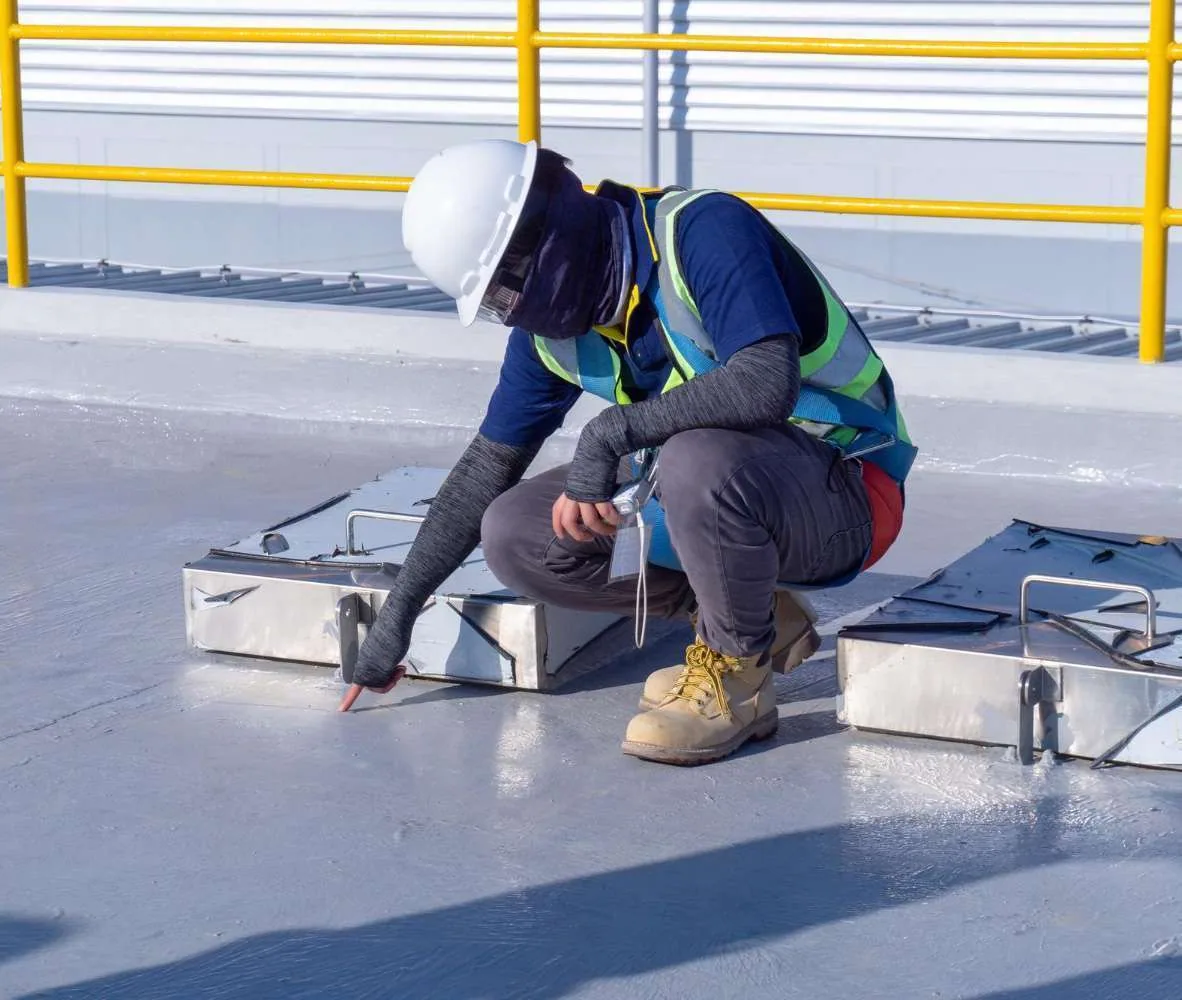
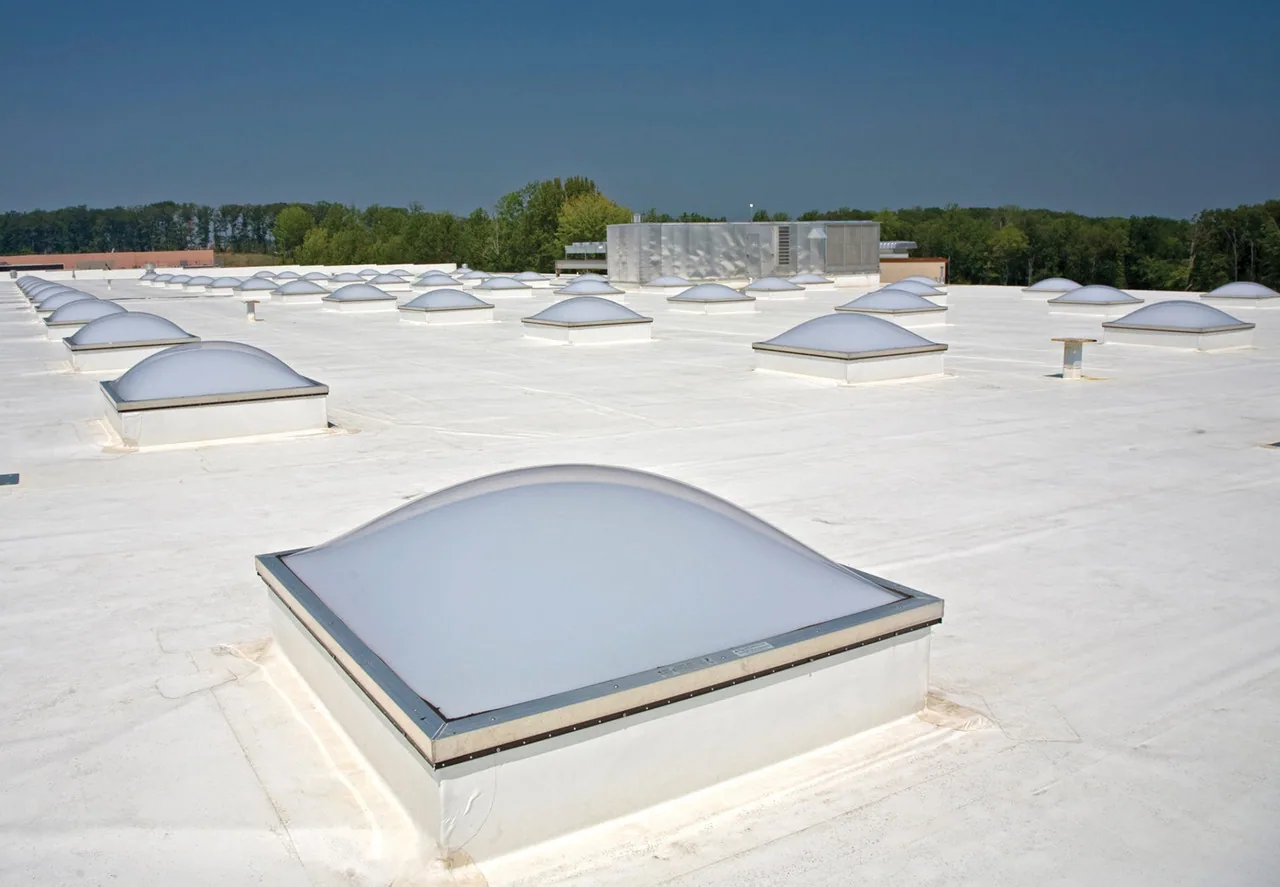
We begin by locating the equipment, its curb or support, electrical and mechanical clearances, and the route technicians use to reach it. If the roof has several units or additions, each gets an identifier on a plan or field sketch. The site contact can explain which equipment must stay in service and which provider controls shutdowns or rigging. Those details affect when roofing work can begin and how the unit can be protected.
Not every rooftop support is a standard curb. Pipe stands, conduit blocks, sleepers and custom frames may carry different loads and may have been added during separate projects. We inspect visible attachment and flashing without assuming a support's original design. If a structural question or equipment load is beyond the roofing scope, we identify the need for the appropriate design or mechanical review.
Innovation Square includes research, office, housing, retail and other planned uses, while the Gainesville Technology Entrepreneurship Center supports technology and light manufacturing in East Gainesville. That range underscores why equipment and access needs vary from one facility to the next. The local use does not reveal what equipment is installed; we verify each building's units, support points and site rules.
Inspect: Check the Curb, Flashing and Attachment
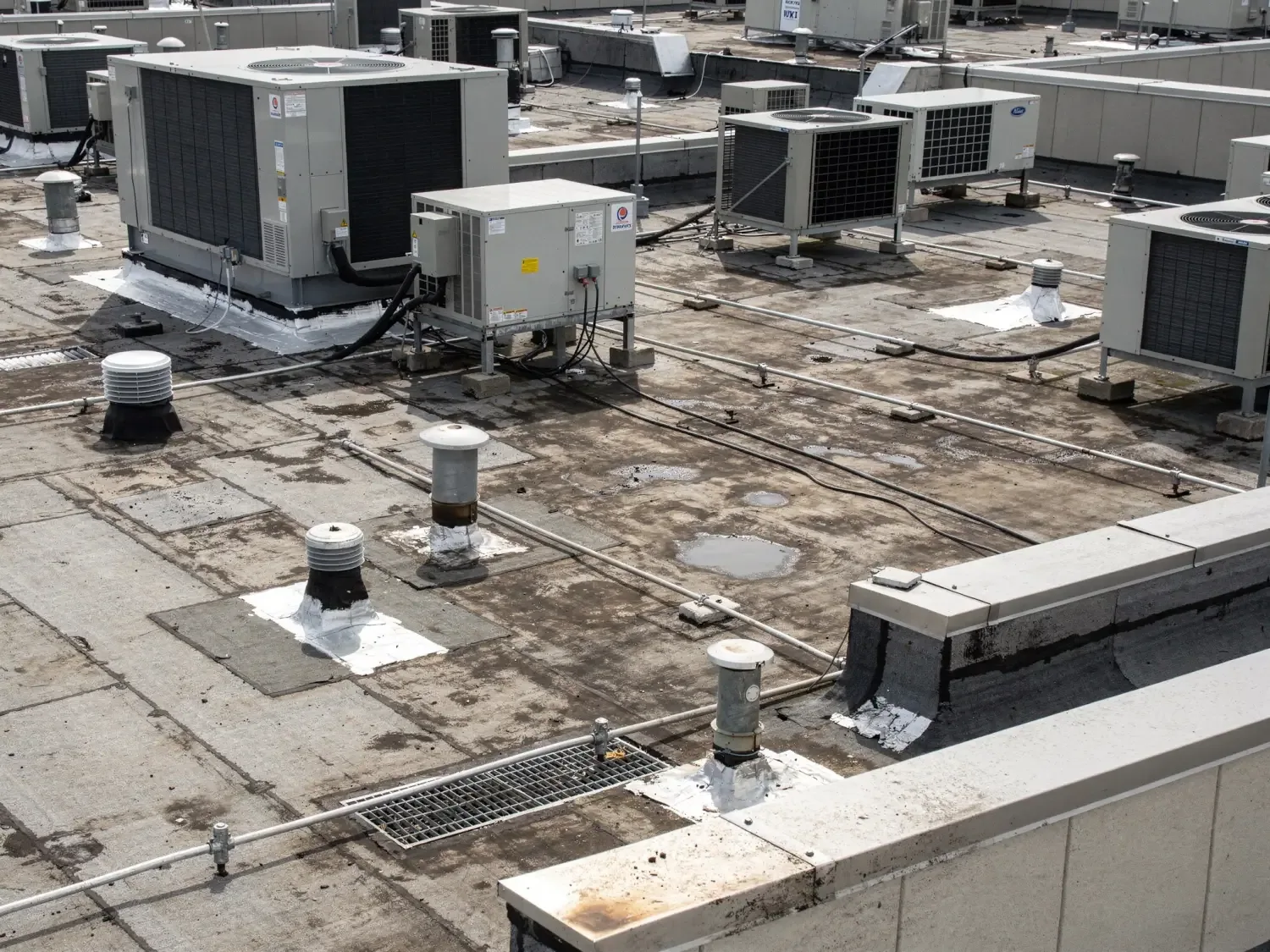
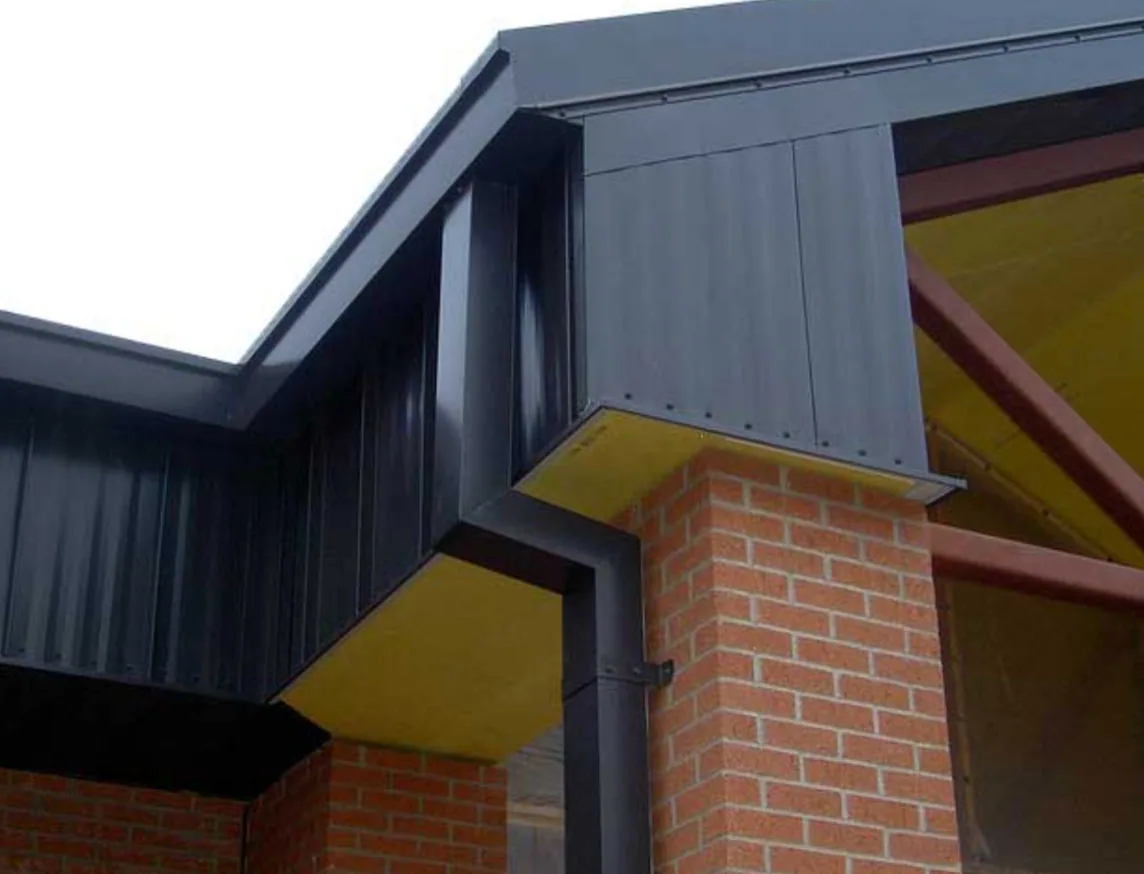
A curb transition has several points where movement or water can affect the roof: corners, curb height, membrane turn-up, metal counterflashing and the connection between the unit and its base. We look for open seams, cracked sealant, loose metal, damaged membrane and signs of repeated patching. Around a pipe support, we inspect the penetration or blocking detail and whether the support bears on the roof without cutting or crushing the membrane.
Equipment vibration can stress nearby flashings over time. We look for movement marks, fastener pull-through, separation around conduit or a shifted pipe stand. A concern may involve the support itself, the waterproofing detail or both. We document what is visible and avoid assigning a structural cause based only on surface appearance. When a mechanical contractor must disconnect or raise equipment, we coordinate that part of the work before opening the roof.
Gainesville's hot weather and recurring heavy rain make it useful to look at roof conditions around equipment after service visits and storm periods. A blocked drain beneath a unit can hold water near a curb, while service traffic can damage a membrane or cover board. A commercial roof inspection can place those observations on the roof plan and identify related conditions beyond the equipment area.
Coordinate: Work with the Equipment Provider
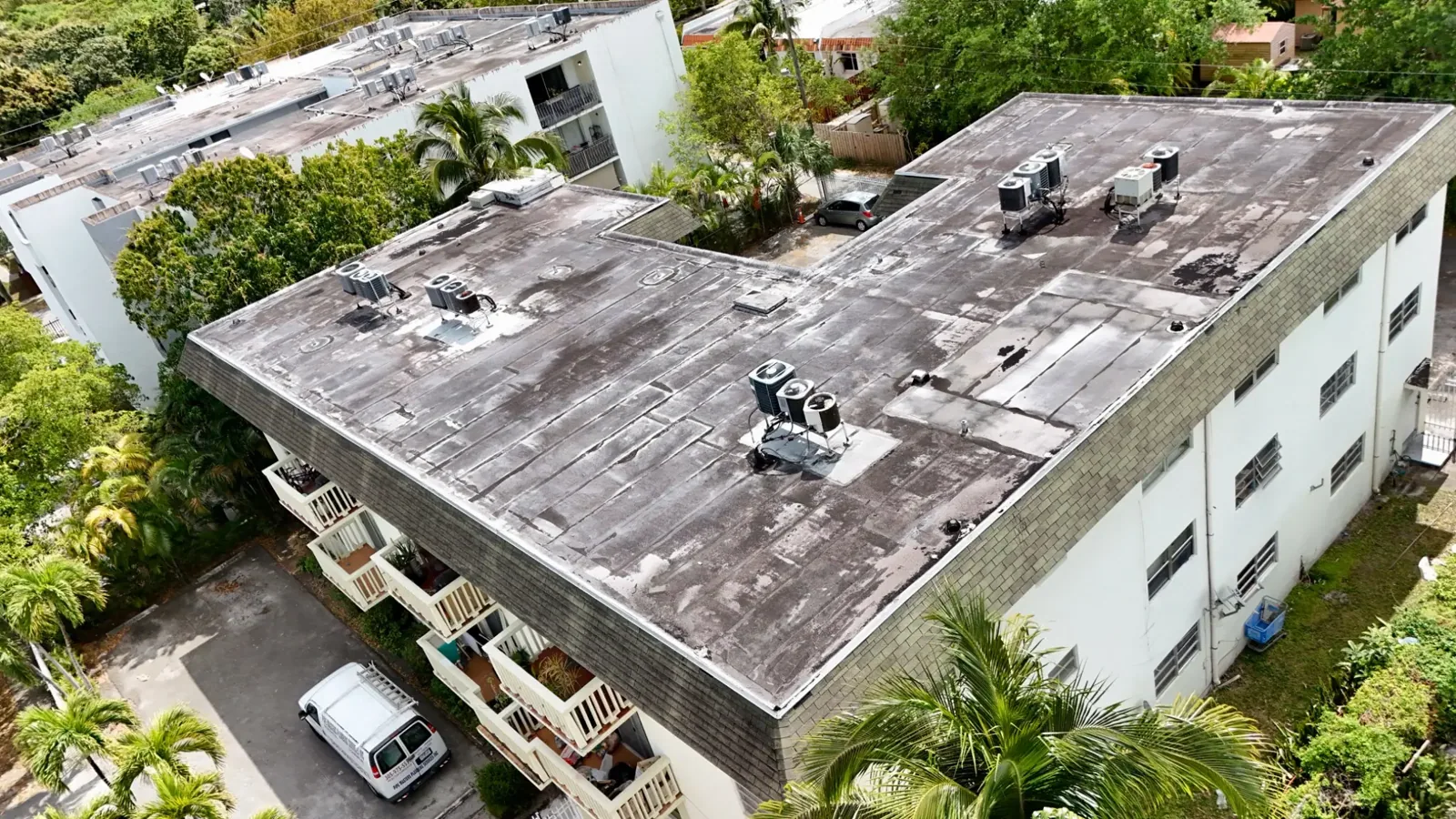
Roofers and mechanical technicians may need the same access area. We establish the site contact, roof entry, equipment shutdown rules and the party responsible for disconnecting or lifting the unit. Before work starts, we confirm what will remain in service, where tools and materials can be staged and how the open roof area will be protected. If the unit cannot move, we plan a repair around the available clearance only when the detail can be completed correctly.
On a research or healthcare property, a shutdown or work zone can affect more than the roof crew. The Malcom Randall VA Medical Center campus includes clinical, research, education, logistics and support buildings; facility contacts may need to coordinate separate departments and secure areas. We coordinate access and communication with the people responsible for the building and equipment before setting the roofing work window.
Weather and service schedules can affect the sequence. Before opening a curb transition, we set a weather-protection plan and confirm coverage if rain arrives or the equipment provider is delayed. The work window should account for safe lifting, roof conditions and the time required to restore temporary protection. The site contact receives a clear update if an unforeseen support or substrate condition changes the plan.
Detail: Rebuild the Water-Shedding Connection
Repair begins with the roofing system and the equipment interface. For an existing TPO roof, we use a compatible membrane transition. We remove compromised flashing or membrane as needed, prepare the substrate and rebuild the detail with compatible materials. Corners and curb faces receive the specified treatment, and fasteners or counterflashing are secured without leaving exposed openings. For a pipe support, we preserve the support function while restoring a watertight detail around its base.
Some conditions require equipment movement, curb replacement or a support designed for a different load. We identify those dependencies and coordinate the mechanical or structural work rather than improvise a roof-only fix. A penetration flashing repair uses the same attention to roof transitions, though the equipment support may bring additional load and access concerns. A broader repair scope can include adjacent membrane damage and drainage checks.
Cost and timing depend on equipment size, service access, need for shutdown or lift, curb construction, roof assembly and concealed conditions. We define what the roofing scope includes and which equipment work is by others. If opening the detail reveals damaged insulation or deck, we document it and confirm how the changed condition affects repair limits before covering it.
Protect: Keep the Roof and Unit Serviceable
During repair, we protect the unit, nearby intakes and exposed roof from debris and water. We keep drains clear, control the work zone and confirm with the site contact whether equipment must remain in service. After the transition is closed, we check that technicians can still reach the unit without crossing vulnerable flashing or blocking the drain path.
The owner should retain equipment service notes with the roof repair record. A recurring leak can then be compared with the service date and repaired detail. A maintenance visit can check the curb and adjacent seam; a roof condition record can track the unit identifier, photographs and remaining work across the property.
Close Out: Leave a Clear Equipment Record
At completion, we record the equipment identifier, roof section, repaired curb or support, photographs and any remaining coordination item. The closeout notes whether the unit was moved, whether a mechanical provider performed work and which areas need future monitoring. If a curb or support could not be fully inspected, that limitation is stated rather than treated as a completed repair.
For a Gainesville equipment curb or pipe support issue, provide the building address, unit or support location, service history, leak report, site contact and preferred work window. We will inspect the roof transition and coordinate any equipment access needed to establish a repair plan. That keeps the roofing detail connected to the equipment it serves.
Frequently Asked Questions
Can you repair the flashing without shutting down the HVAC unit?
Sometimes, if the curb and work area are accessible without moving the unit and the equipment provider confirms operation can continue. We coordinate the specific plan before opening the roof detail.
Who moves or disconnects rooftop equipment?
The equipment owner or its mechanical service provider typically controls disconnection, lifting and recommissioning. We define the roofing work and coordinate timing with that provider and the facility contact.
Why does a pipe support cause roof damage?
A support can shift, concentrate traffic or carry a flashing detail that has loosened. We inspect the base, attachment and surrounding membrane before deciding whether the roof or support needs correction.
What should we send before a curb repair visit?
Share the unit or pipe location, building use, recent service notes, leak area, roof plan and site contact. If a provider controls access or shutdowns, include its scheduling contact as well.
Related Roofing Work
Review Rooftop Equipment Details in Gainesville
Send the property address, unit or support location, building use, recent service history, reported leak area, site contact and preferred work window. We will inspect the roof transition and coordinate equipment access.