Carlisle SynTec Commercial Roofing in Gainesville, FL
Inspect Carlisle SynTec roof assemblies in Gainesville and plan compatible repairs, maintenance or replacement around verified materials and facility access.
Roofing Manufacturers: Carlisle SynTec Commercial Roofing
A Carlisle SynTec repair should begin with the roof system and attachment method that are actually present. We inspect the membrane, seams, perimeter, penetrations, drainage and visible insulation details before recommending a patch or replacement. Carlisle offers EPDM, TPO, PVC and FleeceBACK membranes, with several assembly and attachment choices. In Gainesville, FL, warm seasons, intense rain and occupied institutional properties make inspection planning part of the work. A roof near Butler Plaza and one at UF Health Shands may have different access requirements even when their membrane types match.
Identify: Read the Roof as an Assembly
We compare project submittals and owner records with visible membrane markings, fastener rows, adhesive patterns and roof details. Carlisle's Sure-Seal EPDM, Sure-Weld TPO and Sure-Flex PVC product families each require compatible repair materials and detail methods. FleeceBACK products add a fleece layer to selected membranes, We verify attachment method separately from the membrane name. We verify the remaining assembly and any later repair from records and field evidence, even when a Carlisle label is present. A roof inspection can record the section and the components that remain unconfirmed.
Gainesville Regional Airport occupies land for aeronautical uses and an adjoining industrial park, with road access by Waldo Road and NE 39th Avenue. The local setting may matter for route planning and site entry, but it does not identify a roof assembly. We inspect the property itself and compare the owner-held record with visible field conditions. On EPDM roofing, that includes seam tapes, flashing, terminations and signs of shrinkage or movement.
Inspect: Check the Membrane and Attachment
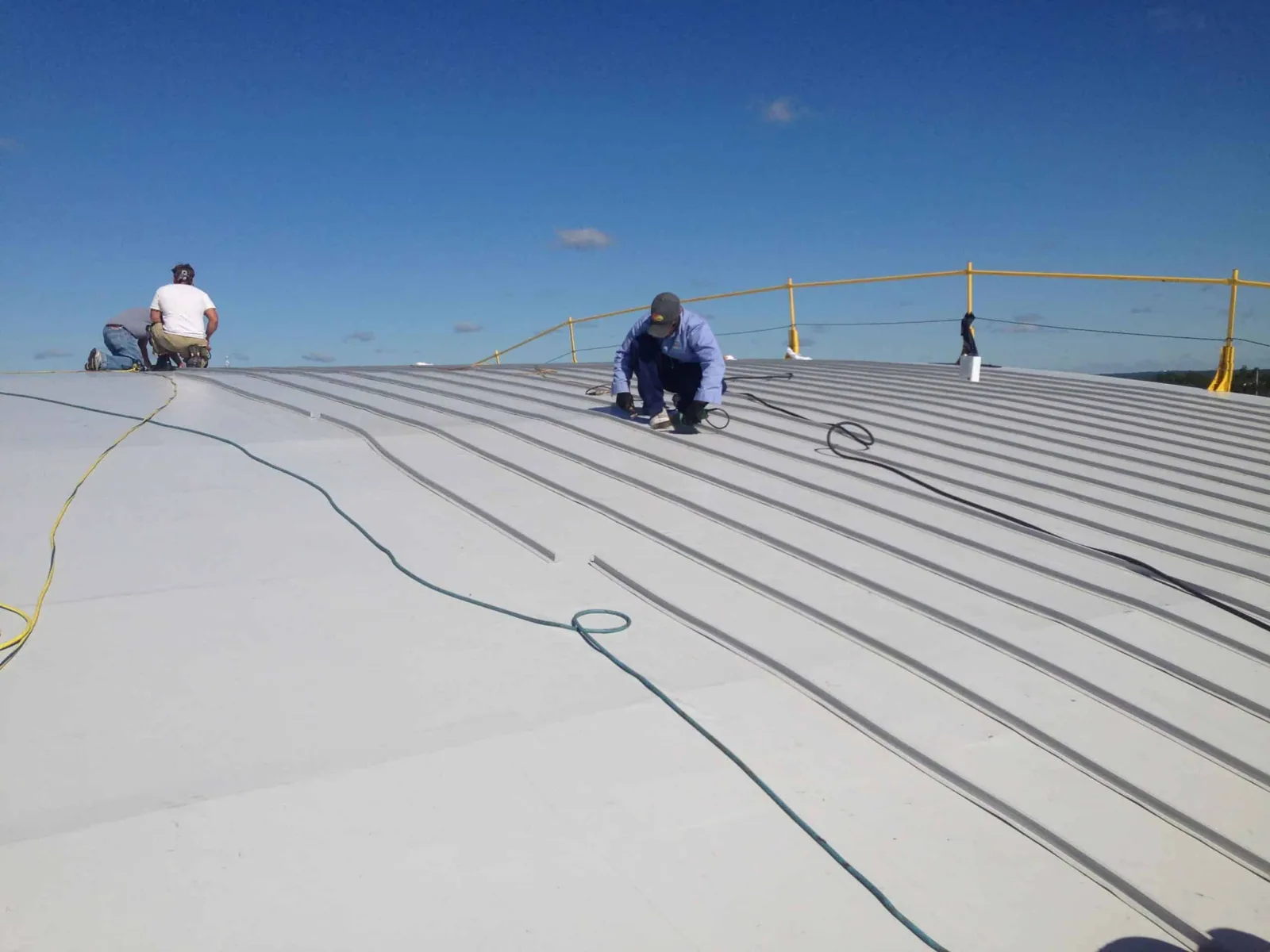
For a Carlisle EPDM roof, we examine lap joints, adhesive or tape condition, penetrations, patch edges and areas of standing water. For TPO or PVC, we inspect heat-welded seams and corners, then check that repairs meet clean, sound membrane. A fleece-backed sheet needs a repair approach suited to its face and bond detail. If water may be trapped beneath any assembly, we mark the suspected area and consider moisture mapping or a test opening. The report states where the inspection stopped and why.
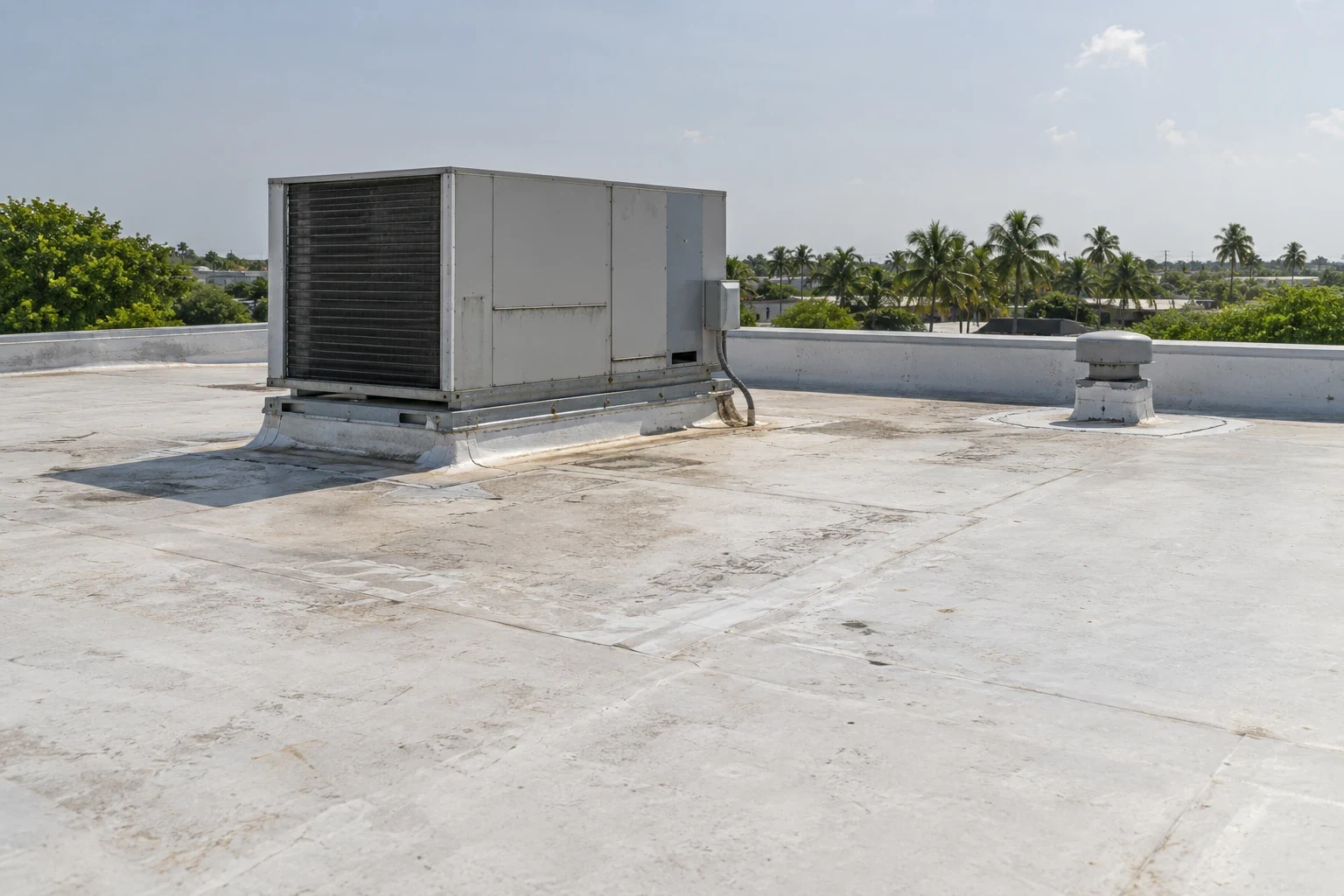
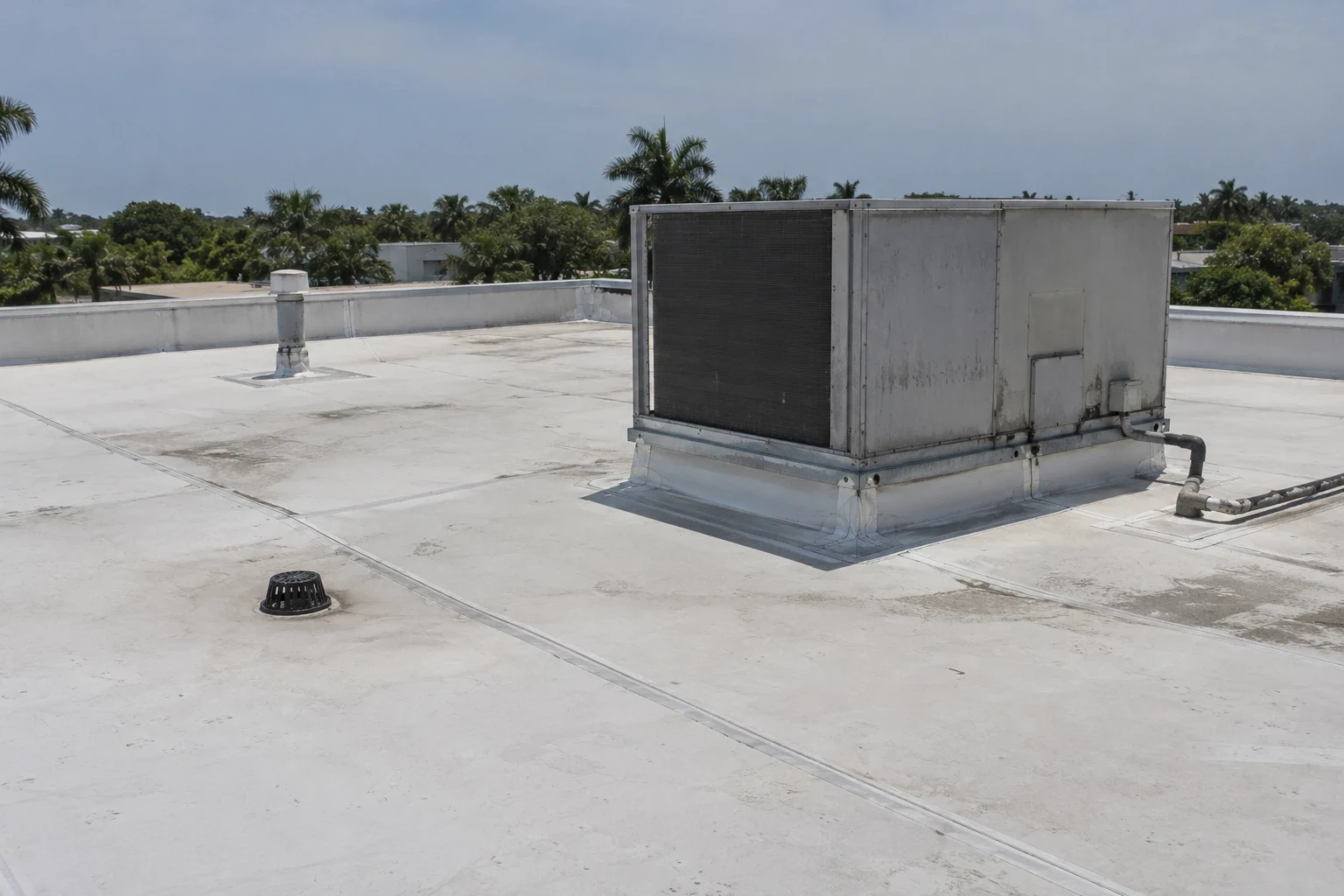
We pay particular attention to low transitions where water, debris and service traffic meet the membrane. Around rooftop units, we check pitch pockets, curb flashings and evidence that another trade disturbed the roof surface. At drains, the bowl, strainer and nearby seams are considered together because a restriction can leave water near a weak detail. Each observation is photographed and linked to its roof section before recommendations are written.
Gainesville's 2022 climate summary records repeated thunderstorms and heavy-rain days. After a strong storm, we check whether edge metal, flashings or exposed details have moved, and we compare new observations with dated maintenance notes. That weather context does not assign a cause to a particular leak. A wind-damage roof review can document lifted edges or open seams when those conditions are present. For an owner near the Archer Road medical district, interior protection and an approved access window are planned with the facility contact.
Compare: Select a Repair that Fits the Existing System
A repair can remain local when the membrane around the defect is dry, secure and compatible with the selected material. Broader wet insulation, repeated seam failure or a deteriorated deck can change the scope. We document removal limits, substrate condition, tie-ins and any edge or curb work that belongs with the repair. If the assembly is a candidate for recover, we review attachment, drainage, existing layers and project requirements before leaving the old roof in place.
A Carlisle system can be compared with another assembly only after the building's deck, use, fire and wind design criteria and maintenance requirements are understood. The owner may evaluate a TPO membrane against an alternate thermoplastic option, or compare a repair with a complete replacement scope. We show which conditions lead to each choice, including test areas that could change quantities.
Carlisle's product families cover several membrane types, and selected fleece-backed products can use the RapidLock attachment method. The project documents and existing roof determine whether that detail applies. On an inspection, we record the membrane, attachment we can verify, seam condition and edge transitions before recommending work. A repair to EPDM seams is not interchangeable with a heat-welded thermoplastic repair, and an attachment question may require an approved test or access to the original submittal. We keep those findings by roof section so a future service visit can distinguish a confirmed system detail from an assumption in an older record.
Coordinate: Set the Access and Weather Window
Before crews start, the site contact identifies roof entry, tenant notices, equipment restrictions, material staging and areas below the active section. At Butler Plaza, customer and delivery movement may affect how material reaches a work zone; the facility contact sets the actual route. We keep work limits visible, control test openings and provide a secure stop point before the shift ends. If a leak needs immediate attention, our emergency response is available overnight and through weekends and holidays.
Hot roof surfaces, rain, lightning and wind can affect adhesive work, seam welding and safe access. We schedule each assembly according to the product instructions and the conditions at the job, and record any area delayed by weather. A maintenance visit can revisit drain paths, seam repairs and edge details on a planned interval. Carlisle can be compared with a Johns Manville roof system or GAF commercial assembly when the owner is reviewing product options; compatibility and project criteria remain specific to the building.
Close Out: Preserve the Carlisle Service History
We record the repaired section, membrane identified, preparation, materials, seam or flashing method, photos and open items. When the record supplied by the owner names a product but field conditions do not confirm it, that difference is stated. The closeout also notes whether a test opening showed wet insulation or a sound substrate. This gives the next maintenance visit enough context to distinguish the repair from nearby original material.
If the facility has more than one Carlisle assembly, we retain a separate record for each system and installation area. Repairs made on an addition may use a different membrane or attachment method from the original roof. The closeout names the area repaired and the material verified there, then flags any nearby transition that should be reviewed on a later visit. This keeps maintenance decisions attached to the right roof history.
For a Gainesville Carlisle SynTec review, send the address, building use, roof plans, product records, active leak locations, site contact and preferred access window. We will inspect accessible areas, document the assembly and prepare a measured repair or replacement scope. Where the owner needs a broader record, the condition report can keep photos and recommendations together by roof section.
Frequently Asked Questions
How do you tell which Carlisle membrane is installed?
We review owner documents and visible roof markings, then compare the assembly, seams and details in the field. If the membrane or attachment cannot be confirmed, we identify that uncertainty before selecting repair material.
Can Carlisle FleeceBACK be repaired like a smooth membrane?
The repair detail must suit the fleece surface and the membrane underneath. We check the product and substrate, then define how the new material will tie into the existing section.
Does a Carlisle system label mean every component is Carlisle?
Not necessarily. We identify what the records and field inspection support, including insulation, fasteners, cover board and later repairs. Unknown components are marked for review.
Can you inspect a Carlisle roof during business hours?
We coordinate an access window with the site contact and identify occupied areas or equipment that need protection. The inspection plan follows the building's actual operating constraints.
Related Roofing Work
Arrange a Gainesville Carlisle Roof Inspection
Provide the property address, building use, roof documents, current leak areas, site contact and access window. We will check the assembly and outline compatible next steps.