Flex Industrial Roofing in Gainesville, FL
Plan Gainesville flex-industrial roof repairs around tenant bays, office and production areas, rooftop equipment, drainage and the verified assembly.
Property Types We Roof: Flex Industrial Roofing
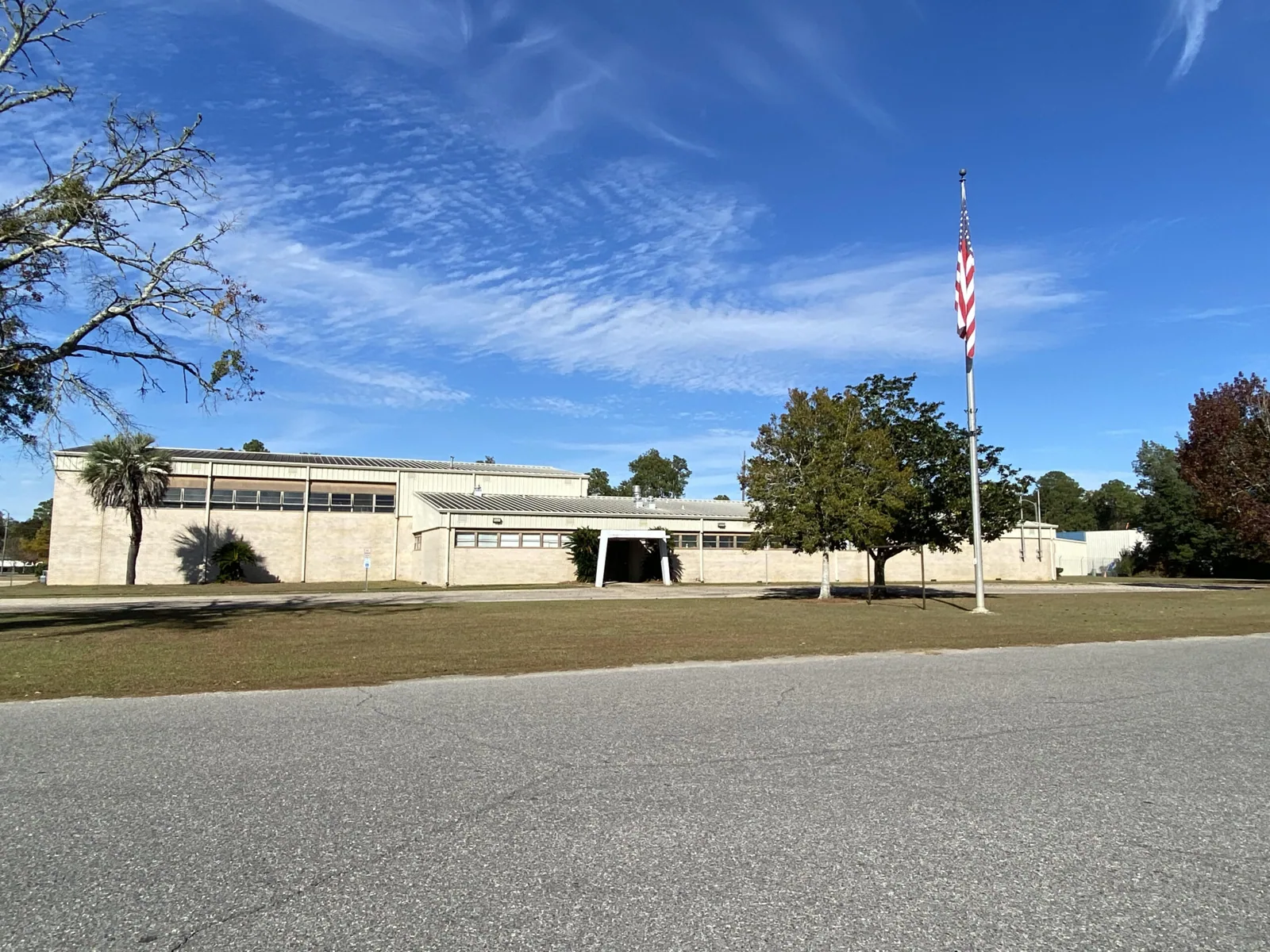
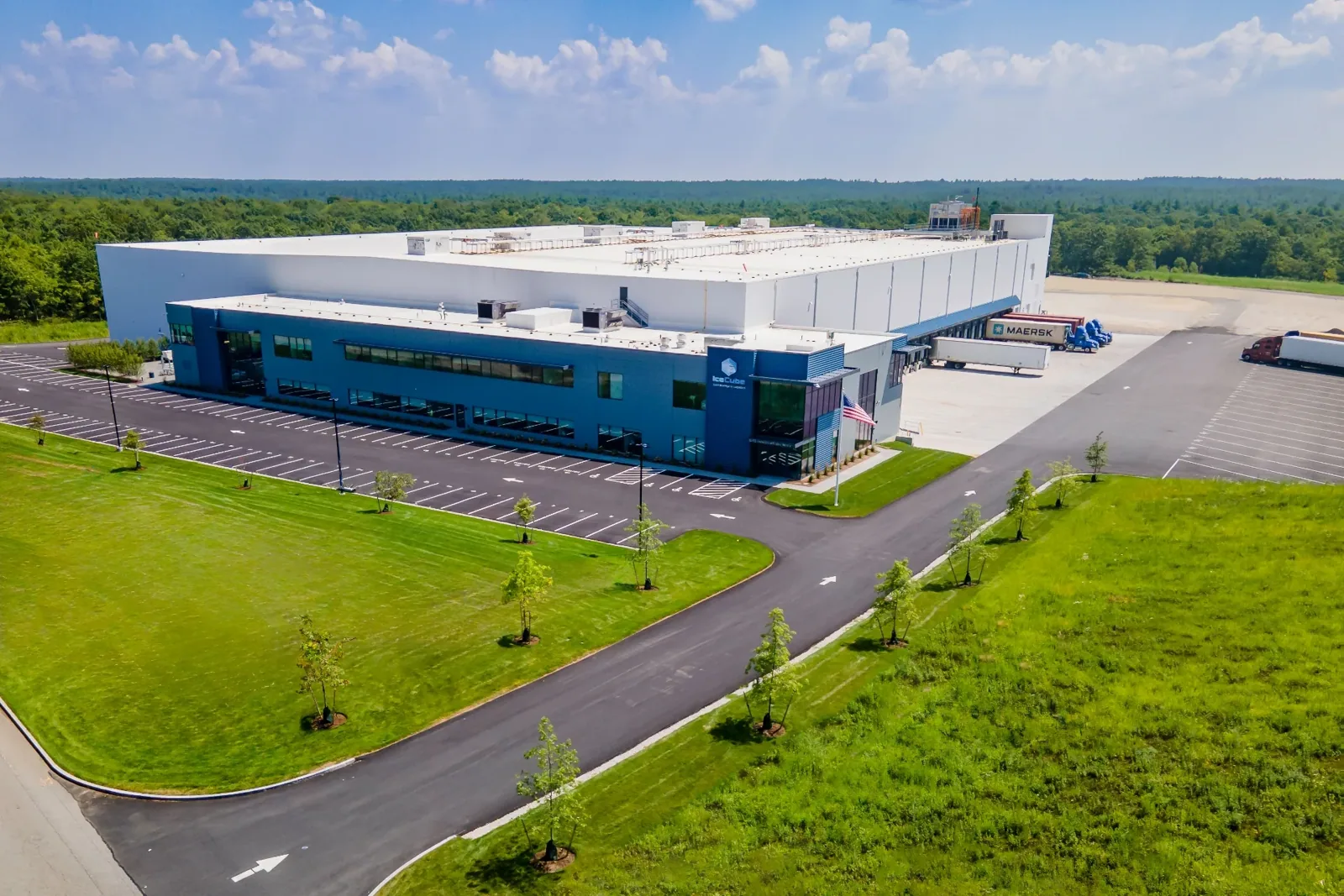
A flex-industrial building can have a tenant office, light production floor, warehouse bay, and shared loading area beneath one roof. A leak in one unit may affect another tenant's equipment or inventory if the roof section crosses a demising line. We locate the reported area, confirm who controls access, and map the roof section before proposing work. In Gainesville, FL, heavy rain, thunderstorms, and prolonged heat make drainage and edge details useful recurring checks. The building's actual roof records and tenant schedule set the inspection plan.
Map Tenants to Roof Sections
Flex properties often change use over time. One bay may hold light manufacturing, another storage, and a third office or showroom space. The property manager identifies tenant boundaries, active operations, equipment below the leak, and any access restrictions. We compare that information with the roof plan and note which drains, seams, curbs, and penetrations serve each section. If the ceiling report appears near a partition, the roof plan helps determine whether the entry point lies over the same tenant or an adjacent bay.
Airport Industrial Park, Progress Corporate Park, and the Power District are among the area’s industrial locations. The airport planning area allocates 285 acres to Airport Industrial Park, connected by Waldo Road and NE 39th Avenue. A roof visit near Airport Industrial Park still begins with the specific address, tenant contact, and service entrance.
The Gainesville Technology Entrepreneurship Center is within the Cornerstone redevelopment area. For flex-industrial work, we confirm the tenant use, roof sections, and service routes with the site contact. A GTEC-area building assessment requires the site's own records, roof access, and operating limits.
Read the Roof Assembly Before Scoping
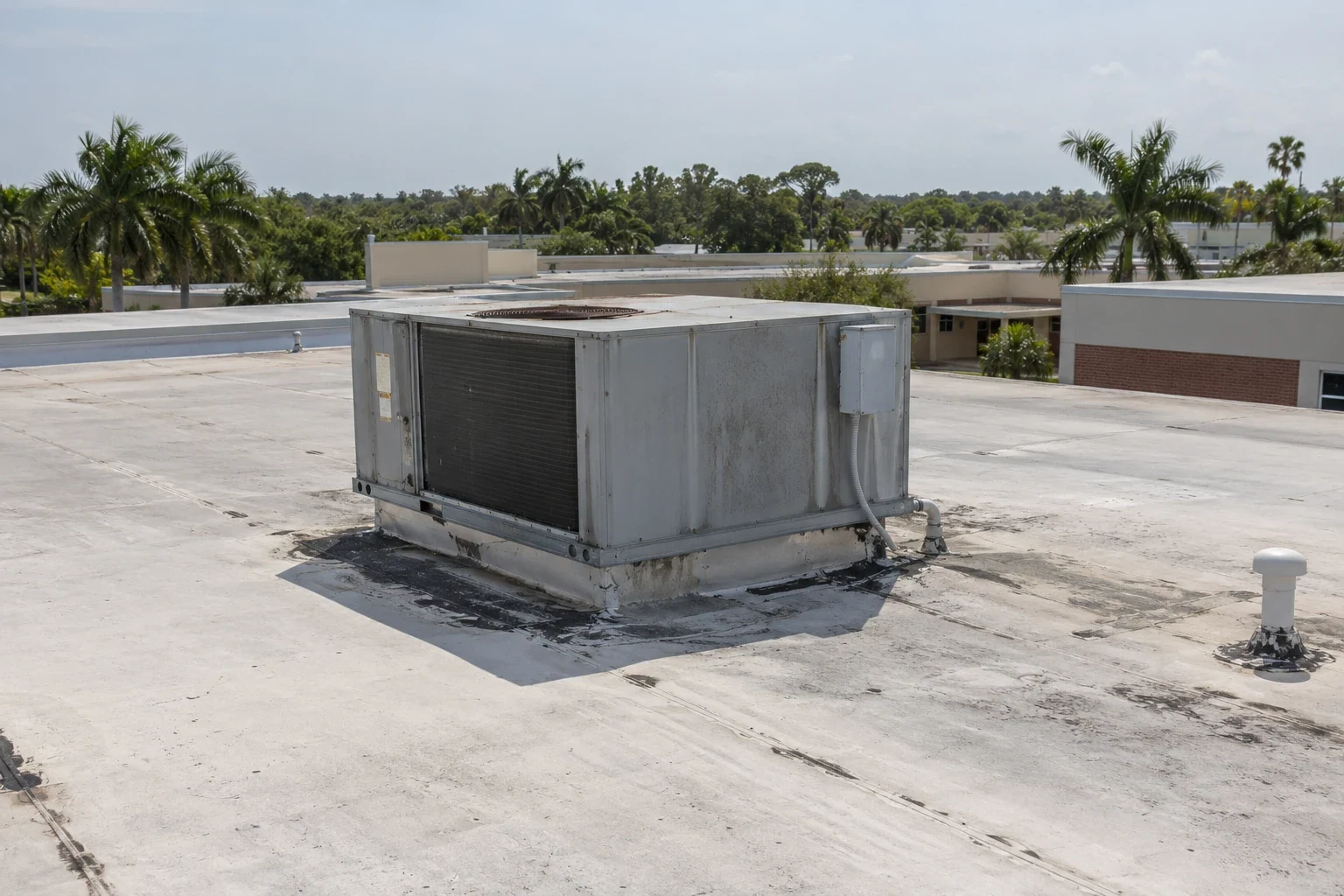
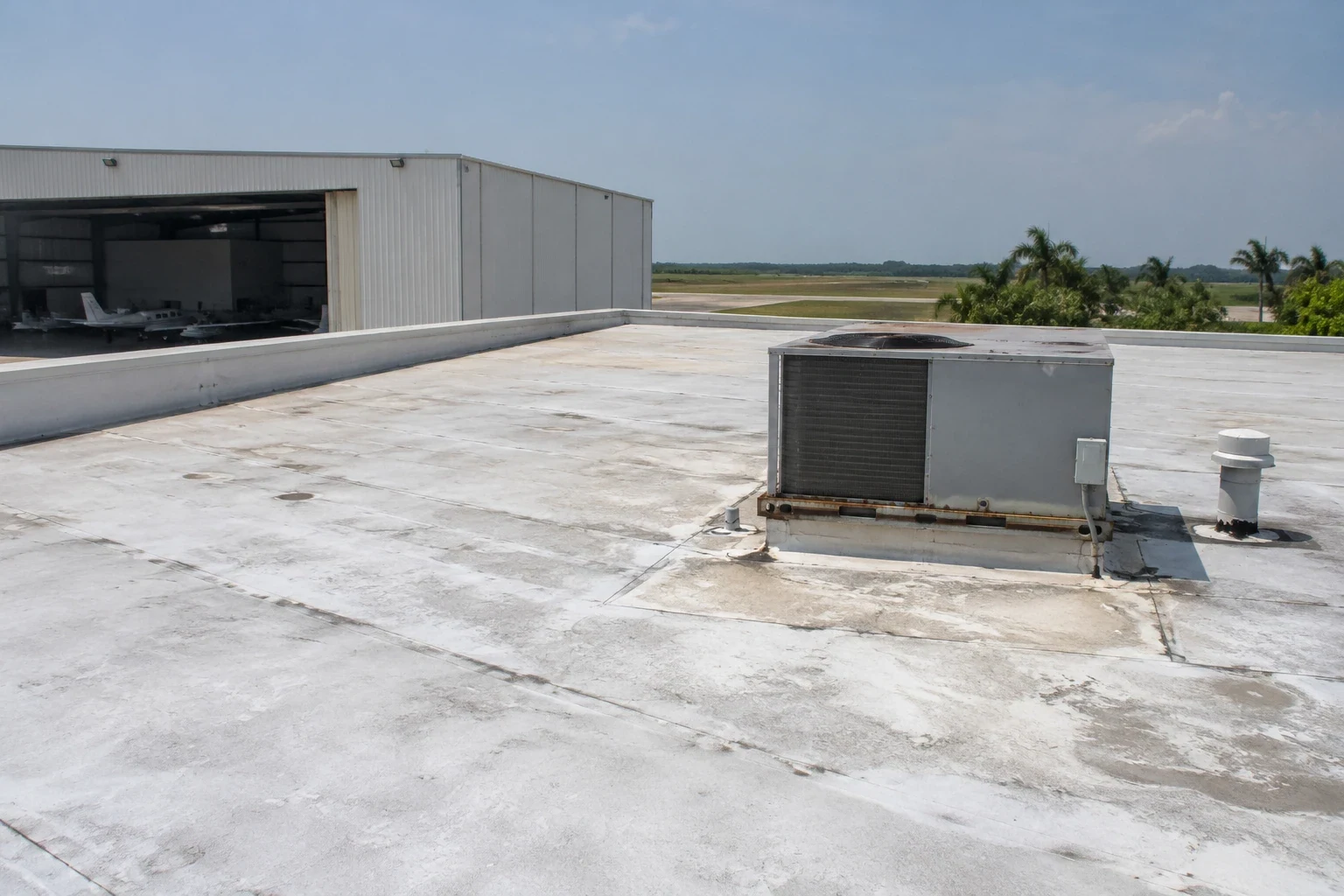
We identify the existing membrane, metal, built-up, or modified-bitumen system before selecting repair materials. Flex buildings may have additions or different sections installed at different times, so one building can require more than one repair method. We inspect field seams, fasteners, base flashing, wall transitions, roof drains, skylights, and equipment curbs. Service records help identify recent rooftop work, but the inspection checks the current condition instead of assuming a contractor visit caused the leak.
Gainesville recorded 133 days at or above 90 degrees in 2025. Heat can accelerate surface wear, dry sealants, and increase movement at exposed details; it does not show whether insulation is wet. We check laps, surface splits, loose edge metal, and areas of ponding, then photograph the findings. A roof inspection and condition map gives ownership a section-by-section record that can be shared with tenants without mixing separate issues.
Gainesville recorded 3.06 inches of rain in 24 hours during 2025. Heavy runoff can expose a restricted drain or a low point, while wind-driven rain may test a curb or wall transition. We trace the water path and inspect the outlet, overflow, and nearby roof details. A moisture survey may help select test locations if visual inspection cannot establish the wet boundary. Test openings verify actual insulation and deck conditions where they are made.
Protect Production and Tenant Access
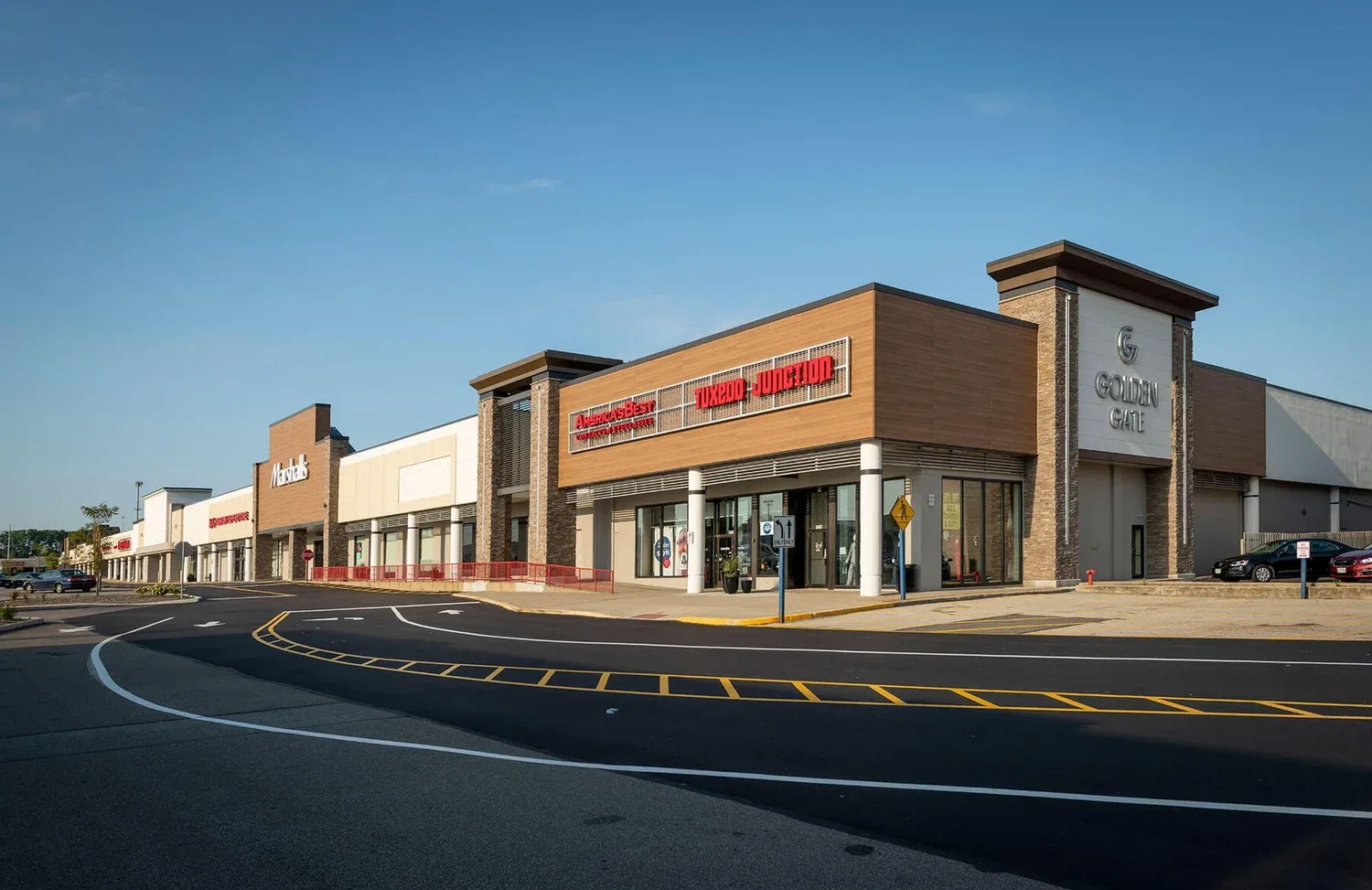
Before a crew arrives, the property manager can provide tenant work hours, receiving windows, forklift routes, sensitive equipment, and any process that cannot pause. We coordinate roof access, lift placement, material drops, and any interior protection with the affected occupant. Work may be split by roof section if tie-ins and weather allow, with a posted handoff identifying the zone under construction and the next access update.
For an active roof opening, crews can respond outside standard hours, on weekends, or during holidays. The first visit can stabilize an active opening and document temporary protection. A permanent scope follows after the system and wet material boundary are confirmed. We note whether production or loading was affected and identify any condition the tenant must keep clear while work proceeds.
The Progress District in Alachua includes life-sciences, technology, and distribution activity along the US 441 connection to Gainesville. A flex-industrial property has its own tenant mix and traffic. A manufacturing roof review may consider production continuity, while a warehouse roof plan may emphasize inventory and loading. Here, the manager's tenant map tells us which risk applies to each roof section.
Choose a Scope That Fits the Condition
A localized seam or flashing repair can be appropriate when surrounding material remains sound. If test openings find wet insulation, corroded deck, or repeated failure at several transitions, a broader scope may be needed. We record the test location, removal boundary, deck findings, and material installed. Ownership can compare an isolated repair with restoration or replacement using quantities tied to actual sections and tenant spaces.
A coating or recover can be considered when the existing roof and surface qualify, attachment is sound, and drainage works. Replacement may involve tear-off, insulation, roof edge, wall transitions, and equipment curbs. A restoration assessment documents preparation and repair needs; a replacement plan defines removal and reconstruction. Cost and timing reflect material condition, roof height, access, penetrations, tenant protection, and weather windows.
Gainesville's permit review has used Florida's 2023 code edition since December 31, 2023. The permitting team should confirm applicable requirements for the actual assembly and project. We keep the condition record and measured scope specific to each building rather than treating the name of an industrial park as evidence about its construction.
Keep Findings With the Right Tenant Record
The closeout package identifies the roof section, work date, materials, test openings, drains or edges addressed, and remaining items. Photos show the repaired area relative to roof features and tenant boundaries. We can note the affected bay or operations area without recording another tenant's private details. If access restrictions prevented full inspection, the report states the limit and the next step needed to resolve it.
To arrange a Gainesville flex-industrial roof review, send the address, tenant or bay map, roof records, active leak areas, operation and delivery windows, access contact, and required protection. We will inspect the roof section, coordinate with the affected occupants, and prepare a measured scope with confirmed conditions and open questions clearly marked.
Flex-industrial buildings can shift between light manufacturing, office, storage, and service uses as tenants change. Before the roof walk, we confirm which suites are occupied, who controls roof access, whether exhaust or communications equipment is active, and when deliveries use the shared drive. A repair affecting one unit may need protection for an adjoining tenant because roof sections and interior demising lines do not always align. In Gainesville's industrial parks, site layouts vary, so we inspect and label conditions by building and suite instead of carrying details across the property. Clear handoffs help managers preserve tenant operations while planning maintenance.
Frequently Asked Questions
Can you keep different tenants' roof issues separate?
Yes. We label findings by building, roof section, and tenant area where access allows. That keeps photos and repair quantities tied to the correct occupant and avoids treating one leak as evidence about every bay.
How do you protect equipment during a roof repair?
The tenant identifies sensitive equipment and the manager confirms required access limits. We plan interior protection and staging, then record which equipment zones are below the active section.
What if a tenant cannot stop production?
We can evaluate phased access and work windows when the roof layout and weather permit. The property contact provides critical operating periods before we set the sequence or identify an area that needs a different schedule.
When is a test opening useful in a flex building?
It helps when a visible leak does not show how far moisture extends or whether insulation is wet. We select the location with the owner, protect the interior below, and document the materials and deck found there.
Related Roofing Work
Arrange a Gainesville Flex-Industrial Roof Assessment
Share the building address, tenant or bay map, roof plans, active leak reports, operation and delivery windows, site contact, and access requirements. We will document the assembly and prepare a measured scope around occupancy.