
Government Building Roofing in Gainesville, FL
Plan Gainesville municipal roof repair and capital work around public access, department operations, storm exposure and the building's verified assembly.
Property Types We Roof: Government Building Roofing
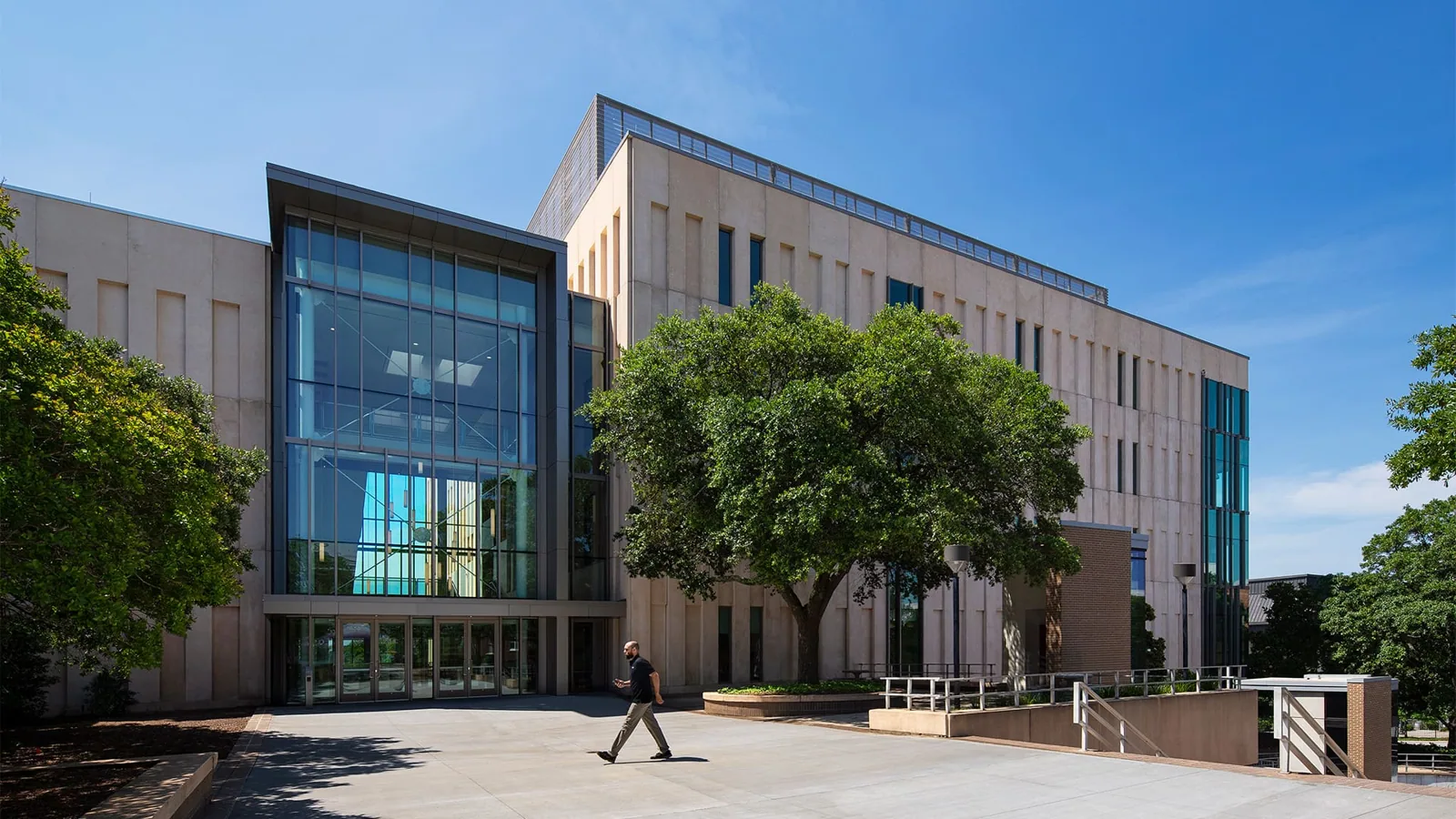
A public building roof problem can affect a service counter, records room, fire apparatus bay, or meeting space while the department remains open. We identify the room and roof section, confirm which public routes must remain available, and review the building's access requirements before setting a scope. In Gainesville, FL, summer downpours and heat put drainage and exposed details on the inspection list. The building record and field conditions determine the repair, while the agency contact sets the operating limits for the visit.
Coordinate: Keep Public Services Accessible
Government properties may combine offices, public counters, fleet areas, storage, training rooms, and emergency functions. Before inspection, the site contact identifies public hours, restricted areas, loading routes, and any department activity that cannot be interrupted. We map the reported interior location to the roof plan, then mark where access, lift placement, and material staging can occur. A city hall counter and a vehicle bay need different protection and noise planning even when both sit below the same roof section.
NE 8th Avenue / Waldo Road and Cornerstone / Eastside HEDI are among Gainesville's named reinvestment areas. A government facility in either location still needs an address-specific access plan. The agency contact identifies public entrances, vehicle routes, restricted areas and delivery rules before work is scheduled. We use the site map and instructions to keep work zones separate from public paths. A government office roof plan may address administrative space, while a public education building review has its own calendar and occupancy requirements.
Inspect: Document the Assembly and Reported Condition
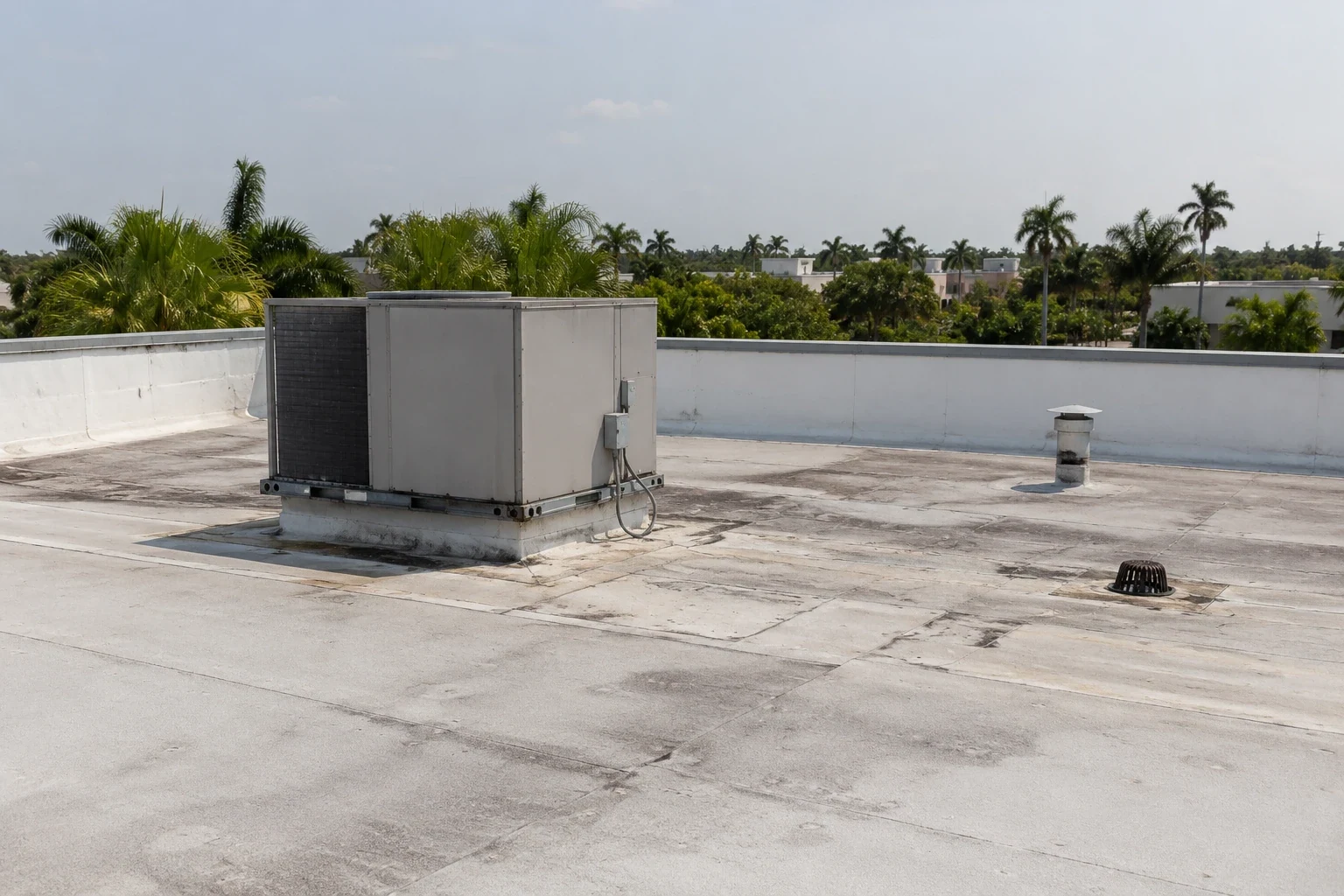
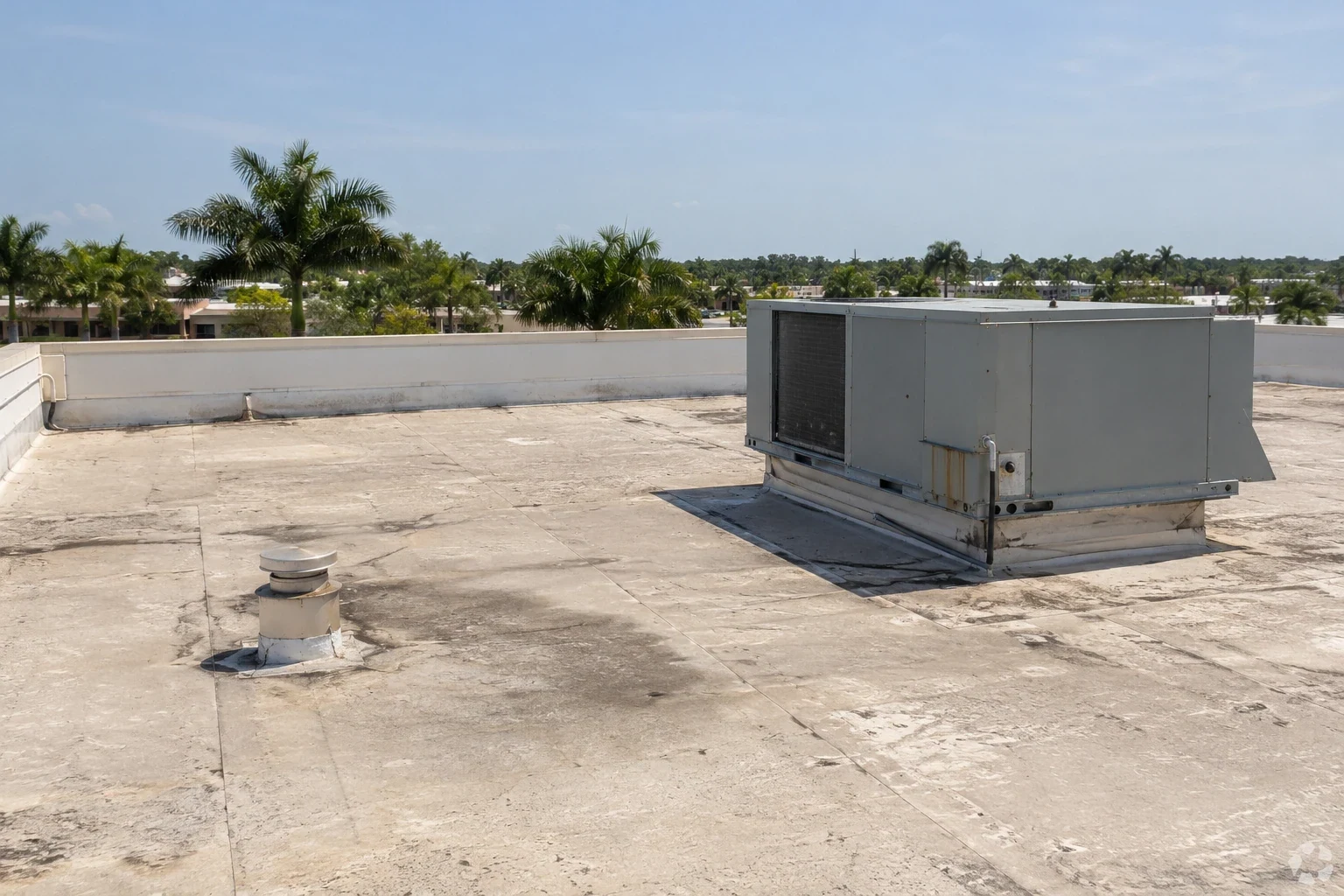
We verify the roof material before specifying a repair. A membrane seam, metal panel fastener, parapet transition, skylight, drain, or equipment curb can each create a different water path. The interior report identifies where to begin, not necessarily where water entered. We inspect adjacent details, compare the roof with available drawings and prior work records, photograph each observed defect, and note any area that could not be safely reached. That keeps field observations distinct from assumptions in a procurement package.
Gainesville’s summer storms can bring wind and runoff to public buildings. After heavy weather, we check perimeter attachment, drains, overflow routes, and low areas at the property. We check drain bowls, scuppers, overflow routes, edge metal, and membrane tie-ins, then record what is damaged and what merely needs monitoring. A condition inspection can provide photographs and a marked roof plan for facilities and procurement staff to review together.
When the wet boundary is not visible, infrared readings or a test opening may establish whether insulation is wet and how far the repair should extend. We identify proposed test locations and interior protection needs before opening the assembly. Each opening is logged and closed securely. A moisture survey can guide the next test, while a condition record may help organize findings by building, roof section, and unresolved question.
Scope: Set Measured Work for Procurement
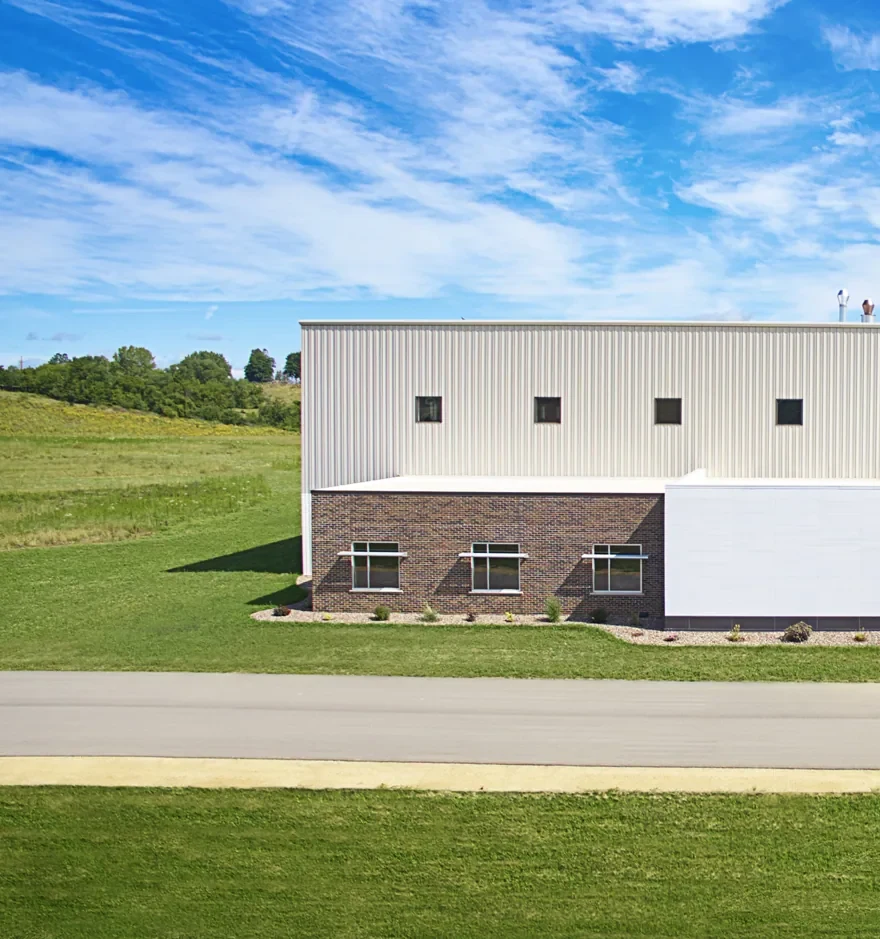
A local repair is reasonable when the adjoining materials remain sound and the failure is confined to one detail. If inspection finds wet insulation, failed attachment, deteriorated deck, or repeated defects across several sections, a broader project may be more suitable. We explain the evidence supporting each option and list quantities that affect cost and schedule: removal area, deck work, edge conditions, curbs, access, material, and protection below. The agency can then compare proposals on the same measured areas rather than a broad phrase such as repair roof.
A recover or coating system can be considered when the existing assembly, surface, drainage, and applicable requirements support it. Replacement may be needed where the assembly cannot be restored reliably or wet materials are widespread. A targeted repair scope identifies the specific detail, while a replacement specification sets out tear-off, insulation, attachment, flashings, and tie-ins. For public projects, the owner should confirm applicable existing-building provisions and permit triggers with the authority having jurisdiction before finalizing bid documents.
Public procurement may require defined alternates, submittals, insurance documents, or a particular bid schedule. We can separate base work from condition-dependent work and identify the evidence needed before an alternate is used. Unknown deck repairs and inaccessible areas remain listed as assumptions with the inspection or opening needed to resolve them. The scope and bid documents should use the same roof boundaries and closeout expectations.
Protect: Secure the Building Between Shifts
Roof work proceeds in sections that can be protected at the day's stopping point. Before materials are removed, the field lead checks the forecast, confirms the temporary tie-in method, and verifies that drains remain open. If rain approaches, exposed insulation and penetrations are secured and the site contact receives an update on the roof status. This is especially useful for government offices with records, public counters, or equipment beneath the active area.
During August 2023, Idalia brought tropical-cyclone winds to Alachua County. The airport weather station measured a 40 mph gust, nearby gauges registered 45 to 51 mph, and reports included downed trees and power outages. Following a named storm, we inspect perimeter details, penetrations, roof-mounted equipment, and drainage for field evidence. A post-storm roof review documents what is visible and identifies any area needing testing; the weather report itself does not determine damage at an individual facility.
We can respond to an active leak after business hours and on weekends or holidays. For an active leak in a public area, the agency contact directs people away from the affected space under its safety procedures while we assess roof access and stabilize the opening. We record temporary protection separately from permanent repairs, so the procurement record describes the final work still required.
Close Out: Preserve an Asset-Level Record
At completion, the file should state which building and roof section were repaired, materials installed, test openings made and closed, drainage or edge details addressed, and any item still pending. Photos tied to a marked plan make the work easier to reconcile with maintenance logs and future bid packages. For a campus or department with multiple properties, each structure receives its own closeout record; a completed section on one building does not resolve another site's open issue.
Send the Gainesville address, building function, roof plans and prior reports, active leak locations, procurement requirements, public hours, access contact, and desired work window. We will inspect the assembly, document the field condition, and return a measured scope that keeps department operations and unresolved questions visible.
Government facilities may need to keep public counters, hearings, records areas, or emergency functions open during roof work. The facility lead identifies secure entrances, public routes, meeting schedules, and any space where dust or noise requires a restricted window. We map roof access, protect doors and sidewalks, and plan material staging around public circulation. Gainesville's Downtown and Eastside reinvestment districts include varied civic and commercial settings, so each building gets its own access and sequence plan. The final record names the roof section, completed repair, and remaining question so facilities staff can coordinate future work and procurement.
Frequently Asked Questions
Can city staff remain in the building during roof work?
Often, if entrances, public areas, and work zones are mapped before mobilization. The agency contact provides hours, restricted rooms, emergency routes, and any activity that needs to pause while a section is active.
What belongs in a municipal roof bid scope?
Define the building and roof sections, verified materials, quantities, access limits, protection needs, submittals, closeout documents, and any alternates tied to testing. That lets reviewers compare the same work boundaries.
How are unknown deck conditions handled?
We state the inspection evidence and identify how concealed damage will be measured if found. Test openings or removal can clarify the extent before the agency authorizes added work under its procurement process.
Can roof work at a fire station avoid blocking apparatus?
The sequence can preserve bay access when the site layout and roof access allow it. We coordinate staging, overhead work, and any temporary restriction with the station contact before crews arrive.
Related Roofing Work
Request a Gainesville Public Building Roof Review
Provide the property address, department, roof plans, active leak areas, public hours, procurement requirements, access contact, and work window. We will document the roof conditions and prepare a measured scope for agency review.