
Commercial Storm Damage Roof Repair in Gainesville, FL
Document and repair storm-related roof conditions in Gainesville with findings tied to roof sections, drainage and perimeter details. Plan a measured response.
Commercial Roofing Services: Commercial Storm Damage Roof Repair
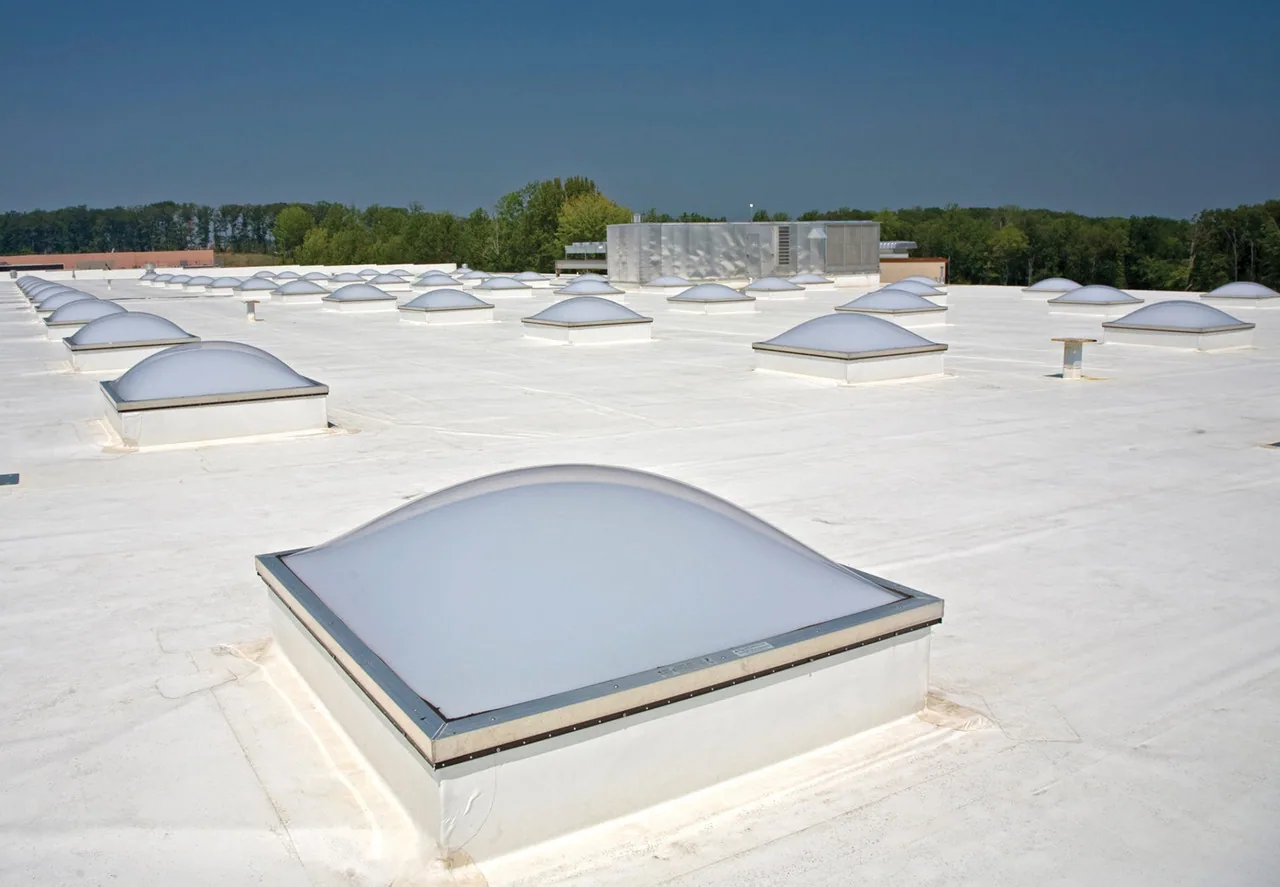
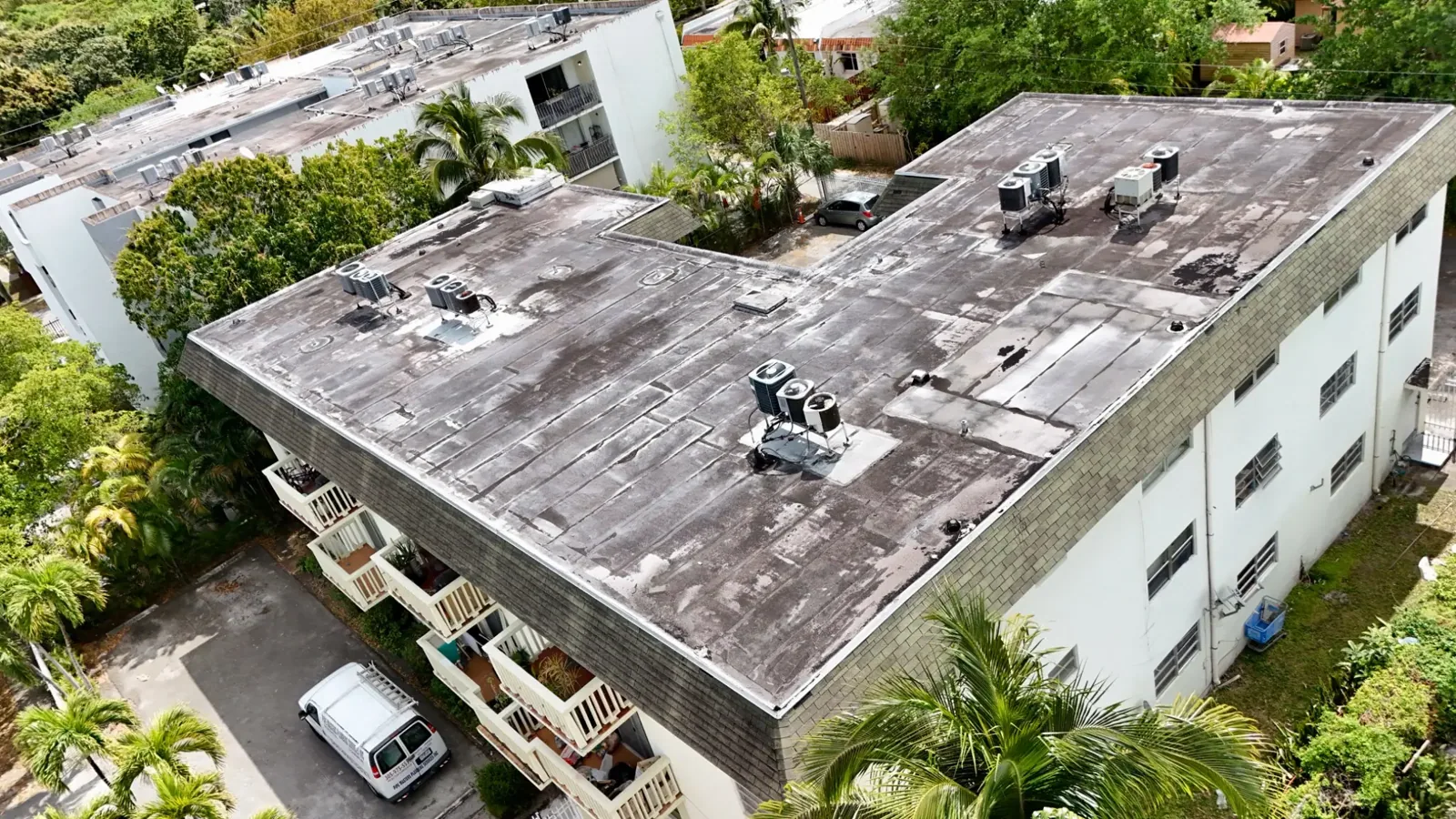
A storm report at an occupied Gainesville property needs a field check before the owner can separate urgent repairs from routine wear. We inspect the roof and perimeter, document visible conditions by section, and protect active openings when safe access is available. During the August 30, 2023 Idalia event, Alachua County had tropical-cyclone winds, and Gainesville Regional Airport measured a 40 mph gust. After a storm, we inspect the roof section and document the conditions found there.
Triage: Protect the Building First
Start with the reported leak area, occupied rooms below it and any visible opening or loose material. We coordinate with the site contact to understand whether water is active, whether equipment or inventory needs protection and which roof access route is available. A storm-related opening can be reported at any hour, including weekends and holidays, so we can coordinate immediate protection and scope permanent repairs after inspection. If conditions make the roof unsafe, we secure what can be addressed safely and arrange a follow-up inspection when access is appropriate.
Water inside the building does not always enter directly above the ceiling mark. We trace the likely path toward seams, penetrations, wall transitions, drains and perimeter details, then note where the path remains uncertain. Temporary protection may limit additional entry while a measured repair is prepared. We distinguish immediate stabilization from permanent repair so the owner knows what work has been completed and what remains.
Gainesville recorded 3.06 inches of precipitation in one 24-hour period during 2025. Heavy rain can expose weak drain, flashing and seam details, so we trace the active leak to its roof-level source. A commercial emergency repair focuses first on reducing ongoing exposure, followed by a broader review of affected roof sections.
Inspect: Match the Damage to the Roof
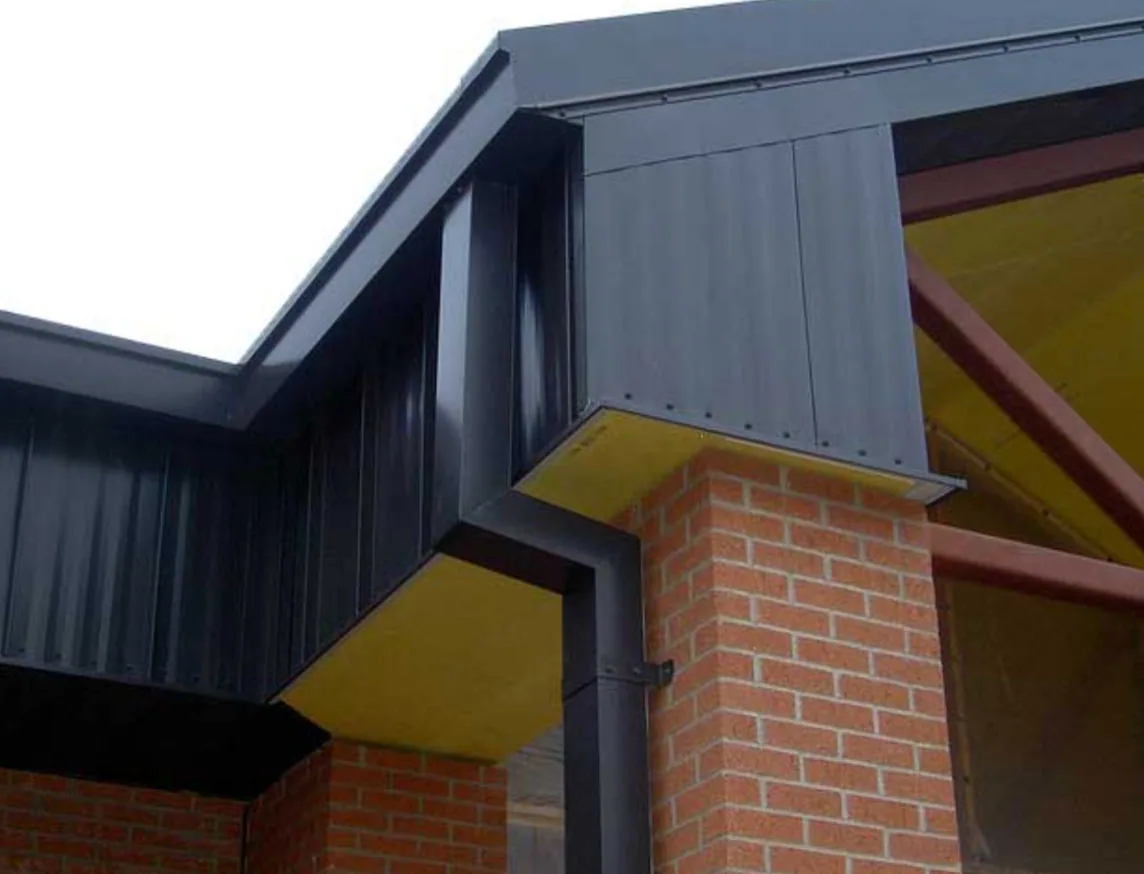
After wind, we look for displaced edge metal, lifted membrane, open seams, damaged flashings, loose rooftop components and debris impact. Hail may leave marks that require closer evaluation to determine whether the membrane or metal has been compromised. A visual impression alone is not a repair diagnosis, and surface marks can have other causes. We photograph and locate each observation, then identify where hands-on inspection or testing is needed.
Gainesville's storm history includes a December 2019 tornado near Paynes Prairie and April 1997 hail measuring 0.75 inch in the city and one inch five miles east of Archer. For a current storm call, we inspect the roof for its own wind, hail and debris impacts. For reported hail, we inspect the roof system and details before assigning damage or repair conclusions.
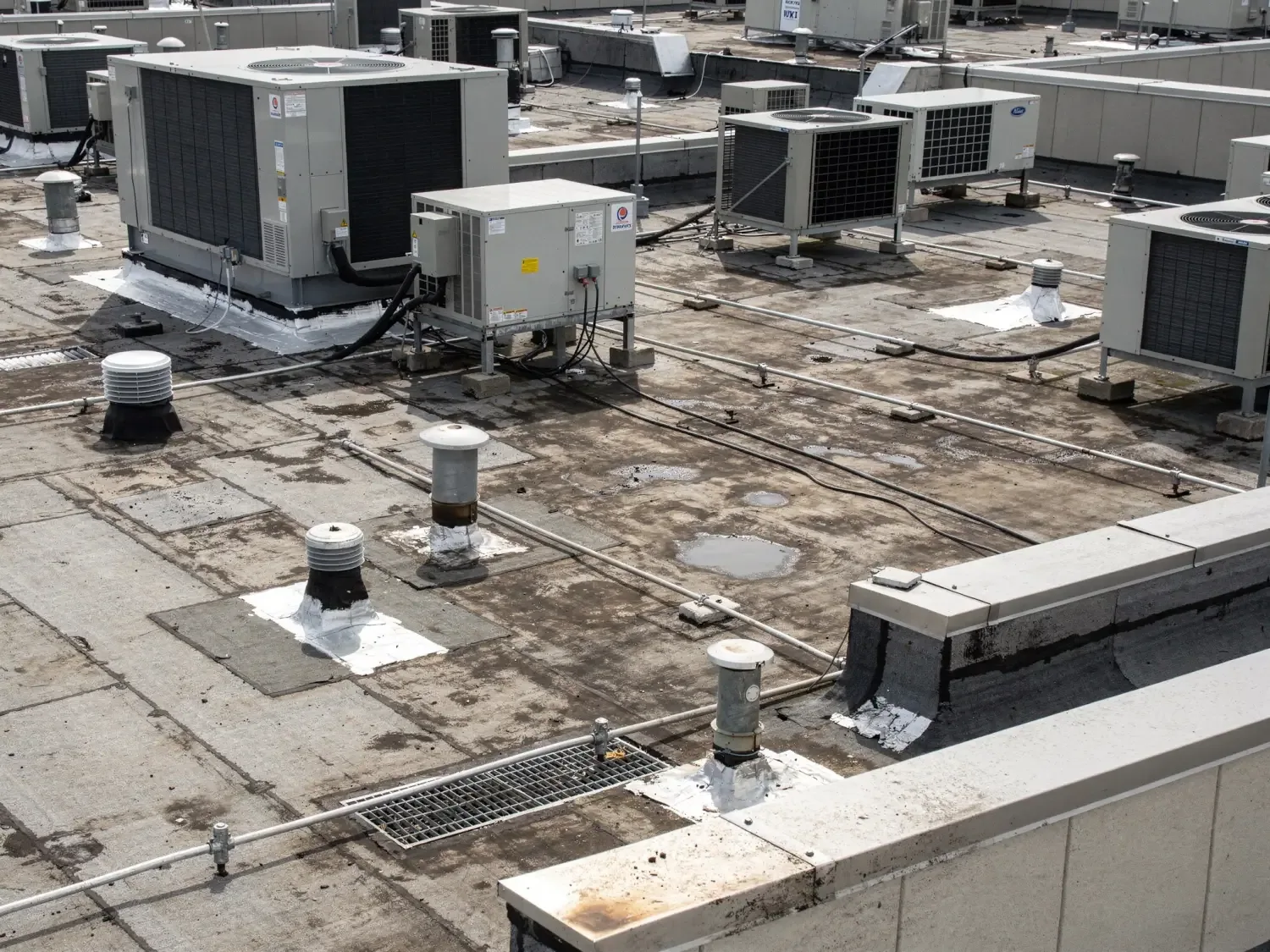
Drainage deserves attention after heavy rain. We check whether drains, scuppers and outlets are clear, whether water remains in low areas and whether roof-to-wall transitions show signs of entry. A drain and scupper review may identify a maintenance issue alongside storm damage. If the source is unclear, a hands-on roof inspection can document the full roof condition.
Document: Separate Observation from Cause
A useful storm record says what was visible, where it was found and what inspection method supports the conclusion. We mark the roof plan, capture representative images and connect each finding to a building and roof section. If an area was inaccessible or a hidden layer remains untested, that limitation belongs in the record. This is especially useful on multi-building properties around the Gainesville Regional Airport and Airport Industrial Park, where roof identities and access points need to remain distinct.
We compare the reported timing, photographs and observed details to separate storm-related conditions from prior wear where the evidence supports that distinction. An open seam or puncture receives a location and repair recommendation; concealed or inaccessible areas receive a defined follow-up test. A claim documentation review can organize repair records and inspection findings for the owner's next discussion with the carrier.
In Gainesville during 2022, thunderstorms occurred on 104 days, heavy rain on 82 days, and the peak gust reached 62 mph. Our recommendation follows the inspected roof assembly, attachment, exposed details and current condition.
After the immediate hazard is controlled, we separate storm observations from conclusions that need more evidence. A displaced coping section, puncture, lifted seam or blocked drain is recorded at its location, with photographs of the surrounding roof and interior report when available. Wet insulation may extend beyond the visible ceiling stain, so the repair boundary should follow inspection or testing rather than the room below. We can identify temporary work, permanent repairs and open questions separately, giving the property contact a useful record for maintenance and any claim process.
Repair: Address the Failed Detail
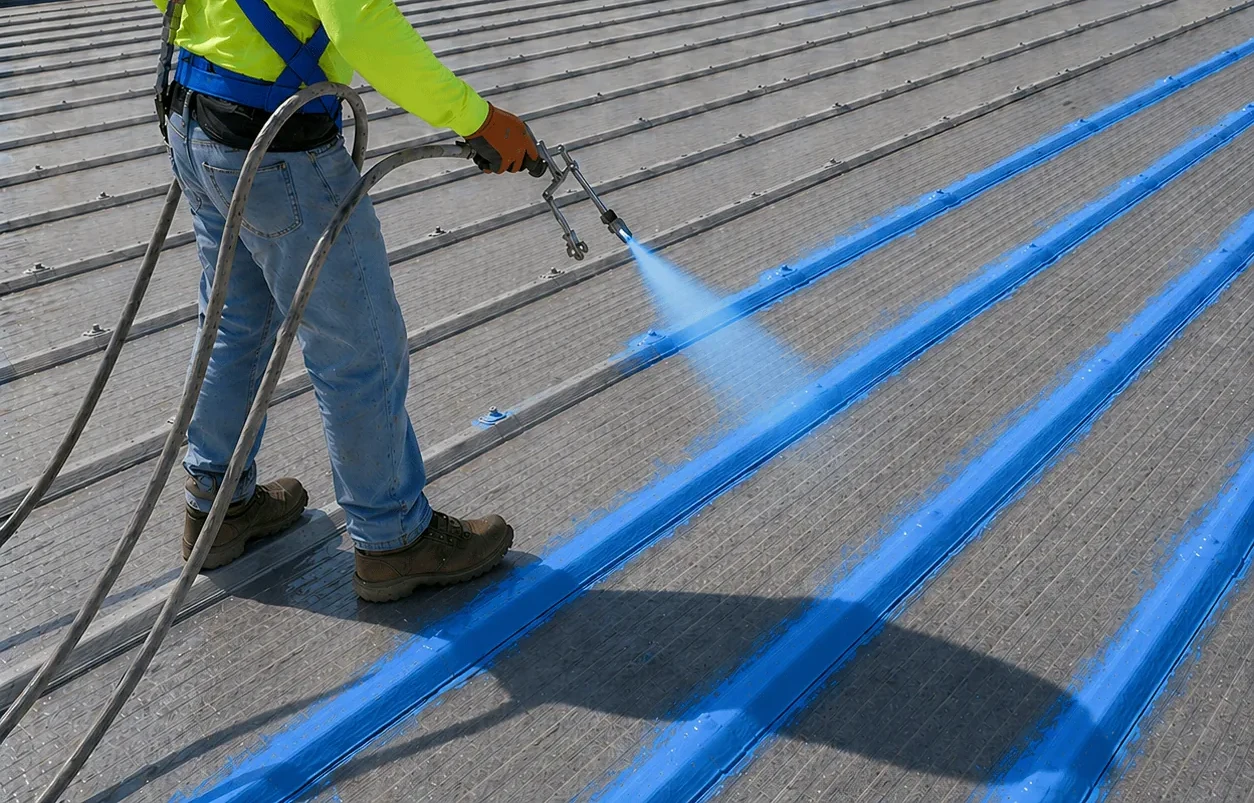
Storm repair follows the diagnosed condition. A puncture may need a compatible patch; a failed flashing can require removal and rebuilding of the transition; displaced edge metal calls for inspection of attachment and adjacent materials. We identify the affected layers and define the repair limits instead of applying sealant over a symptom. If wet insulation extends beyond a visible opening, selected test openings or infrared review may help establish how far removal should go.
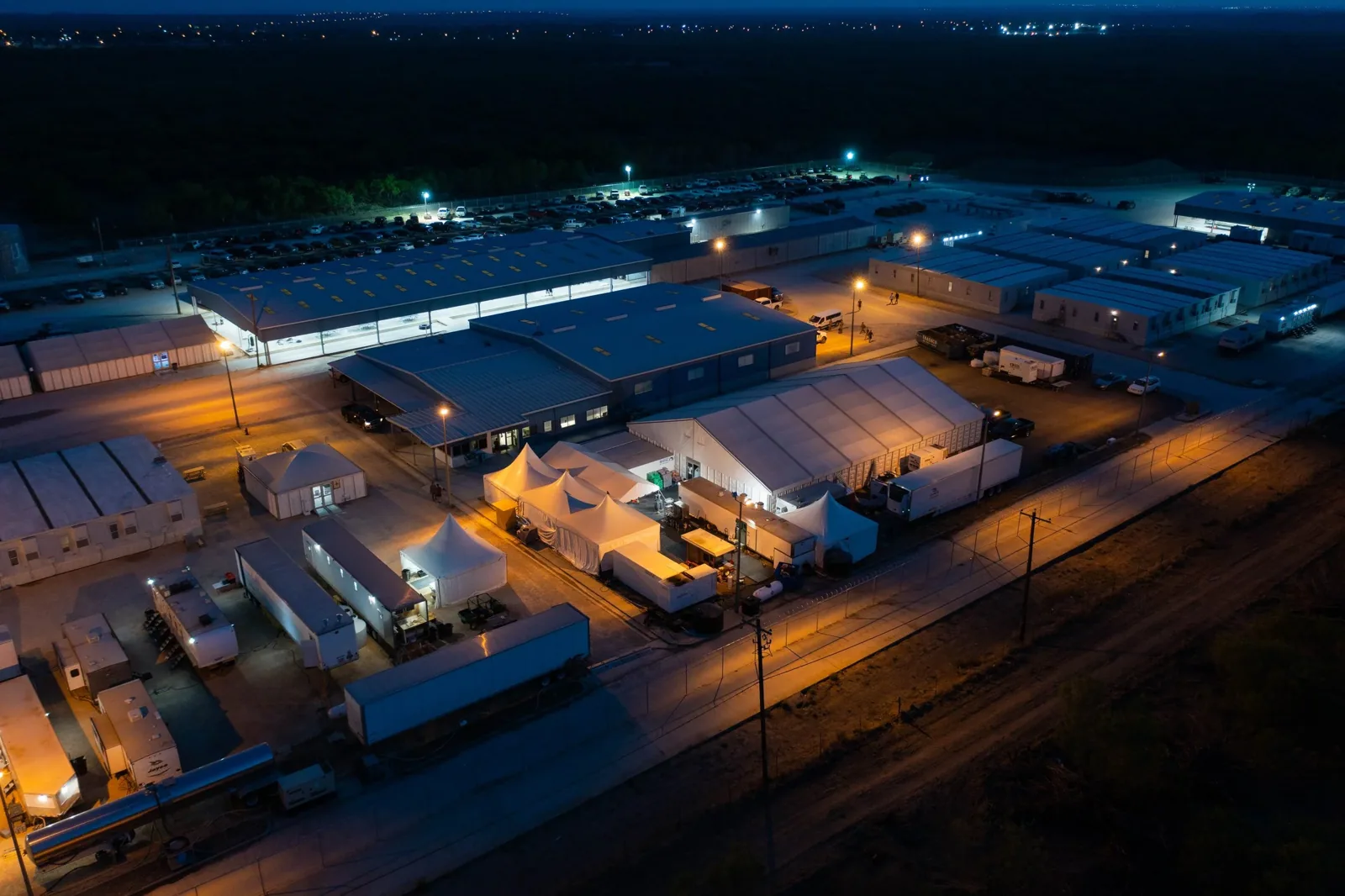
Scope also depends on the roof system, access, weather, equipment around the repair and whether the building can release each work area. On an occupied site near Butler Plaza, entrances and deliveries may shape staging. Research or medical buildings around the UF Health medical district may require coordinated access and protection of sensitive operations. We confirm the site plan with the facility contact rather than assume a property can be closed.
If damage is limited and surrounding materials remain serviceable, localized repair may be appropriate. Widespread deterioration, compromised attachment or extensive wet insulation may point to a broader project. We explain those findings and can compare repair with replacement planning based on evidence from the field.
Close Out: Track the Follow-Up
After work, the owner receives a record of completed repairs, materials addressed, photographs and roof locations. We identify any area left for monitoring or further testing and note whether temporary measures remain. The closeout can be used for maintenance tracking and to compare the next inspection with today's condition. A roof condition record gives the facility team a structured way to retain those observations across buildings.
Storm follow-up also checks adjacent details that may not have failed yet. We review edges, drains, seams and rooftop equipment attachments where wind or rain may have changed a condition. A scheduled maintenance visit can revisit the repaired area after later weather and confirm that drainage and details remain clear.
For a Gainesville storm assessment, provide the property address, building use, time of the event, active leak locations, available roof records, site contact and access window. We will identify any immediate protection needs, inspect reachable areas and return a documented scope that separates observed conditions from items still requiring confirmation.
Frequently Asked Questions
Can you respond while a roof is actively leaking?
Yes. Emergency response is available around the clock. We coordinate safe access, assess active water entry and address immediate exposure before defining permanent repairs.
Does a storm report prove that the storm damaged our roof?
No. Regional weather provides context; inspection documents the condition found at your building. We describe visible damage and identify any cause that remains uncertain.
What should we photograph before the inspection?
Record active drips, interior staining, visible debris and the affected room if it is safe to do so. Avoid climbing onto the roof; share the images with the site contact and inspection team.
Will one repair stop leaks across several roof areas?
Only if the inspected source and repair limits support that conclusion. We map each reported area and identify other conditions that need separate work or monitoring.
Related Roofing Work
Arrange a Gainesville Storm Roof Assessment
Share the property address, building use, reported event date, leak locations, roof records, site contact and available access window. We will assess immediate exposure and document repair needs by roof section.