
Commercial Standing Seam Metal Roofing in Gainesville, FL
Install, inspect or repair commercial standing seam metal roofs in Gainesville. Review panel clips, seams, flashing and drainage before setting the scope.
Roof Systems: Commercial Standing Seam Metal Roofing
A commercial metal roof moves as its panels heat and cool, so seams, clips and transitions need to match the assembly. Standing seam panels use raised vertical joints and commonly conceal their attachment beneath the seam. We identify the panel profile, clip arrangement, underlayment and roof details before planning repair or replacement. Gainesville's hot season and storm history make attachment and water entry useful inspection points, while the observed metal system determines the work.
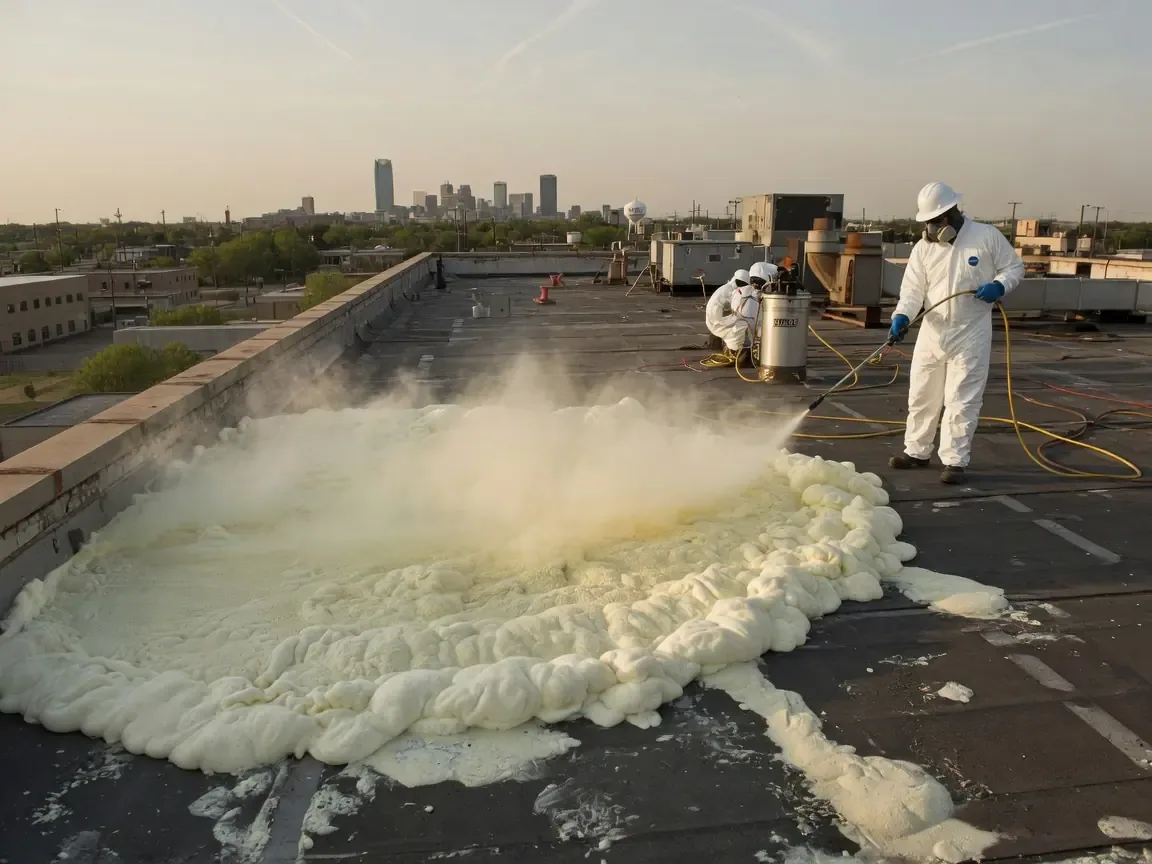
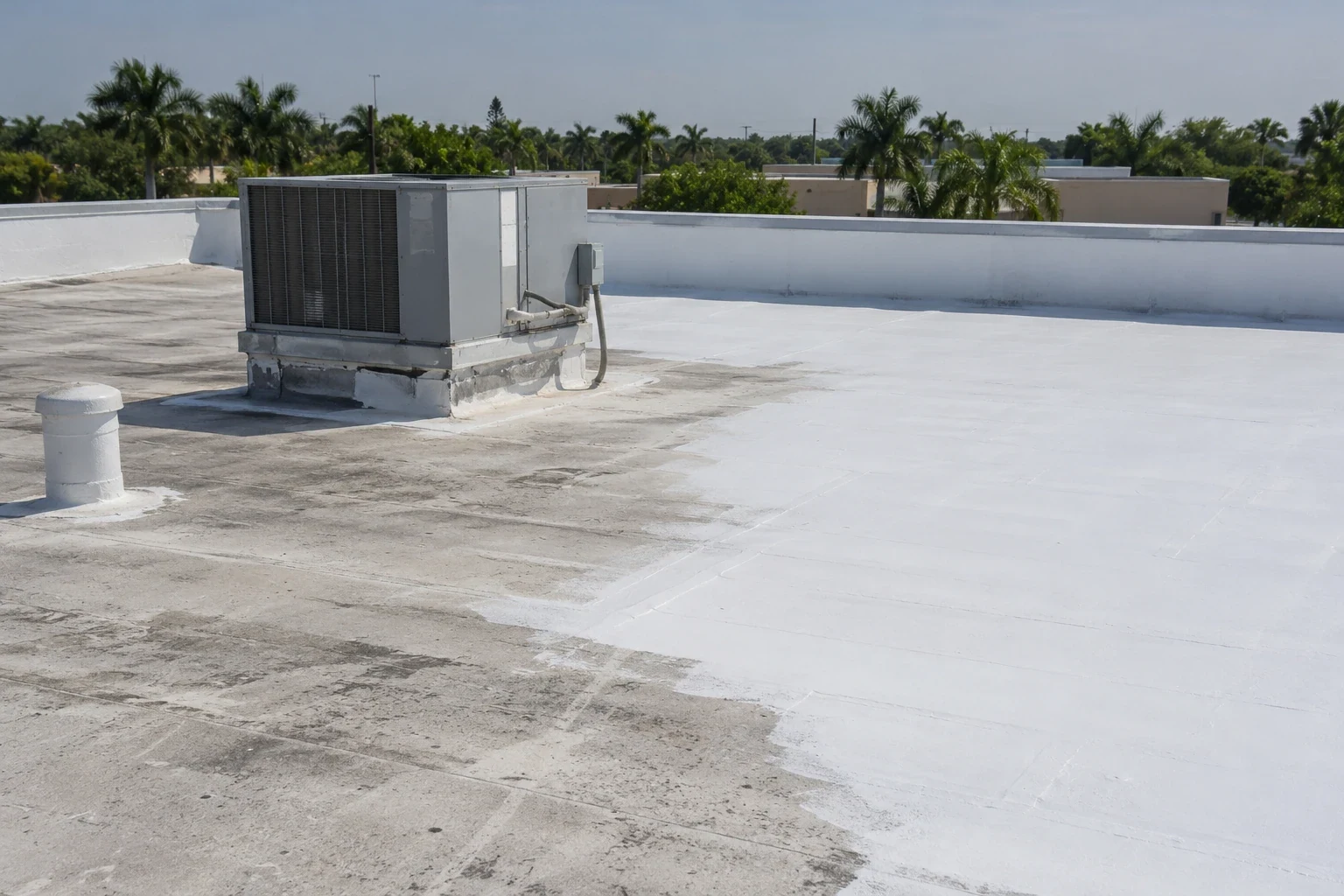
Identify: Panel Profile and Attachment
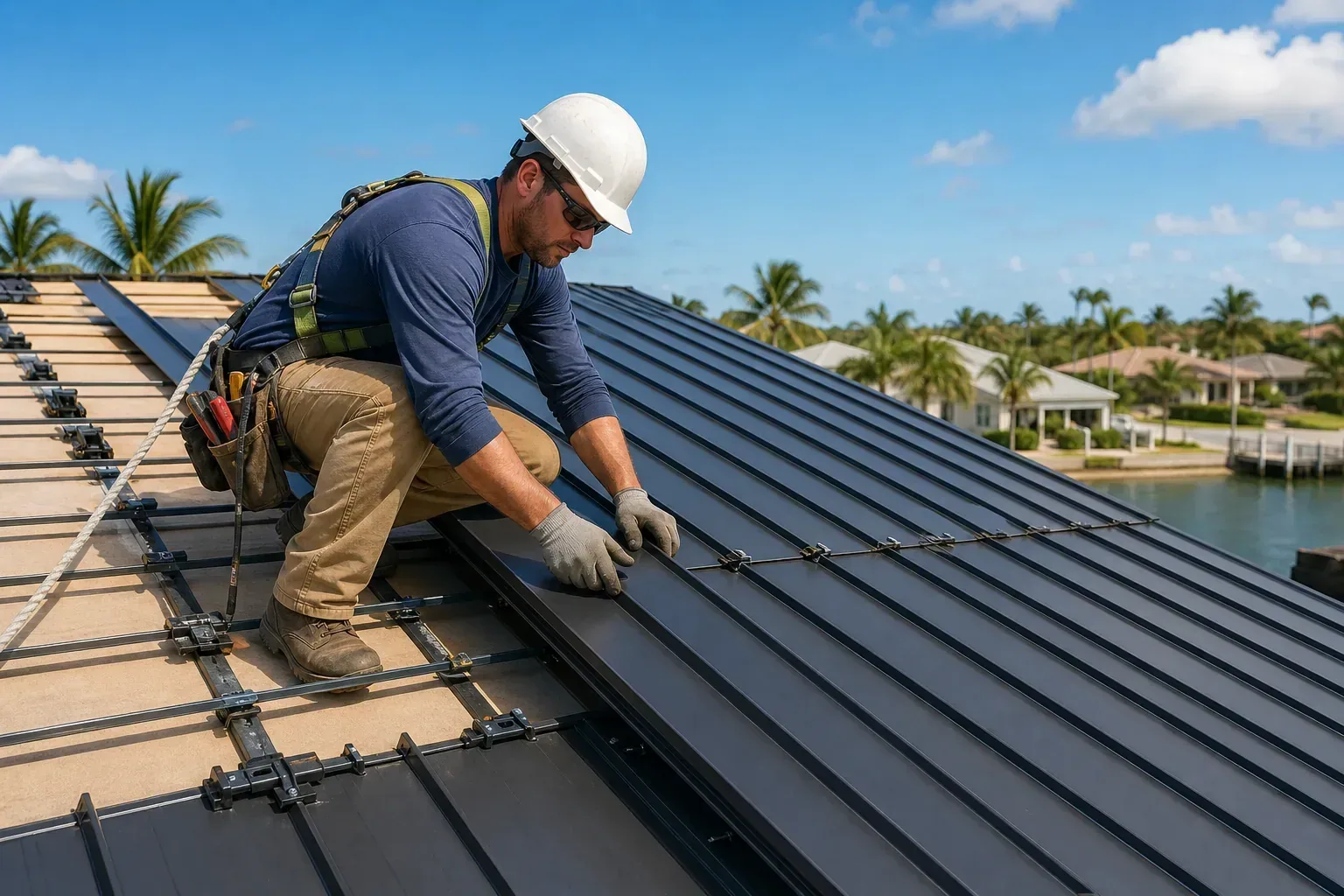
Standing seam roofs are assembled from long metal panels joined at raised seams. Panel width, metal type, seam geometry, clip spacing and substrate all affect how the roof handles movement and wind forces. Some systems allow panels to slide at clips as temperature changes; a repair that locks movement in the wrong place can distort the seam. We inspect exposed details and available records before selecting replacement parts or changing an attachment.
At penetrations, curbs, ridges and eaves, the panel profile connects to flashing and closure details. We check for open seams, lifted panels, loose trim, corrosion, failed sealant and fasteners that may have been added during past repairs. A metal roof can have a concealed leak path beneath a panel edge, so interior stains need to be compared with the roof layout and adjacent walls.
Properties in the Gainesville Regional Airport corridor have varied industrial and aeronautical uses, but those uses do not establish which metal roof system is installed. We verify panel dimensions and profile at the actual building. Downtown Gainesville’s pedestrian street grid creates a distinct staging context, so access is confirmed with the property contact before panel work. A planned edge-metal repair may need to connect with the standing seam panel and its eave or rake detail.
Inspect: Seams, Clips and Roof Openings
We review seams for disengagement, distortion and damage, then inspect visible clips and panel ends where access permits. At ridges and eaves, we check closure strips, flashing and transitions to gutters or walls. Corrosion may come from coating damage, trapped debris or contact between incompatible materials; we describe what is present and identify whether further evaluation is needed. A dent can affect appearance without compromising the panel, while a distorted seam or damaged coating may call for repair. We document the distinction instead of treating each mark as a failed roof.
The local wind record includes a 40 mph gust at Gainesville Regional Airport during the August 2023 Idalia event, when tropical-cyclone winds reached Alachua County. That local wind exposure makes attachment and edge details useful inspection priorities after a storm. After a storm report, we inspect panel edges, trim and attachment evidence, then compare observations with the system details and available project records.
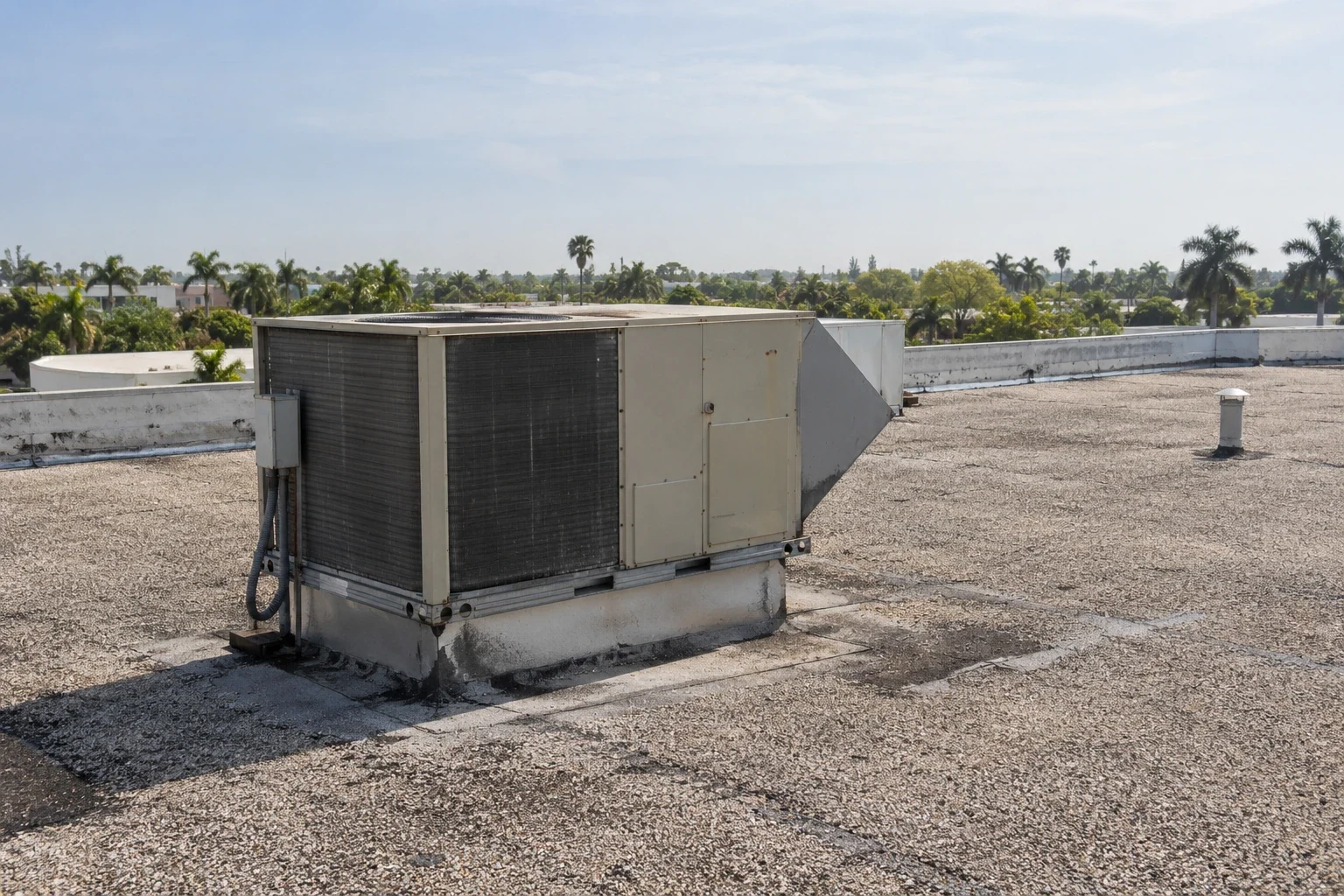
Metal panels shed water along defined slopes and seams. We look at fastener penetrations, pipe boots, skylights, HVAC curbs and intersections with lower roof sections. If water has entered, a commercial roof inspection can map the suspected path, while a leak assessment can define targeted repair needs.
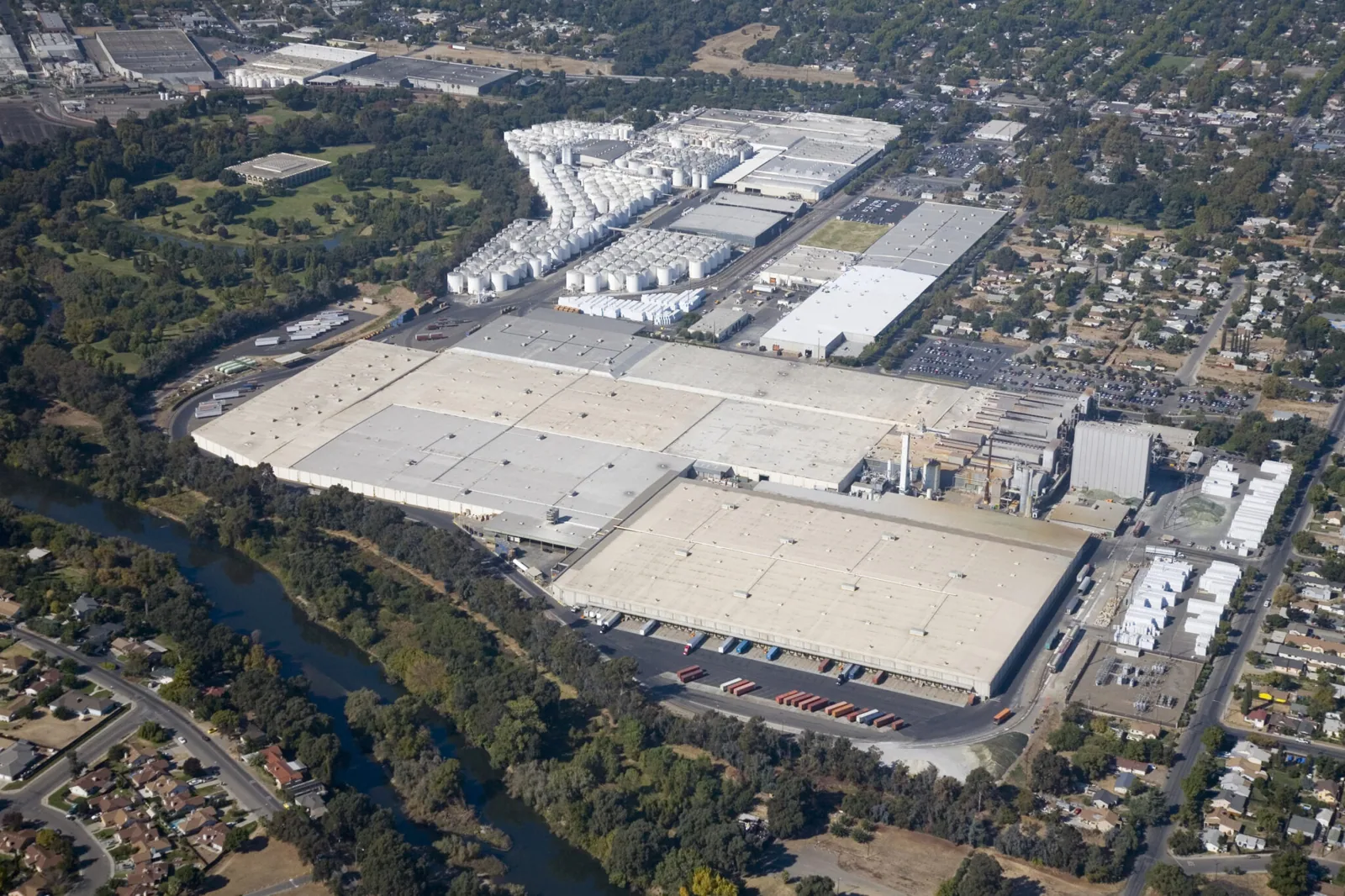
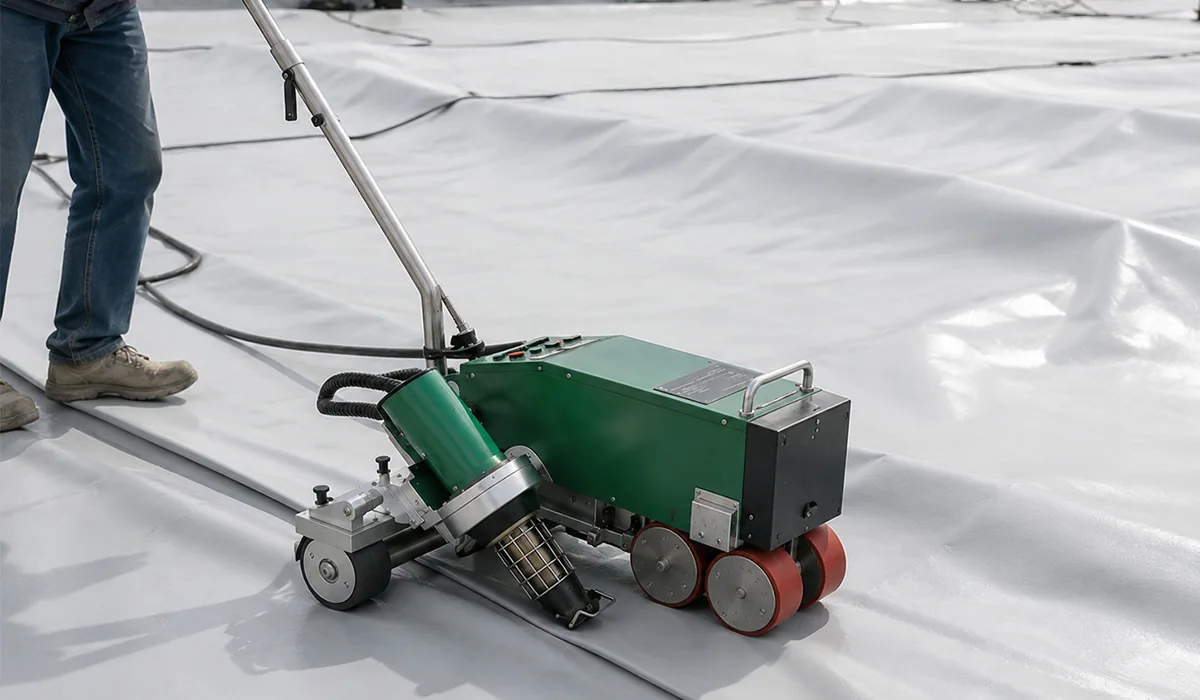
Repair: Preserve Panel Movement and Water Control
Repair choices depend on panel metal, coating, seam profile and the location of the defect. A damaged panel may be replaced or repaired with compatible metal; a loose trim piece may need new attachment; a penetration requires a flashing detail shaped to the panel ribs. Sealant can serve a specified joint, but it does not replace a failed clip or restore a disengaged seam by itself.
Because concealed clips allow panel movement in many standing seam systems, we identify clip type and connection before fastening through a panel. An added screw or rigid patch in the wrong location can restrict movement or introduce another opening. We review the manufacturer's or designer's system details when available and note conditions requiring design direction.
Scope depends on panel access, material match, height, corrosion, underlayment and whether the roof is part of a larger assembly. Where extensive panels or substrate need work, replacement planning can compare section replacement with a complete reroof. If the existing metal is an exposed-fastener profile, a metal roof retrofit may be considered under a different detail set.
Install: Plan Panels and Transitions
Installation begins with substrate and underlayment review, then panel layout based on roof dimensions, slope, drainage and thermal movement. We plan the direction and sequence of seams, clips, eave and ridge details, and penetrations before panels are installed. Metal gauge, finish and attachment follow the project specification. A panel system should not be selected without accounting for wind design, supporting structure and compatible flashing.
Gainesville's heat affects metal surface temperature and crew timing. Rain and wind can interrupt panel handling or an exposed transition, so daily work limits are set around safe conditions. The site contact confirms access, material staging and any operations beneath the roof that need protection. Near Gainesville Regional Airport, site routes and facility restrictions are verified with the property contact before deliveries are scheduled.
At completion, we inspect seams and flashings, remove metal scraps from the roof and check drains and gutters. Photos and a roof plan identify panel sections and any details to monitor. The closeout record helps the facility manager distinguish a panel repair from work on a lower membrane roof section or connected wall.
Panel replacement requires a plan for getting the damaged piece out without compromising adjacent seams or concealed clips. We identify panel length, seam configuration, finish and the way the eave, ridge and end laps were formed before setting the repair limits. A replacement panel should match the required metal and finish, while its attachment preserves the movement designed into the system. If the supporting deck or purlins are damaged, replacing surface metal alone may leave the connection problem unresolved. The work sequence also considers how open panels will be protected if rain interrupts the shift. At interfaces with a low-slope membrane, transitions need formed metal and compatible flashing rather than a bead of sealant as the only water control. The project record should identify which panels changed and whether adjacent seams or closures were inspected, giving maintenance staff a precise area to revisit.
Maintain: Track Panels and Trim
Maintenance reviews seams, clips where visible, fasteners, trim, penetrations, drains and debris traps. We note coating damage or corrosion and locate it by panel and roof area. After equipment work, the site team can check that boots and flashing were restored and that no loose fasteners or metal scraps remain.
A roof maintenance visit can add these checks to the facility schedule. If a property also contains a low-slope membrane, separate roof-system notes prevent a repair detail for one section from being carried onto another. A TPO roof uses different seam and flashing methods, even where both systems meet at the same wall.
For a Gainesville standing seam review, share the address, panel or project records, leak areas, site contact and access window. We will identify the system, inspect seams and transitions and prepare a repair or installation scope based on what is present.
Frequently Asked Questions
Can a screw be added to stop a standing seam leak?
Only when the system detail calls for it. A misplaced fastener can create an opening or restrict panel movement, so we identify the seam and attachment before repairing it.
Why do metal panels need clips?
Clips attach panels to the supporting structure and, in many systems, allow movement as metal expands and contracts. The panel profile and engineered layout determine the clip type and placement.
Can you repair one damaged panel without replacing the roof?
Often, if matching material and compatible transitions are available and the adjacent assembly remains sound. We inspect the panel ends, clips, underlayment and connected details before setting the limits.
Does a storm gust prove the roof needs repair?
No. The weather record may prompt an inspection, but repair follows observed panel movement, damage or water entry at the property.
Related Roofing Work
Review a Gainesville Standing Seam Roof
Send the property address, roof plans or panel records, building use, leak details, site contact and preferred access time. We will inspect the seam profile, attachment and flashing before setting a repair plan.