
Commercial Roofing in Archer, FL
Inspect commercial roofs in Archer with municipal permit verification, drainage review and repair scopes built from each property's field conditions.
Service Areas: Archer
Commercial roof work in Archer begins by confirming the property address and the municipality responsible for permitting. Archer is an incorporated Alachua County municipality with its own local permitting jurisdiction for commercial properties. Archer developed as a railroad-era settlement along the proposed Florida Railroad, and it remains part of the county's business and transportation service area. The owner confirms the building's current use and roof history before work options are set. We inspect the installed assembly, map drains, seams and edges, then develop a scope tied to the property. A commercial roof inspection records the current condition.
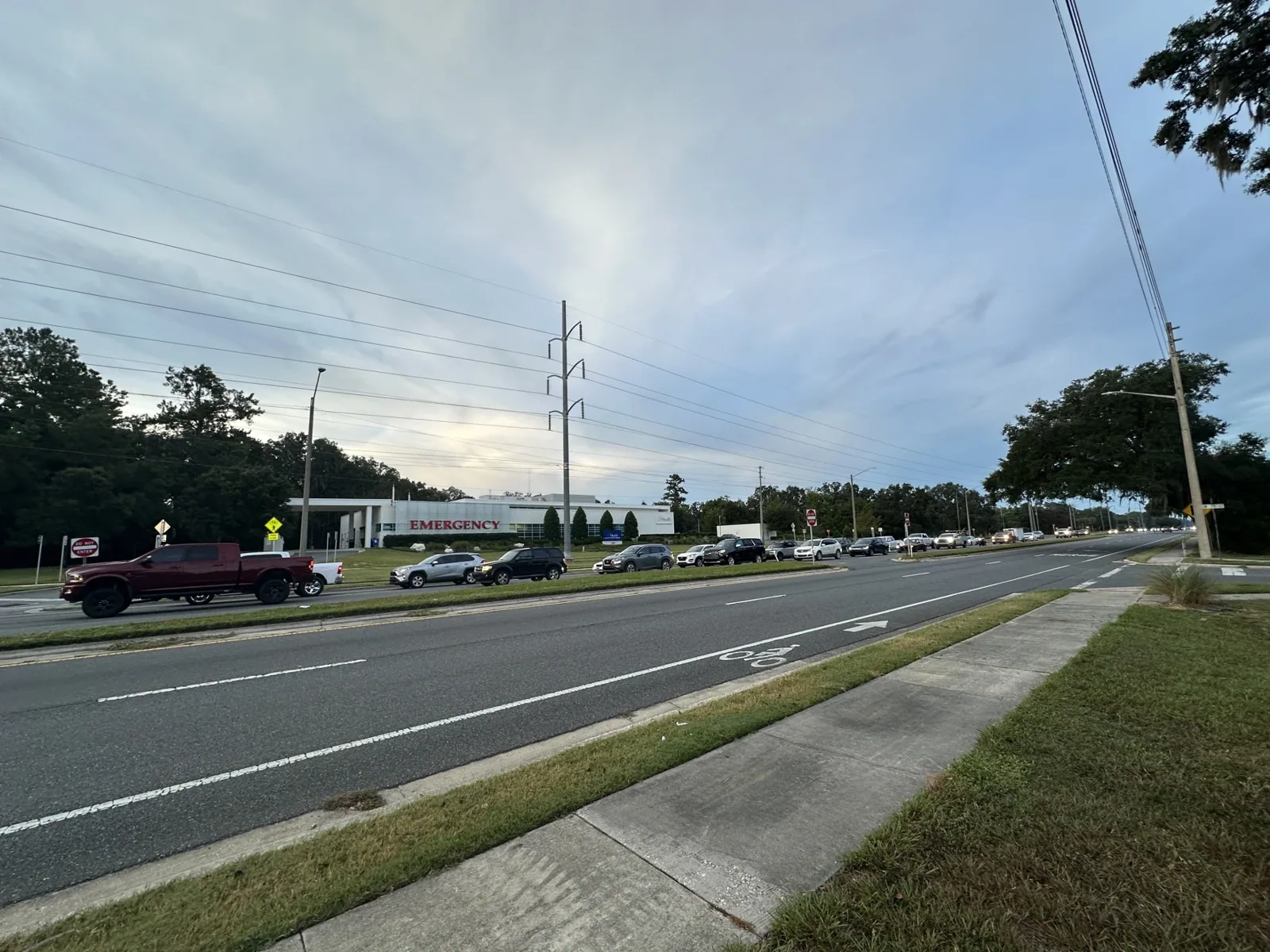
Identify: Confirm the Local Permit Path
Before work is priced or scheduled, we confirm whether the address falls inside Archer's jurisdiction and who can authorize access. Commercial property permitting is handled by the municipality where the building sits. We verify the applicable office with the owner and local permitting contact, then identify whether the requested work needs an application or inspection. That step is separate from the roof survey: a permit question does not reveal the roof's assembly, moisture or repair history.
Archer's history is tied to a proposed Florida Railroad line, and the municipality remains part of the county's business and transportation network. The town’s railroad-era history helps place Archer within the county’s transportation story; the site contact confirms today’s delivery route and access. A site in Micanopy or Alachua follows its own jurisdiction and property access process. We keep the address, permit office and site contact together in the project record.
Inspect: Document the Roof Before Opening It
We inspect the roof surface, material, seams, flashing, drains, scuppers, penetrations and edge attachment. The field plan records the section included, visible repairs and any neighboring area that could not be accessed. We trace the drain route and compare it with interior reports of water. A stain may be away from the entry point, so nearby curbs, seams and wall transitions remain part of the review. When moisture is concealed, a survey or test opening can establish whether insulation or deck is affected.
Gainesville reached 90°F on 133 days in 2025. We check Archer roof outlets, overflow routes, and exposed details, then identify repairs from the observed assembly. We check actual outlets, overflow routes and surface condition, then identify repairs supported by field evidence. A drain and scupper review can inspect the outlet with its surrounding flashing, and a moisture survey can help locate concealed wet areas.
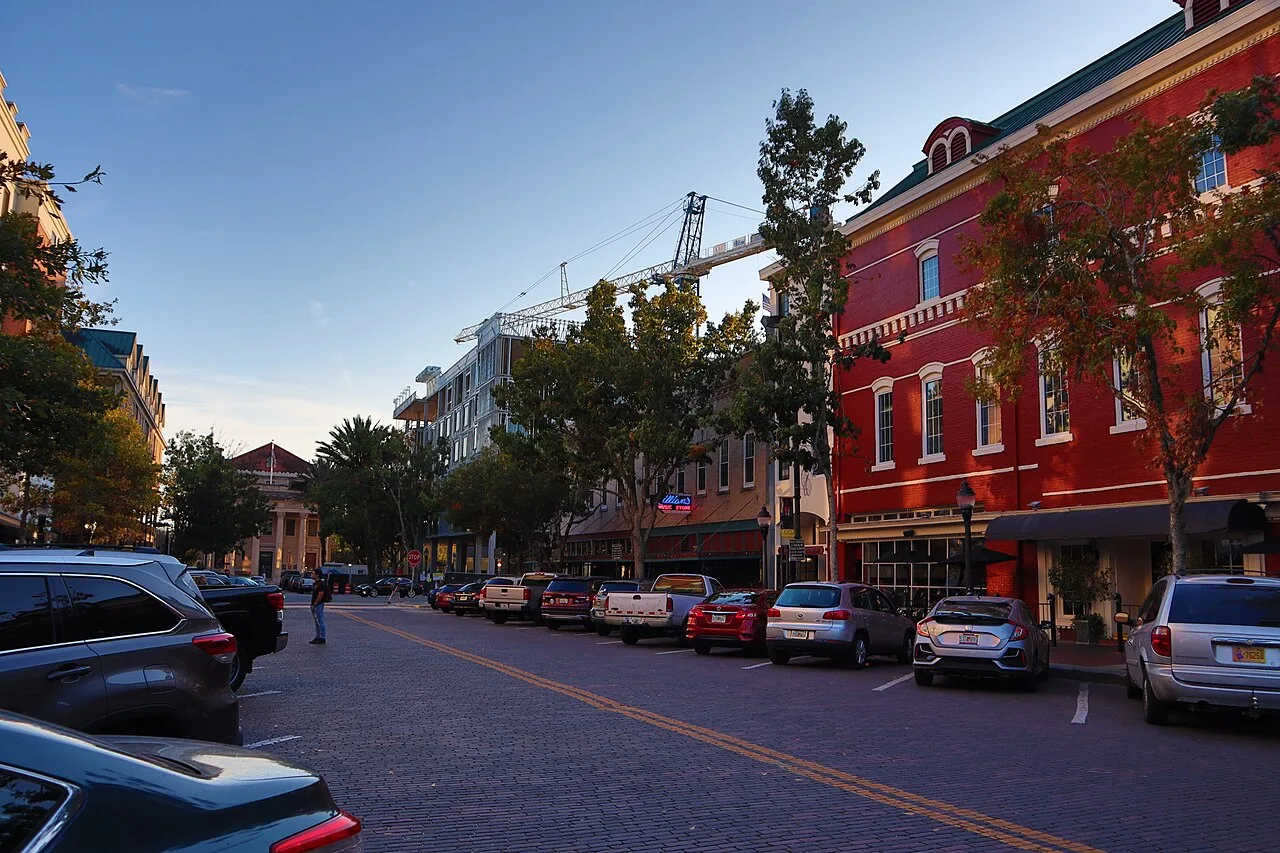
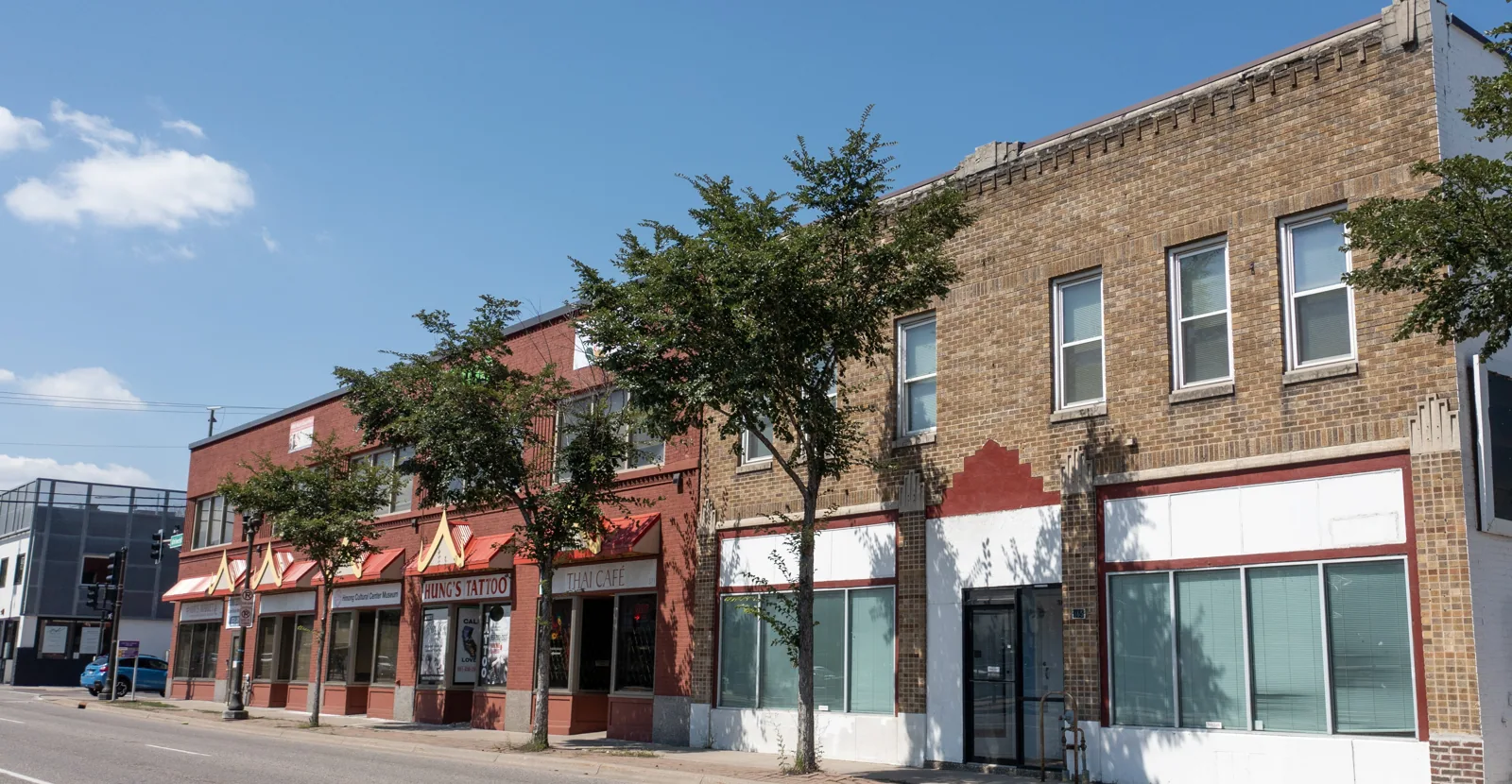
Coordinate: Align the Work with Access and Permits
The property contact confirms roof access, site check-in, staging, business hours, equipment limits and any interior areas needing protection. We identify who can approve a shutdown, who receives updates and what route must remain open. The owner or project manager also names any other trade working on the roof, clarifies who controls penetrations and notes whether an inspection is needed before another surface covers the assembly. If a permit inspection is part of the schedule, we record the handoff between the roofing crew and the local office so the completed work can be documented at the proper stage. If permit review is needed, the schedule includes the municipality's process rather than assuming a county or neighboring-city timeline. The work plan marks the daily roof boundary and identifies who verifies temporary protection before the crew leaves.
The owner confirms property access, gate instructions, and the approved delivery route before mobilization. An occupied-building sequence can phase the work by roof section, while a project in High Springs uses its separate site contact and municipal steps. Clear assignment of permit and field contacts helps prevent a roof scope from being delayed by a missing approval.
Compare: Repair the Detail or Renew the Assembly
A local puncture, loose flashing or open seam can be repaired when surrounding material remains sound. If water intrusion recurs, moisture extends across sections, the substrate is weak or edge details continue to fail, a larger replacement may be appropriate. We document what the inspection confirms and what remains unknown. A recover review checks layers, substrate, attachment, drainage height and roof transitions before adding a new system over the existing one.
We can compare a targeted repair, recover assessment and replacement scope using the same plan. Cost and schedule depend on the assembly, preparation, material removal, moisture, deck work, access and permit review. We list the included roof sections, temporary protection, exclusions and any test that could alter the work. That gives the owner both a roof decision and a permit sequence tied to Archer's confirmed jurisdiction.
Close Out: Keep Permit and Roof Records Together
The project file includes photos and a marked roof plan with completed work, inspected details, excluded sections and open questions. We identify the roof material observed, repairs performed, drainage and edge details corrected, and access or testing limitations. Where a permit applies, the record can retain the approval and inspection documentation alongside the roofing closeout. The next owner or facilities contact can then see what was completed at the property.
Maintenance can review seams, drains, flashing, equipment changes and new penetrations on an interval suited to the assembly. A storm follow-up can compare fresh observations with baseline photos. We can arrange a maintenance visit and keep the record by address. A separate property in Waldo or Starke has a different permit authority and roof history.
Archer's railroad-era origins and its own permitting jurisdiction make local project coordination worth confirming at the outset. The owner or facility manager identifies the building use, current roof records and the official contact for access. We inspect the specific roof assembly, trace water to drains and edges, and note transitions that may have changed as a building expanded. Where the property is near a transportation route, the site contact confirms actual delivery access and staging rather than assuming it from the map. If repairs affect an occupied business, we coordinate entrances and interior protection around its operating hours. The written scope names observed defects, repair limits and any test required to evaluate concealed material, giving the property team a clear basis for maintenance or capital planning.
A project with a public or commercial tenant can also require a clear notice and a protected entrance while roof work is underway. The local contact sets the hours, delivery point and interior protection needs. We keep a marked record of each completed section, including any detail left for later testing, so the next visit starts with the actual field history.
Frequently Asked Questions
Who confirms the permit jurisdiction for a commercial roof project?
Archer has its own municipal permitting jurisdiction. We confirm the property address and permit-dependent scope with the owner and local office before setting the roofing schedule.
Can you start an inspection before a permit is issued?
An inspection or estimate can often document existing conditions, subject to property access and the owner's authorization. The project contact confirms which permit steps apply before construction begins. We state that boundary separately from the field findings.
What should I provide for a commercial roof inspection?
Send the address, current building use, roof records, reported water locations, access contact and any permit or construction information. We use the materials to define the visit and identify whether testing or a shutdown is needed.
What findings show that a localized repair no longer fits the roof condition?
We check moisture, deck and edge condition, repair history, seams and drainage. A contained defect may support repair, while repeated or widespread failures can point to a larger renewal. The marked plan and test results show what supports the recommendation.
Related Roofing Work
Arrange an Archer Roof Review
Share the street address, building use, roof documents, leak locations, authorized contact and any permit status. We will verify the work boundary and document condition, testing and repair options.