Commercial Roofing in Alachua, FL
Inspect Alachua commercial roofs serving life sciences, technology and distribution with access, drainage and repair plans tied to each facility.
Service Areas: Alachua
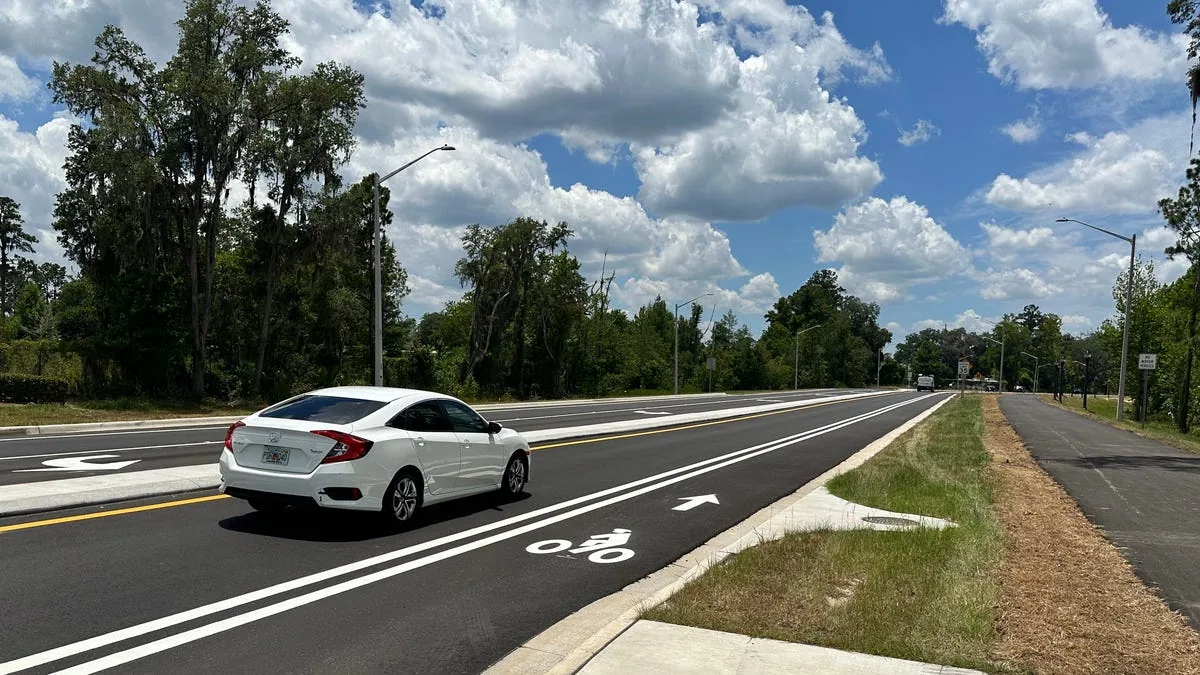
Life-sciences, technology and distribution facilities in Alachua need roof decisions tied to their actual operations and assemblies. Alachua counted 6,862 local jobs and 5,054 employed residents in 2025, with life sciences, technology, and distribution among its employment sectors. US 441, I-75 and the Progress District connect Alachua with Gainesville and regional freight routes. After the contact identifies the business use, we confirm the address, roof sections and access window before inspecting seams, penetrations, drains and roof edges. A commercial roof inspection produces a condition record for the facility in scope.
Identify: Confirm the Business and Its Roof
At intake, we ask what the building does, which roof sections are included and who can authorize access. A life-sciences facility may have restricted rooms or equipment; a distribution operation may have delivery windows; an office may have tenant access limits. Those are coordination questions to verify with the owner, not assumptions based on the city's industry profile. We map the roof area included, review any available reroof records and identify visible system type, previous repairs and rooftop equipment.
US 441 and I-75 connect the city to regional routes, while Progress District is a separate local employment area with its own properties. If the request involves the Progress District or Progress Park / Sid Martin, we record that address's facility details. A property in Downtown Alachua also receives its own roof map. This keeps findings about one business or building from being applied to every employer in the city.
Inspect: Trace Leaks Through Roof Details
We begin at the reported water entry and inspect nearby seams, flashing, penetrations, equipment curbs and drains. The roof plan shows where water should travel and where a transition, debris or low area may change its route. On membrane systems, we examine laps and flashing terminations; on metal, we inspect panel joints, fasteners and movement. A ceiling mark may sit away from the entry point, so we compare interior reports with roof observations and note whether moisture testing or a test opening is needed.
Gainesville received 46.80 inches of rain in 2025, including 3.06 inches in 24 hours. That nearby market context makes drain and overflow checks useful; we inspect Alachua’s roof and outlets to identify actual conditions. We inspect the actual slope, outlet and assembly to determine whether correction is needed. A moisture survey can map areas for testing, while a drain review can check the outlet and surrounding flashing.
Coordinate: Fit Access to Freight and Facility Hours
Before work, the site contact confirms roof entry, staging, delivery routes, equipment clearances and operating hours. We identify loading areas or process spaces that need to remain open and agree on who receives daily updates. Work can be staged by roof section to keep the work boundary clear. If a temporary opening or shutdown is needed, the facility contact approves the location and interval, and the crew secures the tie-in before the shift ends.
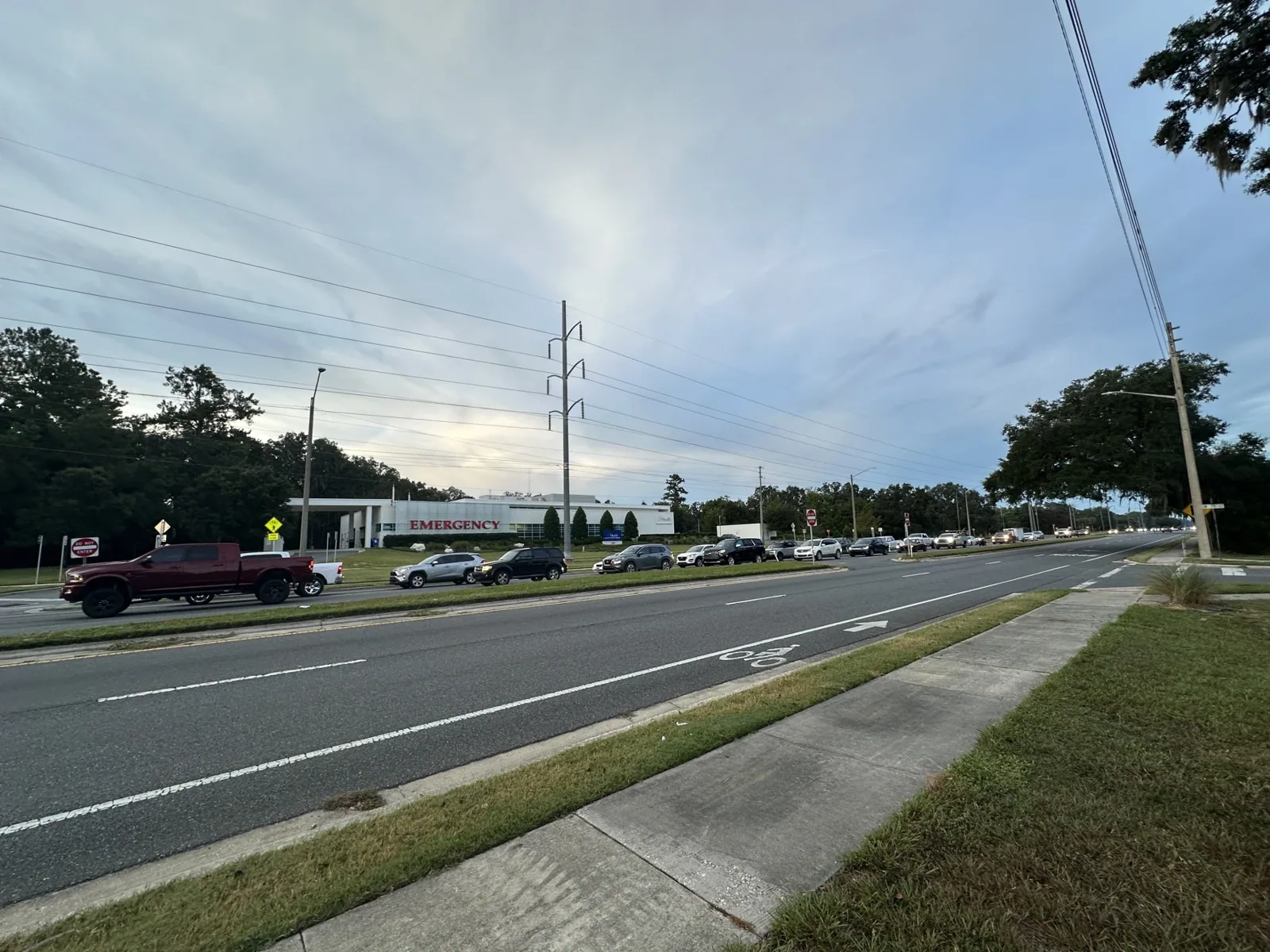
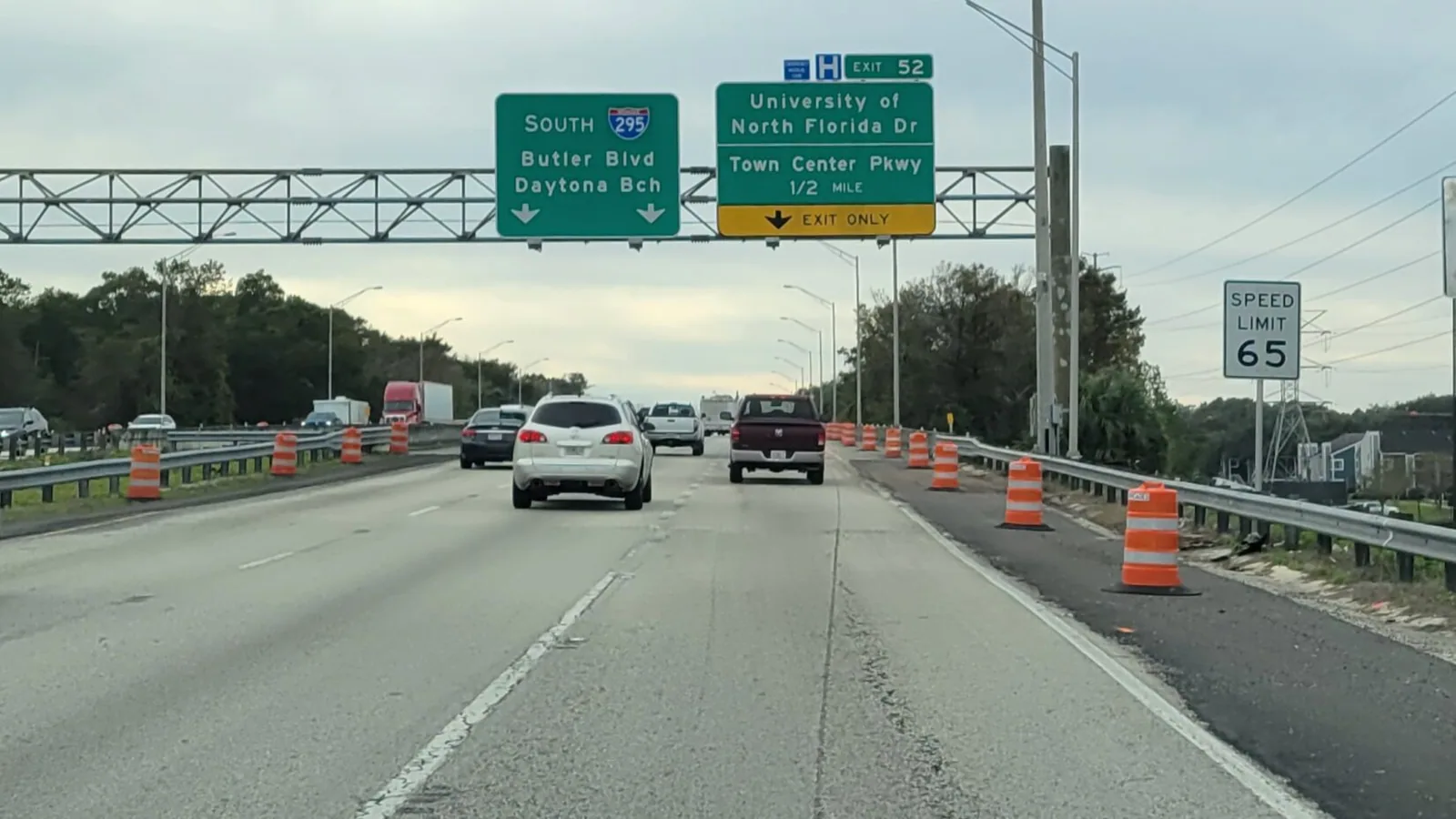
US 441, I-75 and the Progress District connect Alachua to freight routes and Gainesville, but the building's gate, yard and truck schedule determine the contractor's delivery plan. We confirm those details directly with the facility. The contact can identify shipment periods, equipment that must remain available and where temporary protection needs to remain accessible. We compare those constraints with the roof section being repaired, then note the sequence and any shutdown assumption in writing. An occupied-building sequence can account for production, research or office use once the contact verifies it. Work on a different property in the Waldo Road corridor follows that site's own access and coordination requirements.
Compare: Plan the Work from Verified Findings
A localized open seam or flashing defect can support repair when adjacent material is sound. Repeated leaks, wet insulation, deteriorated deck or widespread attachment problems may require a larger roof section or full replacement. We separate confirmed conditions from assumptions and state whether more testing would change the recommendation. For a recover, we check existing layers, substrate, attachment and drain or edge height before proposing an overlay.
The owner can compare a targeted repair, a recover option and replacement using one roof map. Cost and timing depend on system type, preparation, access, moisture removal, deck work and the available production or delivery window. We identify included areas, exclusions and concealed conditions that could change the scope after opening. That gives a facilities manager a clear basis for choosing an immediate correction or a capital plan without relying on citywide employment numbers as a proxy for roof conditions.
Close Out: Keep Records by Facility
At closeout, we provide photos and a marked roof plan showing inspected sections, work completed, details checked and any open follow-up. The report names the observed system, materials used where confirmed, drains and edges addressed, and access or testing limits. If work was temporary, its status is clear. That record helps the next facility contact connect a new interior report to the same roof section.
Maintenance can track seams, drains, equipment changes, penetrations and storm-related observations. We can schedule a maintenance visit that follows the building's access needs. Alachua's employment mix may include multiple facilities and sectors, but each address needs its own photos and condition history. If the owner also operates at San Felasco Tech City, that site's inspection findings remain separate.
Alachua's employment base includes life sciences, technology and distribution, with US 441, I-75 and the Progress District connecting local sites to regional routes. A commercial roof inspection should start by identifying whether the building is a laboratory, office, warehouse or distribution facility, since equipment, loading and occupied areas affect access. The city reported 6,862 local jobs in 2025, but that broad economic scale says nothing about an individual roof's condition. We verify the address, roof system and work boundary with the owner, then map drainage and visible defects. For warehouse or production properties, the manager can identify equipment that cannot be shut down and delivery windows that affect staging. The resulting scope separates confirmed repairs from testing or deck review needed before a larger renewal decision.
In Alachua, a warehouse or life-sciences operation may need its roof work sequenced around deliveries, production or laboratory access. The manager identifies the areas that must remain active and any equipment that needs clearance. We record the roof section and system observed, then state which finding supports a repair and which uncertainty needs testing. This makes the recommendation useful for both immediate maintenance and a larger capital review.
Frequently Asked Questions
What do you need to measure a commercial roof?
We confirm the buildings and sections included, then check available roof plans against field measurements. The quantity record identifies drains, equipment zones, edges and any section excluded from the work.
Can roof work be planned around distribution schedules?
Yes. The facility contact confirms loading hours, truck movements, roof access and any area that cannot be blocked. We set the work boundary and stage deliveries around those confirmed requirements. The scope records temporary protection and who receives daily updates.
What should a life-sciences facility share before inspection?
Provide the address, roof plans, leak reports, access contact, restricted areas and any equipment or rooms that cannot be interrupted. We use that information to plan entry and testing, then document areas that were accessible and those requiring a separate approval.
What if moisture is hidden below the membrane?
We explain what the surface inspection can confirm and whether a moisture survey or opening is needed. Testing helps map wet insulation and decide whether repair, recover or replacement is appropriate. The written scope distinguishes measured findings from conditions that remain concealed.
Related Roofing Work
Arrange an Alachua Roof Assessment
Send the property address, building use, roof records, active leak areas, facility contact and operating or delivery windows. We will inspect the defined sections and document the repair options and follow-up needs.