
Commercial Roofing Along the South Main Corridor, Gainesville, FL
Plan commercial roof inspections and repairs along Gainesville’s South Main corridor with drainage, access and repair scopes tied to each building.
Service Areas: South Main Corridor
Commercial and cultural properties along Gainesville's South Main corridor need roof scopes tied to each building's assembly, use and access. We confirm the work address, operating contact and roof entry, then inspect drains, seams, penetrations and perimeter details. Gainesville planning identifies South Main and South Depot among downtown's priority investment areas, with museums, restaurants and private development along the corridor. Depot Park's stormwater treatment serves nearby downtown drainage areas. For a South Main property, we inspect the building's drains, outlets and roof assembly before recommending work. The roof inspection stays specific to the commercial property surveyed, with a measured scope for repair, recover or replacement.

Identify: Keep Roof Drainage Separate from Site Drainage
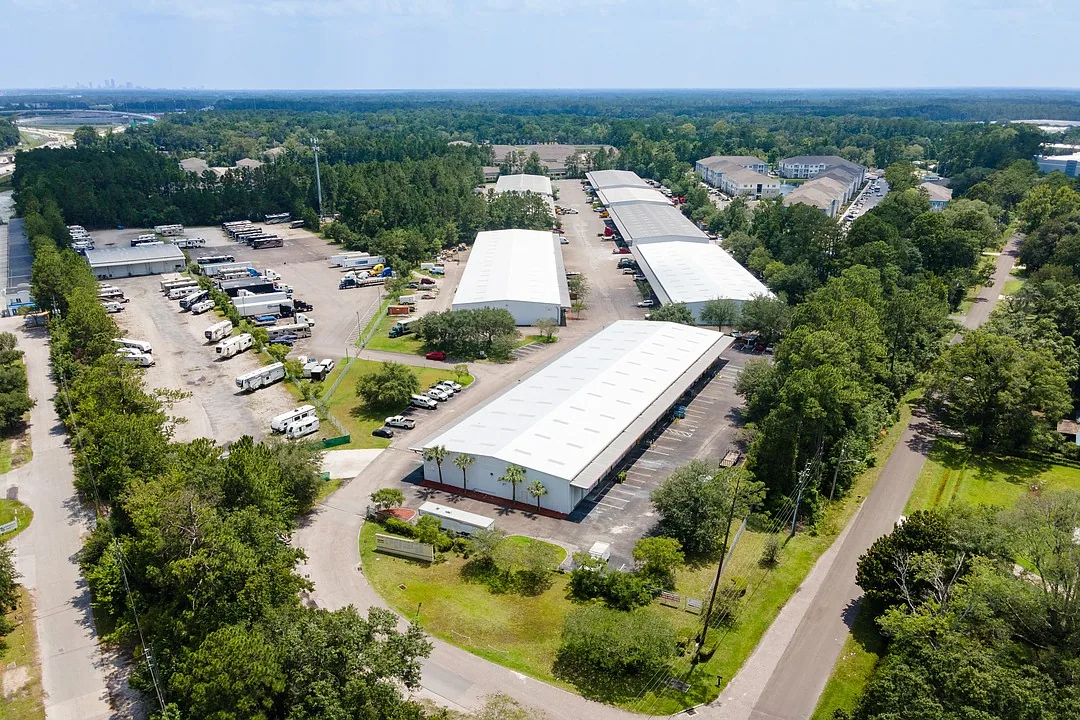
A roof drain carries water from the building assembly to its outlet; the surrounding site has a separate stormwater path. We inspect each boundary and record where roof runoff discharges, whether the outlet is open and whether water appears to back up at a roof detail. Even where park stormwater treatment serves nearby downtown drainage areas, a roof outlet has to be checked at the building. We inspect drains, scuppers, downspouts, overflows and adjacent surfaces within the requested roof scope.
Gainesville's plans treat South Main and South Depot as investment locations connected to downtown, while nearby Depot Park provides a public reference point for the corridor. Those area facts help locate a project; they do not tell us what roof assembly a restaurant, museum, office or other building has. We confirm the property's actual use with its contact, set the access boundary and record the visible system, drain route and transitions. If the building is open to visitors or food service, the site team identifies customer routes, deliveries and restricted hours before staging begins.
Inspect: Trace the Roof's Own Flow Path
We walk the roof from the high areas toward drains and scuppers, checking low spots, surface debris, membrane seams and flashing around curbs or walls. If a pond forms, we record its location and apparent depth, then look for a reason such as a blocked outlet, deflected deck or insulation movement. We check the roof's own slope and outlet rather than using a nearby surface drain to judge performance. Where water enters the building, we compare interior reports with roof details and consider moisture testing when the assembly conceals affected insulation.
A 24-hour period in Gainesville in 2025 had a recorded precipitation total of 3.06 inches. That volume makes roof outlets and overflow paths worth checking after heavy rain, while field measurements establish whether water remains on a particular roof. We photograph the drain bowl, surrounding membrane and any backup route, then identify repairs that can be made without changing unrelated site drainage. A ponding-water assessment or drain and scupper review can define the roof work boundary.
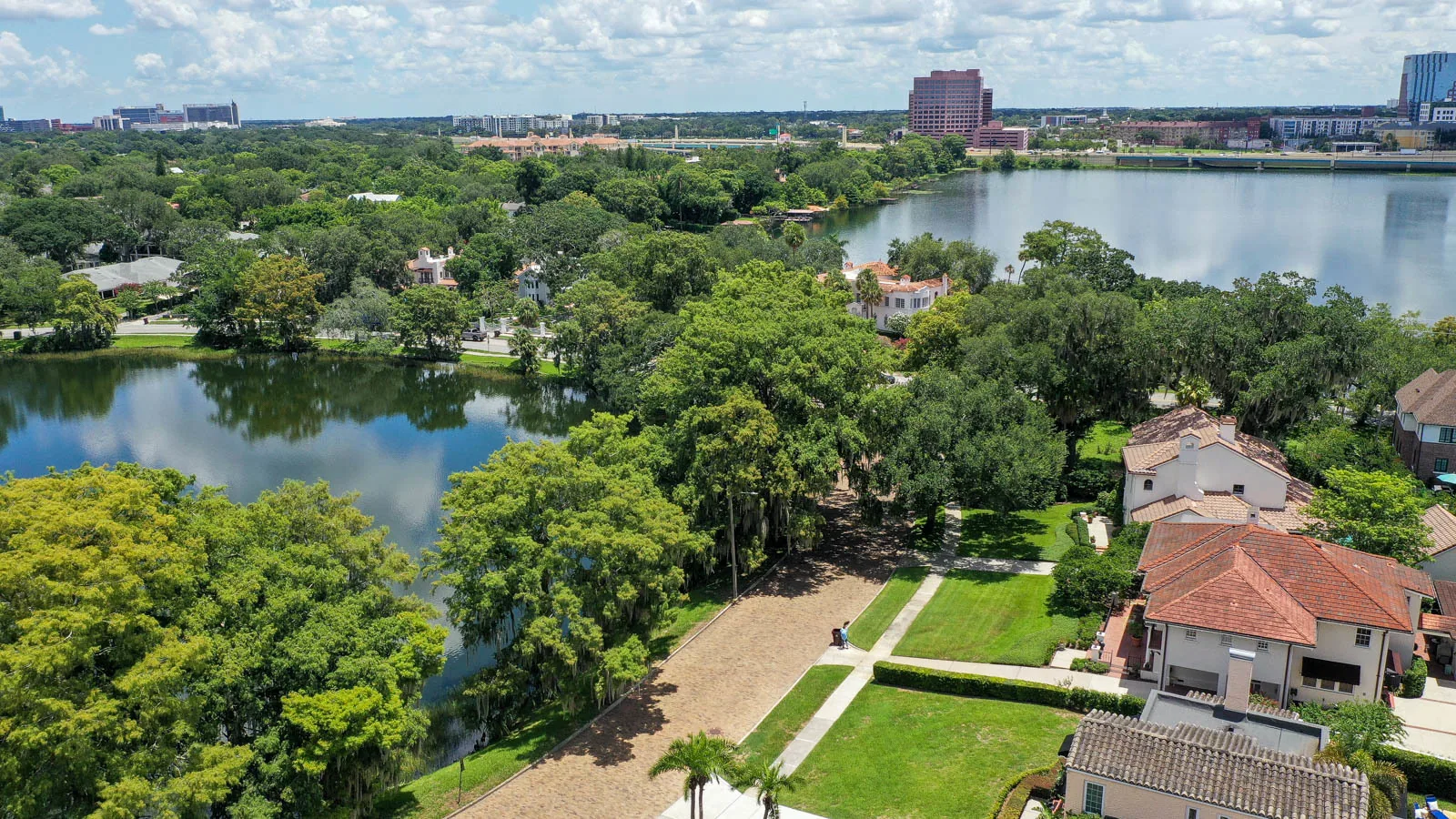
The corridor's drainage context makes it useful to connect roof observations with the route water takes after it leaves the membrane. We check outlets, overflow paths and the ground-level discharge reported by the property contact, then distinguish roof defects from site drainage questions that require another scope. That record helps the owner coordinate the right work without assuming a nearby public stormwater feature diagnoses a private roof.
Coordinate: Plan Around Corridor Use
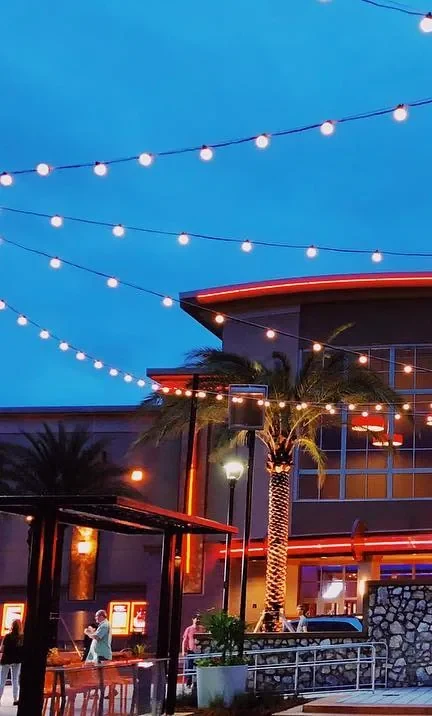
South Main includes nearby museums, restaurants and private development, so work windows and staging require direct confirmation from the property contact. We identify where the crew can enter, where materials can be staged, which visitor or customer paths must stay clear, and whether deliveries or scheduled activities restrict access. If a roof opening or interior protection is needed, the site contact approves the area and communicates the temporary condition to occupants. The work plan names the person responsible for daily coordination.
The owner confirms site rules, pedestrian controls, lift placement and available work periods at the building. We phase repairs by roof section, secure tie-ins at day's end and update the contact if weather changes the sequence. An occupied-property work schedule records the access window and protection steps. A separate request at Fifth Avenue / Pleasant Street is coordinated with that location's owner and use.
Compare: Repair the Roof Detail or Broaden the Scope
A damaged drain flange, failed seam or punctured membrane can call for a local repair when the surrounding assembly remains dry and stable. Repeated ponding, multiple leaks, wet insulation or deteriorated deck can indicate a broader renewal. We mark the evidence and show whether a moisture survey or test opening would change the scope. A recover option must account for existing layers, attachment and added height, including the roof's connection to drains, overflows and perimeter details.
We can compare a targeted repair, a recover assessment and replacement work using one plan. Cost and timing depend on system type, surface preparation, wet material, deck condition, roof access and the work window. The proposal identifies which sections are included and whether the scope depends on a test or concealed condition. This keeps the roof recommendation separate from park or municipal drainage improvements outside the building boundary.

Close Out: Preserve a Useful Water Record
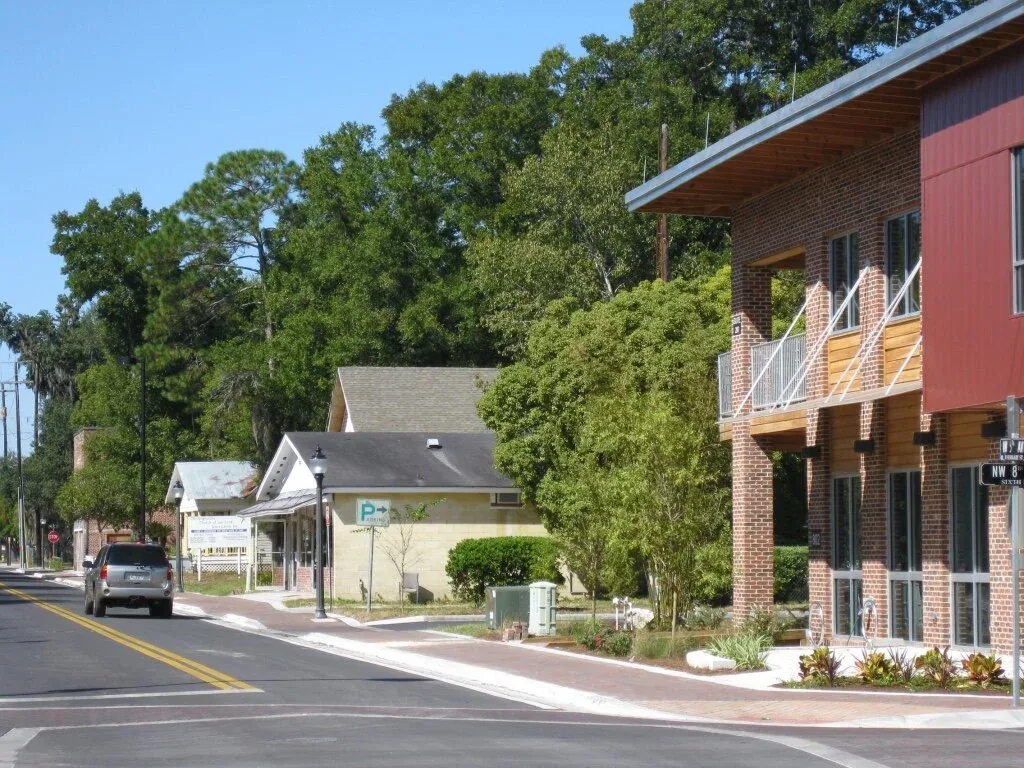
At closeout, we provide photos and a roof plan showing the drains, seams and details inspected, work completed and areas not included. The record identifies the assembly observed, repair materials where verified and any follow-up needed. If an outlet was inaccessible or a test was deferred, that limit is clear. A property manager can then compare a later leak or ponding report with the roof's own recorded path rather than rely on nearby site features.
Maintenance can check drains after heavy rain, watch for new penetrations and confirm that other trades have not changed the roof route. The interval should match the system and building access, with another visit when storms or construction create a reason to review. We can create a maintenance plan and retain a roof condition report by address. That record can accompany future work along South Main while keeping each property's condition separate.
Older downtown blocks and later commercial additions can put several roof assemblies close together. A low-slope addition may meet masonry, a pitched section or a neighboring parapet, and those interfaces deserve a close look when water appears after heavy rain. We record the transitions visible from the authorized roof area, follow the drainage path to the outlet and compare the condition with any available repair history. If concealed construction affects the recommendation, we identify the test opening or moisture survey that would resolve it before pricing a larger correction.
South Main also calls for practical coordination at ground level. A manager can identify rear access, shared walls, customer entrances, sidewalk activity and delivery times that affect where a ladder or material can be placed. We keep the work boundary clear, protect the routes that remain in use and confirm who can authorize temporary interior protection if a leak is active. For a planned reroof, the scope can separate weather protection, tear-off limits, substrate repairs and final drainage checks. That sequence helps an owner compare proposals on the same roof area and operating assumptions.
Commercial roofs near this route may also involve Fifth Avenue and Pleasant Street or Downtown Gainesville, with each building scoped independently.
Frequently Asked Questions
How do you inspect a South Main building near downtown stormwater areas?
We trace the property's own drains, outlets and roof transitions, then document any condition found on that building. Depot Park's stormwater role helps describe nearby drainage context; roof recommendations follow the inspected assembly.
Can roofing work be scheduled around restaurants and visitor activity?
The site contact identifies service hours, deliveries, public paths and any interior protection needs. We stage by roof section and secure the work area at the end of each shift.
What should be checked after heavy rain in the corridor?
We inspect the reported roof section, trace water paths at drains and scuppers, and check seams, curbs and flashing. If water may be inside the assembly, a moisture survey or test opening can help determine the repair boundary.
How do you keep findings useful for later maintenance?
We return dated photos and a marked plan identifying repairs, inspected details, excluded areas and follow-up questions. The record stays tied to the property address and roof section.
Related Roofing Work
Plan a South Main Roof Inspection
Send the Gainesville address, building use, roof records, leak locations, site contact and preferred access window. We will inspect the roof sections and document practical repair or renewal options.