
Commercial Roofing in Downtown High Springs, FL
Inspect roofs for Downtown High Springs shops, lodging, eateries and civic venues with building-specific drainage, access and restoration planning.
Service Areas: Downtown High Springs
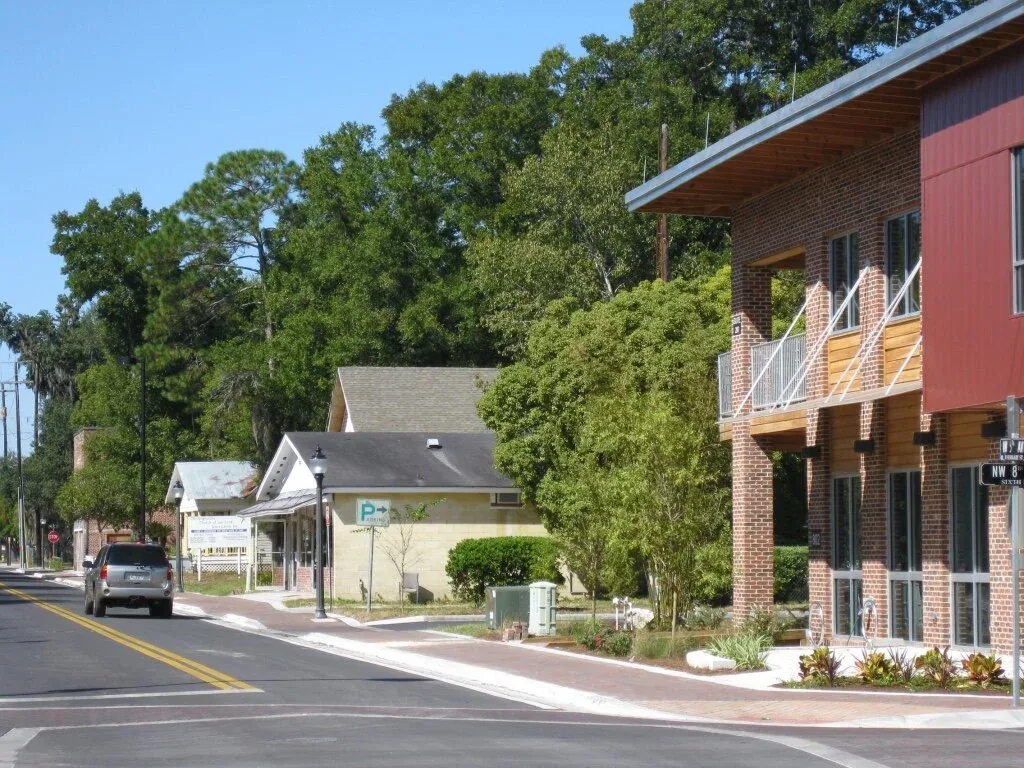
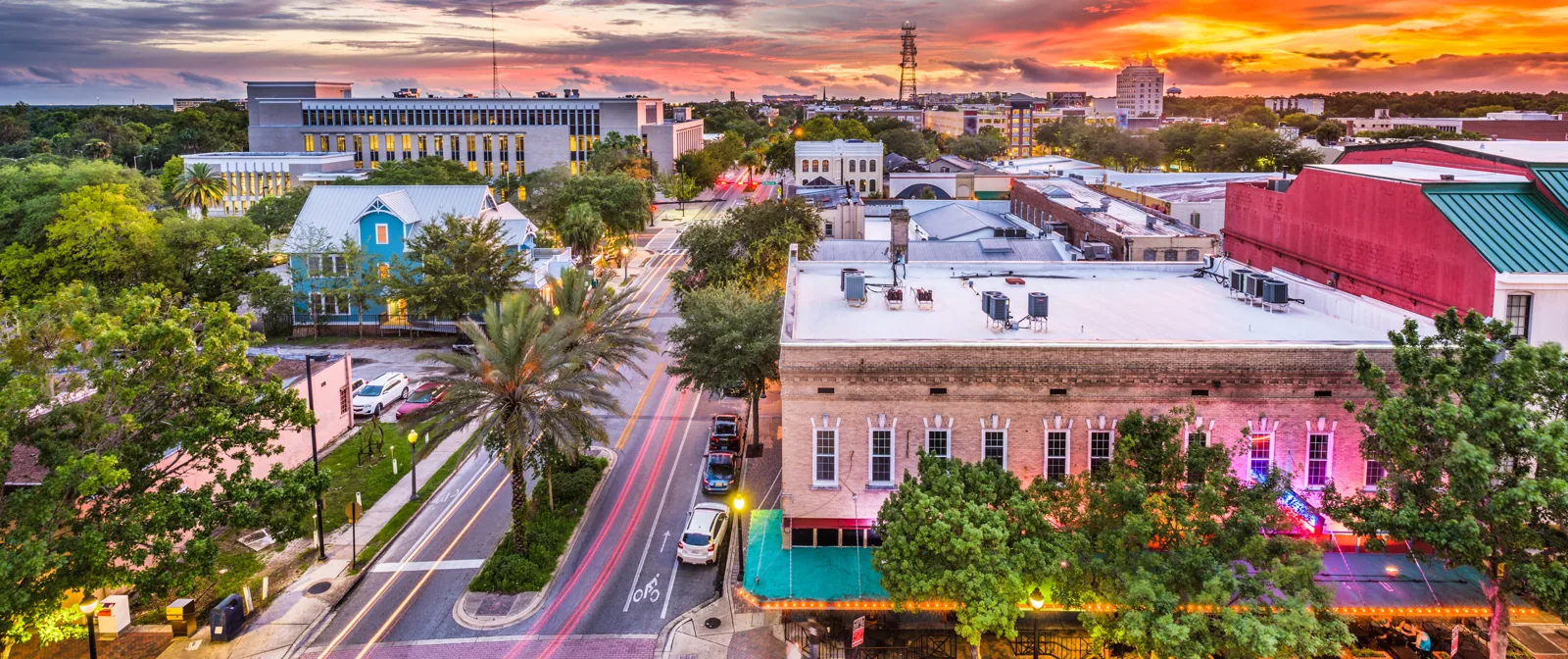
Shops, eateries, small lodging properties and community venues in Downtown High Springs need roof work that fits the building and its operating hours. The city's Community Redevelopment District covers about 122.9 acres in the downtown core and supports renovation and restoration of existing buildings, new construction and infrastructure investment. The business community includes shops, eateries, bed-and-breakfasts, small motels, a community playhouse and the Priest Theatre. We confirm which address is in scope, who can authorize access and what activity needs to continue, then inspect the roof assembly and record visible conditions. A commercial roof inspection helps set the work boundary before repair or renewal.

Identify: Confirm the Use and Roof Responsibility
Downtown building use can change how a crew enters, stages material and protects space below the roof. The site contact identifies whether the property is a shop, lodging business, restaurant, playhouse or theatre, along with its hours, roof access and interior areas affected by a leak. We request available roof plans and prior repair records, then mark the sections included in the survey. We compare available roof records with field observations to identify materials and prior work at the property. When records cover adjacent buildings or shared parcels, we keep each conclusion tied to the inspected address and roof sections.
The Priest Theatre and nearby lodging, restaurants and community venues make event calendars and guest access useful details to confirm. A roof scope starts with the property address, owner contact and structure in use. The wider High Springs service area includes properties outside downtown with different access and operating contacts. A lodging roof review can account for occupied rooms when the owner confirms them. For a separate request in Downtown Alachua, we start with that property's records rather than carry over conditions from High Springs.
Inspect: Look at the Roof's Critical Junctions
We inspect the reported area and follow the roof's water path through seams, flashing, penetrations, drains, scuppers and edges. Walls, adjacent roof levels and prior patches can alter drainage, so the field plan marks how each section reaches an outlet. At a membrane roof, we examine laps and terminations; at metal, we check panel seams and fasteners. We compare an interior mark with the roof details above it and note whether a moisture survey or selective opening is required to confirm what lies below.
Gainesville received 46.80 inches of precipitation in 2025. Its largest 24-hour total was 3.06 inches. At a High Springs property, we follow the building's drain layout, slope, outlet capacity and interior leak history to assess how water moves across the roof. We record the outlet, surrounding membrane and wall junction to identify which detail deserves corrective work.
Coordinate: Preserve Customer and Guest Access
Before work, the property contact confirms business hours, guest entry, delivery periods, public routes and where a lift or ladder can be placed. We agree on notices, barriers, material staging and interior protection if a detail will be opened. The site contact can identify which entrance serves customers, whether deliveries need a separate path and who confirms the work area is clear each morning. If the roof has multiple elevations, we sequence them so guests or patrons are not routed beneath active work. Those steps are written before installation begins. A work plan by roof section helps keep the boundary clear for staff and visitors. Each shift ends with the open area and temporary tie-in secured, with a named person responsible for updates if weather changes the sequence.
Before moving between roof levels, we confirm the approved path and who can clear the work area at shift change. We coordinate the roofer's boundary with trades already working at the property. An occupied-building sequence can plan the schedule around guests, customers or events. A separate site in East Gainesville needs a different work window and site contact.
Compare: Repair the Defect or Plan Restoration
A local puncture, open seam or flashing failure can often be repaired if surrounding material remains sound. If leaks return, moisture spans several sections, the deck is weak or an old patch has failed more than once, a broader renewal may be the better project. We map confirmed findings and identify what needs additional testing. A recover requires checking existing layers, attachment, substrate and drainage transitions so a second system will not hide wet material or change how the roof sheds water.
Our written scope may call for a localized correction, an overlay review or full renewal, depending on the roof evidence. Cost and timing depend on the roof system, preparation, access, moisture removal, deck repairs and operating hours. The scope separates included work from optional testing and states which field condition could change the proposal. For a building undergoing renovation, we coordinate roof repairs with the owner and project team while keeping the limits of each trade visible.
Close Out: Document the Repair for the Next Operator
The end-of-project file contains dated photos and an annotated roof map of the completed work, any restricted area and the items still requiring attention. The report identifies the material observed, the work performed, drain and edge details addressed, and any access or testing limit. If the work was temporary, it is clearly described as interim. That gives a future owner, innkeeper or business manager a record tied to the address rather than a general note about the downtown district.
Maintenance can revisit drains, seams, flashing, roof traffic and changes made by other trades. The interval should reflect the installed assembly and the property schedule. We can arrange a maintenance visit and keep findings with the building's records. If an operator has another property in Newberry, that roof requires its own inspection and access plan.
The redevelopment district covers the downtown core and supports restoration, renovation, new construction and infrastructure work. Its business mix includes shops, eateries, lodging and the Priest Theatre, so a roof plan can need both preservation awareness and practical tenant coordination. We confirm the specific building, roof boundary and approval contact, then inspect flashing where an older wall meets a later addition, along with drains, parapets and penetrations. Public-facing entrances and customer paths are included in the staging plan. If visible materials or attachment should remain undisturbed, the owner identifies those requirements before work is priced. The closeout marks the repaired detail and any adjacent section not included, allowing a downtown manager to schedule future work without treating the whole district as a single property.
Frequently Asked Questions
Can roofing work be scheduled around a playhouse or theatre event?
Yes. The property contact confirms the event calendar, guest access, noise restrictions and delivery windows before we set the work sequence. We mark the roof section and pedestrian boundaries, then secure temporary conditions at the end of each shift.
How do you measure a downtown roof scope?
We identify the specific building and sections included, then verify dimensions from plans or field measurements. The district boundary locates the redevelopment area; the roof plan sets project quantities.
How do you schedule roof work at lodging properties?
The owner identifies guest areas, roof access, operating hours and any interior protection needs. We sequence the inspected sections around those requirements and document the completed work and follow-up.
What do you need to distinguish a repair from restoration?
We review repair history, moisture, deck condition, seams, flashing and drainage. A localized defect can support a repair; repeated or widespread failures can point to renewal. The report shows what is confirmed and what testing could change that recommendation.
Related Roofing Work
Request a Downtown High Springs Roof Assessment
Send the property address, business or lodging use, roof records, active leak areas, site contact and event or operating calendar. We will inspect the defined sections and document the next steps.