
Commercial Roofing in High Springs, FL
Inspect commercial roofs in High Springs with access planning for local businesses, drainage checks and repair scopes tied to each building.
Service Areas: High Springs
Before setting a roofing scope in High Springs, we confirm the parcel, building use and person who can arrange roof entry. High Springs is a northwest Alachua County railroad town incorporated in 1892, with a history tied to the South Florida Division line. Its location near I-75 frames regional access, while each property's owner confirms the actual gate, driveway and roof-entry details. Our first walk maps the roof system, outlet routes, penetrations and edge details that belong to the requested building. A commercial roof inspection gives the owner a condition record for the building in scope.
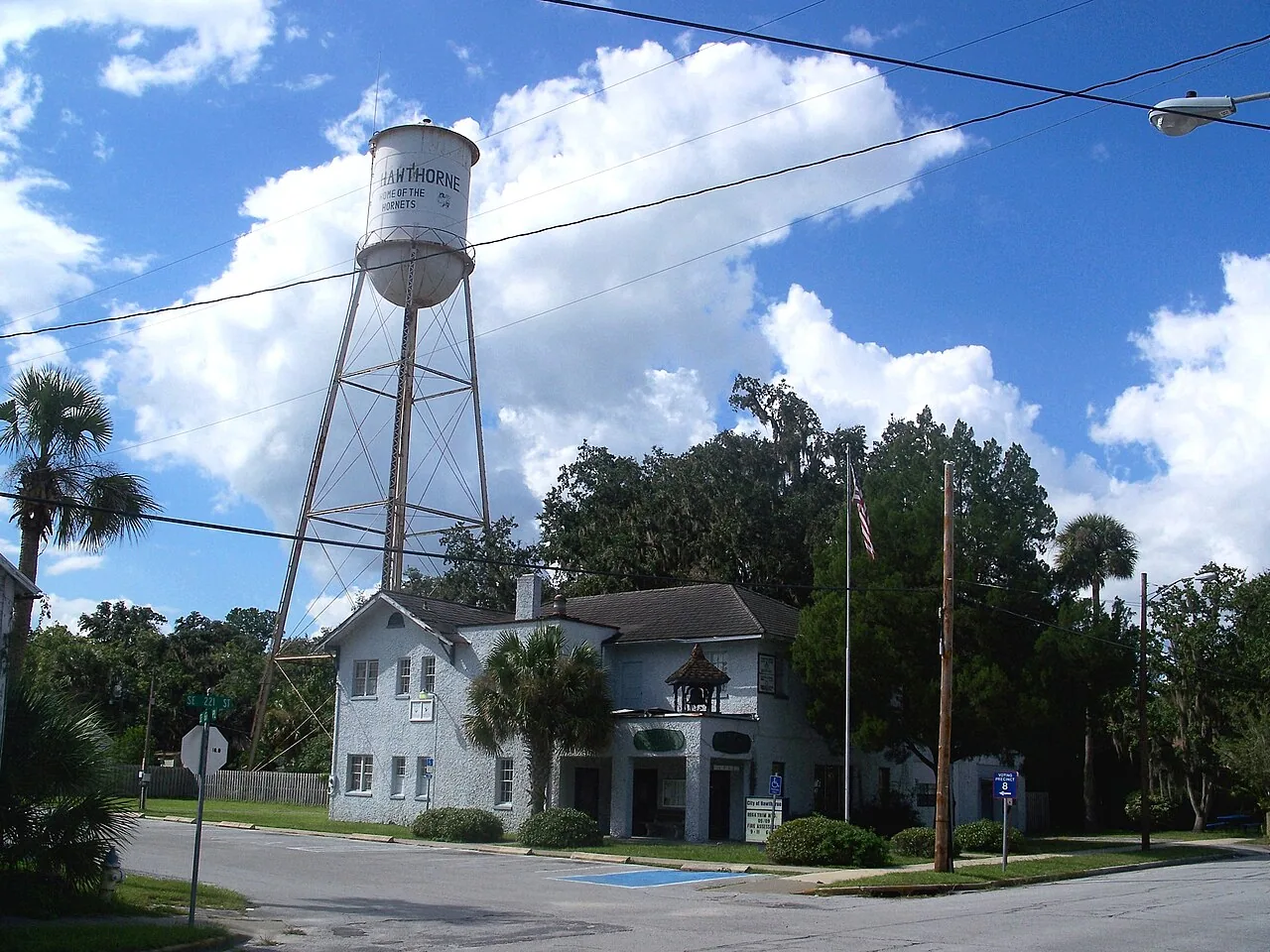

Identify: Confirm the Property and Business Use
We ask what the building is used for, who controls the roof, whether there are tenant boundaries and which operating hours restrict access. Before entry, we request old work orders if available, interior photos from the affected space, access restrictions and a contact for equipment shutdowns. We then label the roof sections available for inspection and note any adjoining part that sits outside the authorization.
High Springs' railroad history and location near I-75 help orient regional service planning. The property contact confirms the current delivery route and operating schedule. A request at Downtown High Springs or in Waldo uses that property's address and site rules. If the building is a warehouse or industrial facility, a warehouse roof assessment can focus on the confirmed assembly and equipment access.
Inspect: Trace Water Through Roof Details
We inspect the reported area and nearby seams, flashing, penetrations, drains, scuppers and edge metal. The roof plan follows water from the surface toward an outlet and notes any low spot, debris or transition that changes the route. On membrane systems, we check welded or bonded laps; on metal, we examine panel joints, fasteners and movement at flashing. If the leak path remains hidden, we identify a small test location where the owner can verify whether insulation or the deck needs work.
During Gainesville's 2022 weather tally, thunderstorms occurred on 104 days and heavy rain on 82. That wet-weather pattern makes drain, slope and overflow checks useful during a High Springs roof review. We document actual drains, slopes, seams and overflow routes at the property. A drain and scupper inspection checks the outlet detail and surrounding membrane; a moisture survey can help map concealed wet areas before the scope is finalized.
Coordinate: Use the Work Window the Business Can Support
Before a crew arrives, the owner or site contact confirms roof entry, staging, equipment clearance, deliveries, business hours and any interior area that needs protection. We agree on who receives updates and who can approve a shutdown. The work boundary is set by section, and the crew secures exposed details before leaving. If weather changes the plan, the contact knows which temporary measure remains and what follow-up is needed.
For a High Springs project, the site contact confirms the property's gate, driveway and operating arrangements before staging is set. An occupied-building sequence can phase work around confirmed business activity. A separate project at Newberry uses a different property contact and roof record, even when the same owner has more than one site.
Compare: Repair the Defect or Plan a New System
An isolated puncture, open seam or failed flashing can be repaired when adjacent material remains sound. Repeated leaks, broad moisture, deteriorated deck or recurring perimeter problems may call for a larger section or full reroof. We mark confirmed conditions, test results and questions that remain. For recover work, we check existing layers, substrate, attachment, drain height and perimeter transitions before placing another system above the current roof.
We can compare a targeted repair, recover assessment and replacement scope using one marked plan. Cost and timing depend on roof type, preparation, moisture removal, deck work, access and available work hours. The proposal identifies the work area, temporary protection, exclusions and conditions that could change the recommendation after opening. If the owner needs to keep the building operating, we identify which tasks can be isolated by section and what access the crew needs each day. Hidden wet material, deck repair or a difficult roof entrance can affect both duration and staging. We state those drivers before work starts so the site contact can coordinate tenants, equipment and any interior protection. That gives the owner a clear view of what is known before committing to a larger project.

Close Out: Leave a Property-Specific Plan
We provide photographs and a marked roof plan showing the sections inspected, completed work, details checked and items still open. The closeout identifies the system observed, materials used where confirmed, drainage and edge details addressed, and any area not accessed. If temporary protection remains, the record names it as interim and describes follow-up. This helps the next business or facilities contact track a leak back to the correct section.
Routine maintenance can review seams, drains, equipment changes, flashing and roof traffic. A post-storm visit compares new observations with the closeout images. We can arrange a maintenance interval suited to the roof system and operating schedule, and keep the findings tied to the High Springs address. A commercial roof visit in High Springs begins with the building's address, current roof layout and access contact.
High Springs' location near I-75 and its railroad-era history help orient businesses within northwest Alachua County. The commercial roof visit still starts at the property: confirm the building use, access contact, roof system and active water entry before setting a scope. For a shop, lodging property or industrial building, we document drains, wall transitions and rooftop penetrations, then discuss access windows that fit the operation. A property near a transportation route may need delivery coordination, but the manager confirms the gate and staging area rather than relying on a map. The city's business community includes varied building sizes, so the report identifies the roof section and details inspected instead of assuming a standard layout. Photographs give local maintenance staff a basis for storm follow-up and later comparisons.
Properties with lodging or visitor activity may need quieter work periods and clear access to guest entrances. The manager identifies those needs, and we divide the roof into a sequence that keeps open details protected at the end of each shift. A record of drain and flashing condition can also support storm follow-up after heavy rain, when the owner wants to compare new interior reports with the same roof sections inspected earlier.
Frequently Asked Questions
What records help identify a roof system in High Springs?
Available roof plans, repair history and a field inspection help confirm the assembly and prior work. We document drains, seams, penetrations and edges before preparing a repair or renewal scope.
Can you schedule around a local business's operating hours?
Yes. The site contact confirms opening hours, roof access, deliveries and any equipment limits. We set a work window and boundary around those requirements, then identify how unfinished details will be protected at the end of each shift.
What should I send before an inspection?
Send the street address, occupancy type, prior service notes if available, the room where water appeared and the name of the person who can arrange roof access. We use that information to set the inspection boundary and compare the reported condition with field observations.
How can I tell if a leak is local or part of a larger problem?
We map the affected area, inspect adjacent seams and drainage, and test for concealed moisture if surface evidence is not enough. The report separates confirmed defects from concerns that need another test, then compares local repair with a broader renewal.
Related Roofing Work
Arrange a High Springs Roof Assessment
Send the property address, building use, roof records, active leak areas, authorized contact and available work window. We will inspect the defined sections and document repair, recover or replacement options.