Ponding Water Roof Repair in Gainesville, FL
Resolve Gainesville commercial roof ponding with documented drainage checks, slope and insulation testing, and repair options tied to verified conditions.
Roof Damage Repair: Ponding Water Roof Repair
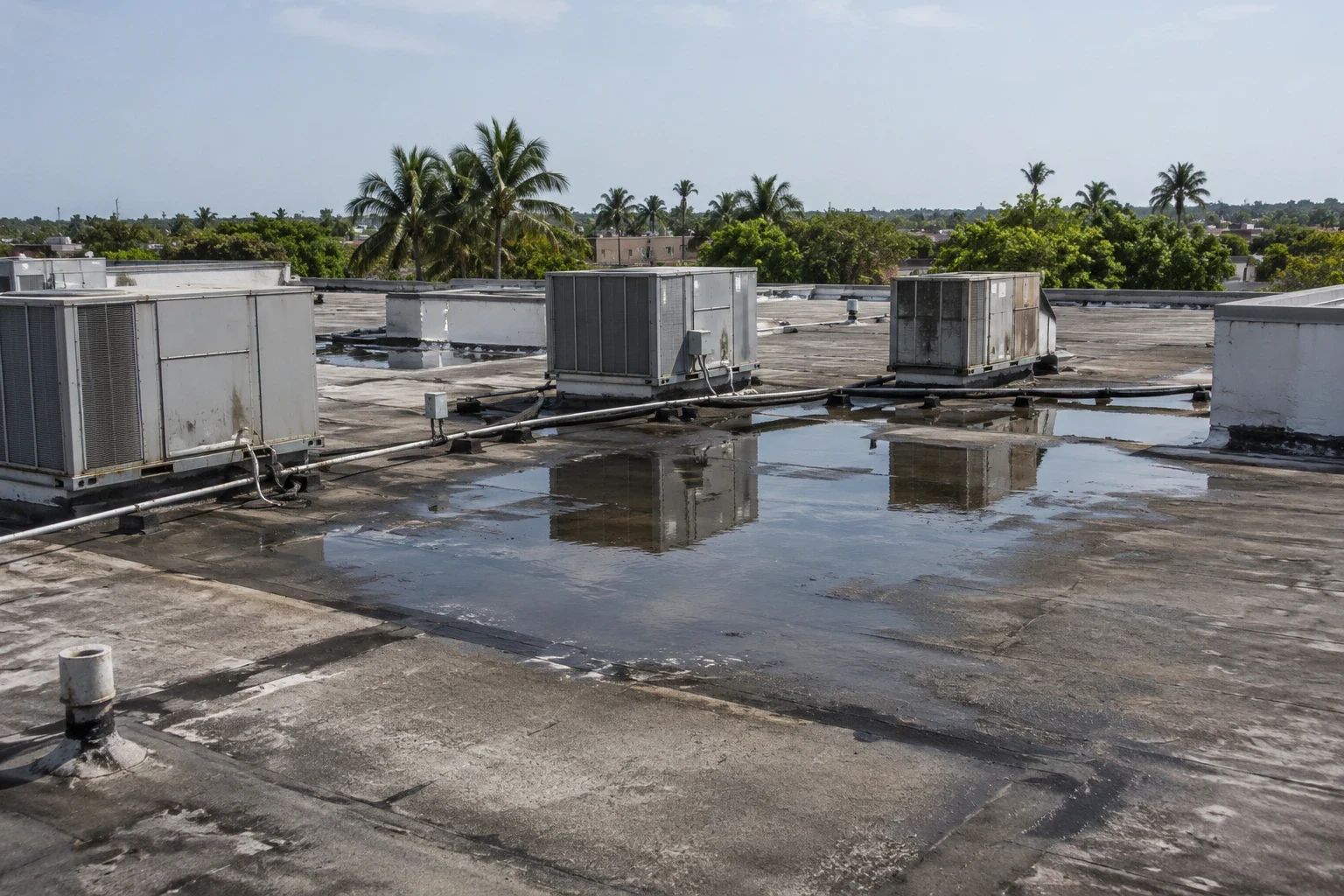
Water that remains on a low-slope roof after nearby areas dry needs a drainage check before anyone reaches for a coating. We map the low point, trace the drain path, and inspect the membrane, insulation, and deck around it. In Gainesville, FL, heavy downpours can load drains quickly, so the outlet and overflow route matter as much as the visible pool. The roof's slope and tested assembly determine whether the work is clearing, correcting, or rebuilding a section.
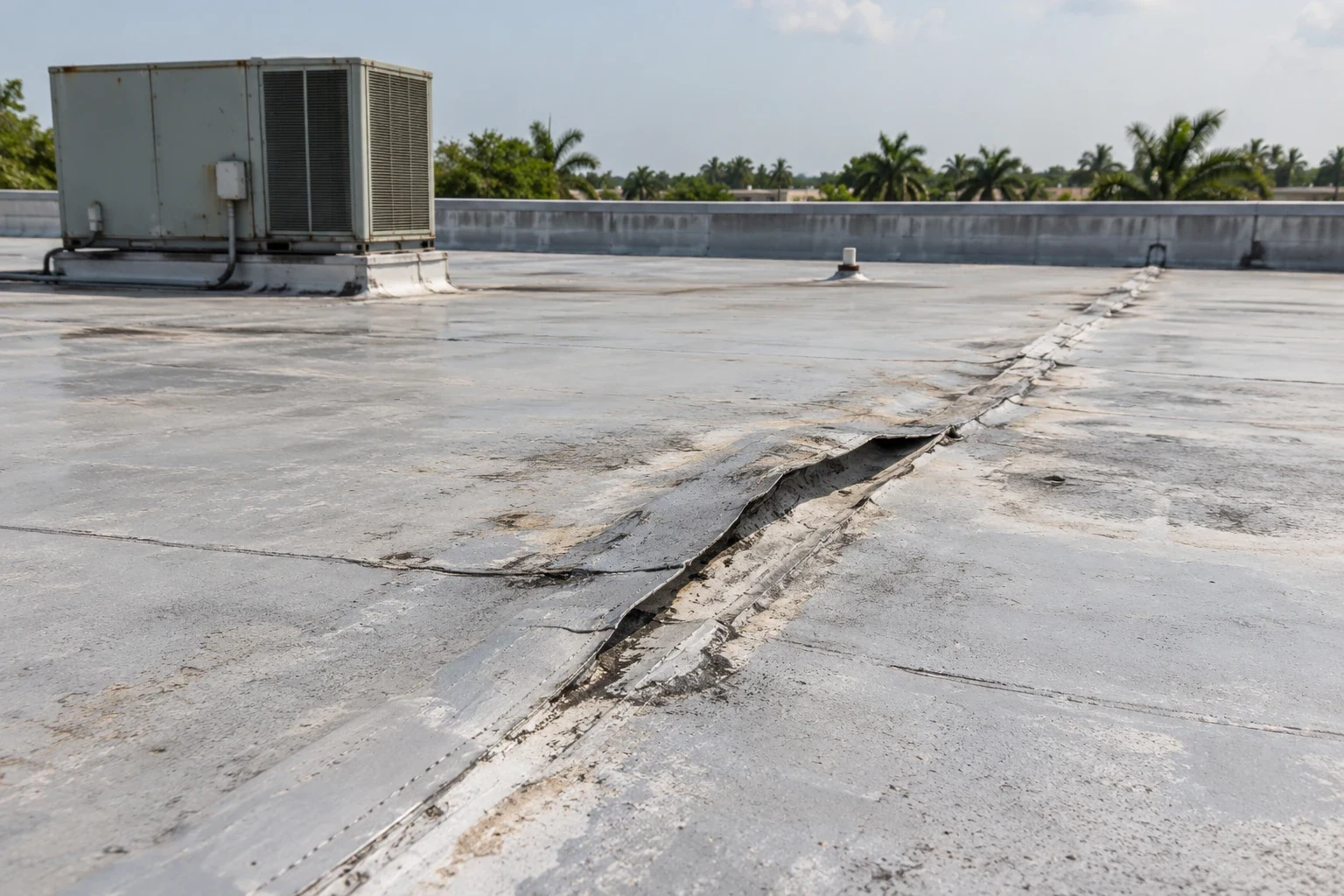
Find Where Runoff Stops
We mark standing-water boundaries, drain bowls, scuppers, overflow points, and nearby equipment curbs. Debris, an obstructed outlet, a crushed leader, or a damaged drain detail can slow runoff. A low spot may also reflect insulation compression, deflection, or an original slope problem. We note how long water remains after rain when the site can observe it and compare the pattern with the roof plan. Clearing an outlet can restore flow, but it does not correct a depression that holds water.
Gainesville's 2025 climate report recorded a 3.06-inch rainfall total for the wettest 24-hour period. That rainfall puts outlet capacity and overflow routing on the inspection list; the roof's low point and assembly show whether water is trapped. A Depot Park and South Main area roof review may consider the city's own stormwater setting, while each commercial roof still needs its own drain and slope inspection.
Depot Park occupies a 32-acre former brownfield and incorporates stormwater treatment for nearby downtown drainage areas. On a commercial roof, the practical check is narrower: trace water from each drain bowl to the approved outlet. A drain and scupper inspection can trace that path and record where water stops.
Check the Roof Around the Low Point
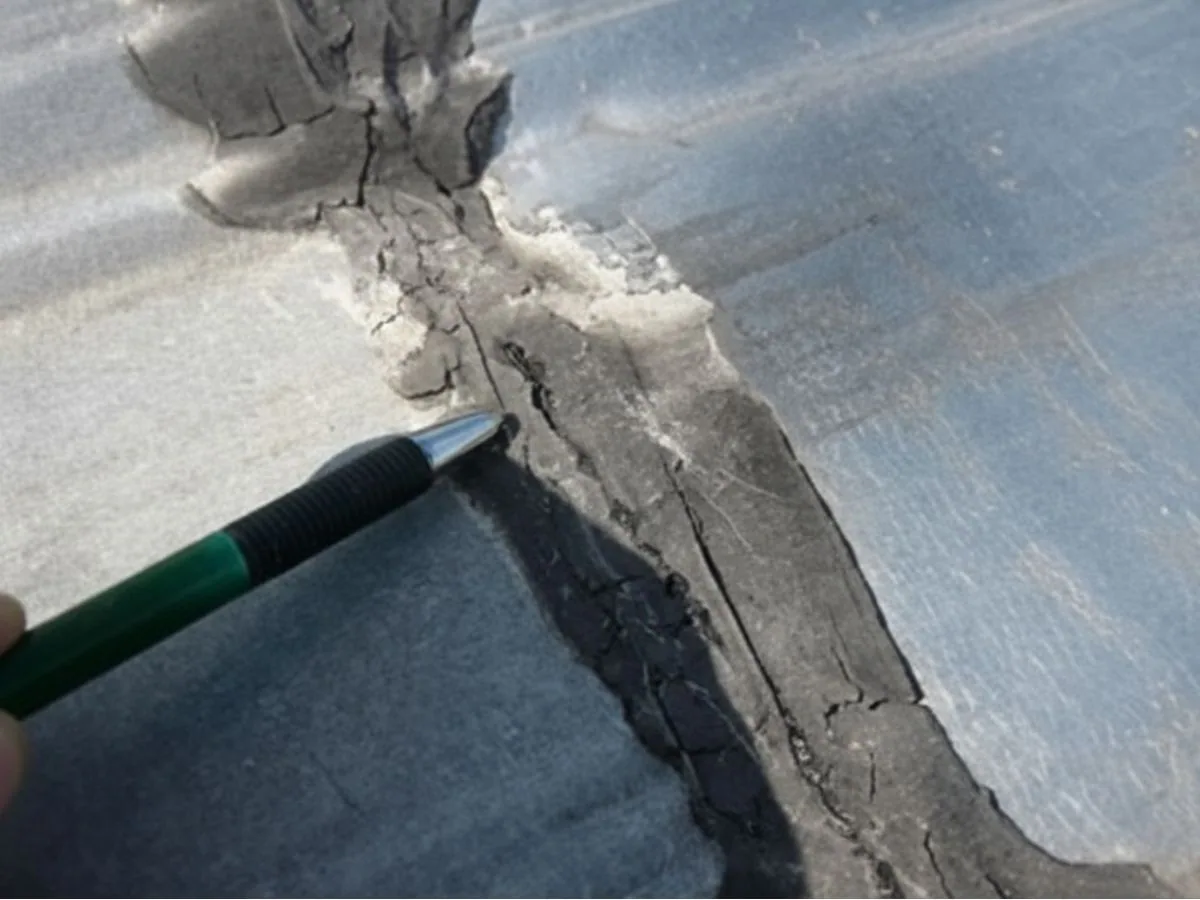
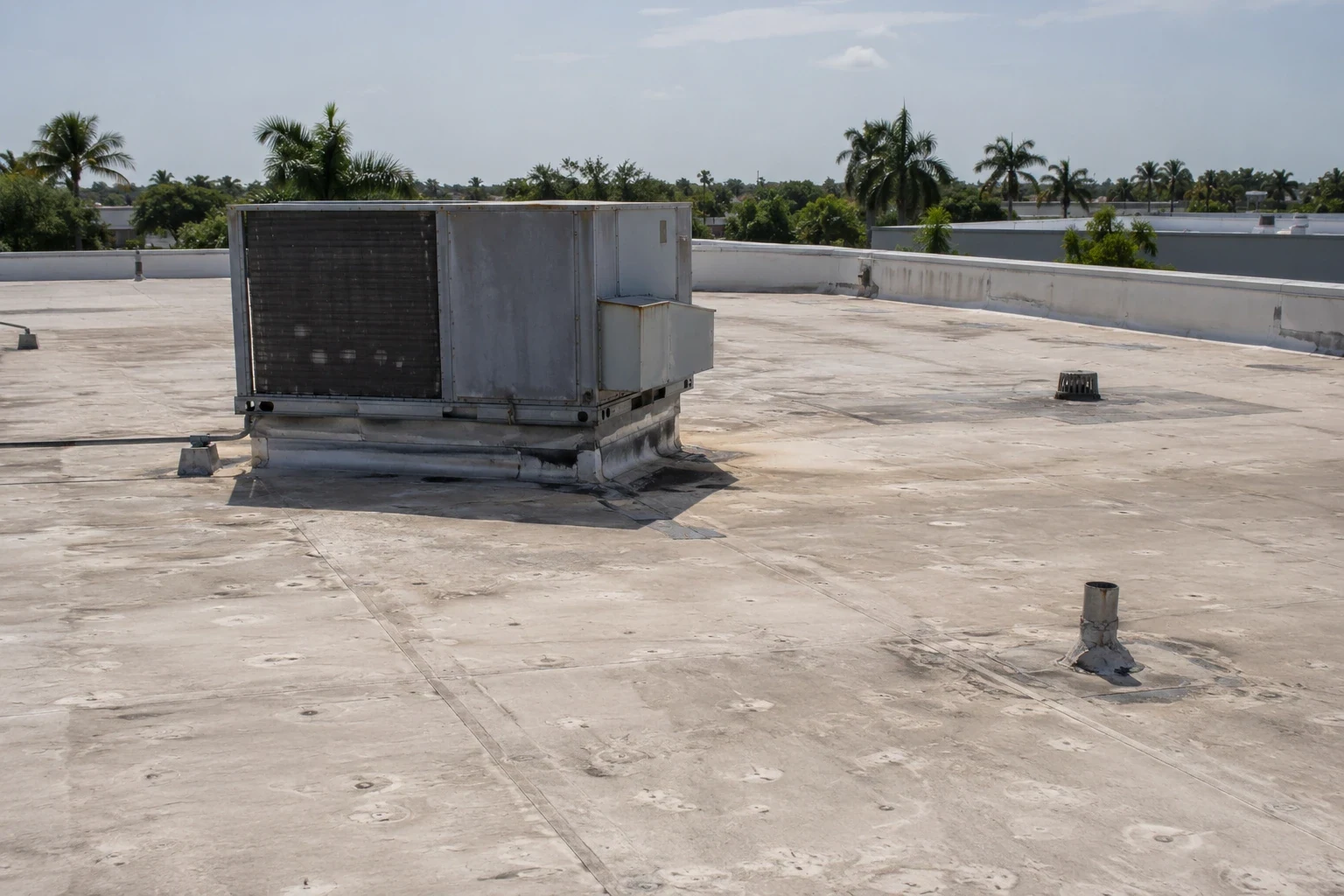
Water standing near a seam, curb, or wall transition can expose a weak detail over time. We inspect the roof material at the pool boundary, nearby laps, flashing, drain flange, and any patch. If the roof has a membrane system, we confirm its type and compatible repair method. For metal, we check panel laps and fasteners. Photos show the condition and the boundary of ponding, rather than treating every mark as active leakage.
Gainesville's annual precipitation total was 46.80 inches in 2025. Repeated wetting can leave deposits or biological growth, but those signs do not alone establish membrane failure. We look for open seams, soft insulation, corrosion, failed sealant, and interior reports below the low area. A condition inspection with roof mapping records what can be verified, and a moisture survey can help choose test openings if water has moved beneath the surface.
A test opening can reveal whether insulation is compressed or wet and whether the deck shows corrosion or deflection at that point. We confirm interior protection and authorization before cutting, document the materials, and close the opening securely. The sample represents the location tested; additional openings may be needed where the moisture or slope pattern changes.
Separate Outlet Repair From Slope Correction
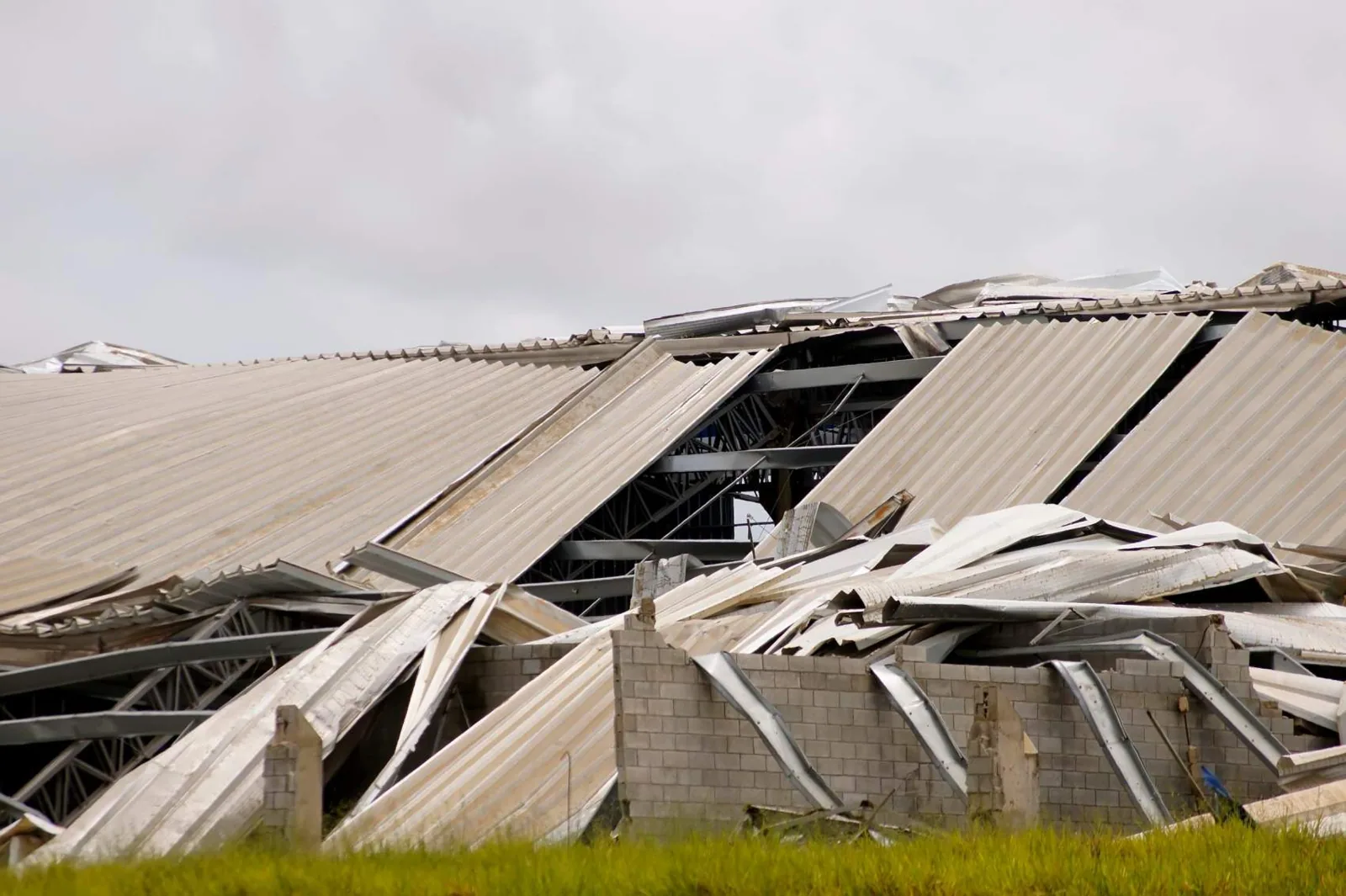
If debris or a damaged drain is the only obstruction, cleaning or replacing that detail may restore discharge. If the roof continues to hold water after outlets are clear, the scope may need insulation replacement or a tapered system that redirects runoff. A depressed deck or structural movement requires review by the appropriate design professional before roofing work is specified. We identify the condition that can be addressed by a roofer and record any structural question separately.
A coating is not a fix for a blocked drain or a low spot that exceeds system limits. A recover or replacement may allow slope correction if the assembly and project criteria support the added build-up. A flashing repair addresses a separate opening at a curb or wall, while a seam repair can close a verified split. We keep each scope tied to the defect rather than combining unrelated work under ponding.
For a slope or insulation change, confirm the applicable Florida Building Code provisions with Gainesville's permitting office before the work is specified. Altering slope or insulation can affect drainage and other design requirements, so the project team should confirm the applicable review. Cost and timing depend on how much material must be removed, drain access, deck condition, equipment, and the weather window.
Drainage work should be checked against the roof's complete flow path. Water may leave a roof through a primary drain, then depend on a separate overflow route if the outlet is blocked or rain arrives faster than it can discharge. We verify that the repair will not bury a drain flange, reduce an overflow opening or create a dam at a membrane transition. If the roof plan shows multiple low areas, the owner can prioritize the one nearest an interior leak or critical equipment while documenting the others for a later phase. Gainesville's 2025 climate report recorded a 3.06-inch 24-hour rainfall total, useful context for reviewing drainage capacity, but it does not establish that a particular roof failed. The field record should show what was cleared or rebuilt and identify whether slope correction, insulation replacement or structural review remains outside the repair.
Keep Drains Open During the Work
Roof work can temporarily redirect runoff, so the crew protects open drains and overflow routes while repairing the low area. If a drain must be removed, the sequence includes a temporary route or a weather-dependent pause. The site contact receives the location and duration of any restriction. Before leaving each shift, we check that the repaired section is secure and that water can reach the intended outlet.
For water entering through an active roof area, report the leak location and available access window so response timing can be assessed against safe site conditions. We coordinate safe access and protect the interior as directed. Temporary pumping or cover may limit immediate exposure, but it does not replace checking the drain, slope, and insulation. The record distinguishes short-term control from the permanent corrective work.
Downtown Gainesville includes the Depot Building, Depot Park and South Main Commercial Corridor among its civic and commercial assets. The corridor includes museums, restaurants and private development near downtown. For a building in that part of town, deliveries and site access may require coordination with its property contact. The roof plan and drain path remain specific to the property and any discharge instructions that apply to it.
Document Drainage After the Repair
Closeout notes identify the low area, outlet, overflow route, materials installed, test openings, and any remaining slope or deck question. Photos taken after work show the repaired detail and the route to the drain. We note if water should be checked after the next heavy rain and state any interval when monitoring is useful. That gives maintenance staff a concrete reference for the next roof walk.
For a Gainesville ponding-water review, send the address, roof plan, location of standing water, drain and overflow details, leak reports, prior repairs, access contact, and preferred window. We will map the low area, inspect the assembly, and prepare a measured scope based on the drainage and test findings.
Frequently Asked Questions
How long should ponding water remain before I call?
Report water that persists beyond the normal drainage period for the system, especially when it appears in the same low area after separate storms. We inspect the outlet and roof surface to find the cause.
Will clearing the drain stop water from collecting?
It can if blockage is the only issue. When water remains after the outlet is clear, we check slope, insulation, and deck conditions before recommending additional work.
Can a coating correct a low roof area?
A coating alone does not change the slope or restore a restricted outlet. We first establish whether the surface and drainage meet the coating system's requirements and whether slope correction is needed.
Does ponding always mean the insulation is wet?
No. A test opening or moisture survey can verify the insulation at selected locations. We record where the test was made and avoid extending the finding to untested sections.
Related Roofing Work
Schedule a Gainesville Roof Drainage Review
Provide the address, roof plan, ponding locations, drain and overflow details, leak reports, prior repairs, and site contact. We will document the drainage path and prepare a measured scope for the low area.