
Commercial Roof Fire Damage Repair in Gainesville, FL
Assess Gainesville commercial fire-damaged roofs for deck, insulation, membrane and flashing conditions, then coordinate safe removal and measured replacement.
Roof Damage Repair: Commercial Roof Fire Damage Repair
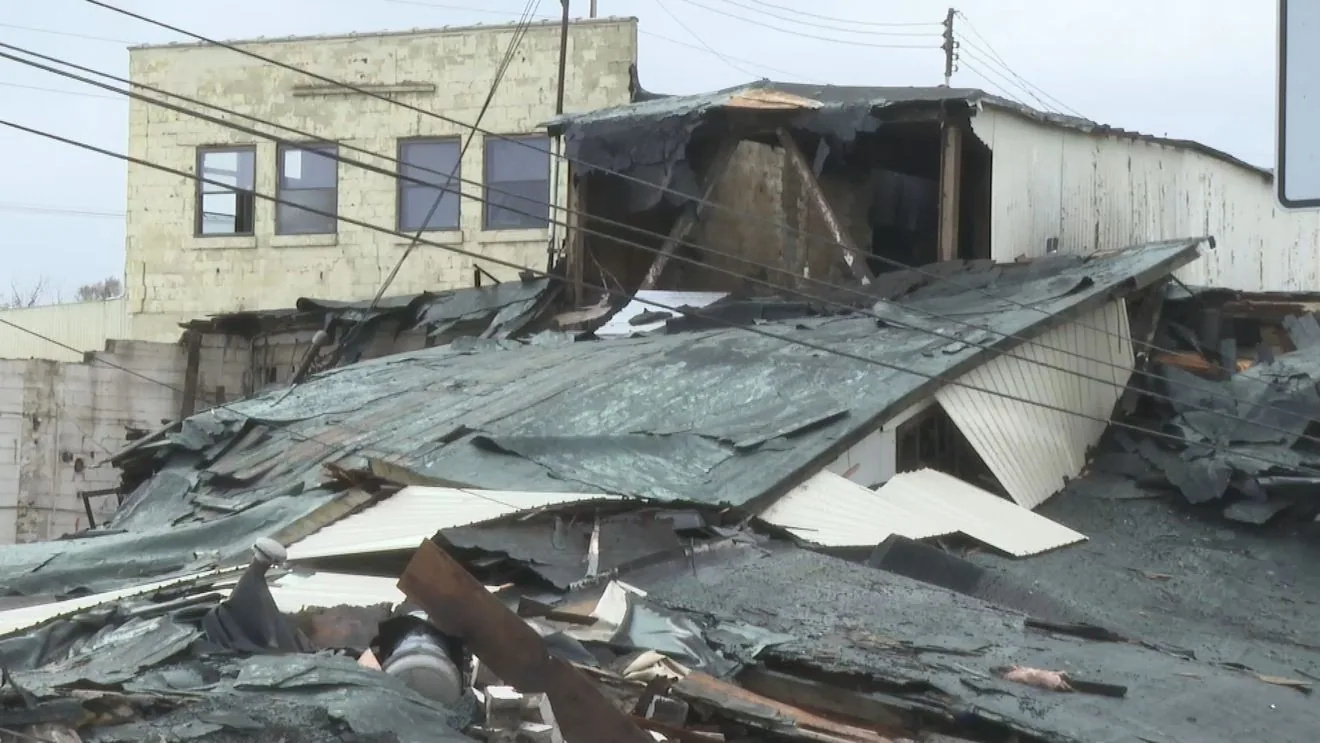
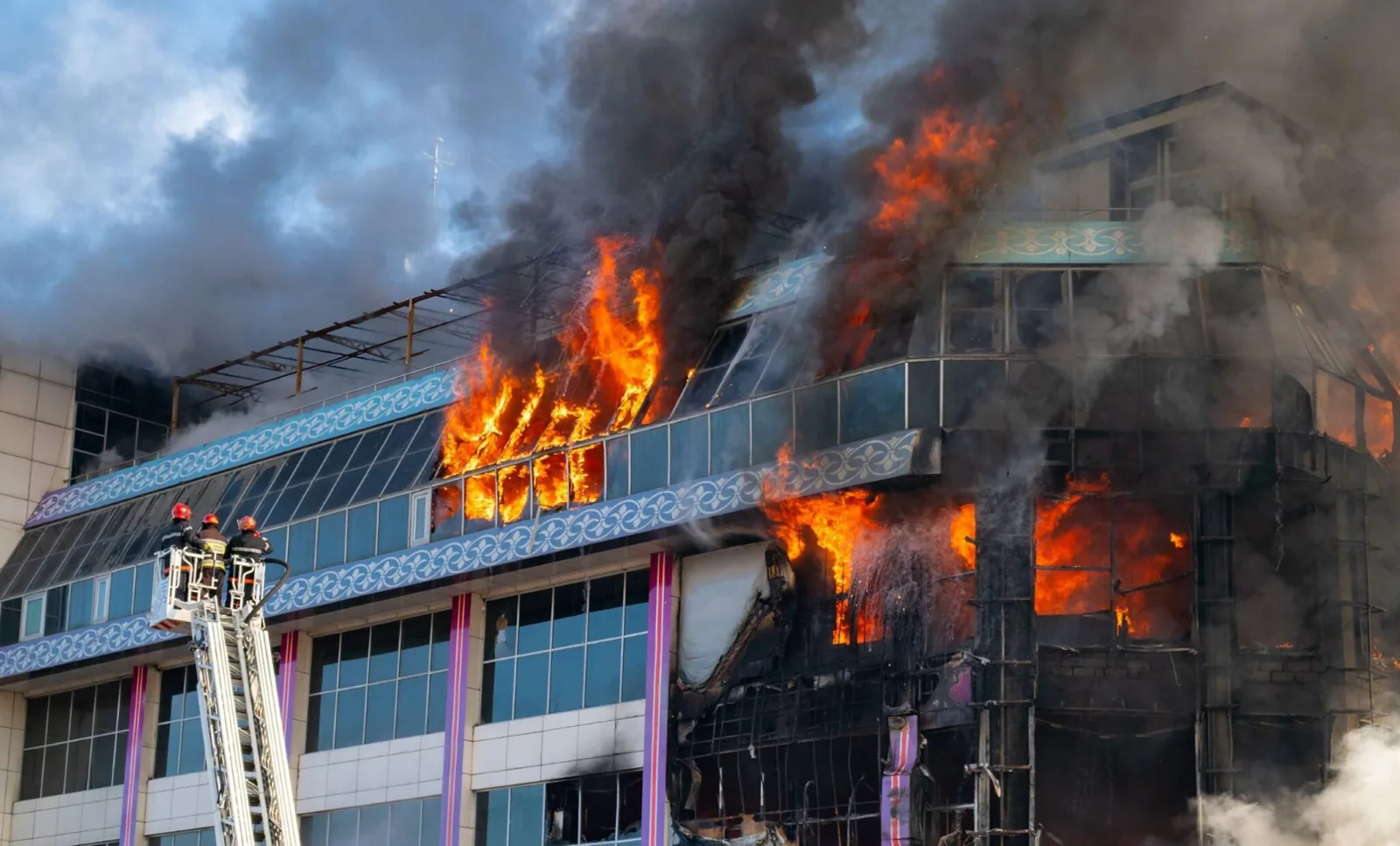
After a building fire, the roof may show a burn-through, heat distortion, smoke residue, or water from suppression. The visible opening does not define how far heat or moisture traveled. We coordinate with the owner and appropriate safety professionals, inspect only after access is authorized, and map the affected roof section. In Gainesville, FL, the repair must also account for rain exposure while damaged layers remain open. The field record separates roof work from structural, electrical, and fire-restoration decisions assigned to other professionals.
Confirm the Building Is Ready for Roof Access
Before a roofing inspection, the property representative confirms the incident area is released for access and identifies hazards, restricted zones, and required protective equipment. Fire response, structural review, and utility isolation remain with the responsible authorities and qualified specialists. We inspect the roof only within the approved boundary and note any area that cannot be reached. A safe access decision comes before opening materials or moving debris.
Gainesville's University of Florida campus contains more than 1,000 buildings across roughly 2,000 acres, while Butler Plaza combines retail, restaurant, and service properties along Archer Road. These examples illustrate the range of institutional and occupied commercial settings in the city; they do not indicate that a named property sustained fire damage. A campus-area roof assessment or a Butler Plaza roof visit must follow the facility's incident clearance, tenant access, and building records.
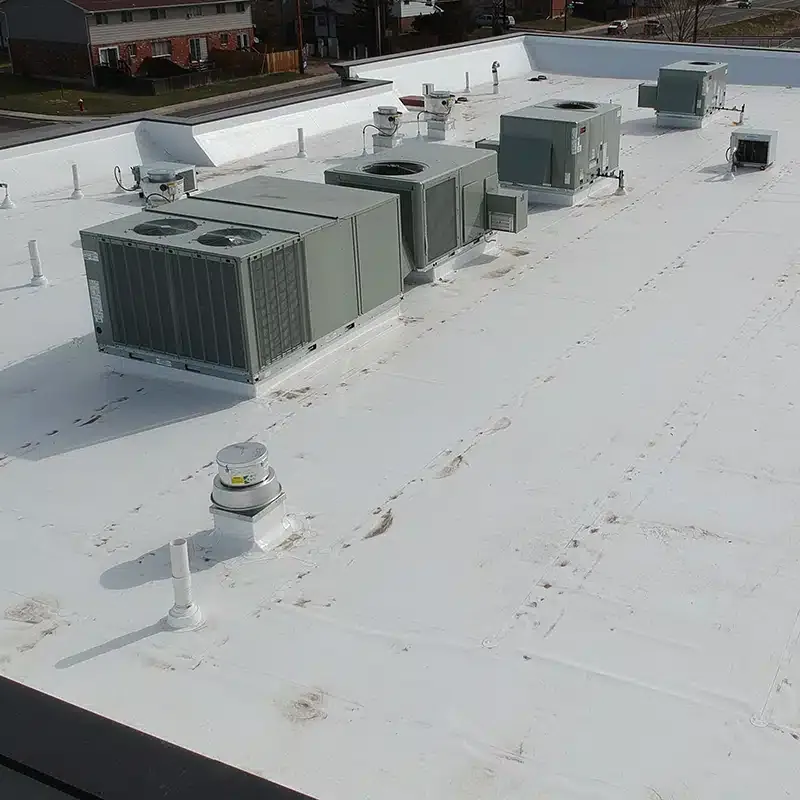
We ask whether the fire affected a rooftop unit, electrical penetration, exhaust, or roof-mounted conduit. That information helps locate damaged flashing and determine whether another trade must remove equipment before roof work. Photos and notes label the building and affected section without assigning a cause beyond what the incident investigation establishes.
Trace Heat and Water Damage Through the Assembly
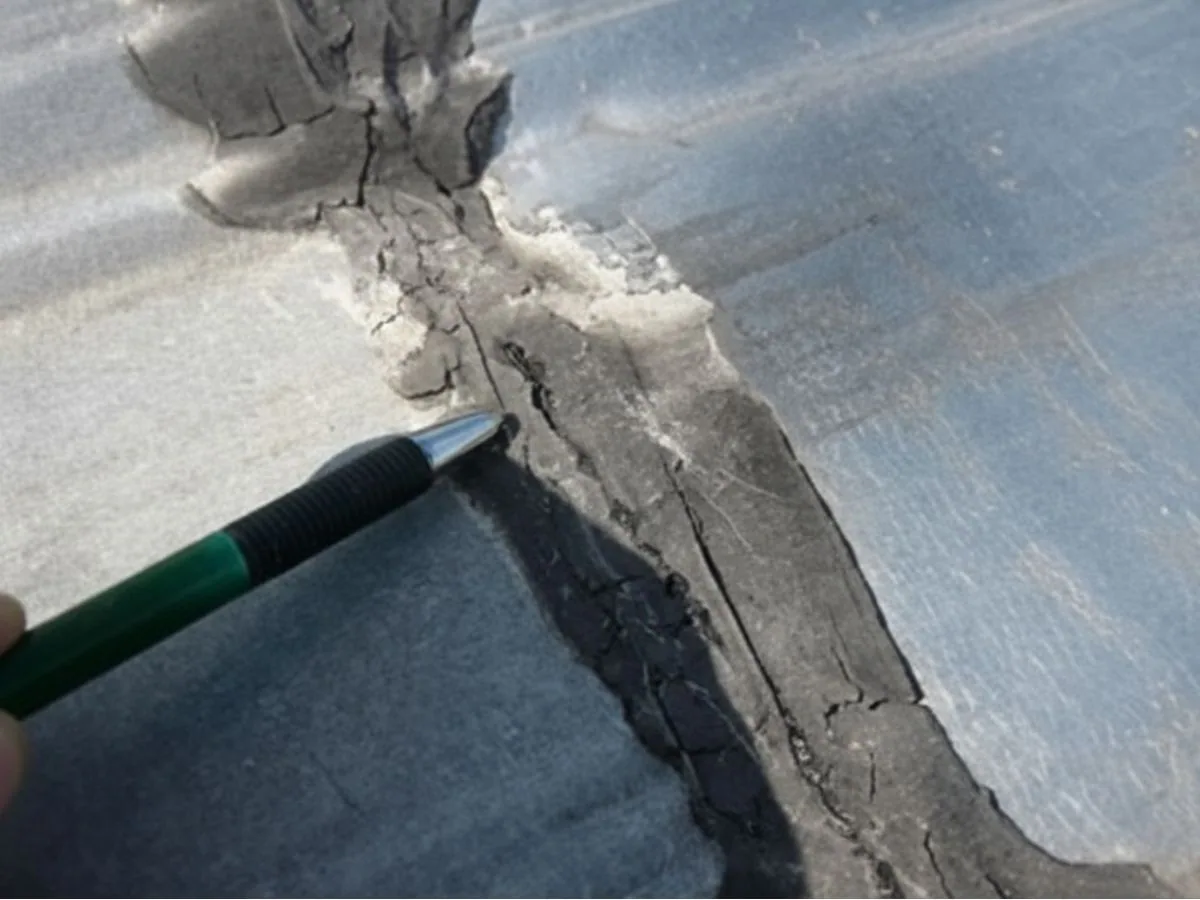
We identify the roof material and inspect membrane or panels, insulation, cover board, deck, flashing, and perimeter details around the affected area. Heat can warp metal, blister a membrane, loosen an attachment, or damage materials that look intact from above. Smoke residue may require specialist cleaning or replacement decisions based on the building's restoration plan. We document what is visible and coordinate any destructive testing with the owner and the professionals handling fire restoration.
Fire suppression water can move into insulation and lower roof layers after the flames are out. A test opening can show the material condition at a selected point and help set a removal boundary. We protect the interior below and record deck condition, insulation moisture, and the limits of that sample. A moisture survey may help locate areas for testing, while a roof inspection maps the full accessible section.
Before the roof is opened, we agree on how the exposed area will be protected if rain interrupts the work. The plan identifies the drain path, materials available for a temporary tie-in and who can authorize a change in the covered area. We stage removal so the deck is not left exposed longer than the approved work window allows. If conditions shift, the site contact receives the updated limit and the roof record notes what remains protected and what still requires permanent reconstruction.
Keep Temporary Dry-In Separate From Reconstruction
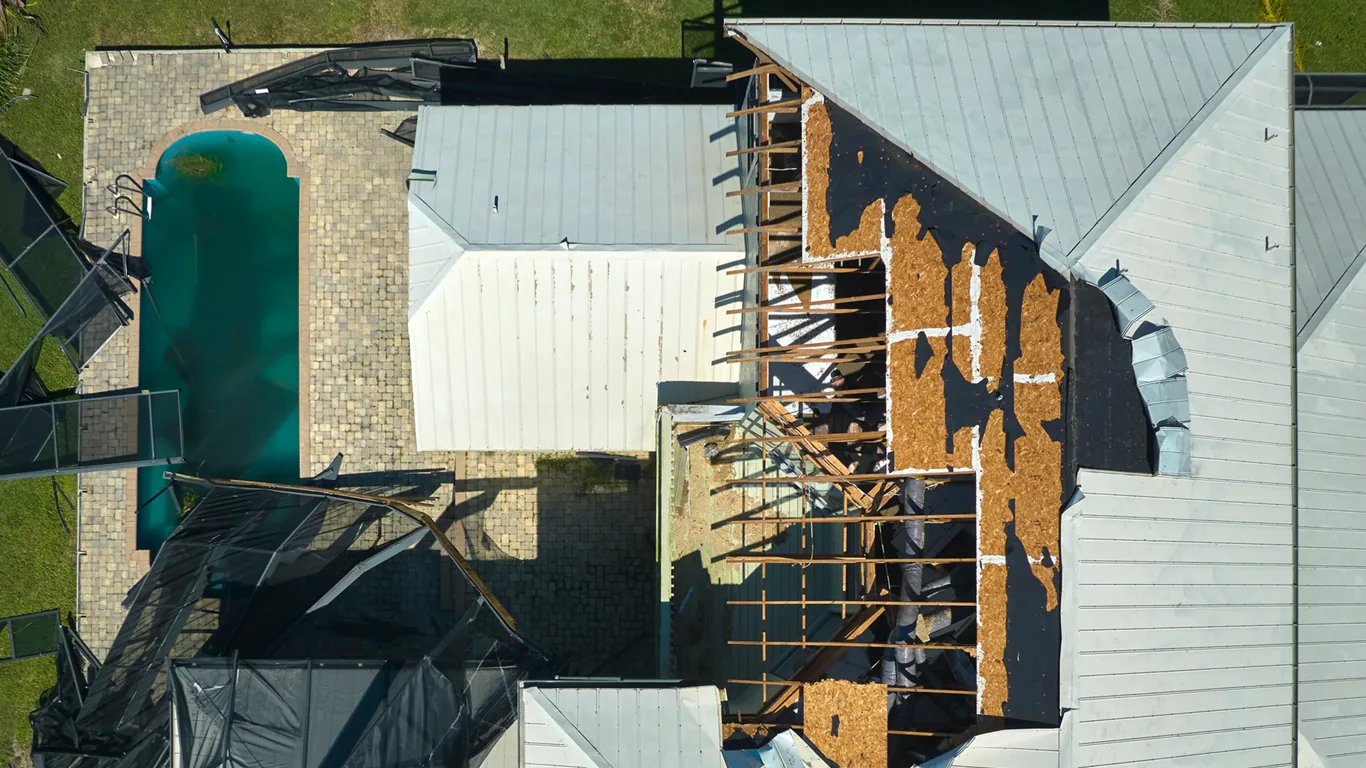
When water can enter through an opening, emergency response is available at any hour, including weekends and holidays, subject to safe access. We coordinate a temporary cover or secure tie-in with the site contact and document its extent, materials, and date. That step limits exposure but does not replace the later roof inspection or confirm that the insulation and deck are dry.
Fire restoration often involves debris removal, interior drying, electrical work, equipment replacement, and structural review. Roofing scope must connect to those activities without taking ownership of decisions outside the roof. We confirm which layers another contractor will remove and when the deck will be ready for roofing. The sequence lists the handoff points, temporary protection, and any surface condition that has to be accepted before installation.
Where building operations continue in unaffected areas, the property manager identifies public routes, customer entrances, and spaces below the work. A property management coordination plan can organize access and notices, and a restoration documentation record can keep roof photos, dates, and measurements together for review.
Choose Repair or Replacement From Tested Conditions
A limited repair may work where heat or suppression water affected a defined roof area and surrounding insulation, deck, and membrane remain serviceable. If the deck has lost integrity, insulation is wet across several bays, or heat damaged a wider section, replacement may be needed. We record test locations, removal boundaries, and materials that can remain. An engineer or fire-restoration specialist should address structural capacity and contamination when those questions are present.
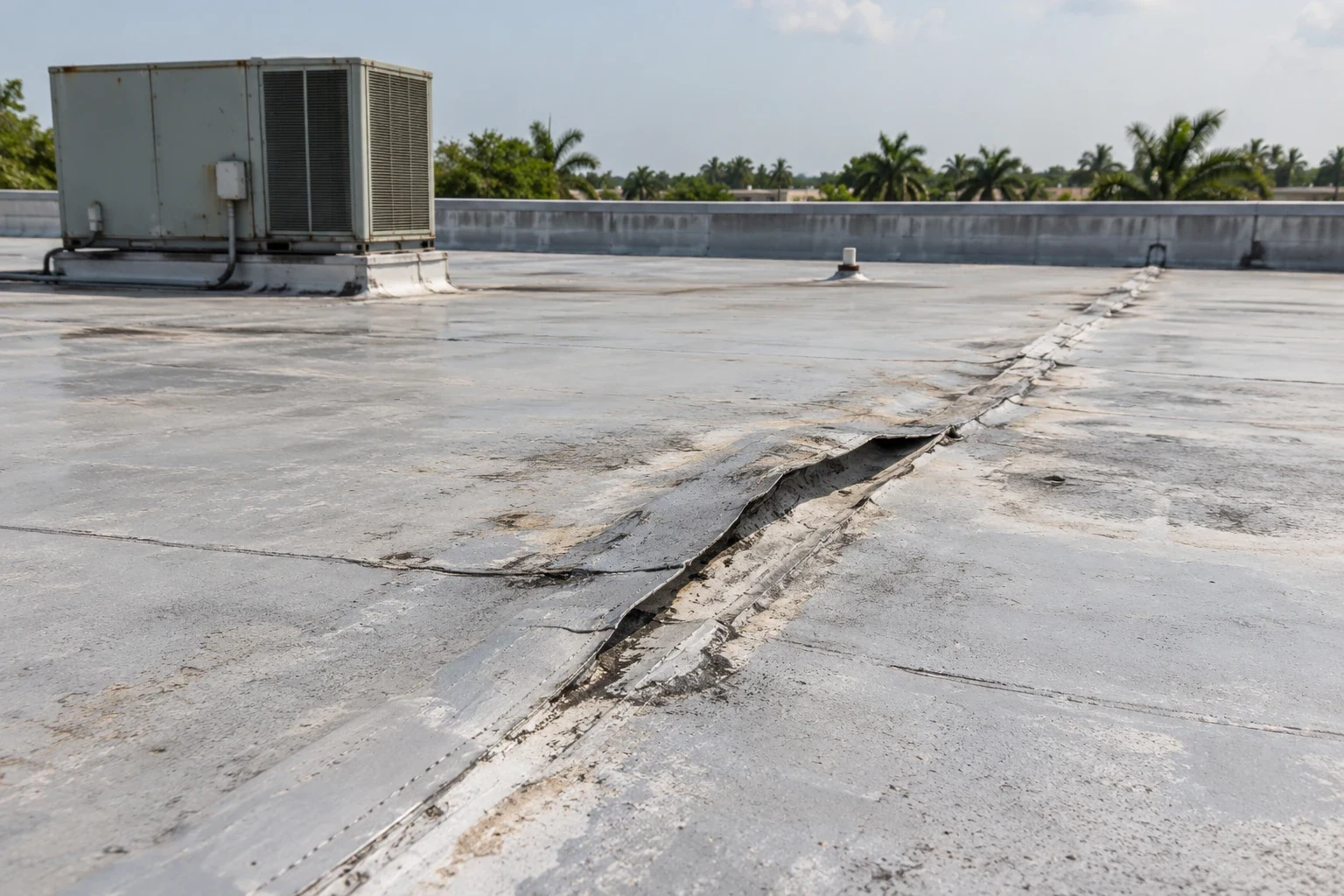
A replacement scope identifies removal, deck preparation, insulation, attachment, membrane, edge details, and equipment transitions. A coating or recover may not suit a surface that is heat damaged, contaminated, or wet; the project team must establish the substrate condition first. A membrane damage review can address a limited opening, while a flashing scope covers damaged curbs or transitions. We separate those details from structural or interior restoration quantities.
For permit applications received beginning December 31, 2023, Gainesville reviews work under the Florida Building Code 8th Edition. The design team and permitting office can confirm provisions for reconstruction and changes to insulation or roof assembly. Schedule and cost depend on demolition, testing, deck repairs, equipment coordination, material lead time, and the date other restoration work releases the roof.
Reconstruction often moves through several handoffs: release of the incident area, removal of damaged materials, review of the exposed deck, and approval to install the new roof assembly. We document each roofing checkpoint and identify the information needed before work advances, such as a completed sample, equipment clearance or a dry substrate. The owner can then coordinate interior restoration and roof installation without treating a single test opening as proof for every section. For multi-tenant buildings, the plan also identifies which entrances and roof zones remain active during each phase.
Record the Roof Handoff After Restoration
Closeout lists the affected building and roof section, materials removed and installed, test openings, deck condition, temporary covers, and any area left for monitoring. Photos show the roof before work and after the new assembly is tied in. We identify what the roofing scope completed and any follow-up still assigned to restoration or engineering. This makes the roof record usable after interior repairs are complete.
For a Gainesville fire-damaged roof review, provide the property address, incident clearance, roof plans, fire and suppression-water area, restoration schedule, access contact, and site safety instructions. We will document the approved roof section and prepare a measured repair or replacement scope coordinated with the building's recovery plan.
Frequently Asked Questions
Can you inspect the roof before fire officials release the building?
No. The incident authority and property representative must establish safe access first. We follow the approved boundary and document any section that remains restricted.
Does a burn mark mean the roof deck needs replacement?
Not by itself. We inspect and test the roof layers at approved locations, then document deck and insulation condition. Structural capacity or fire-damaged framing requires review by the appropriate professional.
How is water from fire suppression handled?
We inspect for wet insulation and deck, use testing where needed, and record the sample boundaries. Temporary protection is kept separate from permanent roof reconstruction.
Can roof replacement start while interior restoration continues?
It can when the deck is released, other trades have completed required work, and the roof area can be safely closed. The restoration schedule and daily tie-in plan set the sequence.
Related Roofing Work
Coordinate a Gainesville Fire-Damaged Roof Assessment
Share the address, incident clearance, roof and restoration records, affected areas, suppression-water details, safety procedures, site contact, and recovery schedule. We will document the roof condition and prepare a measured scope.