
Commercial Hail Damage Roof Repair in Gainesville, FL
Assess Gainesville commercial roofs after hail for membrane punctures, metal dents, flashing impact and hidden moisture, then document measured repairs.
Roof Damage Repair: Commercial Hail Damage Roof Repair
A hail report is a reason to inspect the roof, not a diagnosis of damage. We check the assembly for impact marks, punctures, displaced details, and water entry, then connect findings to the reported storm date. In Gainesville, FL, hail has been recorded both in the city and east of Archer. The roof's material, age, prior repairs, and current condition determine what should be tested and repaired.
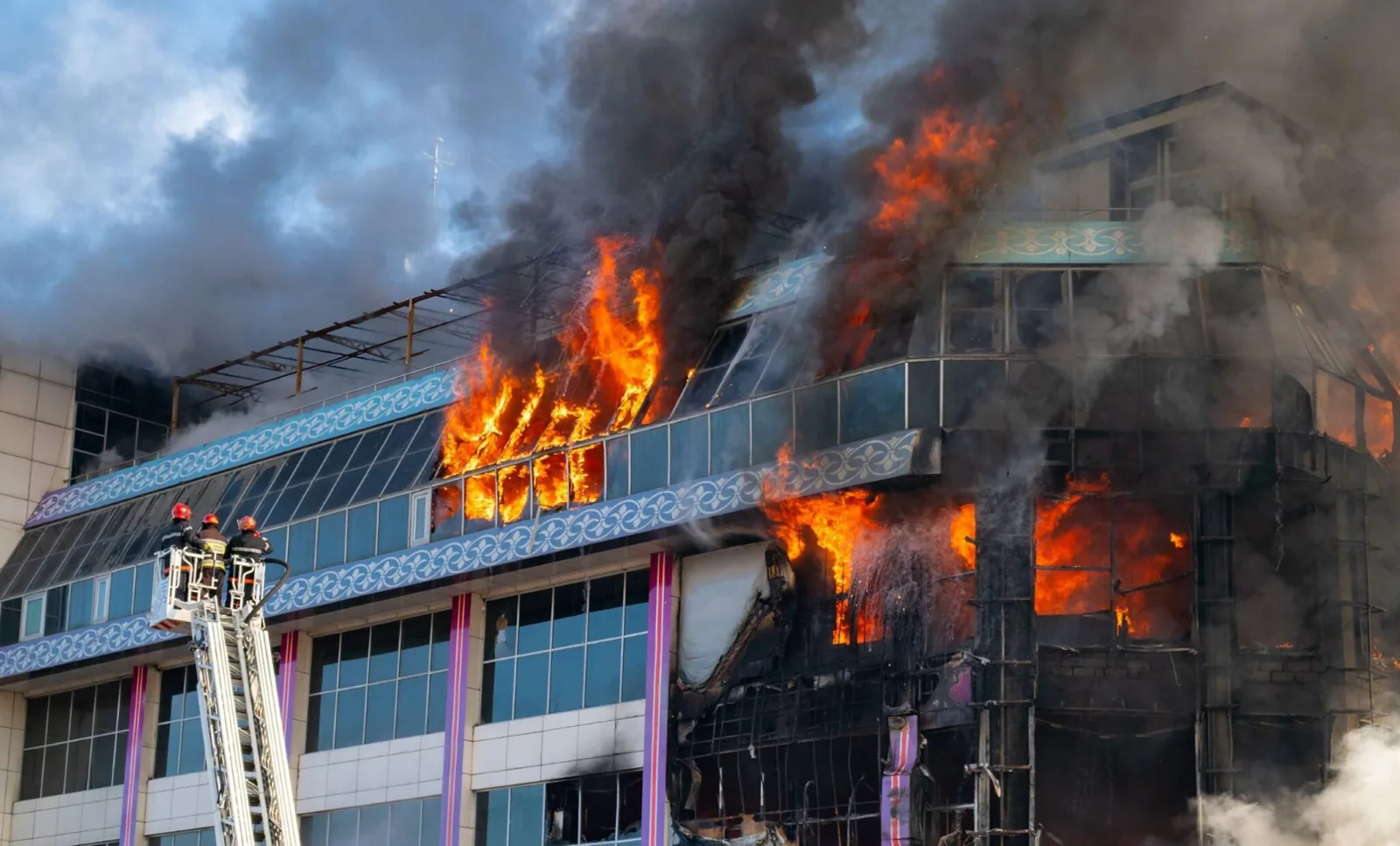
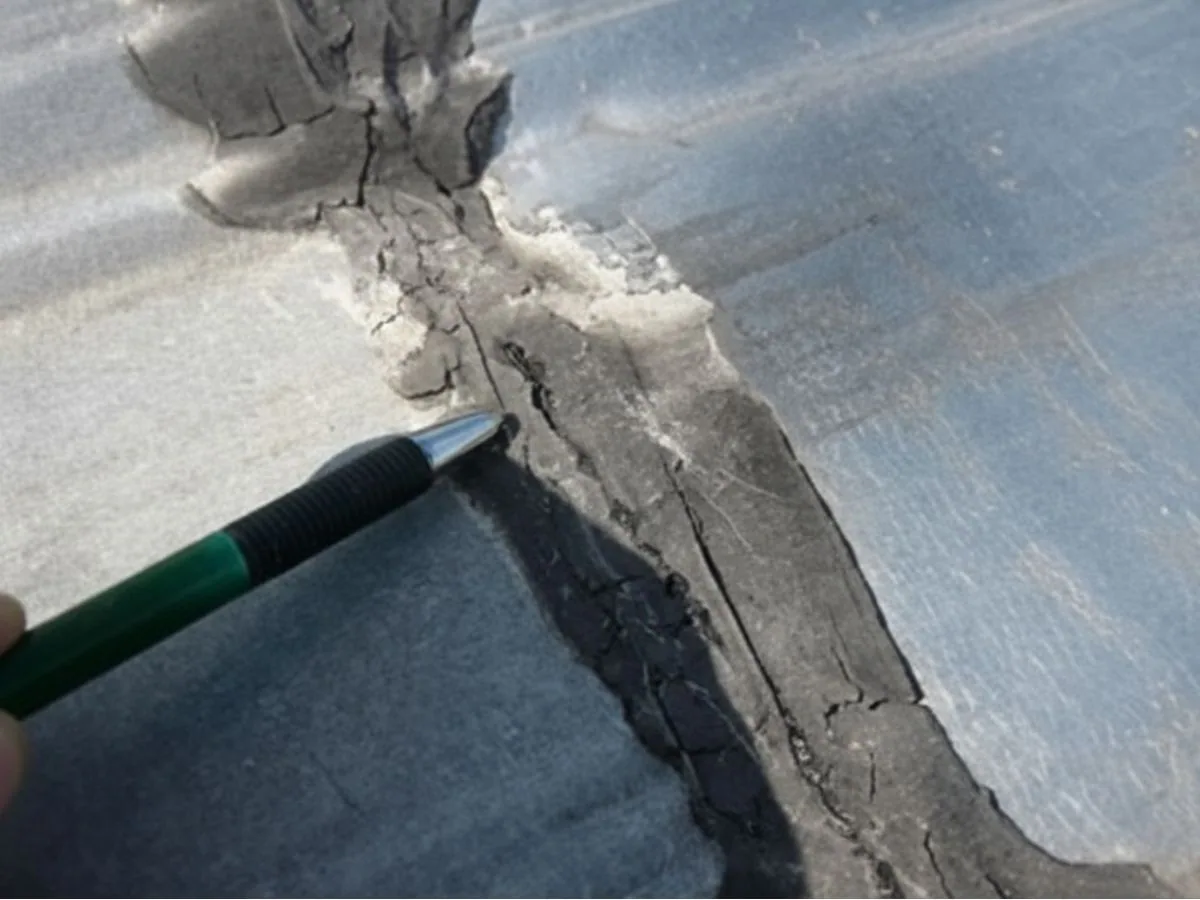
Look for a Pattern, Not One Mark
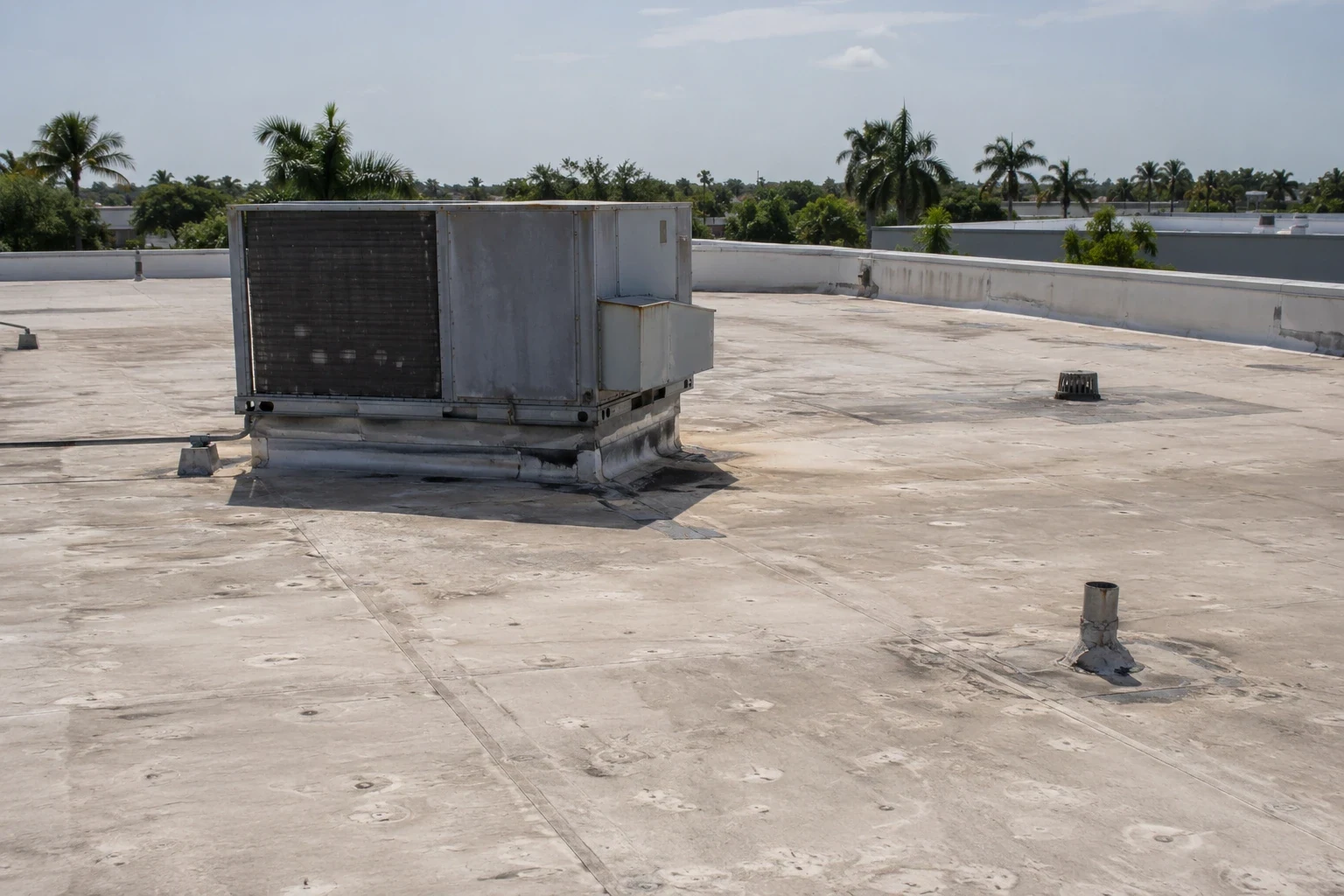
On a membrane roof, we inspect for punctures, cuts, bruising, exposed reinforcement, and damage at seams or flashings. Metal panels may show dents or damaged coatings, but the visible mark does not always indicate a leak. Rooftop equipment, coping, vents, and skylights can also take impacts. We photograph representative areas and note the distribution, so the report distinguishes a single mechanical cut from a broader pattern consistent with hail.
April 1997 hail reports recorded three-quarter-inch stones in Gainesville and one-inch stones east of Archer. Those past observations establish that hail has reached the area, but they do not establish a recent event's size or damage at a current property. A commercial roof inspection along Archer Road begins with current reports and the building's own roof system.
Airport Industrial Park is allocated 285 acres within Gainesville Regional Airport's roughly 2,000-acre planning footprint, with access from Waldo Road and NE 39th Avenue. That location helps with delivery planning, but the site visit must confirm the material and impact pattern at a building. A roof visit near Airport Industrial Park documents the actual material and the observed impact area.
Separate Hail Marks From Other Causes
Service traffic can leave cuts or scuffs that resemble impact damage. Loose debris may scratch a surface, and an older patch can show edge lifting unrelated to the storm. We compare marks with walk routes, equipment access, roof drains, and prior work records. The report identifies the evidence for each conclusion and states when the cause remains undetermined.
After a reported storm, we also check edges, drains, and flashings for wind movement or water entry. A wind damage review addresses lifted materials and attachment, while a puncture inspection focuses on a specific opening. Those conditions may appear together, but their repair scopes should remain distinct.
If water is reported inside, we map the room and inspect the roof above and around it. A test opening may show whether insulation is wet beneath an impact mark. If moisture extends beyond the visible area, we measure removal and tie-in needs. A moisture survey can help choose samples, and a photo-based inspection records the roof condition by section.
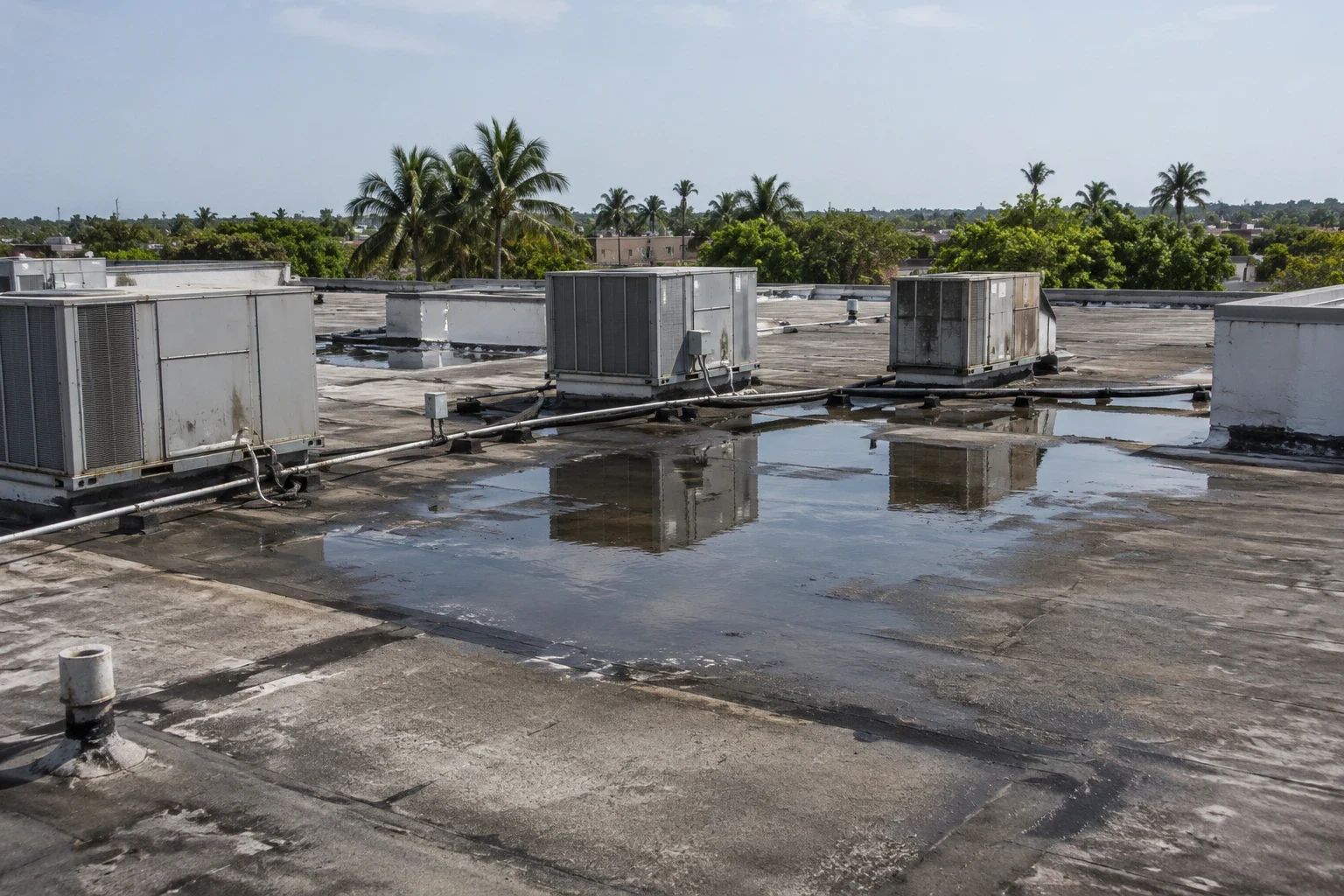
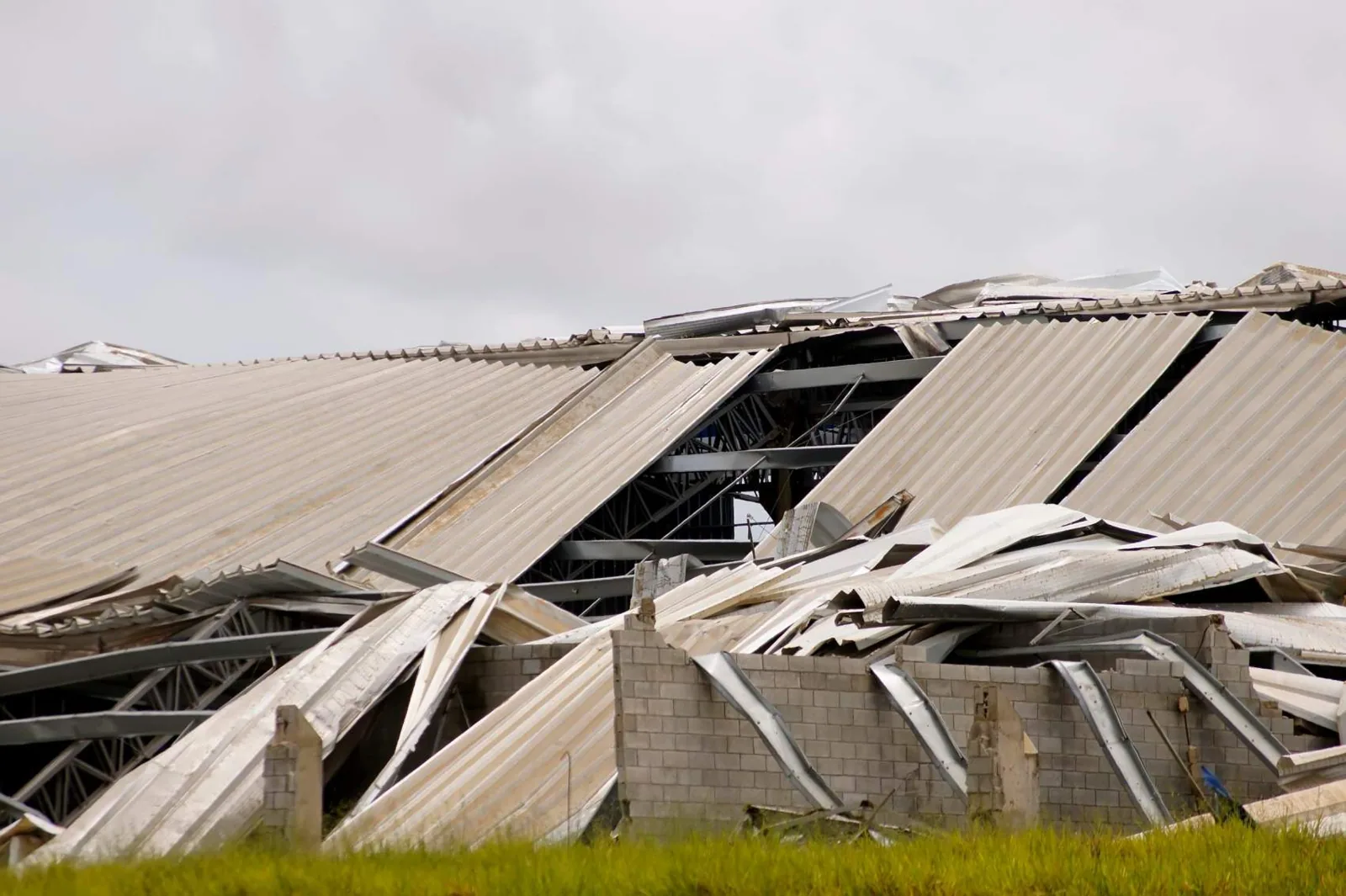
Limit Exposure Before the Next Rain
For a membrane opening that cannot wait, we can arrange temporary protection outside normal operating hours, including on weekends and holidays. We coordinate access and interior protection with the property contact, then stabilize the opening where conditions permit. The temporary measure is recorded with its date, material, and extent. The permanent repair follows after the roof surface and wet boundary can be inspected.
Rain reaching an exposed section can test temporary protection before permanent work begins, so we secure the affected area and keep drainage available. If the roof must remain temporarily covered, the record identifies how runoff is managed and who will check the protection after rain.
For buildings near Butler Plaza or the University of Florida, public routes and occupied interiors may affect staging. Those properties have distinct owners and access rules. The site contact identifies tenant notices, lift placement, and spaces below the inspected section before permanent work is scheduled.
Repair the Tested Area With Compatible Materials
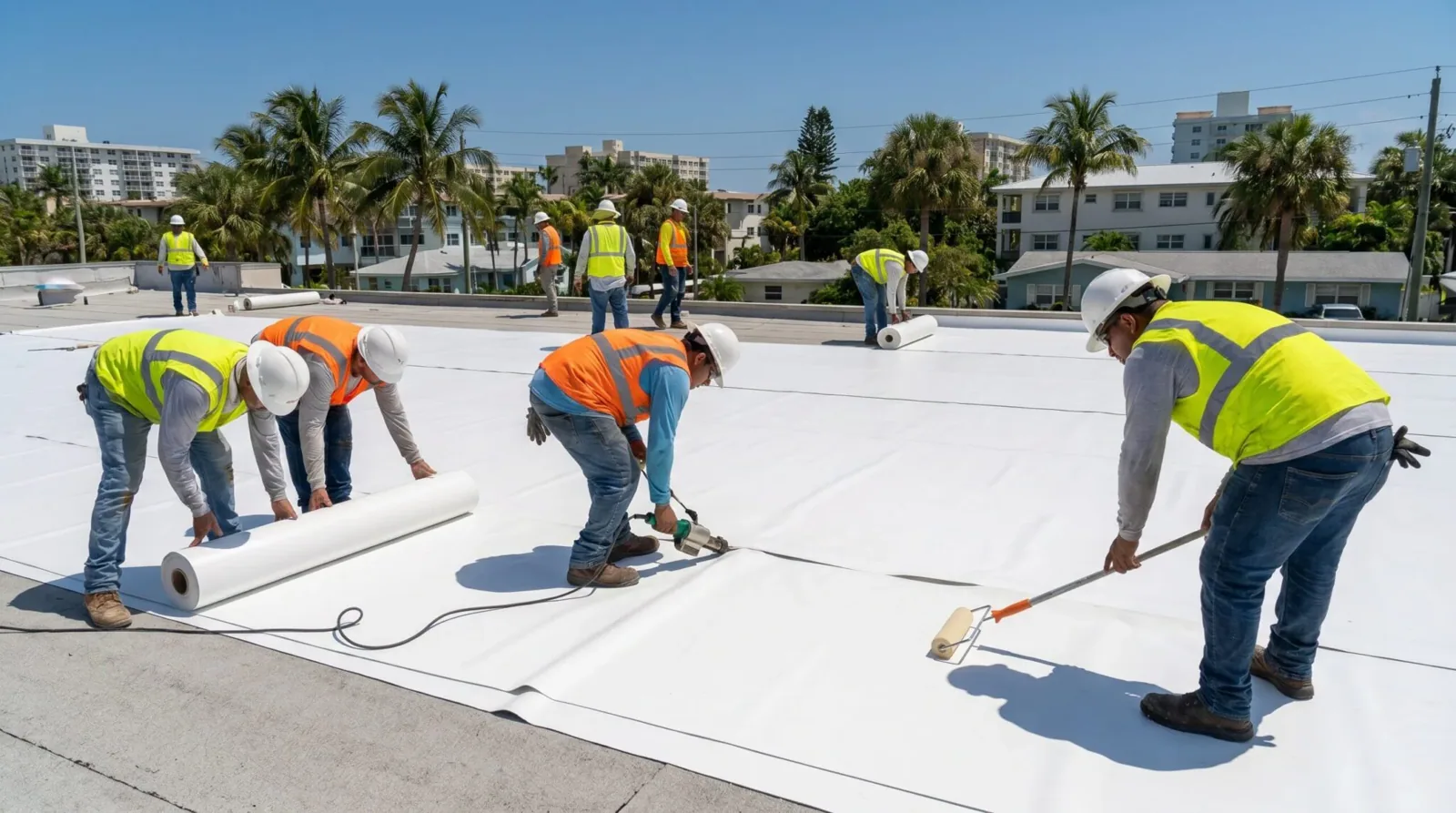
A small puncture may take a compatible patch when the surrounding membrane and insulation are sound. Metal panel repairs can involve fasteners, panel replacement, or coating restoration depending on the defect. If tests show wet insulation, the scope identifies removal, replacement, and membrane tie-ins. A repair should not cover contaminated or damaged material without documenting what remains below.
Wider damage may require replacement of a section or full roof, particularly when impact and age-related wear combine across the field. We compare localized repair, recover, restoration, and replacement using test results and quantities. A flashing detail repair covers impact to a curb or transition, and a drainage review addresses water held at low spots. An event inspection can include both while maintaining separate work items.
Gainesville requires the Florida Building Code 8th Edition (2023) for building permit applications received from December 31, 2023. The project team confirms the applicable provisions for a replacement or assembly change before the scope is finalized. Cost and timing reflect roof height, access, material, deck condition, test boundaries, and the weather window. The owner should also know whether equipment must be moved, whether interior protection is needed, and which repair can be completed before the next scheduled roof access. We list those dependencies so a decision about a patch or larger section is connected to the facility's actual constraints.
Impact review should compare like surfaces and record representative conditions across the roof. We note whether marks appear on the membrane field, exposed metal, equipment housings, skylights or edge components, then photograph them with a roof-section reference. A mark on one accessory does not establish damage to the surrounding field, and an undamaged sample area does not settle a separate reported leak. If the roof system uses a coating or granulated cap sheet, we distinguish surface scuffing from a split, exposed reinforcement or open seam. Test openings are selected where the visible condition and interior report support further investigation. The owner receives a list of confirmed repairs, observations needing monitoring and areas that could not be reached. This record supports a practical sequence: secure active openings first, complete compatible repairs next, and retain unaffected areas as a documented baseline.
Keep Event Findings With the Property
The final record lists the event date reported, building, roof section, material, photos, observed impact, test openings, repair quantities, and any open question. It notes whether damage was confirmed or remains unclassified. If the inspection found no roof opening in a section, the report identifies the area reached and the limits of that finding. This makes it easier to compare future inspections without assuming every mark was storm-related. If a new event occurs later, the dated photographs help distinguish newly exposed areas from details already documented. The owner can also use the map to direct maintenance staff to the same locations during a later roof walk. If an insurer requests evidence, we can keep dated photos, test results, measured quantities and the repair boundary together so the claim review follows the conditions confirmed on the roof.
For a Gainesville hail inspection, share the address, reported storm date, roof plan, maintenance history, interior leak locations, site contact, and access window. We will document the roof condition, inspect suspected impact areas, and provide a measured repair scope with unresolved items identified.
Frequently Asked Questions
Does a hail dent in metal mean the panel is leaking?
Not necessarily. We inspect coating, seams, fasteners, laps, and nearby transitions to see whether the dent affected water shedding or attachment.
Can hail damage be confirmed from the ground?
Ground observations can guide the inspection, but they do not show membrane or flashing condition. Roof access and close photos are needed to document the affected areas.
How do you determine whether hail or foot traffic caused a puncture?
We compare its location and shape with service routes, equipment work, debris patterns, and other impact marks. The report states what the available evidence supports.
Will a hail inspection include drains and roof edges?
Yes. We check them because a storm can leave debris or move a separate detail. Findings are recorded apart from hail impacts so each repair has a clear basis.
Related Roofing Work
Request a Gainesville Hail Damage Roof Review
Provide the property address, storm date, roof records, photos, interior leak areas, site contact, and preferred access window. We will inspect the roof and prepare measured repairs tied to confirmed findings.