
Commercial Roofing for General Contractors in Gainesville, FL
Coordinate Gainesville commercial roofing scopes with general contractors through clear interfaces, access plans, weather tie-ins and documented closeout.
Industries We Serve: Commercial Roofing for General Contractors
A roof scope can hold up the rest of a project when drains, curbs, wall transitions, or deck condition are not settled before mobilization. We coordinate with the general contractor on roof boundaries, penetrations, access, sequencing, and the condition that must be ready for our work. In Gainesville, FL, summer storms and heavy rain make secure tie-ins and drainage paths important schedule items. The project documents and field verification establish the scope, while the superintendent manages overall site coordination.
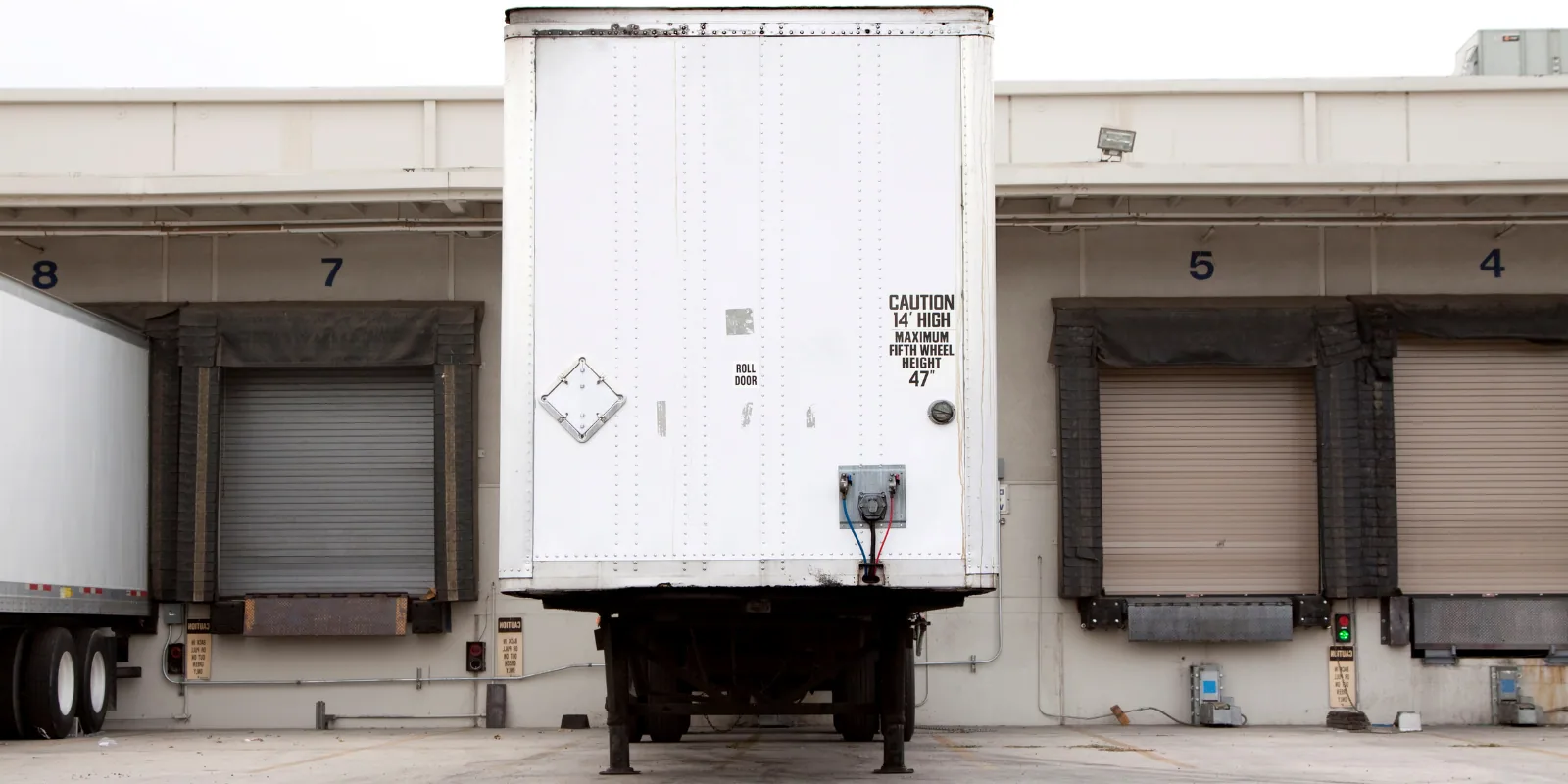
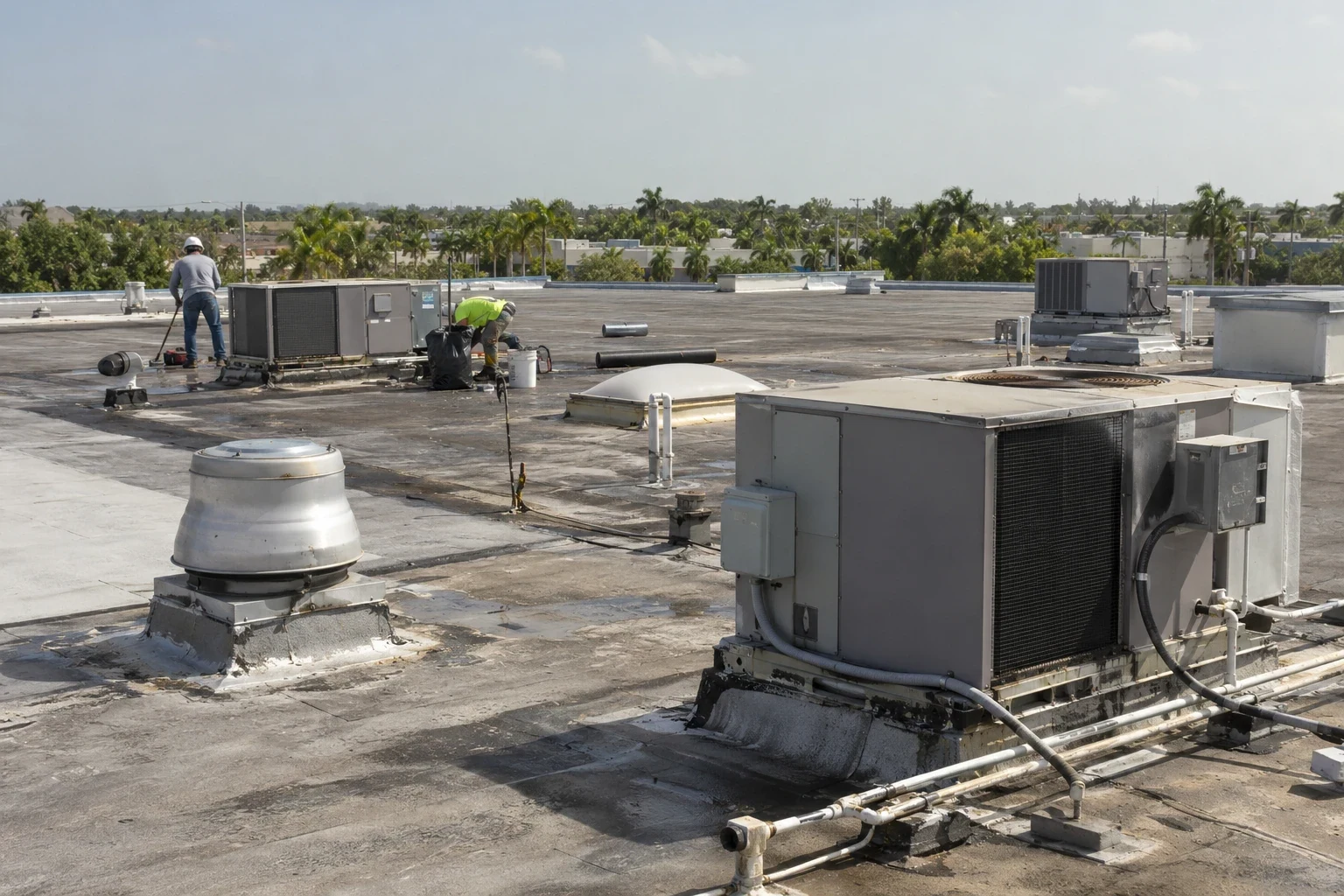
Resolve Roof Interfaces Before Work Starts
At preconstruction, we review the roof plans, specifications, details, substrate status, penetrations, equipment curbs, and any work assigned to other trades. A curb installed after the roofing scope can create a sequencing conflict; an incomplete deck can change attachment or tear-off assumptions. We list what must be ready before roofing starts and identify who provides temporary protection, crane access, and rooftop equipment coordination. The meeting record should show each interface by roof section and responsible party.
In Gainesville, Archer Road connects the UF Health and VA medical district with I-75, while Butler Plaza's retail and service uses add customer and delivery activity along the corridor. Those local settings can bring traffic, staging, and access considerations to nearby work. A medical-district project visit begins with the owner's access and site logistics plan, and a retail site near Butler Plaza needs its own delivery and tenant coordination plan.
A property manager coordination scope can clarify occupied-building contacts, while a public-project roof package may require formal submittals and procurement gates. The GC's schedule and contract documents determine the project's specific responsibilities and approval path. If a drawing detail conflicts with field dimensions, we flag the location and provide photos before fabrication or installation depends on that measurement. The design team can answer the request against a precise roof section, and the superintendent can update the lookahead without treating an unresolved condition as an approved change.
Confirm the Existing Assembly and Substrate
We identify the roof system and inspect the field membrane, fasteners, edge metal, drains, penetrations, and transitions before confirming a repair or replacement detail. On a reroof, test openings may be needed to check insulation, deck, and attachment. If the bid documents show an assumed assembly that differs from field conditions, we document the variance and submit a clear question before expanding the work. This protects the schedule from carrying an unverified quantity into installation.
Gainesville's 2025 rainfall total was 46.80 inches, including 3.06 inches in its wettest 24-hour period. We confirm slope, overflow provisions, and drainage details before membrane work closes the assembly. A drainage scope review can resolve outlet locations, while a condition survey records existing defects and the roof areas ready for work.
Gainesville permit applications received from December 31, 2023 are subject to Florida's 2023 Building Code 8th Edition. The design team establishes code requirements, and the GC coordinates approved documents. We use the current details and approved submittals for installation rather than treating a past roof condition as permission to vary the assembly.
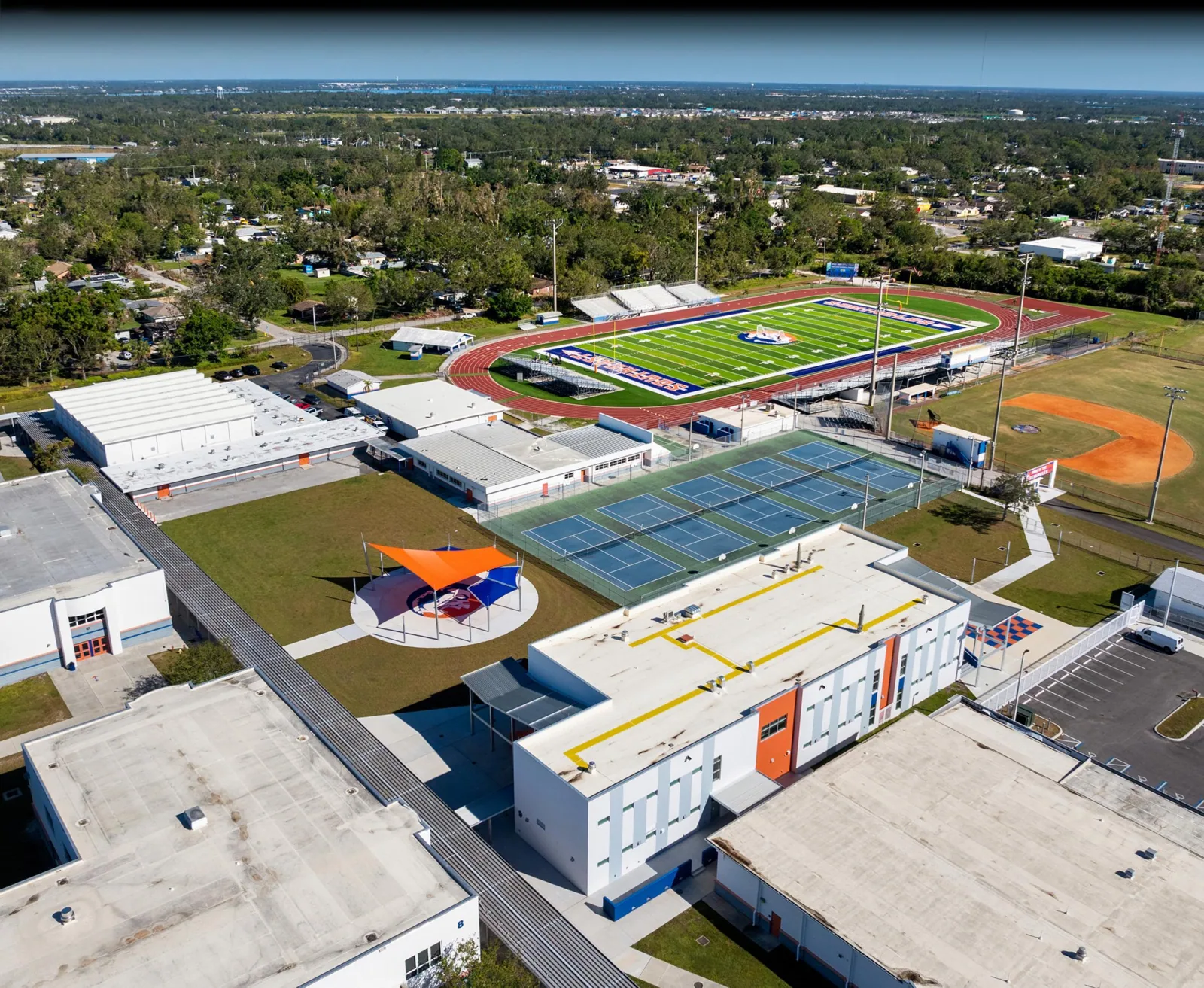
Hold the Work to a Secure Daily Tie-In
Roofing sequence depends on weather, substrate readiness, material delivery, and how much area can be made watertight during the shift. We agree on work limits, temporary tie-in details, drain status, and end-of-day inspection with the superintendent. When other trades need access to a roof section, we coordinate the opening and return condition before they cross finished membrane. Photos at handoff show the area and any protection that remains.
Frequent Gainesville thunderstorms make a secure stopping point essential whenever a roof section is open. We schedule enough time to protect the assembly before weather reaches the site. If the forecast changes, we tell the superintendent which area is protected, what work pauses, and what material remains staged. The general contractor can then adjust related trades and delivery routes using a specific status.
For urgent water intrusion, emergency response is available at all hours, including weekends and holidays. We coordinate through the project's site contact and document temporary dry-in separately from permanent construction. That distinction helps the GC report what is contained and which roof detail remains on the corrective-work list.
Keep Scope Changes Measurable
Concealed conditions can change quantities after removal. We record wet insulation, deck condition, attachment, and the boundary of material opened, then notify the GC before additional work proceeds under the project's change process. A measured photo log is more useful than a broad allowance because it shows which detail, quantity, and roof section changed.
When an existing roof can be recovered or restored, we identify preparation, repairs, and tie-ins first. Replacement includes removal, insulation, perimeter, drainage, and penetrations. A restoration alternate should state the compatible surface and required preparation; a replacement bid scope should define the assembly, tear-off, and interfaces. Lead time, access, equipment, weather, and inspection hold points shape the schedule and cost.
For occupied work, phased roof sequencing can define areas that stay open and daily tie-in requirements. For a larger site with several building types, a healthcare coordination plan can account for patient and equipment restrictions. The superintendent's lookahead should state when each roof area is available and what predecessor work needs signoff. If the schedule shifts, we update the tie-in boundary and confirm that the next trade will not disturb completed membrane or block a drain. That short field coordination can prevent a downstream task from closing over an unresolved roof detail.
Close Out Details for the GC and Owner
Closeout includes approved submittals, marked roof plan, field photos, materials installed, test openings, drain and edge details, and unresolved items. We identify each building and roof section, list deviations approved during work, and note any temporary protection removed. The owner and GC can then reconcile the final work against the scope, inspection points, and warranty documents applicable to the project.
For a Gainesville project, provide the address, contract documents, roof plans, substrate status, active water issues, schedule milestones, access and staging rules, superintendent, and project-specific submittals. We will confirm the roofing interfaces, document field conditions, and coordinate a measured scope with the GC's sequence.
At preconstruction, the roof scope needs to line up with structural, mechanical, electrical, and interior sequences. We review roof plans, curb schedules, drain elevations, temporary protection, and the point when other trades will use or penetrate the finished membrane. Projects in Progress Corporate Park and Innovation Square can involve different tenant and construction conditions, so the meeting record should name the building, roof section, submittal decision, and responsible contact. We flag field conflicts before installation and return marked closeout information that the general contractor can carry into turnover.
Frequently Asked Questions
When should the roofer join preconstruction?
Before roof openings, curbs, and substrate work are finalized. Early review lets the team resolve details, submittals, access, and predecessor conditions that can otherwise shift the roofing sequence.
How do you handle wet deck or insulation found after tear-off?
We photograph and measure the exposed condition, identify the affected roof section, and notify the superintendent for direction under the project's change process. The added scope stays separate from the base quantity.
Can roofing proceed when other trades need roof access?
Yes, with an agreed route, protection rules, and handoff. The superintendent and roofing lead identify what can cross completed membrane and how penetrations or equipment work will be coordinated.
What does the GC need at daily roof handoff?
The update should name the active section, completed work, tie-in condition, drain status, weather exposure, and next planned area. Photos help the next trade confirm the roof is ready for access.
Related Roofing Work
Coordinate a Gainesville Roofing Scope
Send the project address, roof and contract documents, schedule milestones, substrate status, access rules, superintendent contact, and submittal requirements. We will review interfaces, verify conditions, and prepare a measured scope that fits the project sequence.