
Commercial Roofing for Public Agencies in Gainesville, FL
Plan Gainesville public building roof inspections and repairs with clear procurement scopes, service continuity, site access and asset-level documentation.
Industries We Serve: Commercial Roofing for Public Agencies
Public buildings have to keep serving residents while a roof is inspected or repaired. A leak above a records room, community counter, fire bay, or transit-related facility brings different access and continuity questions. We identify the building, roof section, department, and authorized site contact before scheduling the visit. In Gainesville, FL, heavy rain, thunderstorms, and heat make drainage and edge details useful checks. The agency's operating and procurement procedures guide the work sequence; field evidence sets the repair scope.
Write the Scope Around the Facility
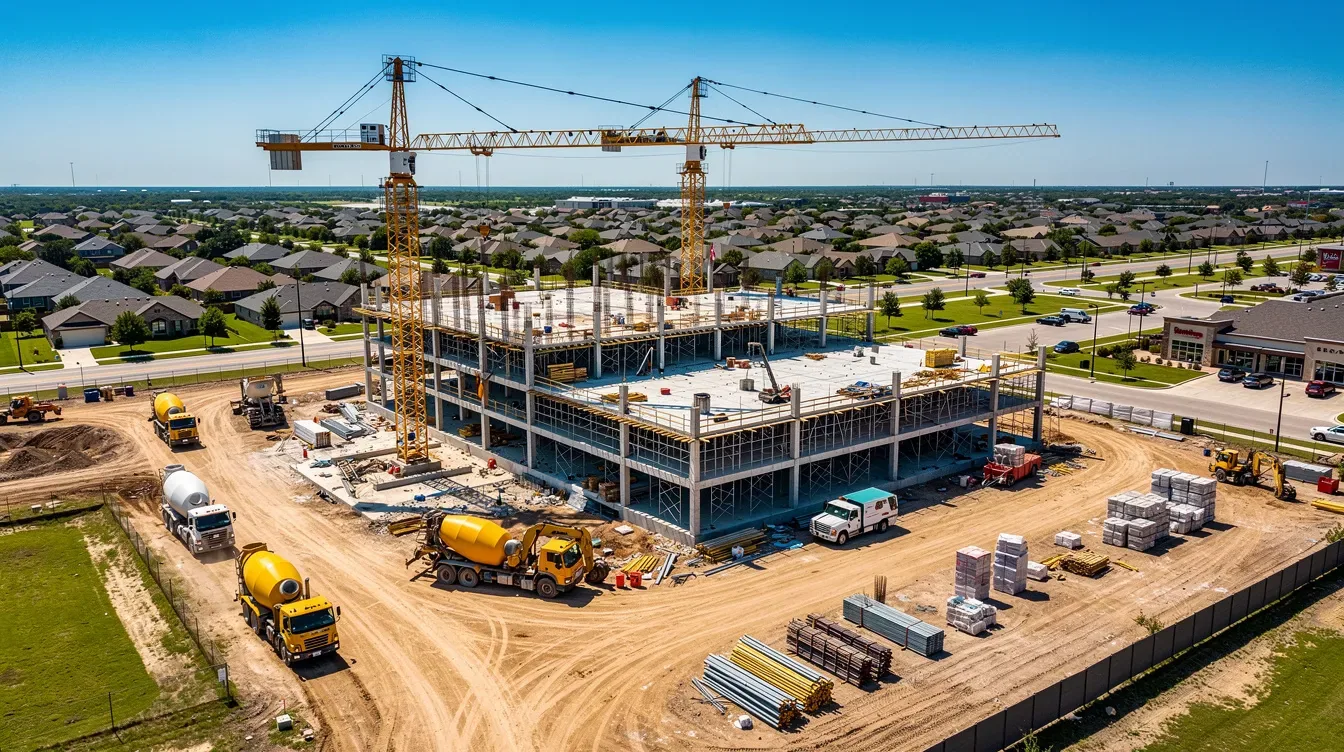
Before pricing, we confirm which building is included, what roof records exist, where active water has appeared, and what documents procurement needs. The scope identifies roof assembly, measured areas, test openings, protection below, access restrictions, and unresolved conditions. If an alternate depends on concealed deck damage, we state what would trigger it. This gives reviewers a common boundary to evaluate rather than broad language that can produce different bids.
Gainesville's public reinvestment districts include Eastside, Fifth Avenue/Pleasant Street, Downtown, and College Park/University Heights. At NE 8th Avenue and Waldo Road, the city has a Fire Station 3 project near Citizens Field; the Cornerstone area on SE Hawthorne Road includes the UF Health Urgent Care Center Eastside and planned transit infrastructure. These sites represent different public and community-service functions. A Waldo Road corridor roof review or Cornerstone area assessment must use the building's current records and agency contact.
A school district roofing program can align work with the academic calendar, while a property manager scope can focus on tenant coordination. Public agencies may need formal submittals, insurance documentation, bid alternates, or an authorization path; the agency's solicitation and project documents establish those requirements.
Document Conditions for Review
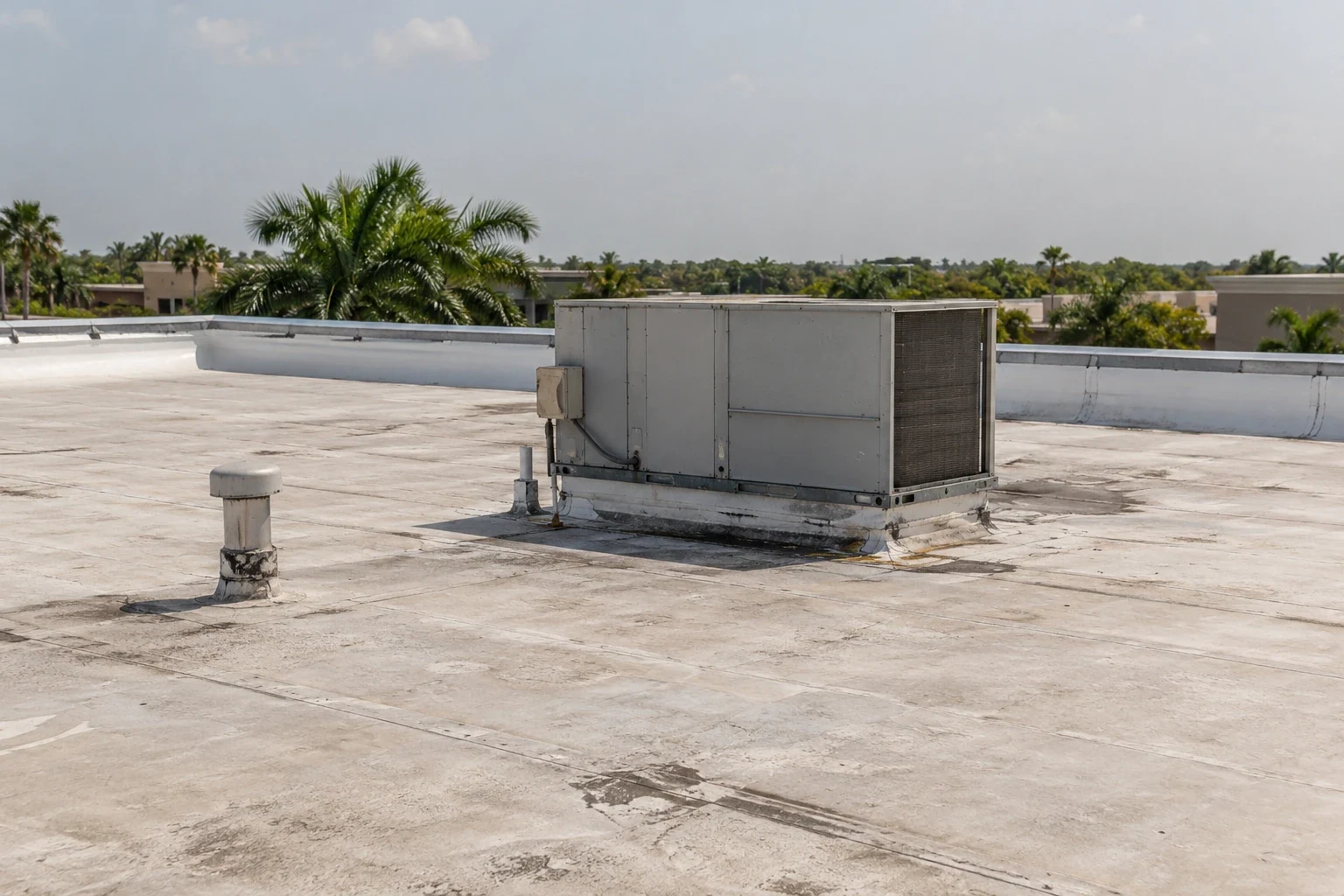
We identify the existing membrane, metal, built-up, or modified-bitumen roof and inspect seams, flashings, drains, scuppers, curbs, and perimeter attachment. The inspection maps reported interior water to roof observations and photographs each confirmed condition. If a stain sits far from a roof defect, we trace possible pathways and mark what needs a test opening. The record identifies access limits so an uninspected area is not treated as clear.
Gainesville recorded 46.80 inches of precipitation in 2025 and 133 days at or above 90°F. That heat and rainfall make drain paths and exposed surface details practical inspection priorities at public facilities. A condition survey with marked photos gives facilities staff a basis for prioritizing active leaks and planned maintenance. Where moisture is hidden, a test opening documents the insulation and deck at that spot.
The NWS survey located a December 2019 tornado near Paynes Prairie within Alachua County; Idalia brought tropical-cyclone winds to the county in August 2023. After severe weather, we inspect edges, equipment supports, flashing, and water paths and record the current evidence. A storm follow-up inspection can distinguish visible event-related damage from older conditions when the documentation allows it.
Maintain Service and Public Access
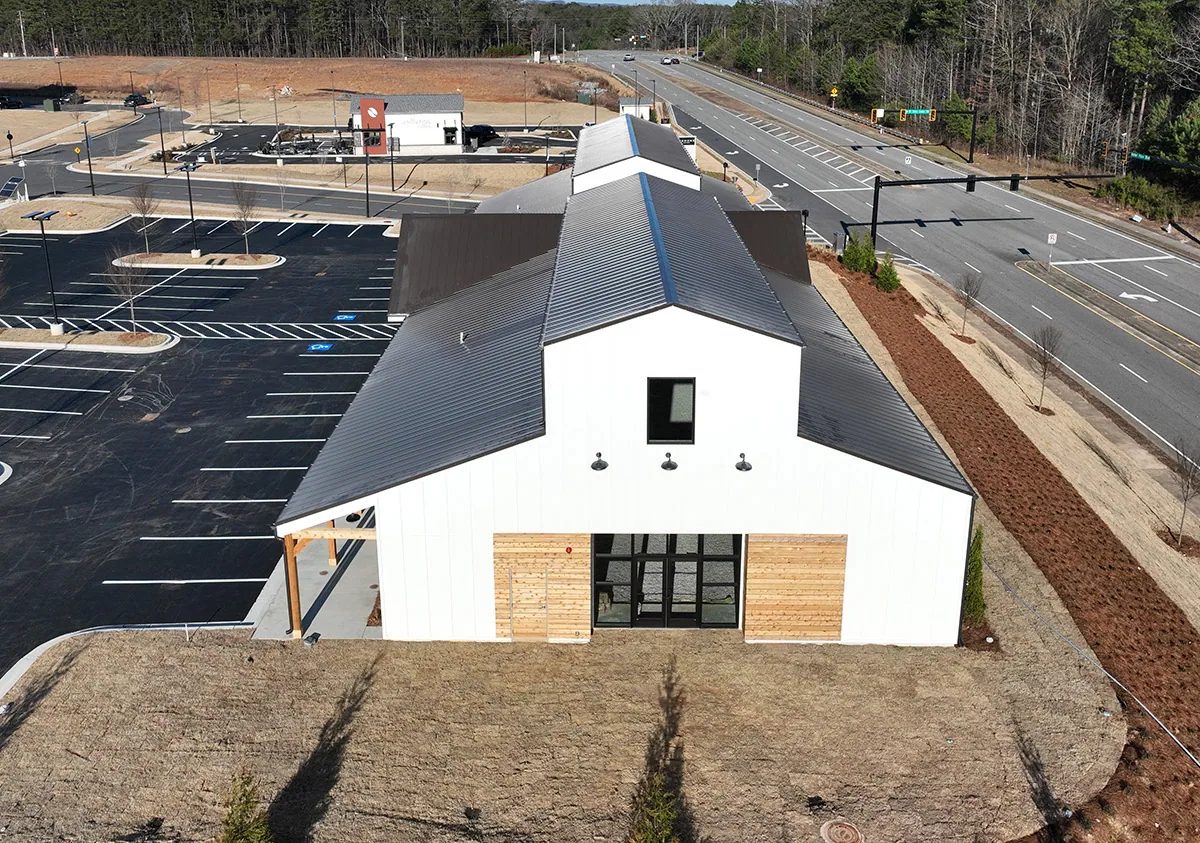
The agency contact identifies counter hours, emergency routes, deliveries, vehicle areas, meeting schedules, security requirements, and rooms that cannot be closed. We plan roof access, staging, and material movement around those restrictions. If work is divided by section, notices state the affected entrance or department, the expected window, and any route change. At a station or operations facility, the agency identifies functions that must remain available before a lift or material drop is planned.
For an active leak, emergency response is available after hours, on weekends, and holidays. We coordinate access with the authorized contact, protect the interior as directed, stabilize the opening where safe, and document temporary work separately from permanent repairs. This gives the agency a record of immediate action and the remaining work needed to return the roof to service.
Local storm patterns make it prudent to leave each opened roof section secured before a forecast system reaches the site. A weather alert sets the schedule, while inspection records establish the condition at the facility. Forecast changes can affect roofing material exposure and public schedules. We secure each section at the end of the work window and tell the site contact what is complete, what is covered temporarily, and what remains open.
Compare Repair, Restoration, and Replacement
A local seam or drain repair can be sufficient when nearby materials remain serviceable. Repeated leaks, widespread wet insulation, failed attachment, or deck deterioration may support broader work. We record the boundary and evidence, including what a test opening showed. An agency reviewer can compare immediate repair with restoration or replacement using the same roof sections and clearly stated assumptions.
A coating or recover may work when the assembly, surface, drainage, and project requirements allow it. Replacement can require tear-off, insulation, perimeter metal, penetrations, and staged interior protection. A measured repair scope lists the detail and quantity; a restoration plan or replacement specification describes the larger option. Cost and schedule drivers include material choice, roof access, concealed conditions, procurement lead time, and operating hours.
Gainesville applies Florida Building Code 8th Edition (2023) to permit applications received from December 31, 2023. The agency's design team can confirm the permitting path and any additional public-project requirements. Before a bid is released, the scope can also identify submittal dates, inspection hold points, temporary protection, and the format for documenting field changes. Clear boundaries help facilities and procurement staff review the same assumptions and resolve questions before crews open the roof. We align the scope with the approved bid documents and document field changes for review through the agency's process.
Keep the Record Ready for the Next Review
The closeout package identifies the facility, roof section, work completed, materials, photos, test openings, and outstanding items. It states whether the area is fully repaired or needs later testing, and includes any access limitation that shaped the inspection. Separate building records help the agency update maintenance files, future bid scopes, and capital plans without combining conditions across departments.
For a Gainesville public facility review, send the address, department, roof plans, active leak reports, operating hours, procurement documents, access contact, and work window. We will inspect the approved area and return a measured scope that records confirmed conditions, options, and decision points.
Public buildings often have fixed service hours, scheduled public meetings, secure records, or essential functions that continue while roof work is underway. We ask the facility lead to identify entrances, public routes, protected rooms, and after-hours rules before setting the inspection or repair sequence. Gainesville's Eastside and Downtown reinvestment districts include different public and commercial settings, so the access plan needs to match each building. The written scope separates temporary controls, permanent work, and remaining tests so procurement and facilities staff can track the same field record.
Frequently Asked Questions
Can a public building stay open during roof work?
Often, if entrances, public counters, and staff routes are included in the sequence. The agency contact identifies service hours and areas that cannot be interrupted before we plan staging.
What makes a roofing scope easier to bid?
Define the building, roof sections, materials, measured quantities, access, protection, submittals, alternates, and closeout records. Any concealed condition should have a stated inspection or authorization method.
Can work be coordinated with a fire station or fleet facility?
Yes, when the agency identifies apparatus routes, vehicle movement, and the contact who can approve temporary limits. The roof plan should keep those operational requirements visible each workday.
How do you report damage when access is restricted?
The inspection record names the areas reached and any excluded section. We identify what additional authorization or access is needed rather than extending a finding to an unseen area.
Related Roofing Work
Request a Gainesville Public Facility Roof Assessment
Provide the address, department, roof records, active leaks, service hours, procurement documents, access requirements, and authorized contact. We will document the roof condition and prepare a measured scope for agency review.