
Holcim Elevate Commercial Roofing Systems in Gainesville, FL
Inspect Holcim Elevate commercial roof systems in Gainesville and plan compatible repairs, drainage checks and installation windows by building section.
Roofing Manufacturers: Holcim Elevate Commercial Roofing Systems
A facility record may call a roof Firestone or Holcim Elevate, so we first establish which product and assembly are on the building. We compare available submittals with the roof surface, seams, attachment and repair history before planning work. Holcim Elevate's commercial range includes UltraPly TPO and RubberGard EPDM, with related insulation and cover products. Gainesville, FL, has prolonged heat and heavy rain, conditions that make roof drainage and exposed details worth tracking. A clinic on Archer Road and an industrial facility near the airport require separate access plans and field findings.
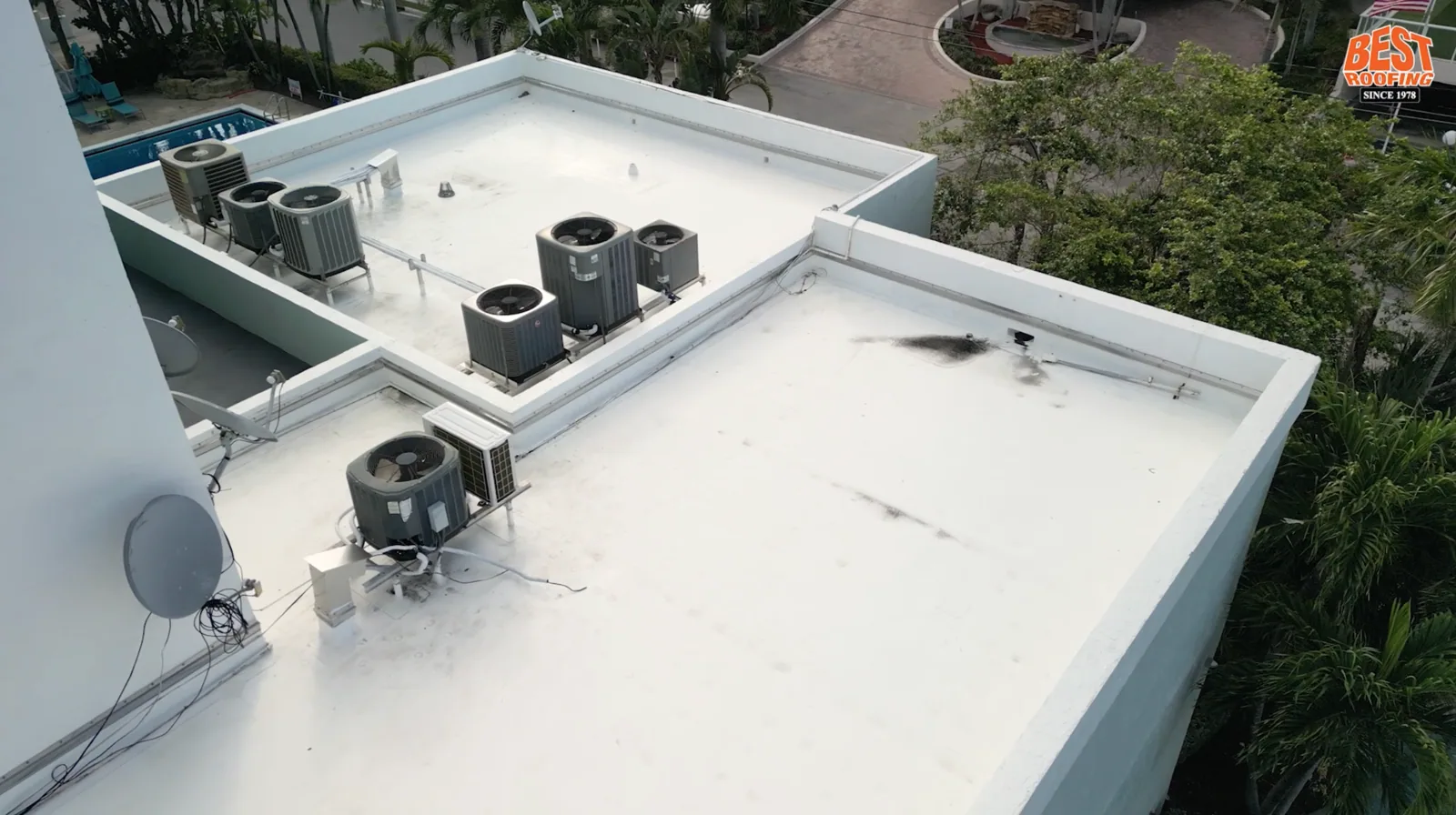
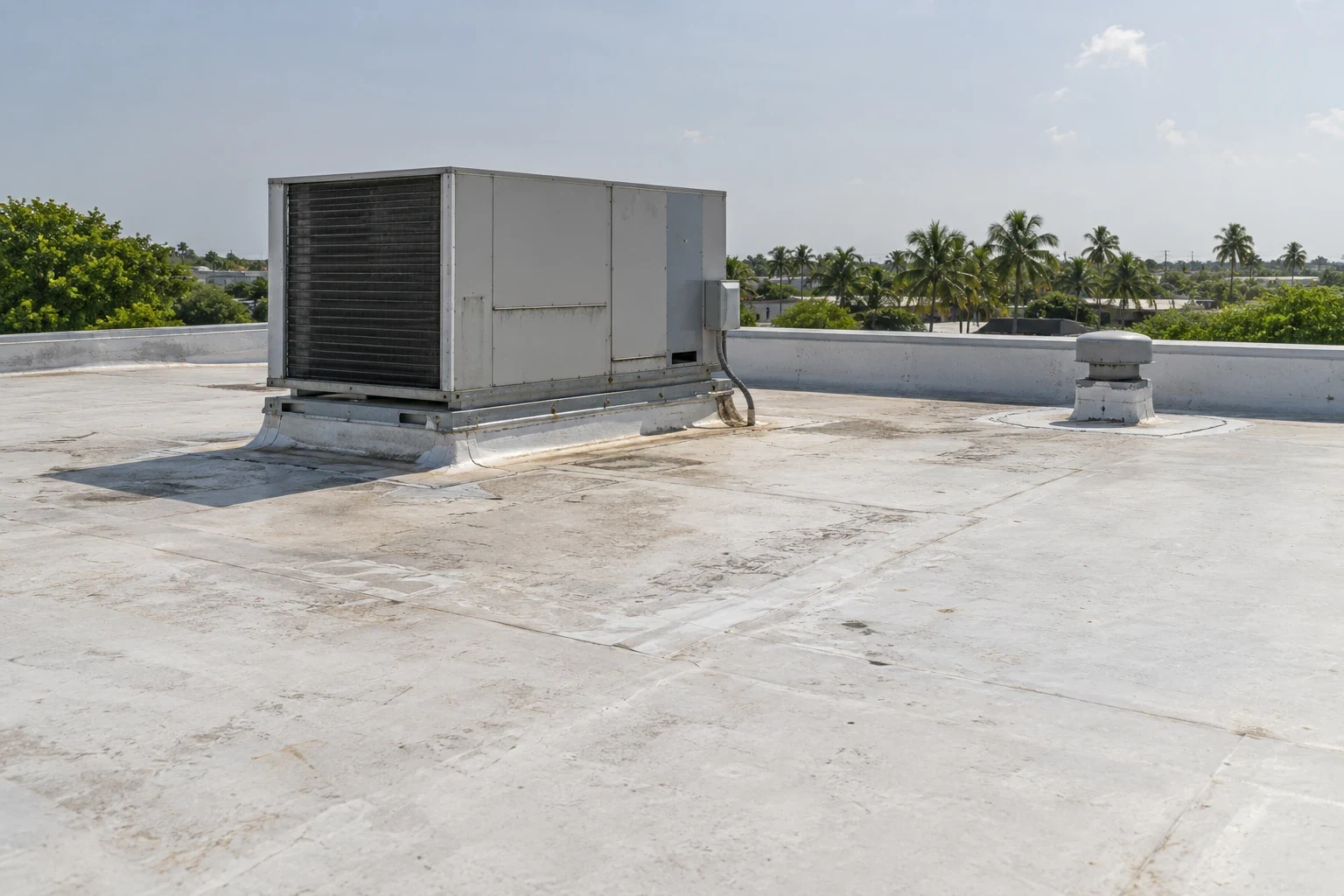
Identify: Match Product Records to the Roof
We review roof plans, invoices, closeout documents and owner-held warranty information, then verify the visible membrane and details. Holcim Elevate UltraPly TPO is a reinforced thermoplastic membrane with heat-welded seams; the product line includes fleece-backed and self-adhered options. RubberGard EPDM is a separate membrane family with its own seam and flashing methods. We identify the actual product before selecting repair materials. If an older record uses a prior brand name, we preserve that description while noting what the inspection confirms today.
For a Gainesville property, roof records can be compared with building-specific evidence from a commercial roof inspection. The UF Health medical district and Gainesville Regional Airport area illustrate the variety of occupied and controlled-access settings in the market. At each property, we match product documents to the membrane, attachment and details visible in the field. We confirm the property address and roof section before tying a product document to the field assembly.
Inspect: Review Seams, Flashings and Drainage
On a TPO roof, we examine welds at field laps, corners, curbs and perimeter details. We check for open edges, contamination, patches, punctures and movement around rooftop equipment. On EPDM, we inspect splice tape, flashing, terminations and the condition of previous repairs. Both systems need clear drains and a sound substrate. If a leak report suggests wet material below the membrane, we identify a test location rather than treating the ceiling stain as the full repair boundary. A TPO roof review or EPDM assessment can focus the work on the verified assembly.
We also inspect roof-to-wall transitions, equipment curbs, skylight edges and repairs around pipes or conduit. A prior patch can hide the original defect while leaving a nearby seam or flashing loose. We photograph the wider area and the close detail, then state whether the repair boundary can be measured from the surface. If moisture mapping suggests a larger concealed area, the report identifies test locations instead of assuming the entire roof section requires removal.
Gainesville's 2025 precipitation total was 46.80 inches, and a 24-hour interval brought 3.06 inches. We check outlet, overflow and low-point conditions at the property after heavy rain and document what the roof shows. We document where water was observed, whether outlets were clear, and which roof areas were accessible. If persistent standing water is present, a ponding-water assessment can review slope, drain capacity and the surrounding membrane.
If the roof is identified as UltraPly TPO, we check the heat-welded seams, flashing transitions and attachment shown in the project record. A fleece-backed or self-adhered option has different installation details, and should not be inferred from a surface appearance alone. RubberGard EPDM is a separate system family with its own seam and flashing approach. We identify which assembly is actually present, note insulation and accessory conditions, and compare the field with available submittals before specifying a repair. Gainesville's heavy-rain events make drain paths worth documenting, but rainfall does not establish whether a particular seam or outlet has failed.
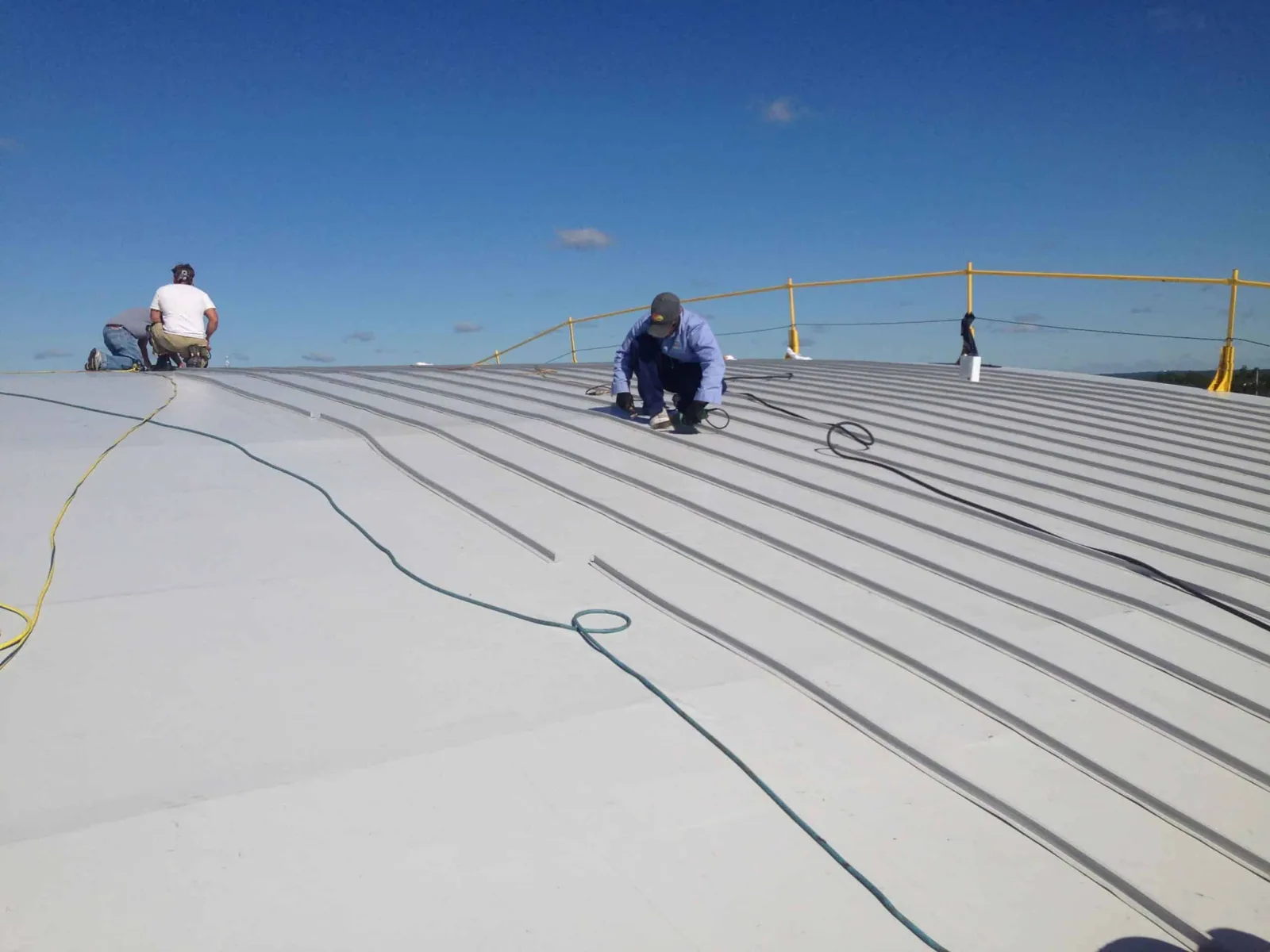
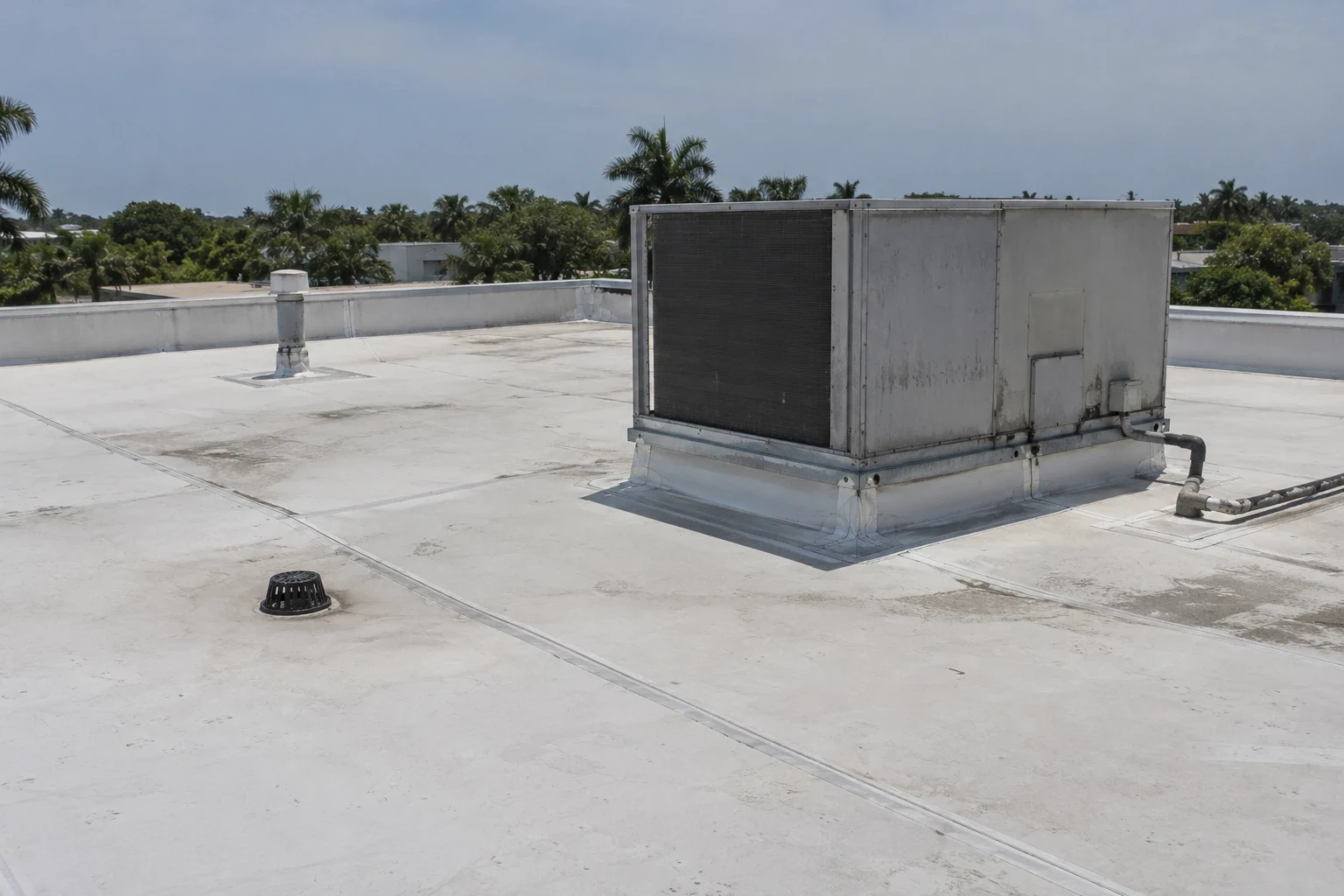
Compare: Repair, Recover or Replace from Field Evidence
A local repair may be appropriate when the membrane and insulation around a defect are secure and dry. If test openings find wet insulation or a deteriorated deck, the measured area and tie-in can change. We document the removal limits and note whether a temporary seal was needed before permanent work. A recover may be considered when the existing roof is attached, dry and compatible with the new assembly, and when drainage and project requirements permit it. Replacement becomes a separate option when the field condition cannot support a reliable repair or overlay.
Holcim Elevate's TPO and EPDM lines provide different material and detailing choices; they are not interchangeable repair products. The roof design team should confirm the assembly, wind and fire criteria, insulation values and attachment before a specification is set. We can compare the verified system with a Johns Manville roof assembly or a GAF commercial system if the owner is evaluating alternatives. A recover review records whether the existing layers and substrate support that path.
Coordinate: Plan Work for the Building Below
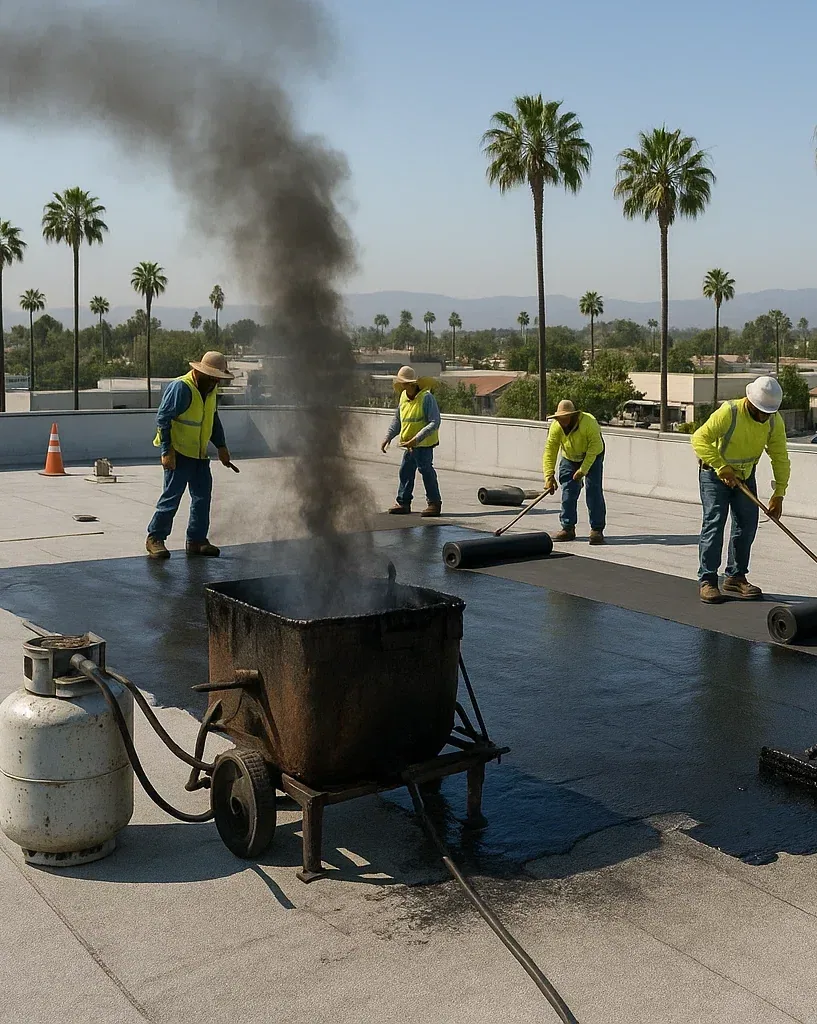
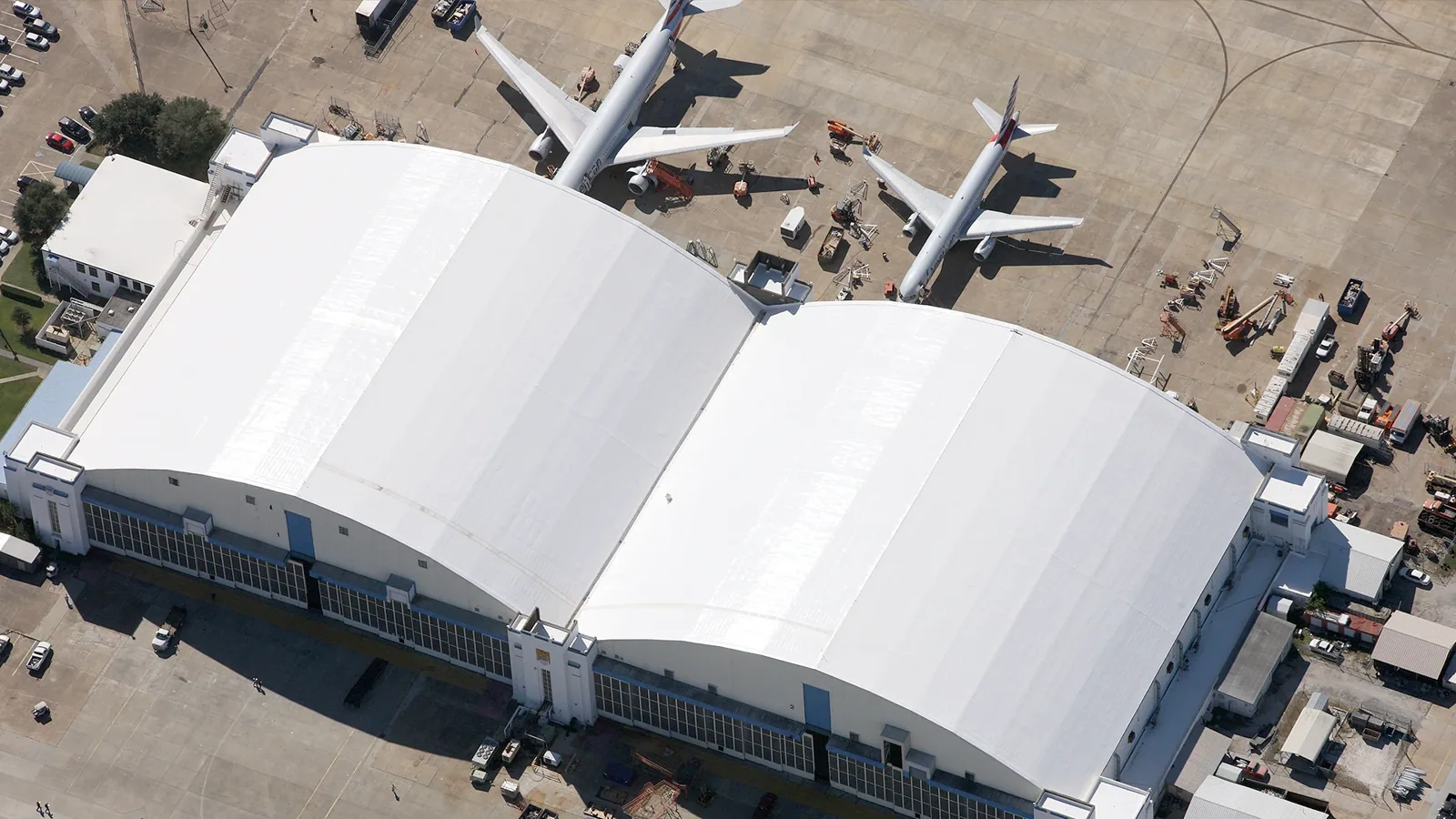
Before crews mobilize, the site contact sets roof access, staging, tenant notice, equipment needs and interior protection. On an occupied medical property, work may need a narrow access window and coordination with rooms below the active section. At an airport-area facility, gates and vehicle routes may control when materials reach the roof. We divide work into sections, keep drains open where practical and leave a watertight stopping point at the end of each shift. Rain, lightning or extreme surface heat can change the application sequence.
Before a crew moves material, we confirm whether the route crosses a patient entrance, tenant walkway or operating yard. The facility contact can identify temporary barriers and the person authorized to stop work if interior conditions change. We note which areas remain accessible and who will receive the daily closeout. These details help keep roof work moving without leaving an open section or an uncertain handoff.
Our maintenance service can record developing seam and drainage issues on a planned cycle. If active water entry needs immediate attention, emergency response is available around the clock, including weekends and holidays. We note any temporary dry-in separately and return to inspect the assembly before permanent repair quantities are set. This gives the facility manager a clear handoff between stabilization and the completed system work.
Close Out: Preserve the System Details
We close with the product identified, roof section worked, materials installed, seam or flashing detail, photographs and remaining questions. If the owner has warranty documents, we file the service record with the relevant assembly and state whether any instruction needs a separate manufacturer review. A condition report can retain the baseline and later repair history by section.
For a Gainesville Holcim Elevate roof review, provide the property address, building use, roof plans, available product records, leak locations, access contact and preferred window. We will check the existing assembly, document observed conditions and prepare a repair or replacement scope for the verified roof. If product identity remains unclear, we will note the additional records or testing needed before final selection.
Frequently Asked Questions
Are Holcim Elevate and Firestone roof records the same?
Some owner files may use an earlier brand name. We keep the wording in the records and compare it with current product information and the materials visible on the building before identifying the system.
Can UltraPly TPO be repaired with EPDM materials?
No. The membrane type, seam construction and repair detail determine compatible materials. We confirm whether the roof is TPO or EPDM and plan the tie-in accordingly.
How do you check whether a Holcim Elevate roof can be recovered?
We review attachment, moisture, existing layers, drainage and the proposed assembly. Test openings may be needed to check concealed insulation or deck before an overlay is scoped.
What should we send before a Holcim Elevate roof inspection?
Provide the address, building use, roof plans, product documents, leak areas, prior repairs, site contact and access window. We use those details to plan the visit and match records to the correct section.
Related Roofing Work
Book a Gainesville Holcim Elevate Roof Assessment
Send the address, roof plans, Holcim Elevate or Firestone documents, leak locations, site contact and work window. We will inspect the system and prepare documented next steps.