
Church Roofing in Gainesville, FL
Coordinate Gainesville church roof inspection, leak repair and replacement around worship schedules, education spaces, weather exposure and verified conditions.
Property Types We Roof: Church Roofing
A leak over a sanctuary, fellowship hall, or weekday classroom affects more than a ceiling finish. It can interrupt worship, community programs, and the building's regular schedule. We confirm which space is affected, how it is used, and the roof section above it before selecting a repair. In Gainesville, FL, heavy rain and long periods of heat make drainage, flashing, and surface condition worth checking, but the inspection must establish the cause at this property. A church roof plan starts with the site contact, room schedule, and records available for the building.
Map the Building's Use
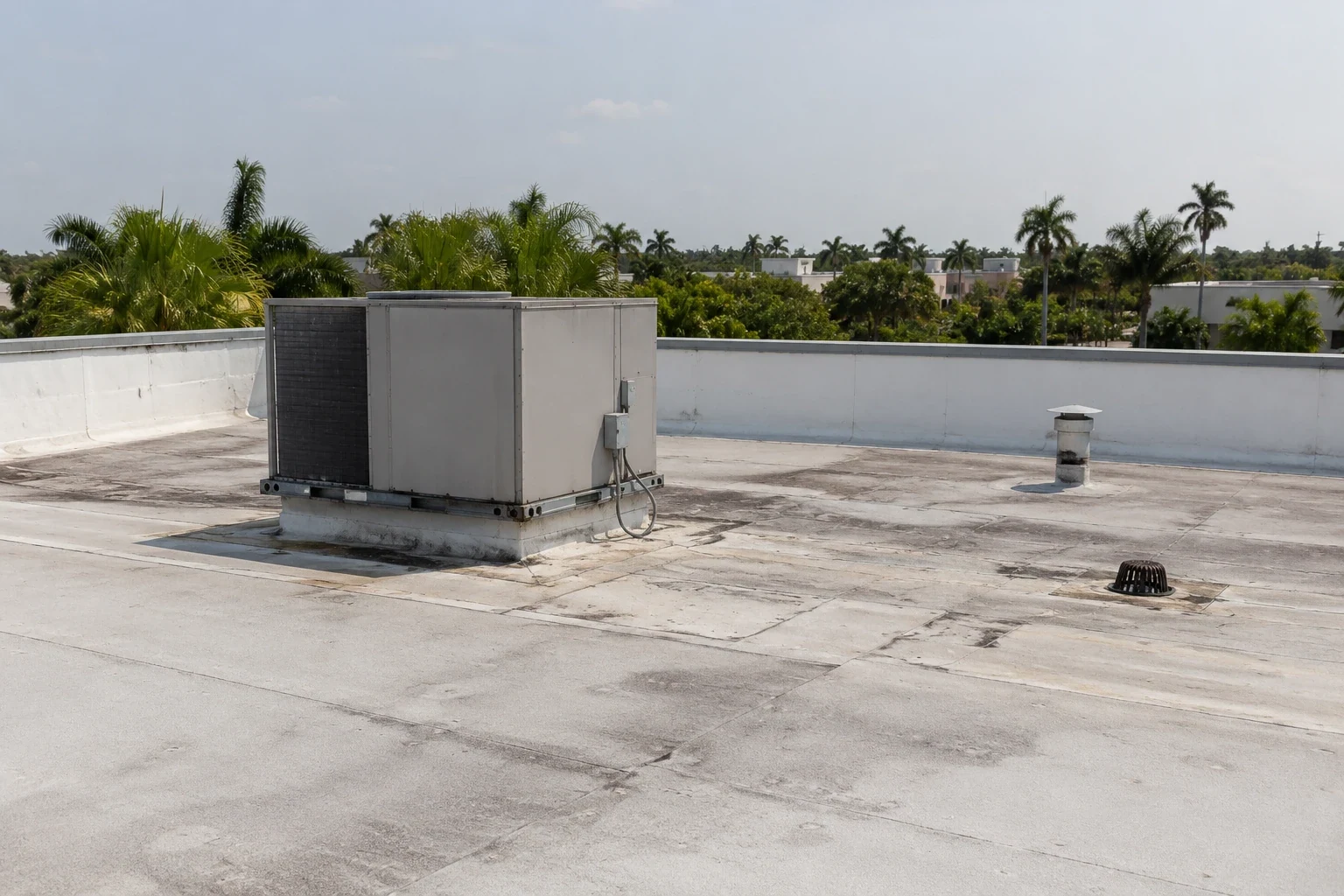
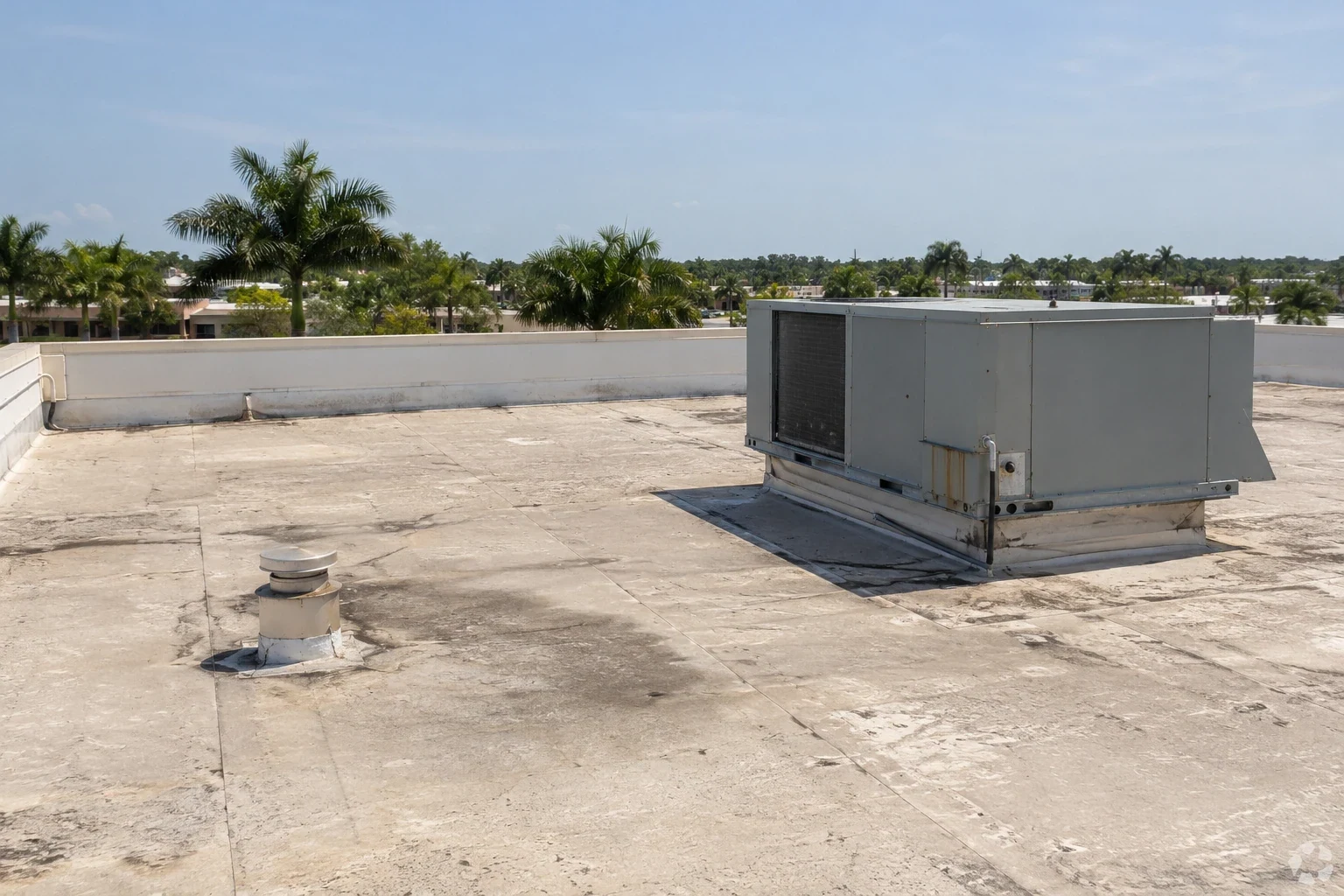
Church properties often combine a large assembly room with offices, classrooms, kitchens, fellowship areas, and storage. These spaces do not share the same hours or protection needs. We ask the church contact to mark the reported leak, identify events or services in the affected area, and note entrances that must stay open. Then we compare the interior report with the roof plan, inspect the nearest seams and transitions, and trace the likely water path. Photos and notes distinguish observed roof conditions from a stain that still needs testing.
Fifth Avenue / Pleasant Street is a Gainesville district with residential, religious, and educational buildings, including the A. Quinn Jones Museum and Cultural Center. That local mix is a reminder that older community buildings may have different access, interior finishes, and repair constraints from a newer hall. The district's context does not tell us any one congregation's roof age or material. A Fifth Avenue area roof visit still begins at the property address, where we confirm the assembly and locate what the records can support.
Gainesville's highest 24-hour rainfall total in 2025 was 3.06 inches. When water enters during a downpour, we inspect drain bowls, scuppers, overflow paths, parapets, and transitions rather than assuming a single seam is responsible. Ponding marks can show where runoff remains, while an interior stain may be several feet from the entry point. A roof inspection with photos gives the church board a usable record of the section checked and any item that remains uncertain.
Check Assembly and Details
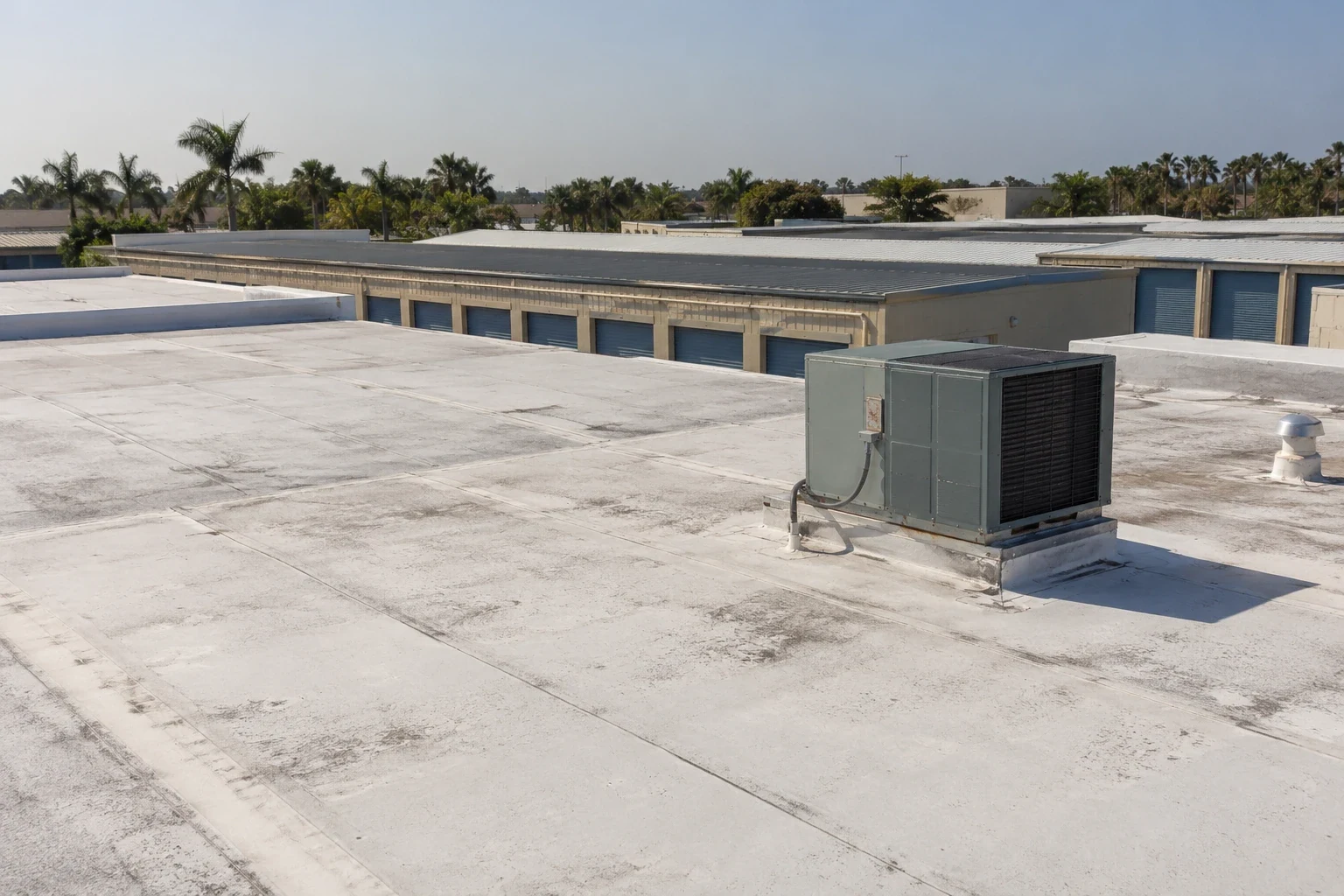
We identify whether the building has a membrane roof, modified bitumen, built-up roofing, standing seam metal, or another assembly before choosing repair materials. On an older roof, past patches and penetrations may not match the original system. We look at laps, fasteners, base flashing, skylights, equipment curbs, and the edge detail, then record how each relates to the reported room. If the ceiling report follows a roof-mounted kitchen exhaust or HVAC service visit, we include that curb and nearby membrane in the inspection.
Where a visual check cannot establish the wet boundary, a test opening can show the condition of insulation and deck at a selected point. We agree on location and interior protection first, then close the opening securely and log what it revealed. A moisture survey may help identify where further testing has value. The result can keep a repair measured: one wet bay can be addressed as a local defect, while wider moisture may require removal across a larger area.
Hail has been recorded in Gainesville and east of Archer, and severe storms can combine wind, rain, and debris impact. We inspect for punctures, displaced coping, loose metal, and damaged flashing after a reported event. A storm report cannot establish conditions on a separate property; the field record must identify what is present at this building. A storm review separates visible event-related damage from preexisting wear where the evidence allows that distinction.
Fit Work to Worship and Community Hours
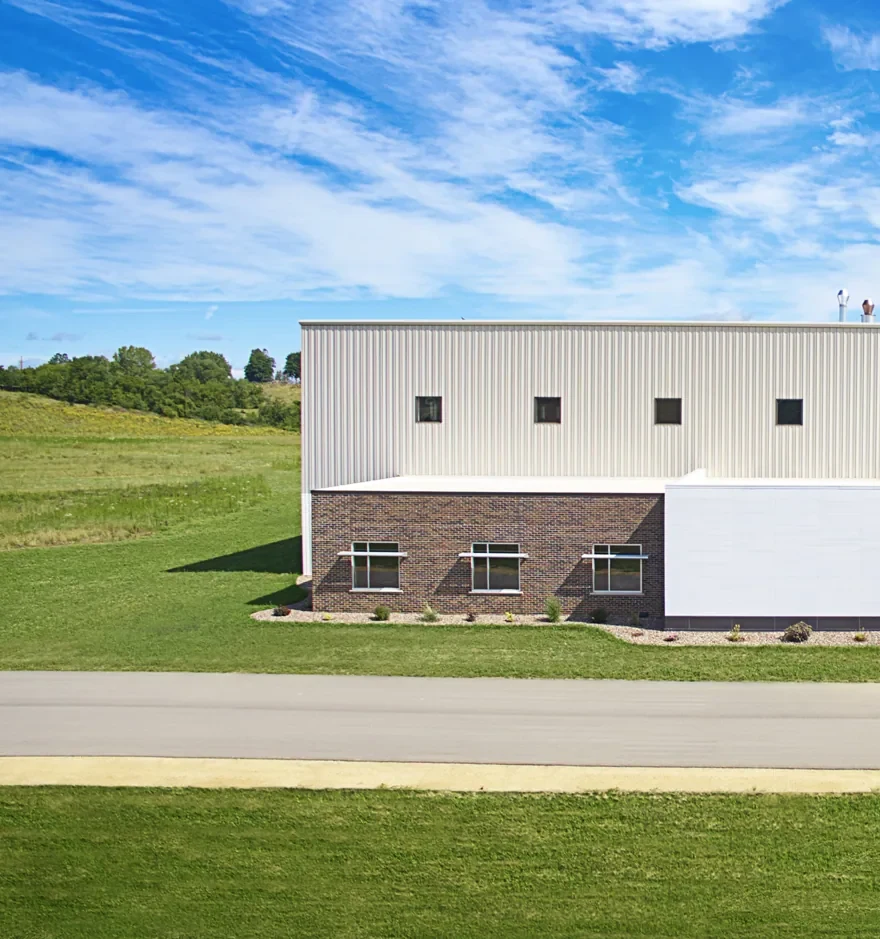
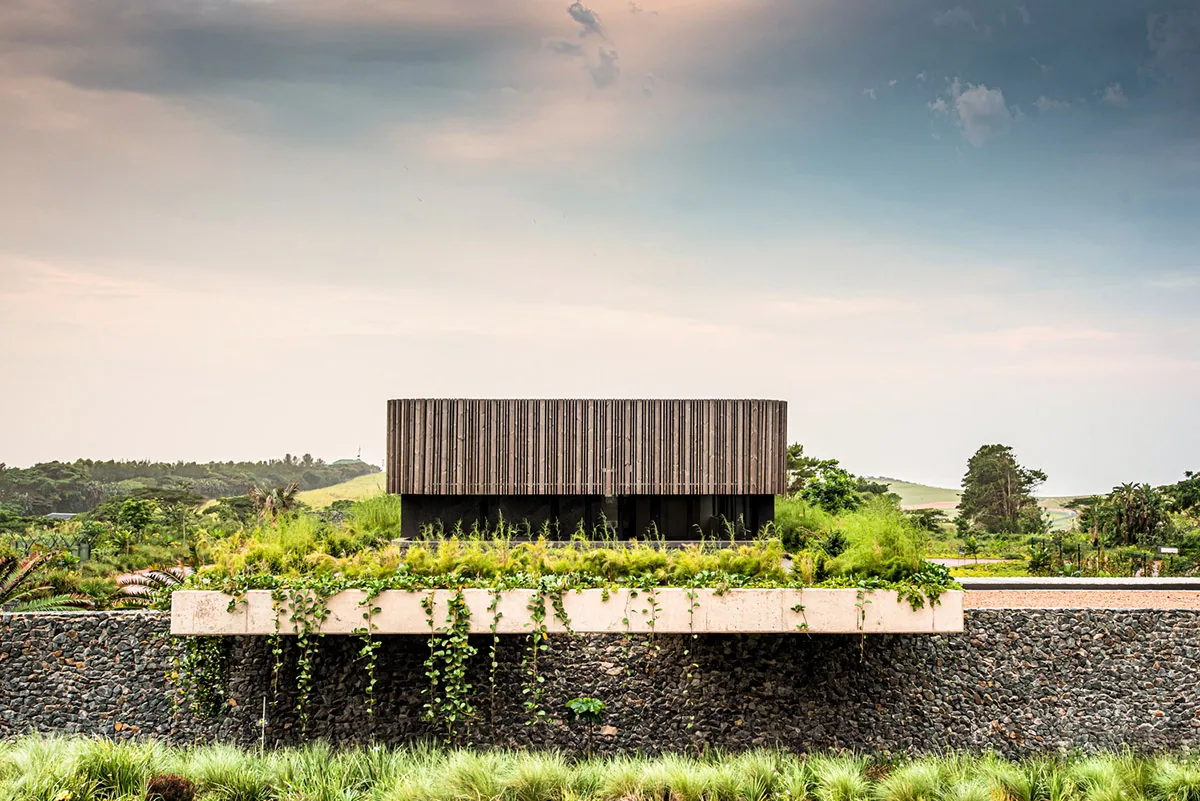
The church contact can identify worship services, funerals, classes, food programs, deliveries, and times when noise or staging must stop. We place those limits on the work sequence before materials reach the site. A lift near the main entrance may need a different time than a roof hatch over offices. If the project can be divided into roof sections, each phase receives its own access and protection plan. Staff should know which entrance remains available and whether any interior area needs a temporary barrier.
For an active leak, emergency response runs all day and night, including weekends and holidays. We first stabilize the opening, protect the affected interior as directed by the site contact, and document the temporary condition. Permanent repair follows after the assembly and wet area are understood. This distinction matters to a board reviewing the work later: the record shows which measure stopped immediate entry and what remains in the permanent scope.
South Main / South Depot is among Gainesville's priority reinvestment areas. For a church in a city-center setting, the site contact can identify public access, event timing and delivery constraints that apply to the property. A school building roof plan or residential property review may share occupied-building coordination, while the congregation's schedule and room use set its own priorities.
Select the Work That Fits the Findings
A patch can be appropriate when the surrounding membrane and insulation remain sound. Repeated leaks, widespread wet insulation, failing attachment, or deteriorated deck can make a larger repair or replacement more practical. We compare those options in the scope and identify the cost drivers: removal quantities, deck repairs, flashing geometry, roof height, access, material choice, and the number of areas that need protection. The board can see which conditions were confirmed and which are assumptions that would require additional testing.
Coating or recover work may be considered when the existing roof qualifies and drainage, adhesion, and code requirements can be satisfied. We state what stays in place, where preparation is needed, and which details still need repair. A restoration assessment is different from replacement; a replacement scope describes removal, insulation, attachment, and tie-ins. Florida's 2023 Building Code, 8th Edition, applies to Gainesville permit applications received from December 31, 2023. The project team can confirm which building and energy provisions govern this scope.
Scheduling also depends on weather, the work area, material lead time, and how long an open section can remain protected. We plan tie-ins so the roof can be secured if a storm changes the day's work. Where assemblies or buildings differ across a campus, the estimate keeps those areas separate instead of assigning one broad solution to every roof.
Give the Board a Clear Record
Closeout should identify the roof system, repaired section, materials installed, drainage or edge details addressed, and any test opening completed. Photos connect the work to a marked roof plan. We also list unresolved conditions and the next maintenance interval suggested by what was observed. The church administrator can use that record when comparing future bids, responding to another leak report, or planning a capital request without treating an uninspected area as repaired.
For a Gainesville church roof review, send the address, building use, roof records, reported rooms, active leak areas, event schedule, access contact, and preferred work window. We will inspect the roof section, coordinate around the congregation's calendar, and prepare a measured scope that shows the work and any decision still pending.
Frequently Asked Questions
Can roof work be scheduled outside worship services?
Yes. Share service times, weekday programs, funerals, deliveries, and any quiet periods with the site contact. We use that calendar to set access and stage noisy or disruptive tasks when the affected spaces can be protected.
Does a sanctuary ceiling stain identify the roof leak?
No. Water can travel along a deck or framing before it appears inside. We compare the room location with roof details and test only when the entry point or wet boundary remains uncertain.
What should a church board compare in repair proposals?
Look for the confirmed roof section, materials, removal quantities, interior protection, exclusions, and any testing still needed. A measured scope makes a local repair easier to compare with restoration or replacement.
Can the congregation use the building during reroofing?
Often, with a phased sequence and clear limits for entrances, noise, and interior protection. The final plan depends on roof layout, weather, and the building contact's operating requirements.
Related Roofing Work
Plan a Gainesville Church Roof Inspection
Provide the property address, building use, roof records, active leak areas, affected rooms, event calendar, site contact, and access window. We will document field conditions and prepare a measured scope around the congregation's schedule.